
Diving at Shark Alley (South Africa)
Anticipating the thrill of an encounter with apex predators defines the Shark Alley experience. This destination near Gansbaai delivers an unparalleled opportunity for face-to-face interaction with Great White Sharks in their natural environment. It's a raw, immediate connection with marine wildlife, primarily through cage diving, making it accessible even without scuba certification. Prepare for an unforgettable adventure where the wild ocean unfolds directly before you.
Evening condition tracking at Shark Alley features an air temperature of 15.5°C. We have recorded wave heights measuring 2.5 m during this period. These figures outline the environmental parameters currently present.
Dive Site Location & Key Facts
Dive Site Overview
Shark Alley forms a distinctive narrow channel between Dyer Island and Geyser Rock, just south of Gansbaai's fishing village. This unique geographical arrangement directly influences the marine activity here.
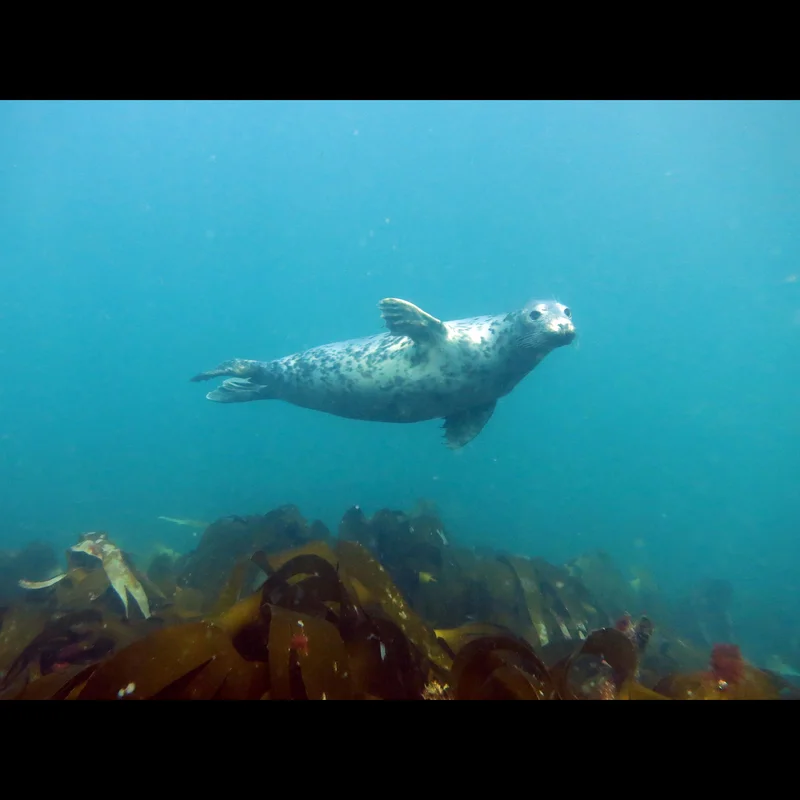
Geyser Rock hosts a significant colony of 60,000 Cape fur seals, providing a consistent food source for the area's shark population, particularly Great Whites. The channel itself acts as a prime hunting ground, creating a dynamic environment where predator-prey interactions are frequently observed. While not a traditional scuba dive, the experience involves being lowered into a secure cage that floats on the surface.
Participants can observe sharks operating just below the water line. Encounters typically occur within recreational depth ranges, effectively at the surface.
Close, immediate connections with these apex predators are possible due to this setup. Underwater terrain, although not commonly explored by conventional diving due to the activity's nature, consists of rugged structures around Dyer Island and Geyser Rock, forming the foundation of this vibrant ecosystem.
Maximum depth for the cage diving isn't frequently cited, as interactions consistently stay shallow. However, surrounding waters in the area can reach depths of 30 m (100 ft), providing ample habitat for various species. Water temperatures range from 12-18°C (54-64°F) throughout the year, necessitating appropriate thermal protection for those in the water.
Conditions are Moderate
High Swell Advisory. Not recommended.
Current conditions near Shark Alley show 16° air, 16° sea temperature, 2.5 m waves, and 35 km/h wind. Forecast data is refreshed regularly to ensure accuracy.
Best Time to Dive
Considering peak Great White shark activity, especially witnessing breaching events, the winter months from June to September present the most compelling opportunity. During this period, young seal pups become more common prey, increasing shark presence. However, conditions during these months are often challenging; average air temperatures range between 15-16.5°C (59-62°F), and dive scores are typically rated 'Poor'. Expect higher wave heights, averaging 3.3-3.6 m (10.8-11.8 ft), and sustained wind speeds between 27-30 km/h (17-19 mph). Conversely, the summer months, from December to February, offer milder air temperatures, around 21-22°C (70-72°F), with lower wave heights averaging 2.3-2.5 m (7.5-8.2 ft) and 'Moderate' dive scores. While Great Whites are present year-round, sightings might be less concentrated outside the winter season, although calmer conditions could enhance overall comfort.
PEAK SEASON SCORE
Scores combine air & water temps, waves, wind & rainfall for overall conditions.
BEST MONTHS TO DIVE
Monthly records compiled from satellite and marine observation nodes over the last 3 years. Data provided by Open-Meteo and MET Norway.
Dive Experience & Conditions
Preparing for your experience often begins with a briefing from marine biologists, detailing the local ecosystem and shark behavior. Once on site, participants are typically provided with wetsuits before being positioned within a secure, floating cage. The cage usually remains partly above the surface, while the submerged section provides direct views of the marine environment. Sharks are often attracted to the area using bait and chum, ensuring interactions occur just under the water's surface, making it an accessible experience for those without scuba qualifications. Observing from the safety of the boat is also a viable option, as sharks often approach closely. Waters here are known for being cool to cold, aligning with the temperate South African coastline, and visibility can vary with oceanic conditions, plankton blooms, and surge from the prevailing weather patterns. Average wave heights range from 2.3 to 3.6 meters (7.5 to 11.8 ft) throughout the year, suggesting potential for choppy surface conditions.
Dive Difficulty & Safety Guidelines
Ensuring safety during a shark encounter is paramount, and operators at Shark Alley prioritize participant well-being through strict protocols. The primary safety measure involves remaining inside the robust, purpose-built cage when in the water, which provides a physical barrier between divers and the Great White Sharks. Listening carefully to the experienced crew and marine biologists before and during the activity is essential, as their instructions are designed to manage interactions safely and effectively.
Participants should adhere to all guidelines provided by the dive operator, including proper entry and exit procedures for the cage. Respecting the marine environment and the wild nature of the animals observed contributes to a responsible and secure experience.
Recommended Equipment
Current and surface separation risk. Local briefing strongly recommended.
- Dive Computer
- DSMB
- Reel / Spool
This gear list is based on verified equipment signals for Shark Alley, South Africa. Always confirm final gear choices with your dive operator, guide, or liveaboard.
Recommended Dive Suit
Experienced divers often bring flexible gear options.
Environmental readings suggest that the waters surrounding Shark Alley are about 16°C (61°F) at the moment. Surface air temperatures are resting at 16°C (60°F). Divers who spend longer periods underwater often choose 5-7mm wetsuit. Consider warmer surface protection (like a boat coat) due to brisk winds. A thermal robe or jacket is recommended between dives.
A warming trend is expected over the next few days. A warming trend is expected over the next few days.
Emergency & Medical Support
Essential information to help you plan your dive trip to Shark Alley.

Hyperbaric chambers are a critical part of dive safety infrastructure. Availability varies significantly by region, and not all dive areas have immediate access.
Before diving, it's recommended to:
- confirm nearest medical facilities
- check emergency procedures with local dive operators
- ensure dive insurance covers evacuation if required
Divers Alert Network
Diving emergency assistance available through DAN Southern Africa.
+27828106010- 24/7 emergency hotline
- Diving medical assistance
- Evacuation coordination
Emergency contacts are provided for reference. Always verify local emergency services before diving.
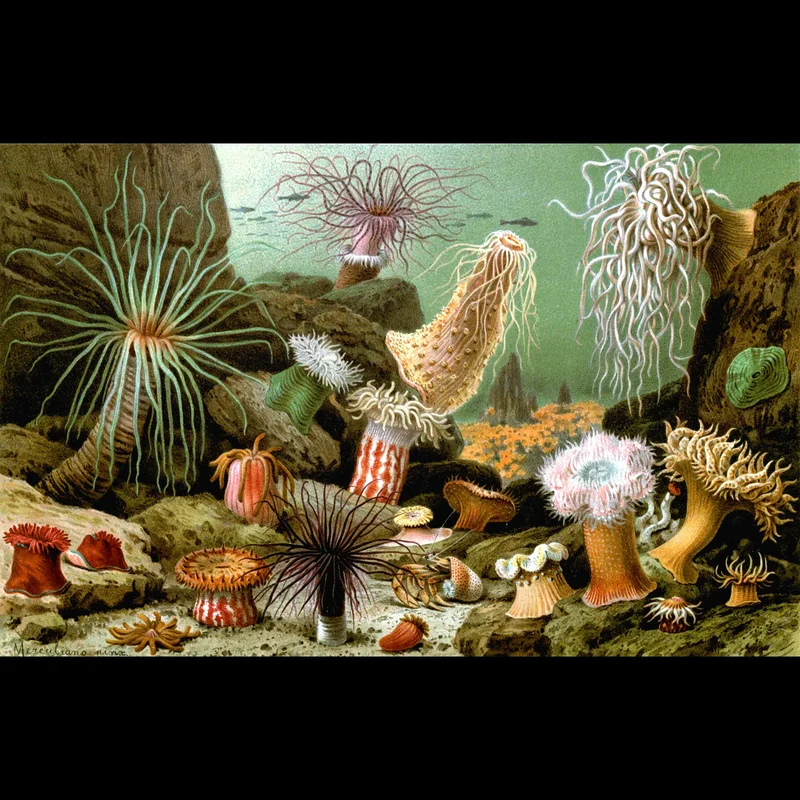
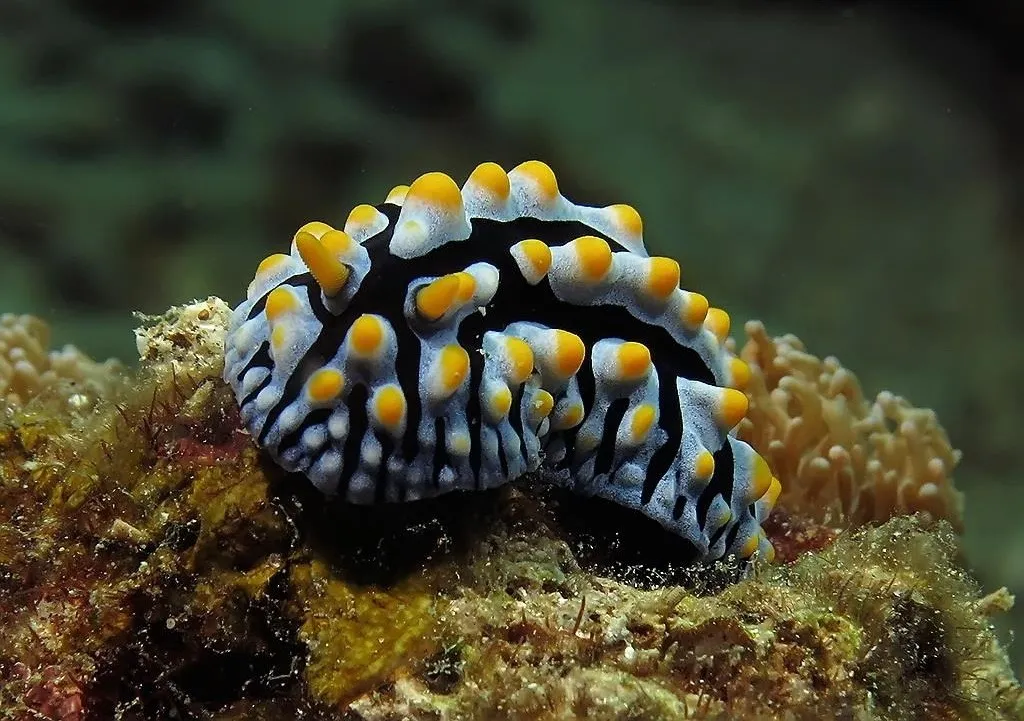
Marine Life at Shark Alley
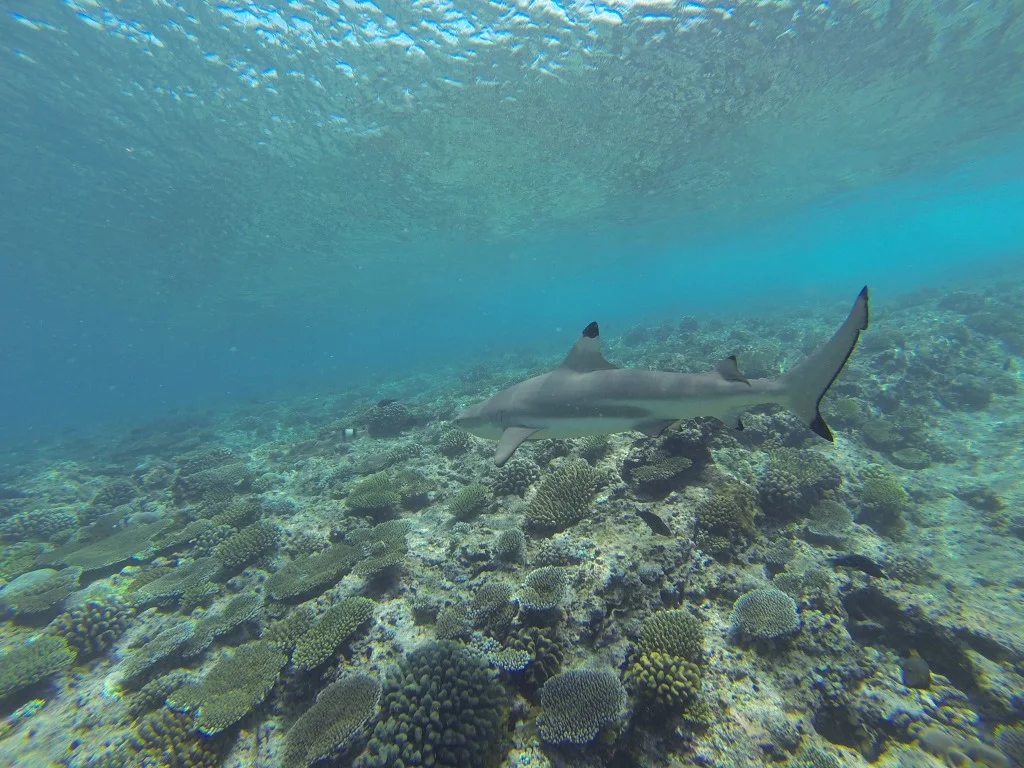
Great White Sharks will capture your attention immediately in Shark Alley. These formidable predators are the main attraction, drawn by the dense population of Cape fur seals residing on nearby Geyser Rock.
Observing the sheer numbers of these playful seals often precedes any shark sightings. Besides Great Whites, divers might also encounter Bronze Whaler sharks and Copper sharks in the vicinity.
Birdlife is abundant on Dyer Island, providing sanctuary for various seabird species, including several cormorants, gulls, and terns. Depending on the season, transient visitors like dolphins or even whales may also be spotted from the boat, adding to the rich biodiversity of this coastal region.
Dive Centers Near Shark Alley
Today: 08:00 - 15:00
Nearest Airports
Nearest airports to help plan travel to this dive area.
Search Flights
Check available flights and routes on Expedia, using the nearby airports listed in this section.
Search Flights on ExpediaFrequently Asked Questions
Do I need a diving certification for Shark Alley?
No, you don't need to be scuba certified for the cage diving experience. Cages float at the surface, allowing participants to breathe air from above while observing marine life underwater.
What kind of sharks can I see?
Great White Sharks are the primary draw. You may also encounter Bronze Whaler sharks and Copper sharks, which frequent these waters.
What's the best time of year to see Great Whites?
Winter months, from June to September, are considered prime time for Great White sightings and observing breaching behavior. Young seal pups, their preferred prey, become most abundant during this period.
Is it safe to cage dive with Great White Sharks?
Yes, operators use secure, purpose-built cages designed to ensure the safety of participants. Adhering to the crew's instructions is crucial for a safe experience.
What other marine life can be seen?
Beyond sharks, you'll see a large colony of Cape fur seals on Geyser Rock. Seabirds inhabit Dyer Island, and seasonal sightings of dolphins and whales are also possible from the boat.
Where exactly is Shark Alley located?
This narrow channel of water lies between Dyer Island and Geyser Rock, a few kilometers south of the fishing village of Gansbaai, South Africa.
How cold is the water in Shark Alley?
Water temperatures in this region are typically cool to cold throughout the year, even though specific averages are not consistently reported. A wetsuit is generally recommended for comfort during the experience.
Planning to dive Shark Alley?
Send one inquiry and receive offers directly from the best verified local dive operators.
Conditions are Moderate
High Swell Advisory. Not recommended.
Current conditions near Shark Alley show 16° air, 16° sea temperature, 2.5 m waves, and 35 km/h wind. Forecast data is refreshed regularly to ensure accuracy.