
Diving at Bajo del Lladó North (Spain)
Descending into Bajo del Lladó north, divers first encounter a broad platform situated at approximately 12 m (39 ft). From this initial vantage point, the dive gradually unfolds along an irregular rock face, transitioning downwards to deeper contours. This geological structure, characterized by its varied slopes and formations, guides the exploration into deeper sections, ultimately reaching a maximum depth of 37 m (121 ft). The dive follows these natural ledges, inviting careful observation of the diverse underwater landscape.
As evening covers Bajo del Lladó North, the local air temperature is measured at 22.5°C. The current wave height at the surface is recorded at 0.7 m. These late-day readings characterize the surface conditions for the night.
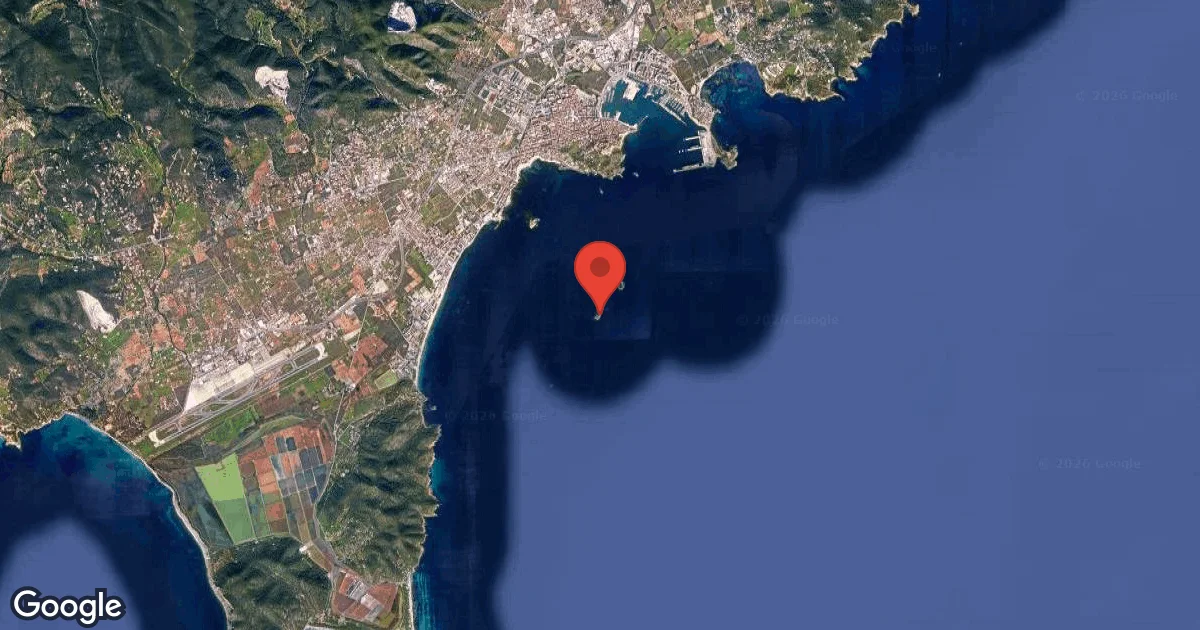
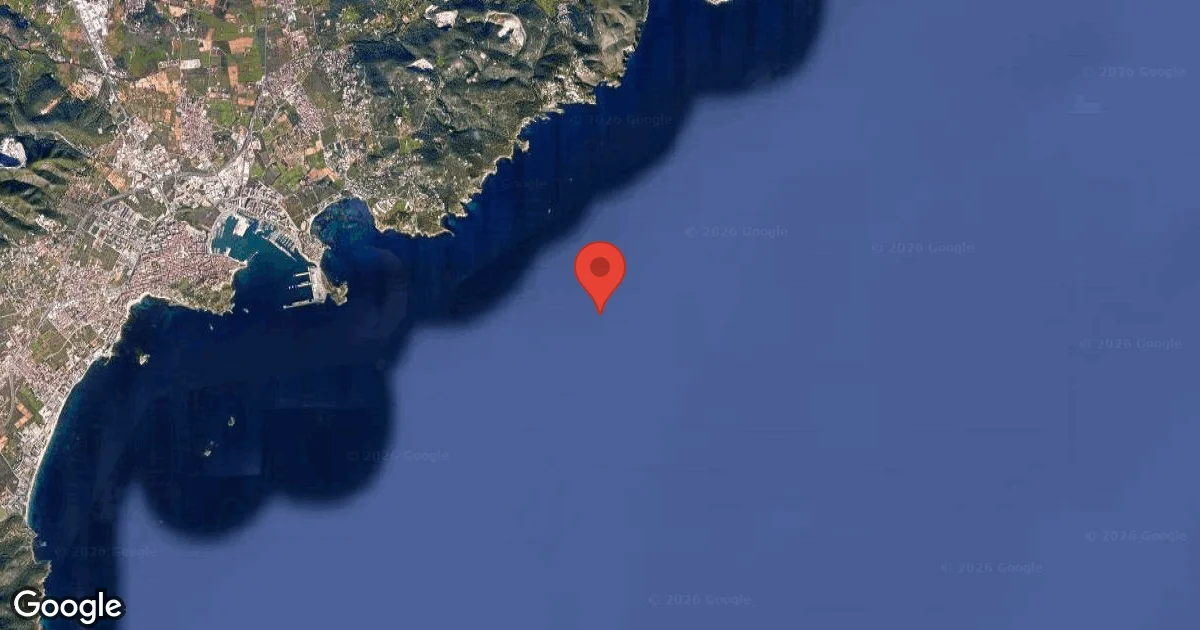
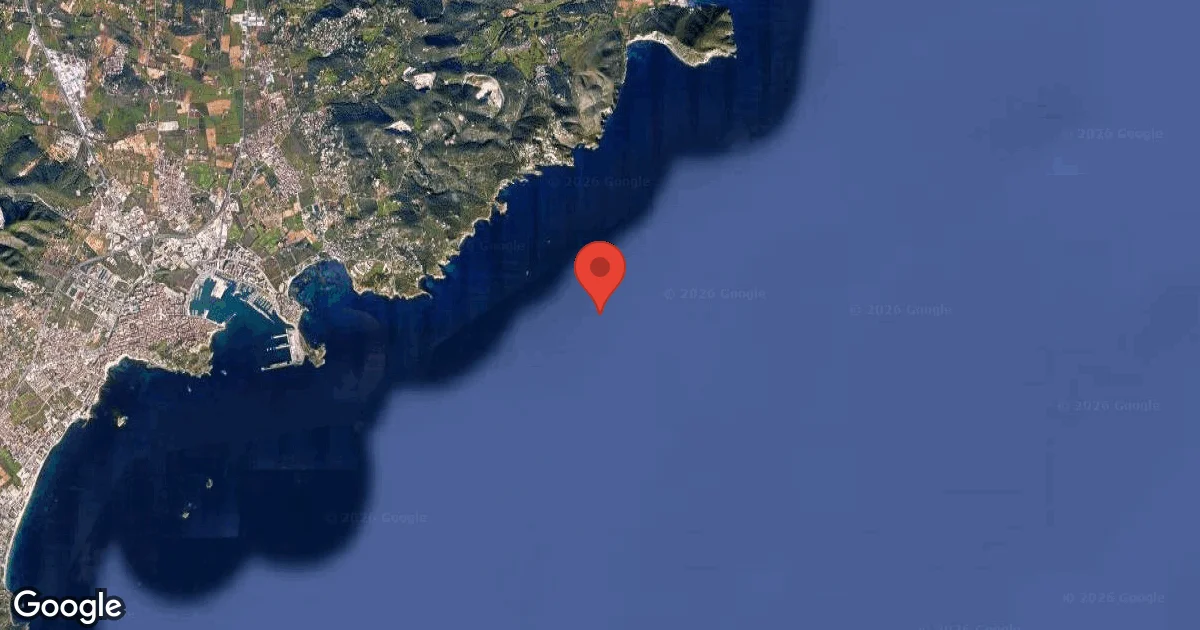
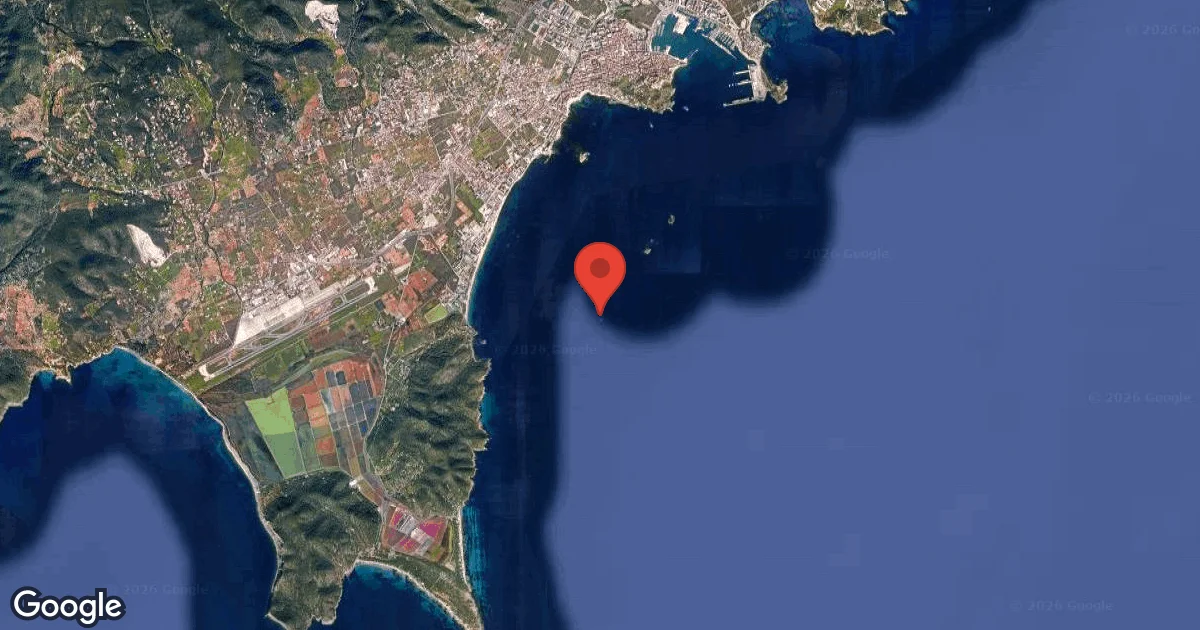
Dive Site Location & Key Facts
Dive Site Overview
An irregular northern islet forms the core structure of Bajo del Lladó north, shaped by natural forces over time. Divers initially encounter a distinct platform around 12 m (39 ft) deep.
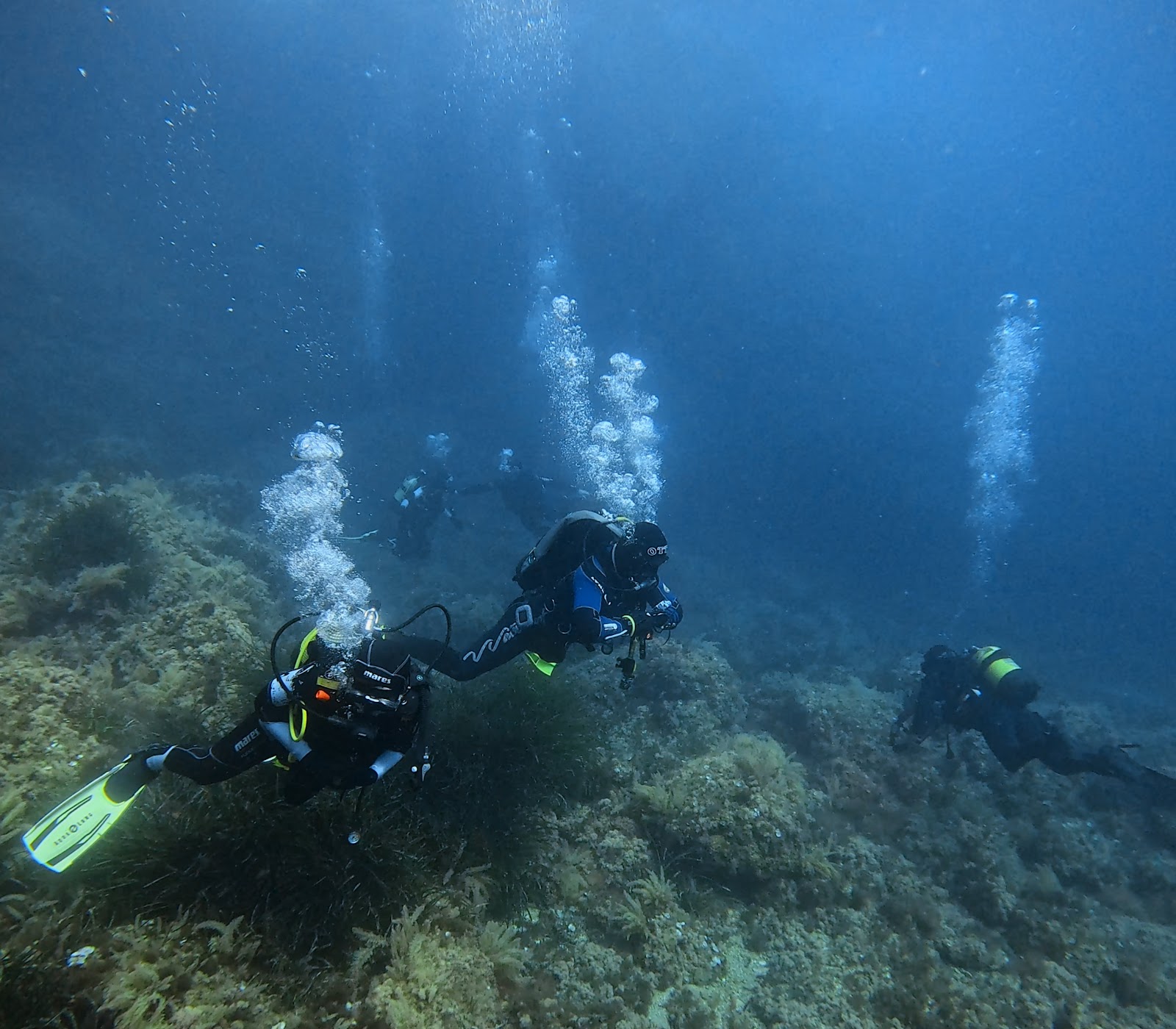
From this initial point, the rock face descends through varying gradients, reaching intermediate depths of 20 m (66 ft) and ultimately dropping to 37 m (121 ft). Verticality delivers a classic wall dive experience, with extensive rock formations creating numerous crevices and overhangs throughout. Intricate features within the wall provide natural shelters and hunting grounds for resident marine species, inviting close inspection from keen-eyed divers.
Exploring these complex rocky landscapes allows for thorough examination of the diverse ecosystems clinging to and inhabiting the stone. Numerous invertebrates and fish call this area home, making each descent a journey into a dynamic underwater environment sculpted by ancient geological forces.
Careful navigation through the site's varied contours often reveals hidden life. Deeper sections of the site offer a different perspective than shallower platform areas, encouraging divers to observe shifts in both life density and ambient light as they descend and ascend. Pay attention to the subtle changes in the benthic community across different depth ranges.
Conditions are Good
Optimal conditions expected
Current conditions near Bajo del Lladó North show 22° air, 27° sea temperature, 0.9 m waves, and 31 km/h wind. Forecast data is refreshed regularly to ensure accuracy.
Best Time to Dive
Optimal diving conditions for Bajo del Lladó north generally align with periods of warmer air temperatures and calmer seas. The months from April through October typically offer the best experience, characterized by average air temperatures ranging from 17°C (63°F) in April to 27°C (81°F) in August. During this peak season, average wave heights are consistently lower, often below 1 meter (3.3 ft), and wind speeds tend to be lighter, contributing to more stable boat conditions. Rainfall is minimal, especially from June to August, where averages are below 1 mm. While specific water temperatures aren't consistently reported for this site, the warmer air and decreased precipitation during these months suggest more comfortable surface and overall diving conditions. Even during the winter months, dive scores remain "Good", indicating year-round potential, though air temperatures drop to around 13-15°C (55-59°F).
PEAK SEASON SCORE
Scores combine air & water temps, waves, wind & rainfall for overall conditions.
BEST MONTHS TO DIVE
Monthly records compiled from satellite and marine observation nodes over the last 3 years. Data provided by Open-Meteo and MET Norway.
Dive Experience & Conditions
Bajo del Lladó north presents a depth profile suitable for certified divers comfortable with deeper excursions. Divers commence on a rock platform at 12 m (39 ft), which then transitions into a significant wall descending to 37 m (121 ft). Such a setup enables a multi-level dive, allowing exploration of shallower reef sections before proceeding along the vertical face. Irregular rock formations and crevices become more pronounced in deeper zones, presenting different exploration opportunities. While specific current conditions aren't consistently reported for this site, marine environments such as this can experience varying water movements depending on tides and local topography. Visibility in the region is generally good, supporting clear views of the rock face and its inhabitants. Planning bottom time carefully is crucial, particularly when exploring the deeper limits of the dive. Divers will find the distinct transition from platform to wall a key navigational feature.
Dive Difficulty & Safety Guidelines
Diving Bajo del Lladó north requires careful adherence to standard safety protocols and a certification level appropriate for deeper dives. Given the maximum depth of 37 m (121 ft), advanced open water certification or equivalent experience is recommended to manage the nitrogen absorption and potential narcosis that can occur at this depth. Divers should always follow the buddy system and conduct thorough pre-dive checks.
Pay close attention to bottom time and ascent rates, especially after exploring the deeper sections of the wall. Although no specific hazards are listed, prudent diving practices, such as monitoring air consumption and being aware of surroundings, are always essential. Navigation can be simplified by following the distinct rock formations.
Recommended Equipment
- Dive Computer
- DSMB
This gear list is based on verified equipment signals for Bajo del Lladó North, Spain. Always confirm final gear choices with your dive operator, guide, or liveaboard.
Recommended Dive Suit
With water temperatures around 27°C (80°F), many divers find a 2-3mm shorty or light wetsuit provides comfortable protection.
Local conditions can vary slightly across different parts of the same dive site.
Surface conditions are expected to warm up slightly in the coming days. A warming trend is expected over the next few days.
Emergency & Medical Support
Essential information to help you plan your dive trip to Bajo del Lladó north.

Hyperbaric chambers are a critical part of dive safety infrastructure. Availability varies significantly by region, and not all dive areas have immediate access.
Before diving, it's recommended to:
- confirm nearest medical facilities
- check emergency procedures with local dive operators
- ensure dive insurance covers evacuation if required
Divers Alert Network
Diving emergency assistance available through DAN Europe.
+39 0642115685- 24/7 emergency hotline
- Diving medical assistance
- Evacuation coordination
Emergency contacts are provided for reference. Always verify local emergency services before diving.
Closest Listed Hyperbaric Chambers
Showing listed hyperbaric chamber facilities within 200 km of this dive site.
Distances are approximate straight-line distances and may not reflect emergency travel time.
Underwater and Hyperbaric Medicine
Palma de Mallorca, Spain•Approx. 122 km straight-line
Underwater and Hyperbaric Medicine
Information is provided for reference and planning purposes only. Dive Navigator does not verify operational status, staffing, availability, or quality of care at listed facilities. In an emergency, contact local emergency services, DAN, your dive operator, or the chamber directly. Do not travel to a facility without calling ahead.
Unidad Hiperbarica Hospital de Castellon UTH-HGUCS
24/7 ListedICU CapableCastellon, Spain•Approx. 180 km straight-line
Unidad Hiperbarica Hospital de Castellon UTH-HGUCS
24/7 ListedICU CapableInformation is provided for reference and planning purposes only. Dive Navigator does not verify operational status, staffing, availability, or quality of care at listed facilities. In an emergency, contact local emergency services, DAN, your dive operator, or the chamber directly. Do not travel to a facility without calling ahead.
Marine Life at Bajo del Lladó North
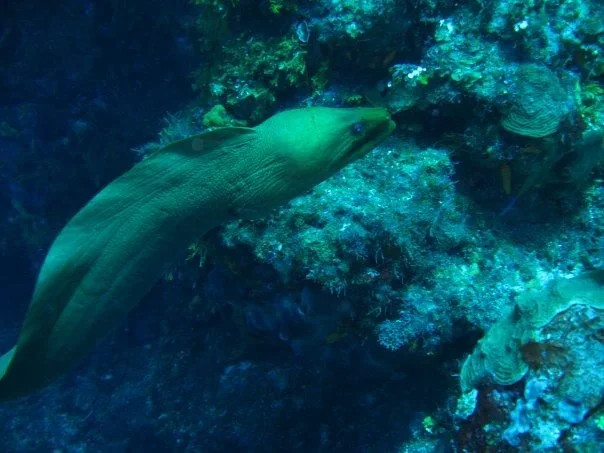
The irregular foundations and numerous crevices of Bajo del Lladó north create an ideal habitat for a variety of marine life. Keep an eye out for moray eels, which are often observed peeking from these rocky shelters.
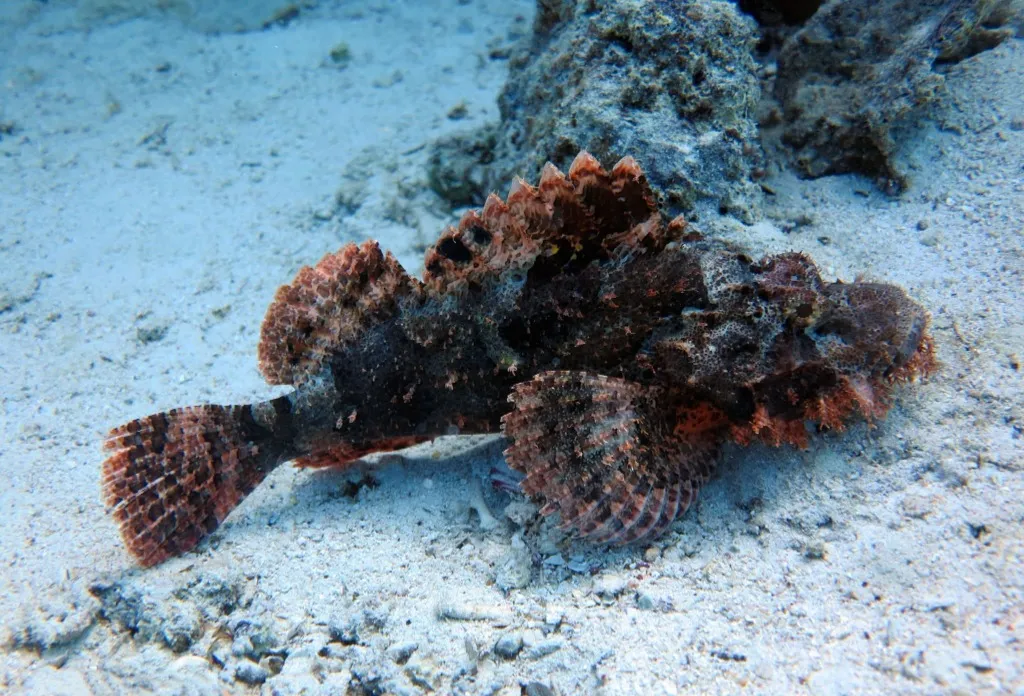
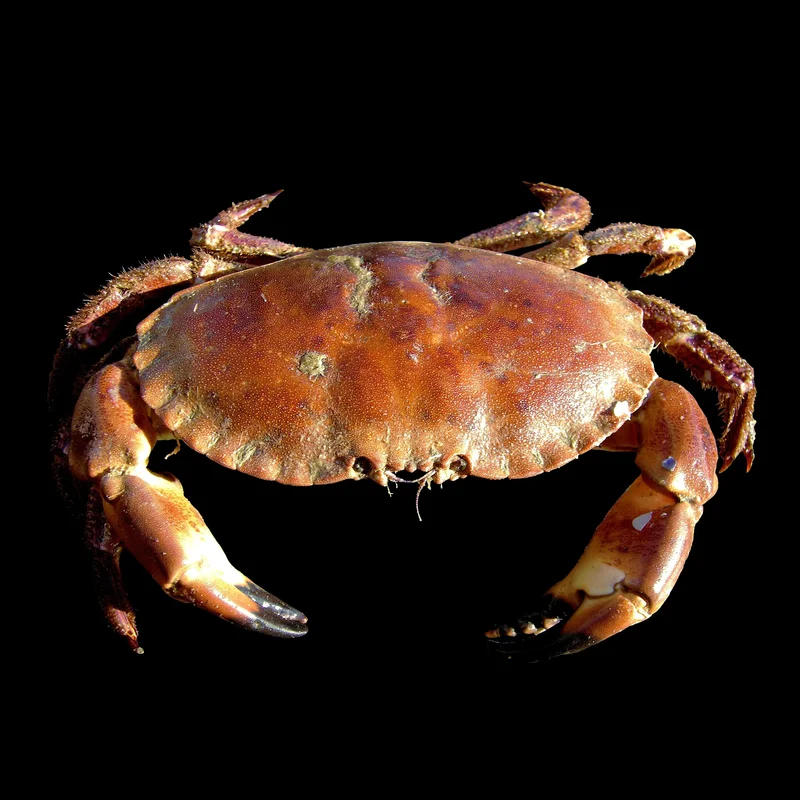
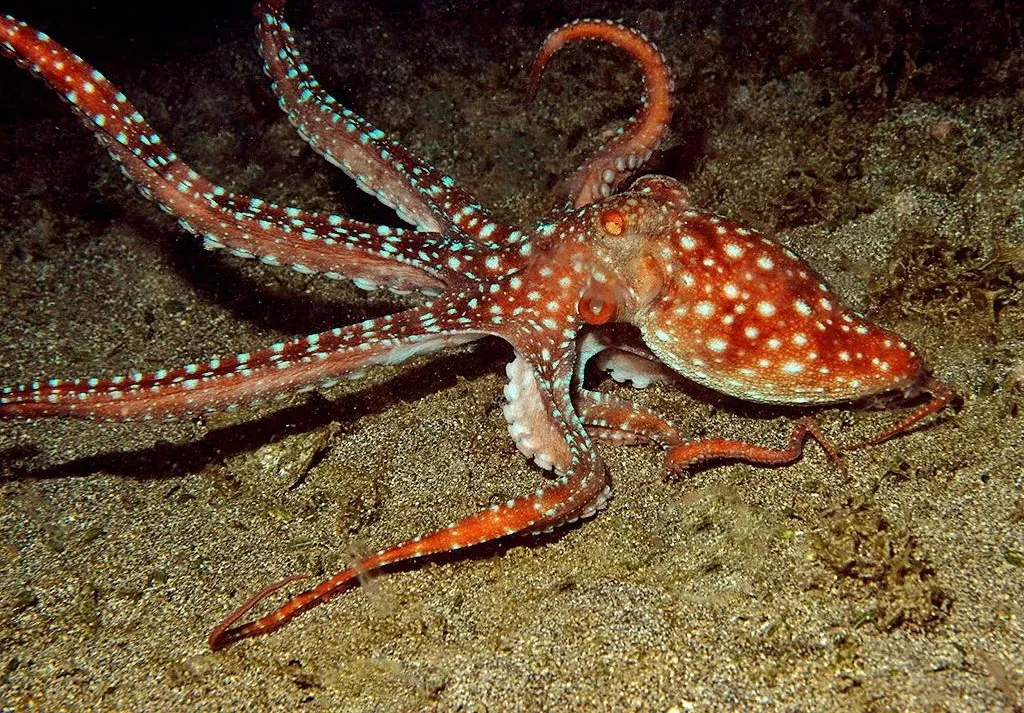
Crabs can be spotted scuttling across the rock face and within smaller cracks. Divers exploring the site's nooks and crannies might also discover octopuses, masters of camouflage, and potentially encounter sea cicadas and scorpionfish nestled among the rocks.
The varied topography supports a diverse community, inviting careful observation of the smaller inhabitants that thrive in this environment.
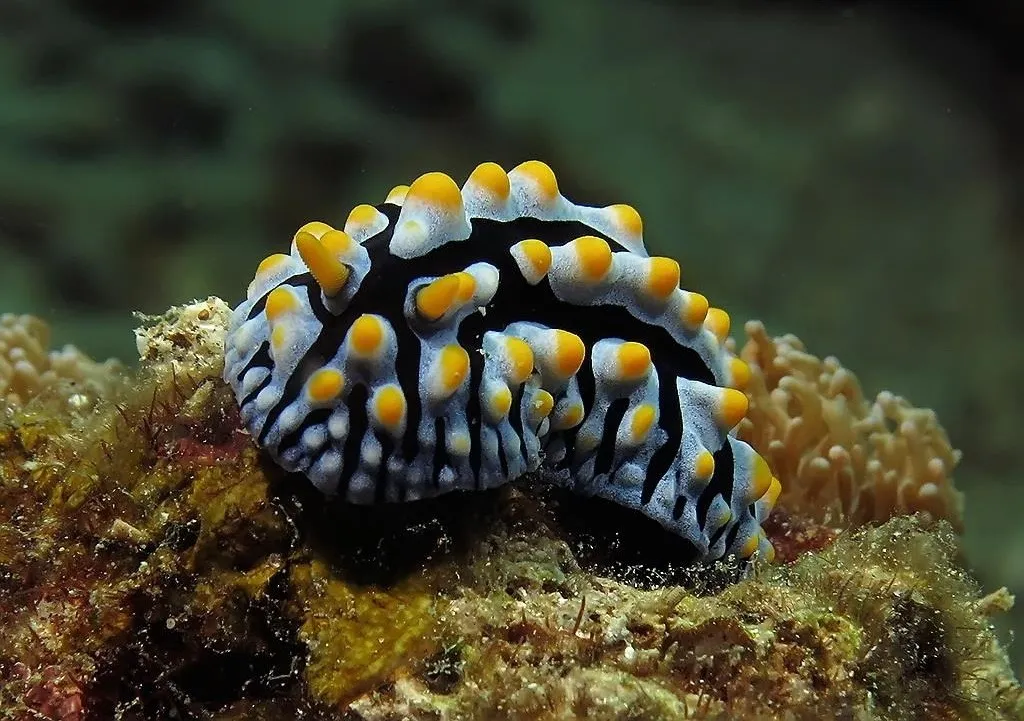
Dive Sites Near Bajo del Lladó North
View all dive sites in SpainDiscover more underwater gems in this area.
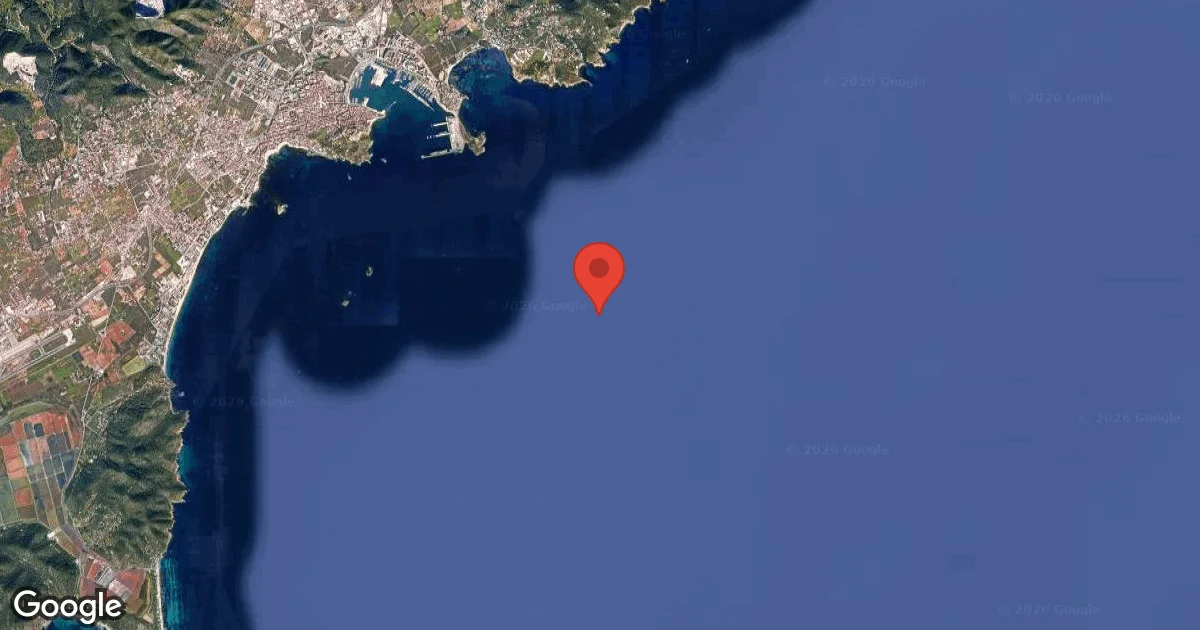
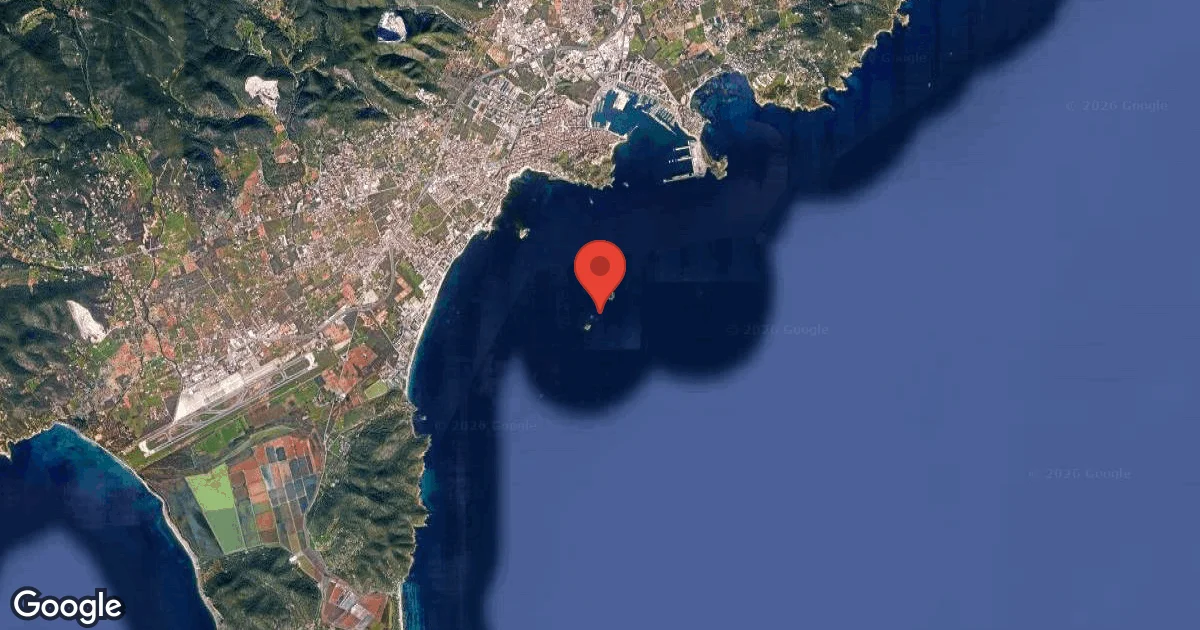
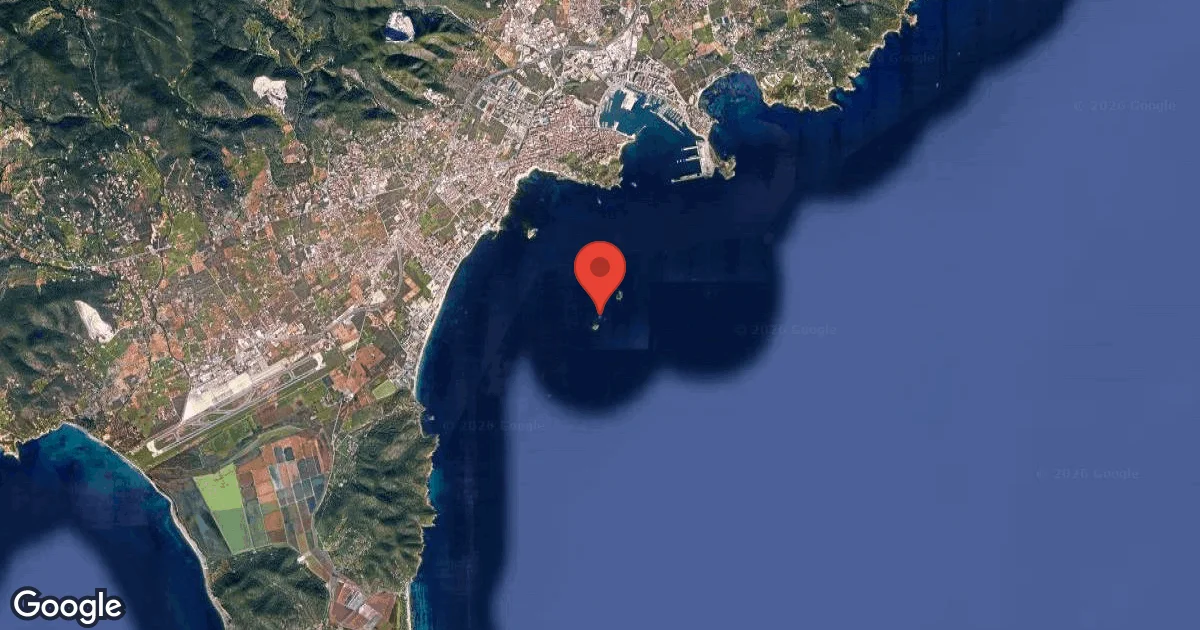
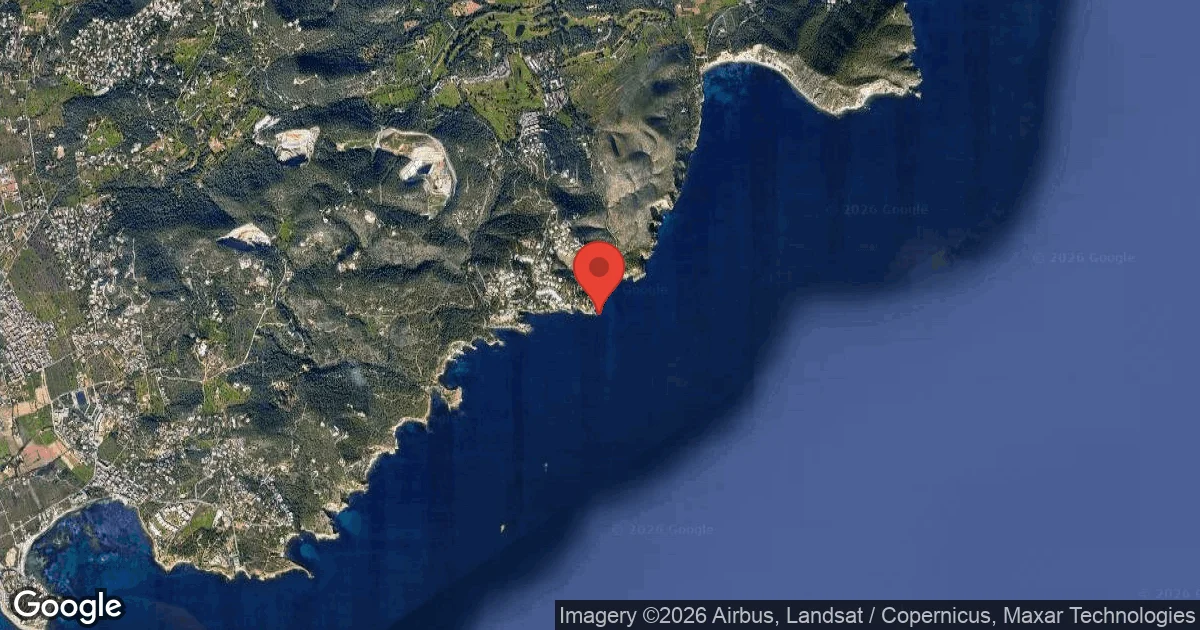
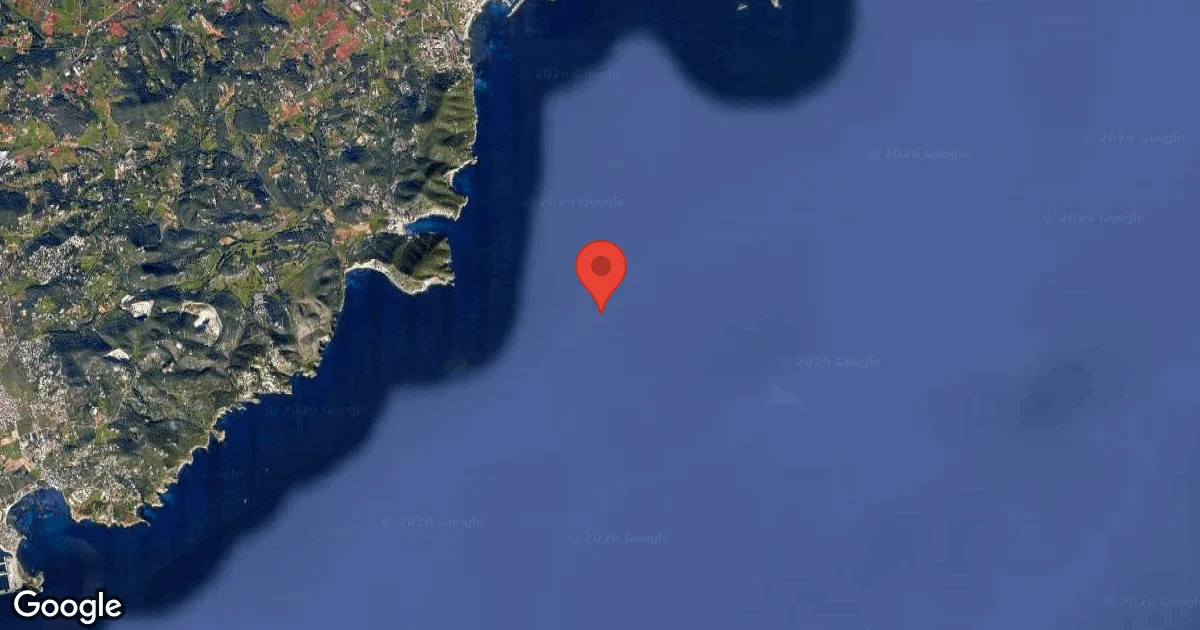
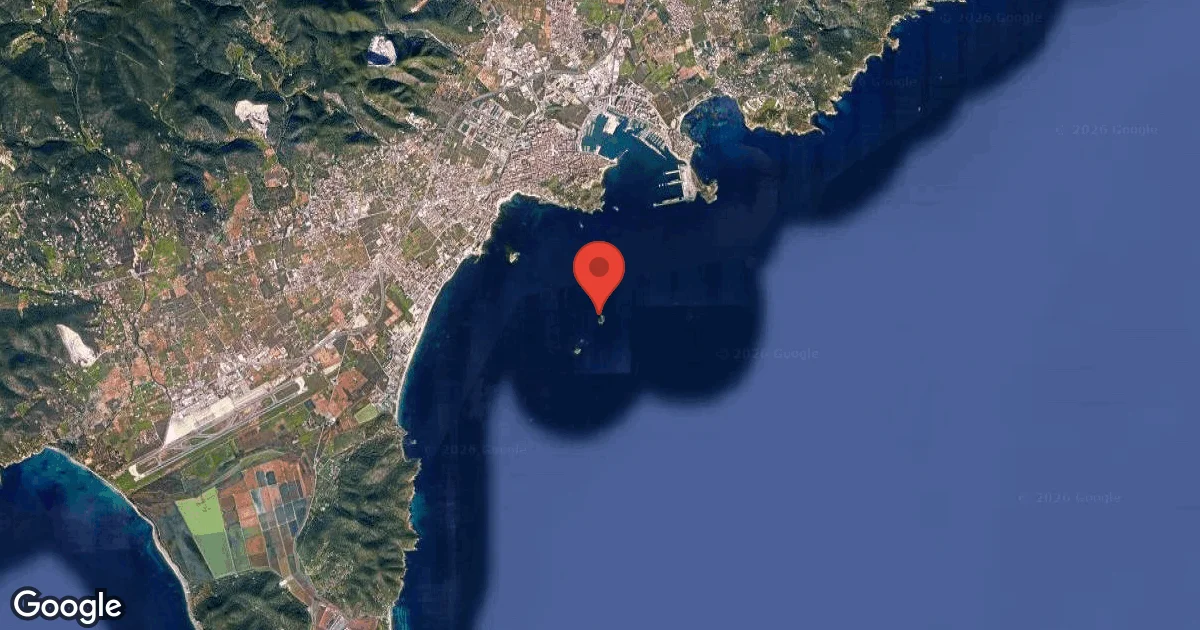
Dive Centers Near Bajo del Lladó North
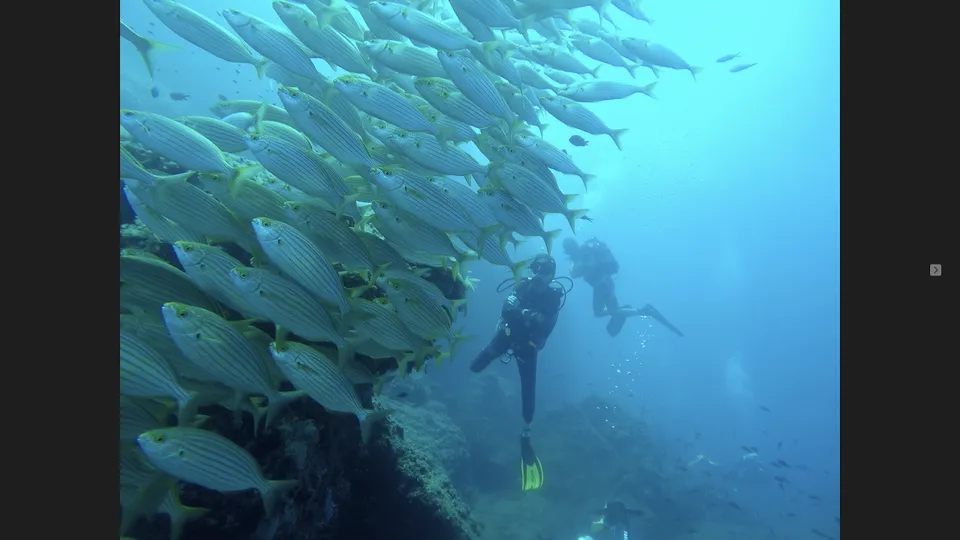
Today: 08:30 - 17:30
Nearest Airports
Nearest airports to help plan travel to this dive area.
Search Flights
Check available flights and routes on Expedia, using the nearby airports listed in this section.
Search Flights on ExpediaFrequently Asked Questions
What is the maximum depth at Bajo del Lladó north?
Maximum depth at the site is 37 m (121 ft). Divers initially encounter a shallower platform at 12 m (39 ft).
What level of diving experience is recommended for this site?
An advanced open water certification or equivalent experience is recommended for Bajo del Lladó north. Such certification allows divers to safely explore the deeper sections.
What kind of marine life might I see?
You can expect to encounter moray eels and crabs commonly inhabiting the crevices. Octopuses, sea cicadas, and scorpionfish may also be spotted among the irregular rock formations.
Are there strong currents at Bajo del Lladó north?
Current conditions are not consistently reported for this specific site. Like many marine environments, water movements can vary, so divers should be prepared for potential mild currents.
When is the best time of year to dive Bajo del Lladó north?
April through October typically offers the most favorable conditions, bringing warmer air temperatures and calmer seas. However, dive scores suggest good conditions are present year-round.
What are the primary geological features of this dive site?
Bajo del Lladó north is characterized by the irregular foundations of a rocky islet. It features a distinct platform at 12 m (39 ft) and a descending rock face that creates a wall dive with many crevices.
Is Bajo del Lladó north suitable for underwater photography?
Yes, the diverse topography, including irregular rock formations and crevices, provides excellent opportunities for macro and wide-angle photography. Varied marine life also presents interesting subjects.
Planning to dive Bajo del Lladó North?
Send one inquiry and receive offers directly from the best verified local dive operators.
Conditions are Good
Optimal conditions expected
Current conditions near Bajo del Lladó North show 22° air, 27° sea temperature, 0.9 m waves, and 31 km/h wind. Forecast data is refreshed regularly to ensure accuracy.