
Diving at Esponja (Spain)
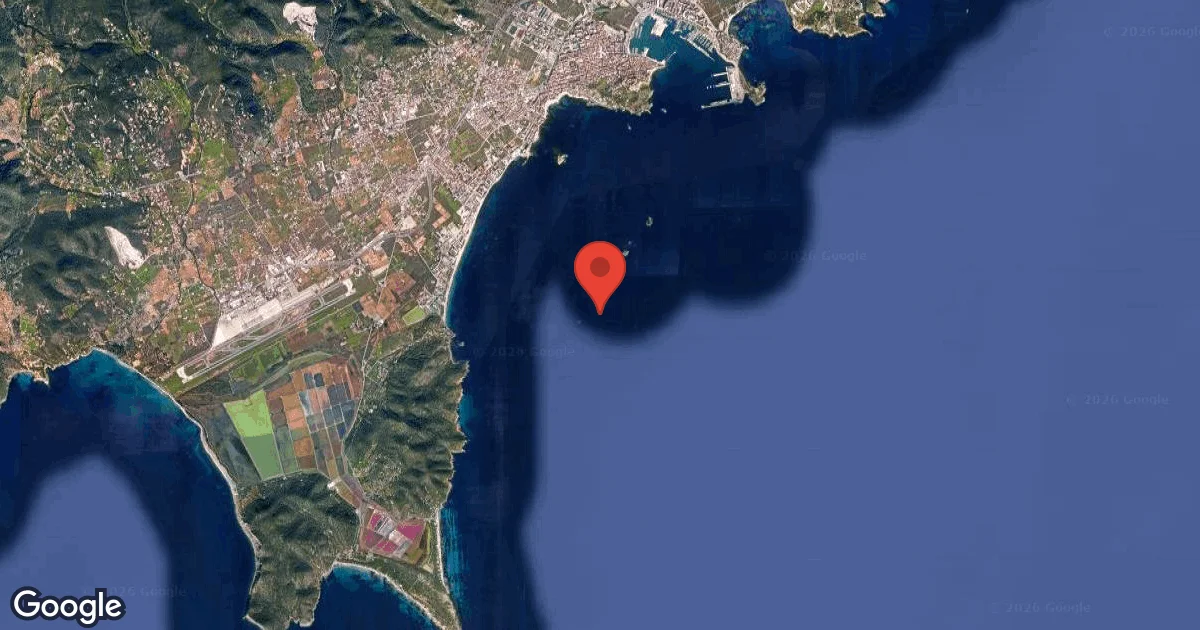
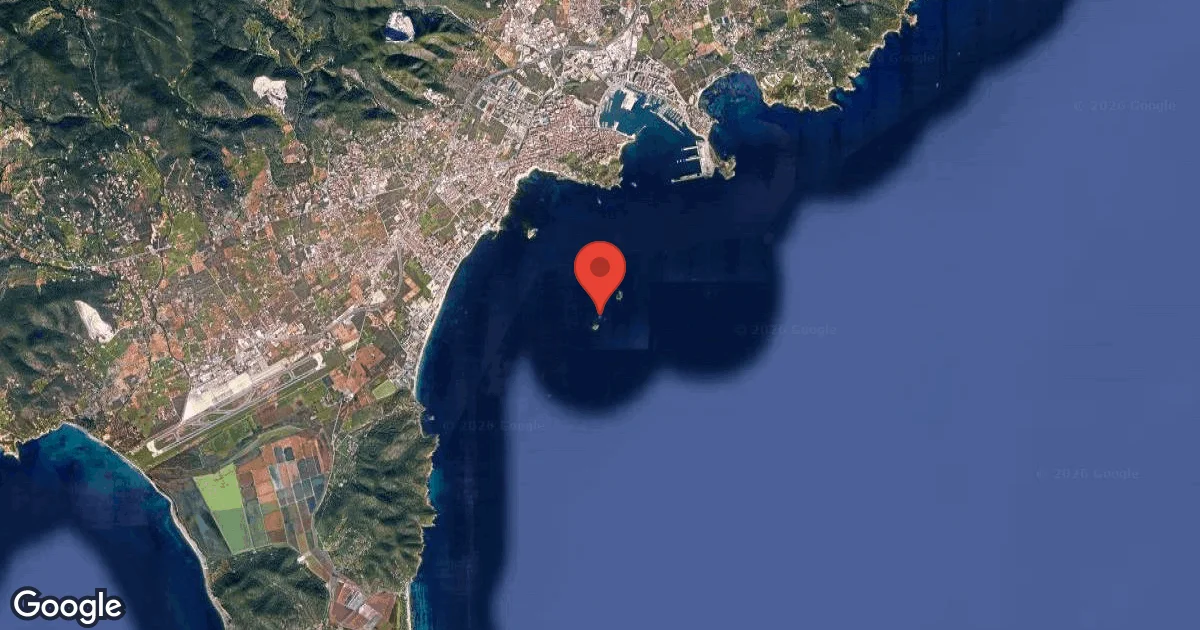
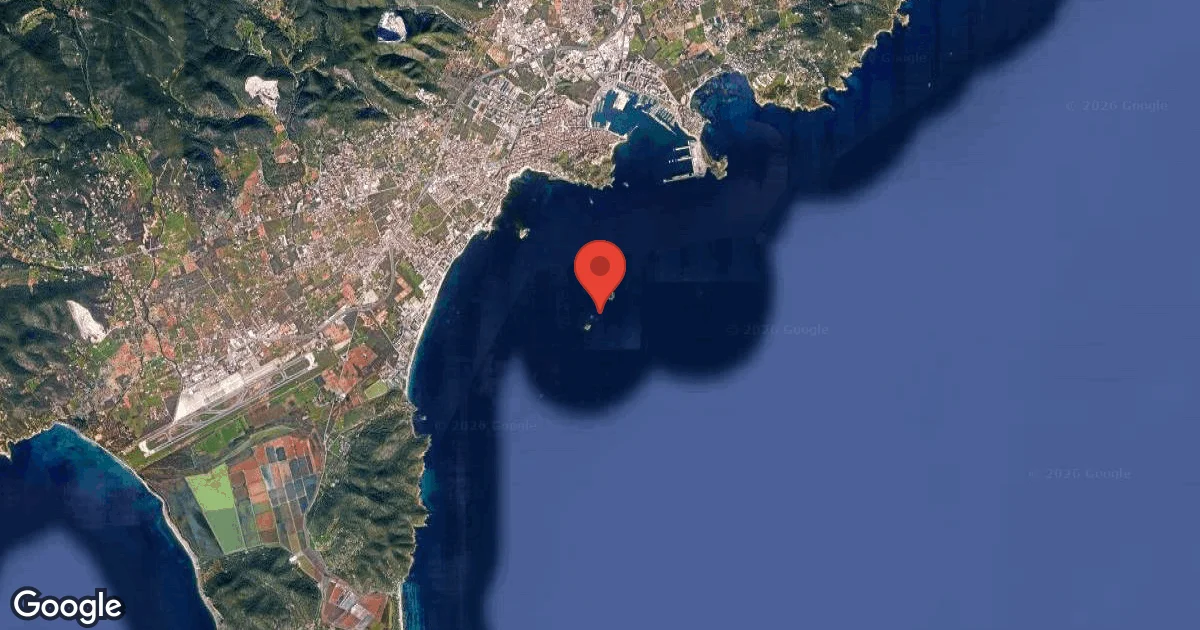
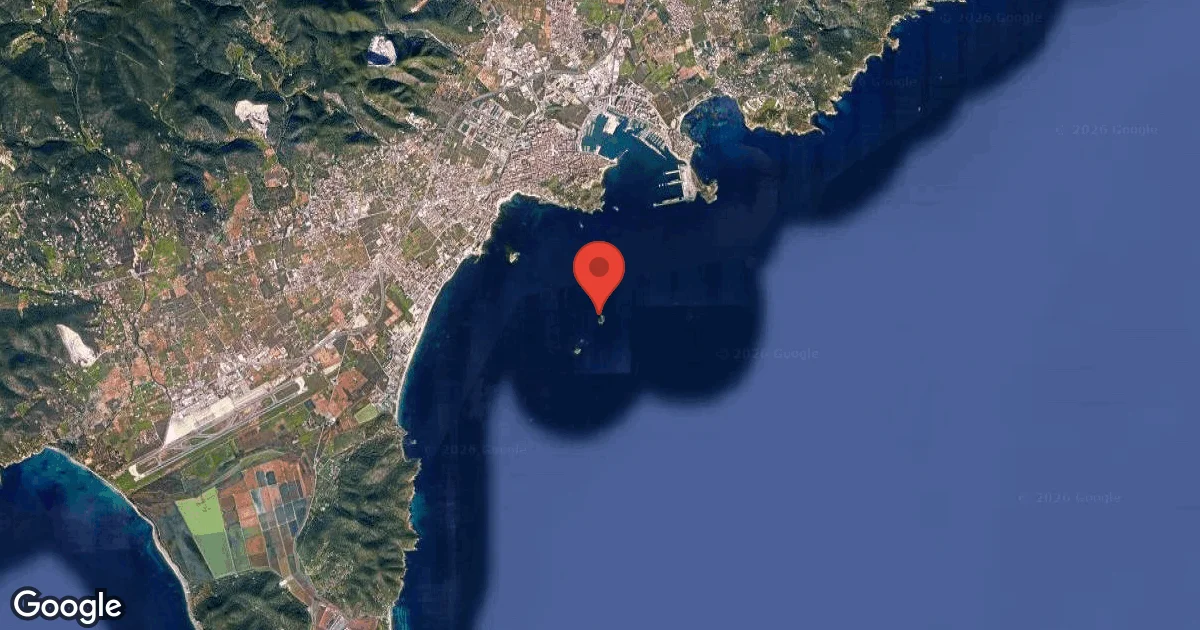
Esponja, a small rocky islet off Ibiza's southeast coast near Ibiza Harbor, presents a compelling dive for divers across all skill levels. Part of the Es Freus marine reserve, the site features a dramatic wall and diverse underwater terrain. Its accessibility, with shallow sections ideal for beginners contrasting with deeper reaches for experienced divers, defines its appeal.
Tonight's objective overview for Esponja shows an air temperature of 23°C. The measured surface conditions include wave heights around 0.5 m. This environmental data is logged for the close of the day.
Dive Site Location & Key Facts
Dive Site Overview
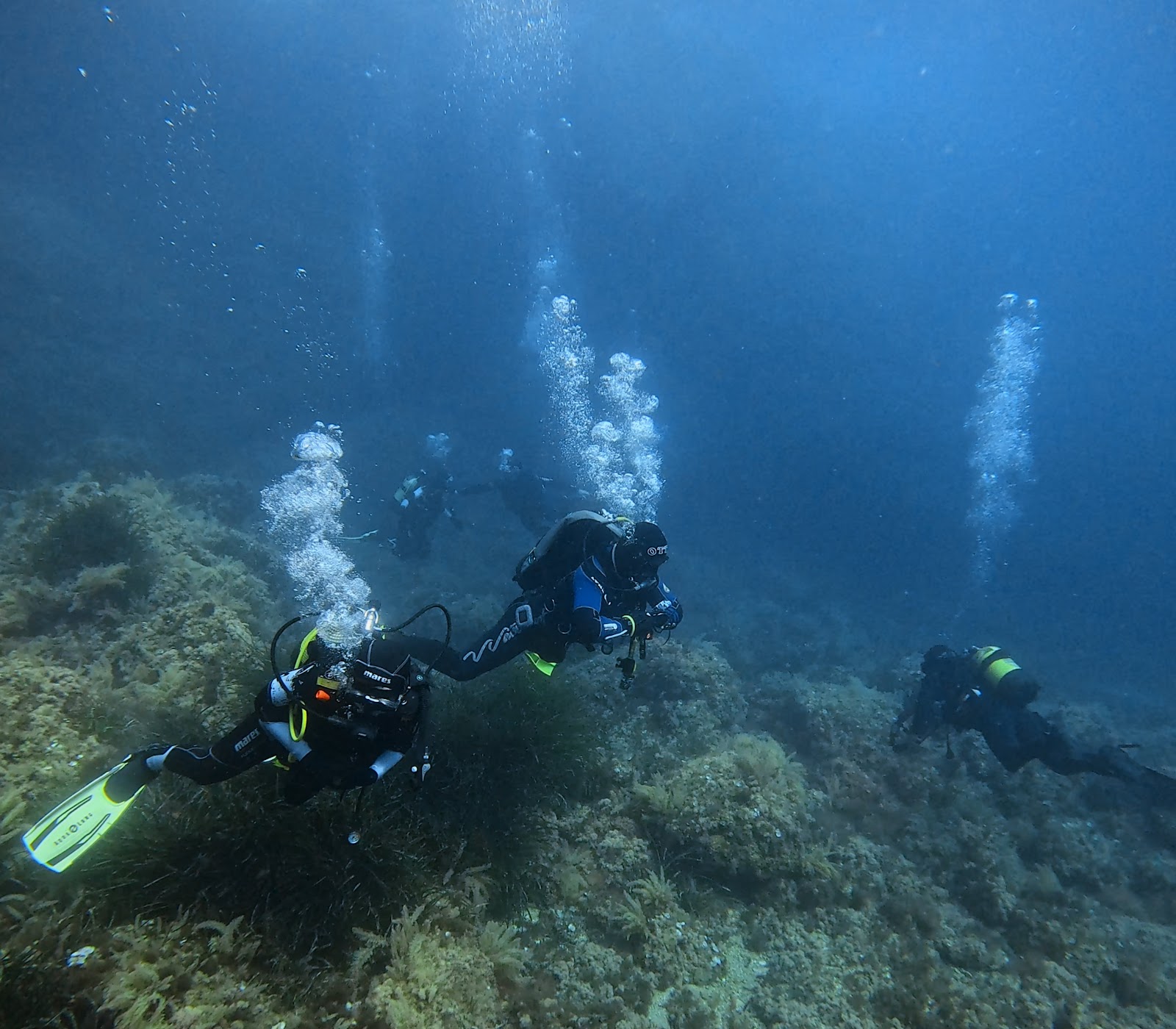
Exploring Esponja often involves circling the islet, revealing an intricate underwater topography that blends steep walls with expansive rock formations. On the south face, the maximum depth reaches 30 m (98 ft), where divers can navigate among large stones at the wall's base.
This area often conceals marine life such as sea cicadas, scorpionfish, and various sponges. Ascending towards the north slope, the dive concludes on a rock platform at a shallower 12 to 15-meter range, which is particularly welcoming for newer divers. Beyond the main islet, a nearby site known as Bajo de la Esponja consists of a significant rock structure, rising from a depth of 32 m (105 ft) to approximately 12 meters.
An upward spiral ascent around this feature offers a different perspective, showcasing the reef and its inhabitants. Throughout these dives, numerous holes, cracks, and small caves provide sheltered habitats for a variety of species.
Conditions are Good
Optimal conditions expected
Current conditions near Esponja show 23° air, 27° sea temperature, 0.8 m waves, and 29 km/h wind. Forecast data is refreshed regularly to ensure accuracy.
Best Time to Dive
Optimal diving at Esponja typically spans from April through October, coinciding with the high diving season in this region. During these months, average air temperatures are notably pleasant, ranging from 17°C (63°F) in April to a peak of 27°C (81°F) in August, before gently receding to 22°C (72°F) by October. Water temperatures also become more inviting, starting around 14°C (57°F) in the winter and warming significantly to 27°C (80°F) in summer, offering comfortable conditions for extended dives. Rainfall during the prime diving period remains consistently low, contributing to generally clear waters and enhanced visibility. Consistently low wave heights and mild wind speeds also characterize these months, fostering calm surface conditions that facilitate boat entry and exits.
PEAK SEASON SCORE
Scores combine air & water temps, waves, wind & rainfall for overall conditions.
BEST MONTHS TO DIVE
Monthly records compiled from satellite and marine observation nodes over the last 3 years. Data provided by Open-Meteo and MET Norway.
Dive Experience & Conditions
Navigating the dive at Esponja immerses divers in a rich sensory experience, characterized by the gradual descent along a vibrant steep wall. The sensation of cooler thermoclines can sometimes be felt at deeper sections, particularly outside peak summer months, adding to the dynamic conditions. Exploring holes and cracks provides a tangible sense of discovery, as light filters into hidden nooks. Water clarity often allows for excellent visibility, enhancing the panoramic views of the wall's coral growth and the diverse marine activity. While currents are generally mild, a gentle flow might be present, requiring consistent buoyancy control, especially near the wall. Recreational depths, easily accessible within the typical range, make this site suitable for divers holding PADI Open Water Diver certification or higher, ensuring a rewarding experience for varying skill levels.
Dive Difficulty & Safety Guidelines
While specific hazards for Esponja are not consistently reported, divers should prioritize standard safety protocols to ensure a safe experience. Always adhere to dive plan limits, particularly when exploring the deeper sections of the wall. Practicing precise buoyancy control is essential for navigating the varied depths and avoiding contact with the delicate coral growth and rock formations.
Given the boat entry, careful entry and exit procedures are paramount, especially if any surface chop is present. Within the Es Freus marine reserve, adherence to conservation guidelines is necessary; do not touch or disturb marine life or the underwater environment. Always dive with a reliable buddy and monitor air consumption and bottom time diligently.
Recommended Equipment
- Dive Computer
- DSMB
This gear list is based on verified equipment signals for Esponja, Spain. Always confirm final gear choices with your dive operator, guide, or liveaboard.
Recommended Dive Suit
In conditions like these, many divers prefer diving with 2-3mm shorty or light wetsuit. A hood or vest is suggested for sensitive divers due to surface winds. Surface intervals may feel cooler.
Current readings at Esponja show water temperatures near 27°C (80°F). Surface air temperatures are resting at 23°C (73°F).
Environmental models indicate a modest warming trend ahead. A warming trend is expected over the next few days.
Emergency & Medical Support
Essential information to help you plan your dive trip to Esponja.

Hyperbaric chambers are a critical part of dive safety infrastructure. Availability varies significantly by region, and not all dive areas have immediate access.
Before diving, it's recommended to:
- confirm nearest medical facilities
- check emergency procedures with local dive operators
- ensure dive insurance covers evacuation if required
Divers Alert Network
Diving emergency assistance available through DAN Europe.
+39 0642115685- 24/7 emergency hotline
- Diving medical assistance
- Evacuation coordination
Emergency contacts are provided for reference. Always verify local emergency services before diving.
Closest Listed Hyperbaric Chambers
Showing listed hyperbaric chamber facilities within 200 km of this dive site.
Distances are approximate straight-line distances and may not reflect emergency travel time.
Underwater and Hyperbaric Medicine
Palma de Mallorca, Spain•Approx. 130 km straight-line
Underwater and Hyperbaric Medicine
Information is provided for reference and planning purposes only. Dive Navigator does not verify operational status, staffing, availability, or quality of care at listed facilities. In an emergency, contact local emergency services, DAN, your dive operator, or the chamber directly. Do not travel to a facility without calling ahead.
Unidad Hiperbarica Hospital de Castellon UTH-HGUCS
24/7 ListedICU CapableCastellon, Spain•Approx. 178 km straight-line
Unidad Hiperbarica Hospital de Castellon UTH-HGUCS
24/7 ListedICU CapableInformation is provided for reference and planning purposes only. Dive Navigator does not verify operational status, staffing, availability, or quality of care at listed facilities. In an emergency, contact local emergency services, DAN, your dive operator, or the chamber directly. Do not travel to a facility without calling ahead.
Marine Life at Esponja
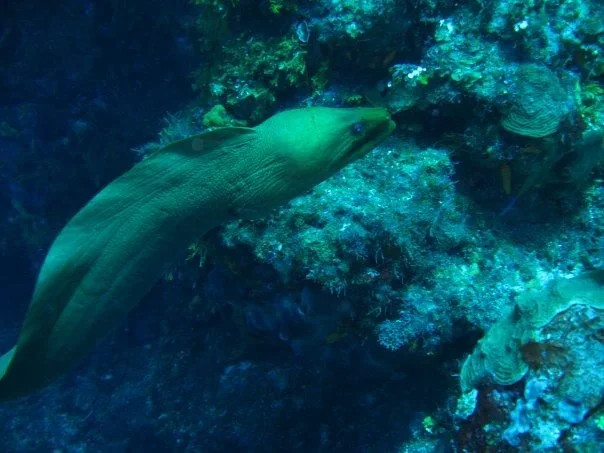
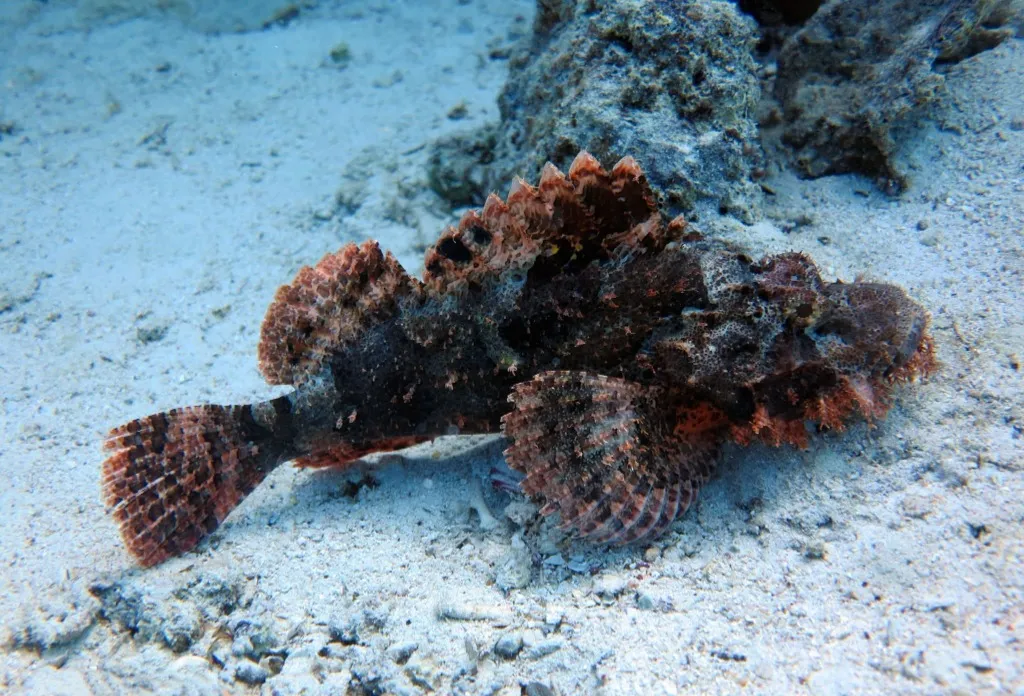
Beneath the surface, Esponja’s diverse underwater landscape teems with a variety of fascinating inhabitants. Divers frequently encounter sea cicadas and scorpionfish nestled among the large stones at the base of the wall.
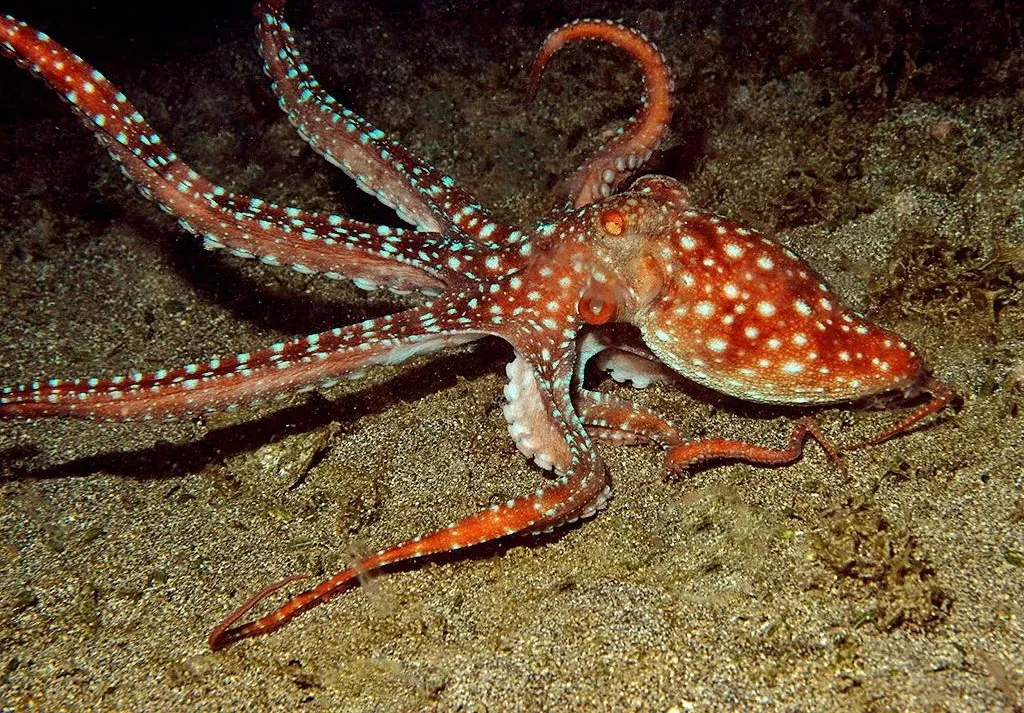
Observing encrusting yellow anemones and Mediterranean madrepora adds texture to the rocky expanses. Exploring crevices and overhangs often reveals octopuses, alongside schools of fredís, salpas, and barracudas that cruise the open water.
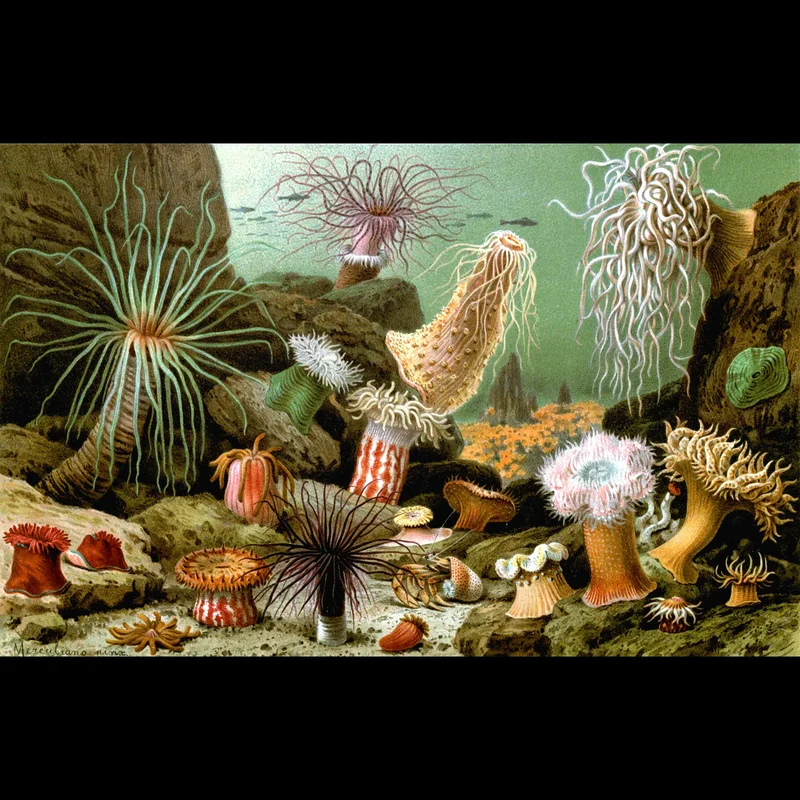
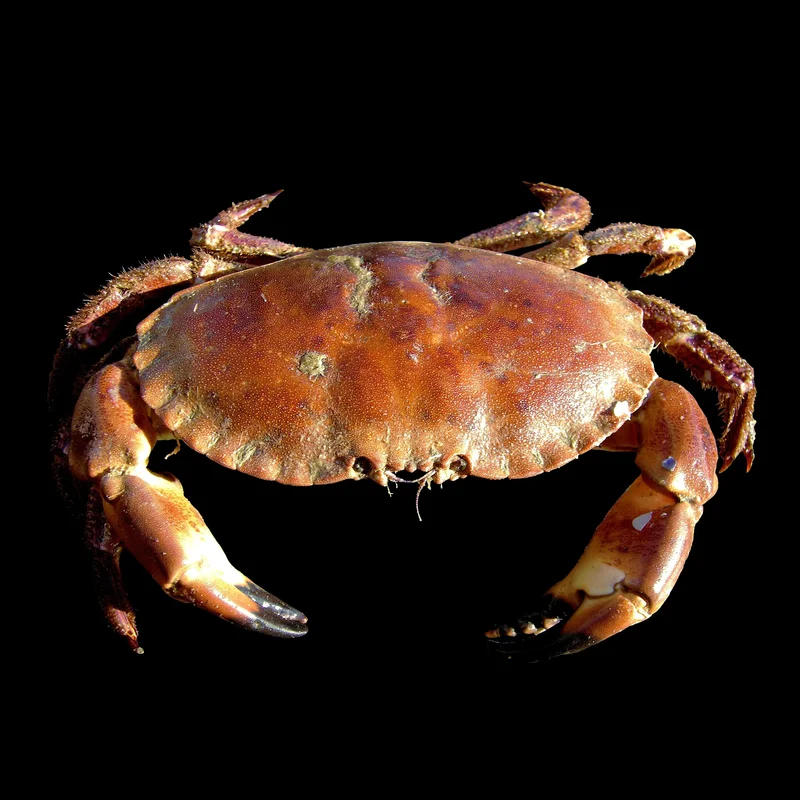
The site is also home to big colonies of colorful anemones, lobsters, and various wrasses. Deeper sections can surprise divers with sightings of moray eels and conger eels, while different types of nudibranchs and crabs contribute to the rich benthic biodiversity.
Dive Sites Near Esponja
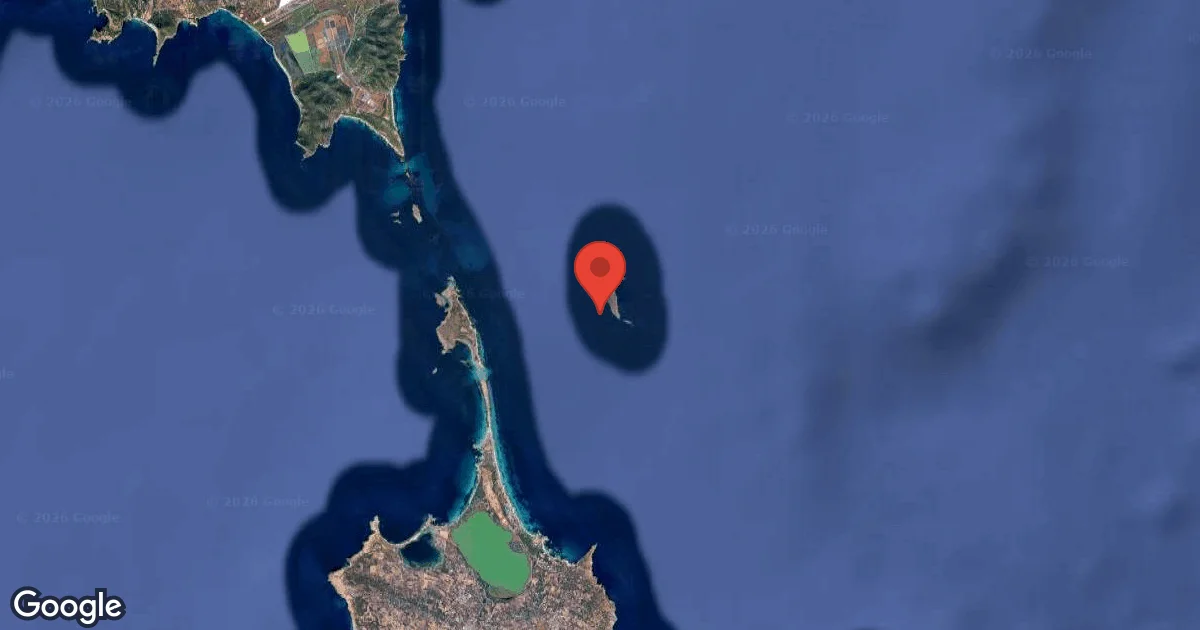
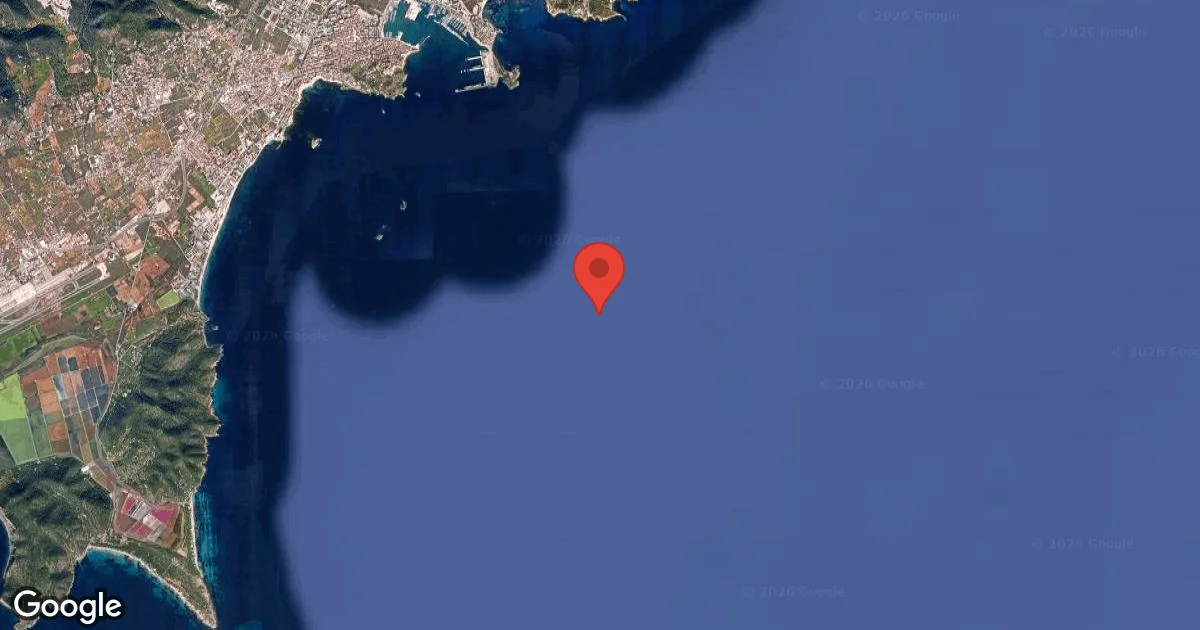
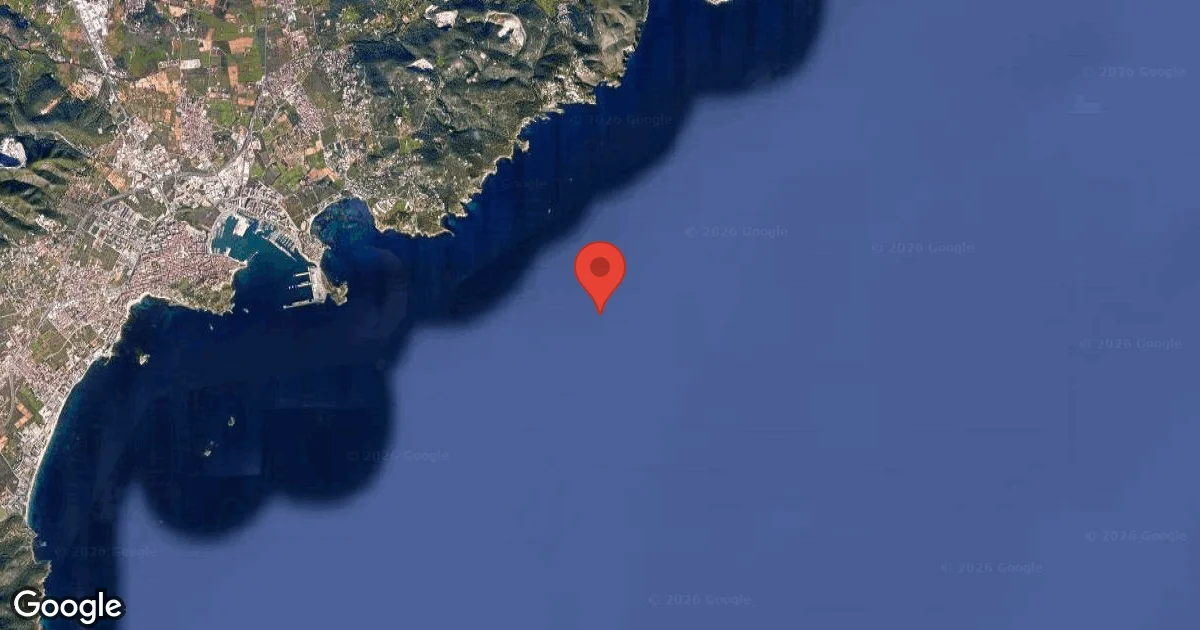
View all dive sites in SpainDiscover more underwater gems in this area.
Dive Centers Near Esponja
Today: 08:30 - 17:30
Nearest Airports
Nearest airports to help plan travel to this dive area.
Search Flights
Check available flights and routes on Expedia, using the nearby airports listed in this section.
Search Flights on ExpediaFrequently Asked Questions
What is the maximum depth at Esponja?
The maximum reported depth at Esponja is 30 m (98 ft) on its south face. Nearby, Bajo de la Esponja descends to 32 m (105 ft), with its summit reaching about 12 meters.
Is Esponja suitable for beginner divers?
Yes, Esponja is suitable for beginners. The north slope features a rock platform in the 12 to 15-meter depth range that is ideal for less experienced divers. Divers can choose an itinerary that matches their skill level.
What kind of marine life can I expect to see?
Divers can expect to encounter sea cicadas, scorpionfish, octopuses, and schools of fredís, salpas, and barracudas. The site also features encrusting yellow anemones, Mediterranean madrepora, various sponges, and occasionally lobsters, moray eels, and nudibranchs.
What are the typical water temperatures at Esponja?
Water temperatures at Esponja vary seasonally, ranging from approximately 14°C (57°F) in winter to a comfortable 27°C (80°F) during the summer months.
How do divers access the Esponja dive site?
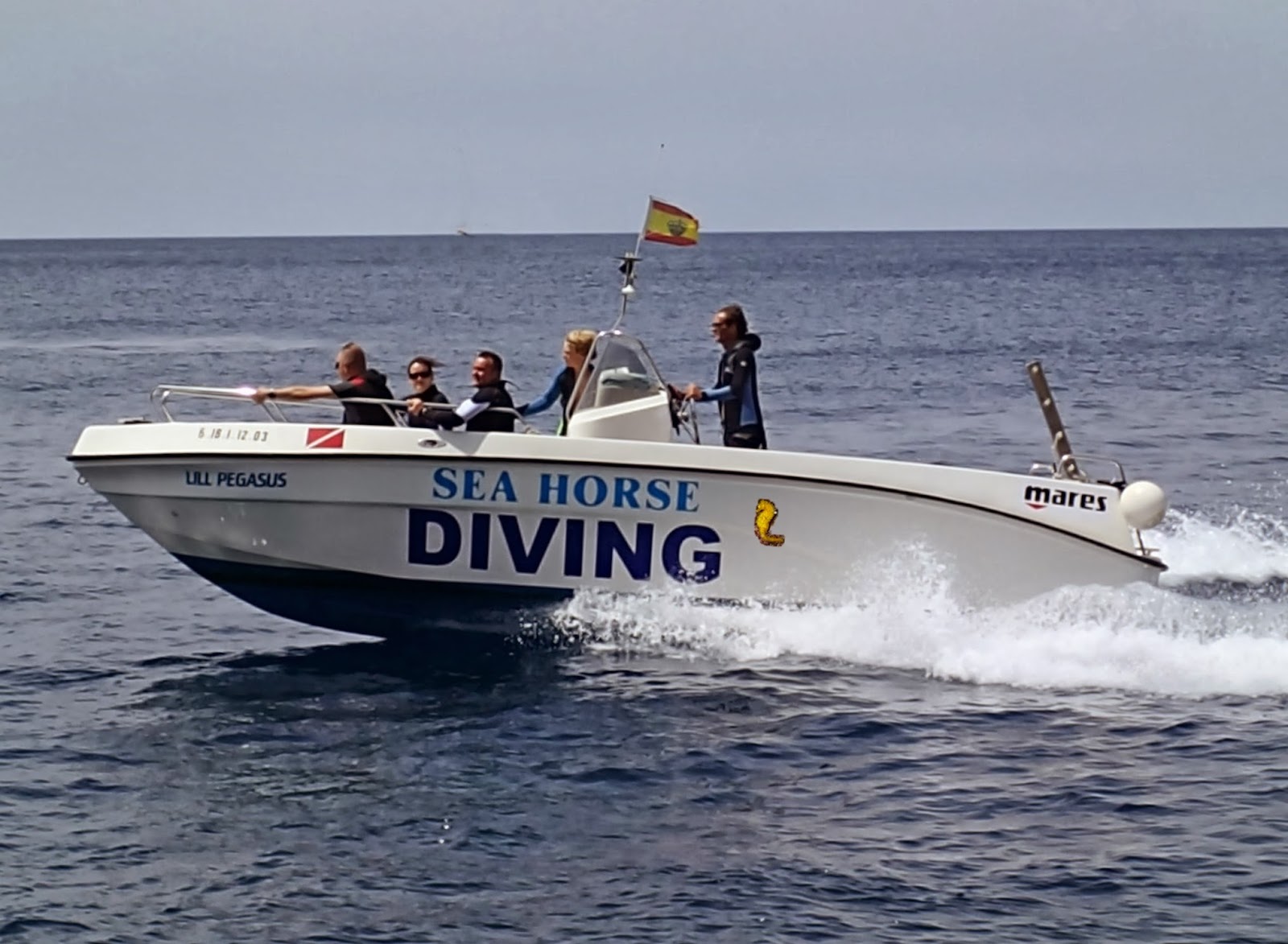
Esponja is exclusively a boat dive site. Divers typically access it via local dive operators from Ibiza.
Is Esponja part of a marine reserve?
Yes, Esponja falls within the Es Freus marine reserve. This designation implies specific rules and guidelines for protecting the marine environment, which divers must observe.
Planning to dive Esponja?
Send one inquiry and receive offers directly from the best verified local dive operators.
Conditions are Good
Optimal conditions expected
Current conditions near Esponja show 23° air, 27° sea temperature, 0.8 m waves, and 29 km/h wind. Forecast data is refreshed regularly to ensure accuracy.