
Diving at Bajo Zacarías (Spain)
Encountering the underwater world of Bajo Zacarías provides a distinctive perspective for divers exploring Gran Canaria. This site, like many offshore formations, promises an experience shaped by Atlantic conditions and its unique geological structure. Prepare for a dive that engages with the dynamic marine environment surrounding the Canary Islands, offering a chance to explore a compelling subaquatic landscape.
Starting the day at Bajo Zacarías, the ambient air temperature is recorded at 14.5°C. Ongoing monitoring shows wave heights measuring 1.7 m. This data represents the current surface conditions for early activities.
Dive Site Location & Key Facts
Dive Site Overview
An underwater seamount, Bajo Zacarías presents a geological formation rising from deeper waters off Gran Canaria. The site's topography, while specific details are not consistently reported, likely features rocky outcrops and potential drop-offs characteristic of Atlantic volcanic islands.
These diverse underwater structures typically host a variety of benthic life, establishing a foundation for a vibrant ecosystem that contrasts with any surrounding sandy bottoms. Depths at Bajo Zacarías generally extend into the recreational range, with the main features often found between 15 m (50 ft) and 30 m (100 ft), though deeper sections certainly exist. As an exposed formation, it often acts as an aggregation point for marine life, attracting both resident species and transient pelagic visitors when currents are present.
Divers can anticipate a dynamic underwater landscape, where the interplay of water movement and distinct reef features defines the dive, offering a true Atlantic exploration. This structure acts as a natural beacon in the open water, influencing local currents and attracting a broad cross-section of the ocean's inhabitants, making each dive a fresh encounter with the undersea environment.
Conditions are Good
Optimal conditions expected
Current conditions near Bajo Zacarías show 14° air, 15° sea temperature, 1.7 m waves, and 23 km/h wind. Forecast data is refreshed regularly to ensure accuracy.
Best Time to Dive
Diving at Bajo Zacarías is generally most favorable during the summer months, aligning with periods of reduced wave height and clearer conditions. June and July consistently show good dive scores, with average wave heights around 1.3-1.4 m (4.3-4.6 ft) and minimal rainfall (2.62-1.08 mm). Air temperatures during these prime months range from 19-20.5°C (66-69°F), providing comfortable surface intervals. Visibility is typically best during these calmer periods, allowing for clear views of the underwater formation. Conversely, winter months, especially January to March, present less ideal conditions, characterized by increased wave heights (around 3.1-3.8 m / 10.2-12.5 ft) and higher rainfall, leading to lower dive scores. May and September also offer moderate conditions with reasonable dive scores, making them potential alternatives for planning a trip.
PEAK SEASON SCORE
Scores combine air & water temps, waves, wind & rainfall for overall conditions.
BEST MONTHS TO DIVE
Monthly records compiled from satellite and marine observation nodes over the last 3 years. Data provided by Open-Meteo and MET Norway.
Dive Experience & Conditions
Accessing Bajo Zacarías typically involves a boat dive to reach this offshore formation. As an exposed seamount, divers should be prepared for potential currents, which can vary in strength depending on local weather and tidal patterns. Average wave heights fluctuate significantly throughout the year, from lows of 1.3 m (4.3 ft) in June to highs of 3.8 m (12.5 ft) in January. These surface conditions directly influence ease of entry and exit from the water. Water temperatures are not consistently reported, but seasonal air temperature averages, ranging from 11°C (52°F) in December to 21°C (70°F) in August, suggest notable thermal shifts that divers should consider when selecting exposure protection. Visibility is generally good but can be influenced by plankton blooms or strong surge, particularly after periods of higher wave activity.
Dive Difficulty & Safety Guidelines
Navigating the currents frequently encountered at Bajo Zacarías requires careful attention to dive planning and communication within your group. As an exposed offshore site, conditions can change rapidly, making thorough pre-dive checks and ongoing situational awareness critical. All divers should ensure they are proficient in drift diving techniques if currents are expected, or be prepared to adjust the dive plan accordingly.
Given the potential depths, adhering to no-decompression limits is essential, and carrying a surface marker buoy (SMB) is highly recommended for all open water dives to ensure visibility to the boat crew. Always dive within your certification limits and with a qualified buddy.
Recommended Equipment
- Dive Computer
This gear list is based on verified equipment signals for Bajo Zacarías, Spain. Always confirm final gear choices with your dive operator, guide, or liveaboard.
Recommended Dive Suit
Experienced divers often bring flexible gear options.
The water around Bajo Zacarías is currently holding at approximately 15°C (59°F), setting the tone for today's dives. Surface air temperatures are resting at 14°C (58°F). Divers who spend longer periods underwater often choose 5-7mm wetsuit. A hood or vest is suggested for sensitive divers due to surface winds. A thermal robe or jacket is recommended between dives.
A warming trend is expected over the next few days. A warming trend is expected over the next few days.
Emergency & Medical Support
Essential information to help you plan your dive trip to Bajo Zacarías.

Hyperbaric chambers are a critical part of dive safety infrastructure. Availability varies significantly by region, and not all dive areas have immediate access.
Before diving, it's recommended to:
- confirm nearest medical facilities
- check emergency procedures with local dive operators
- ensure dive insurance covers evacuation if required
Divers Alert Network
Diving emergency assistance available through DAN Europe.
+39 0642115685- 24/7 emergency hotline
- Diving medical assistance
- Evacuation coordination
Emergency contacts are provided for reference. Always verify local emergency services before diving.
Marine Life at Bajo Zacarías
The varied underwater landscape of Bajo Zacarías acts as a magnet for a range of Atlantic marine life. While specific species reports are limited, such an offshore seamount typically attracts various reef fish inhabiting its rocky formations.
Divers might observe schools of pelagic fish patrolling the area, especially when currents bring nutrient-rich waters. The benthic environment, including sponges and anemones, provides shelter for smaller invertebrates.
Keep an eye out for larger predators that may follow these schools or patrol the deeper edges of the site, making for exciting encounters.


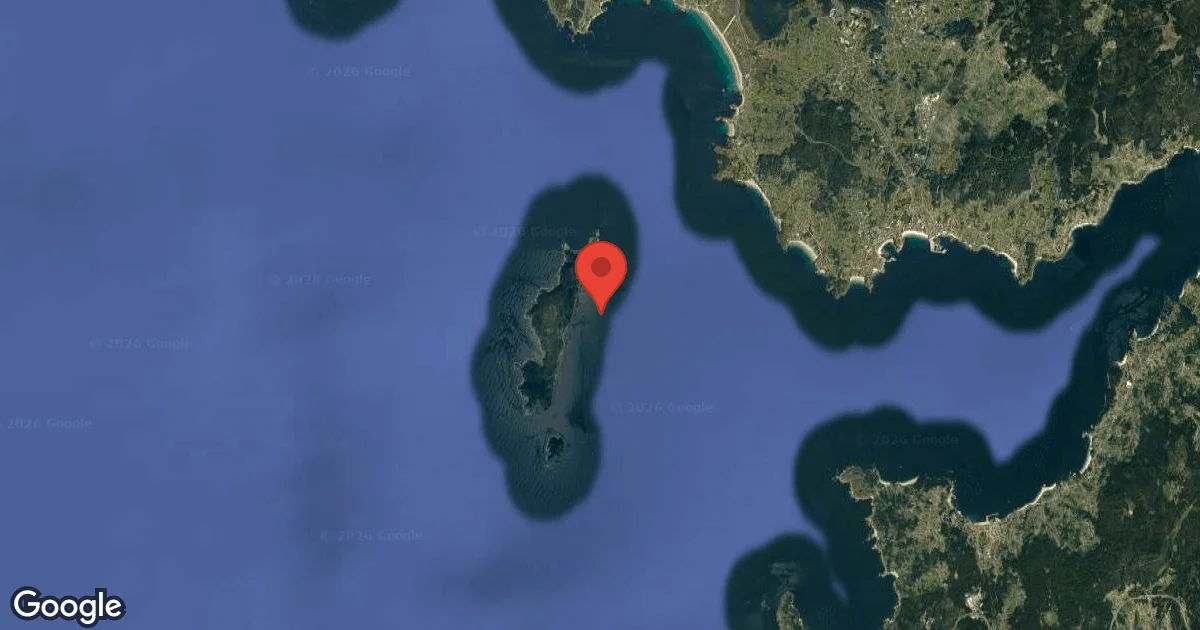
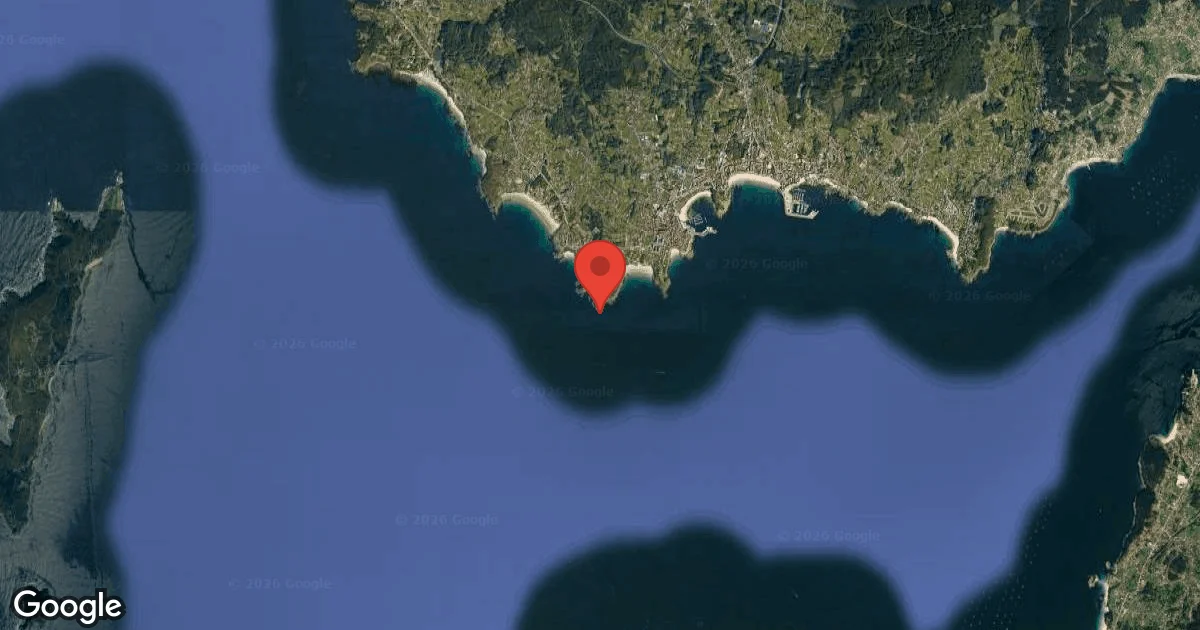
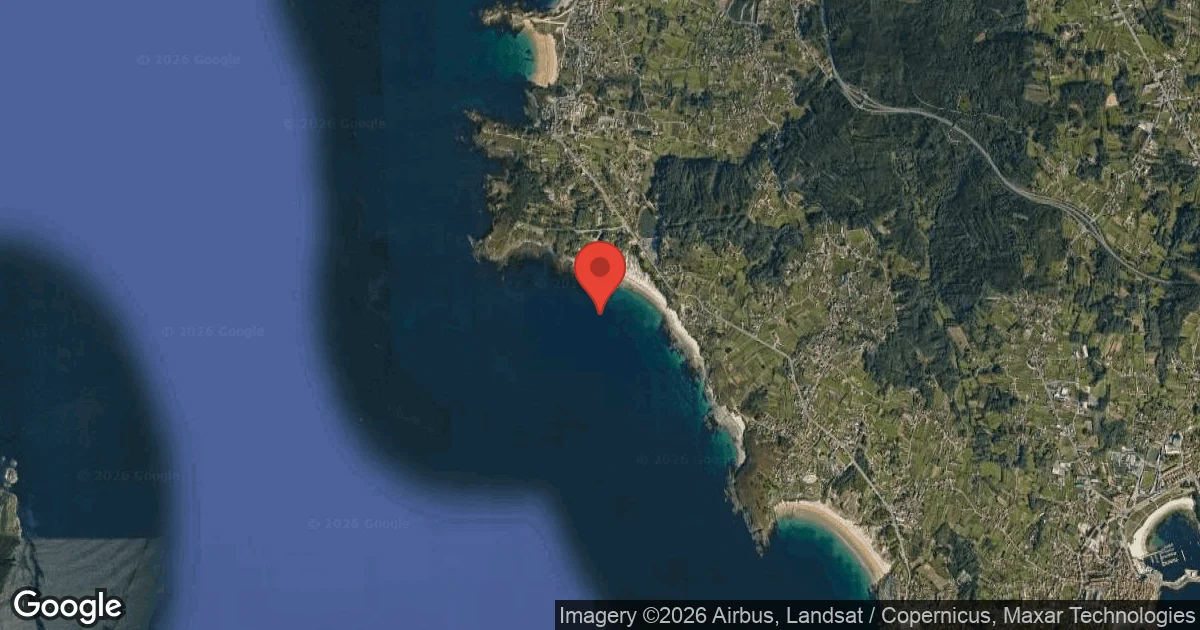
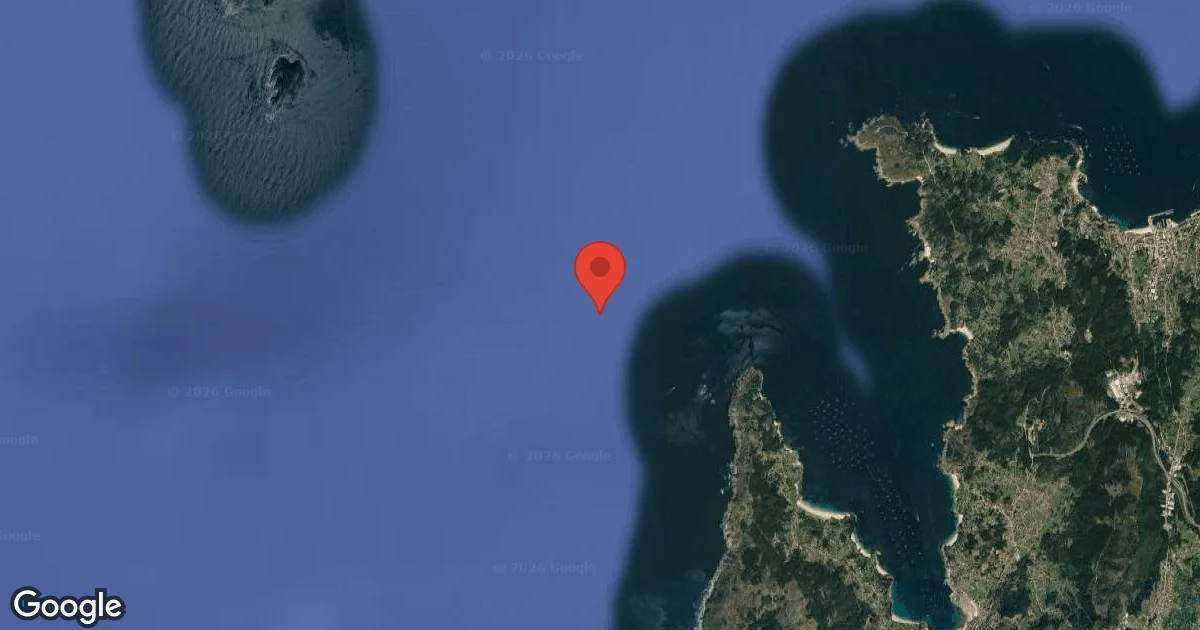
Dive Sites Near Bajo Zacarías
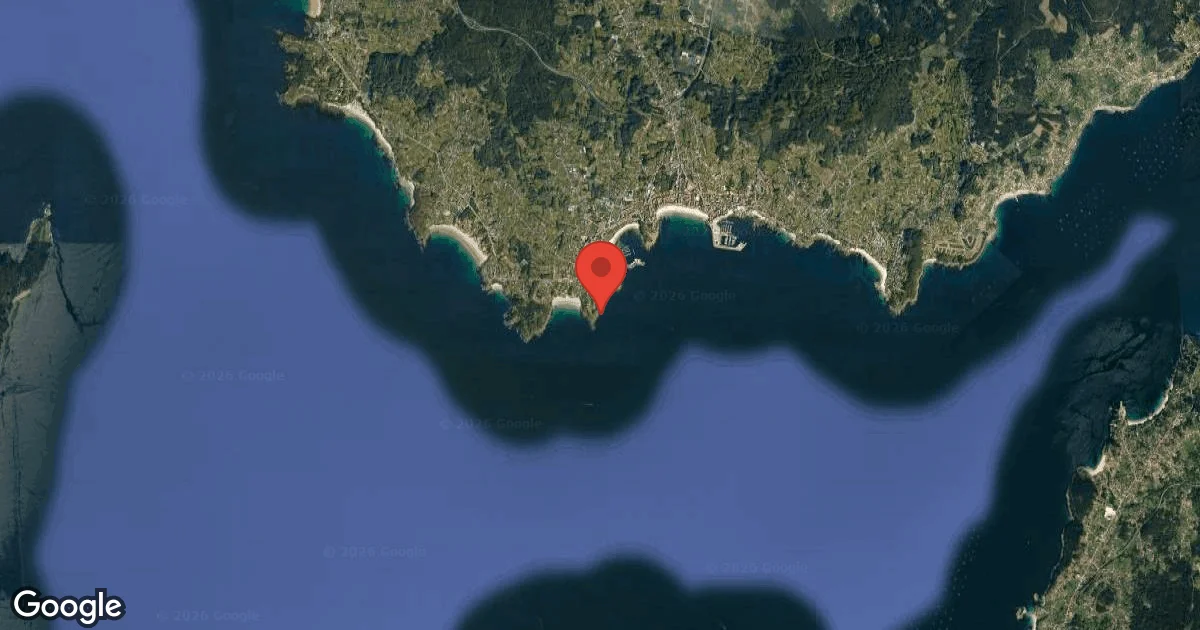
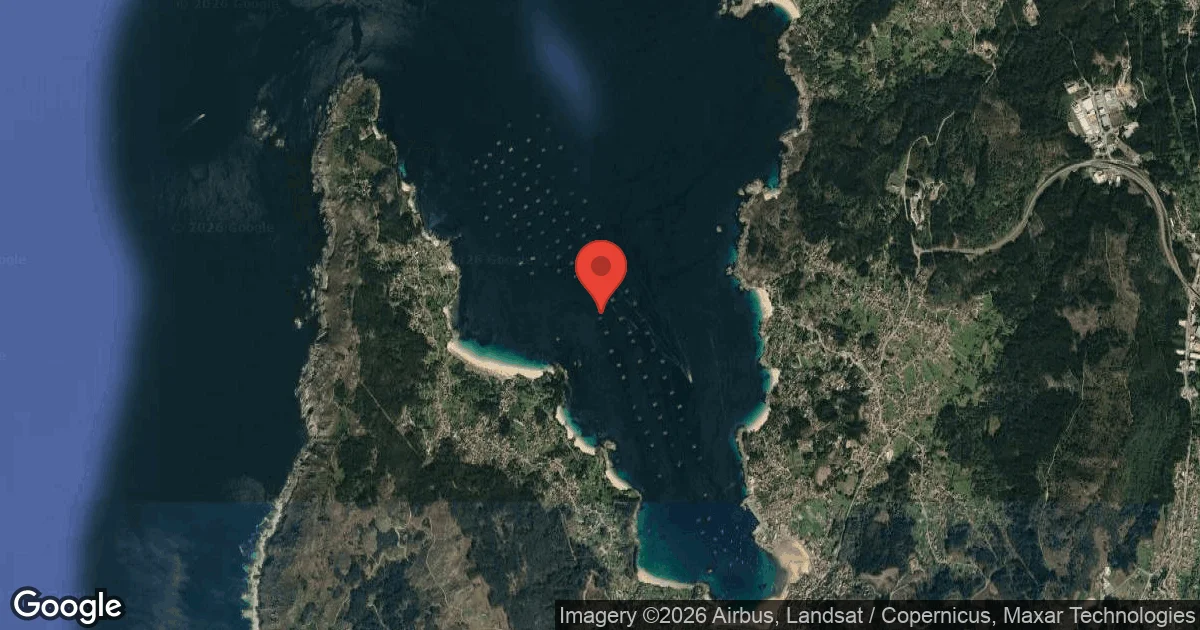
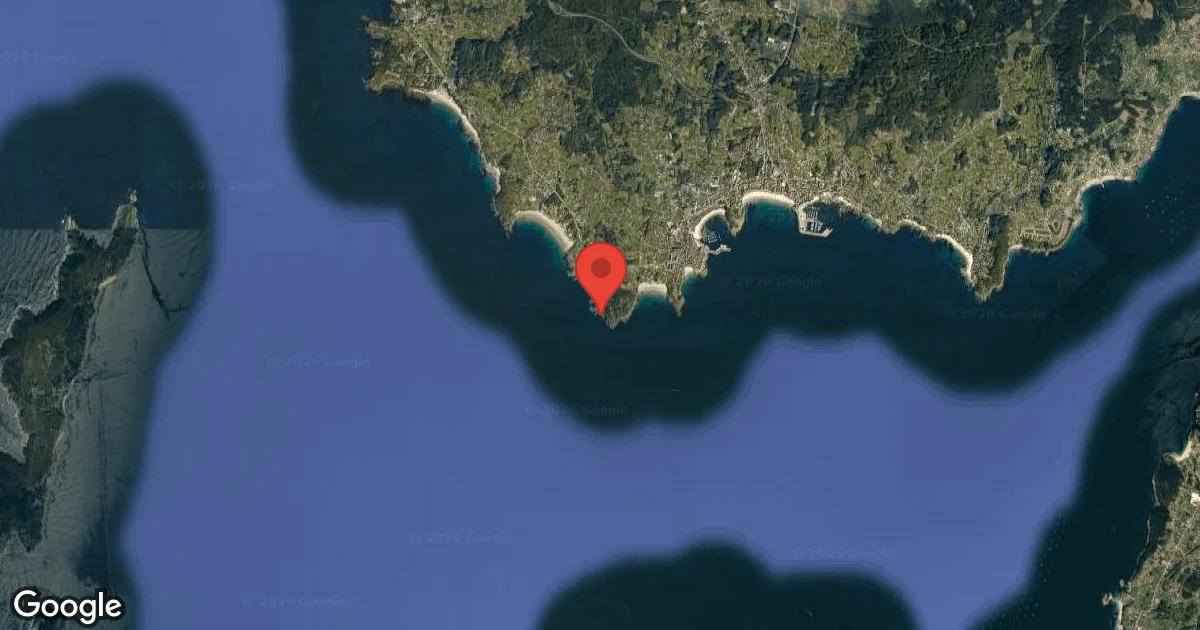
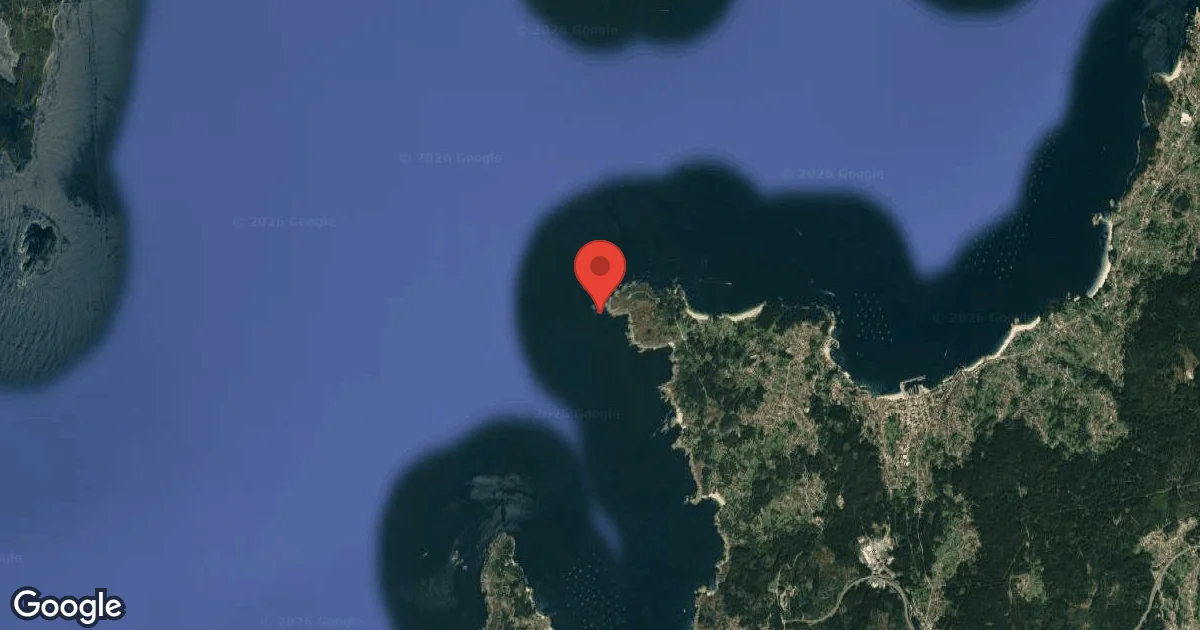
View all dive sites in SpainDiscover more underwater gems in this area.
Dive Centers Near Bajo Zacarías
Nearest Airports
Nearest airports to help plan travel to this dive area.
Search Flights
Check available flights and routes on Expedia, using the nearby airports listed in this section.
Search Flights on ExpediaFrequently Asked Questions
What is the typical depth range for diving at Bajo Zacarías?
Depths at Bajo Zacarías typically range between 15 m (50 ft) and 30 m (100 ft) for its primary features. However, the seamount rises from deeper waters, so sections beyond recreational limits can be explored by appropriately qualified divers.
Are there strong currents at Bajo Zacarías?
As an exposed offshore seamount, Bajo Zacarías can experience varying currents. Divers should anticipate the possibility of currents and be prepared to employ drift diving techniques, or adapt their dive plan based on real-time conditions. Conditions often dictate the dive experience.
What is the water temperature like throughout the year?
Water temperature data for Bajo Zacarías is not consistently reported. However, regional air temperatures vary from approximately 11°C (52°F) in winter to over 21°C (70°F) in summer. Divers should anticipate cooler waters outside peak summer months and plan exposure protection accordingly.
What kind of marine life can I expect to see?
Bajo Zacarías, as an Atlantic seamount, is likely to attract a mix of reef and pelagic species. Expect to observe various reef fish, potentially schooling fish, and an assortment of invertebrates inhabiting the rocky structures. Larger species may pass through the area.
Is Bajo Zacarías suitable for beginner divers?
Given its exposed nature and potential for currents, Bajo Zacarías is generally more suited for experienced divers comfortable with open water conditions. Entry-level divers should consult with local dive centers to assess current conditions and suitability for their skill level.
How do I get to the dive site?
Bajo Zacarías is an offshore dive site, meaning access is typically via boat from a local dive operator in Gran Canaria. Dive centers in nearby coastal towns will arrange trips to this and other formations.
What kind of exposure suit should I bring?
Given the likely seasonal variation in water temperature, which can range from cooler winter temperatures to milder summer ones, a 5mm to 7mm wetsuit or even a drysuit might be appropriate depending on the season. Layering options could also be beneficial for comfort.
Planning to dive Bajo Zacarías?
Send one inquiry and receive offers directly from the best verified local dive operators.
Conditions are Good
Optimal conditions expected
Current conditions near Bajo Zacarías show 14° air, 15° sea temperature, 1.7 m waves, and 23 km/h wind. Forecast data is refreshed regularly to ensure accuracy.