
Diving at Massa D'Or (Spain)
Massa d'Or, also known as Sa Rata, presents an exceptional density of marine life and vibrant underwater scenery. Experienced divers find a compelling destination here, where dramatic wall formations display colorful red gorgonians and diverse nudibranchs. Expect encounters with larger fish species, including schools of barracuda and substantial groupers. Marine predators often feature prominently alongside intricate smaller life forms.
Evening condition tracking at Massa D'Or features an air temperature of 21°C. We have recorded wave heights measuring 0.8 m during this period. These figures outline the environmental parameters currently present.
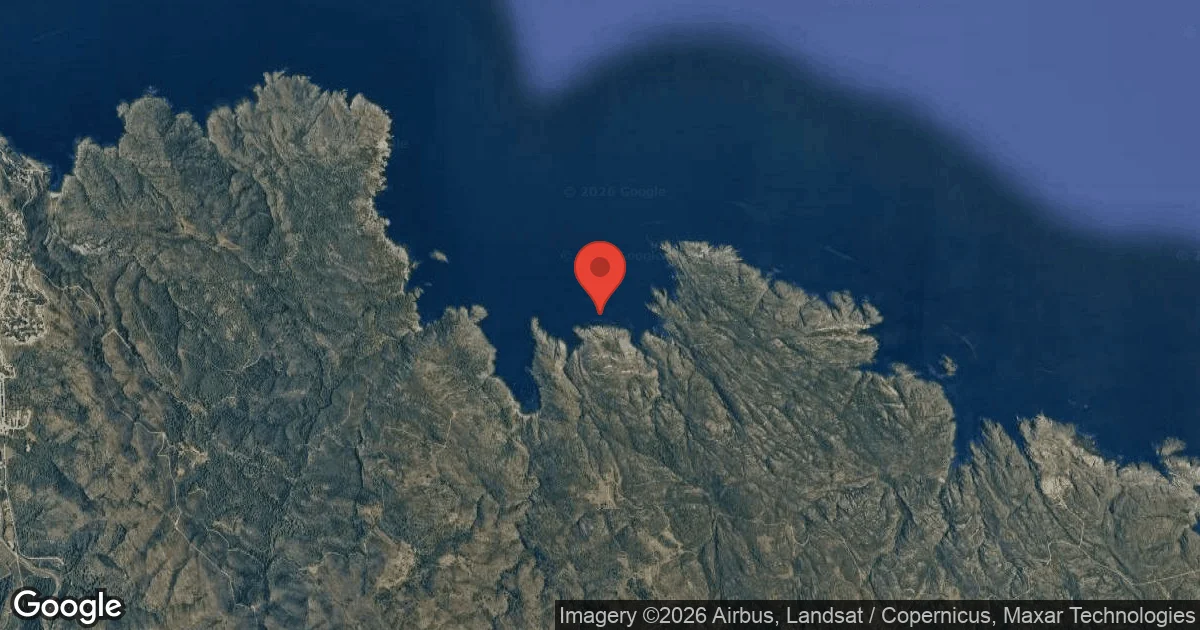
Dive Site Location & Key Facts
Dive Site Overview
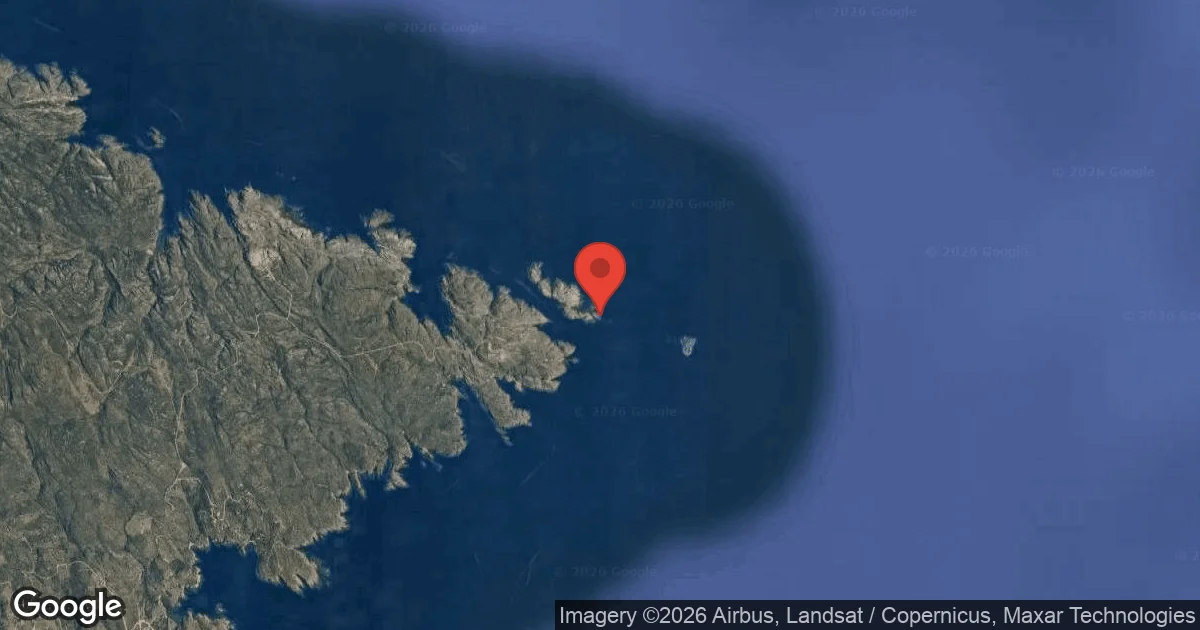
Off the eastern tip of Cap de Creus, Massa d'Or emerges as a distinct island dive site, exclusively accessible by boat. Diving here involves navigating a dramatic wall, which drops to a rocky seabed reaching an approximate maximum depth of 70 m (230 ft).
Much of the site's allure lies in its mid-range depths, with prime exploration zones often found between 15 and 25 m (50-80 ft). While individual dives commonly stay within the 5 m to 30 m (15-100 ft) range, experienced divers appreciate the full vertical extent. Navigating the exposed conditions demands intermediate to expert skills; its location makes it susceptible to oceanic forces.
Currents can be a significant factor, developing unpredictably and sometimes becoming very strong; careful planning is always necessary before descent. Stronger currents typically flow along the main wall, requiring divers to manage their position actively.
Despite dynamic water movement, excellent visibility, frequently reported up to 30 m (100 ft), allows for expansive views of abundant marine species and distant features.
Conditions are Good
07:00 - 14:00
Optimal conditions expected
Current conditions near Massa D'Or show 21° air, 23° sea temperature, 0.4 m waves, and 33 km/h wind. Forecast data is refreshed regularly to ensure accuracy.
Best Time to Dive
Year-round diving is possible at Massa d'Or, though seasonal variations significantly impact dive conditions. Calmer sea states, often found in warmer months, generally coincide with optimal visibility. Summer brings the most comfortable water temperatures, reaching 25-26°C (77-79°F). Peak summer months like July and August see average air temperatures of approximately 26°C (79°F), with minimal rainfall, typically below 1.0 mm, contributing to high dive scores. In contrast, winter drops water temperatures to 13-14°C (55-57°F). Air temperatures during these colder periods average 9.5-11°C (49-52°F), alongside slightly higher rainfall ranging from 1.7 to 3.9 mm. Colder conditions necessitate appropriate exposure protection. Spring and autumn can be excellent times to visit, providing a balance of warmer temperatures and potentially fewer divers.
PEAK SEASON SCORE
Scores combine air & water temps, waves, wind & rainfall for overall conditions.
BEST MONTHS TO DIVE
Monthly records compiled from satellite and marine observation nodes over the last 3 years. Data provided by Open-Meteo and MET Norway.
Dive Experience & Conditions
Descending into Massa d'Or, divers immediately perceive a robust, active ecosystem stretching along a steep wall. Its character is defined by remarkable vertical relief, adorned with extensive patches of red gorgonians and corals, creating a vivid backdrop for exploration. Moving along, environments shift, revealing hidden crevices and overhangs that shelter smaller organisms. Currents represent a significant factor here; they range from mild to notably strong, often creating a drift diving sensation requiring consistent vigilance. Exceptional visibility, frequently reaching 30 m (100 ft), allows for unobstructed views of impressive fish schools and larger pelagic species, even with dynamic water movement. Water temperatures fluctuate seasonally, ranging from 13-14°C (55-57°F) in winter to a much warmer 25-26°C (77-79°F) during summer.
Dive Difficulty & Safety Guidelines
Massa d'Or demands careful consideration of its inherent challenges, making it ideal for experienced and expert divers. A primary concern involves unpredictable currents, capable of becoming very strong. Prior to entry, divers must secure up-to-date local intelligence on current conditions and consistently plan for potential drift.
Given a depth range extending to 70 m (230 ft) at its maximum, advanced buoyancy control and depth management skills prove critical. Diving with a local guide or a dive center familiar with the site's specific dynamics comes highly recommended.
Maintaining appropriate distances from walls and your buddy remains important, especially if surge or current is present, ensuring a safe and enjoyable dive.
Recommended Equipment
Current and surface separation risk. Local briefing strongly recommended.
- Dive Computer
- DSMB
- Reel / Spool
This gear list is based on verified equipment signals for Massa D'Or, Spain. Always confirm final gear choices with your dive operator, guide, or liveaboard.
Recommended Dive Suit
Divers who spend more time observing marine life often prefer slightly warmer gear.
Environmental readings suggest that the waters surrounding Massa D'Or are about 23°C (73°F) at the moment. Surface air temperatures are resting at 21°C (70°F). Water temperatures in this range are often well suited to diving with 3-5mm wetsuit. Strong winds are present; please take strong precautions against rapid cooling during surface intervals. Surface intervals may feel cooler.
Environmental conditions appear stable for the near future.
Due to technical issues with our weather providers, live updates are temporarily delayed. The data above reflects the conditions at the time of the last successful fetch.
Emergency & Medical Support
Essential information to help you plan your dive trip to Massa d'or.

Hyperbaric chambers are a critical part of dive safety infrastructure. Availability varies significantly by region, and not all dive areas have immediate access.
Before diving, it's recommended to:
- confirm nearest medical facilities
- check emergency procedures with local dive operators
- ensure dive insurance covers evacuation if required
Divers Alert Network
Diving emergency assistance available through DAN Europe.
+39 0642115685- 24/7 emergency hotline
- Diving medical assistance
- Evacuation coordination
Emergency contacts are provided for reference. Always verify local emergency services before diving.
Closest Listed Hyperbaric Chambers
Showing listed hyperbaric chamber facilities within 200 km of this dive site.
Distances are approximate straight-line distances and may not reflect emergency travel time.
Unitat de Medicina Hiperbàrica (UMH)
24/7 ListedPalamos (Girona), Spain•Approx. 55 km straight-line
Unitat de Medicina Hiperbàrica (UMH)
24/7 ListedInformation is provided for reference and planning purposes only. Dive Navigator does not verify operational status, staffing, availability, or quality of care at listed facilities. In an emergency, contact local emergency services, DAN, your dive operator, or the chamber directly. Do not travel to a facility without calling ahead.
UTH-CSI
24/7 ListedICU CapableSant Joan Despí, Spain•Approx. 150 km straight-line
UTH-CSI
24/7 ListedICU CapableInformation is provided for reference and planning purposes only. Dive Navigator does not verify operational status, staffing, availability, or quality of care at listed facilities. In an emergency, contact local emergency services, DAN, your dive operator, or the chamber directly. Do not travel to a facility without calling ahead.
Marine Life at Massa D'Or
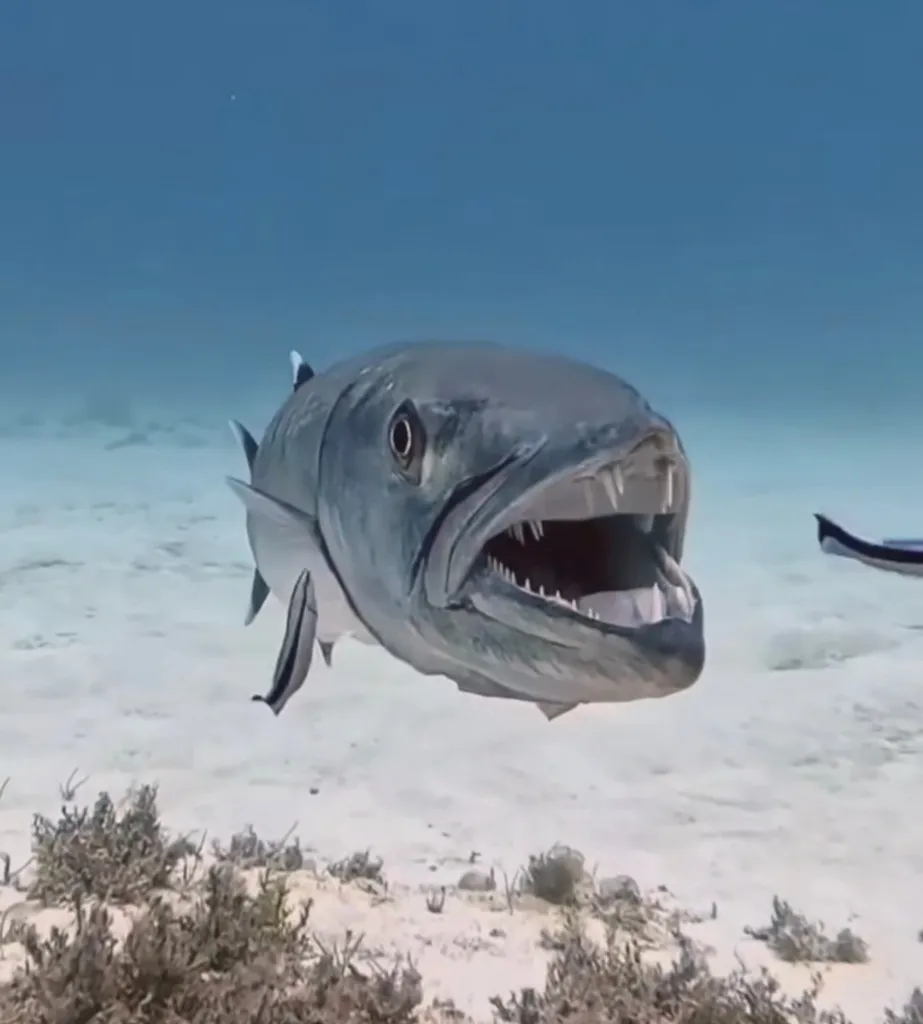
Prolific marine life defines Massa d'Or's underwater landscape, especially along its steep wall and rocky seabed. Divers frequently encounter impressive schools of barracudas, sometimes numbering in thousands, alongside giant groupers.
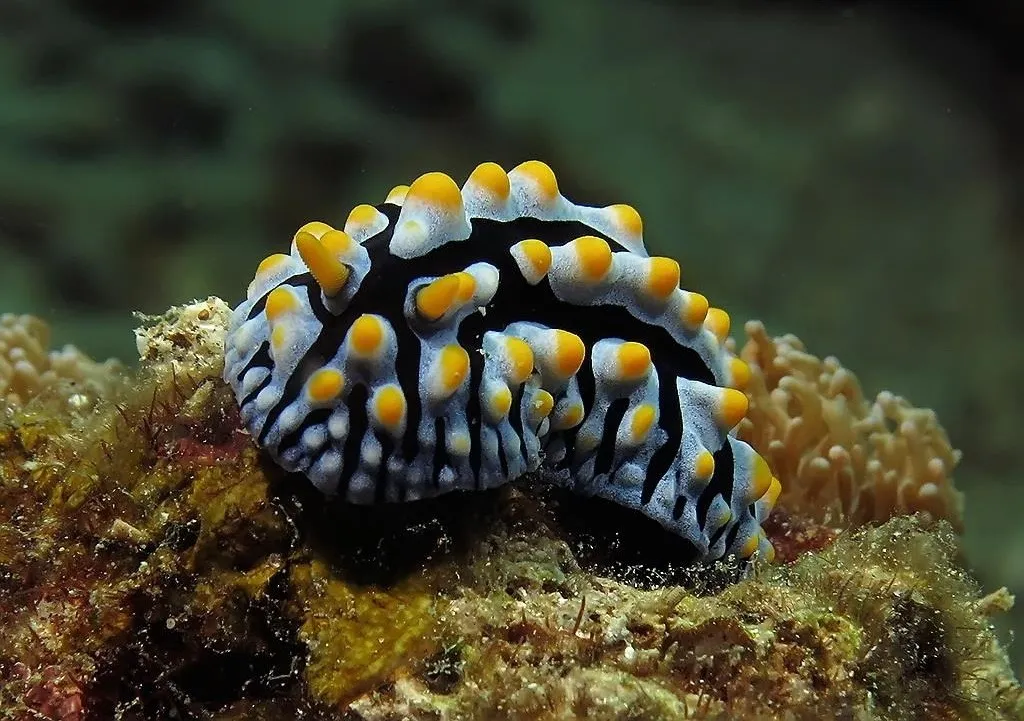
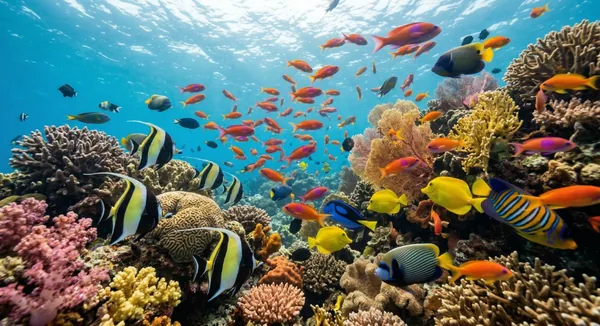
Vibrant red gorgonians and corals clinging to the wall create a striking visual, offering shelter and feeding grounds for diverse smaller species. Keen-eyed divers might spot intricate nudibranchs against colorful backdrops.
Look for dentexes and sea bream navigating the rocky features. Tuna observations add to a reputation for attracting larger pelagic life, guaranteeing a diverse and active marine experience.
Dive Sites Near Massa D'Or
View all dive sites in SpainDiscover more underwater gems in this area.
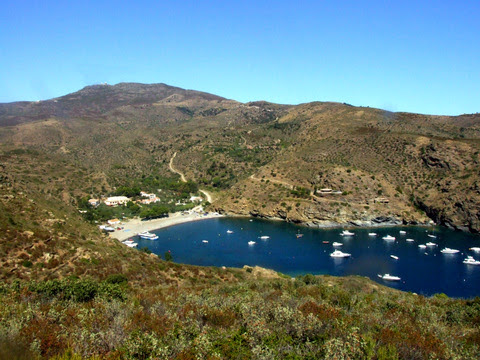
Dive Centers Near Massa D'Or
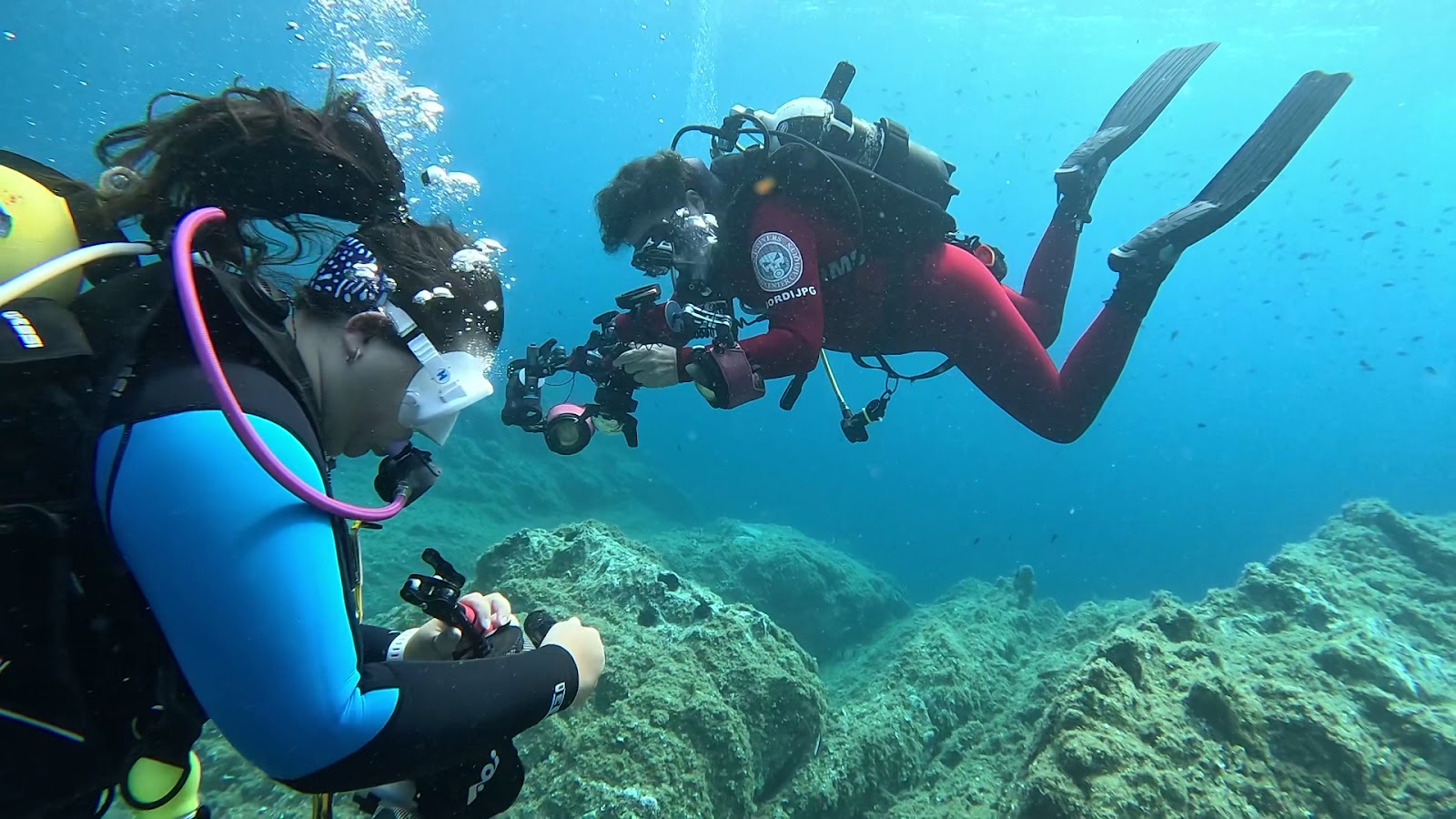
Today: 08:00 - 18:00
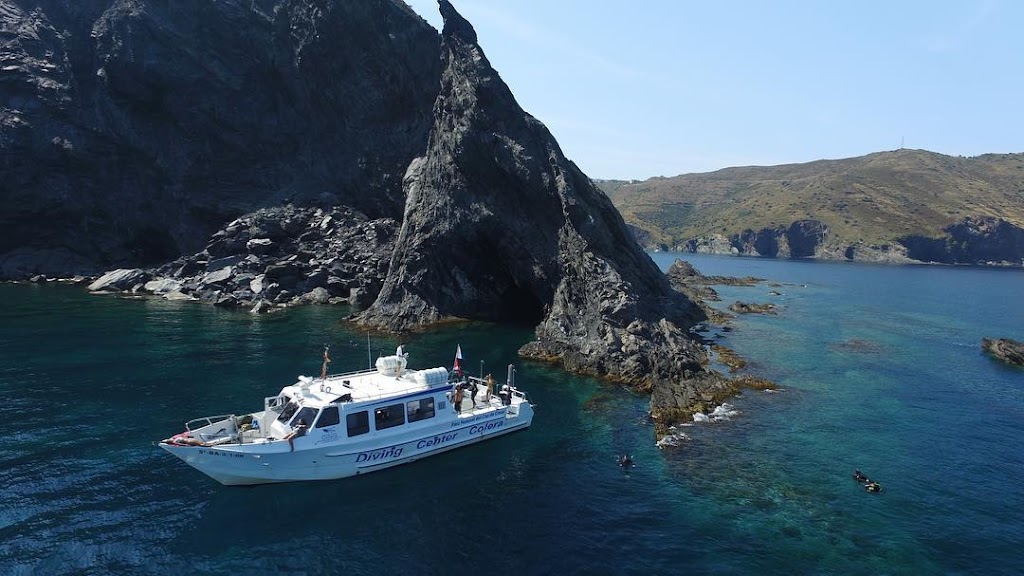

Nearest Airports
Nearest airports to help plan travel to this dive area.
Search Flights
Check available flights and routes on Expedia, using the nearby airports listed in this section.
Search Flights on ExpediaFrequently Asked Questions
What type of dive site is Massa d'Or?
Massa d'Or is primarily a wall and island dive, characterized by rocky bottom formations and its exposed location. It's accessed exclusively by boat and offers a variety of profiles along its steep underwater structure.
What are the typical depths at Massa d'Or?
Depths at Massa d'Or generally range from 5 m to 30 m (15-100 ft), with many divers finding the most interesting features between 15-25 m (50-80 ft). The wall itself extends to a maximum reported depth of around 70 m (230 ft).
Are there strong currents at this dive site?
Yes, Massa d'Or is known for unpredictable currents, which can become very strong due to its exposed location. Divers should be experienced and prepared for potential drift conditions.
What marine life can I expect to see?
The site is exceptionally rich in marine life, including large schools of barracudas and giant groupers. You'll also see vibrant red gorgonians, various nudibranchs, dentexes, sea bream, and occasionally tuna.
What are the water temperatures like throughout the year?
Water temperatures at Massa d'Or vary significantly with the seasons. They can drop to 13-14°C (55-57°F) in winter and rise to a comfortable 25-26°C (77-79°F) during the summer months.
What level of diver experience is required for Massa d'Or?
Massa d'Or is recommended for intermediate to expert divers. The potential for strong currents and the significant depth range necessitate advanced skills in buoyancy control and dive planning.
Planning to dive Massa D'Or?
Send one inquiry and receive offers directly from the best verified local dive operators.
Conditions are Good
07:00 - 14:00
Optimal conditions expected
Current conditions near Massa D'Or show 21° air, 23° sea temperature, 0.4 m waves, and 33 km/h wind. Forecast data is refreshed regularly to ensure accuracy.