
Diving at Don Pedro (Spain)
Expert Tip: Diving Don Pedro demands respect and preparation. A substantial Mediterranean wreck, reaching depths of 47 m (154 ft), it's not for the uninitiated. Successfully exploring its immense structure necessitates advanced training in deep and wreck diving. Plan meticulously with a local guide to fully appreciate this expansive site, adhering strictly to your personal limits and certifications. This deep wreck offers an immersive, challenging experience for the properly equipped and trained diver.
Evening condition tracking at Don Pedro features an air temperature of 23°C. We have recorded wave heights measuring 0.6 m during this period. These figures outline the environmental parameters currently present.
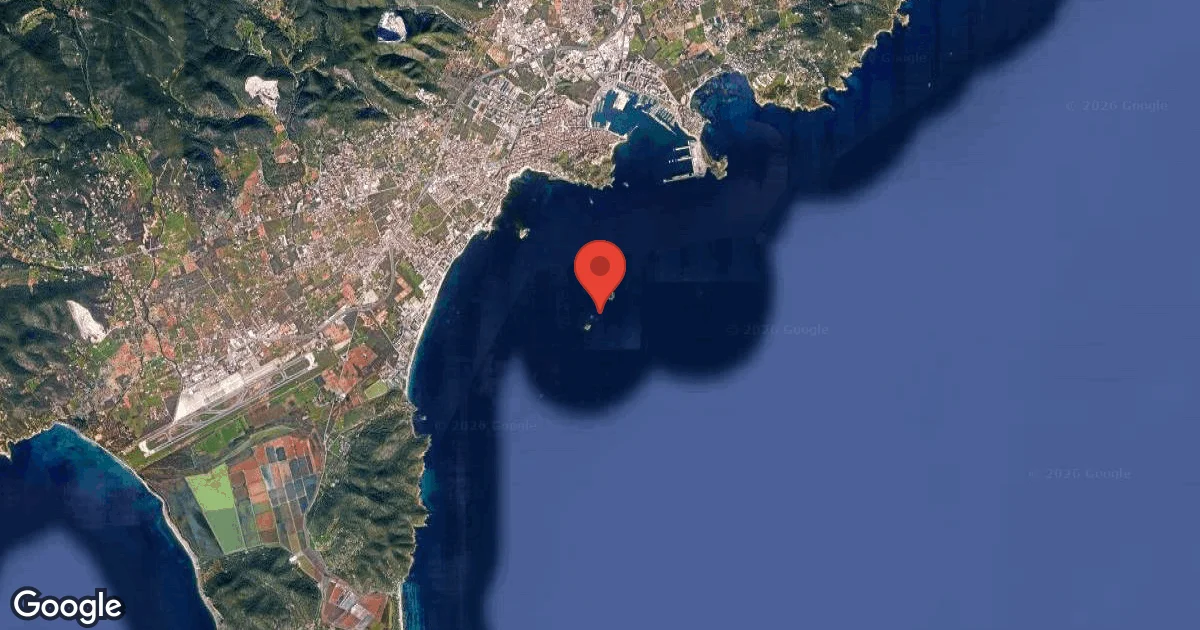
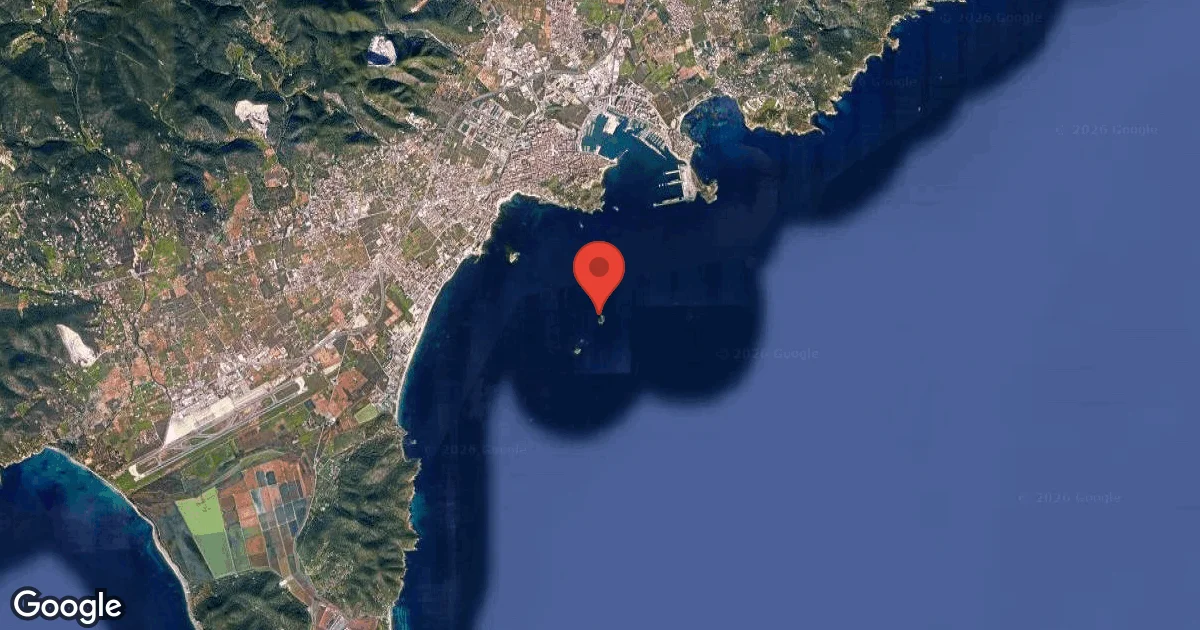
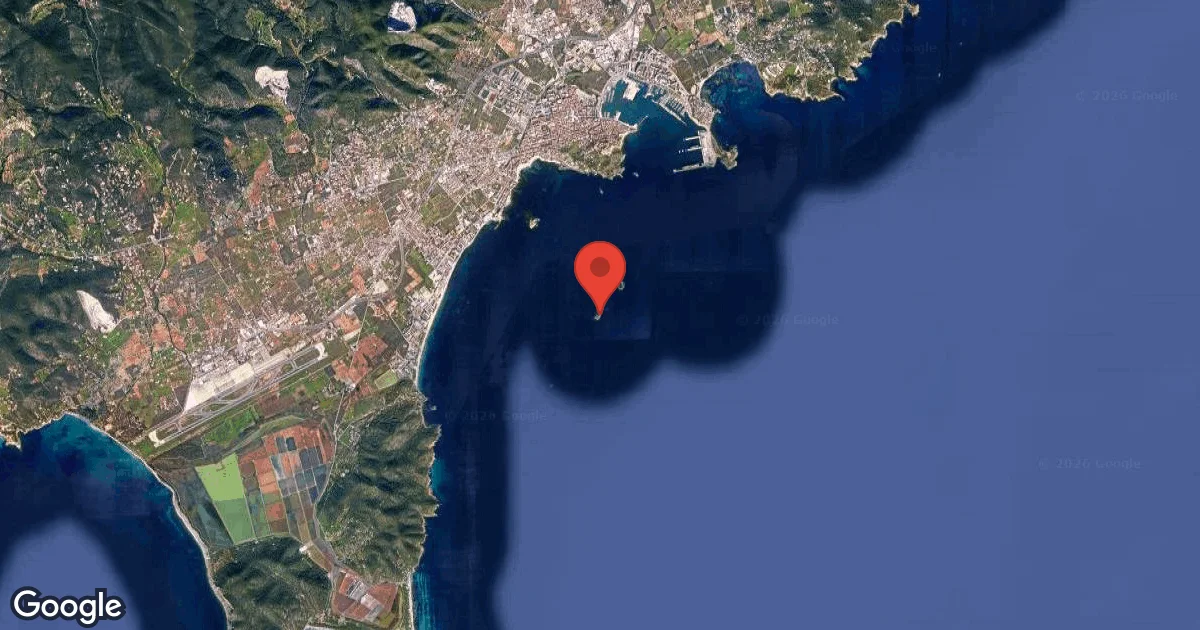
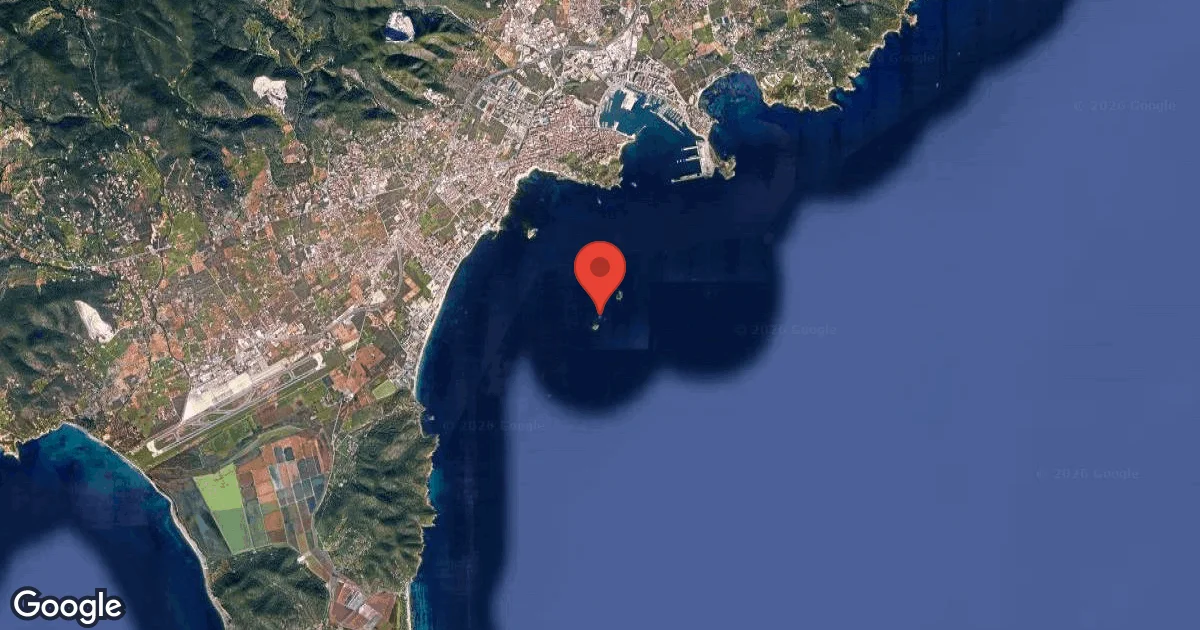
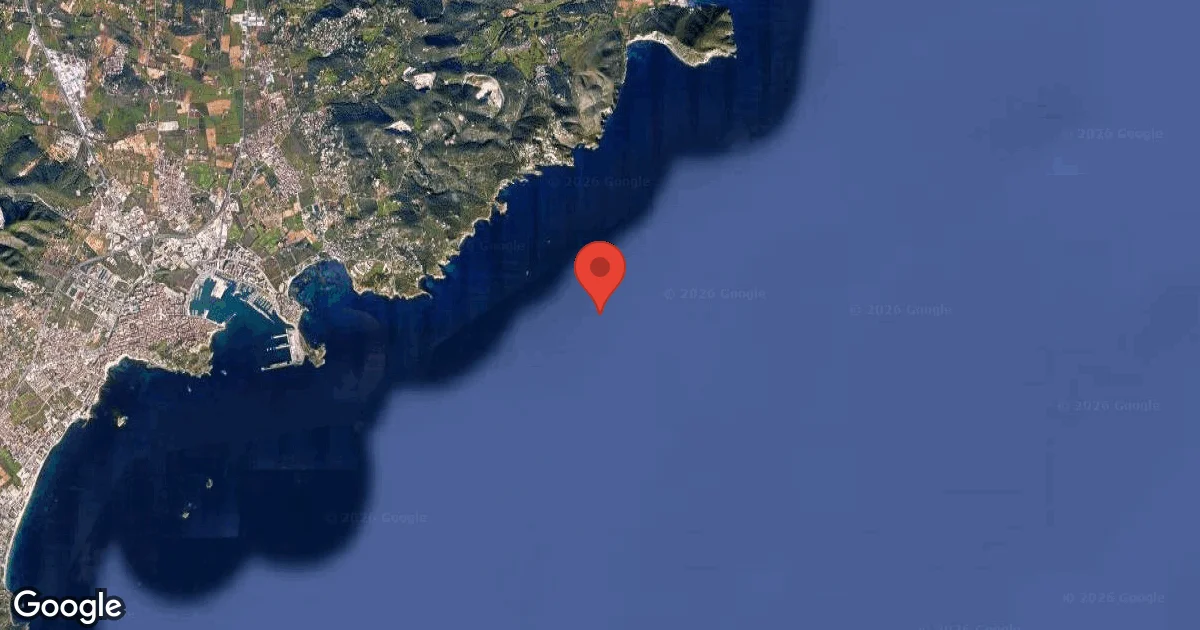
Dive Site Location & Key Facts
Dive Site Overview
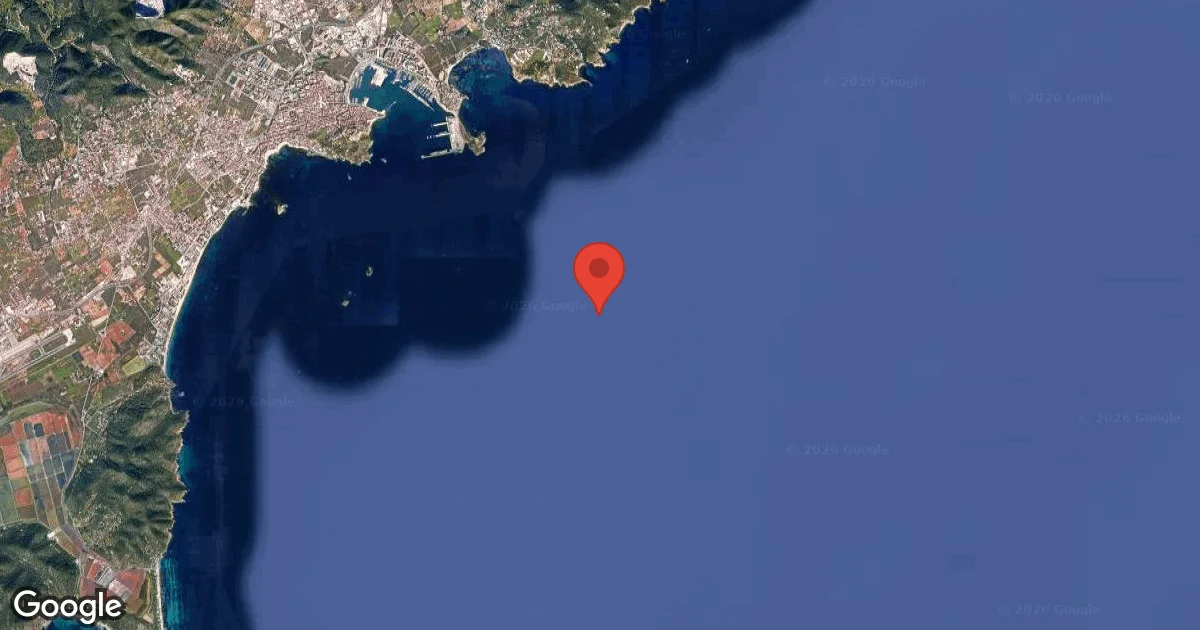
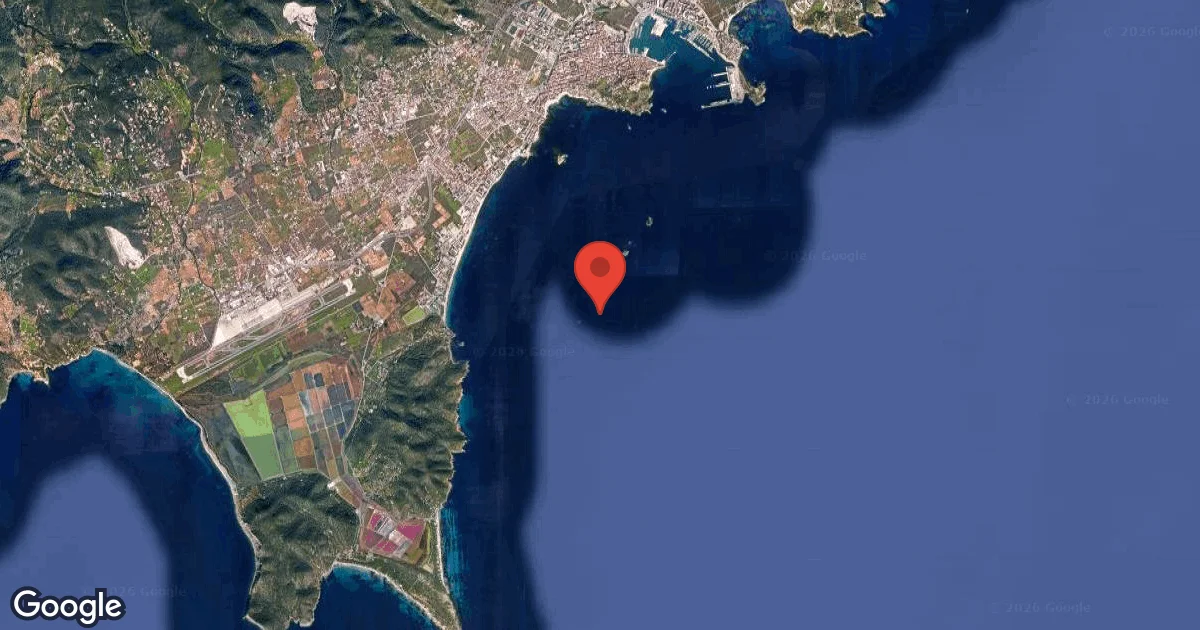
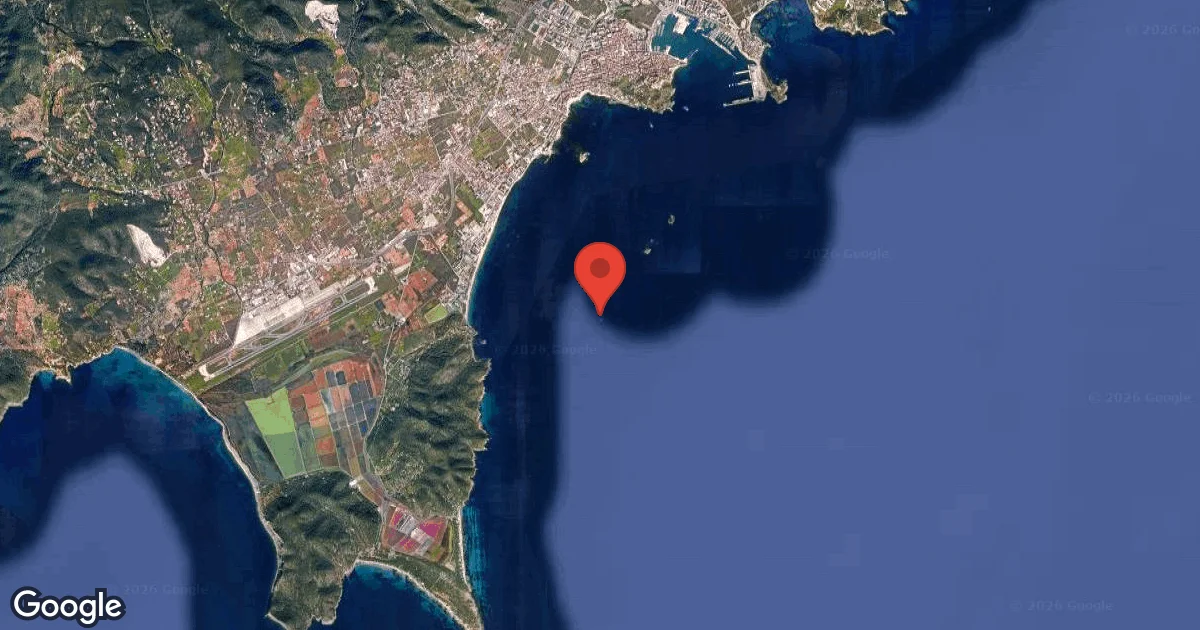
Don Pedro's story began in the early hours of July 11, 2007, as this modern container ship and truck ferry departed Ibiza. Minutes after setting sail towards Denia, a collision with El Dado islet's underwater pinnacle caused a large hole on its port side.
This led to rapid sinking; the 143-meter (469 ft) vessel disappeared beneath the waves within 45 minutes. All 20 crew and passengers were rescued safely. Initially, the ship settled on a sandy bottom around 40 meters (130 ft).
Following successful removal of heavy fuel oil and other pollutants, Don Pedro transformed from an environmental concern into a captivating dive site. It now stands as one of the Mediterranean's largest accessible wrecks for recreational divers.
Resting intact on its port side, the site features a maximum depth of 47 m (154 ft), with shallower sections beginning around 25 meters. Divers find multiple exploration opportunities, from investigating bow anchors and the stern deck bridge to venturing inside cargo areas for a glimpse of the trucks it once transported.
Conditions are Good
Optimal conditions expected
Current conditions near Don Pedro show 23° air, 27° sea temperature, 0.8 m waves, and 29 km/h wind. Forecast data is refreshed regularly to ensure accuracy.
Best Time to Dive
Optimizing a Don Pedro dive for peak visibility often means planning for the high season, from April through October. During these months, calmer Mediterranean conditions prevail. Wave heights average noticeably lower, typically below 0.8 meters (approximately 2.6 feet), reducing turbidity and enhancing clarity. Air temperatures are considerably warmer, generally ranging from about 17°C (62°F) in April to a peak of 27°C in August, then settling near 22°C by October. Rainfall is minimal, averaging under 2 millimeters (less than 0.1 inches) per month, which further contributes to improved visibility and a more comfortable surface experience. Good diving is certainly possible outside this window, particularly in November and December. However, April to October consistently provides excellent surface weather and underwater clarity for exploring the expansive wreck.
PEAK SEASON SCORE
Scores combine air & water temps, waves, wind & rainfall for overall conditions.
BEST MONTHS TO DIVE
Monthly records compiled from satellite and marine observation nodes over the last 3 years. Data provided by Open-Meteo and MET Norway.
Dive Experience & Conditions
Approaching Don Pedro's shallower sections, often around 25 meters, its immense structure gradually comes into view. This 143-meter cargo ship lies silently on its port side on a sandy bottom, fully intact, offering a unique perspective. Visibility at the site is generally good, frequently reaching up to 30 meters (approximately 100 feet), which allows appreciating the wreck's full magnitude. Initial exploration often focuses on external features like the impressive bow anchors or the stern deck bridge. For those with appropriate training, deeper sections extend to its maximum depth of 47 meters. Subsequent dives might include limited penetration into cargo areas to observe remnants of trucks and freight. Having sunk in 2007, the wreck is still relatively new; marine growth isn't extensive, ensuring structural details remain prominent.
Dive Difficulty & Safety Guidelines
Diving Don Pedro presents a significant, rewarding challenge, requiring a robust skill set beyond basic certification. Given its maximum depth of 47 meters and complexities inherent to wreck diving, specialized training is essential. Divers should possess certifications like PADI Deep Diver and PADI Wreck Diver.
For those contemplating interior exploration or extended bottom times, technical diving training such as Tec 40/45/50 is highly recommended. Always plan your dive meticulously with a certified guide familiar with the site.
Adhere strictly to training and experience limitations, particularly concerning no-decompression limits and gas management. Deploying a Delayed Surface Marker Buoy (DSMB) is advisable for signaling position during ascent, especially with potential boat traffic.
No site-specific hazards are consistently reported beyond those typical for deep and wreck diving; this emphasizes thorough preparation and conservative diving practices.
Recommended Equipment
Technical depth range. Advanced planning, gas management, and appropriate certification required.
Overhead / entanglement risk. Wreck penetration requires proper training.
- Dive Computer
- DSMB
- Primary & Backup Lights
- Wreck Reel
- Cutting Tool
This gear list is based on verified equipment signals for Don Pedro, Spain. Always confirm final gear choices with your dive operator, guide, or liveaboard.
Recommended Dive Suit
The latest conditions reported around Don Pedro place the water temperature close to 27°C (80°F). Surface air temperatures are resting at 23°C (73°F).
2-3mm shorty or light wetsuit generally offers enough warmth for most dives under these conditions. A hood or vest is suggested for sensitive divers due to surface winds. Surface intervals may feel cooler.
Surface conditions are expected to warm up slightly in the coming days. A warming trend is expected over the next few days.
Emergency & Medical Support
Essential information to help you plan your dive trip to Don Pedro.

Hyperbaric chambers are a critical part of dive safety infrastructure. Availability varies significantly by region, and not all dive areas have immediate access.
Before diving, it's recommended to:
- confirm nearest medical facilities
- check emergency procedures with local dive operators
- ensure dive insurance covers evacuation if required
Divers Alert Network
Diving emergency assistance available through DAN Europe.
+39 0642115685- 24/7 emergency hotline
- Diving medical assistance
- Evacuation coordination
Emergency contacts are provided for reference. Always verify local emergency services before diving.
Closest Listed Hyperbaric Chambers
Showing listed hyperbaric chamber facilities within 200 km of this dive site.
Distances are approximate straight-line distances and may not reflect emergency travel time.
Underwater and Hyperbaric Medicine
Palma de Mallorca, Spain•Approx. 127 km straight-line
Underwater and Hyperbaric Medicine
Information is provided for reference and planning purposes only. Dive Navigator does not verify operational status, staffing, availability, or quality of care at listed facilities. In an emergency, contact local emergency services, DAN, your dive operator, or the chamber directly. Do not travel to a facility without calling ahead.
Unidad Hiperbarica Hospital de Castellon UTH-HGUCS
24/7 ListedICU CapableCastellon, Spain•Approx. 181 km straight-line
Unidad Hiperbarica Hospital de Castellon UTH-HGUCS
24/7 ListedICU CapableInformation is provided for reference and planning purposes only. Dive Navigator does not verify operational status, staffing, availability, or quality of care at listed facilities. In an emergency, contact local emergency services, DAN, your dive operator, or the chamber directly. Do not travel to a facility without calling ahead.
Marine Life at Don Pedro
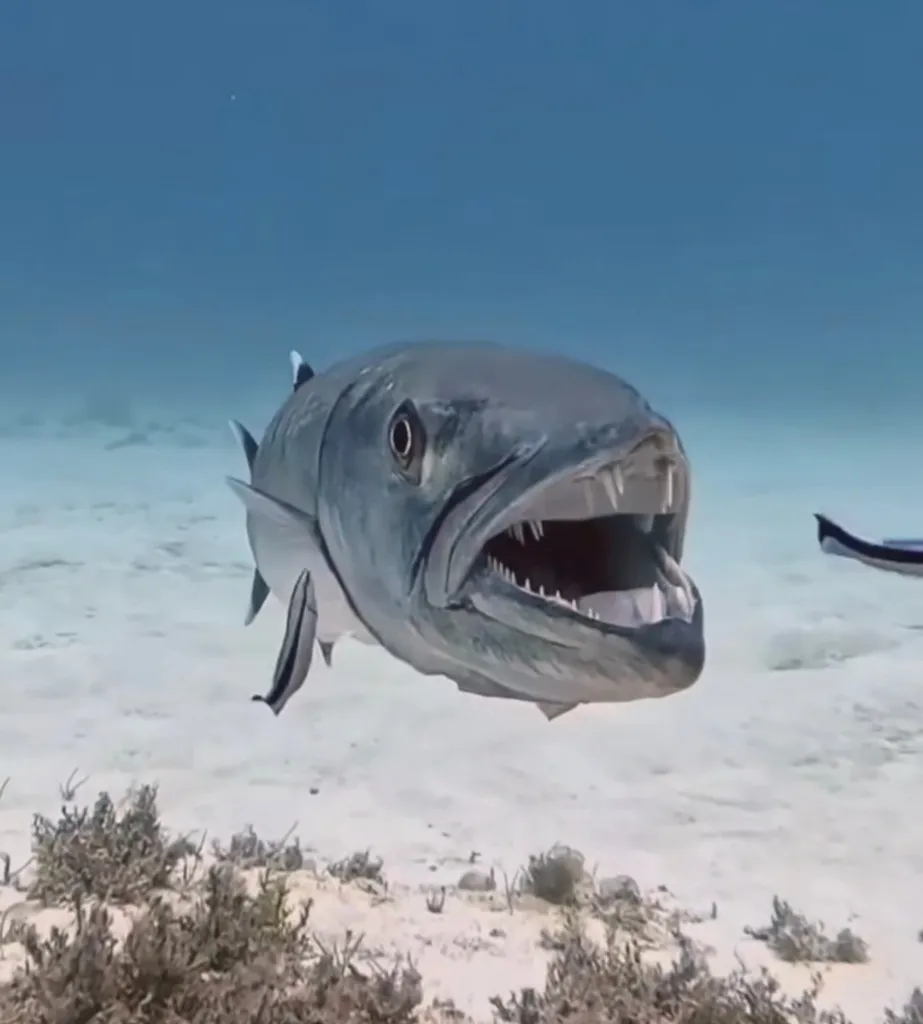
Don Pedro's wreck, despite its relatively recent sinking, already serves as an artificial reef, attracting diverse marine life. During a dive, expect encounters with pelagic species such as barracuda and jackfish patrolling the upper structure.
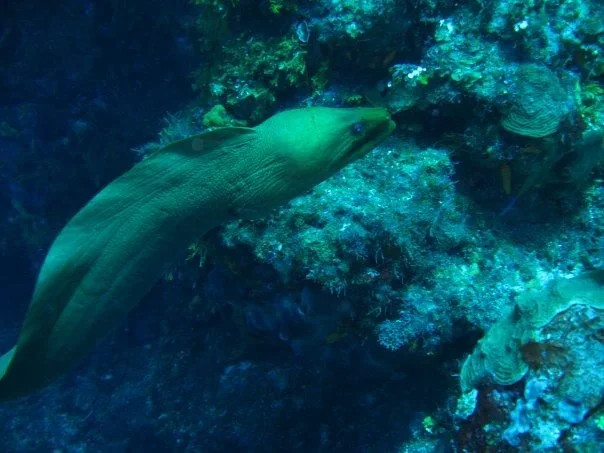
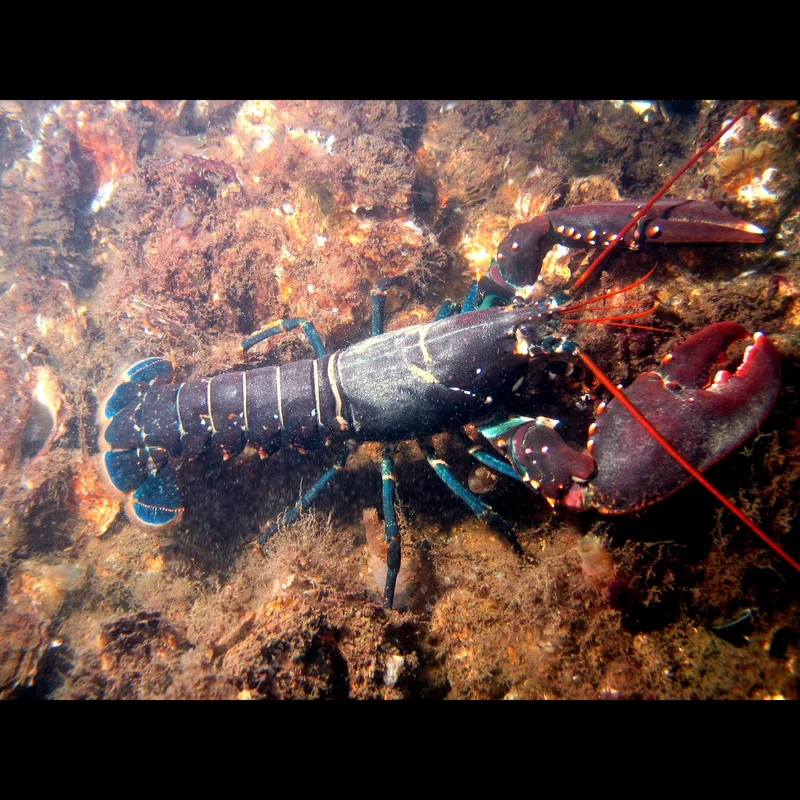
Closer inspection of the wreck often reveals moray eels nestled within crevices, utilizing the ship's framework for shelter. Lobsters are frequently observed seeking refuge in the sunken vessel's nooks and crannies.
On the surrounding sandy bottom, particularly near the wreck's perimeter, keen-eyed divers might spot more elusive inhabitants like small-spotted catsharks. An emerging ecosystem continues to develop here, offering diverse photographic opportunities as the wreck integrates further into the marine environment.
Dive Sites Near Don Pedro
View all dive sites in SpainDiscover more underwater gems in this area.
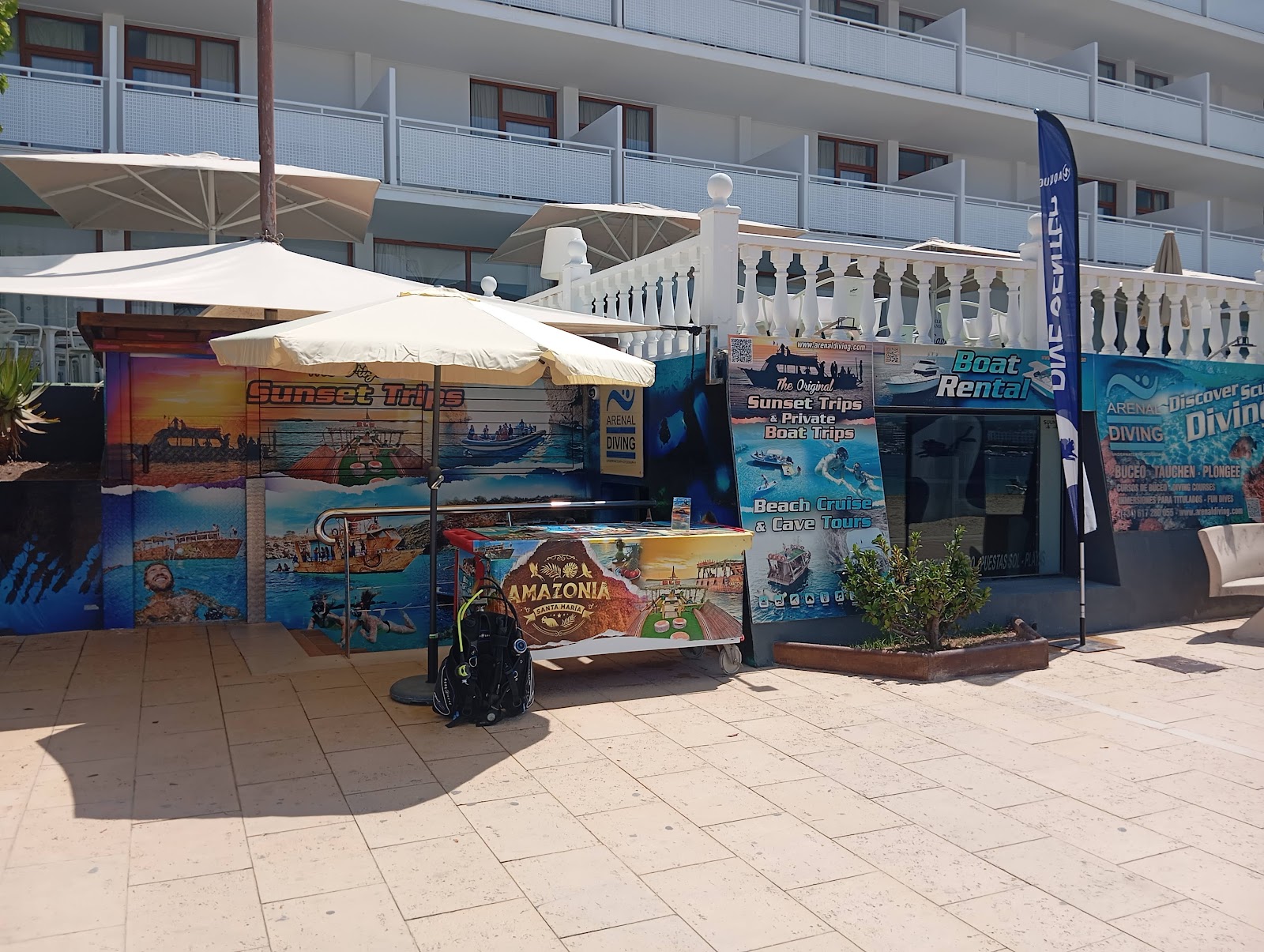
Dive Centers Near Don Pedro
Today: 08:30 - 17:30
Nearest Airports
Nearest airports to help plan travel to this dive area.
Search Flights
Check available flights and routes on Expedia, using the nearby airports listed in this section.
Search Flights on ExpediaFrequently Asked Questions
What is the maximum depth of the Don Pedro wreck?
Don Pedro reaches a maximum depth of 47 meters, with shallower sections around 25 meters. It is primarily a site for advanced divers.
What caused the Don Pedro to sink?
The ship sank on July 11, 2007, after colliding with the underwater pinnacle of El Dado islet shortly after departing from Ibiza. This collision created a large hole in its hull, leading to its rapid submersion.
What kind of diving experience is required for Don Pedro?
Diving the Don Pedro requires advanced training and experience. Certifications like PADI Deep Diver and PADI Wreck Diver are highly recommended, and technical diving training is useful for deeper or interior exploration.
What marine life can be seen at the wreck?
Divers frequently encounter barracuda, jackfish, moray eels, and lobsters around the wreck. Small-spotted catsharks are sometimes observed on the surrounding sandy bottom.
How large is the Don Pedro wreck?
Don Pedro is a substantial vessel, measuring 143 meters (approximately 469 feet) in length. It's considered one of the Mediterranean's largest accessible wrecks for recreational divers.
Is it possible to penetrate the wreck?
Limited penetration into certain cargo areas, such as where trucks and freight were stored, is possible for divers with appropriate wreck penetration training and experience. Safety is paramount, and it should only be attempted with qualified guides.
When is the best time to dive Don Pedro for visibility?
The high diving season from April to October generally offers the best visibility and calmest conditions. Warmer air temperatures and minimal rainfall contribute to clearer waters during this period.
Planning to dive Don Pedro?
Send one inquiry and receive offers directly from the best verified local dive operators.
Conditions are Good
Optimal conditions expected
Current conditions near Don Pedro show 23° air, 27° sea temperature, 0.8 m waves, and 29 km/h wind. Forecast data is refreshed regularly to ensure accuracy.