Loading...

Diving at La Cullerada (Spain)
Published
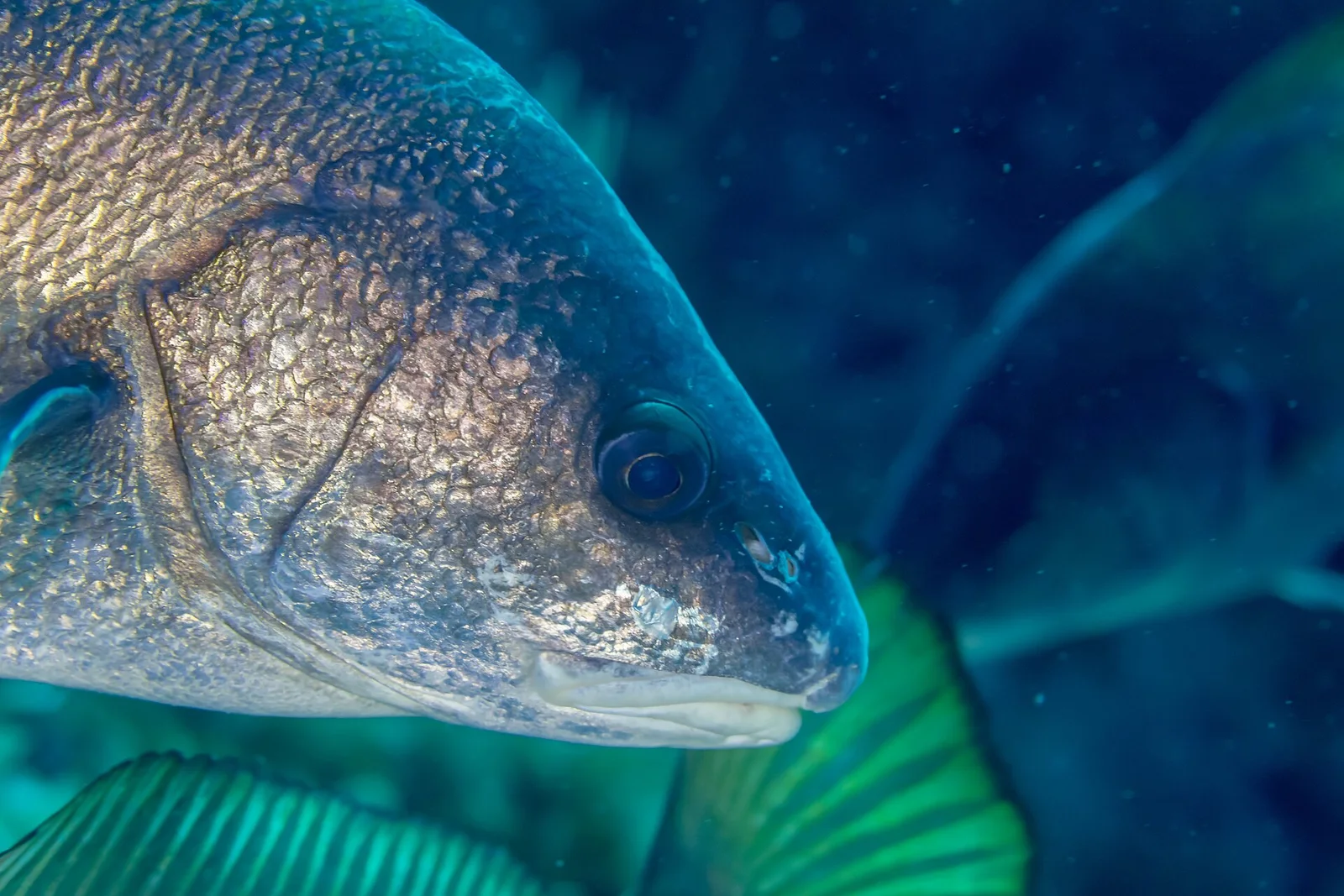
Sheltered beneath the vertical Jurassic limestone walls of the Cap de Sant Antoni Marine Reserve, La Cullerada showcases what over thirty years of Valencian marine protection can achieve. Between 6 and 20 meters, boulder caverns, white gorgonian gardens, and lush Posidonia meadows teem with bold dusky groupers, brown meagre, and hunting dentex.
Current morning readings from La Cullerada indicate an air temperature of 11.5°C. Surface wave heights are averaging around 0.3 m at this time. These local measurements provide a baseline for your daily dive planning.
Dive Site Location & Key Facts
Site Characteristics
Max Depth
20m66ft
Visibility
18m59ft
Entry TypeBoat
Water Typesalt
Dive Types
CavernReefWall
Dive Site Overview
Established in November 1993 and regulated under Valencian Decree 19/2015, the Cap de Sant Antoni Marine Reserve protects the dramatic underwater transition where the Montgó mountain range meets the sea. La Cullerada occupies a sculpted scoop in the northern limestone cliff face where colossal rockfalls have piled up against the wall down to 20 meters.
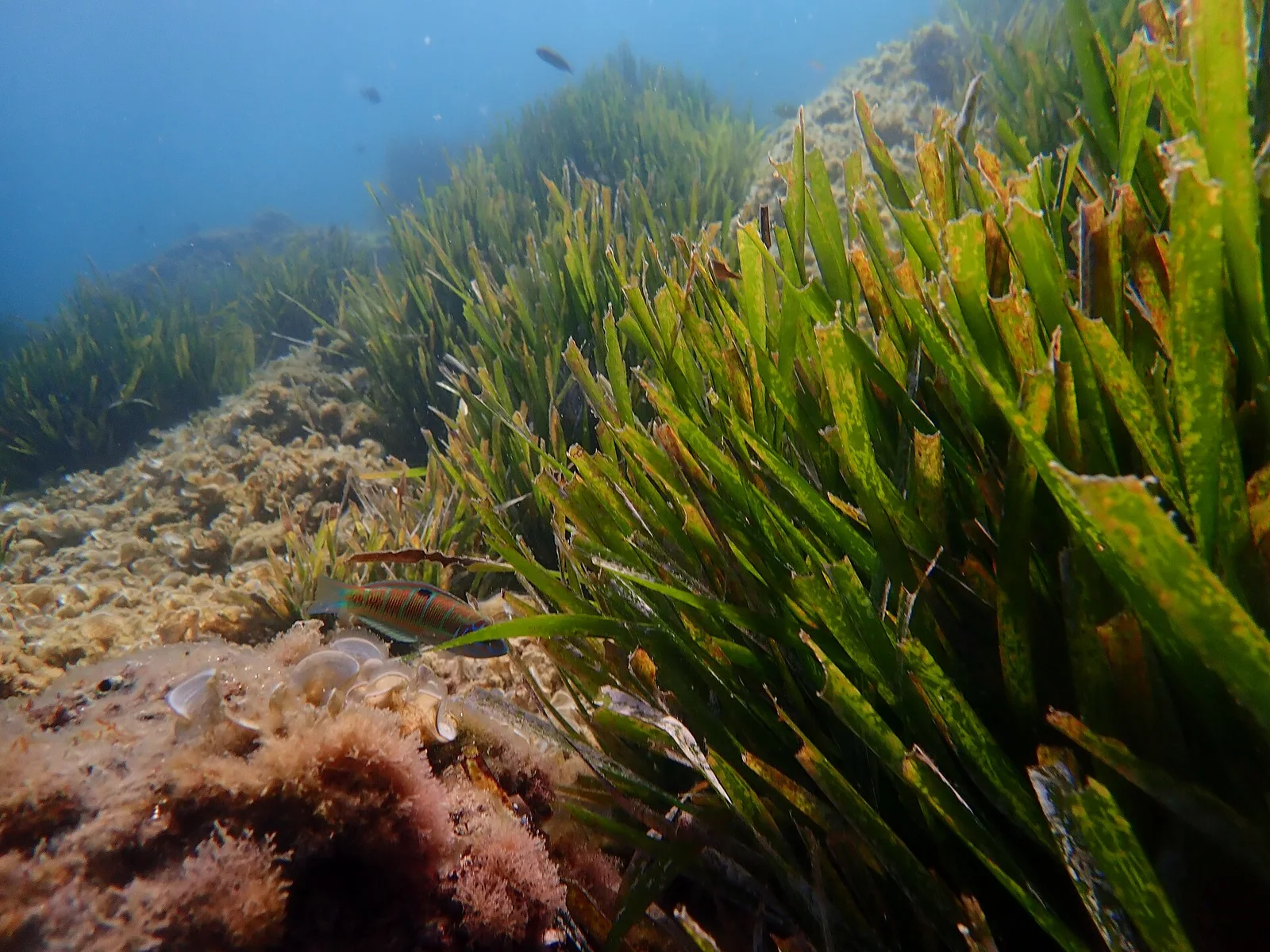
Threading between those giant limestone blocks reveals shaded caverns carpeted in yellow cluster anemones and sponges, opening seaward onto coralligenous rocky benches dotted with white sea fans (Eunicella singularis) and healthy Posidonia oceanica seagrass beds.
With anchoring strictly outlawed inside the reserve, authorized dive boats tie to official reserve moorings or conduct live drops, preserving fragile benthic life across every meter of the reef.
La Cullerada
Conditions are Good
8/10
Confidence: 8/10
Indicates meteorological model agreement and data availability.
Best Dive Window
07:00 - 14:00
Optimal conditions expected
06:12
18:45
H: 10:45
L: 16:20
Air / Sea Temp
12° / 20°
Wave Height
0.5 m
Wind Speed
29 km/h SW
Rain Chance
0%
Current conditions near La Cullerada show 12° air, 20° sea temperature, 0.5 m waves, and 29 km/h wind. Forecast data is refreshed regularly to ensure accuracy.
Radius: ~12km
Updated: Nov 24, 2026, 01:24 local timeMARINE: OPEN-METEOWEATHER: YR.NO
Best Time to Dive
May through October delivers the calmest seas on the northern side of Cap de Sant Antoni, with water temperatures rising from 18°C in May to 26°C in August and September.
Choose calm mornings without northerly or easterly Llevant winds, which send swell against the north-facing Montgó cliffs.
PEAK SEASON SCORE
86/100
Very GoodScores combine air & water temps, waves, wind & rainfall for overall conditions.
BEST MONTHS TO DIVE
JUN
JUL
AUG
DIVE SCORE GUIDE (0–100)
Excellent (90–100)
Very Good (80–89)
Good (70–79)
Moderate (50–69)
Poor (30–49)
Not Recommended (0–29)
Monthly records compiled from satellite and marine observation nodes over the last 3 years. Data provided by Open-Meteo and MET Norway.
Dive Experience & Conditions
Boats from Xàbia or Dénia secure to the reserve buoy in 8 to 14 meters, letting Open Water and Advanced divers explore downward to 20 meters and return comfortably along the cliff foot. Visibility typically ranges from 15 to 22 meters.
Currents inside the cove indentation of La Cullerada are noticeably gentler than out on the exposed tip of the lighthouse.
Dive Difficulty & Safety Guidelines
Diving anywhere inside the Cap de Sant Antoni Marine Reserve requires advance authorization from the Generalitat Valenciana (incorporating valid diver certification, ID, and accident/liability insurance, routinely filed by accredited Xàbia dive centers). Gloves, spearguns, and touching marine organisms are strictly prohibited.
Maintain clean frog-kick trim when peering into limestone caverns so fragile bryozoans and gorgonians remain unharmed.
Recommended Equipment
Overhead environment. Do not enter beyond training and gas planning limits.
- Dive Computer
- DSMB
- Primary & Backup Lights
- Reel / Spool
- Cutting Tool
This gear list is based on verified equipment signals for La Cullerada, Spain. Always confirm final gear choices with your dive operator, guide, or liveaboard.
Recommended Dive Suit
Temperatures look set to gradually increase over the next several days. A warming trend is expected over the next few days.
Thermal protection such as 5mm wetsuit is commonly used in similar temperatures. Strong cold advisory: dress warmly immediately after exiting the water.
Recent environmental data from La Cullerada indicates water temperatures near 20°C (67°F). Surface air temperatures are resting at 12°C (53°F).
La Cullerada conditions last reviewed: 01:24 local time (UTC+0), Nov 24, 2026
Emergency & Medical Support
Essential information to help you plan your dive trip to La Cullerada.

Hyperbaric chambers are a critical part of dive safety infrastructure. Availability varies significantly by region, and not all dive areas have immediate access.
Before diving, it's recommended to:
- confirm nearest medical facilities
- check emergency procedures with local dive operators
- ensure dive insurance covers evacuation if required
24/7 Available
Divers Alert Network
Diving emergency assistance available through DAN Europe.
+39 0642115685- 24/7 emergency hotline
- Diving medical assistance
- Evacuation coordination
Emergency contacts are provided for reference. Always verify local emergency services before diving.
Closest Listed Hyperbaric Chambers (≤ 200 km)
Approximate straight-line distances from this dive site — emergency travel times may vary.
134 km134 kmUnidad Hiperbarica Hospital de Castellon UTH-HGUCS
Castellon, Spain24/7ICU+34 964725203Details134 kmUnidad Hiperbarica Hospital de Castellon UTH-HGUCS
24/7 ListedICU CapableCastellon, Spain · Multi
Hours: 24/7 ListedFacility: Hospital General Universitario de CastellonICU On-Site: YesSource: EUBS / OXYNETOfficial website
134 km
Unidad Hiperbarica Hospital de Castellon UTH-HGUCS
Castellon, Spain24/7ICU+34 964725203Details
134 km
Unidad Hiperbarica Hospital de Castellon UTH-HGUCS
24/7 ListedICU CapableCastellon, Spain · Multi
Hours: 24/7 Listed
Facility: Hospital General Universitario de Castellon
ICU On-Site: Yes
Source: EUBS / OXYNET
Official websiteChamber data is sourced from self-reported EUBS/OXYNET listings and has not been independently verified by Dive Navigator. Always contact local emergency services, DAN, your dive operator, or the facility directly before travelling.
Reference onlyMarine Life at La Cullerada
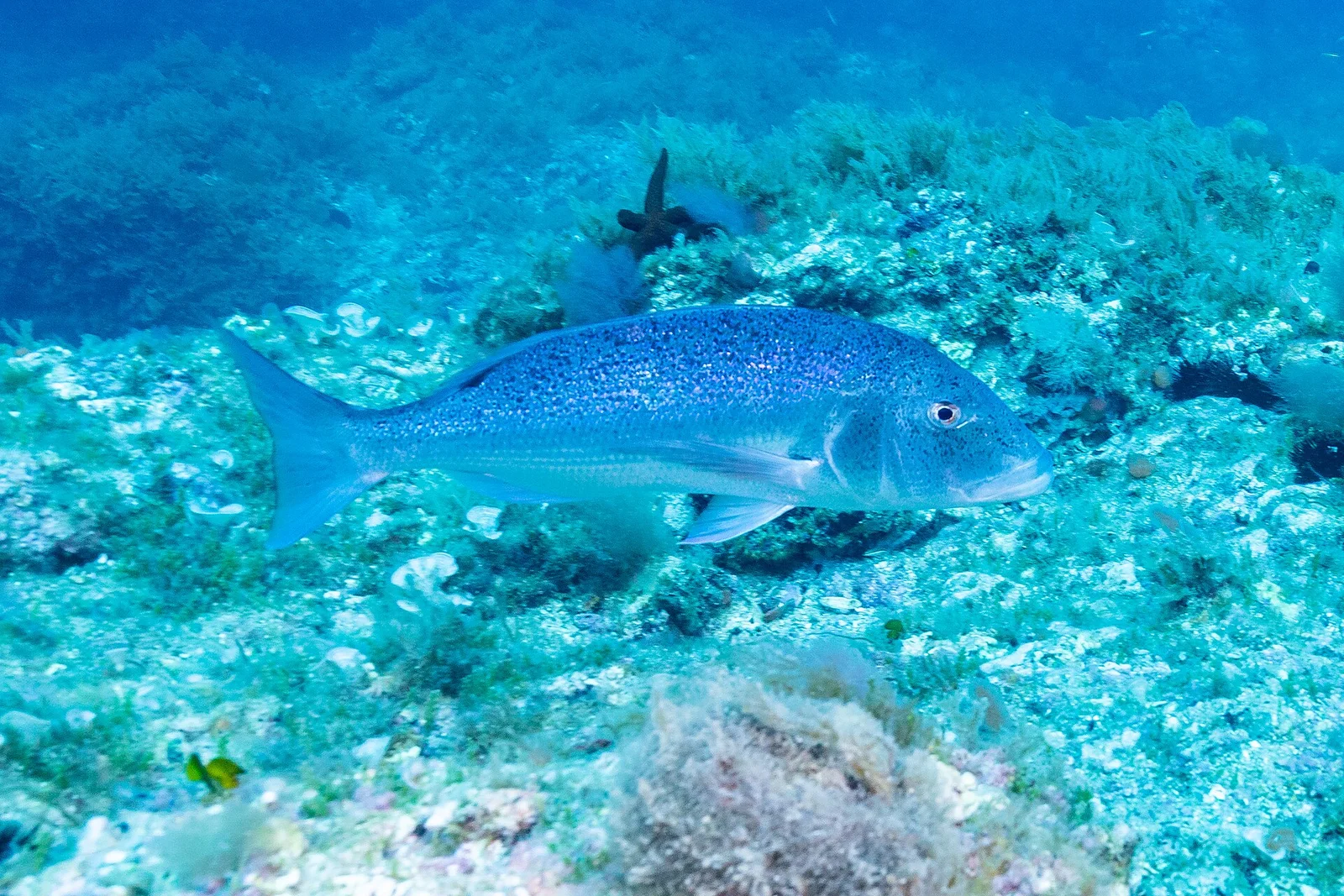
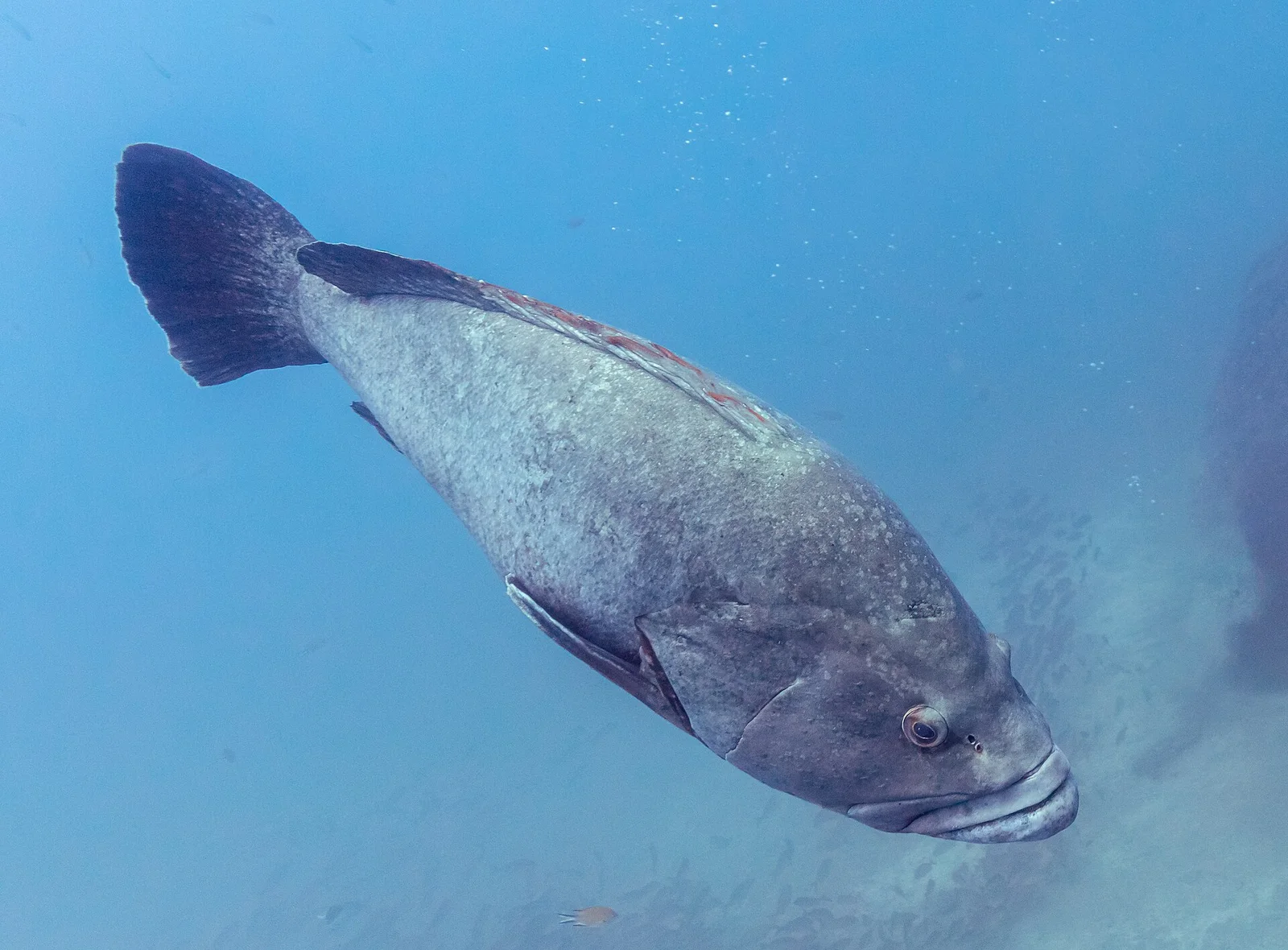
Reserve-effect fish sizes are immediately obvious: confiding dusky groupers, golden-bronze schools of brown meagre (corvinas) hovering inside dark boulder arches, two-banded and white seabream, and patrolling common dentex and barracudas.
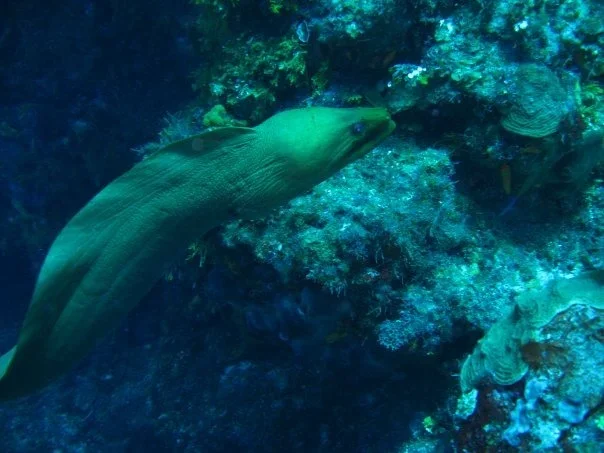
Crevices harbor Mediterranean morays, conger eels, slipper lobsters, and red-striped cleaner shrimp, while white and orange gorgonians and nudibranchs decorate the deeper 18-to-20-meter rocks.
1 / 2
Image contributors:Diego Delso, CofreDeSofre + 1 more
Want to contribute photos or local dive knowledge? Learn how to contributeDive Sites Near La Cullerada
View all dive sites in SpainDiscover more underwater gems in this area.
Max 20 m
0.1 km
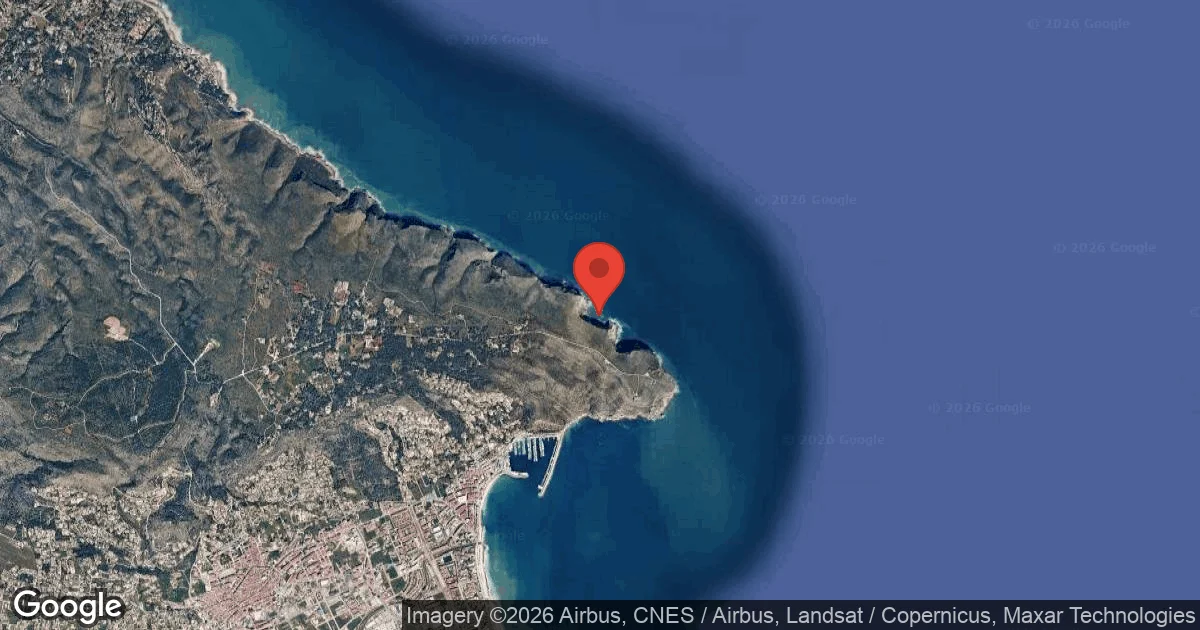
beginner1ª Ensenada de la Reserva Marina del Cabo de San Antonio
ArchaeologicalBoat
Max 18 m
0.4 km
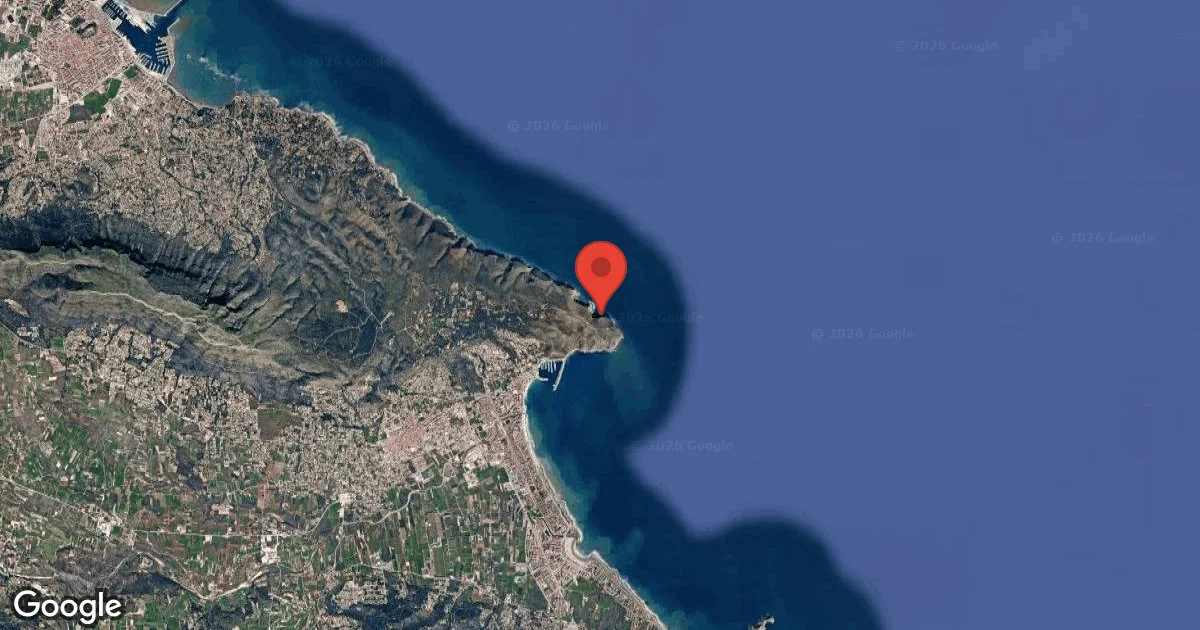
beginner2ª Ensenada Reserva Marina del Cabo de San Antonio
BoatCavern
Max 21 m
1 km
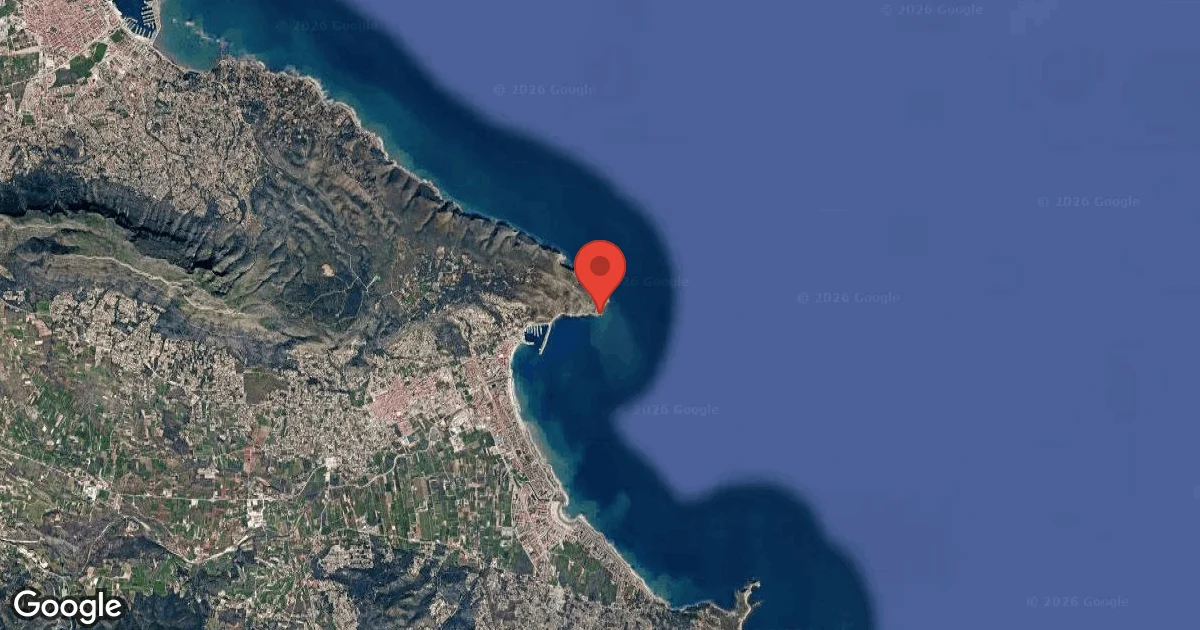
beginnerCabo SAN Antonio
BoatOcean
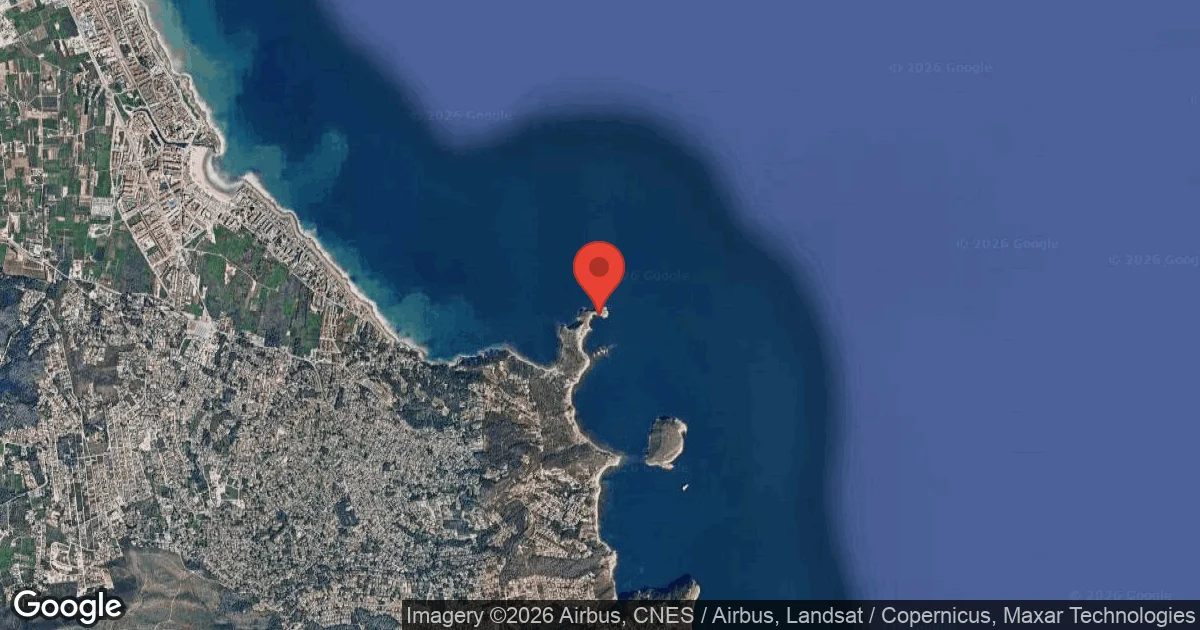
Max 21 m
5.6 km
beginnerSAN Martin SUR
Anchor DiveBoat
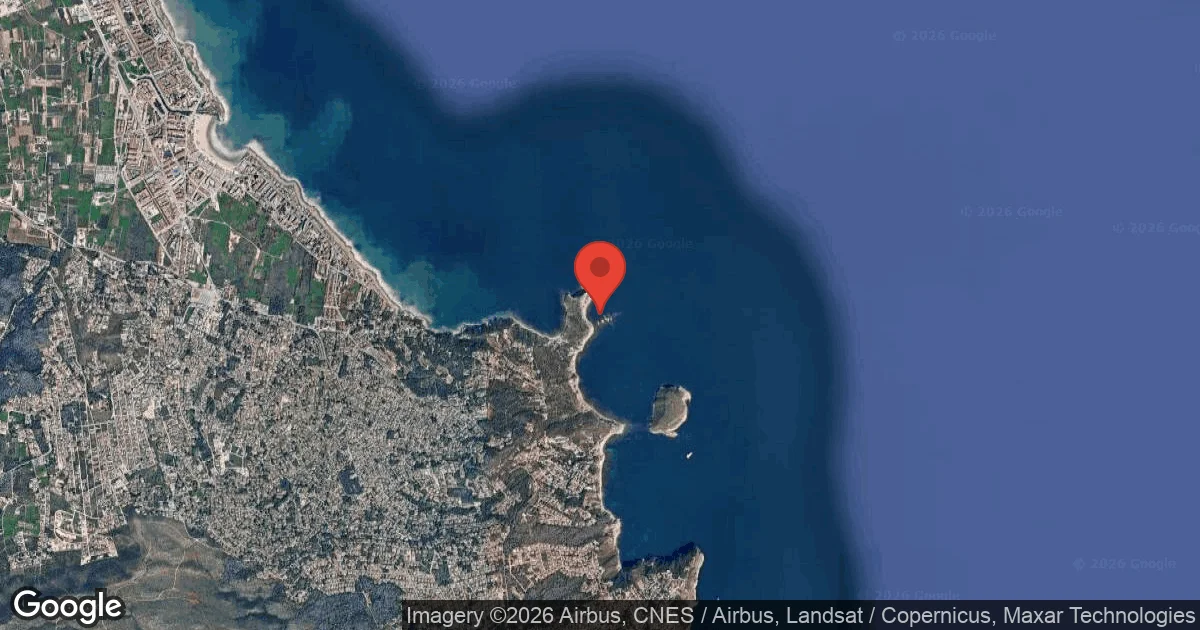
Max 21 m
5.8 km
beginnerPiedras Rotas
BoatOcean
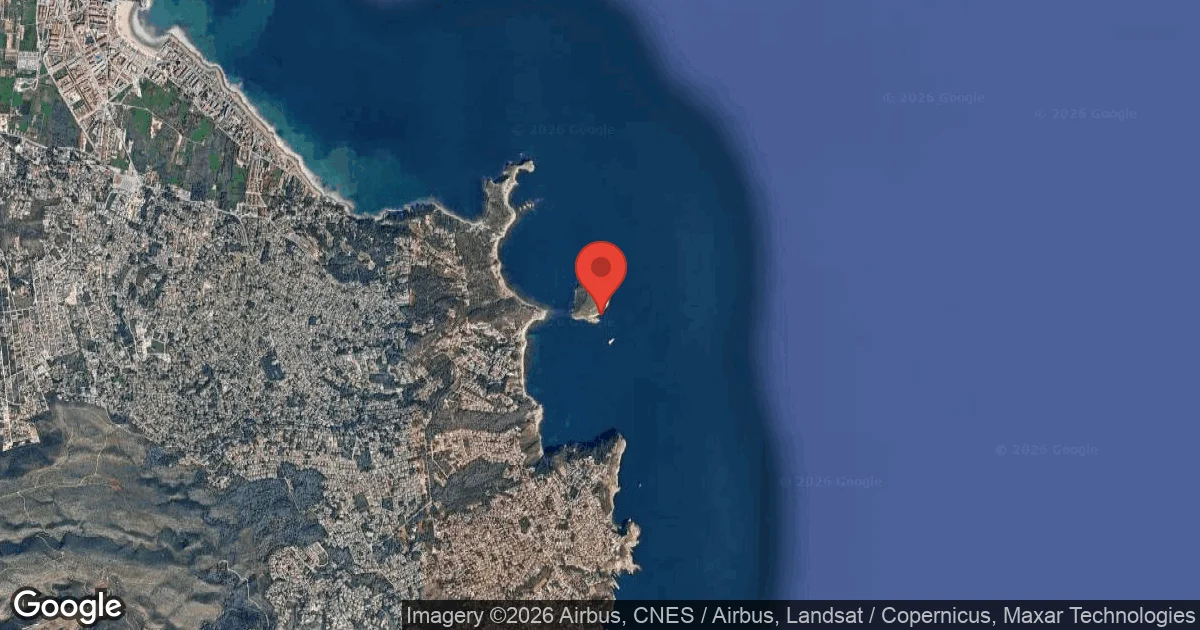
Max 22 m
6.8 km
beginnerPiscinas de Neptuno
BoatCavern
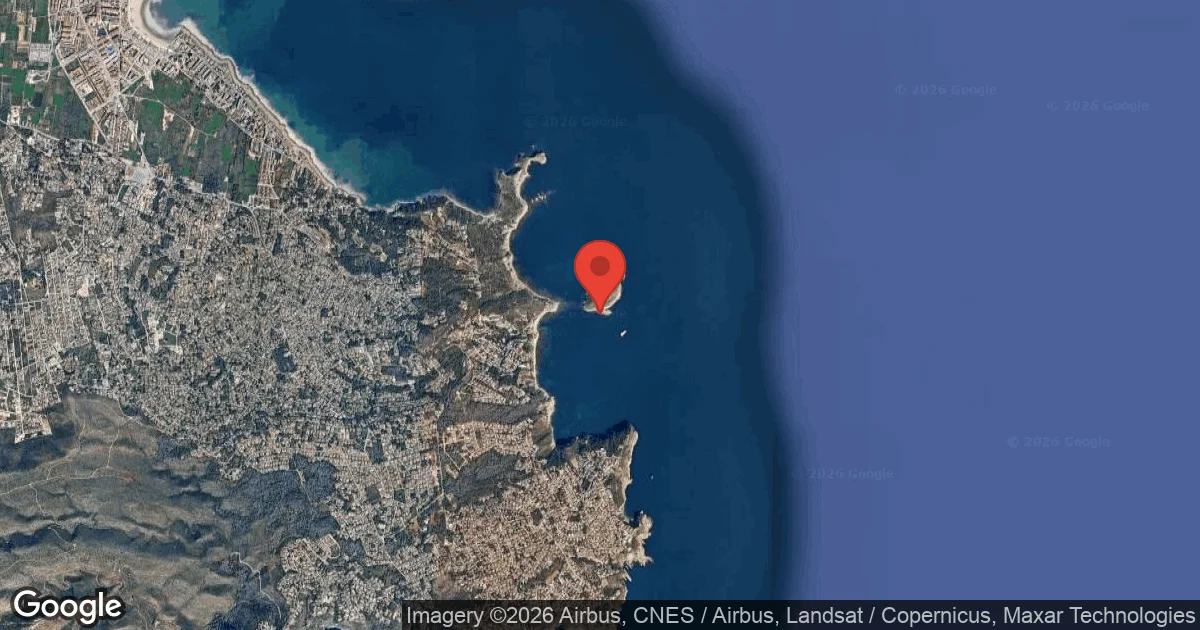
Max 21 m
6.8 km
beginnerTermas
BoatCavern
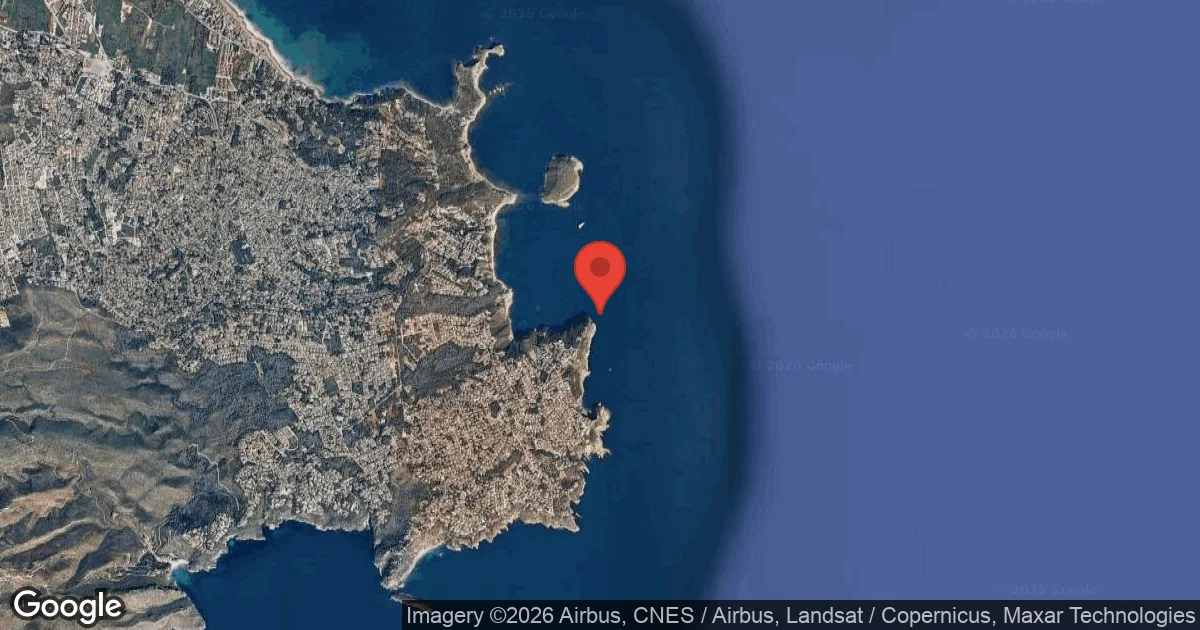
Max 23 m
7.7 km
beginnerCabo Negro
BoatCavern
Max 20 m
0.1 km
beginner1ª Ensenada de la Reserva Marina del Cabo de San Antonio
ArchaeologicalBoat
Max 18 m
0.4 km
beginner2ª Ensenada Reserva Marina del Cabo de San Antonio
BoatCavern
Max 21 m
1 km
beginnerCabo SAN Antonio
BoatOcean
Max 21 m
5.6 km
beginnerSAN Martin SUR
Anchor DiveBoat
Max 21 m
5.8 km
beginnerPiedras Rotas
BoatOcean
Max 22 m
6.8 km
beginnerPiscinas de Neptuno
BoatCavern
Max 21 m
6.8 km
beginnerTermas
BoatCavern
Max 23 m
7.7 km
beginnerCabo Negro
BoatCavern
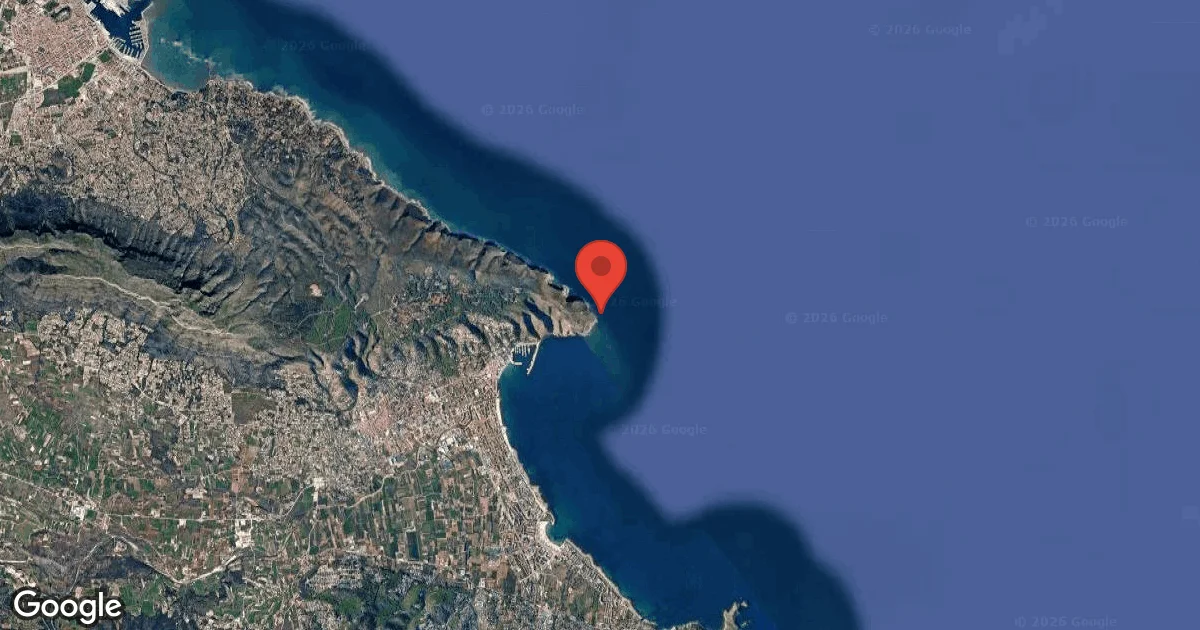
Max 20 m
0.9 km
intermediateFaro del Cap de Sant Antoni
BoatCanyon
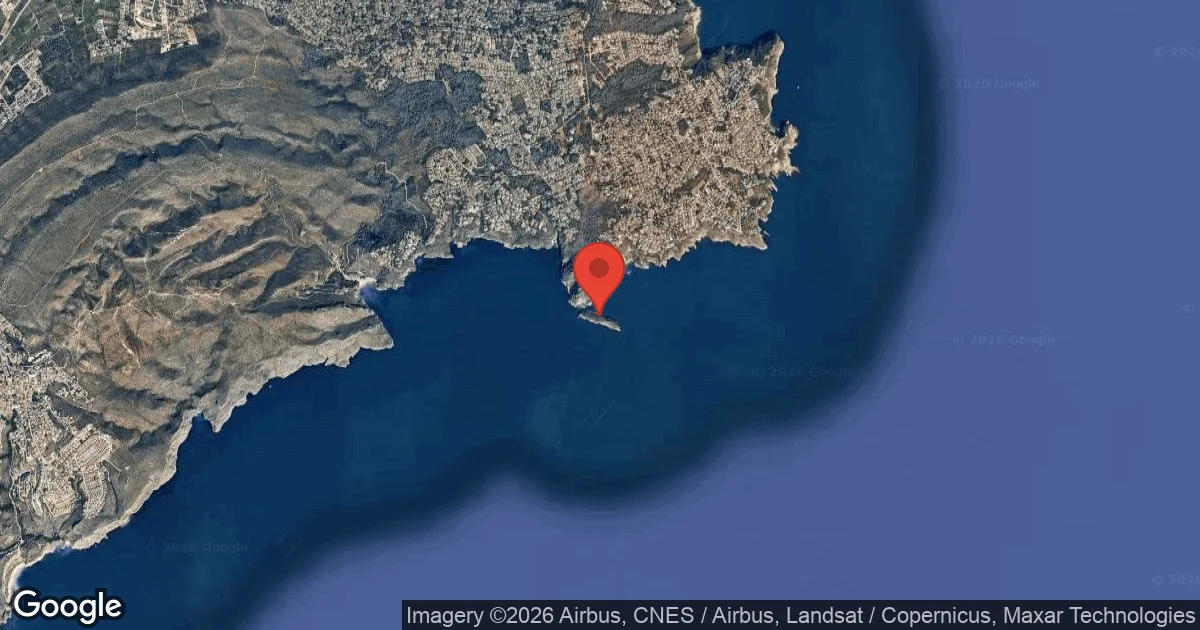
Max 18 m
9.2 km
beginnerIsla del Descubridor
BoatCavern
1 / 2
Dive Centers Near La Cullerada
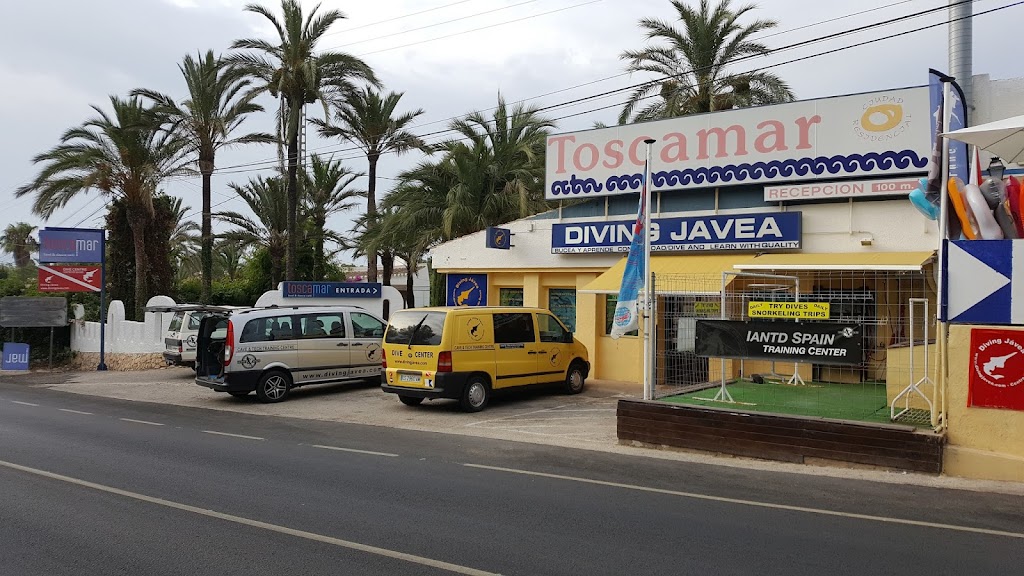
4.8| 512 reviews
3.6 km
4.9| 827 reviews
18.9 km
4.8| 74 reviews
34.1 kmNearest Airports
Nearest airports to help plan travel to this dive area.
Alicante-Elche Miguel Hernández Airport ALC
88 km
Valencia Airport VLC
96 km
Ibiza Airport IBZ
103 km
💵 Currency: EUR
Search Flights
Check available flights and routes on Expedia, using the nearby airports listed in this section.
Search Flights on ExpediaAffiliate link · Dive Navigator may earn a commission at no extra cost to you.
Frequently Asked Questions
How do divers get a permit for La Cullerada in the Cap de Sant Antoni Marine Reserve?
Under Valencian Decree 19/2015, recreational scuba inside the reserve requires prior authorization with proof of certification, ID, and valid dive insurance—most visitors book through authorized Xàbia dive centers that submit collective permits.
Is boat anchoring allowed at La Cullerada?
No. Anchoring is strictly prohibited throughout the Cap de Sant Antoni Marine Reserve to protect Posidonia seagrass and coralligenous reefs; boats use official moorings.
What is the maximum depth at La Cullerada?
The dive reaches a maximum depth of 20 meters (66 feet), with rich boulder caverns and arches starting as shallow as 8 to 12 meters.
Is La Cullerada suitable for Open Water divers?
Yes—moderate 20-meter depth and sheltered cove topography make it an outstanding reserve dive for certified Open Water divers with good buoyancy.
Why are fish so much larger here than outside the cape?
All recreational fishing and spearfishing have been banned inside the marine reserve since 1993, allowing groupers, dentex, and brown meagre to reach impressive adult sizes.
Which wind conditions close La Cullerada?
Strong northerly or easterly Llevant winds push swell onto the north flank of Cap de Sant Antoni, prompting operators to switch to south-facing Portitxol or Cap Negre.
Trip Inquiry
Planning to dive La Cullerada?
Tell us your dates and diving needs. We'll review your request and seek offers from relevant local dive centers.
Request Dive Offers Free request for offers • No booking obligation
La Cullerada
Conditions are Good
8/10
Confidence: 8/10
Indicates meteorological model agreement and data availability.
Best Dive Window
07:00 - 14:00
Optimal conditions expected
06:12
18:45
H: 10:45
L: 16:20
Air / Sea Temp
12° / 20°
Wave Height
0.5 m
Wind Speed
29 km/h SW
Rain Chance
0%
Current conditions near La Cullerada show 12° air, 20° sea temperature, 0.5 m waves, and 29 km/h wind. Forecast data is refreshed regularly to ensure accuracy.
Radius: ~12km
Updated: Nov 24, 2026, 01:24 local timeMARINE: OPEN-METEOWEATHER: YR.NO


