
Diving at Cabo SAN Antonio (Spain)
Divers exploring Cabo San Antonio should anticipate a diverse underwater topography, navigating majestic walls and a series of smaller submerged mountains. Within this Marine Reserve and cetacean corridor, encounters with various marine life, including lobsters and seasonal dolphins, are possible. Navigation can involve following the reef structure, exploring ship remains, and discovering a unique mushroom-shaped stone.
Evening condition tracking at Cabo SAN Antonio features an air temperature of 19.5°C. We have recorded wave heights measuring 0.5 m during this period. These figures outline the environmental parameters currently present.
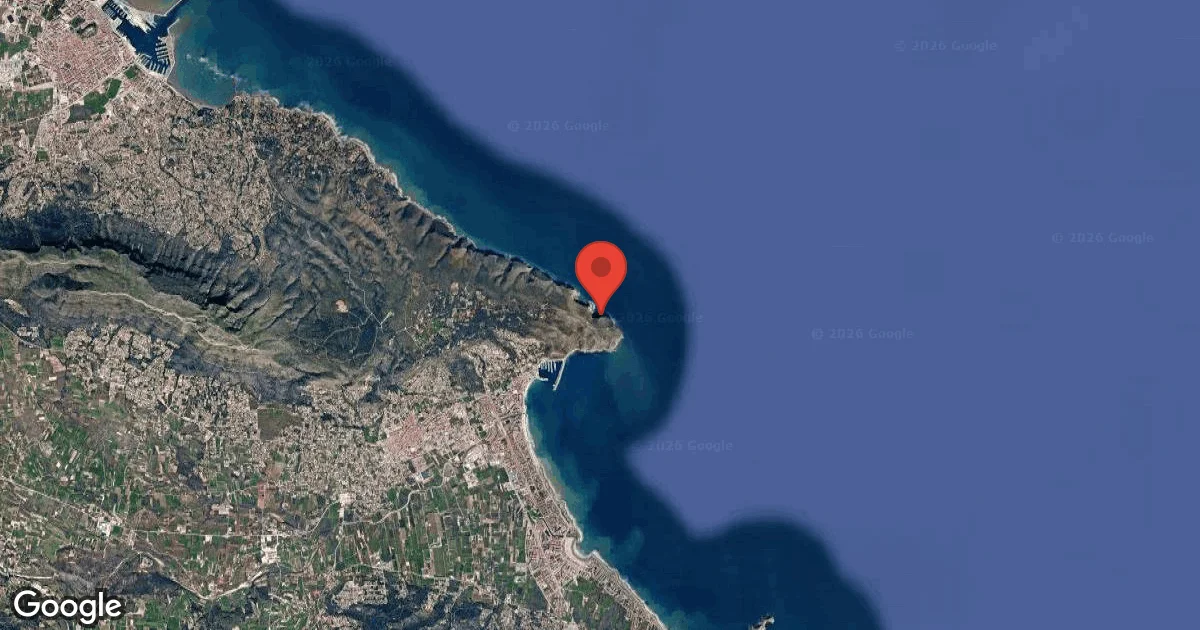
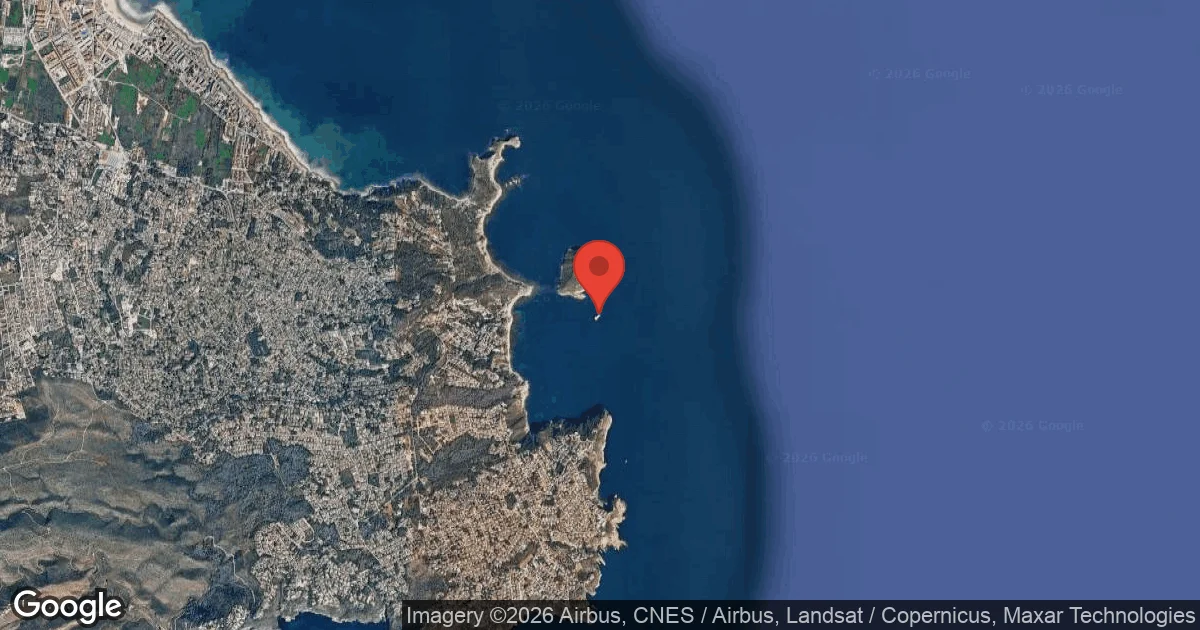
Dive Site Location & Key Facts
Dive Site Overview
Venturing into the Cabo San Antonio Marine Reserve reveals a captivating descent into varied underwater terrain. Dives typically begin in front of the majestic wall of the cape, where certified divers plunge into the blue.
After navigating the initial open-water descent, a series of small mountains emerge from sandy plains, presenting complex formations to explore. These structures typically range from 18 m / 59 ft down to a maximum of 25 m / 82 ft. Divers often discover old remains of fishing gear, including cabulleria from past boats, along with a large encrusted anchor and sections of a wreck scattered across the seabed, adding a historical dimension to the exploration.
Further into the site, numerous backlights and intricate passageways weave between the rocks, creating an engaging maze. These routes can lead to a distinctive mushroom-shaped stone to circle, or even a natural cave where it's possible to surface briefly for an overhead view, providing a unique perspective before returning to the main dive. Rich diversity makes each descent feel like a journey of discovery.
Conditions are Good
Optimal conditions expected
Current conditions near Cabo SAN Antonio show 20° air, 25° sea temperature, 0.9 m waves, and 19 km/h wind. Forecast data is refreshed regularly to ensure accuracy.
Best Time to Dive
While Cabo San Antonio generally offers good diving conditions year-round, distinct seasonal shifts define the experience. Summer, from June to August, presents the most pleasant surface conditions, with average air temperatures consistently high, ranging from 24.5-27.5°C / 76-82°F. During these months, rain is minimal, typically under 0.7 mm, and wave heights are at their lowest, around 0.7 meters. These factors contribute to an extended comfortable period both above and below the surface. Conversely, the cooler winter months, particularly January to March, see average air temperatures drop to 13-15°C / 55-59°F. Wave activity tends to be higher, averaging 1.1 meters, and monthly rain accumulation can reach 1.7-2.4 mm, which might affect surface comfort. Water temperatures are not consistently reported in the system data, but generally follow the seasonal air patterns, being warmest during late summer and early autumn and cooler in winter.
PEAK SEASON SCORE
Scores combine air & water temps, waves, wind & rainfall for overall conditions.
BEST MONTHS TO DIVE
Monthly records compiled from satellite and marine observation nodes over the last 3 years. Data provided by Open-Meteo and MET Norway.
Dive Experience & Conditions
Descending into the blue, divers often first encounter a series of small mountains on sandy bottoms, where currents are typically mild and manageable. Capricious arrangements of rock formations create numerous crevices and overhangs, inviting thorough exploration. Visibility is generally good, allowing for clear views of these varied structures and the marine life within them. Exploration may lead through innumerable backlights and intricate passageways between the rocks, offering a dynamic and engaging experience as ambient light filters through. Eventually, divers might circle a large, mushroom-shaped stone that acts as a focal point. Near the coast, a potential cave entrance provides a unique opportunity to surface inside for an external view of the surroundings before returning to the boat. A typical Mediterranean seabed characterizes the site, featuring large rocks alternating with clear sand patches, supporting distinct micro-habitats.
Dive Difficulty & Safety Guidelines
Approaching Cabo San Antonio demands a prepared mindset, especially given its protected status within a Marine Reserve and cetacean corridor. Divers should hold appropriate certifications, such as PADI Open Water Diver or Advanced Open Water Diver, to confidently manage the varying depths and navigational complexities. Always dive with a reliable dive computer, and consider carrying a dive flag and surface marker buoy for enhanced surface safety, particularly in areas with boat traffic.
For exploring the numerous crevices, backlights, and the cave system, a torch is highly recommended to illuminate hidden details. While no specific hazards are reported, strong winds and waves, especially outside of peak summer months, could affect boat entries and surface conditions.
It's prudent to check local weather forecasts before planning any dive to ensure optimal conditions.
Recommended Equipment
- Dive Computer
- DSMB
This gear list is based on verified equipment signals for Cabo SAN Antonio, Spain. Always confirm final gear choices with your dive operator, guide, or liveaboard.
Recommended Dive Suit
3mm wetsuit is widely used for recreational dives in waters of this temperature. A hood or vest is suggested for sensitive divers due to surface winds. Surface intervals may feel cooler. For divers entering the water at Cabo SAN Antonio, temperatures are currently hovering around 25°C (77°F). Surface air temperatures are resting at 20°C (67°F).
Forecasts suggest rising temperatures later this week. A warming trend is expected over the next few days.
Water temperatures can occasionally shift throughout the day depending on currents and depth layers.
Emergency & Medical Support
Essential information to help you plan your dive trip to CABO SAN ANTONIO.

Hyperbaric chambers are a critical part of dive safety infrastructure. Availability varies significantly by region, and not all dive areas have immediate access.
Before diving, it's recommended to:
- confirm nearest medical facilities
- check emergency procedures with local dive operators
- ensure dive insurance covers evacuation if required
Divers Alert Network
Diving emergency assistance available through DAN Europe.
+39 0642115685- 24/7 emergency hotline
- Diving medical assistance
- Evacuation coordination
Emergency contacts are provided for reference. Always verify local emergency services before diving.
Closest Listed Hyperbaric Chambers
Showing listed hyperbaric chamber facilities within 200 km of this dive site.
Distances are approximate straight-line distances and may not reflect emergency travel time.
Unidad Hiperbarica Hospital de Castellon UTH-HGUCS
24/7 ListedICU CapableCastellon, Spain•Approx. 135 km straight-line
Unidad Hiperbarica Hospital de Castellon UTH-HGUCS
24/7 ListedICU CapableInformation is provided for reference and planning purposes only. Dive Navigator does not verify operational status, staffing, availability, or quality of care at listed facilities. In an emergency, contact local emergency services, DAN, your dive operator, or the chamber directly. Do not travel to a facility without calling ahead.
Marine Life at Cabo SAN Antonio
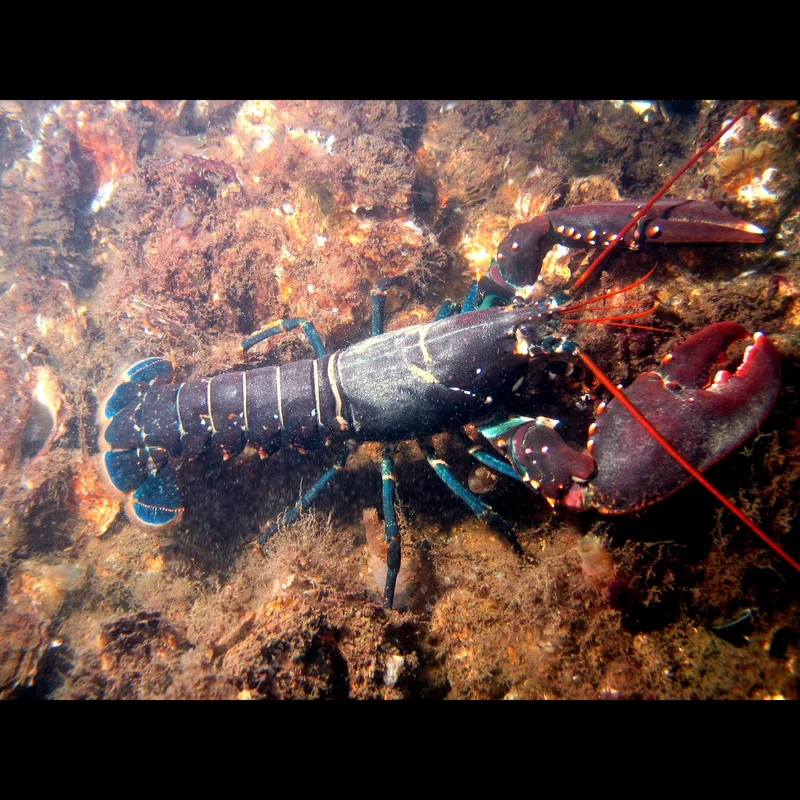
Cabo San Antonio's underwater landscape actively supports a variety of marine inhabitants. Within the small rock mountains and their hidden crevices, divers frequently spot lobsters sheltering.
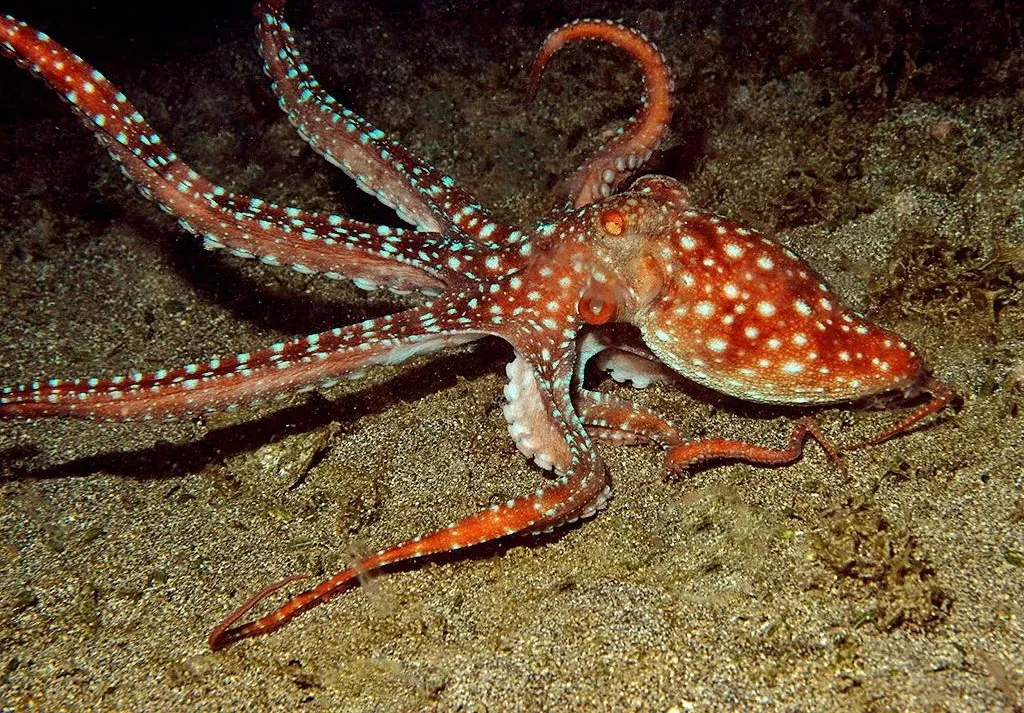
Its designation as a wider Marine Reserve and cetacean corridor means seasonal sightings of dolphins are common, with more elusive whale observations also possible. Exploring rock formations, it's possible to observe octopuses skillfully camouflaged, alongside croakers, serranos, and sea cicadas moving among stones and clear sand patches.
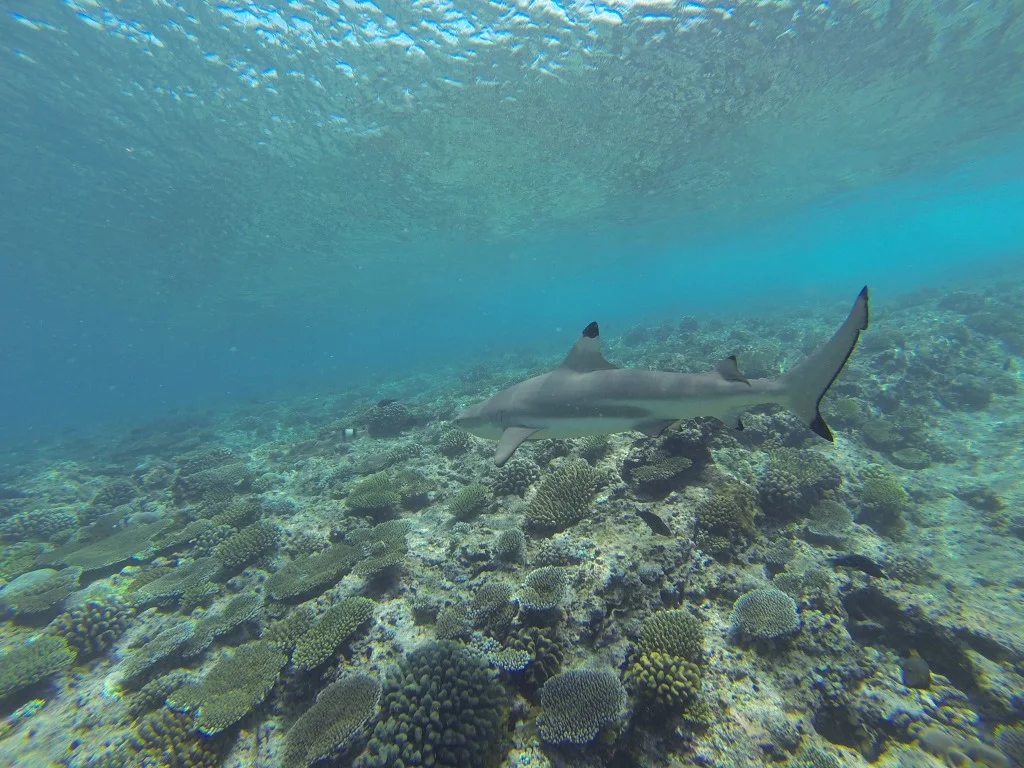
General sightings listed for the area also include sharks and turtles, though their presence isn't consistently reported for this specific site.

Dive Sites Near Cabo SAN Antonio
View all dive sites in SpainDiscover more underwater gems in this area.
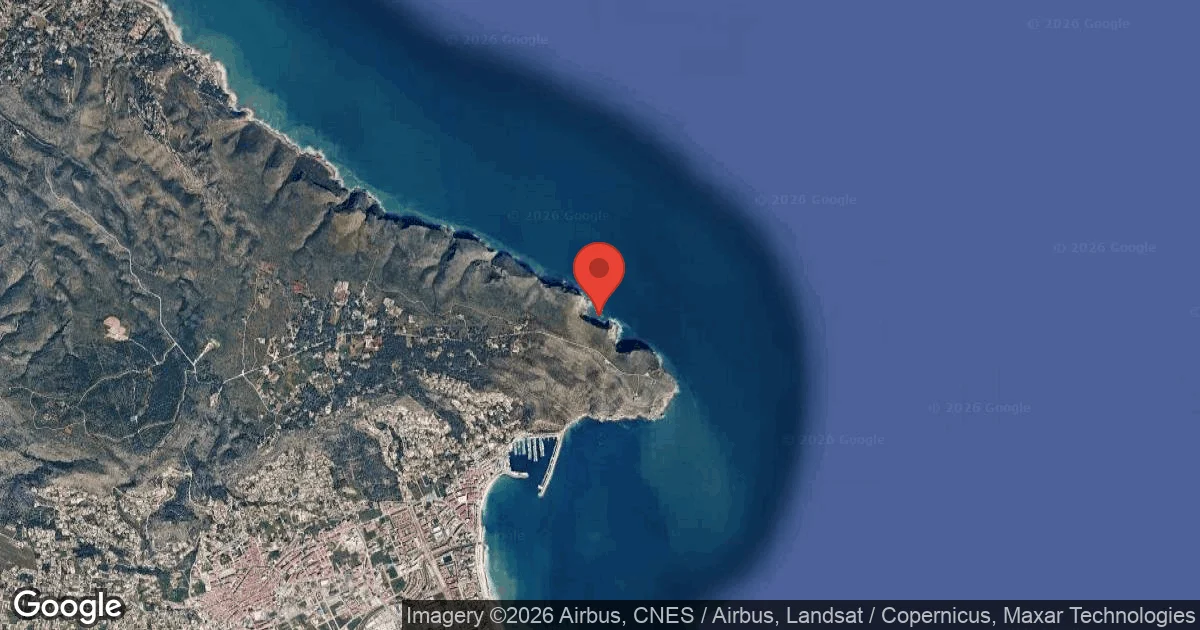
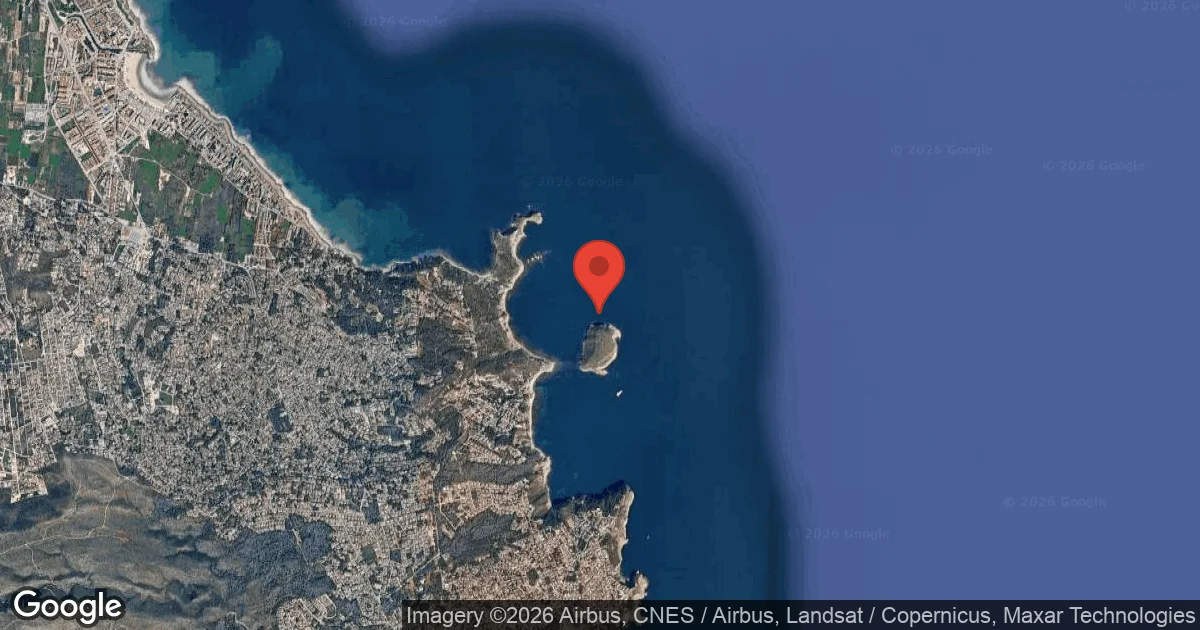
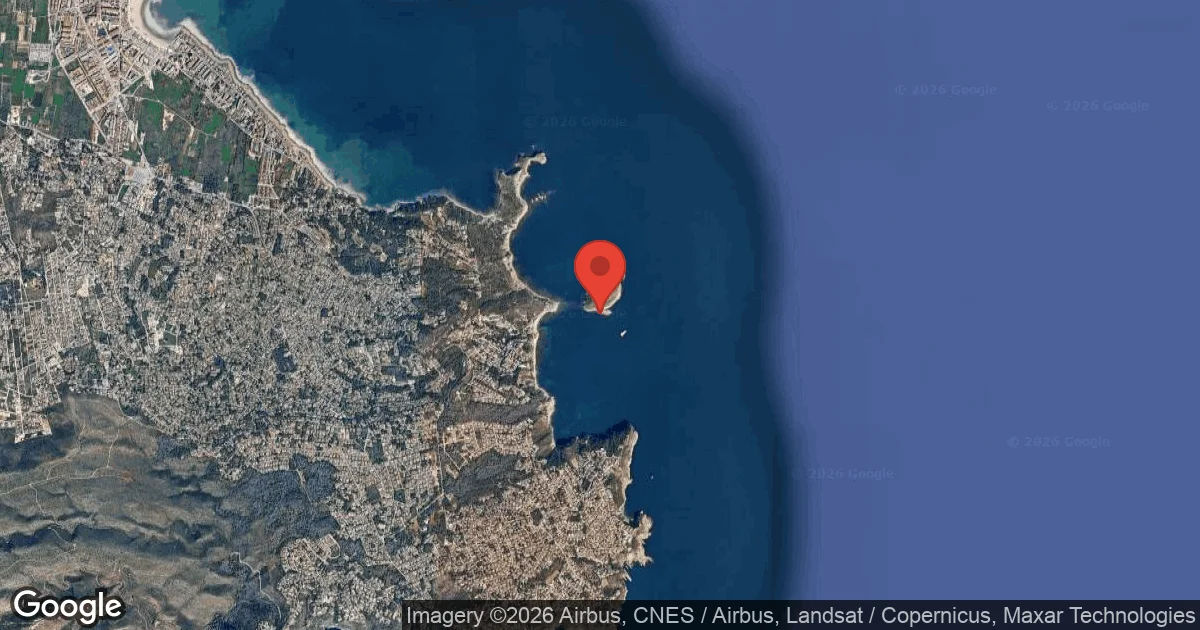
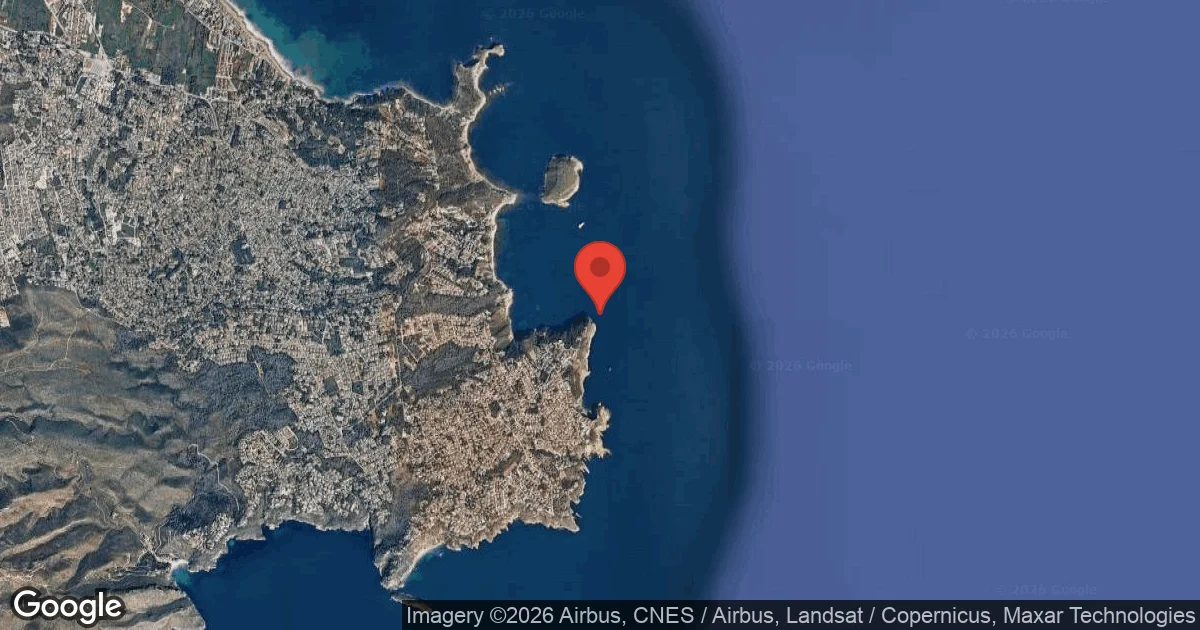
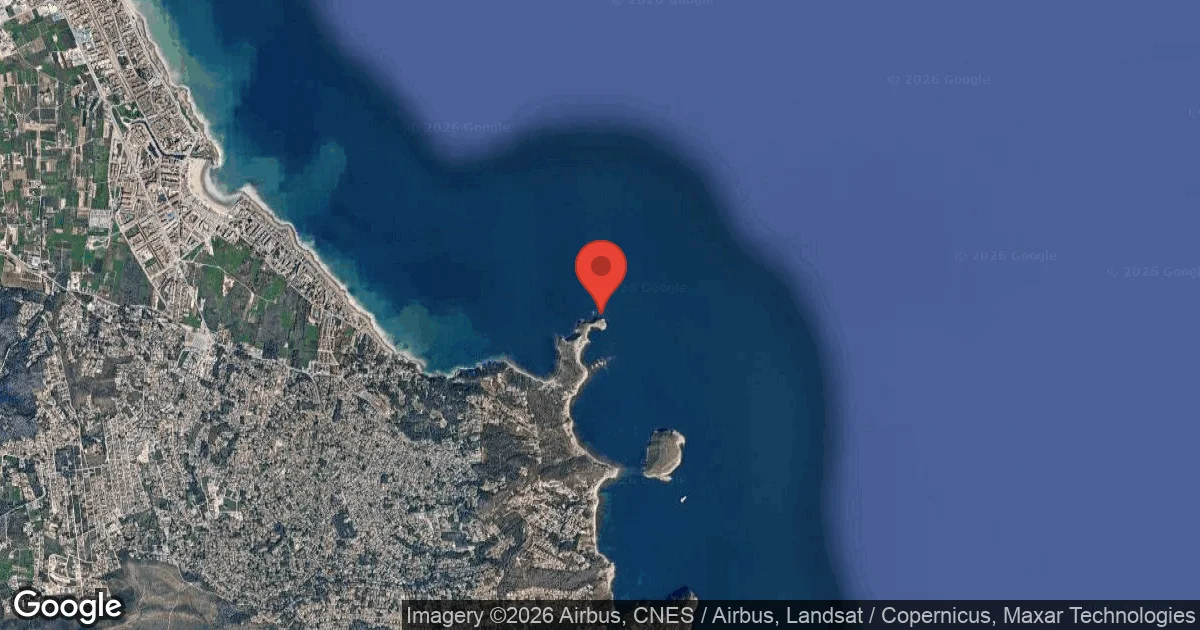
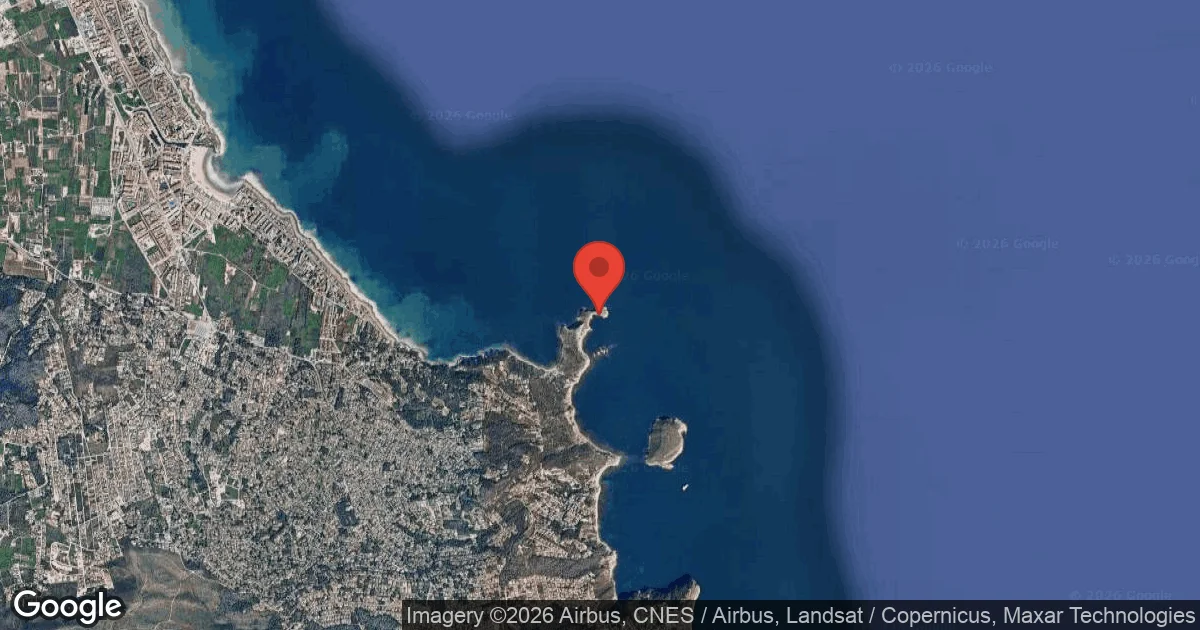
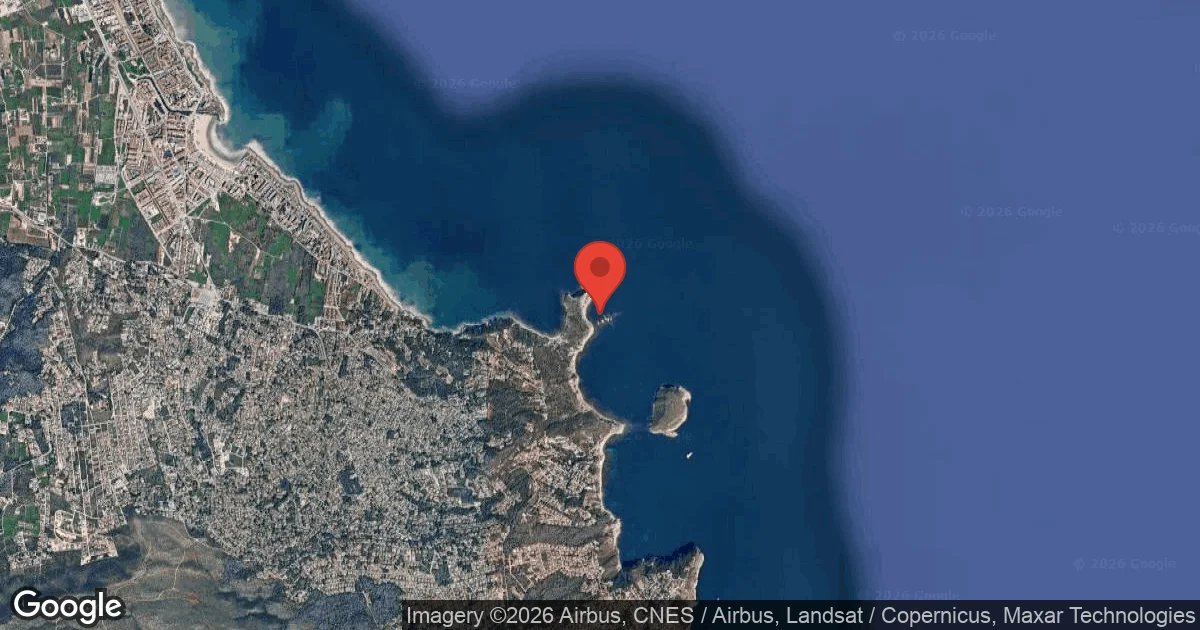
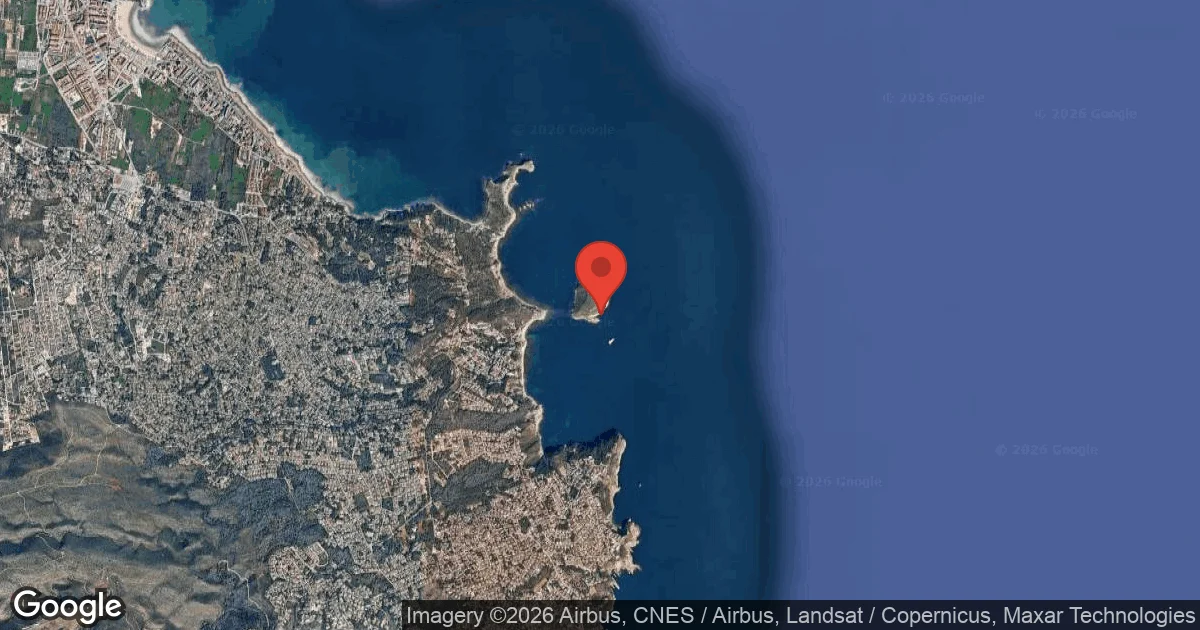
Dive Centers Near Cabo SAN Antonio

Nearest Airports
Nearest airports to help plan travel to this dive area.
Search Flights
Check available flights and routes on Expedia, using the nearby airports listed in this section.
Search Flights on ExpediaFrequently Asked Questions
What is the typical maximum depth for dives at Cabo San Antonio?
Certified divers can explore sections of Cabo San Antonio down to approximately 25 m / 82 ft, particularly around the deeper pinnacles and sandy plains. Other areas of the reserve may offer shallower dives, sometimes ranging from 18 to 21 meters.
What kind of underwater topography can I expect?
The site features a diverse topography, including a majestic wall, small submerged mountains, and rock formations alternating with sandy bottoms. Divers can also discover natural passageways, a unique mushroom-shaped stone, and a cave with an internal air pocket.
When is the best time of year to dive at Cabo San Antonio?
Diving is generally good year-round, but conditions are most favorable from June to August, with warm air temperatures and calmer seas. Water temperatures tend to be warmest in late summer and early autumn, although specific reports are not consistently available.
Is Cabo San Antonio suitable for beginner divers?
While the main site descriptions are for certified divers, some local operators offer introductory dives to shallower sections, typically limited to 6 meters and lasting 30-40 minutes. Always confirm your certification level and experience aligns with the planned dive.
What marine life might I see while diving here?
The site is home to lobsters in the rocky areas, along with octopuses, croakers, serranos, and sea cicadas. As it's part of a cetacean corridor, seasonal sightings of dolphins and occasionally whales are possible.
Are there any specific regulations for diving in the Marine Reserve?
As a protected Marine Reserve, specific guidelines apply to maintain the ecosystem. Divers should always go with a local certified guide or dive center familiar with these regulations and ensure they adhere to responsible diving practices.
Planning to dive Cabo SAN Antonio?
Send one inquiry and receive offers directly from the best verified local dive operators.
Conditions are Good
Optimal conditions expected
Current conditions near Cabo SAN Antonio show 20° air, 25° sea temperature, 0.9 m waves, and 19 km/h wind. Forecast data is refreshed regularly to ensure accuracy.