
Diving at La Torre Cable (Spain)
La Torre Cable in Marbella presents a compelling blend of industrial heritage and thriving underwater life. This site, centered around the remnants of a historic mineral loading tower, now serves as an artificial reef. Divers explore its structure, witnessing the gradual transformation from human endeavor to a vibrant marine ecosystem. It's a place where history dives deep, inviting exploration beneath the surface.
Evening condition tracking at La Torre Cable features an air temperature of 20.5°C. We have recorded wave heights measuring 0.2 m during this period. These figures outline the environmental parameters currently present.
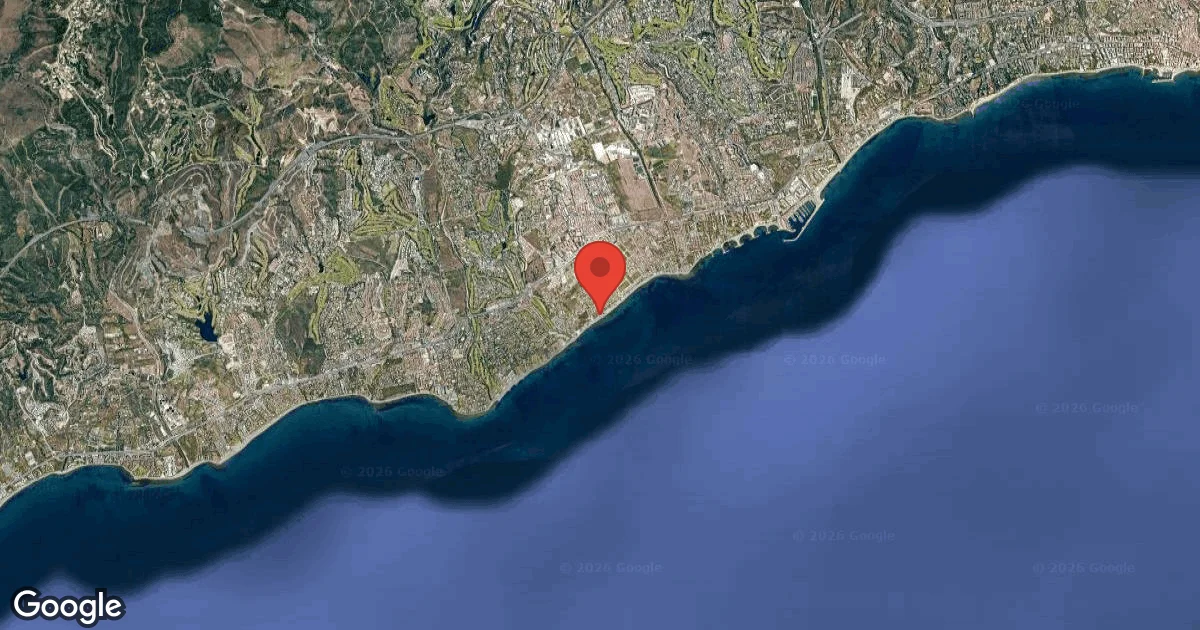
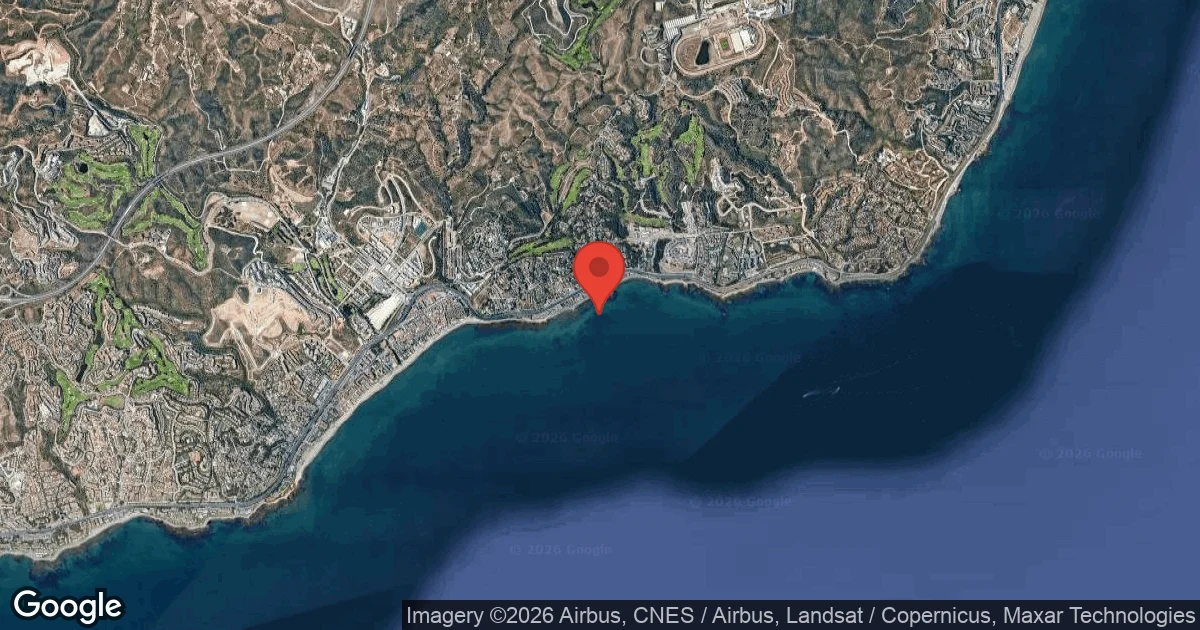
Dive Site Location & Key Facts
Dive Site Overview
Beneath the surface, La Torre Cable reveals a rich tapestry of structure, centered on the robust remains of a mineral loading tower transformed into an artificial reef. Nearby, a distinct fishing vessel wreck lies, its propeller still recognizable, adding historical depth to the exploration.
The primary dive area settles onto a sandy bottom, which gradually transitions into significant rock formations; some even provide engaging swim-throughs for curious divers. These varied geological features enhance the underwater topography, creating a dynamic environment beyond the main structures. Recreational profiles generally indicate a maximum depth of 14 m (45 ft), suitable for a wide range of certifications.
For those with advanced certifications, a deeper artificial water collection tower exists, extending exploration opportunities into deeper water. This combination of wreck, artificial reef, and the natural sandy seafloor offers numerous hiding spots and ample foraging grounds for a diverse array of marine inhabitants.
Divers can thoroughly explore these diverse elements, from structural wreck diving around the old tower to observing life along the sandy expanses and within the reef sections. Shore entry is the customary approach, making the site readily accessible for most divers.
Its layout further enables circular navigation around the principal structures, ensuring multiple points of interest are easily explored within a single dive, maximizing underwater discovery.
Conditions are Good
Optimal conditions expected
Current conditions near La Torre Cable show 21° air, 23° sea temperature, 1.4 m waves, and 28 km/h wind. Forecast data is refreshed regularly to ensure accuracy.
Best Time to Dive
Optimal visibility at La Torre Cable typically coincides with periods of calm sea states and minimal rainfall, generally peaking from late spring through early autumn. Air temperatures during this favored window are pleasant, ranging from 20.5°C (69°F) in May to highs of 28°C (82°F) in August. Rainfall is notably scarce in the summer months, with July and August showing negligible precipitation, contributing to clearer conditions. While specific water temperature data isn't consistently reported, the Mediterranean generally warms up significantly during these months. Wave heights are also at their lowest between May and November, averaging around 0.6 to 0.7 meters, reducing sediment disturbance and further enhancing underwater clarity. Wind speeds are moderate throughout the year, with lighter averages during summer and autumn. Diving is considered good year-round based on climate scores, but for the best visibility and most comfortable surface conditions, planning a visit between May and October is advisable.
PEAK SEASON SCORE
Scores combine air & water temps, waves, wind & rainfall for overall conditions.
BEST MONTHS TO DIVE
Monthly records compiled from satellite and marine observation nodes over the last 3 years. Data provided by Open-Meteo and MET Norway.
Dive Experience & Conditions
Approaching La Torre Cable, the dive experience largely depends on the prevailing sea state; specific current dynamics aren't consistently reported. Entry is typically a shore dive. Divers should be comfortable with beach access and managing gear in shallow conditions before progressing to deeper sections. Depths are suitable for various certifications, with recreational limits generally around 14 m (45 ft). An artificial tower structure lies in deeper water, offering further exploration. Water conditions are saline, characteristic of the Mediterranean. Surface conditions tend to be calm, particularly during summer months when minimal wave heights contribute to easier entry and exit. Divers can expect generally good visibility, though this varies daily with local weather and recent rainfall. A relatively sheltered environment supports underwater exploration here.
Dive Difficulty & Safety Guidelines
At La Torre Cable, diver safety begins with standard practices; no unusual hazards are commonly reported. As with any shore dive, managing entry and exit through variable surf conditions remains crucial, especially during periods of higher wave action. Proper buoyancy control is essential to avoid disturbing the sandy bottom or fragile reef structures near the tower and wreck.
Carrying a Delayed Surface Marker Buoy (DSMB) is a recommended practice for signaling boat traffic, particularly where potential vessel activity exists. Given the site's historical elements and navigation opportunities, PADI Advanced Open Water and Underwater Navigator training can enhance the dive.
Divers must be mindful of air consumption and no-decompression limits, particularly when exploring structures reaching 18 m (59 ft). Always dive within certification limits and with a reliable buddy.
Recommended Equipment
Overhead / entanglement risk. Wreck penetration requires proper training.
- Dive Computer
- Primary & Backup Lights
- Wreck Reel
- Cutting Tool
- Hard-soled Dive Boots
This gear list is based on verified equipment signals for La Torre Cable, Spain. Always confirm final gear choices with your dive operator, guide, or liveaboard.
Recommended Dive Suit
With water temperatures around 23°C (73°F), many divers find a 3-5mm wetsuit provides comfortable protection.
Being prepared with flexible exposure options is a common approach among experienced divers.
Surface conditions are expected to warm up slightly in the coming days. A warming trend is expected over the next few days.
Emergency & Medical Support
Essential information to help you plan your dive trip to La Torre Cable.

Hyperbaric chambers are a critical part of dive safety infrastructure. Availability varies significantly by region, and not all dive areas have immediate access.
Before diving, it's recommended to:
- confirm nearest medical facilities
- check emergency procedures with local dive operators
- ensure dive insurance covers evacuation if required
Divers Alert Network
Diving emergency assistance available through DAN Europe.
+39 0642115685- 24/7 emergency hotline
- Diving medical assistance
- Evacuation coordination
Emergency contacts are provided for reference. Always verify local emergency services before diving.
Marine Life at La Torre Cable
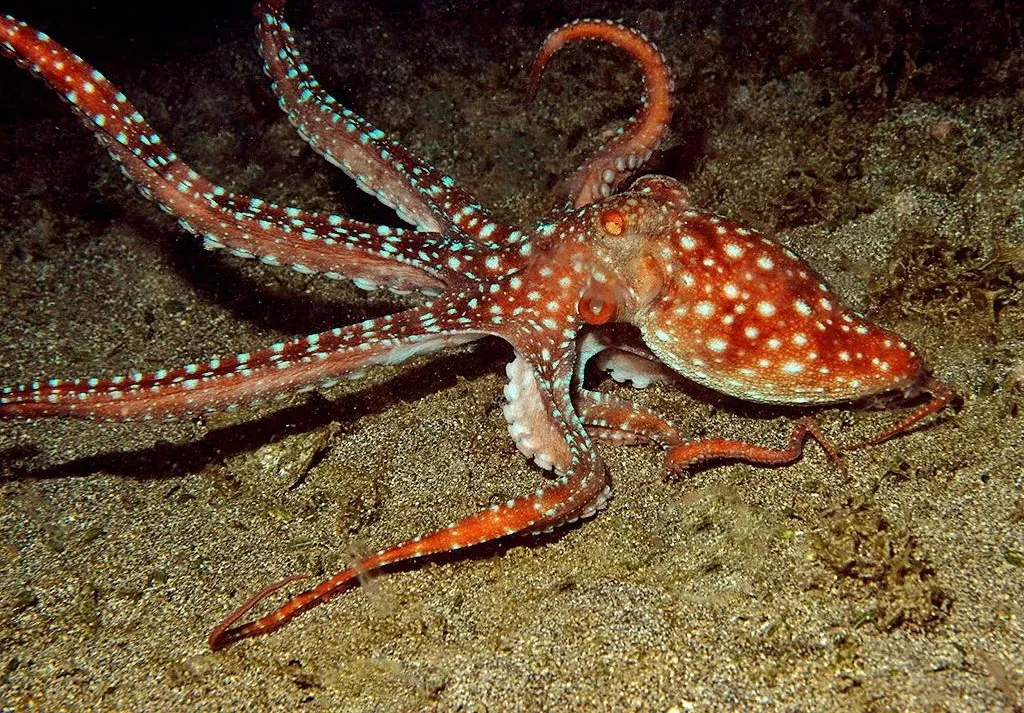
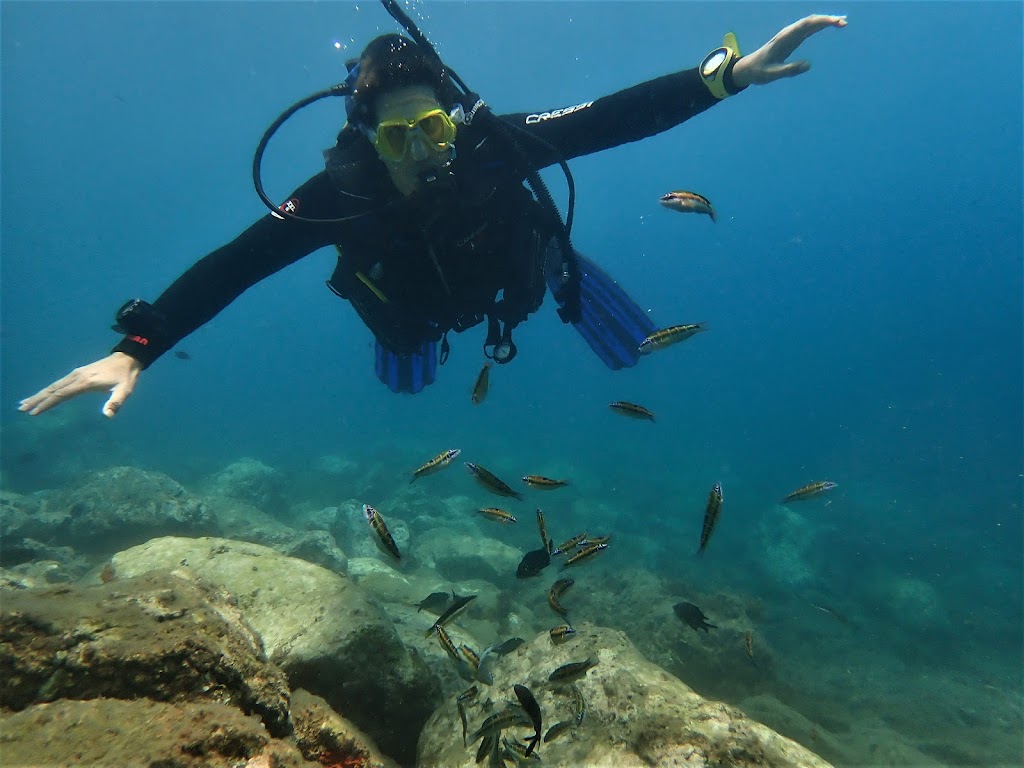
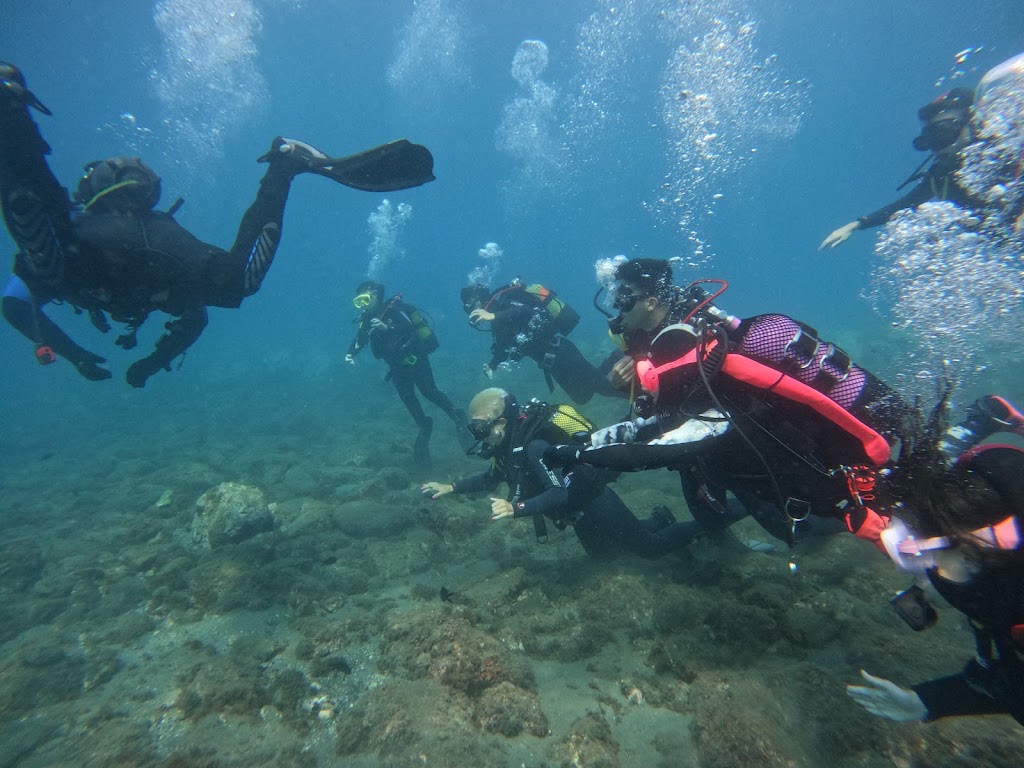
Approaching the tower and wreck, divers often first notice the diverse smaller inhabitants establishing homes in the artificial structures and sandy areas. Look for the distinctive shapes of giant cuttlefish camouflaged against the seabed, alongside elusive octopuses nestled within crevices of the wreck.
Patrolling the sand, electric rays might be observed, while starfish and various seabream species are common sights. Keep an eye out for schooling coastal fish, such as striped red mullet, foraging near the bottom.
Deeper within the sandy expanses, great weever fish and cotton-spiners can occasionally be spotted, blending in with their surroundings.

Dive Sites Near La Torre Cable
View all dive sites in SpainDiscover more underwater gems in this area.
Dive Centers Near La Torre Cable
Today: 09:00 - 18:00
Nearest Airports
Nearest airports to help plan travel to this dive area.
Search Flights
Check available flights and routes on Expedia, using the nearby airports listed in this section.
Search Flights on ExpediaFrequently Asked Questions
What kind of dive site is La Torre Cable?
It's primarily a wreck and artificial reef dive, centered around the remains of an old mineral loading tower and a sunken fishing vessel. The site also features sandy bottom areas and some natural rock formations.
What is the typical depth range?
The site generally offers recreational depths around 14 m (45 ft). Deeper sections, including an artificial water collection tower, can be explored by certified divers.
Is shore entry common here?
Yes, shore entry is the typical method for accessing La Torre Cable. Divers should be comfortable with beach access and managing equipment for this type of entry.
What marine life can I expect to see?
Common sightings include giant cuttlefish, octopuses, electric rays, starfish, and various schooling coastal fish like striped red mullet and seabream species.
What certifications are recommended for diving La Torre Cable?
PADI Open Water Diver is sufficient for shallower sections, but PADI Advanced Open Water Diver and Underwater Navigator are beneficial for exploring the full site, including deeper structures and the wreck.
Are there strong currents at the site?
Strong currents are not consistently reported as a dominant feature. However, as with any coastal site, conditions can vary, so divers should always assess the sea state before entering.
What months offer the best diving conditions?
The period from May to October generally provides the best diving conditions, with warmer air temperatures, minimal rainfall, and calmer seas, leading to improved visibility.
Planning to dive La Torre Cable?
Send one inquiry and receive offers directly from the best verified local dive operators.
Conditions are Good
Optimal conditions expected
Current conditions near La Torre Cable show 21° air, 23° sea temperature, 1.4 m waves, and 28 km/h wind. Forecast data is refreshed regularly to ensure accuracy.