
Diving at Las Cañas (Spain)
Carved into the raw volcanic prow of northernmost Lanzarote where the Atlantic meets the El Río channel, Las Cañas is a sun-drenched shallow labyrinth of basalt pillars, arches, and caverns in 6 to 15 meters. Lying just outside the Chinijo permit boundary, it delivers pristine northern algal forests and dazzling baitball drama on flat-calm autumn mornings.
Afternoon measurements for Las Cañas show the air has reached 21.5°C. The recorded surface conditions at this location feature wave heights of 1 m. These metrics are updated to reflect the ongoing daily shifts.
Dive Site Location & Key Facts
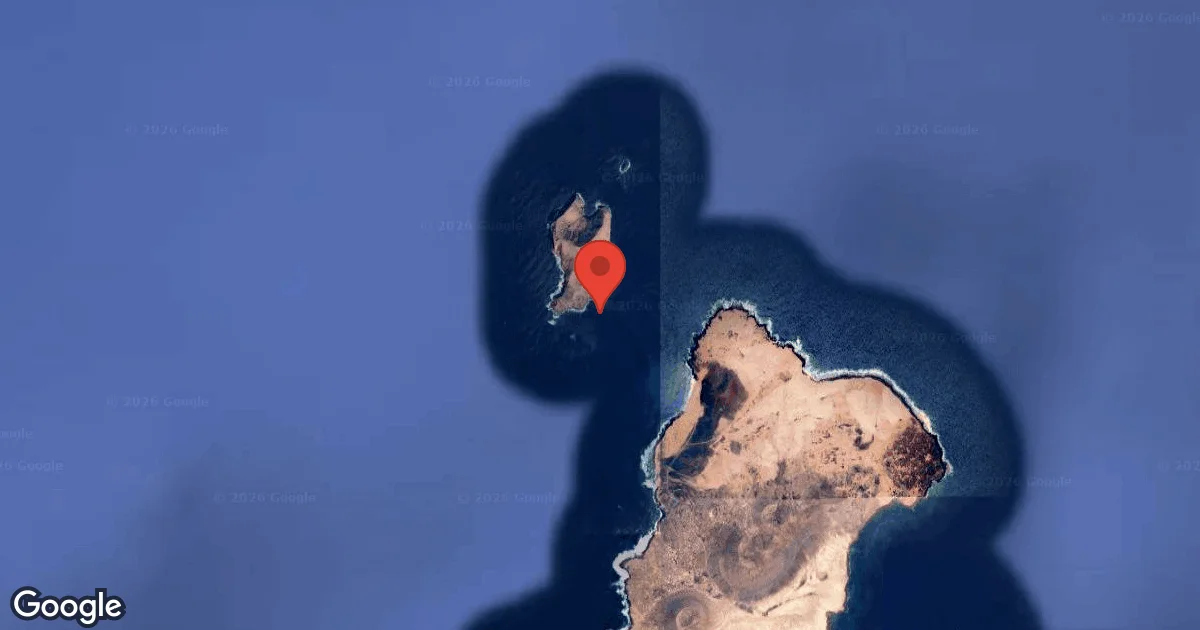
Estimated Coordinates
Coordinates are estimated from the best available maritime charts and local dive references, as exact GPS pins are not publicly confirmed. Always verify the precise entry or mooring point with a local dive operator.
Dive Site Overview
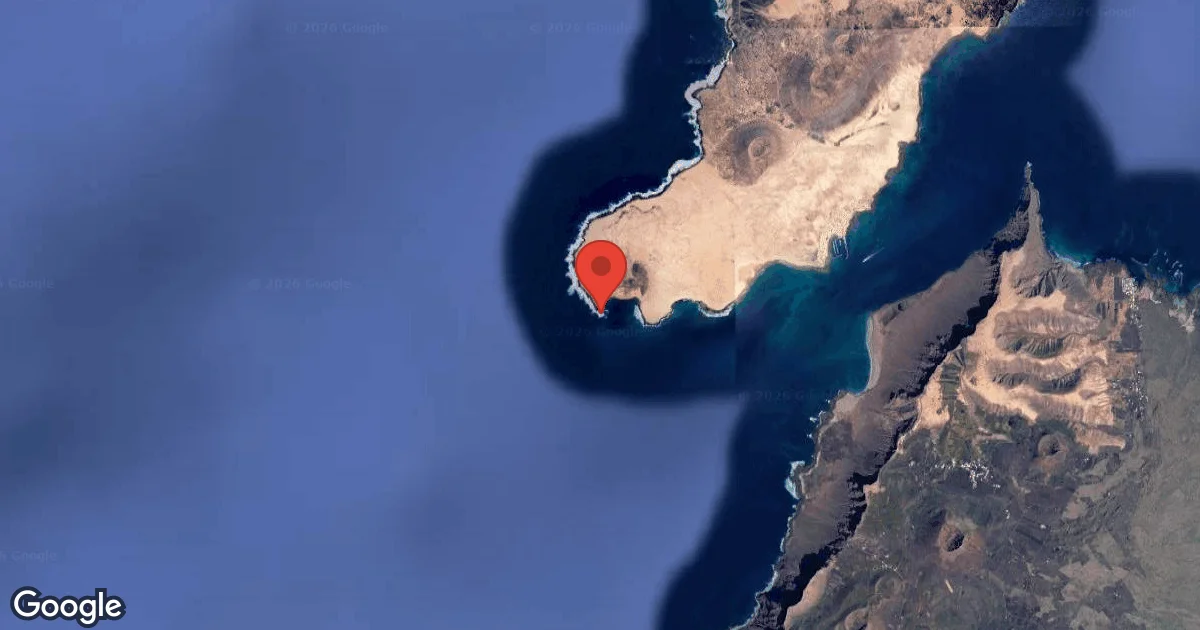
Accessible by boat from Órzola or Caleta del Sebo near Punta Fariones, Las Cañas showcases the sculptural power of Atlantic surf acting on ancient Corona-series lava flows. Across a shallow 6-to-15-meter plateau, the seabed splinters into an intricate network of interconnecting caverns, skylight vaults, standing lava columns, and narrow canyons.
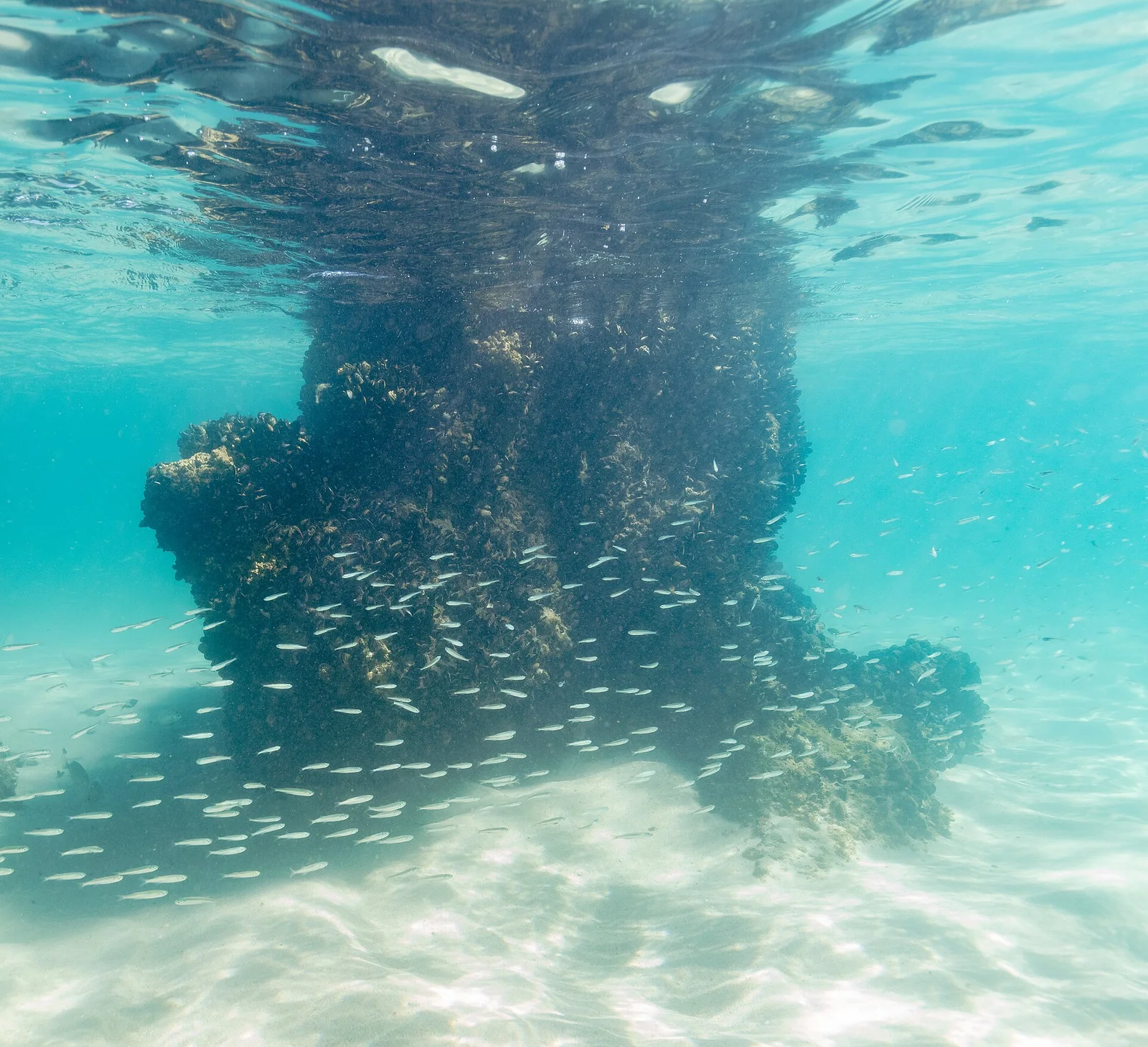
Because depth never exceeds 15 meters, overhead sunlight pours through gaps in the volcanic roof, illuminating thick carpets of brown and red algae on the upper walls and vivid yellow and red sponges inside shaded overhangs.
Crucially, Las Cañas sits outside the special scuba-permit zone of the Chinijo Marine Reserve while sharing the exact same cold-upwelling water quality and fish abundance—provided the North Atlantic swell is flat enough to enter the labyrinth.
Conditions are Good
Optimal conditions expected
Current conditions near Las Cañas show 22° air, 23° sea temperature, 1.0 m waves, and 25 km/h wind. Forecast data is refreshed regularly to ensure accuracy.
Best Time to Dive
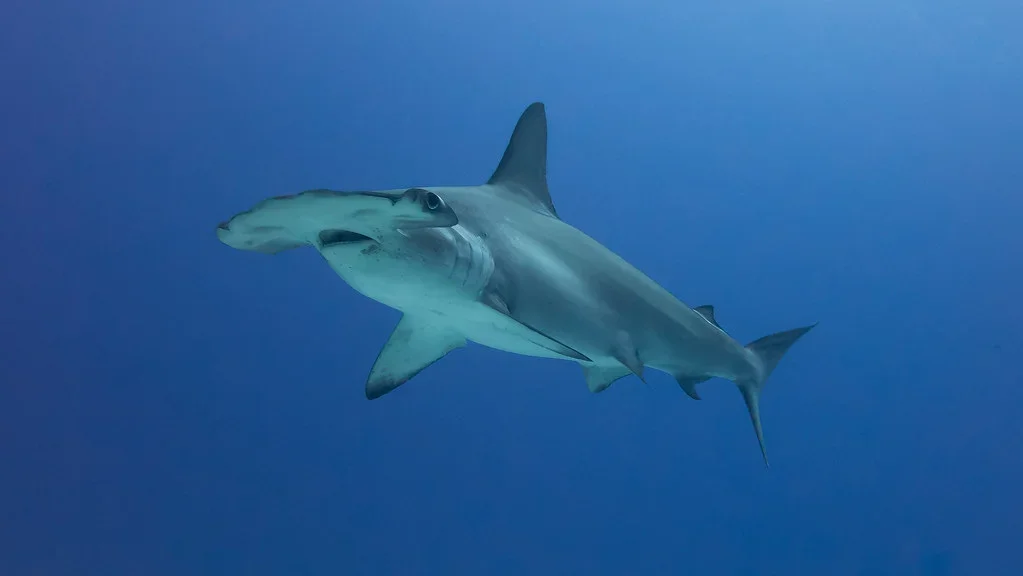
September through November (Las Calmas) is overwhelmingly the best season for Las Cañas: northern groundswells drop to a whisper, water warms to 21 to 23°C, and surface boat crossings occasionally spot juvenile smooth hammerhead sharks finning across the glassy channel.
During winter and windy summer trade-wind spells, swell breaking against the northern cliffs creates dangerous surge inside the shallow 6-to-12-meter caverns.
PEAK SEASON SCORE
Scores combine air & water temps, waves, wind & rainfall for overall conditions.
BEST MONTHS TO DIVE
Monthly records compiled from satellite and marine observation nodes over the last 3 years. Data provided by Open-Meteo and MET Norway.
Dive Experience & Conditions
Boats drop teams just outside the surf line in 12 to 15 meters of water, where visibility routinely exceeds 20 to 25 meters. Modest depth gives divers nearly an hour of unhurried exploration winding through arches, tunnels, and sunlit canyons.
Even on calm days, a gentle rhythmic pulse sways the algal curtains inside narrower rock passages, demanding calm breathing and precise buoyancy control.
Dive Difficulty & Safety Guidelines
Never dive Las Cañas if ocean swell exceeds half a meter, as shallow 6-to-10-meter lava tubes amplify wave surge into powerful piston currents. Stay in single file when threading arches and caverns, keeping tank valves clear of overhead rock.
Carry a primary torch to check dark corners before entering, and return seaward to deeper 14-meter water before deploying a surface marker buoy for boat pickup.
Recommended Equipment
Overhead environment. Do not enter beyond training and gas planning limits.
- Dive Computer
- DSMB
- Primary & Backup Lights
- Reel / Spool
- Cutting Tool
This gear list is based on verified equipment signals for Las Cañas, Spain. Always confirm final gear choices with your dive operator, guide, or liveaboard.
Recommended Dive Suit
Divers who spend more time observing marine life often prefer slightly warmer gear.
Environmental readings suggest that the waters surrounding Las Cañas are about 23°C (73°F) at the moment. Surface air temperatures are resting at 22°C (71°F). Water temperatures in this range are often well suited to diving with 3-5mm wetsuit. A hood or vest is suggested for sensitive divers due to surface winds. Surface intervals may feel cooler.
Forecast models indicate that diving conditions should remain largely unchanged.
Emergency & Medical Support
Essential information to help you plan your dive trip to Las Cañas.

Hyperbaric chambers are a critical part of dive safety infrastructure. Availability varies significantly by region, and not all dive areas have immediate access.
Before diving, it's recommended to:
- confirm nearest medical facilities
- check emergency procedures with local dive operators
- ensure dive insurance covers evacuation if required
Divers Alert Network
Diving emergency assistance available through DAN Europe.
+39 0642115685- 24/7 emergency hotline
- Diving medical assistance
- Evacuation coordination
Emergency contacts are provided for reference. Always verify local emergency services before diving.
Marine Life at Las Cañas
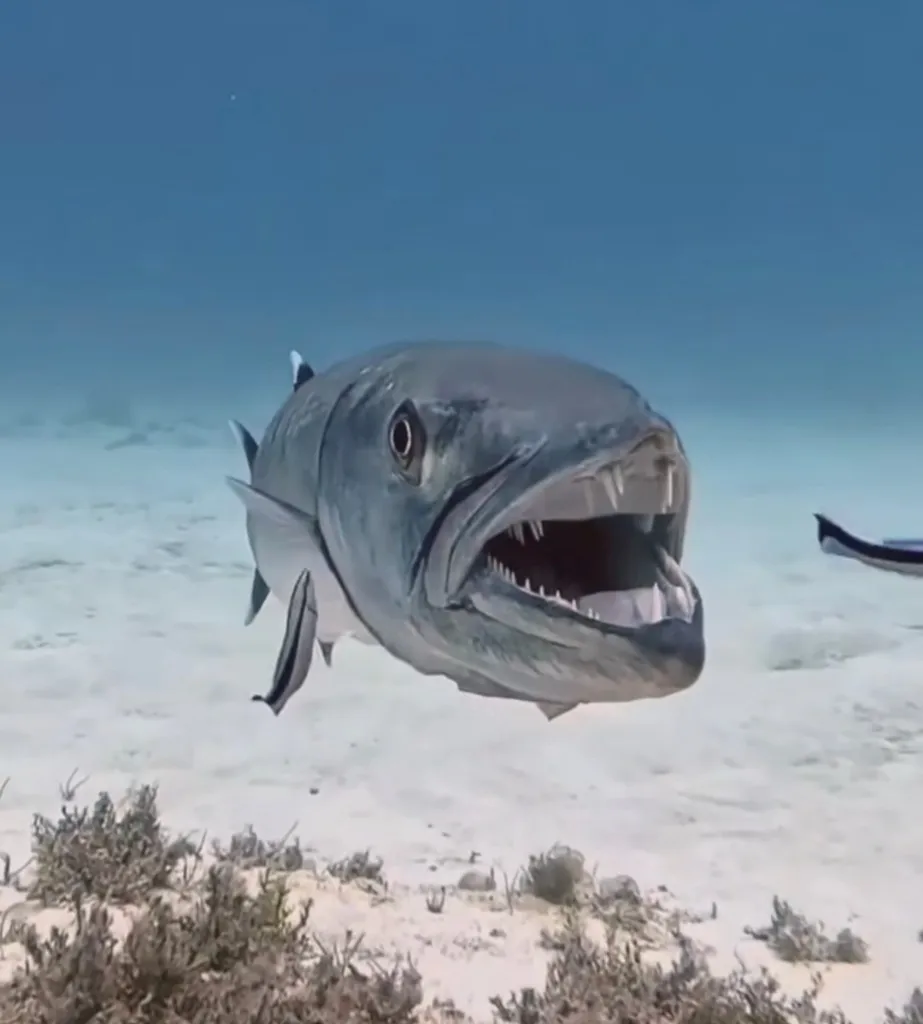
Glittering rivers of anchovies, bogues, and silversides pack the sunlit canyon mouths, exploding apart whenever yellowmouth barracuda, Atlantic bonitos, or amberjacks slash through from open water.
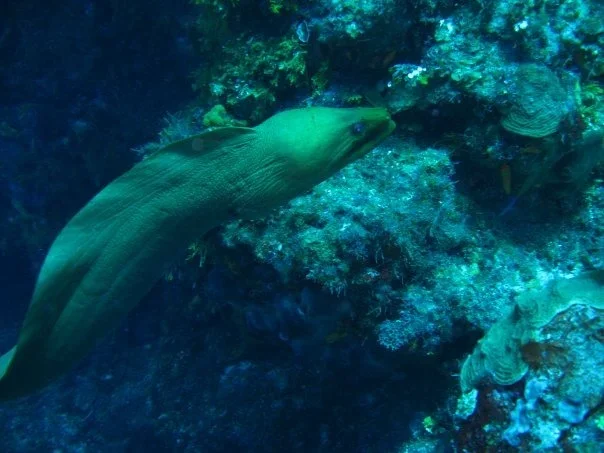
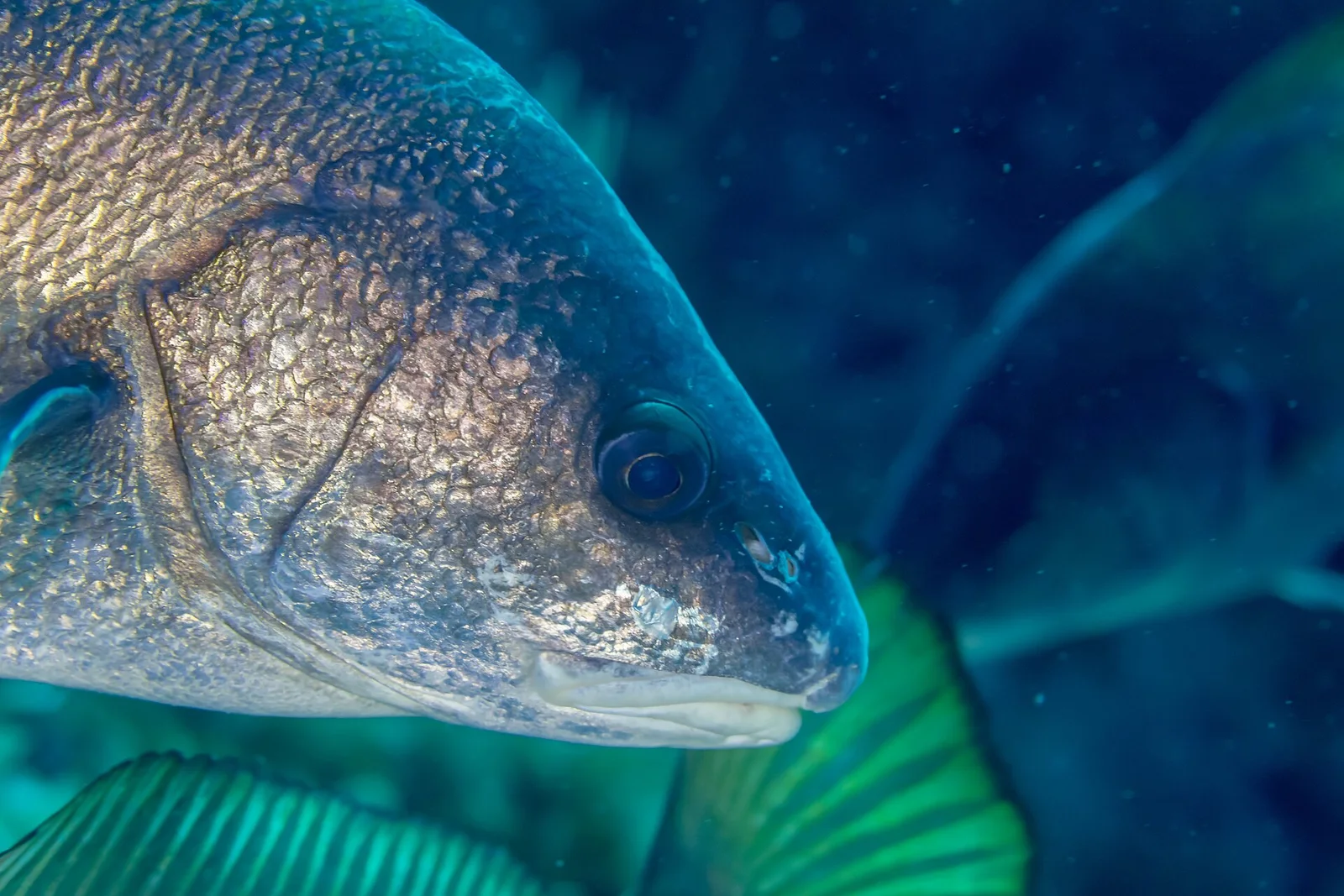
Inside the shaded vaults hover bronze schools of brown meagre (corvinas), glasseyes, island groupers, barred hogfish, Canary lobsters, and black morays, while red parrotfish and zebra seabream graze the lush algal terraces above.
Dive Sites Near Las Cañas
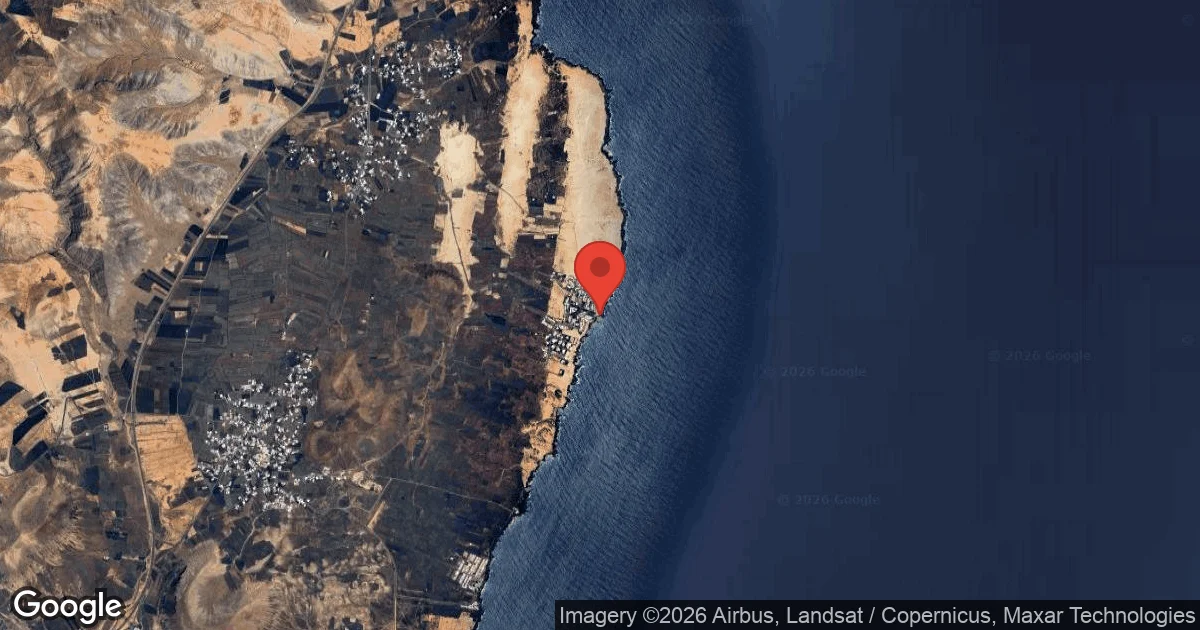
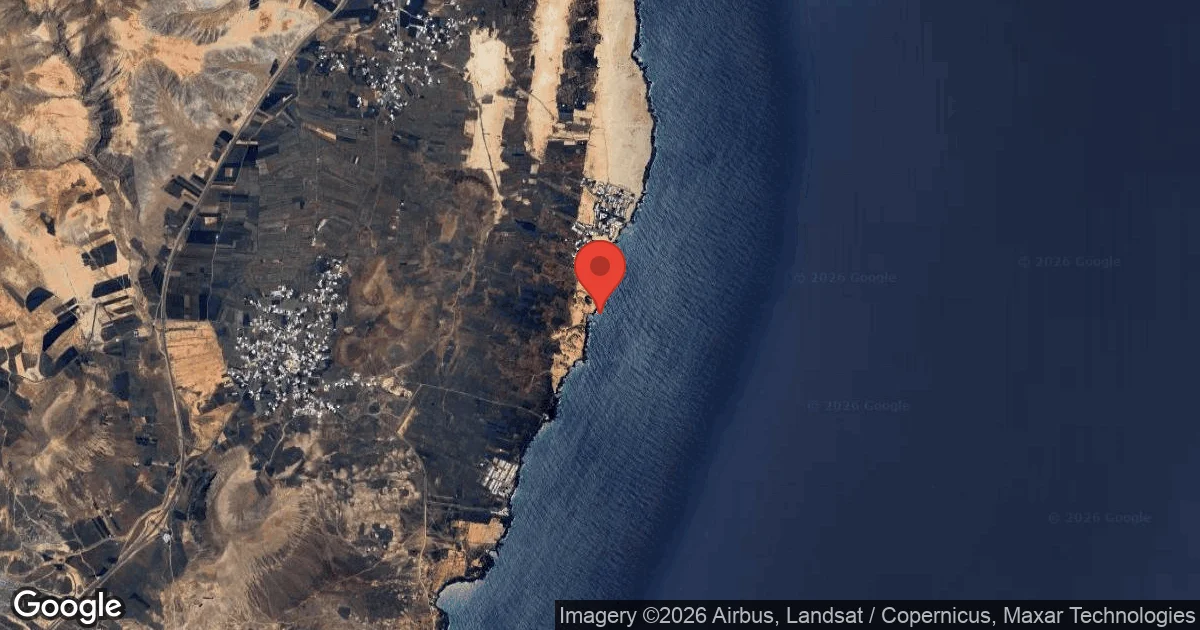
View all dive sites in SpainDiscover more underwater gems in this area.
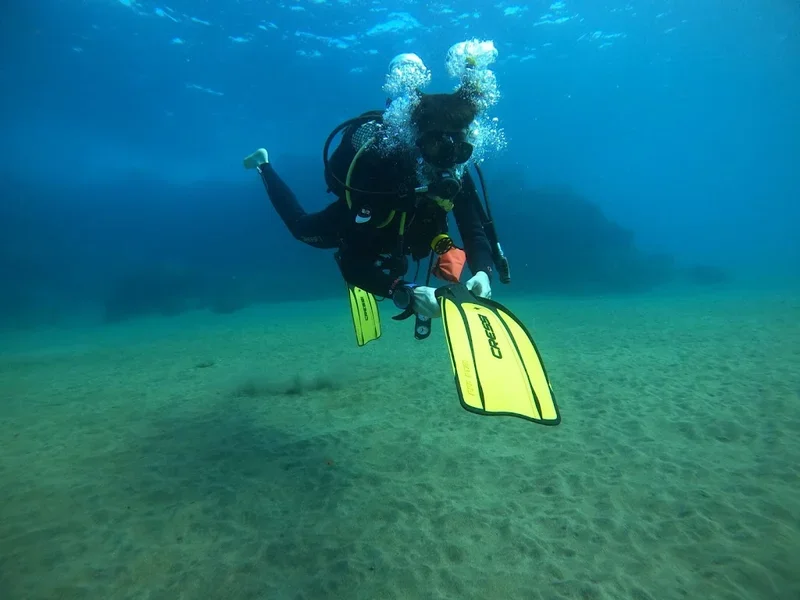
Dive Centers Near Las Cañas
Today: 09:30 - 17:30
Nearest Airports
Nearest airports to help plan travel to this dive area.
Search Flights
Check available flights and routes on Expedia, using the nearby airports listed in this section.
Search Flights on ExpediaAffiliate link · Dive Navigator may earn a commission at no extra cost to you.
Frequently Asked Questions
Is a Chinijo Marine Reserve permit required to dive Las Cañas?
No. Unlike neighboring sites around Montaña Clara and central El Río, Las Cañas sits along northern Lanzarote's coast just outside the special scuba-permit zone.
Why is Las Cañas rated intermediate when maximum depth is only 15 meters?
Its shallow network of caves, arches, and narrow volcanic corridors requires confident buoyancy control and calm ocean conditions to manage shallow surge.
When is the safest time of year to dive Las Cañas?
September through November brings the flattest North Atlantic swells and calmest northeast winds, allowing safe entry into the shallow volcanic caverns.
Can hammerhead sharks really be seen near Las Cañas?
During calm late-summer and autumn crossings in the channel off northern Lanzarote, boat crews occasionally spot smooth hammerhead sharks cruising near the surface, though they rarely enter the shallow reef labyrinth.
Which ports launch boats to Las Cañas?
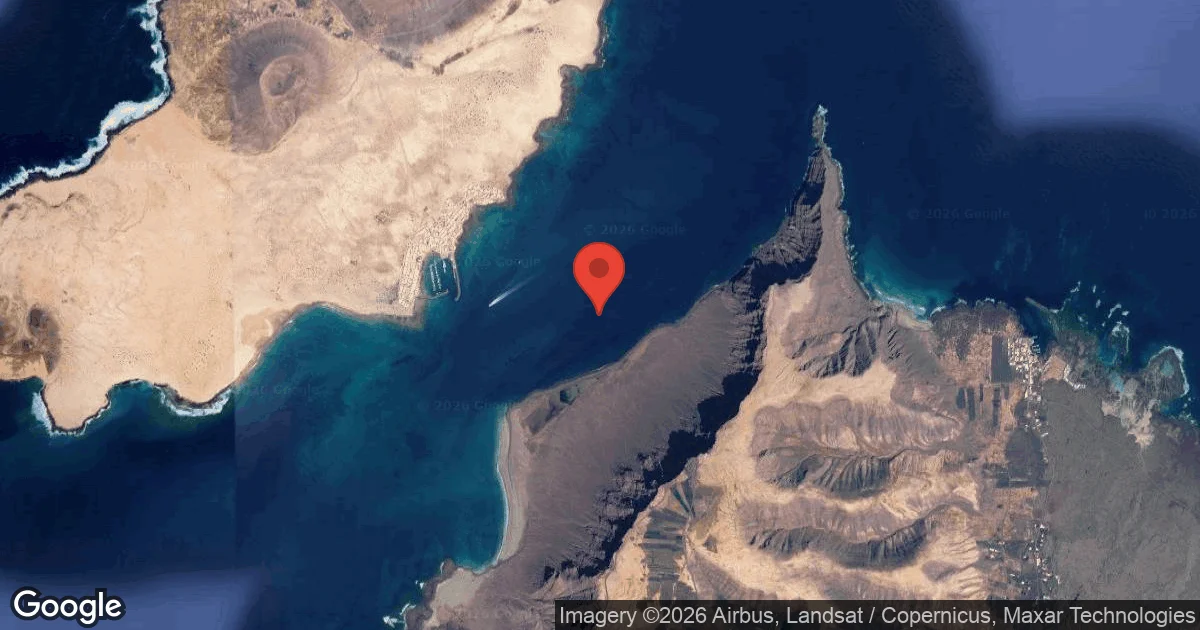
Dive boats make a short run from nearby Órzola harbor on northern Lanzarote or across the channel from Caleta del Sebo on La Graciosa.
What photographic subjects stand out at Las Cañas?
Cathedral-like shafts of sunlight piercing lava skylights, dense baitballs of anchovies hunted by barracuda, and bronze schools of brown meagre inside the caverns.
Planning to dive Las Cañas?
Tell us your dates and diving needs. We'll review your request and seek offers from relevant local dive centers.
Request Dive OffersConditions are Good
Optimal conditions expected
Current conditions near Las Cañas show 22° air, 23° sea temperature, 1.0 m waves, and 25 km/h wind. Forecast data is refreshed regularly to ensure accuracy.