
Diving at Racó (Spain)
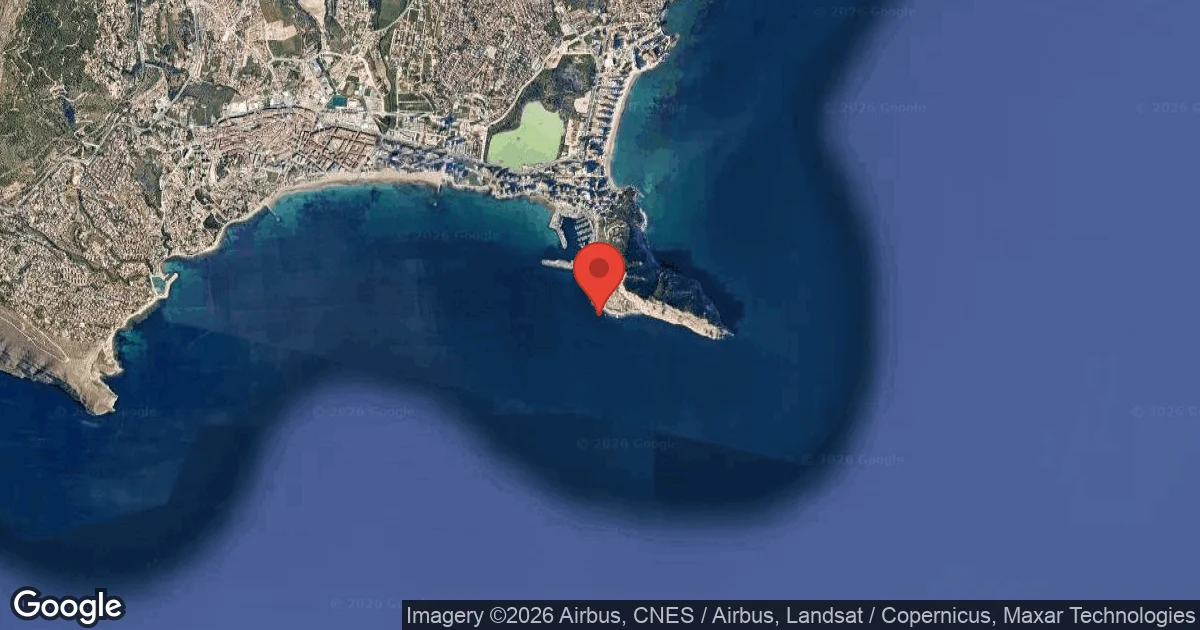
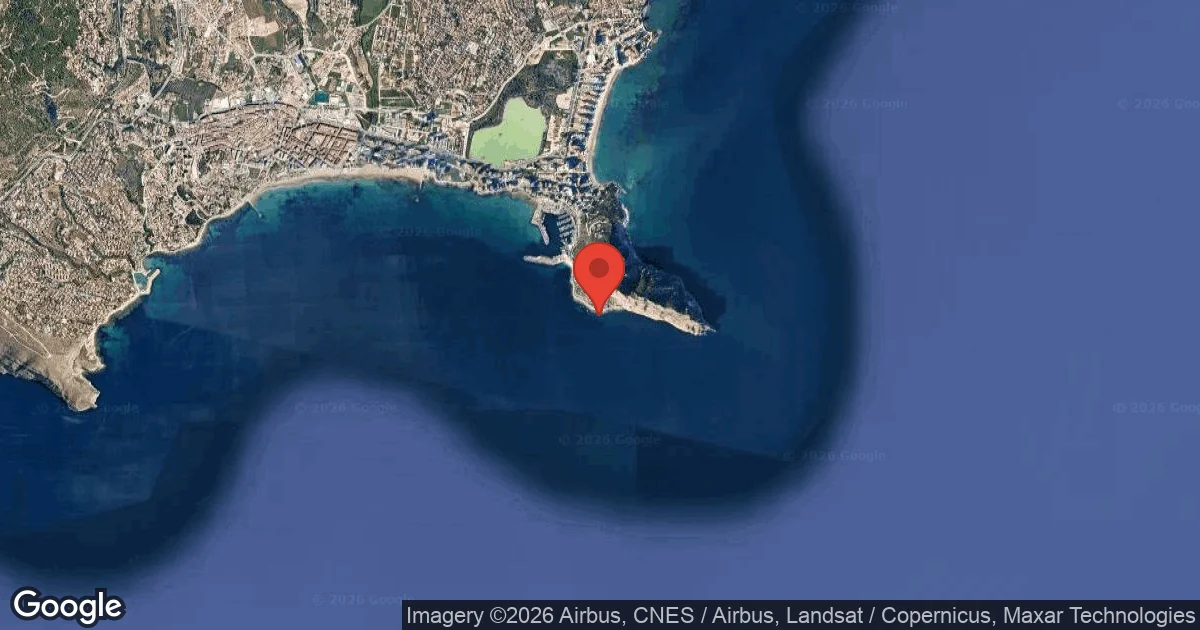
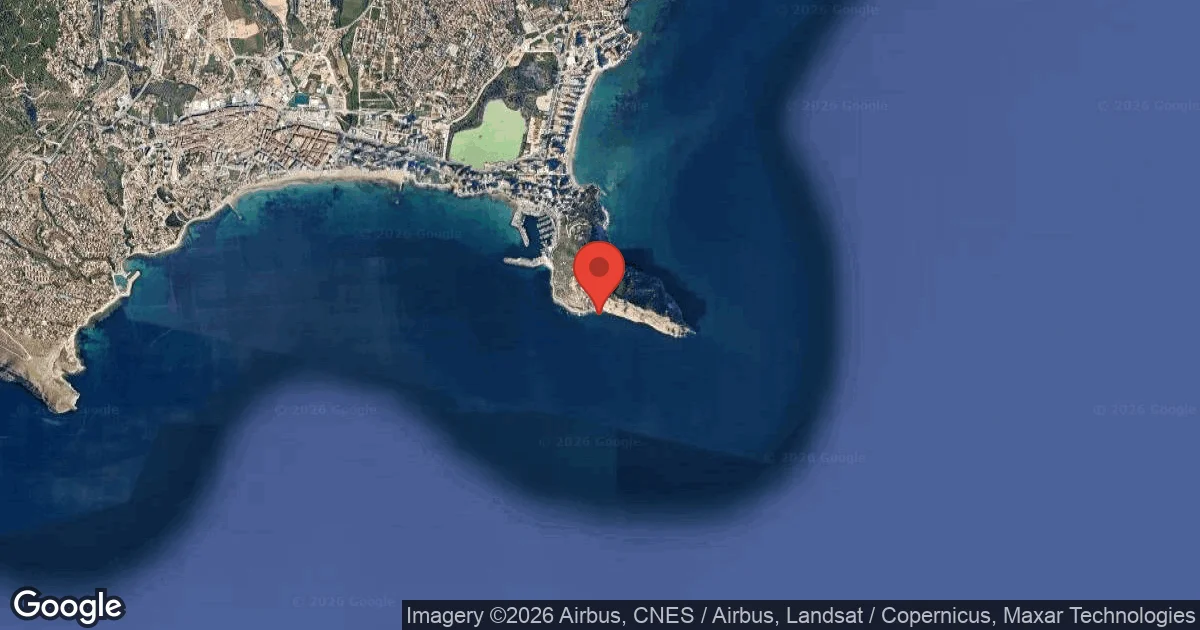
Historically, Racó has served as an accessible entry point for divers exploring the south face of the majestic Peñón de Ifach. It remains a foundational site for those seeking to refresh their diving skills or embark on initial underwater experiences. Positioned within a protected coastal park, its characteristics have long made it a favored location for sheltered dives.
As evening covers Racó, the local air temperature is measured at 23.5°C. The current wave height at the surface is recorded at 0.5 m. These late-day readings characterize the surface conditions for the night.
Dive Site Location & Key Facts
Dive Site Overview
Exploring Racó's underwater topography, situated on the south face of the Peñón de Ifach, reveals a relatively gentle slope. Shallower sections transition into deeper sandy expanses.
A vast network of posidonia seagrass meadows predominantly carpets the seabed, filtering light and offering refuge to countless species. Interspersed within these green meadows are smaller, clear patches of sand and scattered rock formations, adding structural diversity to the environment. Divers can explore these features at depths typically up to 20 m / 65 ft, where the posidonia gradually thins, giving way to a more uniform sandy bottom.
Fragmented debris of a small fishing boat also rests on the bottom, forming a modest wreck-like element; it naturally attracts a localized concentration of marine activity. Racó's diverse habitat, combined with an accessible depth profile, makes it well-suited for both initial certification dives and for experienced divers seeking a relaxed, biologically engaging exploration of a healthy Mediterranean coastal ecosystem.
Conditions are Moderate
Optimal conditions expected
Current conditions near Racó show 24° air, 26° sea temperature, 0.9 m waves, and 31 km/h wind. Forecast data is refreshed regularly to ensure accuracy.
Best Time to Dive
Dive planning for Racó is consistently favorable, with all months showing a 'Good' dive score of 8. For optimal visibility, periods from June to August typically experience the lowest rainfall, averaging as little as 0.35 mm in June and 0.41 mm in July. Air temperatures are most comfortable during summer months, peaking around 27.5°C / 82°F in August. These conditions usually correlate with warmer surface water and minimal swell. While specific water temperature data aren't consistently reported, generally moderate wave heights, typically ranging between 0.6 and 0.9 meters, and average wind speeds from 18.5 to 23.3 km/h suggest calm conditions. Such calm often leads to good underwater clarity.
PEAK SEASON SCORE
Scores combine air & water temps, waves, wind & rainfall for overall conditions.
BEST MONTHS TO DIVE
Monthly records compiled from satellite and marine observation nodes over the last 3 years. Data provided by Open-Meteo and MET Norway.
Dive Experience & Conditions
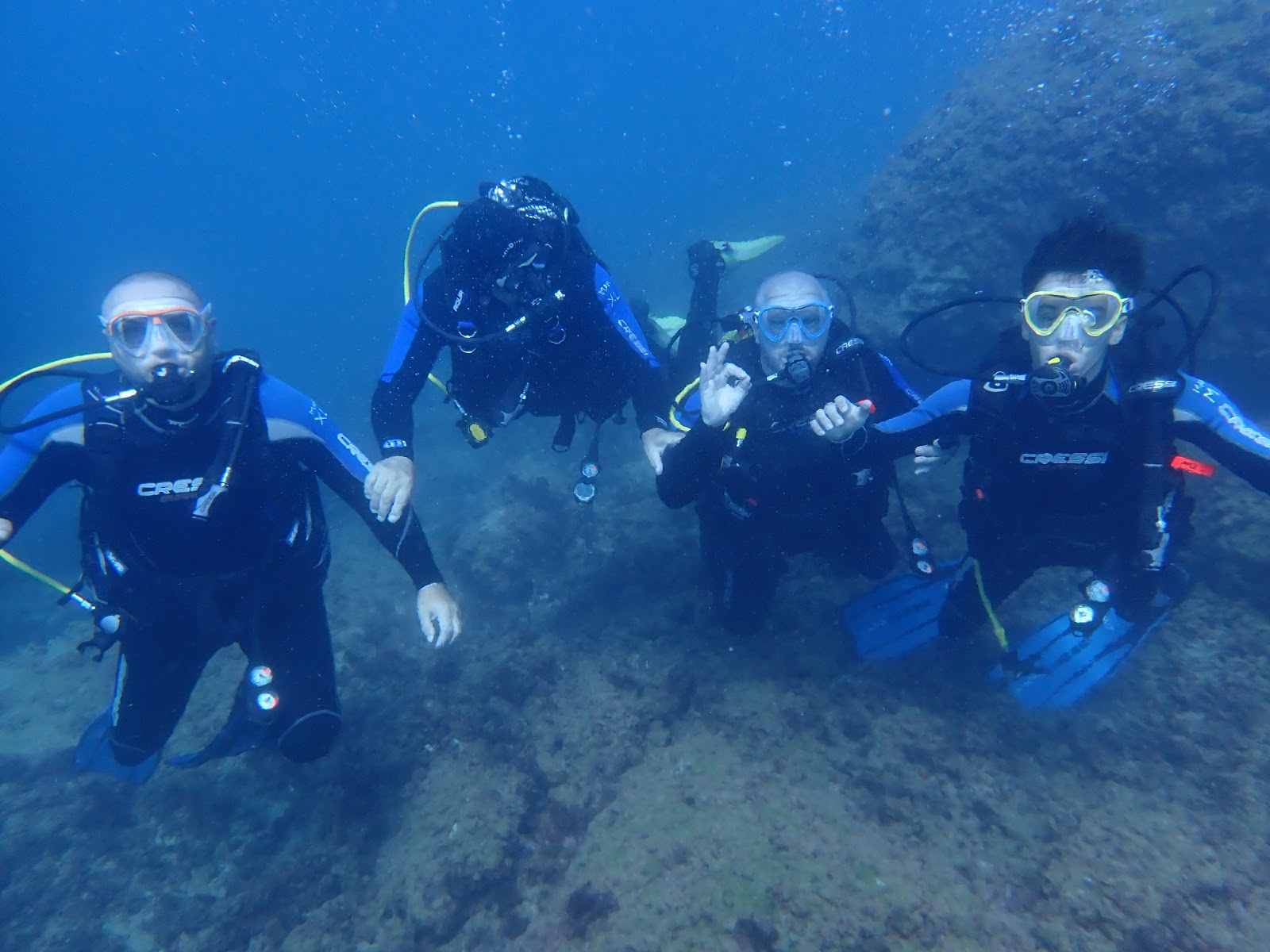
Calm and sheltered conditions typically define diving at Racó. Its position within a very protected bay means tranquility often holds, even when stronger regional winds and swell might impact other nearby sites. Such characteristics create an exceptionally welcoming location for those new to diving, including individuals undertaking 'Try Scuba' experiences, or certified divers looking to comfortably refresh their skills. An underwater landscape, featuring a gentle slope and scattered rocky blocks among seagrass, provides visual interest without introducing complex navigational challenges. Visibility generally remains good due to the protection from surge, though specific values can vary with localized currents or recent weather. Dives are predominantly shallow, allowing for extended bottom times and a thoroughly relaxed pace of exploration, ideal for observing the smaller inhabitants of the posidonia beds.
Dive Difficulty & Safety Guidelines
Adherence to general diving safety protocols is always essential at Racó, even though no specific site-reported hazards are listed. As a shallow, sheltered site, ideal for beginners, it naturally minimizes many risks associated with more advanced dives.
Divers should always operate within their certification limits. Maintaining proper buoyancy control is crucial to protect the delicate posidonia meadows.
A functional buddy system remains paramount, and it's advisable to carry surface signaling devices for any shore entry dives. Respecting marine park regulations is also crucial to preserve the natural habitat.
Recommended Equipment
- Dive Computer
- Hard-soled Dive Boots
This gear list is based on verified equipment signals for Racó, Spain. Always confirm final gear choices with your dive operator, guide, or liveaboard.
Recommended Dive Suit
Temperatures look set to gradually increase over the next several days. A warming trend is expected over the next few days.
Thermal protection such as 3mm wetsuit is commonly used in similar temperatures. Consider warmer surface protection (like a boat coat) due to brisk winds.
Recent environmental data from Racó indicates water temperatures near 26°C (78°F). Surface air temperatures are resting at 24°C (75°F).
Emergency & Medical Support
Essential information to help you plan your dive trip to Racó.

Hyperbaric chambers are a critical part of dive safety infrastructure. Availability varies significantly by region, and not all dive areas have immediate access.
Before diving, it's recommended to:
- confirm nearest medical facilities
- check emergency procedures with local dive operators
- ensure dive insurance covers evacuation if required
Divers Alert Network
Diving emergency assistance available through DAN Europe.
+39 0642115685- 24/7 emergency hotline
- Diving medical assistance
- Evacuation coordination
Emergency contacts are provided for reference. Always verify local emergency services before diving.
Closest Listed Hyperbaric Chambers
Showing listed hyperbaric chamber facilities within 200 km of this dive site.
Distances are approximate straight-line distances and may not reflect emergency travel time.
Unidad Hiperbarica Hospital de Castellon UTH-HGUCS
24/7 ListedICU CapableCastellon, Spain•Approx. 152 km straight-line
Unidad Hiperbarica Hospital de Castellon UTH-HGUCS
24/7 ListedICU CapableInformation is provided for reference and planning purposes only. Dive Navigator does not verify operational status, staffing, availability, or quality of care at listed facilities. In an emergency, contact local emergency services, DAN, your dive operator, or the chamber directly. Do not travel to a facility without calling ahead.
Marine Life at Racó
A varied habitat at Racó, characterized by vast posidonia seagrass meadows, sandy patches, and small rock formations, supports diverse marine life. Divers exploring these waters can frequently encounter schools of salps and spits navigating the water column.
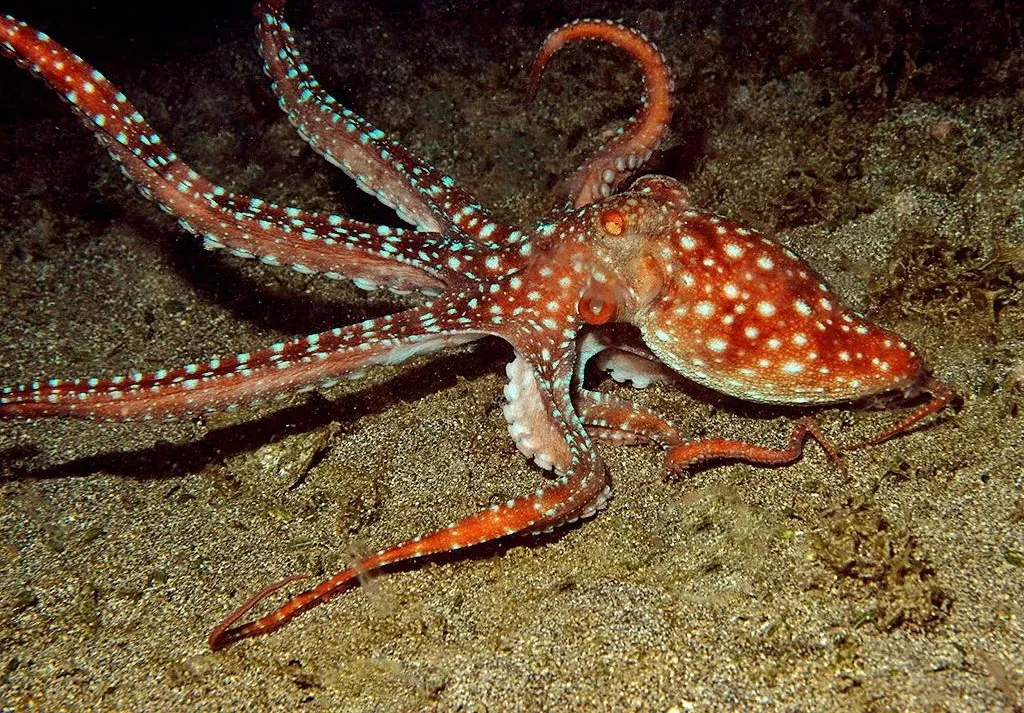
Benthic species such as soles and various octopuses often reside camouflaged among the rocks and within the seagrass. Starfish also add to the visual interest of this productive coastal environment.

Dive Sites Near Racó
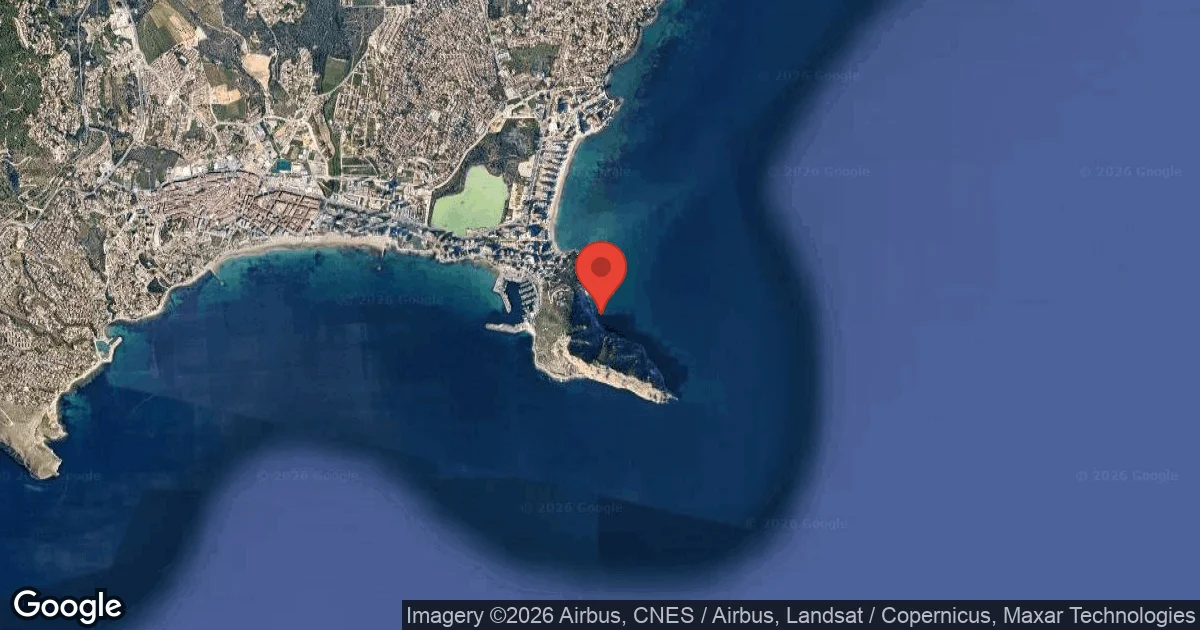
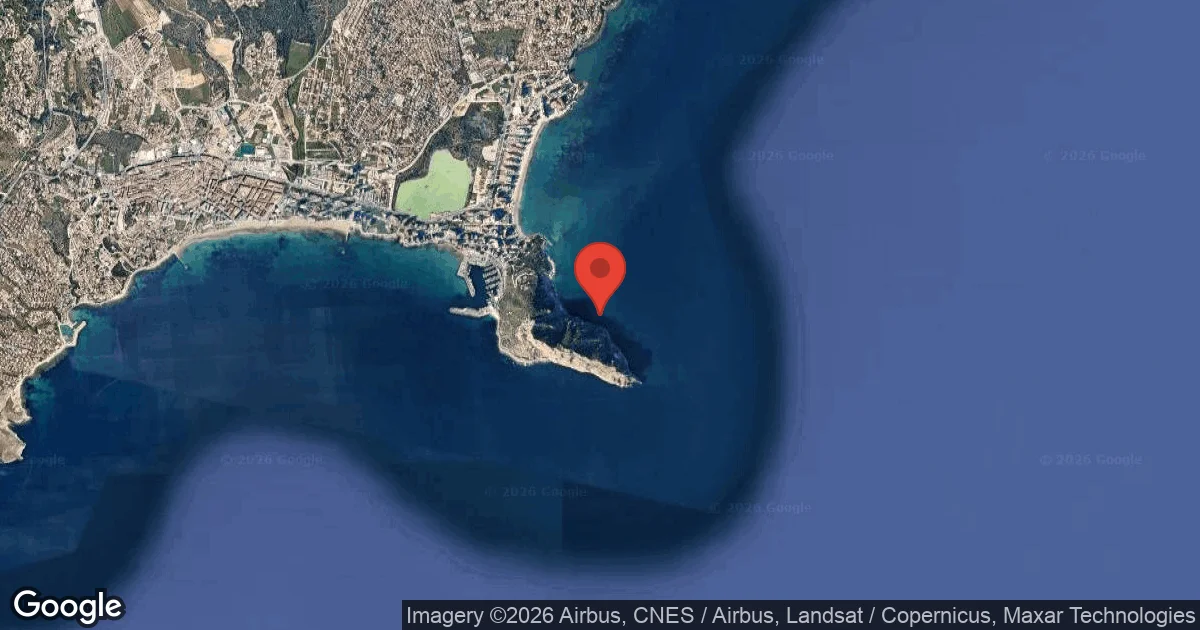
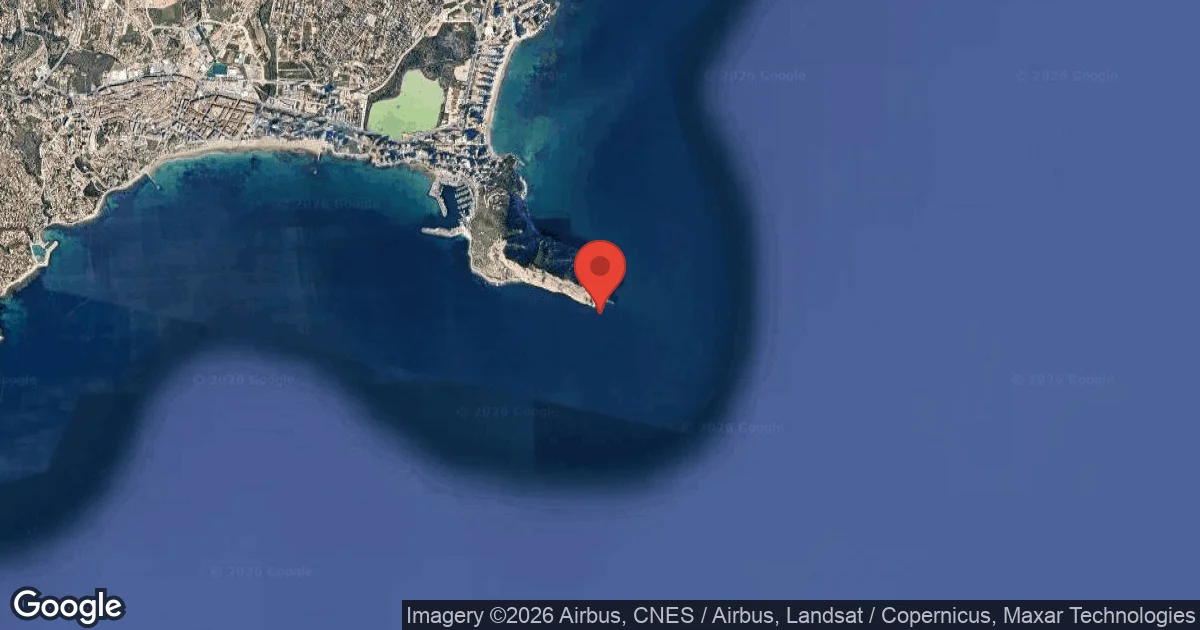
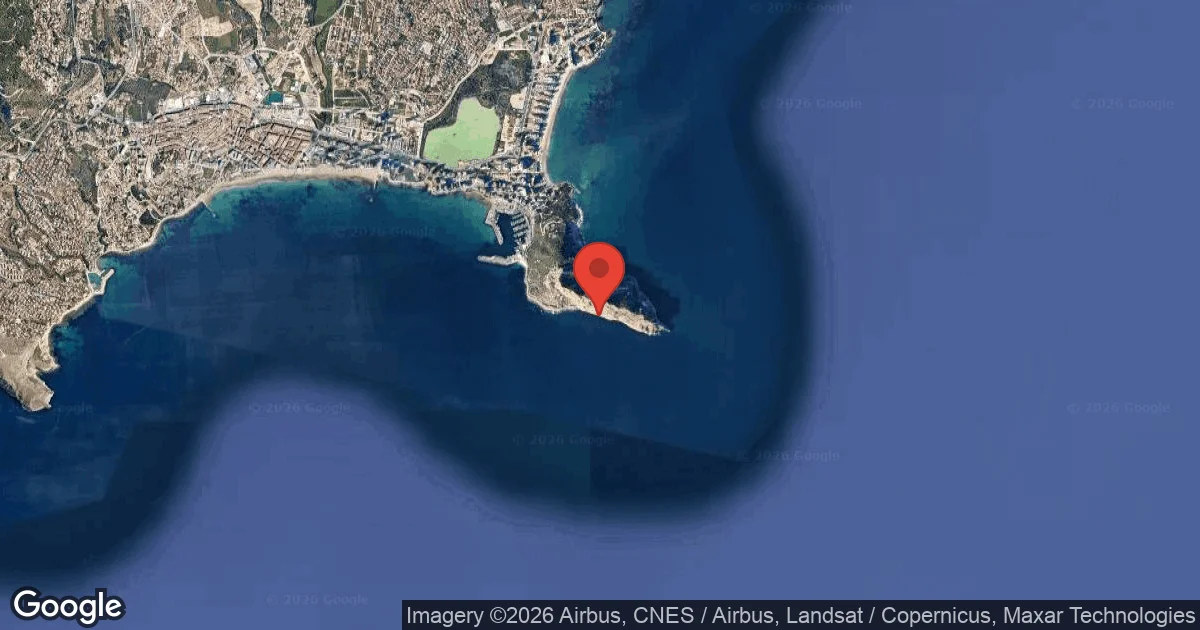
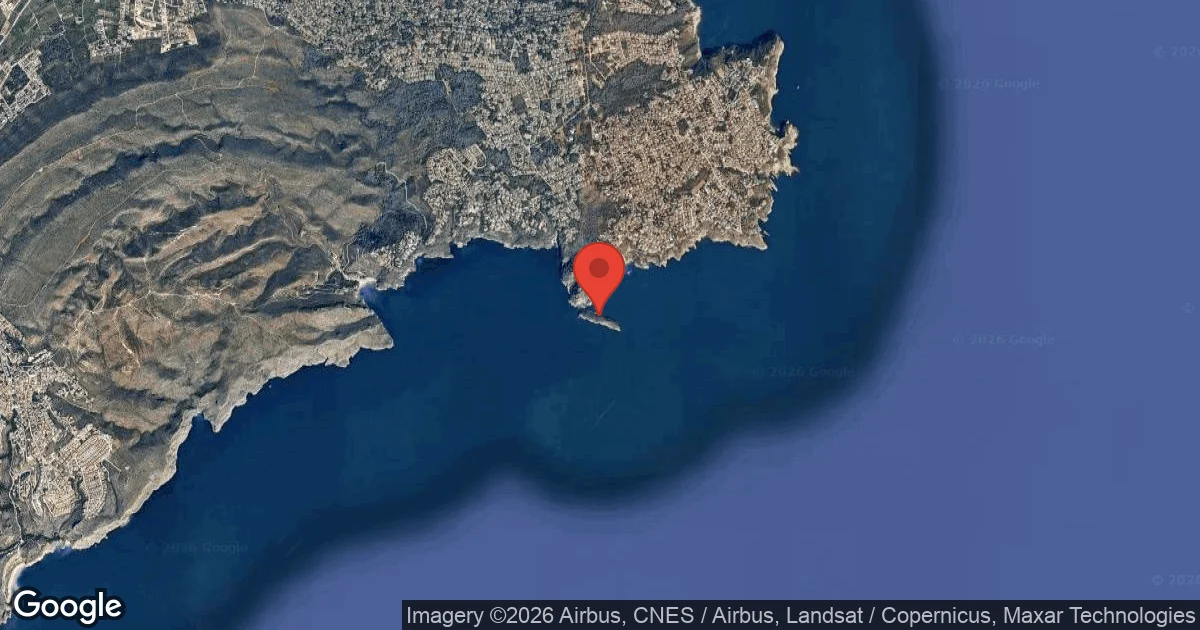
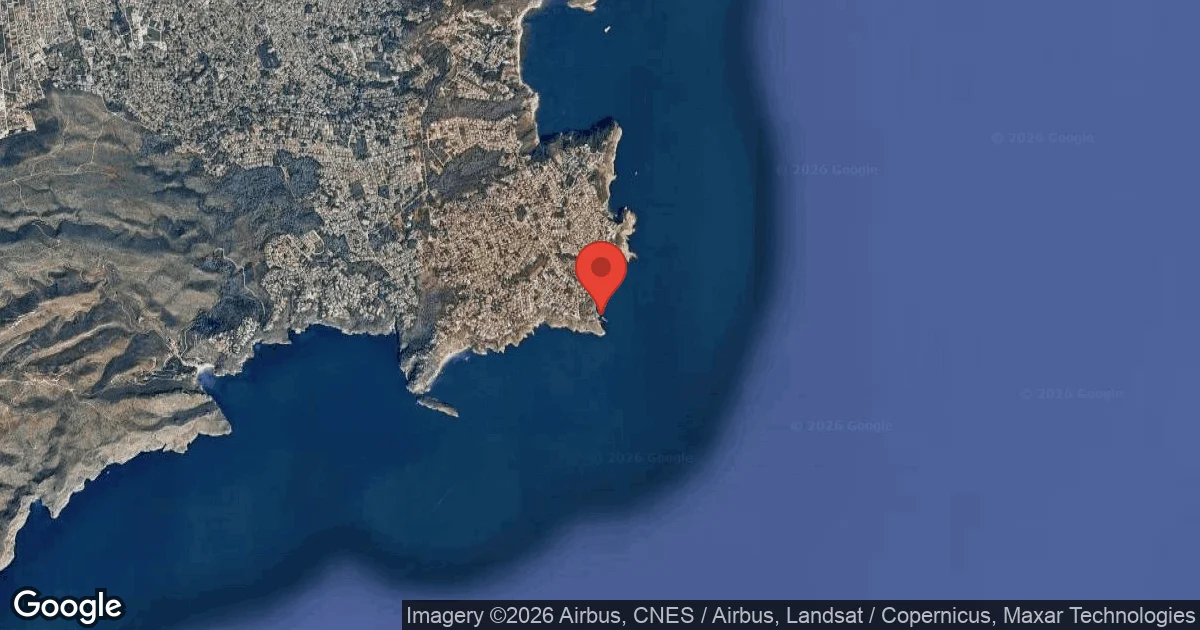
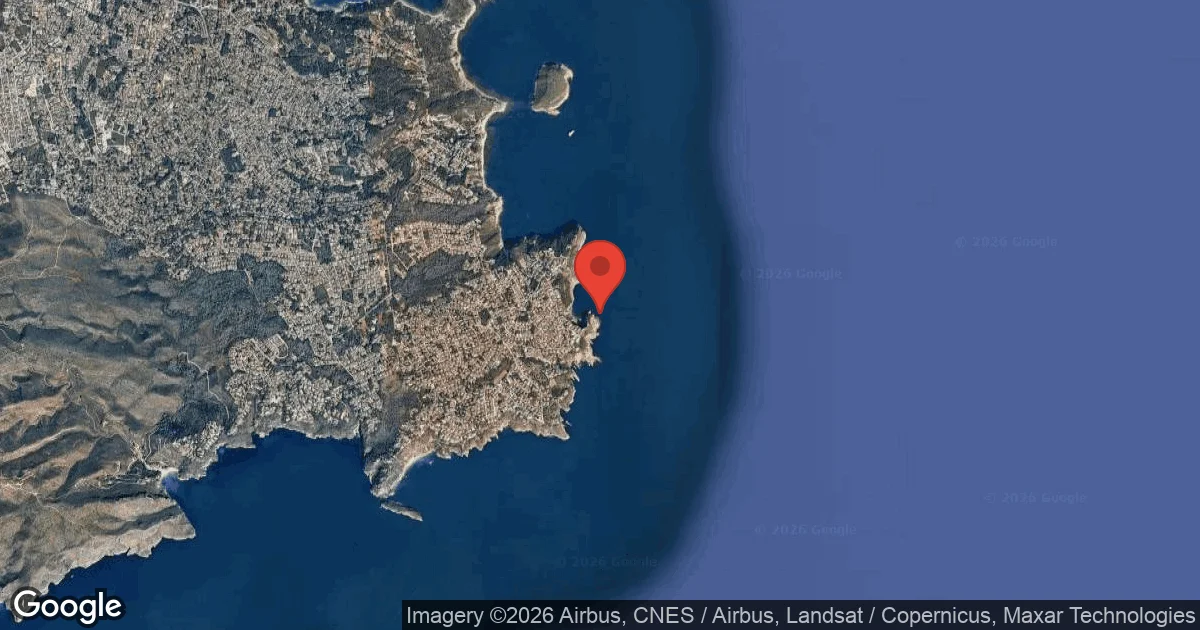
View all dive sites in SpainDiscover more underwater gems in this area.
Dive Centers Near Racó
Today: 09:00 - 15:00

Nearest Airports
Nearest airports to help plan travel to this dive area.
Search Flights
Check available flights and routes on Expedia, using the nearby airports listed in this section.
Search Flights on ExpediaFrequently Asked Questions
Is Racó suitable for beginner divers?
Yes, Racó is highly suitable for beginners, taster dives, and divers looking to refresh their skills. Its shallow, calm, and sheltered conditions make it an ideal learning environment.
What is the typical depth range for diving at Racó?
The typical depth range for diving at Racó extends up to 20 m / 65 ft. Beyond this, the seabed gently slopes down to sand at greater depths.
What kind of underwater topography can I expect?
Racó features a relatively flat bottom dominated by extensive posidonia seagrass meadows. These are interspersed with small sandy patches, scattered rocks, and the debris of a fishing boat, creating varied areas to explore.
What marine life might I see at Racó?
Divers commonly encounter schools of salps and spits here. Soles, octopuses, and starfish are also frequently observed amongst the rocks and seagrass, supported by the site's rich habitat.
Are strong currents or challenging conditions common?
No, Racó is known as a very protected bay, offering calm and sheltered conditions. It provides refuge even when stronger regional winds are present, making challenging currents uncommon.
Is Racó a shore dive or a boat dive?
While some nearby 'Racó' sites are noted for shore entry, the primary description for Racó on the south face of Peñón de Ifach suggests it's easily accessible, and its suitability for beginners often aligns with convenient shore-based operations or short boat trips.
Planning to dive Racó?
Send one inquiry and receive offers directly from the best verified local dive operators.
Conditions are Moderate
Optimal conditions expected
Current conditions near Racó show 24° air, 26° sea temperature, 0.9 m waves, and 31 km/h wind. Forecast data is refreshed regularly to ensure accuracy.