
Diving at Seahawk (Spain)
This site offers an engaging wreck experience, best suited for certified divers holding PADI Advanced Open Water Diver or PADI Deep Diver certifications. Exploring the Sea Hawk requires an understanding of deeper diving principles and navigation. It's a purposeful artificial reef, carefully placed to enhance the underwater environment. Its depth and structure make it a rewarding challenge for those ready to expand their skills beyond entry-level dives.
Tonight's objective overview for Seahawk shows an air temperature of 20°C. The measured surface conditions include wave heights around 0.3 m. This environmental data is logged for the close of the day.
Dive Site Location & Key Facts
Dive Site Overview
The Sea Hawk wreck in Gibraltar presents a unique artificial reef project, purposely sunk on April 30, 2002 by Mr. Eric Shaw. Once a wooden cargo vessel, she grew too old for service and now rests upright on a flat sandy seabed, providing an engaging dive site.
Measuring 25 m / 82 ft in length, the wreck is substantial enough for meaningful exploration. While suitable for exterior circumnavigation, advanced divers might find opportunities for limited penetration, making it an excellent location for relevant training. This site forms a vital part of the local marine habitat, attracting various species to its structure and transforming an aging vessel into a thriving underwater landmark.
Divers can access the site via boat or shore, offering flexibility in dive planning. It's primarily categorized as a wreck dive, with significant sandy bottom features surrounding the main structure, contributing to a diverse underwater landscape that blends human history with natural marine development.
Conditions are Moderate
Optimal conditions expected
Current conditions near Seahawk show 20° air, 21° sea temperature, 1.5 m waves, and 35 km/h wind. Forecast data is refreshed regularly to ensure accuracy.
Best Time to Dive
Optimal diving conditions at the Sea Hawk generally occur from April through December, aligning with consistently higher dive scores. During these months, the average air temperatures are pleasant, ranging from 17°C / 63°F in April to a peak of 24.5°C / 76°F in August. Rainfall is notably lower from May to September, often dropping to less than 1 mm, which contributes to more predictable surface conditions. Wave heights also tend to be calmer during these periods, with averages around 0.5 to 0.7 m / 1.6 to 2.3 ft. While specific water temperature data isn't consistently reported, the warmer air temperatures during these months typically indicate more comfortable water for diving. Winter months, from January to March, see slightly higher wave activity and cooler air temperatures around 13-14°C / 55-57°F, though diving remains feasible with proper thermal protection.
PEAK SEASON SCORE
Scores combine air & water temps, waves, wind & rainfall for overall conditions.
BEST MONTHS TO DIVE
Monthly records compiled from satellite and marine observation nodes over the last 3 years. Data provided by Open-Meteo and MET Norway.
Dive Experience & Conditions
Exploring the Sea Hawk involves a maximum depth of 27 m / 88 ft, making it a deep dive experience that demands appropriate certification. The wreck itself rests on a flat sandy seabed, allowing divers to circumnavigate the vessel and observe its structural features effectively. Visibility can vary with local conditions, but generally, ocean environments in this region offer good clarity, sometimes exceeding 15 m / 50 ft. The dive type is primarily a wreck exploration, offering opportunities to observe marine life that has colonized the vessel's exterior and interior. Entry to the site is possible from either boat or shore, providing different logistical approaches. While significant currents aren't consistently reported, divers should always be aware of potential mild movements common in open water environments, particularly around structures.
Dive Difficulty & Safety Guidelines
Adhering to safe diving practices is critical when exploring the Sea Hawk wreck. It's strongly recommended that divers hold at least PADI Advanced Open Water Diver or PADI Deep Diver certifications to safely manage the 27 m / 88 ft depth. Wreck diving inherently involves overhead environments and potential entanglement points, so caution is paramount.
Divers should always plan their dive, dive their plan, and carry a dive computer for accurate depth and time management. No specific, unusual hazards are reported for this site beyond those generally associated with wreck diving and open water environments.
Maintaining proper buoyancy control helps preserve the wreck and minimize disturbance to marine life.
Recommended Equipment
Overhead / entanglement risk. Wreck penetration requires proper training.
- Dive Computer
- DSMB
- Primary & Backup Lights
- Wreck Reel
- Cutting Tool
This gear list is based on verified equipment signals for Seahawk, Spain. Always confirm final gear choices with your dive operator, guide, or liveaboard.
Recommended Dive Suit
According to recent observations, water temperatures near Seahawk are approximately 21°C (70°F). Surface air temperatures are resting at 20°C (68°F).
Forecasts suggest rising temperatures later this week. A warming trend is expected over the next few days.
Divers who prefer moderate insulation typically choose 3-5mm wetsuit in similar environments. A hood or vest is suggested for sensitive divers due to surface winds. Surface intervals may feel cooler. Many experienced divers adjust their exposure protection depending on the type of dive planned.
Emergency & Medical Support
Essential information to help you plan your dive trip to Seahawk.

Hyperbaric chambers are a critical part of dive safety infrastructure. Availability varies significantly by region, and not all dive areas have immediate access.
Before diving, it's recommended to:
- confirm nearest medical facilities
- check emergency procedures with local dive operators
- ensure dive insurance covers evacuation if required
Divers Alert Network
Diving emergency assistance available through DAN Europe.
+39 0642115685- 24/7 emergency hotline
- Diving medical assistance
- Evacuation coordination
Emergency contacts are provided for reference. Always verify local emergency services before diving.
Marine Life at Seahawk
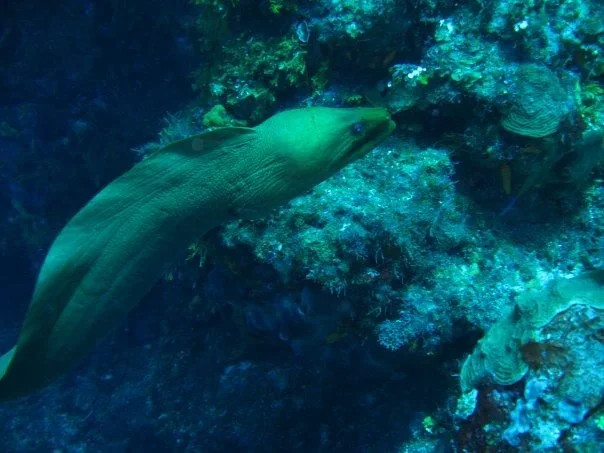
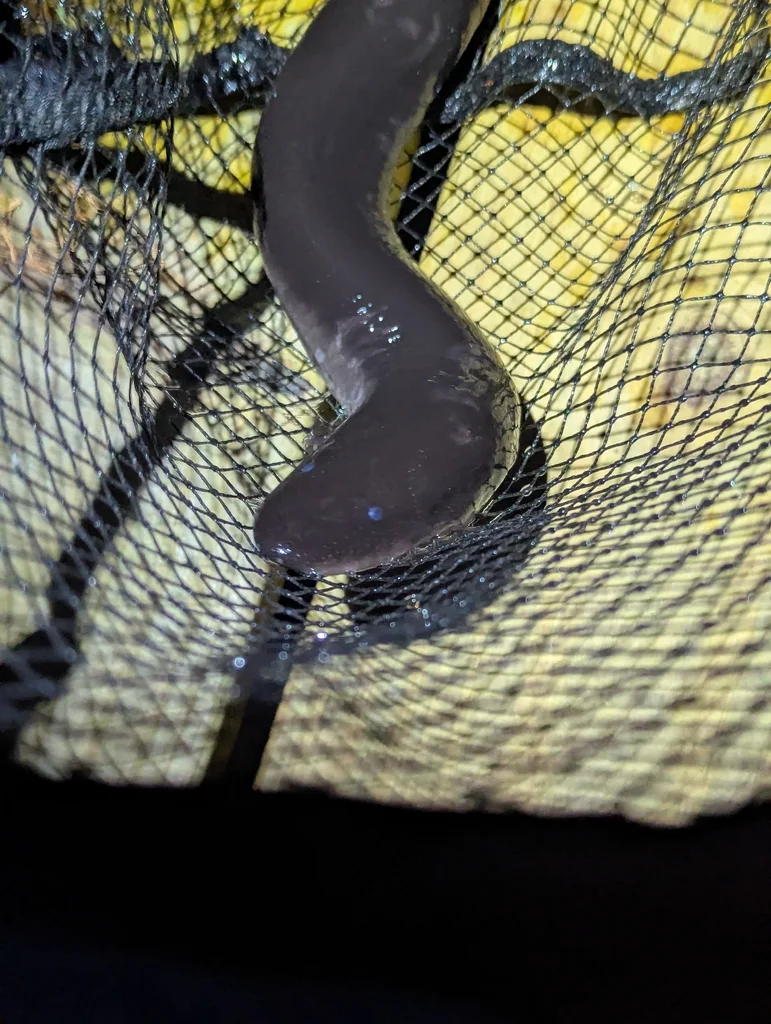
The Sea Hawk's structure creates an inviting habitat, drawing in a variety of marine life to the wreck and surrounding sandy bottom. Divers frequently encounter Moray Eels and Conger Eels, often found tucked into crevices or peering from open sections of the hull.
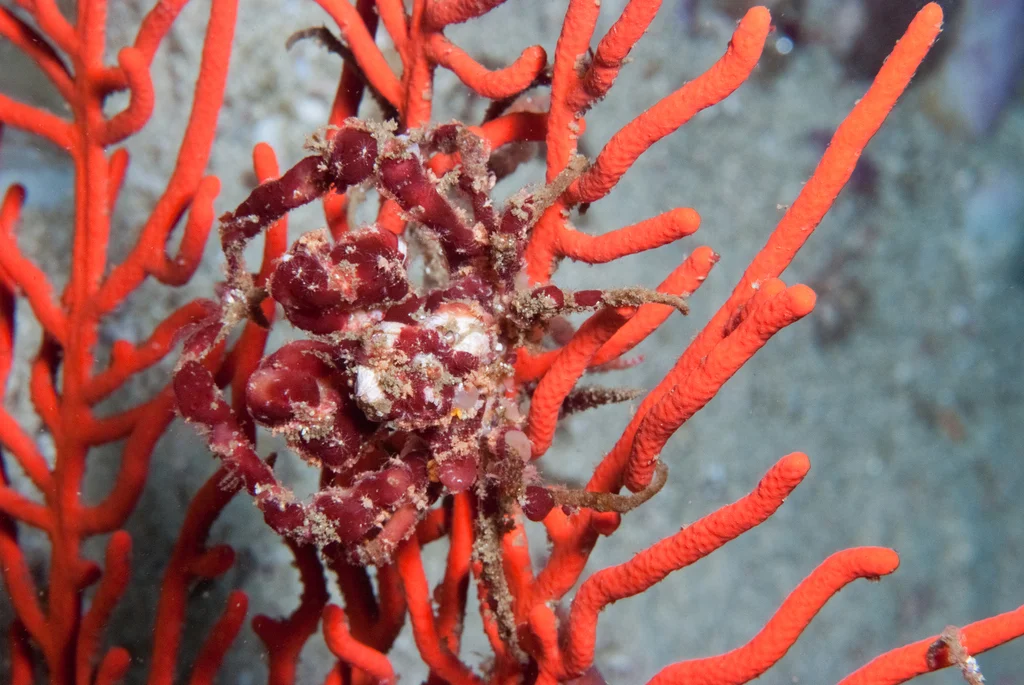
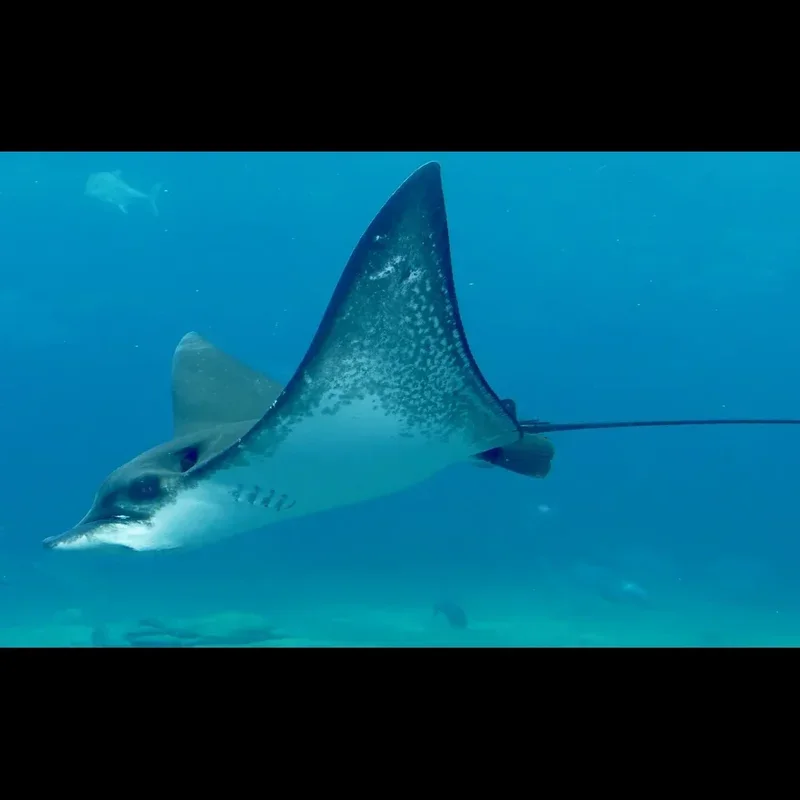
Spider crabs are commonly observed navigating the wreck's surfaces. Occasional sightings include larger pelagic species like Tuna swimming by, along with Eagle Rays gliding across the sand.
Smaller, fascinating creatures like forkbeard, Thornback Rays, and Flying Gurnards also inhabit this artificial reef, making the exploration of the wreck's nooks and crannies particularly rewarding.

Dive Centers Near Seahawk
Today: 09:00 - 18:30
Nearest Airports
Nearest airports to help plan travel to this dive area.
Search Flights
Check available flights and routes on Expedia, using the nearby airports listed in this section.
Search Flights on ExpediaFrequently Asked Questions
What is the maximum depth of the Sea Hawk wreck?
The Sea Hawk wreck reaches a maximum depth of 27 m / 88 ft. This makes it suitable for divers with advanced training or those working towards deep dive certifications.
What kind of vessel was the Sea Hawk?
The Sea Hawk was a wooden cargo vessel before it was purposefully sunk as part of an artificial reef project. It now provides a substantial structure for marine life and diver exploration.
When was the Sea Hawk sunk?
The Sea Hawk was intentionally sunk on April 30, 2002. This event marked its transformation into a permanent underwater dive site.
What marine life can be seen at the Sea Hawk?
Common sightings include Moray Eels, Conger Eels, and Spider crabs. Divers may also spot Tuna, Eagle Rays, forkbeard, Thornback Rays, and Flying Gurnards.
What certifications are recommended for diving the Sea Hawk?
Divers should ideally hold PADI Advanced Open Water Diver or PADI Deep Diver certifications. This ensures preparedness for the site's depth and wreck diving environment.
Can the Sea Hawk be accessed from shore?
Yes, the Sea Hawk wreck is accessible for diving from both boat and shore. This provides flexibility for dive operators and individual dive plans.
Planning to dive Seahawk?
Send one inquiry and receive offers directly from the best verified local dive operators.
Conditions are Moderate
Optimal conditions expected
Current conditions near Seahawk show 20° air, 21° sea temperature, 1.5 m waves, and 35 km/h wind. Forecast data is refreshed regularly to ensure accuracy.