
Diving at Boiler Wreck Batticaloa (Sri Lanka)
Batticaloa, Sri Lanka's Boiler wreck presents an exceptional entry point for newer divers. Maximum depths generally reach 10 m (32 ft), making it ideal for those recently certified as PADI Open Water Divers or participants in Discover Scuba Diving programs. This approachable depth and scattered structure also ensure a relaxing, engaging dive for experienced divers seeking a different pace.
Tonight's objective overview for Boiler Wreck Batticaloa shows an air temperature of 26.5°C. The measured surface conditions include wave heights around 0.5 m. This environmental data is logged for the close of the day.
Dive Site Location & Key Facts
Dive Site Overview
Exploring Batticaloa’s Boiler wreck reveals the intertwined histories of two distinct vessels: the SS Brennus, which ran aground in 1881, and the Sir John Jackson, foundered in 1908. Both ships met their fate on a shallow rock shoal just off the Batticaloa coast.
What divers encounter today is a substantial debris field, a vivid testament to the turbulent shallow waters and powerful monsoons that progressively reduced these formidable ships to a sprawling jumble over a significant area. Significant components are identifiable amidst the wreckage. For instance, divers can navigate around the three prominent boilers of the Sir John Jackson, identify sections of her engine, and observe a massive propeller resting horizontally on the seabed.
Nearby, the SS Brennus contributes five additional boilers along with various hull sections and propeller shafts. These historical relics, now extensively colonized by marine life, form an intriguing underwater landscape, offering a compelling narrative for those exploring their past.
It’s a dive into maritime history, where the forces of nature and time have sculpted a unique environment.
Conditions are Good
07:00 - 14:00
Optimal conditions expected
Current conditions near Boiler Wreck Batticaloa show 26° air, 29° sea temperature, 0.6 m waves, and 30 km/h wind. Forecast data is refreshed regularly to ensure accuracy.
Best Time to Dive
Optimal diving conditions for the Boiler wreck are typically experienced from March through October, aligning with Batticaloa's East Coast season. During these months, climate data indicates favorable dive scores and more settled sea states. Air temperatures average between 27-30°C (81-86°F), contributing to comfortable surface intervals. Rainfall tends to be minimal, ranging from 1.3 to 10.7 mm, ensuring clearer skies and better visibility underwater. While specific water temperatures are not consistently reported, the sunlit shallows suggest warm conditions suitable for extended dives. Stronger winds and higher wave heights are more characteristic outside this window.
PEAK SEASON SCORE
Scores combine air & water temps, waves, wind & rainfall for overall conditions.
BEST MONTHS TO DIVE
Monthly records compiled from satellite and marine observation nodes over the last 3 years. Data provided by Open-Meteo and MET Norway.
Dive Experience & Conditions
Diving this extensive debris field offers a vibrant sensory experience within the sunlit shallows. What remains of these two ships now melts almost seamlessly into the seascape, forming an intricate habitat. Divers navigate around grotesque, twisted shapes, with some larger sections providing natural passages for easy swim-throughs. Water conditions are generally described as brackish, and the site's shallow nature, typically between 4-10 m (13-32 ft), ensures ample ambient light penetration throughout the dive. Visibility varies depending on localized conditions but often provides clear views of the extensive coral growth that has successfully colonized the wrecks. It’s an engaging environment where the past actively intertwines with vibrant marine ecosystems.
Dive Difficulty & Safety Guidelines
Approaching the Boiler wreck requires adherence to standard safe diving practices, especially considering the extensive debris field. Divers new to wreck sites should ensure they are comfortable with their Open Water Diver skills, as this site is well within recreational depth limits. While the site is largely a scatter of external wreckage, any thought of entering overhead environments should only be undertaken by those with appropriate PADI Wreck Diver certification and specialized training.
Always consult with local dive professionals regarding current conditions, potential currents, and the best routes to explore the scattered remains safely. Adhering to PADI's recommended guidelines helps ensure an enjoyable and secure dive.
Recommended Equipment
Overhead / entanglement risk. Wreck penetration requires proper training.
- Dive Computer
- DSMB
- Primary & Backup Lights
- Wreck Reel
- Cutting Tool
This gear list is based on verified equipment signals for Boiler Wreck Batticaloa, Sri Lanka. Always confirm final gear choices with your dive operator, guide, or liveaboard.
Recommended Dive Suit
For dives of average duration, dive skin or rash guard usually provides sufficient protection from heat loss. A hood or vest is suggested for sensitive divers due to surface winds.
Current readings at Boiler Wreck Batticaloa show water temperatures near 29°C (85°F). Surface air temperatures are resting at 26°C (80°F).
Environmental models indicate a modest warming trend ahead. A warming trend is expected over the next few days.
Emergency & Medical Support
Essential information to help you plan your dive trip to Boiler wreck Batticaloa.

Hyperbaric chambers are a critical part of dive safety infrastructure. Availability varies significantly by region, and not all dive areas have immediate access.
Before diving, it's recommended to:
- confirm nearest medical facilities
- check emergency procedures with local dive operators
- ensure dive insurance covers evacuation if required
Divers Alert Network
Diving emergency assistance available through DAN World.
+1-919-684-9111- 24/7 emergency hotline
- Diving medical assistance
- Evacuation coordination
Emergency contacts are provided for reference. Always verify local emergency services before diving.
Marine Life at Boiler Wreck Batticaloa
Wreckage provides a robust foundation for substantial marine growth, transforming the underwater landscape into a living reef. Colorful soft corals hinge onto various parts of the ships, providing shelter and sustenance for numerous species.
Divers often encounter swarms of Basslets (antheas), their dynamic splashes of color enhancing the scene. Site surveys indicate a magnitude of other fish species also use the structure.
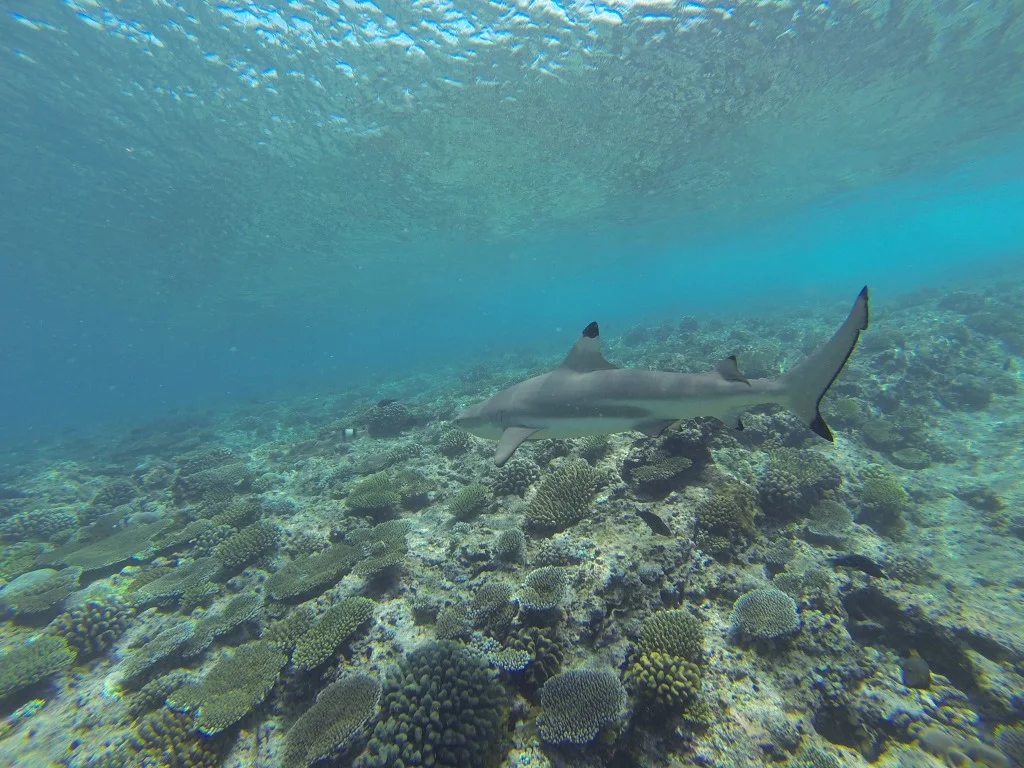
While exploring, divers may also spot common sightings for the wider area, including various sharks, dolphins, whales, and turtles, making for a rich and diverse dive experience.

Dive Sites Near Boiler Wreck Batticaloa
View all dive sites in Sri LankaDiscover more underwater gems in this area.
Dive Centers Near Boiler Wreck Batticaloa
Today: 07:00 - 20:00
Nearest Airports
Nearest airports to help plan travel to this dive area.
Search Flights
Check available flights and routes on Expedia, using the nearby airports listed in this section.
Search Flights on ExpediaFrequently Asked Questions
What is the maximum depth at the Boiler wreck?
Boiler wreck diving typically reaches a maximum depth of 10 m (32 ft). This makes it an accessible site, well-suited for Open Water Divers and participants in Discover Scuba Diving experiences.
Are there multiple wrecks at this site?
Yes, the Boiler wreck site comprises the remains of two ships: the SS Brennus (1881) and the Sir John Jackson (1908). Both foundered on the same shallow shoal, creating a large, interwoven debris field.
What kind of marine life can I expect to see?
Wreckage at the Boiler site supports a variety of marine life, including significant coral growth and swarms of Basslets (antheas). Other fish are also present, and sightings of larger species like sharks, dolphins, whales, and turtles have been reported in the general area.
Is the Boiler wreck suitable for beginners?
Yes, it is considered an excellent dive site for beginners. Its shallow depth and typically calm conditions make it ideal for Open Water Diver training and introductory dive experiences like Discover Scuba Diving.
What parts of the ships are still visible?
Divers can observe multiple boilers from both vessels, engine parts, propeller shafts, and at least one massive propeller lying on the seabed. This location forms a large scatter of twisted metal and structural elements.
What is the water temperature like?
Specific water temperature data is not consistently reported for this site. However, the shallow, sunlit nature of the wreck typically suggests warm conditions suitable for diving without thick wetsuits.
Planning to dive Boiler Wreck Batticaloa?
Send one inquiry and receive offers directly from the best verified local dive operators.
Conditions are Good
07:00 - 14:00
Optimal conditions expected
Current conditions near Boiler Wreck Batticaloa show 26° air, 29° sea temperature, 0.6 m waves, and 30 km/h wind. Forecast data is refreshed regularly to ensure accuracy.