
Diving at HMS Hermes (Sri Lanka)
Since the end of Sri Lanka's civil war, the HMS Hermes has emerged as a significant wreck dive, finally accessible to the global diving community. This site, a British war grave and the world's first purpose-built aircraft carrier, offers a profound historical experience. Located off Batticaloa, it presents a compelling challenge for technical divers seeking deep-water exploration.
As evening covers HMS Hermes, the local air temperature is measured at 28.5°C. The current wave height at the surface is recorded at 0.5 m. These late-day readings characterize the surface conditions for the night.
Dive Site Location & Key Facts
Dive Site Overview
Diving the HMS Hermes offers a distinctive opportunity to explore the world's first purpose-built aircraft carrier, an exceptionally rare dive site. This colossal vessel, a designated British war grave, sank in less than an hour after being bombed by Japanese Zero fighter bombers in 1942, resulting in significant loss of life.
The wreck is positioned at approximately 53 meters / 173 feet, making it a challenging technical dive primarily appealing to experienced wreck enthusiasts. While it was first discovered and explored by pioneer diver Rodney Jonklaas in 1967, decades of civil conflict made it largely inaccessible. Today, divers can descend upon this immense structure to witness the remains of its vast flight deck, the prominent flight control tower, and remarkably intact guns.
Evidence of its final moments, such as shell cases, can still be observed scattered across the seabed. This dive is more than an exploration; it's a profound historical encounter, inviting reflection on its past while appreciating the marine life that now calls it home.
The sheer scale of the Hermes means multiple dives are often necessary to appreciate its full structure, from the propellers to the remnants of its operational sections.
Conditions are Good
07:00 - 14:00
Optimal conditions expected
Current conditions near HMS Hermes show 29° air, 30° sea temperature, 0.6 m waves, and 24 km/h wind. Forecast data is refreshed regularly to ensure accuracy.
Best Time to Dive
For the most favorable diving conditions and overall experience, plan your visit to HMS Hermes between March and September. During these months, the region consistently records 'Good' dive scores, indicating generally calmer seas. Air temperatures average a warm 27-30°C / 81-86°F, providing comfortable surface conditions for divers. Rainfall is also notably lower, typically averaging between 1.3-4.6 mm, which often contributes to better underwater visibility. While diving is still possible outside this primary window, particularly in February and October which also show 'Good' scores, divers should be prepared for slightly more variable conditions. Months like January, November, and December, rated as 'Moderate' for diving, may present increased rainfall and potentially choppier surface conditions, requiring more robust dive planning.
PEAK SEASON SCORE
Scores combine air & water temps, waves, wind & rainfall for overall conditions.
BEST MONTHS TO DIVE
Monthly records compiled from satellite and marine observation nodes over the last 3 years. Data provided by Open-Meteo and MET Norway.
Dive Experience & Conditions
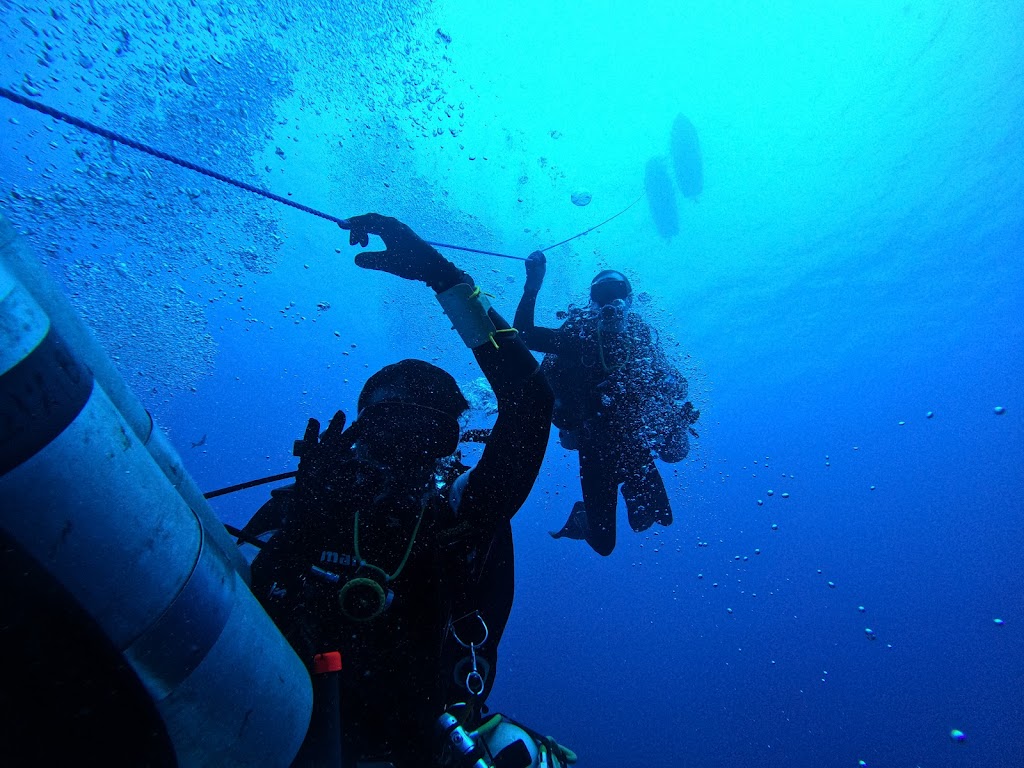
Accessing the HMS Hermes typically involves a boat entry, requiring experienced boat handling for the journey to the site off Batticaloa. Due to its significant depth, with the main wreck resting at around 53 meters / 173 feet, this is predominantly a technical dive. Divers should anticipate conditions characteristic of deep ocean wrecks; visibility can vary depending on local currents and plankton blooms, but when good, it offers impressive views of the immense structure. While specific current reports are limited, conditions can range from mild to moderate, necessitating careful dive planning and execution. The wreck itself has become an expansive artificial reef, heavily encrusted with marine growth, which creates a rich, complex environment for exploration. Surface water temperatures are generally warm in Sri Lanka, though deeper thermoclines might be encountered.
Dive Difficulty & Safety Guidelines
Given the depth and technical nature of the HMS Hermes, advanced wreck diving certification and extensive deep diving experience are essential. This is a designated British war grave; divers must show utmost respect by refraining from disturbing artifacts or entering overhead environments without proper training and equipment. Planning for decompression stops is critical due to the extended bottom times often desired on such a large wreck.
Always dive with a reputable local operator experienced with the site, ensure gas management is meticulously planned, and carry appropriate safety equipment for deep, overhead environments.
Recommended Equipment
Technical depth range. Advanced planning, gas management, and appropriate certification required.
Overhead / entanglement risk. Wreck penetration requires proper training.
- Dive Computer
- DSMB
- Primary & Backup Lights
- Wreck Reel
- Cutting Tool
This gear list is based on verified equipment signals for HMS Hermes, Sri Lanka. Always confirm final gear choices with your dive operator, guide, or liveaboard.
Recommended Dive Suit
Current diving conditions indicate water temperatures around 30°C (86°F) at HMS Hermes. Surface air temperatures are resting at 29°C (84°F).
Conditions are expected to stay fairly consistent in the days ahead.
Most divers would typically feel comfortable using dive skin or rash guard in these conditions. A hood or vest is suggested for sensitive divers due to surface winds. Dive depth and duration can significantly affect perceived warmth.
Emergency & Medical Support
Essential information to help you plan your dive trip to HMS HERMES.

Hyperbaric chambers are a critical part of dive safety infrastructure. Availability varies significantly by region, and not all dive areas have immediate access.
Before diving, it's recommended to:
- confirm nearest medical facilities
- check emergency procedures with local dive operators
- ensure dive insurance covers evacuation if required
Divers Alert Network
Diving emergency assistance available through DAN World.
+1-919-684-9111- 24/7 emergency hotline
- Diving medical assistance
- Evacuation coordination
Emergency contacts are provided for reference. Always verify local emergency services before diving.
Marine Life at HMS Hermes
Upon approaching the HMS Hermes, the first thing divers will notice is the transformation of the colossal wreck into a vibrant artificial reef. Hard and soft corals now encrust the metalwork, attracting a variety of reef fish.
While specific sightings vary, larger pelagic species like sharks, whales, dolphins, and turtles have been reported in the general vicinity. The structure's sheer size provides ample shelter, supporting a diverse ecosystem that contrasts with the wreck's historical context.
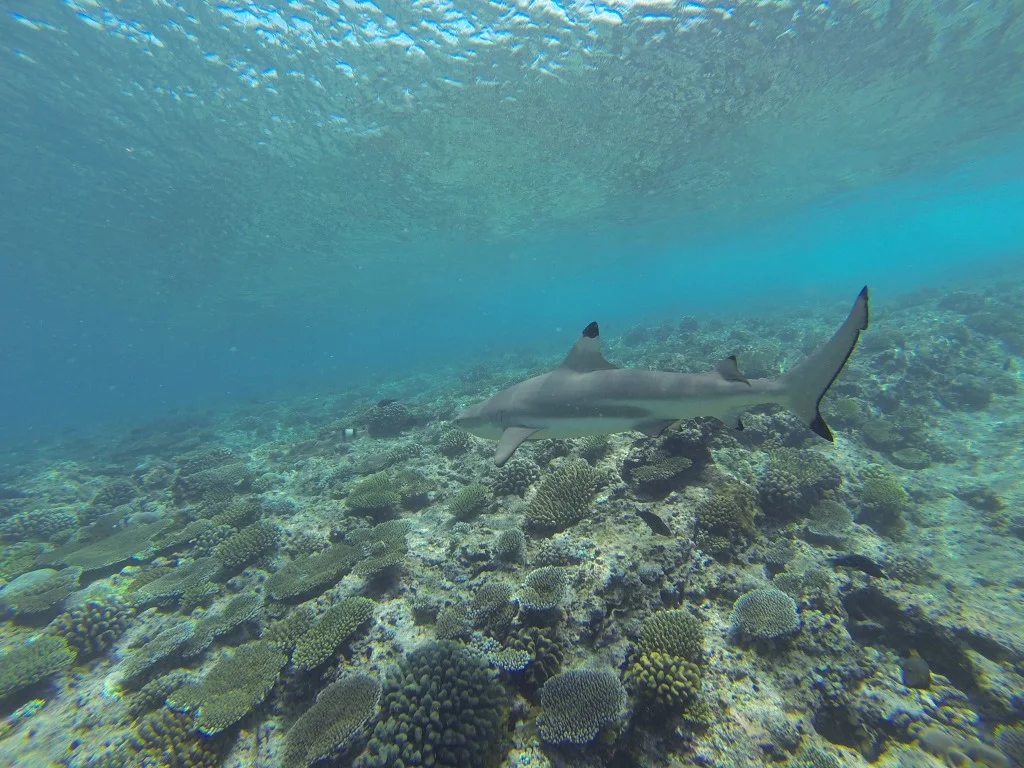
Dive Sites Near HMS Hermes
View all dive sites in Sri LankaDiscover more underwater gems in this area.
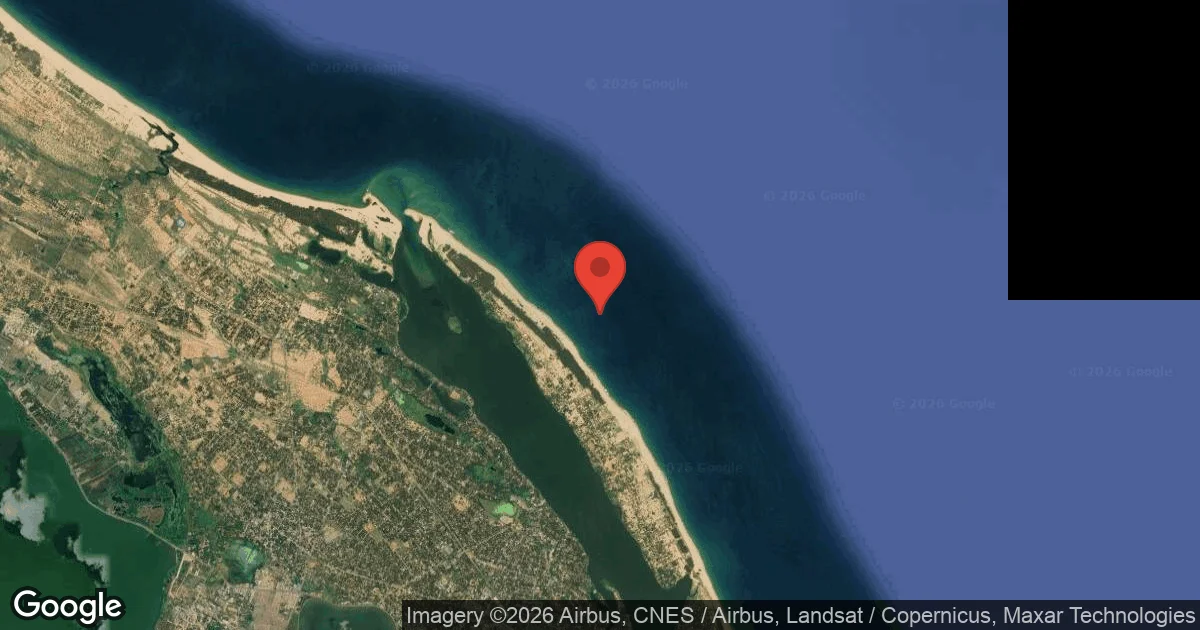
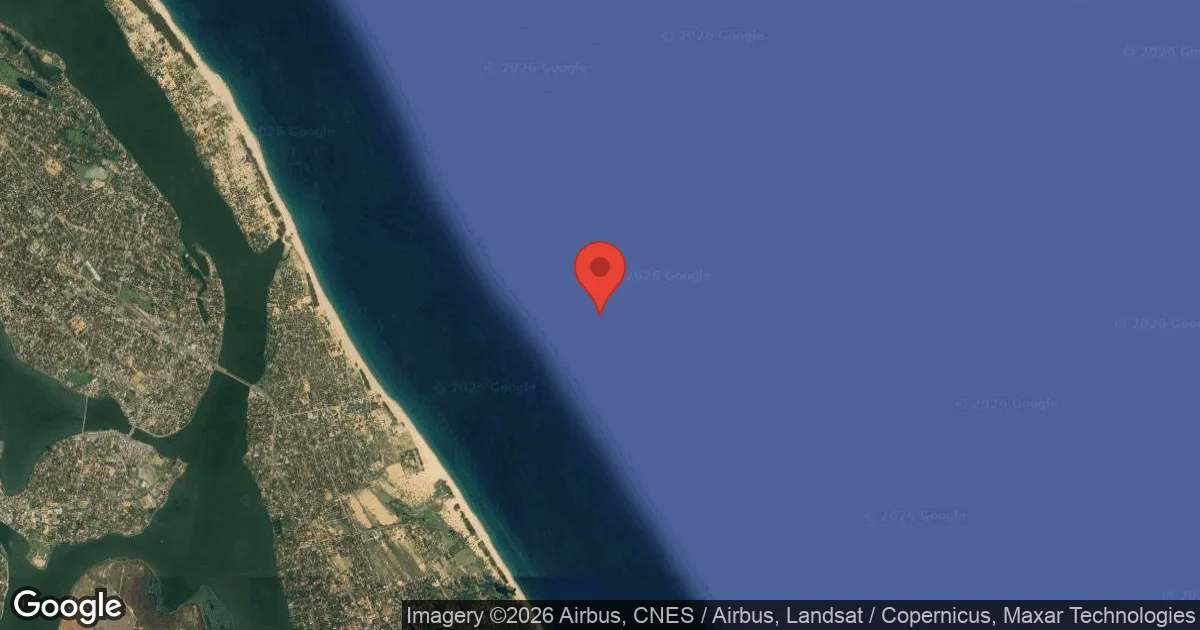
Dive Centers Near HMS Hermes
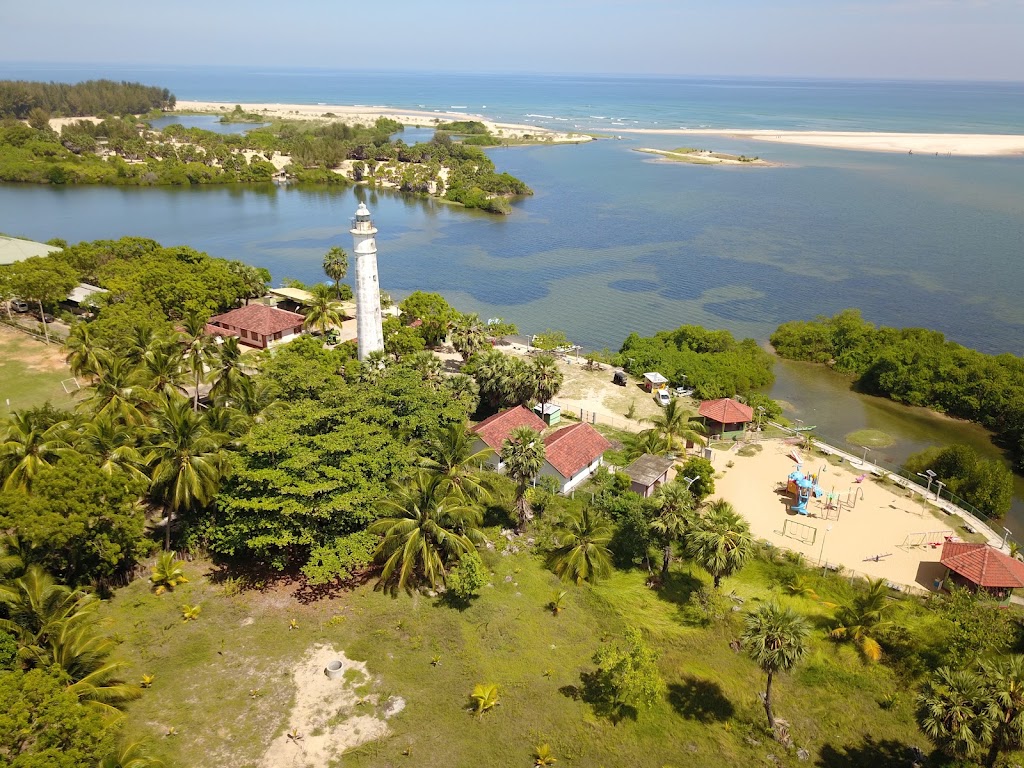
Today: 07:00 - 20:00
Nearest Airports
Nearest airports to help plan travel to this dive area.
Search Flights
Check available flights and routes on Expedia, using the nearby airports listed in this section.
Search Flights on ExpediaFrequently Asked Questions
What is the maximum depth of the HMS Hermes wreck?
The wreck of the HMS Hermes descends to approximately 53 meters. This considerable depth makes it a challenging dive suitable for technical divers.
Is the HMS Hermes suitable for recreational divers?
No, due to its significant depth, the HMS Hermes is considered a technical dive. Recreational certifications typically don't cover the necessary training for dives beyond standard recreational limits, often around 40 meters.
What kind of training is recommended for diving HMS Hermes?
Divers should possess advanced technical diving certifications, such as TDI Advanced Wreck Diver, PADI Tec 50, or equivalent, specifically for deep and potentially overhead environments. Experience with decompression procedures and appropriate gas mixes is also crucial.
When was the HMS Hermes sunk?
The HMS Hermes was sunk on April 9, 1942, during World War II, after being attacked by Japanese Zero fighter bombers. It sank in less than an hour.
Is the wreck a protected site?
Yes, the HMS Hermes is a designated British war grave. Divers are expected to treat the site with respect, avoiding disturbance of any artifacts or human remains.
What marine life can be seen on the wreck?
The wreck is covered in various hard and soft corals, attracting a range of reef fish. While specific encounters vary, the broader area has reported sightings of larger pelagic species like sharks, whales, dolphins, and turtles.
What are the visibility conditions like at the HMS Hermes?
Visibility at the site can vary. Depending on currents and plankton, it can range from good to moderate, often allowing divers to appreciate the immense scale of the aircraft carrier.
Who first discovered and dived the HMS Hermes wreck?
The wreck was first discovered and dived in 1967 by Sri Lanka's pioneer diver, Rodney Jonklaas, guided by local fishermen.
Planning to dive HMS Hermes?
Send one inquiry and receive offers directly from the best verified local dive operators.
Conditions are Good
07:00 - 14:00
Optimal conditions expected
Current conditions near HMS Hermes show 29° air, 30° sea temperature, 0.6 m waves, and 24 km/h wind. Forecast data is refreshed regularly to ensure accuracy.