
Diving at Ransvik, Kullaberg (Sweden)
Accessing Ransvik involves a straightforward entry from its pebble beach, setting the stage for an accessible dive. From the shore, the bottom descends gently, presenting a varied topography of large rocks and boulders before reaching a sandy plain. This site offers an uncomplicated route for divers exploring the marine environment of Kullaberg.
Evening condition tracking at Ransvik, Kullaberg features an air temperature of 15.5°C. We have recorded wave heights measuring 1 m during this period. These figures outline the environmental parameters currently present.
Dive Site Location & Key Facts
Dive Site Overview
Diving at Ransvik offers a very approachable experience, beginning with a convenient entry and exit directly from its distinguishing pebble beach. The site's layout immediately plunges into a dynamic underwater environment, starting with an impressive array of large rocks and substantial boulders that form the initial descent.
These formations provide immediate shelter and structure for smaller organisms. This rocky terrain gradually slopes downward, reaching a maximum depth of approximately 13 meters (43 ft) where the bottom composition noticeably shifts to a wide, open sandy plain. This transition point often holds interesting species that prefer the interface between rock and sand.
While venturing further offshore can lead to depths exceeding 14 meters (45 ft), these require a considerable swim across the sandy expanse and are not typically where the primary attractions lie. Instead, the most engaging marine activity is concentrated within the shallower zone, specifically spanning 4 to 10 meters (13 to 33 ft).
Here, the extensive rock formations create intricate sheltered areas and surfaces for marine life to flourish, drawing diverse species into a compact, easily explorable area. This natural structure effectively guides divers through its most interesting features, making it straightforward to navigate and appreciate the primary areas of biological interest without demanding complex deep-water navigation strategies.
Most divers spend the majority of their bottom time exploring these initial rocky slopes before briefly venturing towards the sand.
Conditions are Good
Optimal conditions expected
Current conditions near Ransvik, Kullaberg show 16° air, 16° sea temperature, 1.2 m waves, and 40 km/h wind. Forecast data is refreshed regularly to ensure accuracy.
Best Time to Dive
Considering the available climate data, the most favorable periods for diving at Ransvik generally fall within the spring and autumn months, alongside early summer. Months such as March, April, May, June, September, and November consistently receive a "Good" dive score of 8. During these times, air temperatures are more moderate, ranging from 4.5°C (40°F) in March to 16°C (61°F) in September, enhancing comfort both before and after dives. Rainfall tends to be lower in these months compared to other times of the year, contributing to potentially better surface conditions. Water temperatures are not consistently reported for this location, but divers should anticipate cold-water conditions.
PEAK SEASON SCORE
Scores combine air & water temps, waves, wind & rainfall for overall conditions.
BEST MONTHS TO DIVE
Monthly records compiled from satellite and marine observation nodes over the last 3 years. Data provided by Open-Meteo and MET Norway.
Dive Experience & Conditions
Below the surface, the prevailing conditions at Ransvik shape a specific dive experience. Divers will initially descend into cool salt water, typical for this west coast location. The underwater profile begins with a distinctive gradually sloping bottom, heavily characterized by large boulders and rocks. This complex topography supports a rich diversity of life, requiring divers to navigate among these features. The terrain eventually transitions to a sandy expanse at a depth of about 13 meters. Visibility often varies considerably, influenced by local weather patterns, recent rainfall, and tidal conditions; it's advisable to check current reports for optimal clarity. Sea state and swell are also quite variable, directly impacted by regional wind patterns and their fetch across the open water. While the site is generally considered calm under favorable conditions, strong westerly winds can introduce noticeable surge, particularly in shallower areas. Divers should always be prepared for cold water, necessitating appropriate thermal protection. The salinity ensures buoyant conditions, common to open coastal environments.
Dive Difficulty & Safety Guidelines
Ensuring a safe dive at Ransvik begins with thorough pre-dive planning and a careful assessment of local conditions. While the pebble beach offers easy entry and exit, divers should still exercise caution on the uneven footing. Checking up-to-date weather forecasts and understanding potential shifts in wind and wave action is always prudent.
There are no specific hazards reported for this site, but adherence to standard dive practices, such as buddy diving and maintaining appropriate buoyancy control, remains paramount. Always be mindful of your surroundings and any vessel traffic.
Recommended Equipment
- Dive Computer
- Hard-soled Dive Boots
This gear list is based on verified equipment signals for Ransvik, Kullaberg, Sweden. Always confirm final gear choices with your dive operator, guide, or liveaboard.
Recommended Dive Suit
Repeated dives during the same day can gradually reduce overall body warmth.
Environmental readings suggest that the waters surrounding Ransvik, Kullaberg are about 16°C (61°F) at the moment. Surface air temperatures are resting at 16°C (60°F). Divers spending extended time underwater often rely on 5-7mm wetsuit for balanced warmth and flexibility. Consider warmer surface protection (like a boat coat) due to brisk winds. A thermal robe or jacket is recommended between dives.
The upcoming forecast points to generally steady conditions in the area.
Emergency & Medical Support
Essential information to help you plan your dive trip to Ransvik, Kullaberg.

Hyperbaric chambers are a critical part of dive safety infrastructure. Availability varies significantly by region, and not all dive areas have immediate access.
Before diving, it's recommended to:
- confirm nearest medical facilities
- check emergency procedures with local dive operators
- ensure dive insurance covers evacuation if required
Divers Alert Network
Diving emergency assistance available through DAN Europe.
+39 0642115685- 24/7 emergency hotline
- Diving medical assistance
- Evacuation coordination
Emergency contacts are provided for reference. Always verify local emergency services before diving.
Closest Listed Hyperbaric Chambers
Showing listed hyperbaric chamber facilities within 200 km of this dive site.
Distances are approximate straight-line distances and may not reflect emergency travel time.
HBO-mottagningen
Helsingborg, Sweden•Approx. 31 km straight-line
HBO-mottagningen
Information is provided for reference and planning purposes only. Dive Navigator does not verify operational status, staffing, availability, or quality of care at listed facilities. In an emergency, contact local emergency services, DAN, your dive operator, or the chamber directly. Do not travel to a facility without calling ahead.
Tryckkammarenheten
24/7 ListedICU CapableGothenburg, Sweden•Approx. 161 km straight-line
Tryckkammarenheten
24/7 ListedICU CapableInformation is provided for reference and planning purposes only. Dive Navigator does not verify operational status, staffing, availability, or quality of care at listed facilities. In an emergency, contact local emergency services, DAN, your dive operator, or the chamber directly. Do not travel to a facility without calling ahead.
Marine Life at Ransvik, Kullaberg
The rugged underwater landscape at Ransvik, dominated by large boulders and rock formations, creates an excellent habitat for diverse marine species. Within the interesting 4-10 meter (13-33 ft) range, divers frequently encounter classic west coast inhabitants such as eels, gilts, and various types of jellyfish.
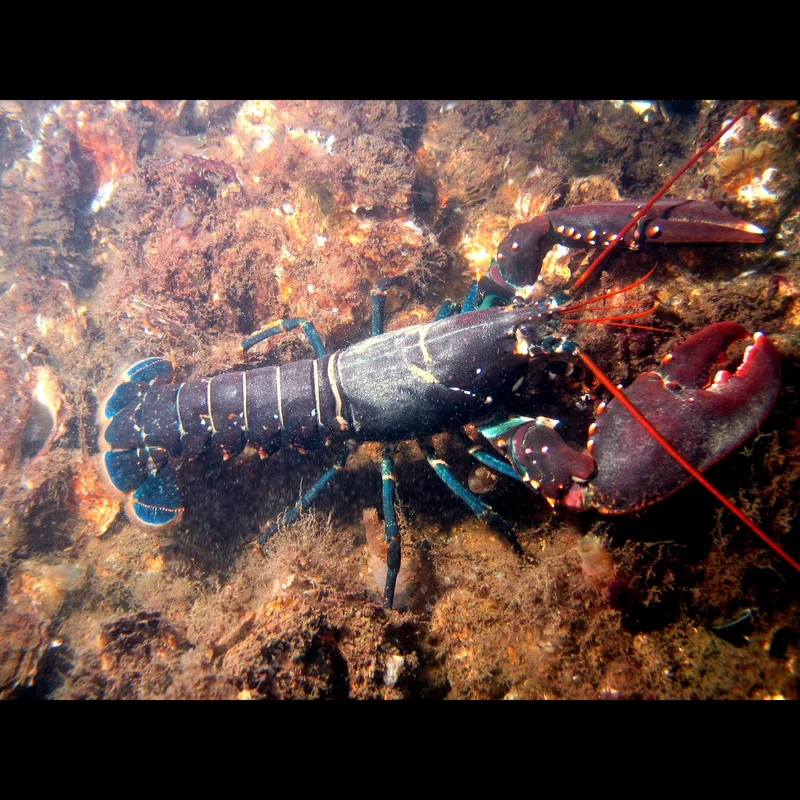
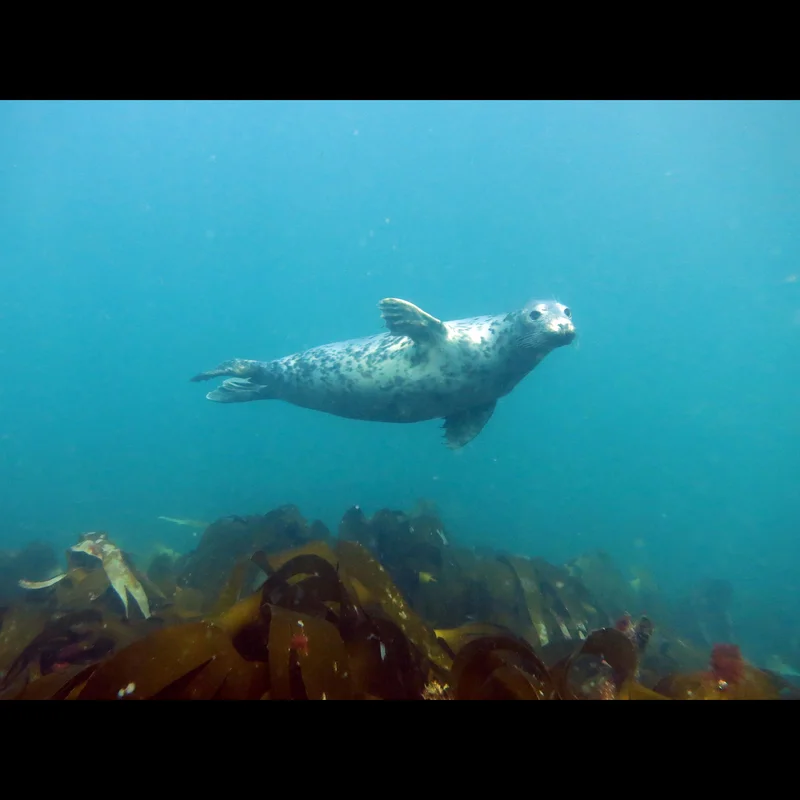
Mussels and sea snails often cling to the rocks, while cod, salmon, and sea trout can be seen navigating the deeper rocky crevices. Keep an eye out for larger lobsters hidden among the boulders, and occasional seals that might make a curious appearance, alongside numerous small fish species.

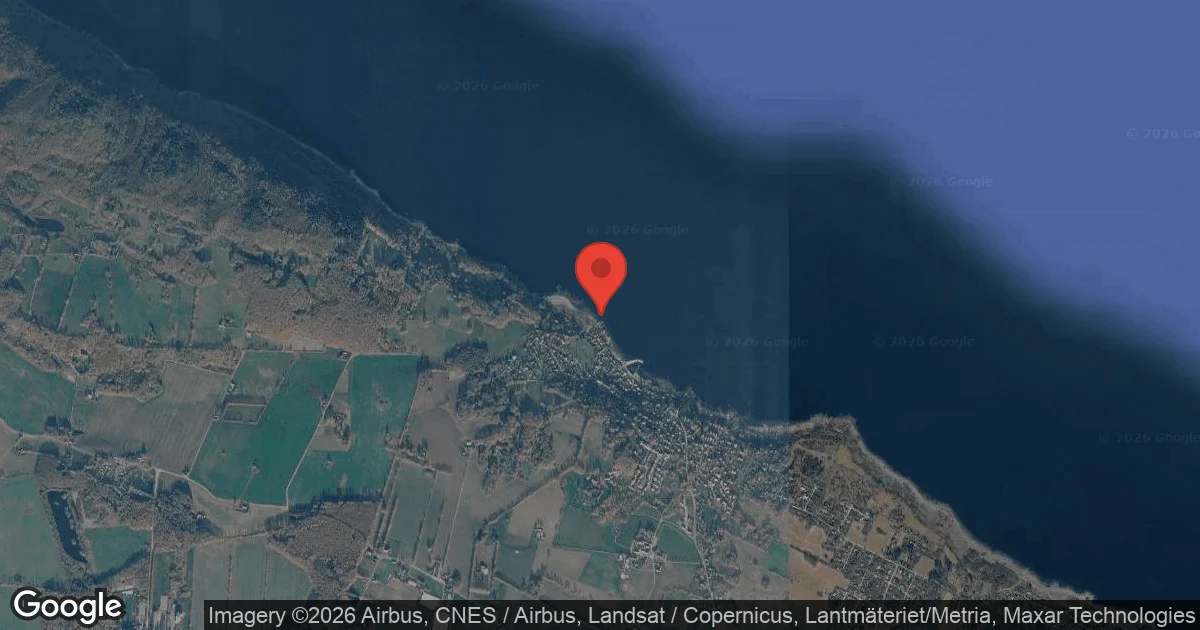
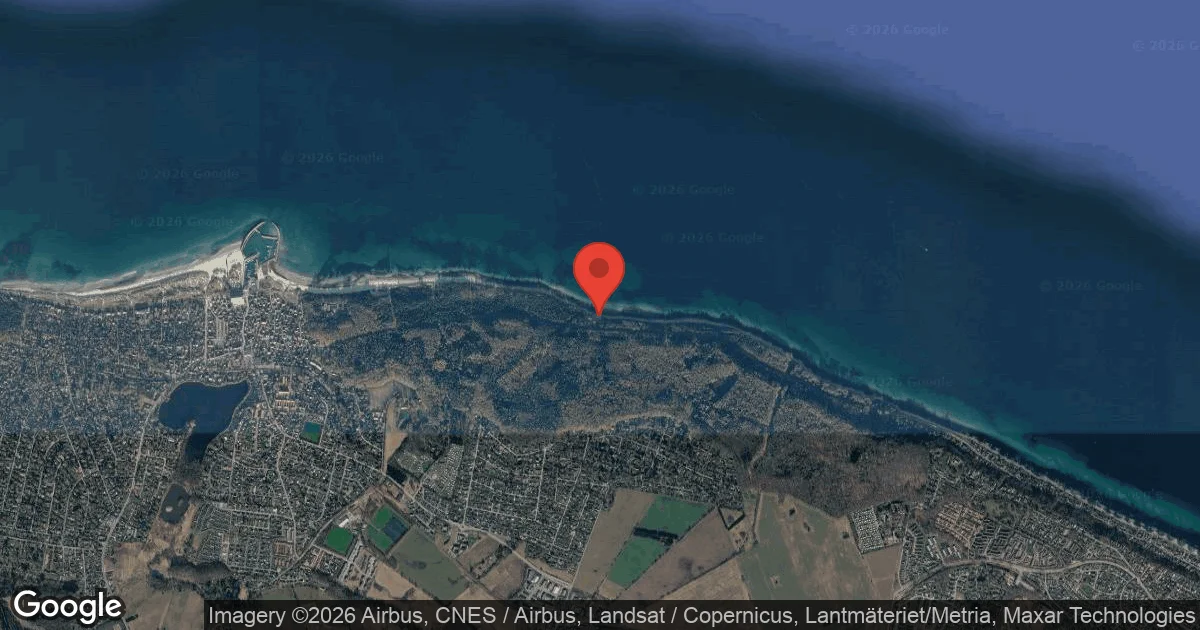
Dive Sites Near Ransvik, Kullaberg
View all dive sites in SwedenDiscover more underwater gems in this area.
Dive Centers Near Ransvik, Kullaberg
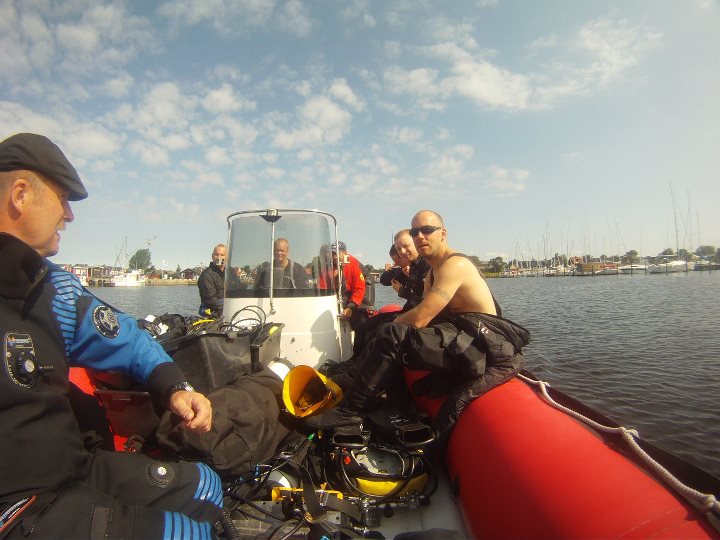
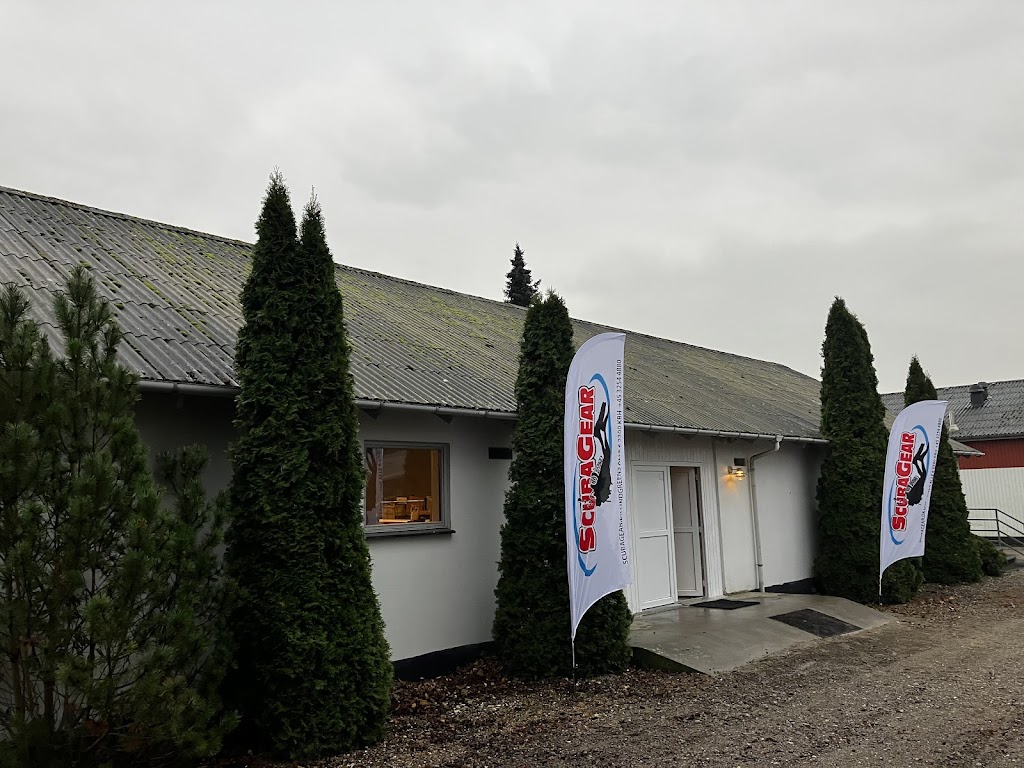
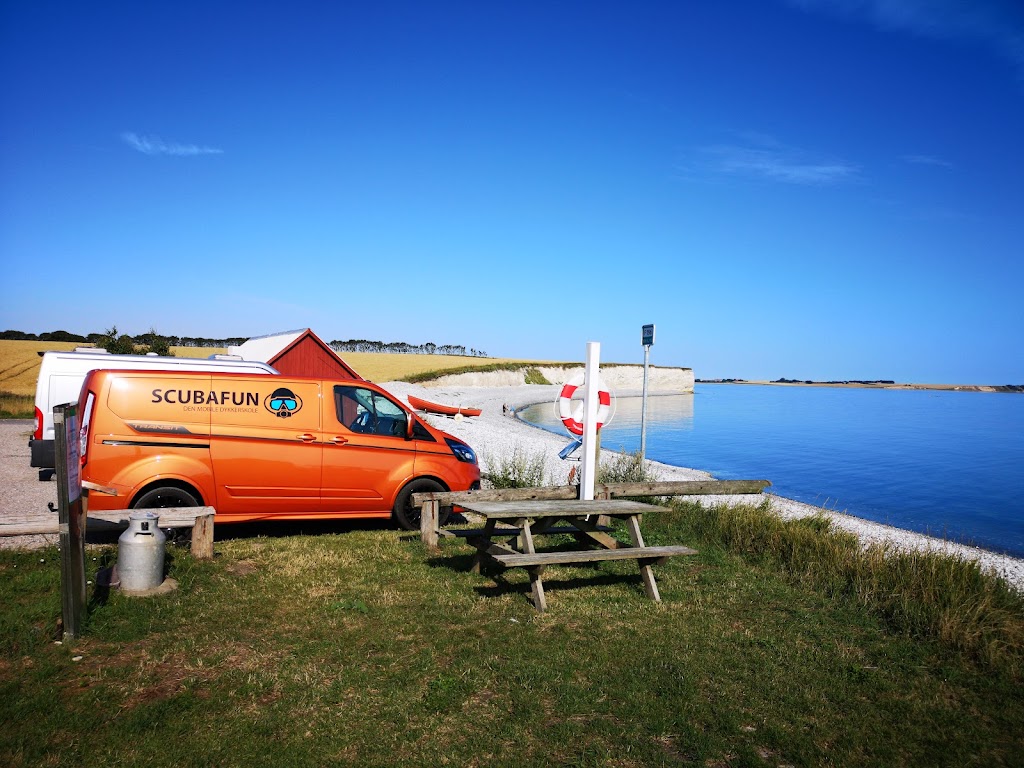
Today: Open 24 hours
Nearest Airports
Nearest airports to help plan travel to this dive area.
Search Flights
Check available flights and routes on Expedia, using the nearby airports listed in this section.
Search Flights on ExpediaFrequently Asked Questions
What is the typical maximum depth at Ransvik?
The bottom at Ransvik gradually slopes to approximately 13 meters, where it transitions to sand. While deeper areas beyond 14 meters can be reached, they require a significant swim offshore.
Is Ransvik suitable for beginner divers?
Yes, Ransvik is considered an easy dive site. Its accessible pebble beach entry and gradual depth make it suitable for divers with various experience levels, including those new to shore diving.
What kind of marine life can I expect to see?
Ransvik hosts classic west coast species. Expect to find eels, gilts, different jellyfish, mussels, sea snails, cod, salmon, sea trout, and sometimes even large lobsters and seals around the boulders.
What are the entry and exit conditions like?
Entry and exit at Ransvik are described as easy, directly from a pebble beach. The shoreline is uneven, so wearing booties is a good idea for comfort and protection.
Are there any strong currents at Ransvik?
Specific current data for Ransvik is not consistently reported. However, divers should always monitor local weather and sea state, as coastal currents can vary depending on conditions.
What is the best time of year to dive at Ransvik?
Spring and autumn, along with early summer, generally offer the best diving conditions. Months like March, April, May, June, September, and November typically have more moderate air temperatures and lower rainfall, resulting in better dive scores.
Is it possible to rent equipment at Ransvik?
The dive site itself does not have on-site equipment rental. Divers should plan to bring their own gear or arrange rentals through nearby dive centers, such as those listed in Helsingborg or Limhamn.
Planning to dive Ransvik, Kullaberg?
Send one inquiry and receive offers directly from the best verified local dive operators.
Conditions are Good
Optimal conditions expected
Current conditions near Ransvik, Kullaberg show 16° air, 16° sea temperature, 1.2 m waves, and 40 km/h wind. Forecast data is refreshed regularly to ensure accuracy.