
Diving at Bawe Reef (Tanzania)
Beneath Bawe Island's waters lies a rich maritime history, predating the turn of the 20th century. Bawe Reef, serving as a crucial anchoring point, hosted the first telegraph cables linking Zanzibar to distant lands in 1870. A significant historical wreck, the Great Northern, rests nearby, offering divers a tangible connection to the past in this vibrant Tanzanian site.
As evening covers Bawe Reef, the local air temperature is measured at 26.5°C. The current wave height at the surface is recorded at 0.6 m. These late-day readings characterize the surface conditions for the night.
Dive Site Location & Key Facts
Dive Site Overview
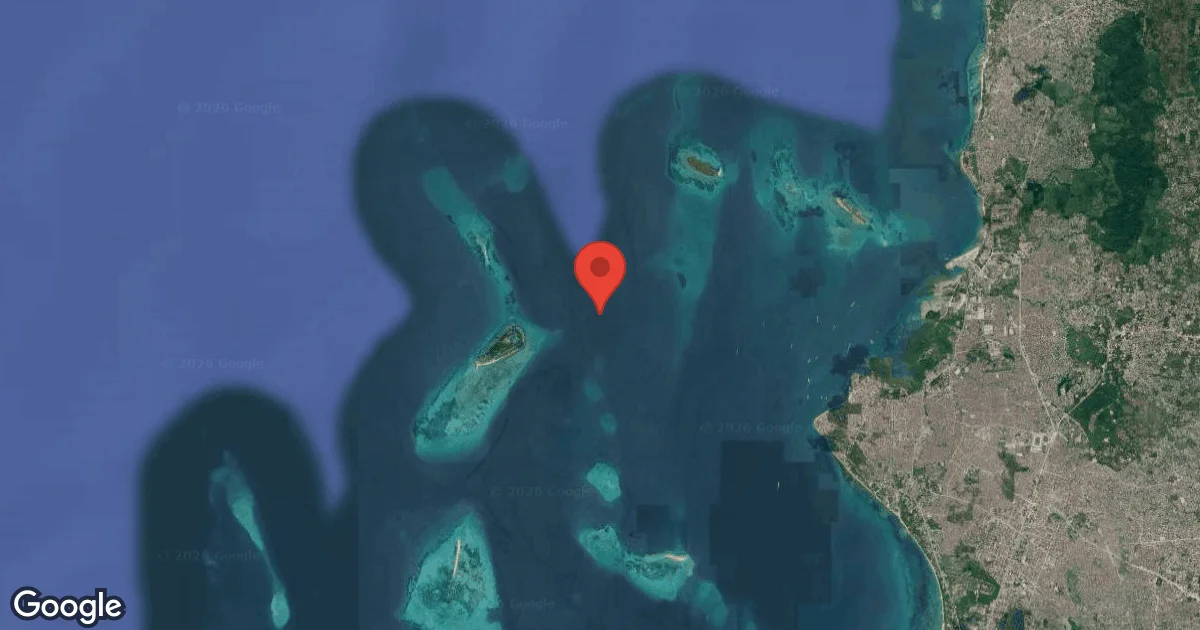
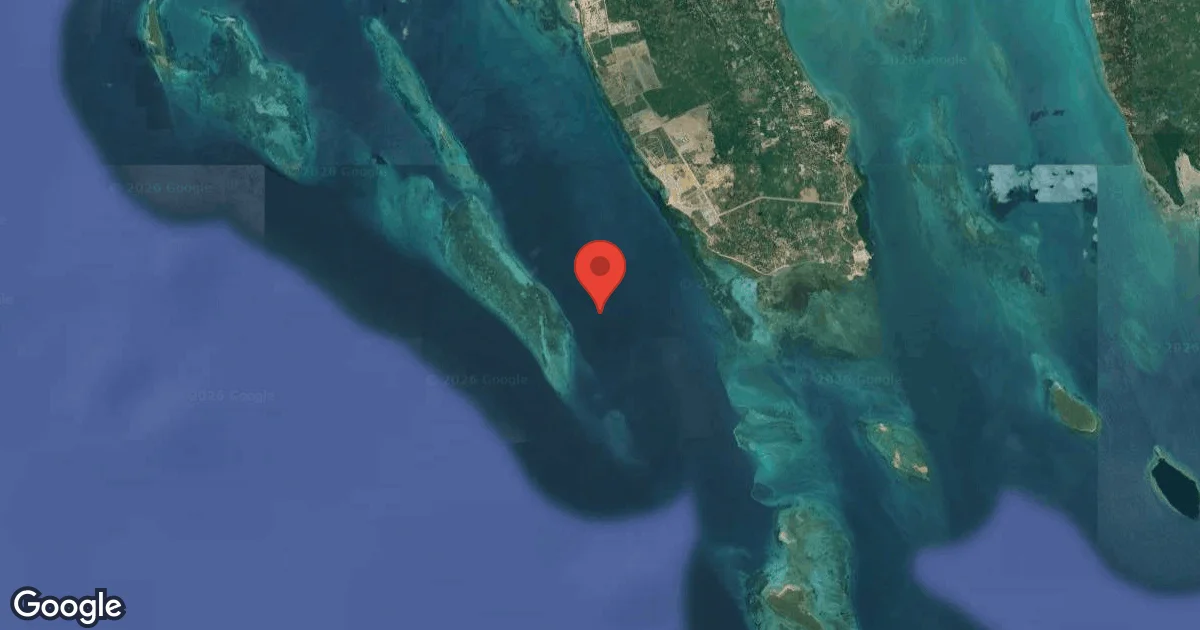
Exploring Bawe Reef, just off Stone Town, reveals a diverse underwater landscape with multiple distinct dive sites. Bawe Island's northern side presents a continuous coral wall, rich with marine life.
For those new to diving or who prefer shallower waters, the island's south side features a long, gentle reef. Coral Garden, another site, provides a coral drop-off descending to around 15 m (50 ft) before transitioning to a sandy plateau, suitable for beginner training.
Divers seeking deeper exploration can visit sites like Small Wall, starting near the surface and extending to 50 m (165 ft), featuring a second drop-off at approximately 30 m (100 ft) adorned with corals and gorgonians. This range of depths and structures accommodates all skill levels, from open water divers to those pursuing technical exploration.
Bawe Island's historical role as a telegraph cable hub further enhances dive context, adding a layer of intrigue to the natural beauty.
Conditions are Moderate
Optimal conditions expected
Current conditions near Bawe Reef show 27° air, 27° sea temperature, 0.9 m waves, and 40 km/h wind. Forecast data is refreshed regularly to ensure accuracy.
Best Time to Dive
For an optimal dive experience at Bawe Reef, divers typically find conditions most favorable from July through March, characterized by minimal rainfall. Air temperatures during these months remain comfortably warm, averaging 25°C (77°F) in July and peaking at 29°C (84°F) in February. While April to June experiences increased rainfall, many months like February, March, November, and December show excellent dive scores due to calm seas and clear visibility. Water temperatures consistently stay warm, generally ranging between 24-29°C (75-84°F) year-round. Divers seeking the warmest water should consider visiting between December and March. Furthermore, the period from September to November is often reported to offer the best underwater visibility, enhancing the overall dive experience.
PEAK SEASON SCORE
Scores combine air & water temps, waves, wind & rainfall for overall conditions.
BEST MONTHS TO DIVE
Monthly records compiled from satellite and marine observation nodes over the last 3 years. Data provided by Open-Meteo and MET Norway.
Dive Experience & Conditions
Beginning a dive at Bawe Reef often involves a gentle descent onto shallow reefs or along the edge of a coral wall, depending on the chosen site. Around the island's northern section, divers encounter continuous coral walls, while the southern side features shallower, sloping reefs ideal for relaxed exploration. Deeper sections, such as the Small Wall, descend to a maximum depth of 50 m (165 ft), revealing intricate coral formations and gorgonians on a second drop-off around 30 m (100 ft). Visibility here commonly varies between 30 and 40 m (98 and 131 ft), providing expansive views of the underwater environment. While the west side of Bawe generally remains protected, some areas may experience currents, presenting opportunities for drift dives. These currents vary based on local conditions and tides.
Dive Difficulty & Safety Guidelines
Approaching Bawe Reef requires divers to consider certification levels and prevailing conditions. Southern reef areas are well-suited for snorkelers and beginner divers, offering calm and shallow environments. Sites with coral drop-offs also prove appropriate for training and less experienced divers.
However, some areas, like Small Wall with depths extending to 50 m (165 ft), cater to a full spectrum of divers, including those with advanced and technical ratings. While many sites are protected, particularly on the island's west side, localized currents can occur.
Divers should always consult with their local dive operator regarding current strength and planned dive profiles to ensure a safe and enjoyable experience.
Recommended Equipment
- Dive Computer
- DSMB
This gear list is based on verified equipment signals for Bawe Reef, Tanzania. Always confirm final gear choices with your dive operator, guide, or liveaboard.
Recommended Dive Suit
In conditions like these, many divers prefer diving with 2-3mm shorty or light wetsuit. Consider warmer surface protection (like a boat coat) due to brisk winds.
Divers entering the water at Bawe Reef today can expect temperatures near 27°C (80°F) beneath the surface. Surface air temperatures are resting at 27°C (80°F).
Environmental conditions appear stable for the near future.
Due to technical issues with our weather providers, live updates are temporarily delayed. The data above reflects the conditions at the time of the last successful fetch.
Emergency & Medical Support
Essential information to help you plan your dive trip to Bawe Reef.

Hyperbaric chambers are a critical part of dive safety infrastructure. Availability varies significantly by region, and not all dive areas have immediate access.
Before diving, it's recommended to:
- confirm nearest medical facilities
- check emergency procedures with local dive operators
- ensure dive insurance covers evacuation if required
Divers Alert Network
Diving emergency assistance available through DAN Southern Africa.
+27828106010- 24/7 emergency hotline
- Diving medical assistance
- Evacuation coordination
Emergency contacts are provided for reference. Always verify local emergency services before diving.
Marine Life at Bawe Reef
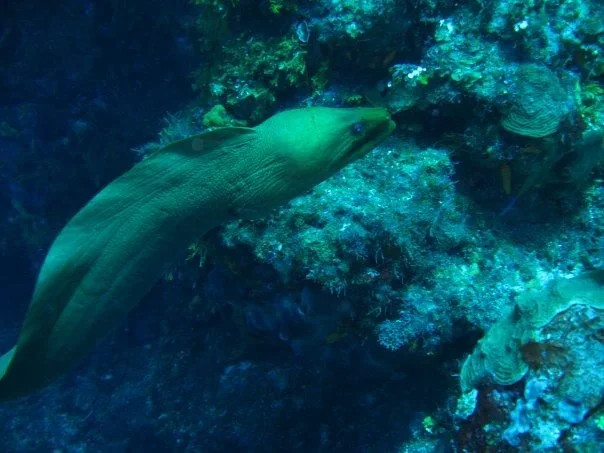
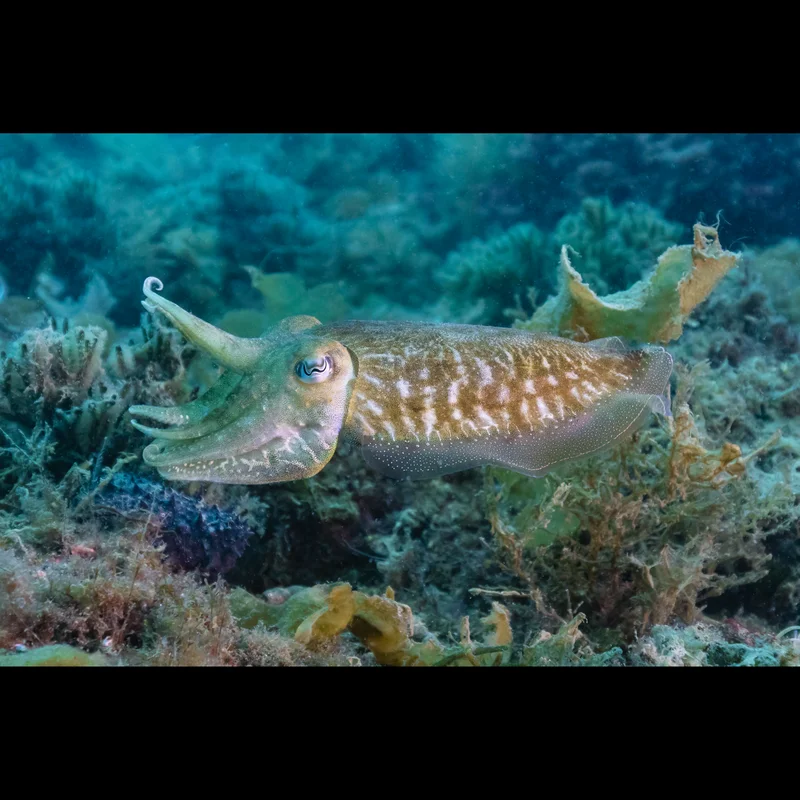
Bawe Reef's diverse underwater landscape supports a vibrant community of marine life. Divers frequently observe cuttlefish, moray eels, and seahorses seeking refuge among numerous blue sponges.
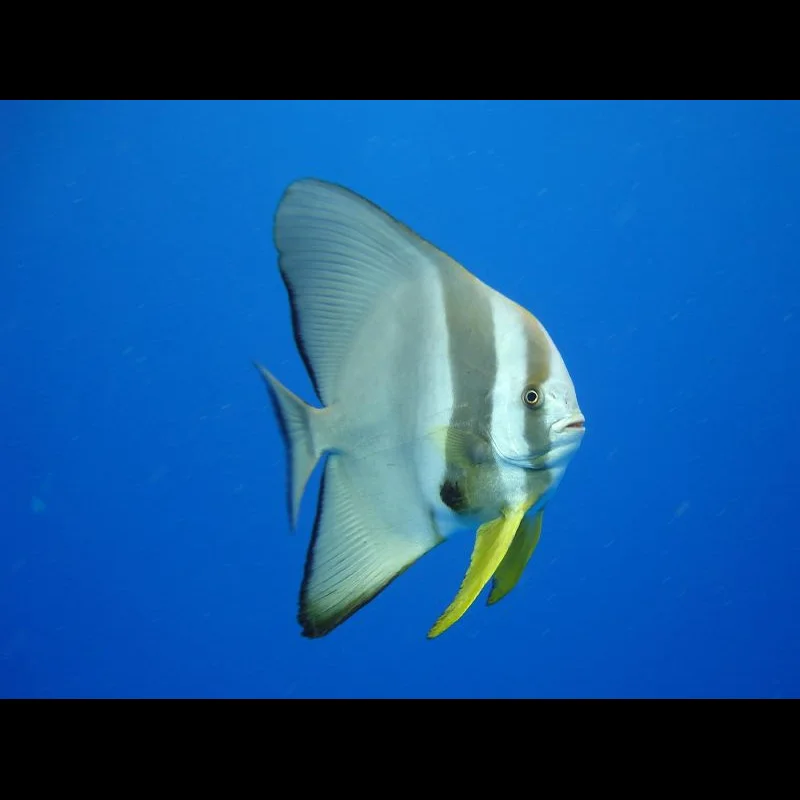
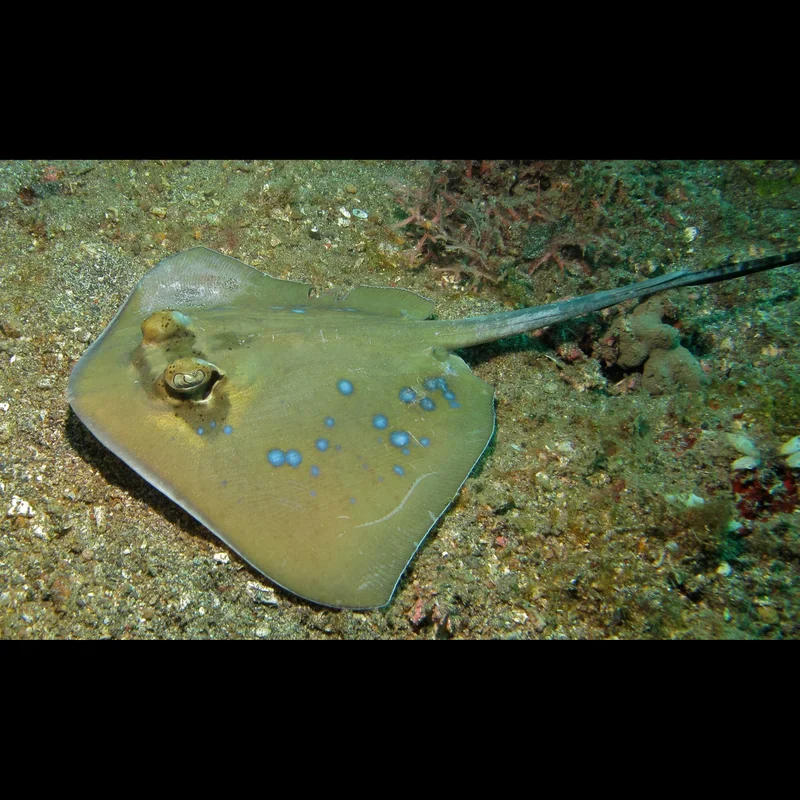
In open water, schools of rainbow runners and longfin batfish are often seen cruising. Sandy bottoms are home to blue spotted stingrays and torpedo rays.
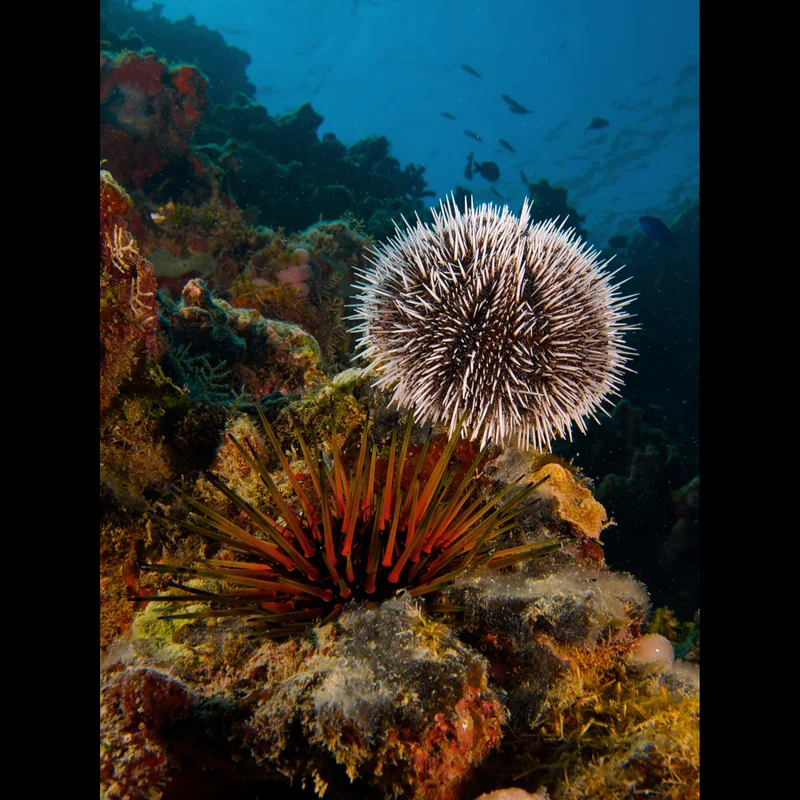
Hard corals of various shapes and colors form the foundation of these healthy reefs, creating an engaging habitat for a wide array of tropical fish, sea urchins, and starfish.
Dive Sites Near Bawe Reef
View all dive sites in TanzaniaDiscover more underwater gems in this area.
Dive Centers Near Bawe Reef
Today: 08:00 - 18:00
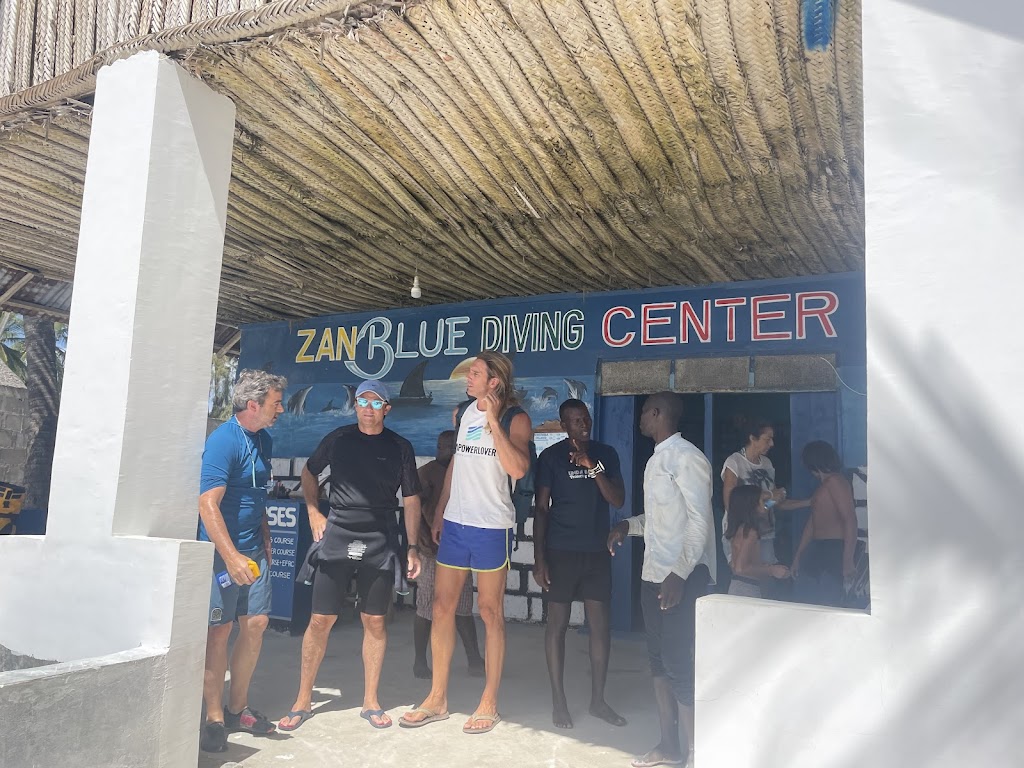
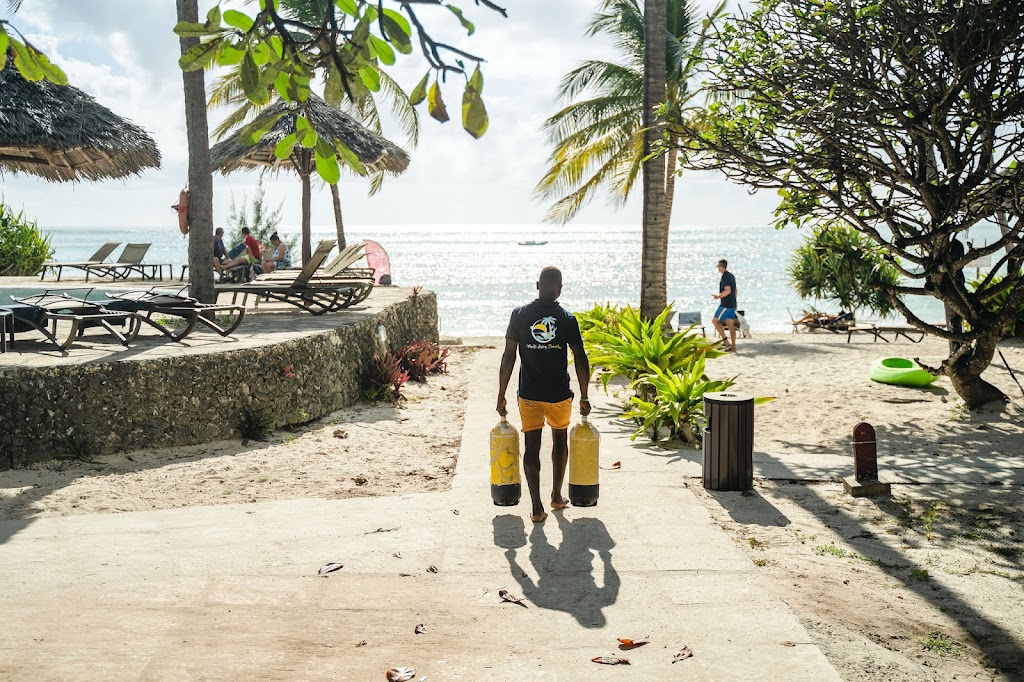

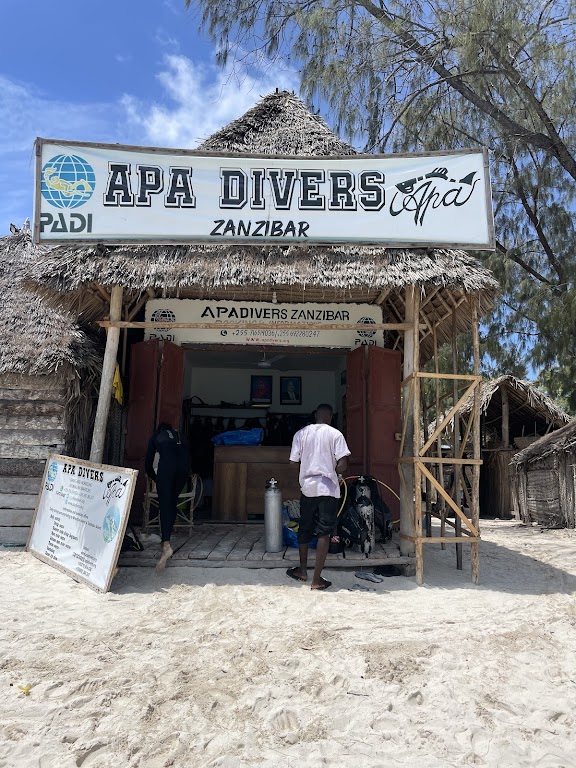
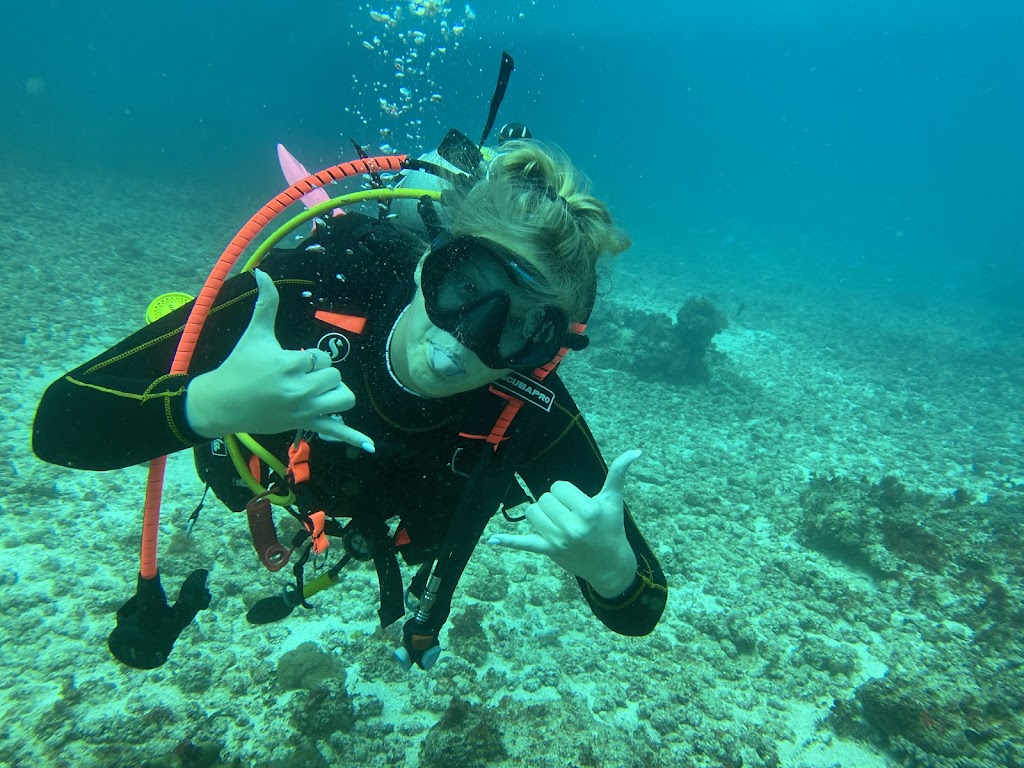
Nearest Airports
Nearest airports to help plan travel to this dive area.
Search Flights
Check available flights and routes on Expedia, using the nearby airports listed in this section.
Search Flights on ExpediaFrequently Asked Questions
Where is Bawe Reef located?
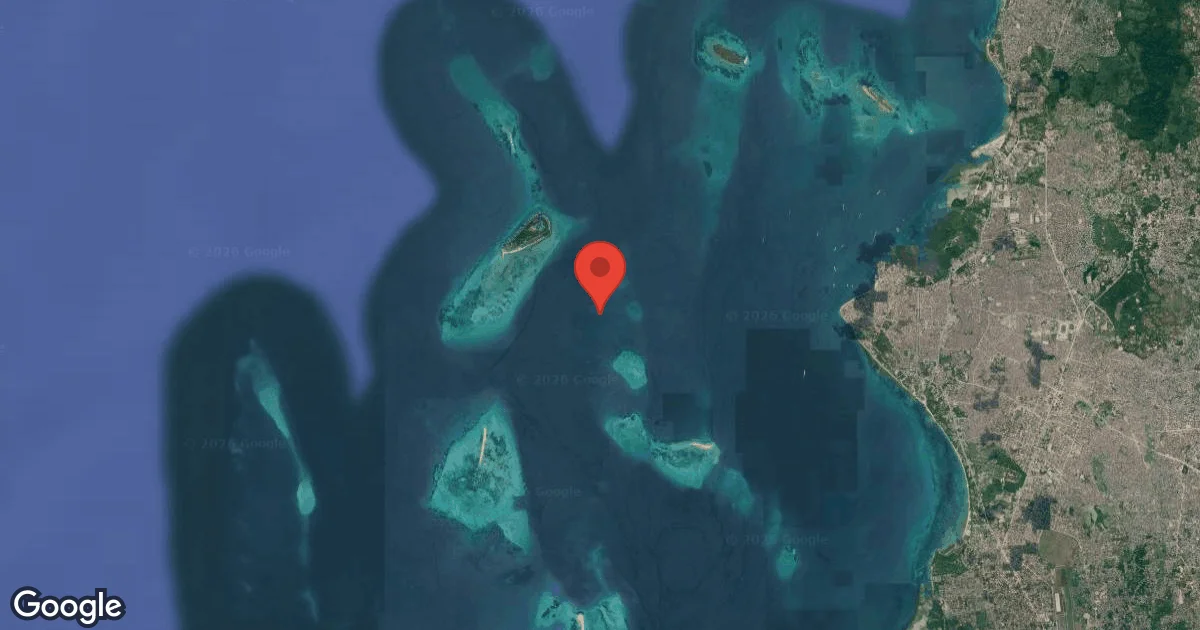
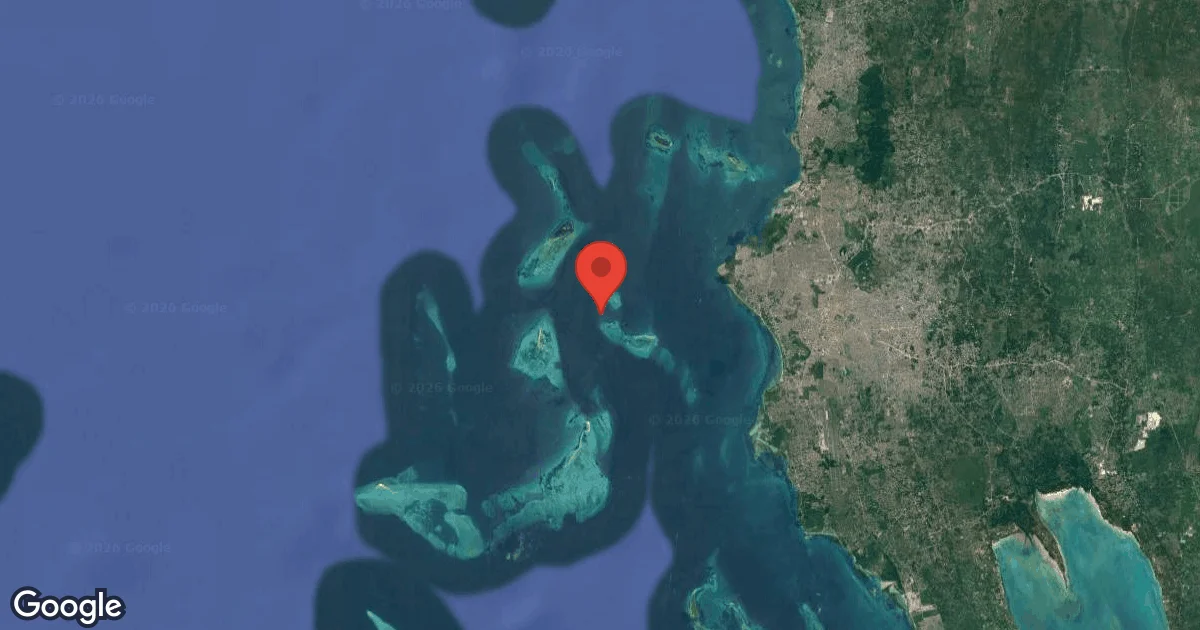
Bawe Reef is situated just off the coast of Stone Town, on Bawe Island, which is part of Zanzibar, Tanzania. It's a short boat ride from Stone Town, making it easily accessible for divers.
What types of dive sites are available at Bawe Reef?
Bawe Reef offers a variety of sites. Divers find continuous coral walls on the northern side, long shallow reefs on the southern, plus coral drop-offs leading to sandy plateaus and deeper walls reaching 50 m (165 ft).
Is Bawe Reef suitable for beginner divers?
Yes, Bawe Reef accommodates divers of all levels. Shallow reefs on the south side are ideal for beginners and snorkelers, while specific drop-off sites suit training. More advanced divers can explore deeper walls.
What kind of marine life can I expect to see?
Divers often encounter cuttlefish, moray eels, and seahorses in sponges. Rainbow runners, longfin batfish, blue spotted stingrays, and torpedo rays are commonly observed. Reefs here are rich with diverse hard corals, tropical fish, sea urchins, and starfish.
What are the typical water temperatures at Bawe Reef?
Water temperatures at Bawe Reef are consistently warm, generally ranging from 24-29°C (75-84°F) throughout the year. These conditions allow for comfortable diving with light exposure protection.
Are there currents at Bawe Reef?
While the west side of Bawe Island is generally protected, some sites can experience currents, offering opportunities for drift dives. It's advisable to check with local dive operators for daily current conditions.
What is the visibility generally like?
Visibility at Bawe Reef typically ranges from 30 to 40 m (98 to 131 ft), especially during favorable conditions. September to November often yield the best underwater visibility.
Is there a wreck dive at Bawe Reef?
Yes, the Great Northern, a British cable-laying ship built in 1870 and sunk in 1902, rests in the sand near Bawe Island. This wreck, found between 4 and 12 m (13 and 40 ft) deep, serves as an artificial reef.
Planning to dive Bawe Reef?
Send one inquiry and receive offers directly from the best verified local dive operators.
Conditions are Moderate
Optimal conditions expected
Current conditions near Bawe Reef show 27° air, 27° sea temperature, 0.9 m waves, and 40 km/h wind. Forecast data is refreshed regularly to ensure accuracy.