
Diving at Ukumbe Reef (Tanzania)
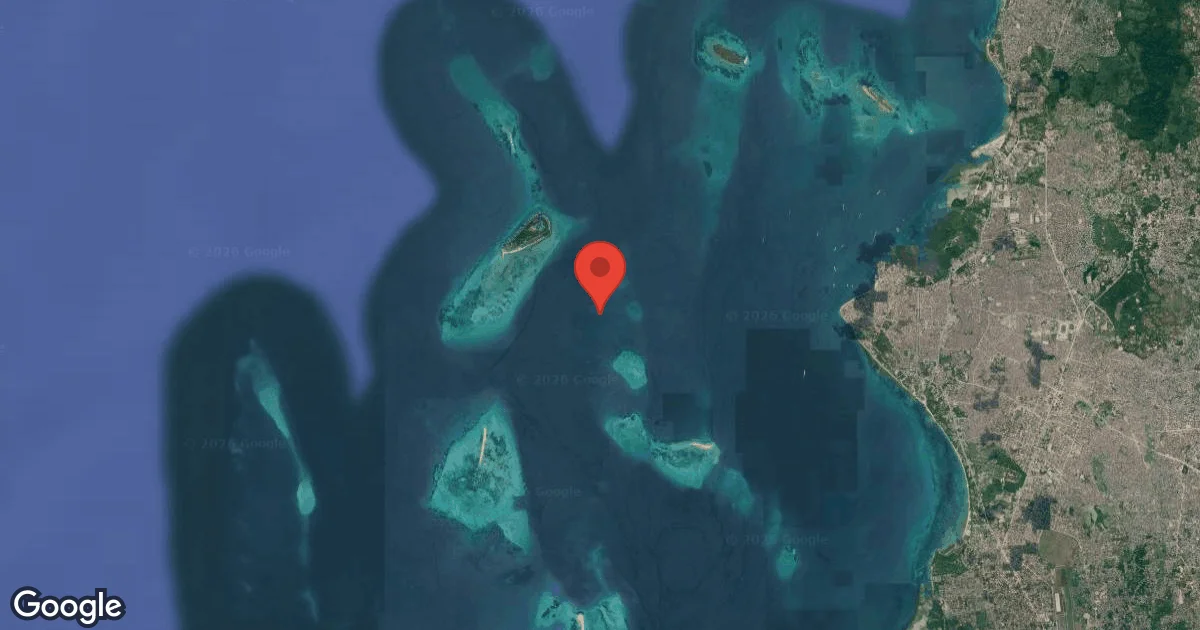
Divers arriving at Ukumbe reef after a boat journey are immediately struck by the water's clarity. Clear conditions allow excellent initial views of the thriving underwater ecosystem. Off the coast of Zanzibar, it presents an abundant, healthy reef system stretching approximately 8 km along the Indian Ocean. A site promising an engaging immersion into a vibrant marine habitat awaits.
As evening covers Ukumbe Reef, the local air temperature is measured at 25°C. The current wave height at the surface is recorded at 0.8 m. These late-day readings characterize the surface conditions for the night.
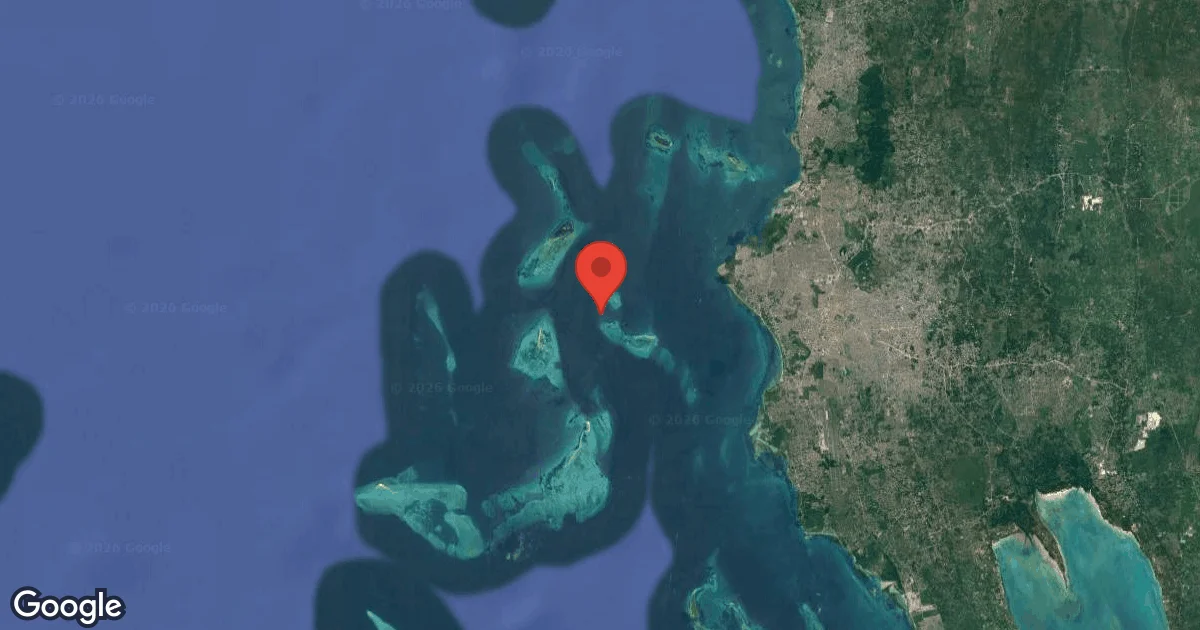
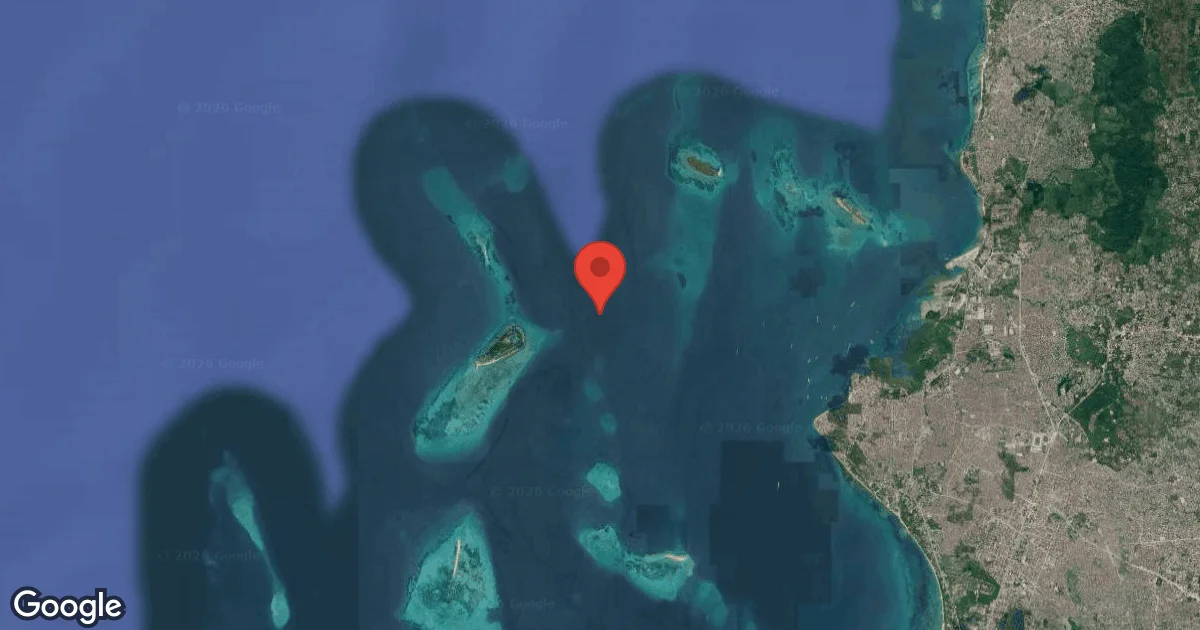
Dive Site Location & Key Facts
Dive Site Overview
Ukumbe reef's robust health stems from a regional commitment to marine conservation, a narrative echoing across Zanzibar's waters. While dedicated sanctuaries near Chumbe Island prohibit scuba diving for ecosystem preservation, Ukumbe flourishes as an actively dived site, a living testament to effective environmental stewardship.
This particular reef, often considered the house reef for Fumba Beach Lodge, spans approximately 8 km (5 miles) along the Indian Ocean coastline. Its remarkable abundance of life and structural integrity reflect decades of local community engagement and sustainable tourism practices. Divers encounter dynamic reef architecture, with a main reef extending to a bottom depth typically between 15 and 18 m (50-60 ft).
Significantly, the reef's top ascends sharply, often reaching within 3 to 5 m of the surface. Such vertical relief fosters diverse micro-environments, from deeper zones attracting larger pelagic species to sun-drenched shallow sections teeming with colorful reef fish.
Ukumbe's flourishing condition, especially against global reef challenges, underscores the importance of ongoing protection initiatives and adaptive management strategies in sustaining these vital marine habitats.
Conditions are Moderate
Optimal conditions expected
Current conditions near Ukumbe Reef show 25° air, 27° sea temperature, 1.0 m waves, and 36 km/h wind. Forecast data is refreshed regularly to ensure accuracy.
Best Time to Dive
Planning a dive at Ukumbe reef offers excellent conditions much of the year, providing consistent opportunities to experience its abundant marine life. Periods from January through March, and again from October through December, often present optimal conditions, with dive scores rated 'Good' to 'Excellent'. During these months, average air temperatures hover comfortably around 26-28°C (79-82°F), and rainfall is generally minimal, typically ranging from 1 to 7 mm. February consistently reports an 'Excellent' dive score. May to September, however, experiences increased wave heights, averaging between 0.7-0.8 meters, and stronger winds, potentially making boat trips choppier and visibility more variable. While still considered 'Good' for diving, May can dip to 'Moderate' due to these conditions. Divers seeking the calmest seas and clearest water should target periods outside these windier months to maximize enjoyment of Ukumbe's vibrant reef system.
PEAK SEASON SCORE
Scores combine air & water temps, waves, wind & rainfall for overall conditions.
BEST MONTHS TO DIVE
Monthly records compiled from satellite and marine observation nodes over the last 3 years. Data provided by Open-Meteo and MET Norway.
Dive Experience & Conditions
Conditions at Ukumbe present clear, warm salt water, inviting divers into a thriving tropical ecosystem. Visibility here is often generous, allowing expansive views of the reef's varied topography. Boat access is exclusive, typically involving a 25 to 35-minute journey from shore; journeys sometimes offer glimpses of dolphins. Maximum depth extends to approximately 22 meters (72 feet), with the reef gently sloping, enabling extended bottom times on shallower sections which begin at just 3 to 5 meters. While specific water temperature data isn't consistently reported, tropical climate ensures a pleasant experience, generally in the 25-29°C (77-84°F) range. Expect mostly mild to moderate currents, though conditions vary. An impression of gentle exploration through a richly populated underwater landscape often prevails.
Dive Difficulty & Safety Guidelines
Ukumbe reef is generally approachable for certified divers, with PADI Open Water Diver certification being suitable for navigating its depths. Prudent dive planning always involves monitoring local weather and sea conditions, as surface chop and currents can fluctuate. Divers should maintain proper buoyancy control to protect the delicate coral structures and avoid accidental contact.
Maintaining a safe distance from marine life, especially larger species like sharks or rays, is important to minimize disturbance. While no specific hazards are reported, awareness of your surroundings and conservative dive profiles are always recommended for a safe and enjoyable experience.
Always dive with a buddy and ensure your equipment is well-maintained and appropriate for reef diving.
Recommended Equipment
- Dive Computer
- DSMB
This gear list is based on verified equipment signals for Ukumbe Reef, Tanzania. Always confirm final gear choices with your dive operator, guide, or liveaboard.
Recommended Dive Suit
A warming trend is expected over the next few days. A warming trend is expected over the next few days.
Two divers in the same water temperature may experience very different comfort levels.
Many divers find that 2-3mm shorty or light wetsuit offers the right level of insulation for conditions like these. A hood or vest is suggested for sensitive divers due to surface winds. The surrounding waters at Ukumbe Reef are currently registering temperatures of roughly 27°C (80°F). Surface air temperatures are resting at 25°C (77°F).
Emergency & Medical Support
Essential information to help you plan your dive trip to Ukumbe reef.

Hyperbaric chambers are a critical part of dive safety infrastructure. Availability varies significantly by region, and not all dive areas have immediate access.
Before diving, it's recommended to:
- confirm nearest medical facilities
- check emergency procedures with local dive operators
- ensure dive insurance covers evacuation if required
Divers Alert Network
Diving emergency assistance available through DAN Southern Africa.
+27828106010- 24/7 emergency hotline
- Diving medical assistance
- Evacuation coordination
Emergency contacts are provided for reference. Always verify local emergency services before diving.
Marine Life at Ukumbe Reef
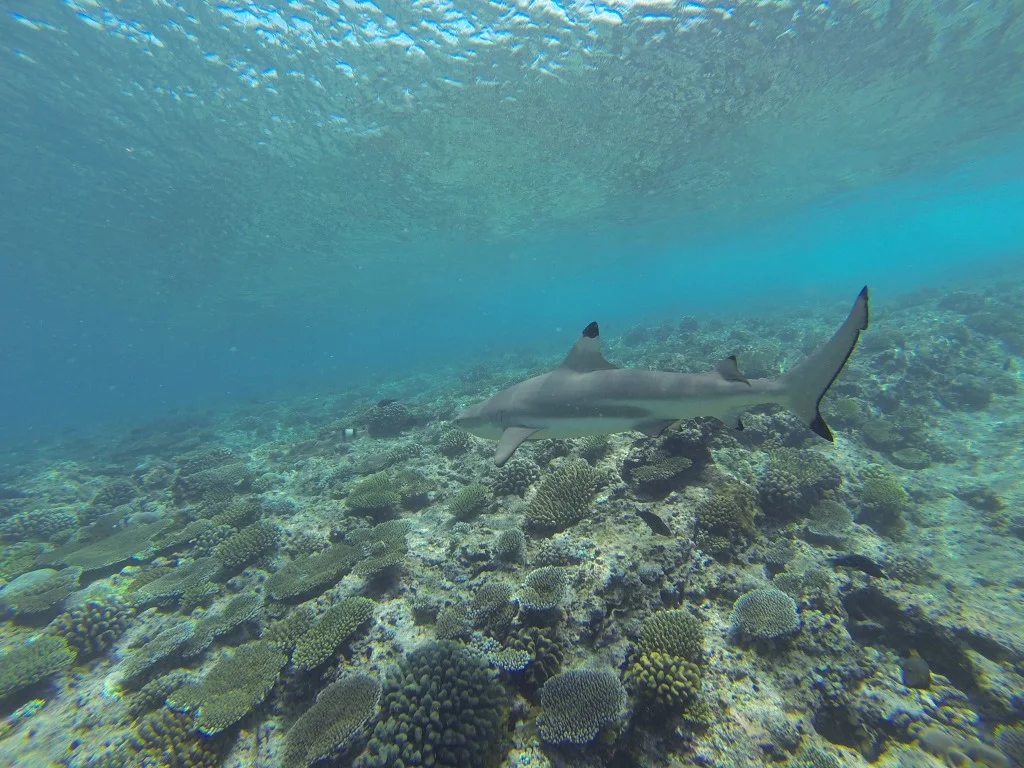
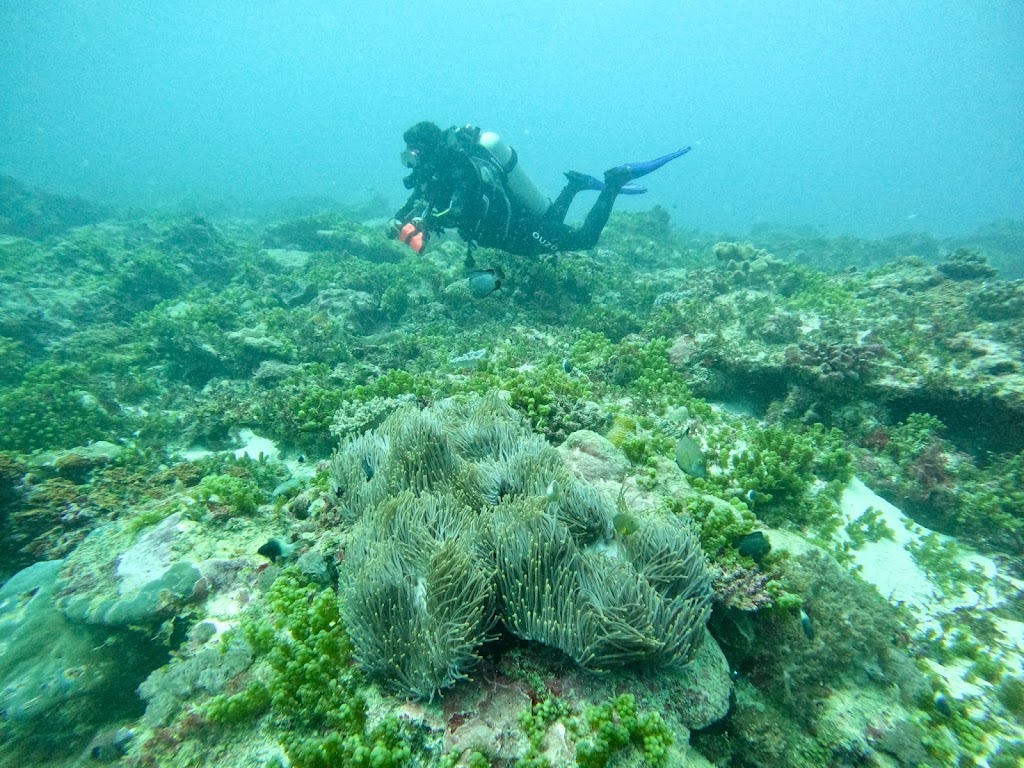
Ukumbe reef boasts a rich diversity of marine life, appealing to both macro enthusiasts and those seeking larger encounters. Divers might spot pelagic species such as various sharks, playful dolphins, and seasonal whales, alongside graceful turtles.
A colorful ecosystem supports numerous reef fish. Look closely for a particularly generous macro life, including many species of nudibranchs, leaf fish, and well-camouflaged frogfish.
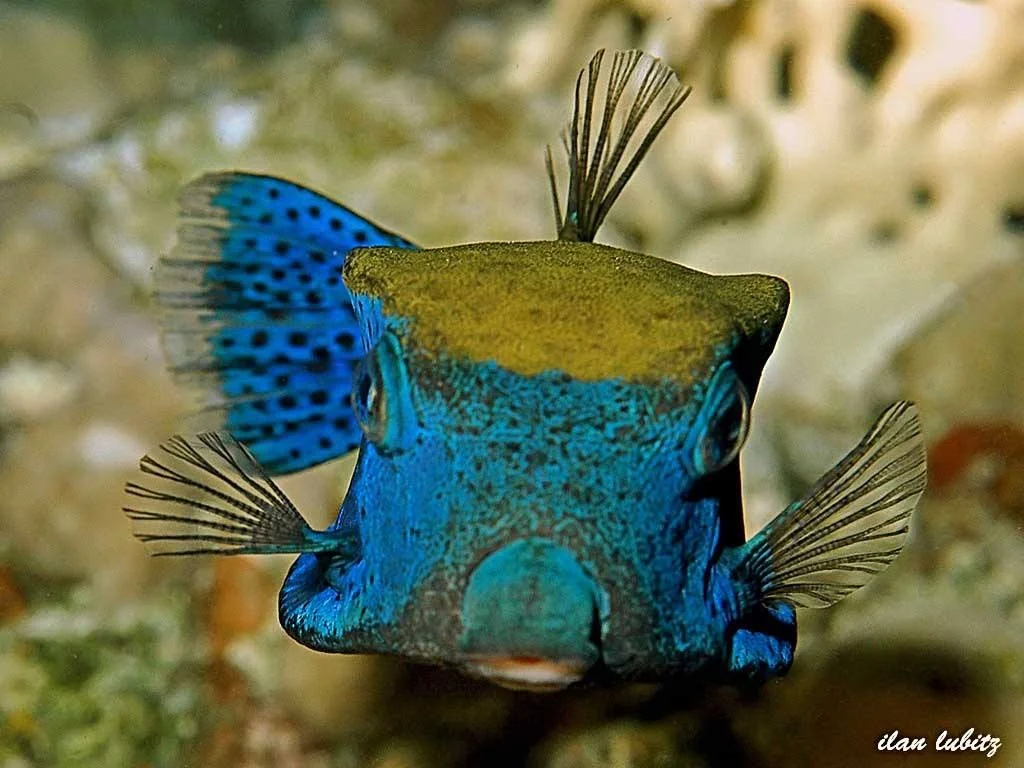
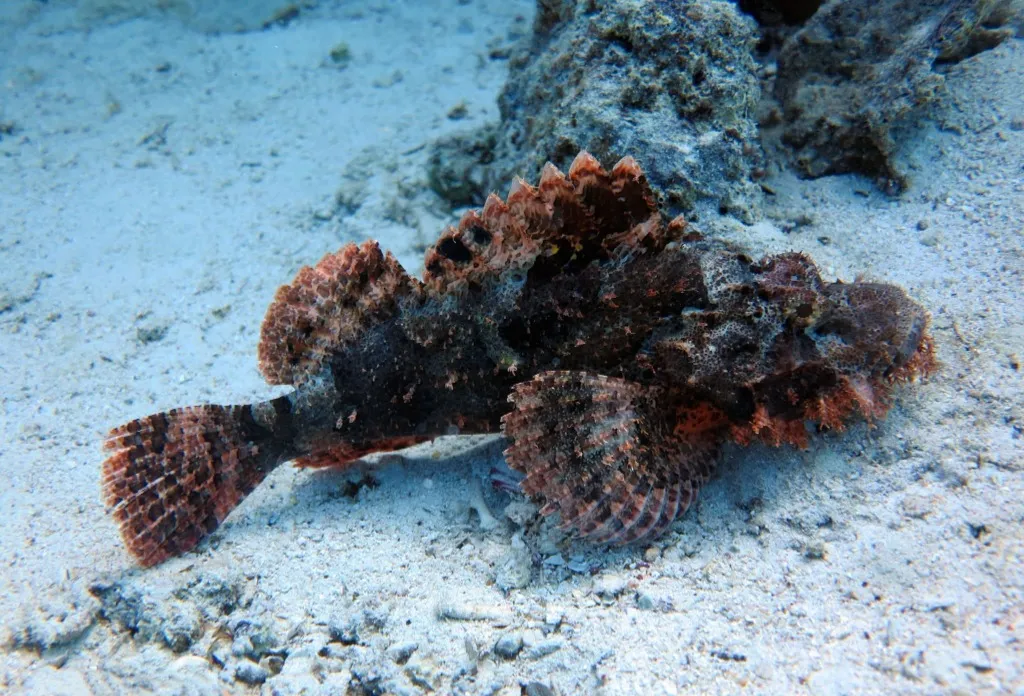
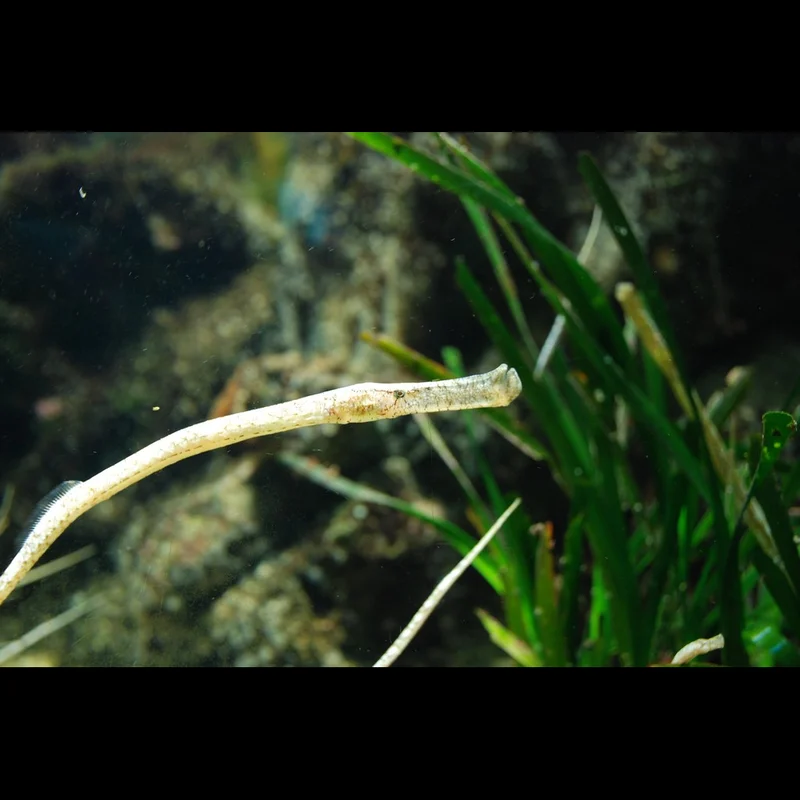
Commonly seen inhabitants also include several types of scorpionfish and lionfish, clownfish, cowfish, boxfish, and seahorses. Further observations often reveal pipefish, bannerfish, moorish idols, butterflyfish, and various wrasses and parrotfish.
Eel species like ribbon, eel catfish, and garden eels are present, while blue spotted rays, torpedo rays, and stingrays glide near the sandy patches. Invertebrates such as shrimps, crabs, and lobsters complete this vibrant underwater landscape.
Dive Sites Near Ukumbe Reef
View all dive sites in TanzaniaDiscover more underwater gems in this area.
Dive Centers Near Ukumbe Reef

Today: 08:00 - 18:00

Nearest Airports
Nearest airports to help plan travel to this dive area.
Search Flights
Check available flights and routes on Expedia, using the nearby airports listed in this section.
Search Flights on ExpediaFrequently Asked Questions
How far is Ukumbe reef from shore, and how long does it take to get there?
Access to Ukumbe reef is via boat, a trip typically lasting 25 to 35 minutes, depending on departure point and sea conditions. Journeys from the mainland or nearby lodges usually cover about 8 km (5 miles).
What is the maximum depth for diving at Ukumbe reef?
Ukumbe reef offers diving opportunities down to a maximum depth of approximately 22 meters (72 feet). Much of the vibrant reef life and coral formations begin in shallower waters, often around 3 to 5 meters (10-16 feet).
What types of marine life are commonly seen at Ukumbe reef?
Divers often encounter a rich variety of marine species, from pelagics like sharks, dolphins, and turtles, to a diverse range of reef fish. A notable highlight is its macro life, including nudibranchs, frogfish, seahorses, and various eels.
Is Ukumbe reef suitable for beginner divers?
Yes, Ukumbe reef is generally considered suitable for certified divers, with PADI Open Water Diver certification being appropriate. Its varied depths and typically mild conditions make it accessible, though local conditions should always be considered.
What are the best months to dive at Ukumbe reef for optimal conditions?
Optimal diving conditions, characterized by minimal rain and calmer seas, are typically experienced from January to March and again from October to December. February often reports excellent dive conditions.
How does Ukumbe reef compare to Chumbe Island, especially regarding diving?
Ukumbe reef is an active dive site, known for its healthy ecosystem. In contrast, nearby Chumbe Island is a protected marine park where scuba diving is not permitted, focusing instead on snorkeling to preserve its exceptionally pristine shallow reef.
What type of entry is used for diving at Ukumbe reef?
Dives at Ukumbe reef are all conducted via boat entry. Journeys typically involve a traditional Zanzibari Dhow boat or similar vessel, often providing opportunities to spot humpback or bottlenose dolphins en route.
What is the typical structure of Ukumbe reef?
Ukumbe reef presents a distinctive structure, with its bottom depth ranging from 15 to 18 meters (50-60 ft). A vibrant reef crest is significantly shallower, rising to within 3 to 5 meters of the surface, creating diverse habitats from deep to shallow.
Planning to dive Ukumbe Reef?
Send one inquiry and receive offers directly from the best verified local dive operators.
Conditions are Moderate
Optimal conditions expected
Current conditions near Ukumbe Reef show 25° air, 27° sea temperature, 1.0 m waves, and 36 km/h wind. Forecast data is refreshed regularly to ensure accuracy.