
Diving at Pinnacles (Tanzania)
Emerging from a sandy seabed, Pinnacles (Wattabomi) on Mnemba Island stands out as a vibrant underwater ecosystem. Attracting divers of all skill levels, from novices exploring shallower reef sections to advanced divers venturing into deeper coral formations, this site offers varied experiences. Its diverse landscape of coral pinnacles and structures draws a fascinating array of marine life.
Tonight's objective overview for Pinnacles shows an air temperature of 24.5°C. The measured surface conditions include wave heights around 0.5 m. This environmental data is logged for the close of the day.
Dive Site Location & Key Facts
Dive Site Overview
Wattabomi, commonly known as Pinnacles, unfurls a rich tapestry of marine environments off Zanzibar's main island's east coast. Dives commence around 7 m / 23 ft, gradually descending past 25 m / 82 ft, making it accessible for extensive exploration by all skill levels.
Divers encounter a sandy bottom punctuated by numerous coral pinnacles and intricate formations. These structures act as magnets, attracting a diverse array of both reef fish and their predators, including species like lionfish and various snapper. Dynamic site topography ensures varied encounters, shifting from smaller reef dwellers to larger, more elusive pelagics.
Water temperatures in the Zanzibar region generally range from 25-29°C / 78-85°F, contributing to a comfortable diving experience throughout the year. Visibility often proves exceptional, particularly during the dry season, significantly enhancing views of the vibrant coral and abundant inhabitants.
Encounters with larger species such as barracuda or even rays are not uncommon, adding an element of unpredictability to each immersion.
Conditions are Good
Optimal conditions expected
Current conditions near Pinnacles show 24° air, 26° sea temperature, 0.8 m waves, and 36 km/h wind. Forecast data is refreshed regularly to ensure accuracy.
Best Time to Dive
Optimal dive planning for Pinnacles hinges on understanding its seasonal patterns. February, March, November, and December frequently present excellent dive conditions, marked by low rainfall and favorable wind speeds. Air temperatures during these prime months consistently hover around 27-29°C / 81-84°F, ensuring comfortable surface intervals. While the site remains accessible year-round, the dry season, especially from June to October, often provides superior underwater visibility. Even during months with 'good' dive scores (January, April-October), rain averages typically stay low, usually below 6 mm, with the exception of April's higher average of 14 mm. Such consistency enables enjoyable diving nearly any time of year, as less rain minimizes runoff and improves clarity.
PEAK SEASON SCORE
Scores combine air & water temps, waves, wind & rainfall for overall conditions.
BEST MONTHS TO DIVE
Monthly records compiled from satellite and marine observation nodes over the last 3 years. Data provided by Open-Meteo and MET Norway.
Dive Experience & Conditions
Diving Pinnacles offers a dynamic underwater journey, with its profile beginning gently in shallower zones before gradually sloping towards more profound sections. This site is defined by a sprawling sandy seabed, from which numerous coral pinnacles and intricate reef structures dramatically ascend. While often presenting calm conditions, divers should be aware that currents can become noticeably stronger, varying with local tides and prevailing weather patterns; planning for potential drift, particularly when exploring the deeper reaches, is a prudent approach. Visibility here is a significant draw, frequently proving excellent, especially throughout the drier seasons. These periods reliably deliver exceptionally clear views of the vibrant, diverse marine habitats and the dramatic, topographical relief of the underwater landscape, allowing for immersive exploration of its many nooks and crannies.
Dive Difficulty & Safety Guidelines
Approaching Pinnacles with a clear understanding of its conditions ensures a safer and more enjoyable dive. While specific hazards are not consistently reported for this site, prudent diving practices are always essential. Divers should maintain awareness of their depth and air consumption, especially when exploring deeper sections or navigating around the coral formations.
Given that currents can vary based on external conditions, it's wise for divers to listen carefully to dive master briefings and be prepared for potential drift. Always practice responsible buoyancy control to protect the delicate coral structures and marine life.
Confirming your skill level aligns with the day's conditions, particularly for deeper or current-prone areas, contributes to a secure experience.
Recommended Equipment
- Dive Computer
- DSMB
This gear list is based on verified equipment signals for Pinnacles, Tanzania. Always confirm final gear choices with your dive operator, guide, or liveaboard.
Recommended Dive Suit
With water temperatures around 26°C (79°F), many divers find a 2-3mm shorty or light wetsuit provides comfortable protection.
Local dive briefings can provide the most accurate guidance.
The forecast outlook suggests that temperatures will stay close to current levels.
Emergency & Medical Support
Essential information to help you plan your dive trip to Pinnacles.

Hyperbaric chambers are a critical part of dive safety infrastructure. Availability varies significantly by region, and not all dive areas have immediate access.
Before diving, it's recommended to:
- confirm nearest medical facilities
- check emergency procedures with local dive operators
- ensure dive insurance covers evacuation if required
Divers Alert Network
Diving emergency assistance available through DAN Southern Africa.
+27828106010- 24/7 emergency hotline
- Diving medical assistance
- Evacuation coordination
Emergency contacts are provided for reference. Always verify local emergency services before diving.
Marine Life at Pinnacles
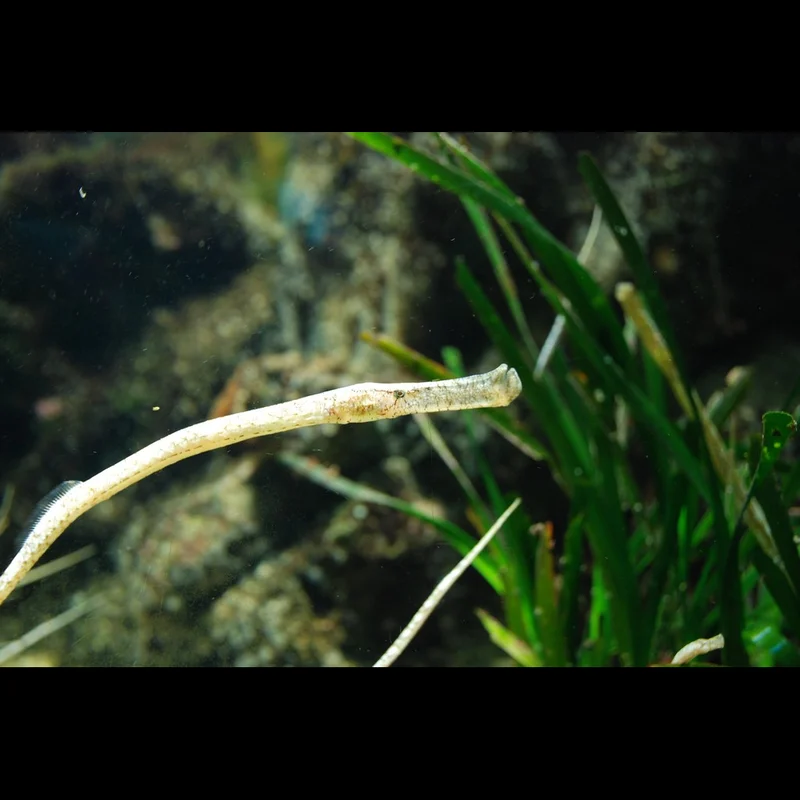
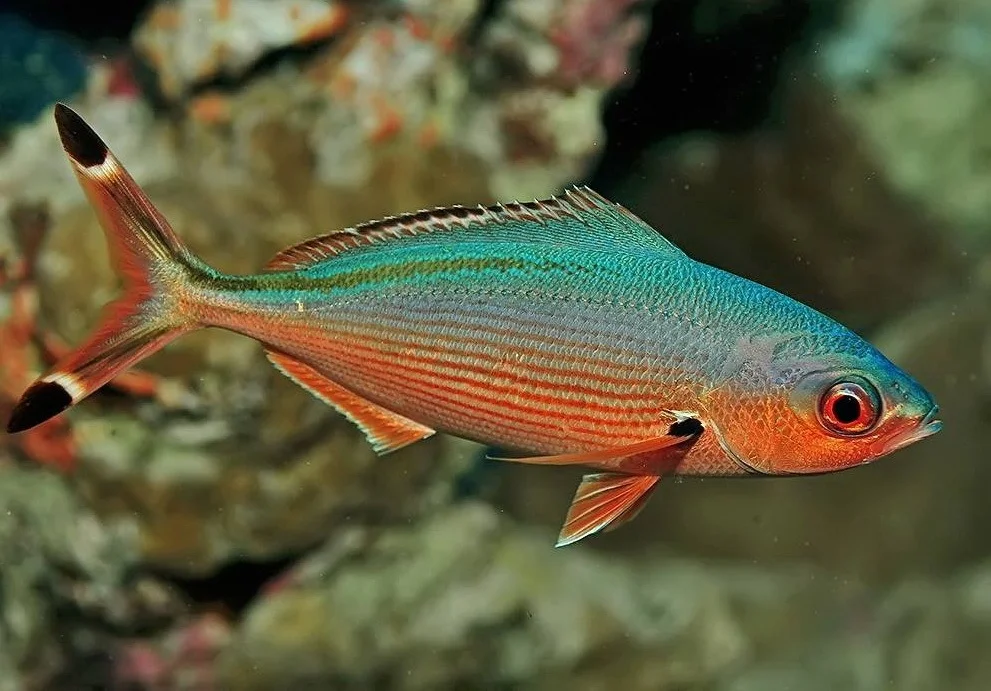
Intricate coral pinnacles and formations at this site foster a dynamic habitat, supporting a wide array of marine species. Divers can expect to encounter numerous reef fish, often accompanied by their natural predators.
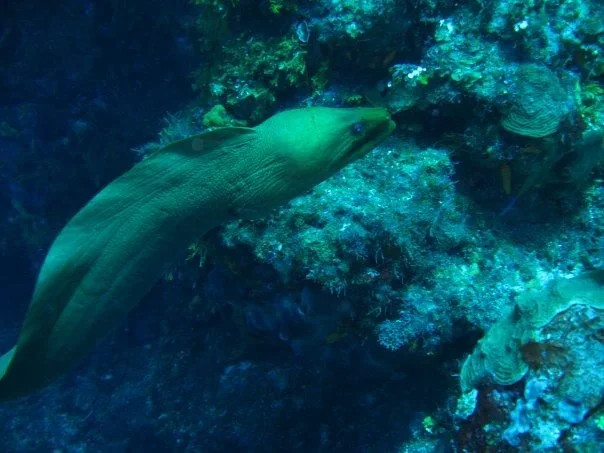
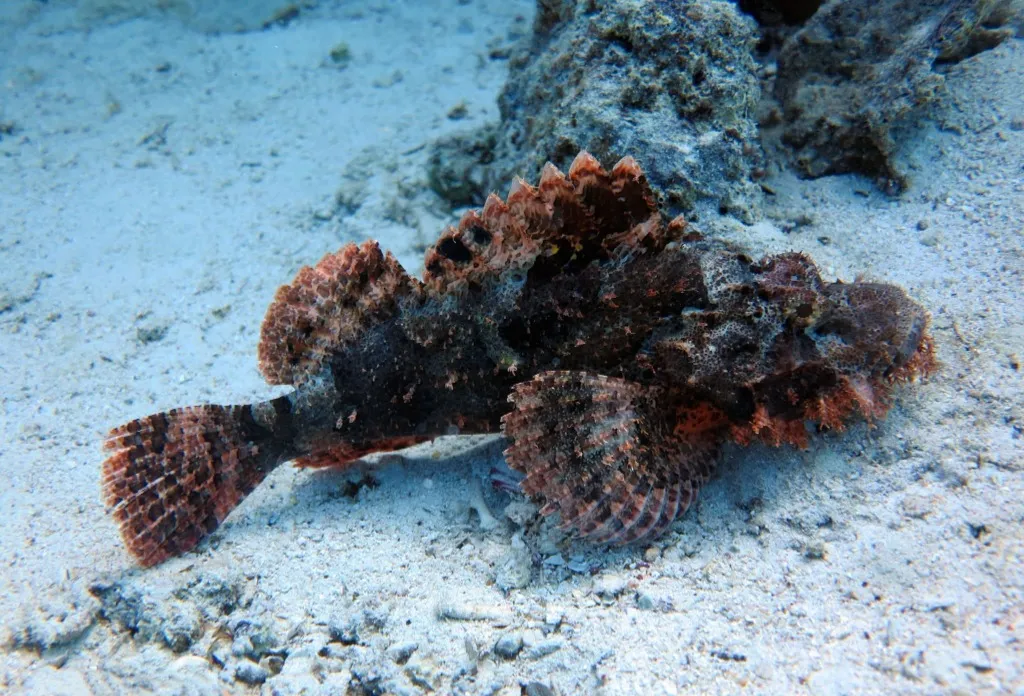
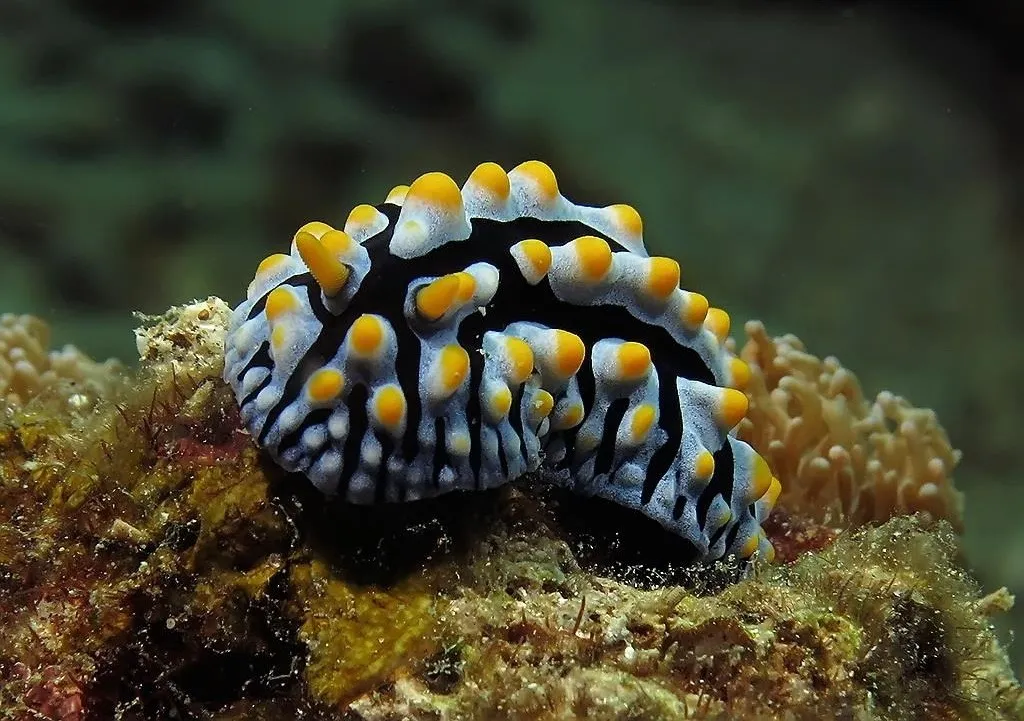
Keep an eye out for bottom-dwelling creatures like scorpionfish, giant toadfish, and red lionfish, which blend seamlessly into reef structures. Observing the rare dragon moray eel hiding within the coral is a special treat.
Between June and October, lucky divers may even spot bottlenose dolphins in surrounding waters, adding an extra layer of excitement to the dive.
Dive Sites Near Pinnacles
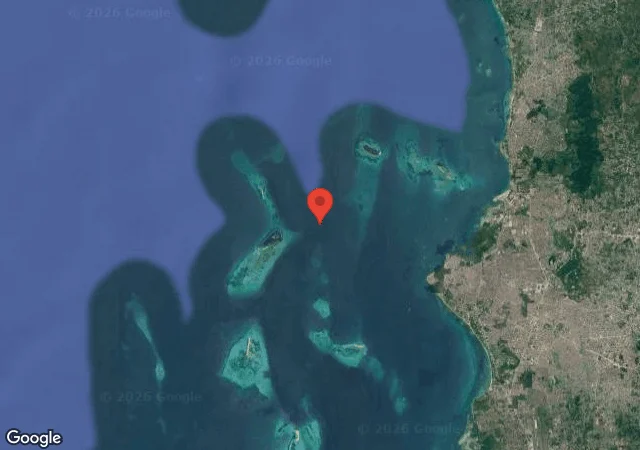
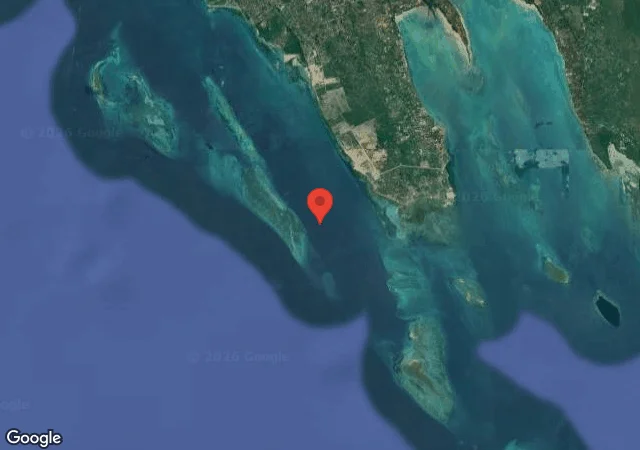
View all dive sites in TanzaniaDiscover more underwater gems in this area.
Dive Centers Near Pinnacles
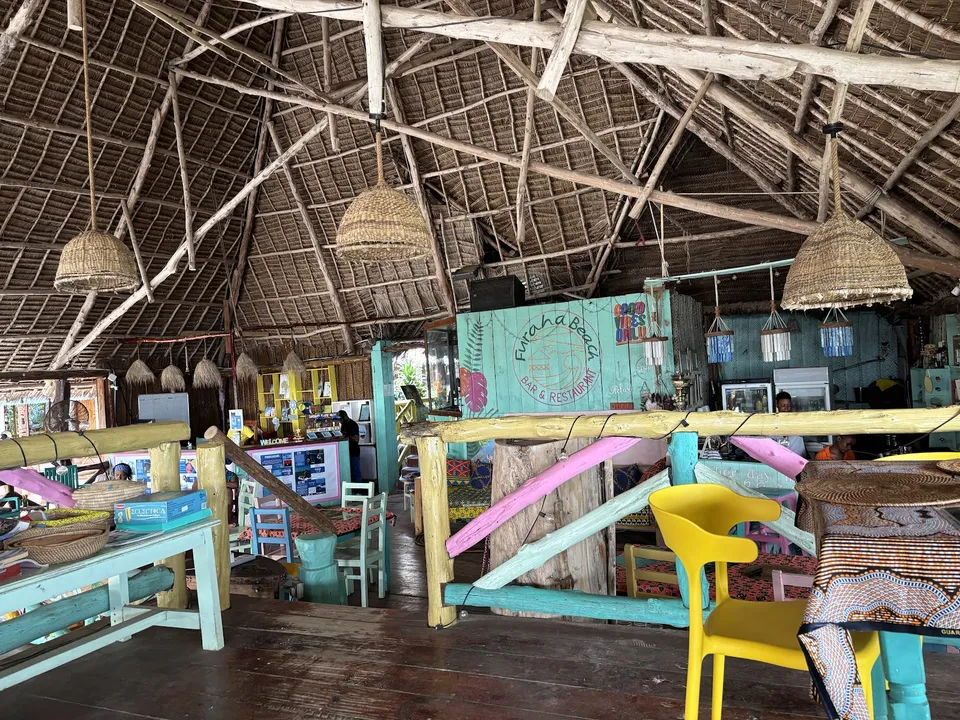
Today: 08:00 - 18:00
Nearest Airports
Nearest airports to help plan travel to this dive area.
Search Flights
Check available flights and routes on Expedia, using the nearby airports listed in this section.
Search Flights on ExpediaFrequently Asked Questions
What type of dive site is Pinnacles?
Pinnacles, also known as Wattabomi, is primarily a reef dive site characterized by numerous coral pinnacles and formations emerging from a sandy bottom. It offers a diverse underwater landscape for exploration.
What is the depth range for diving at Pinnacles?
The site offers a broad depth profile, starting shallow enough for new divers. It then gradually descends to significant depths, providing ample scope for more experienced exploration. This range ensures suitable areas for all certification levels.
What marine life can I expect to see at Pinnacles?
The site is rich with reef fish and their predators. Specific sightings include scorpionfish, giant toadfish, red lionfish, and the rare dragon moray eel. Bottlenose dolphins may also be seen in the area between June and October.
Are there strong currents at Pinnacles?
Currents can vary at Pinnacles depending on daily conditions and tides. While often manageable, divers should be prepared for potential drift, especially in deeper sections of the site.
When is the best time for visibility at Pinnacles?
Visibility at Pinnacles is generally good, but it is typically best during the dry season, which generally runs from June to October. This period offers clearer water and optimal viewing conditions.
Is Pinnacles suitable for beginner divers?
Yes, Pinnacles is suitable for divers of all abilities. The shallower sections are accessible for beginners, while the deeper parts and potential currents provide more challenge for experienced divers.
Planning to dive Pinnacles?
Send one inquiry and receive offers directly from the best verified local dive operators.
Conditions are Good
Optimal conditions expected
Current conditions near Pinnacles show 24° air, 26° sea temperature, 0.8 m waves, and 36 km/h wind. Forecast data is refreshed regularly to ensure accuracy.