
Diving at Two Stones (Tanzania)
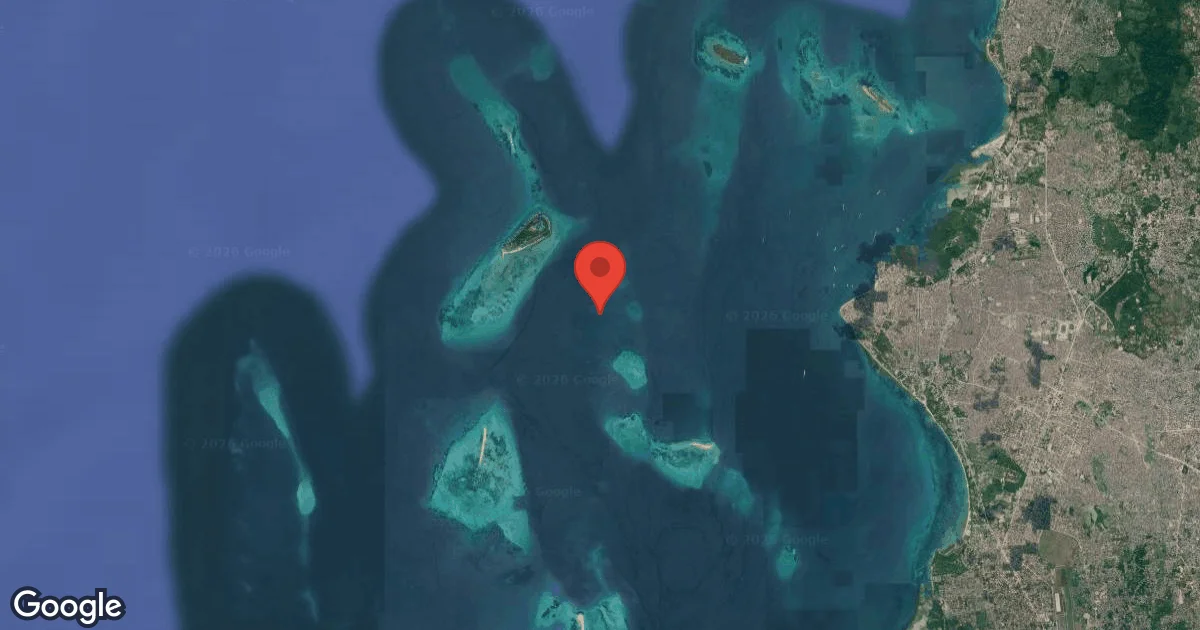
Formed by two distinctive underwater mountains, Two Stones channels the surrounding ocean currents, setting the stage for an engaging drift dive. This unique geological configuration, located off Zanzibar, creates a dynamic environment. The site provides a distinct opportunity to experience a drift with manageable conditions, making it accessible for a range of dive abilities.
As evening covers Two Stones, the local air temperature is measured at 24.5°C. The current wave height at the surface is recorded at 0.5 m. These late-day readings characterize the surface conditions for the night.
Dive Site Location & Key Facts
Dive Site Overview
Drifting effortlessly past Two Stones reveals a vibrant underwater world, shaped by the gentle yet consistent currents. The site takes its name from the pair of submerged pinnacles that steer the water flow, creating ideal conditions for a controlled drift.
As divers move with the current, they explore reef-encrusted rocks and encounter various marine species. This experience is particularly noted as a top choice for beginner drift diving in Tanzania, allowing divers to enjoy the sensation without overwhelming challenges. While specific depth limits aren't consistently reported, the site is generally considered to be within recreational dive limits, offering shallower sections where sunlight penetrates the coral slopes and deeper areas that attract pelagic life.
Divers can expect to cover a significant stretch of reef during a single dive, making for a scenic and rewarding exploration.
Conditions are Good
Optimal conditions expected
Current conditions near Two Stones show 24° air, 27° sea temperature, 0.8 m waves, and 37 km/h wind. Forecast data is refreshed regularly to ensure accuracy.
Best Time to Dive
Optimizing visibility is key for appreciating the drift at Two Stones, and conditions often align favorably during the drier periods. Months like February, March, November, and December frequently record 'Excellent' dive scores, coinciding with lower average rainfall. Specifically, February sees minimal rain at 1.92 mm, while March records 5.29 mm. Similarly, November and December experience 5.71 mm and 3.97 mm of rain respectively, contributing to clearer waters. Air temperatures during these periods are comfortably warm, typically ranging from 27-29°C (81-84°F). These months also tend to have more consistent, moderate wind speeds and lower wave heights, which generally translate to better surface conditions and underwater visibility, enhancing the overall drift experience.
PEAK SEASON SCORE
Scores combine air & water temps, waves, wind & rainfall for overall conditions.
BEST MONTHS TO DIVE
Monthly records compiled from satellite and marine observation nodes over the last 3 years. Data provided by Open-Meteo and MET Norway.
Dive Experience & Conditions
Anticipate a sensation of effortless movement as the currents guide you around Two Stones' unique topography. Being a beginner-friendly drift dive, the currents here are typically predictable, allowing for a relaxed pace while exploring. Water temperatures around Zanzibar are consistently warm, generally fluctuating between 25-29°C (78-85°F), ensuring comfortable diving throughout the year. Visibility varies depending on conditions but is often excellent, especially during drier seasons, making it easy to spot marine life against the backdrop of the reef-encrusted rocks. Exploring the site, divers will navigate the natural channels formed by the underwater mountains, observing how marine ecosystems thrive within this dynamic flow.
Dive Difficulty & Safety Guidelines
While Two Stones is an ideal site for beginner drift diving, understanding and respecting the currents remain paramount. Divers should be comfortable with buoyancy control and aware of their positioning relative to the two underwater mountains that define the site. Planning and communication with your dive guide are essential before entering the water.
Always carry a surface marker buoy (SMB) for safe ascent and surface pickup, especially with drift diving. Adherence to no-decompression limits is crucial, particularly when exploring deeper sections or during longer drifts. A dive computer is highly recommended to monitor depth and bottom time effectively.
Recommended Equipment
- Dive Computer
- DSMB
This gear list is based on verified equipment signals for Two Stones, Tanzania. Always confirm final gear choices with your dive operator, guide, or liveaboard.
Recommended Dive Suit
For relaxed exploration dives, 2-3mm shorty or light wetsuit generally provides adequate warmth. A hood or vest is suggested for sensitive divers due to surface winds. Those diving at Two Stones today will likely encounter water temperatures in the region of 27°C (80°F). Surface air temperatures are resting at 24°C (76°F).
Conditions in the coming days are expected to stay within a similar temperature range.
A diver's personal tolerance to cold water can play a large role in suit selection.
Emergency & Medical Support
Essential information to help you plan your dive trip to Two Stones.

Hyperbaric chambers are a critical part of dive safety infrastructure. Availability varies significantly by region, and not all dive areas have immediate access.
Before diving, it's recommended to:
- confirm nearest medical facilities
- check emergency procedures with local dive operators
- ensure dive insurance covers evacuation if required
Divers Alert Network
Diving emergency assistance available through DAN Southern Africa.
+27828106010- 24/7 emergency hotline
- Diving medical assistance
- Evacuation coordination
Emergency contacts are provided for reference. Always verify local emergency services before diving.
Marine Life at Two Stones
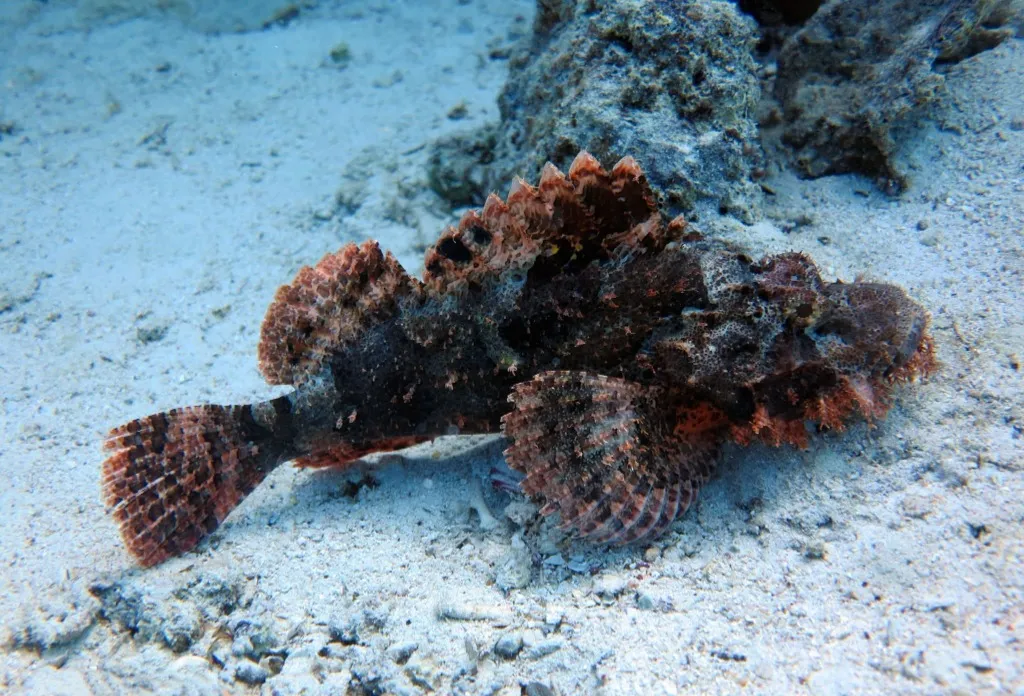
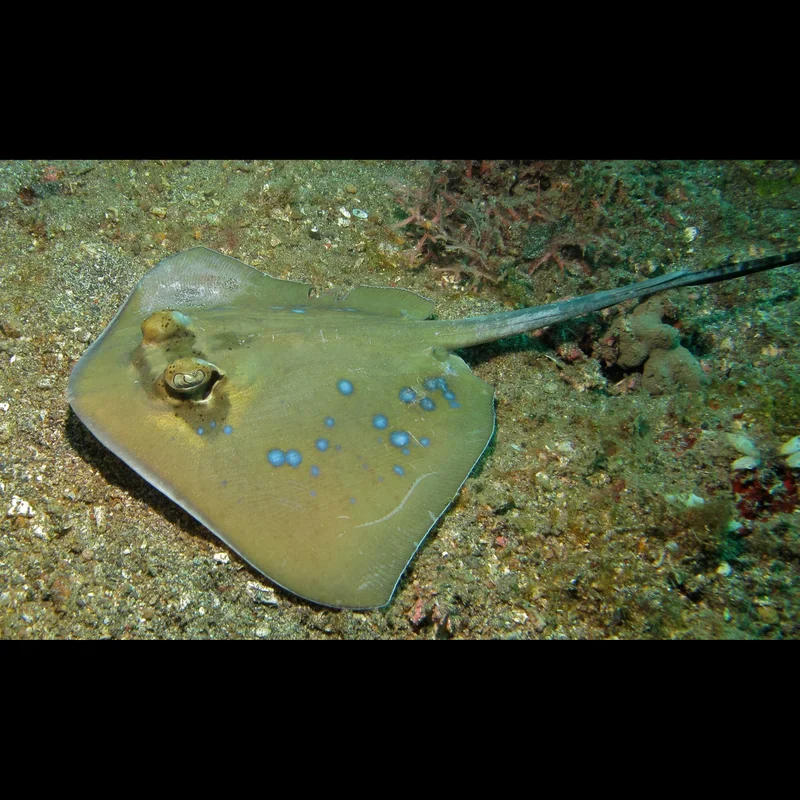
The dynamic currents at Two Stones create a nutrient-rich environment, attracting a diverse range of marine inhabitants. Exploring the reef-encrusted landscape, divers often encounter blue-spotted stingrays resting on the sandy bottom and bearded scorpionfish camouflaged among the corals.
On particularly fortunate dives, observers might witness large schools of anchovies moving in unison, often pursued by predatory jacks. This interaction offers a glimpse into the active feeding patterns within the current-swept ecosystem.

Dive Sites Near Two Stones
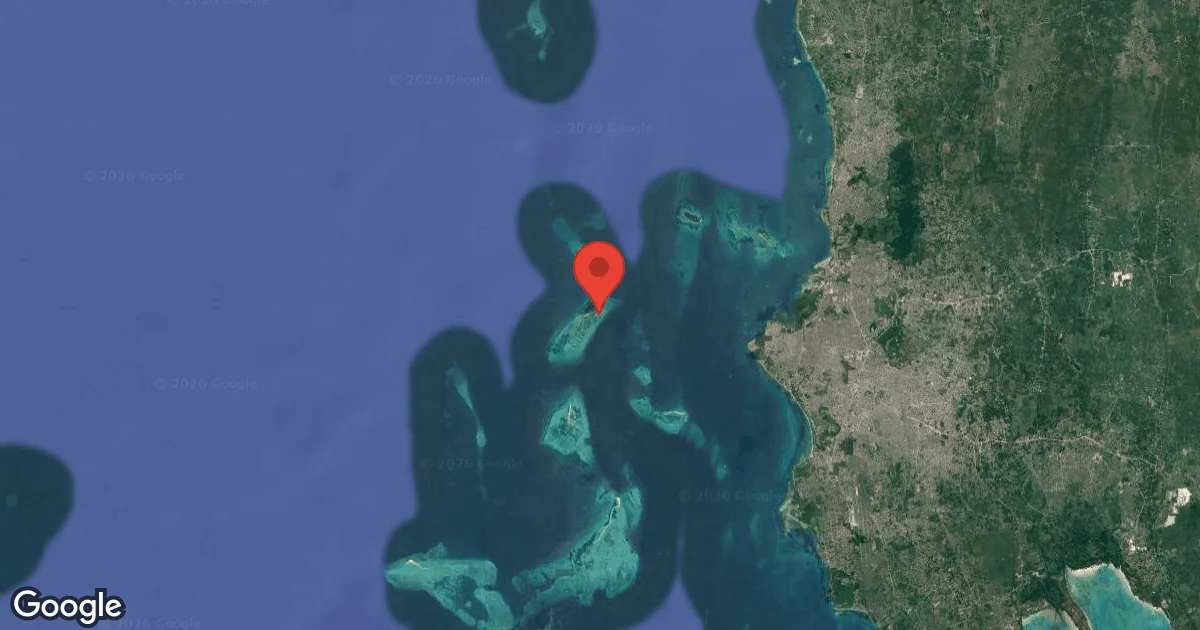
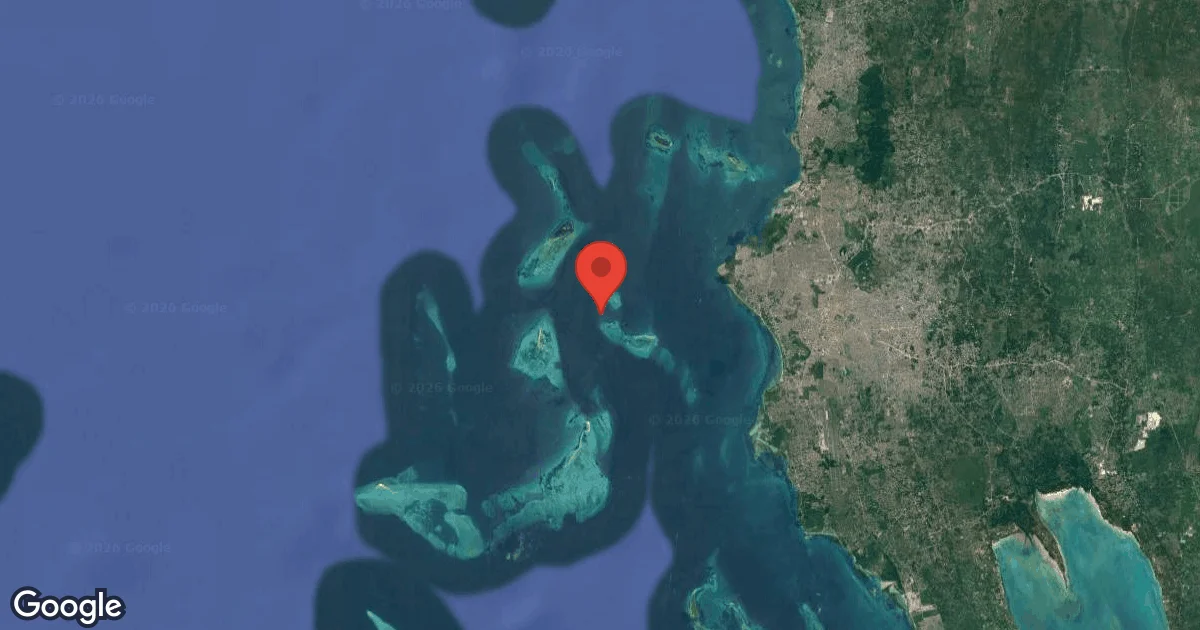
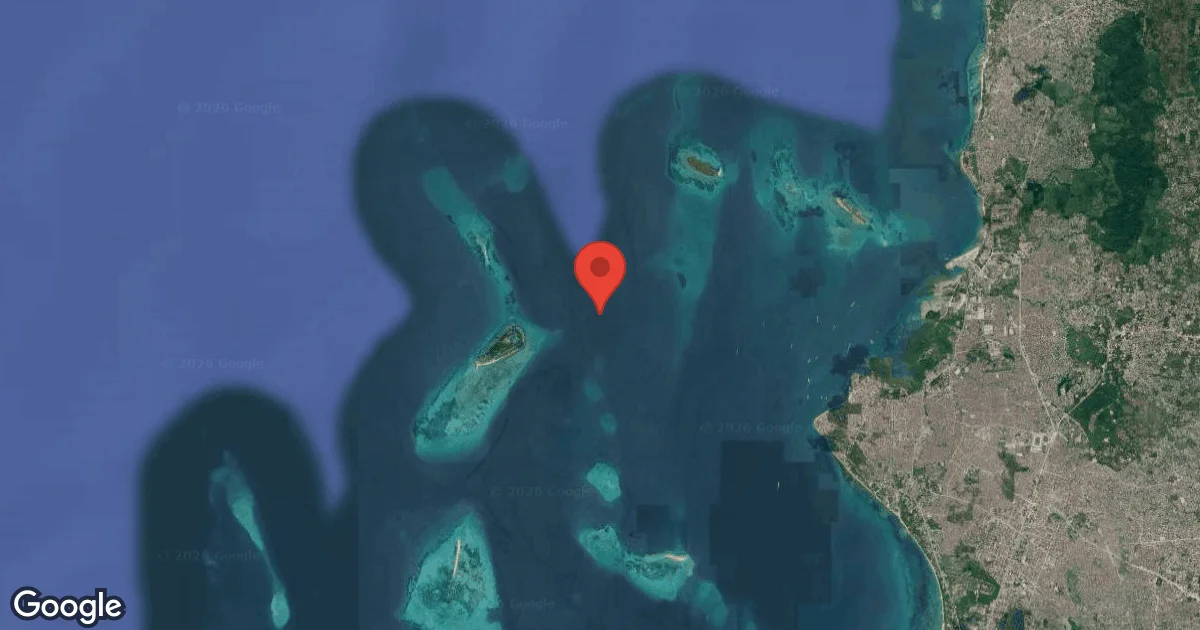
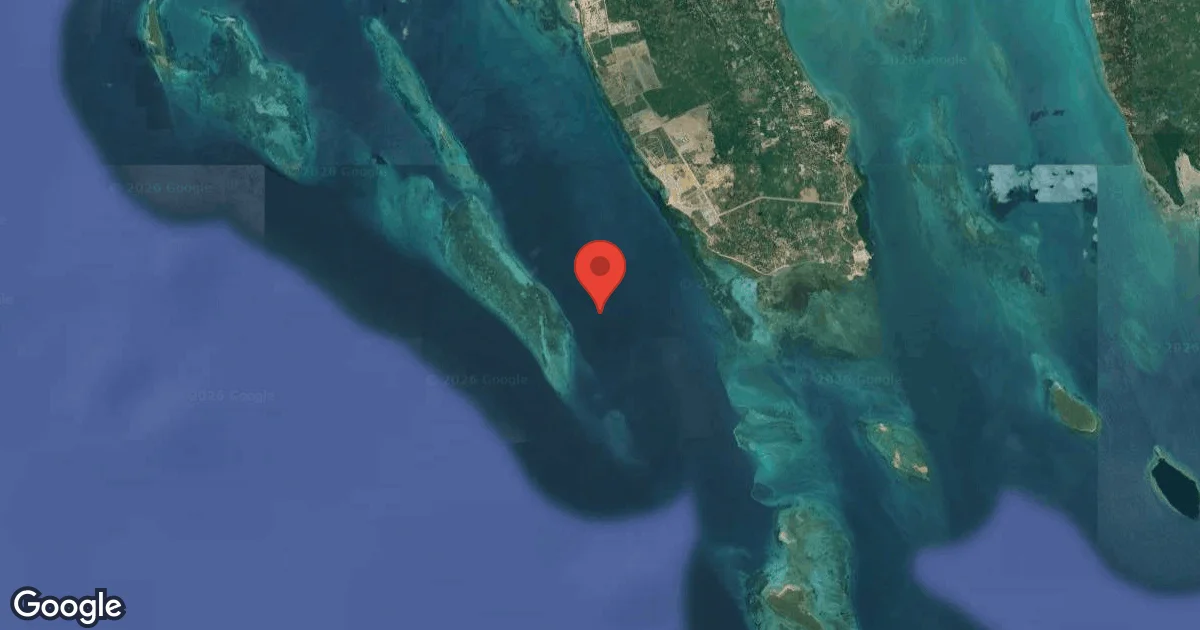
View all dive sites in TanzaniaDiscover more underwater gems in this area.
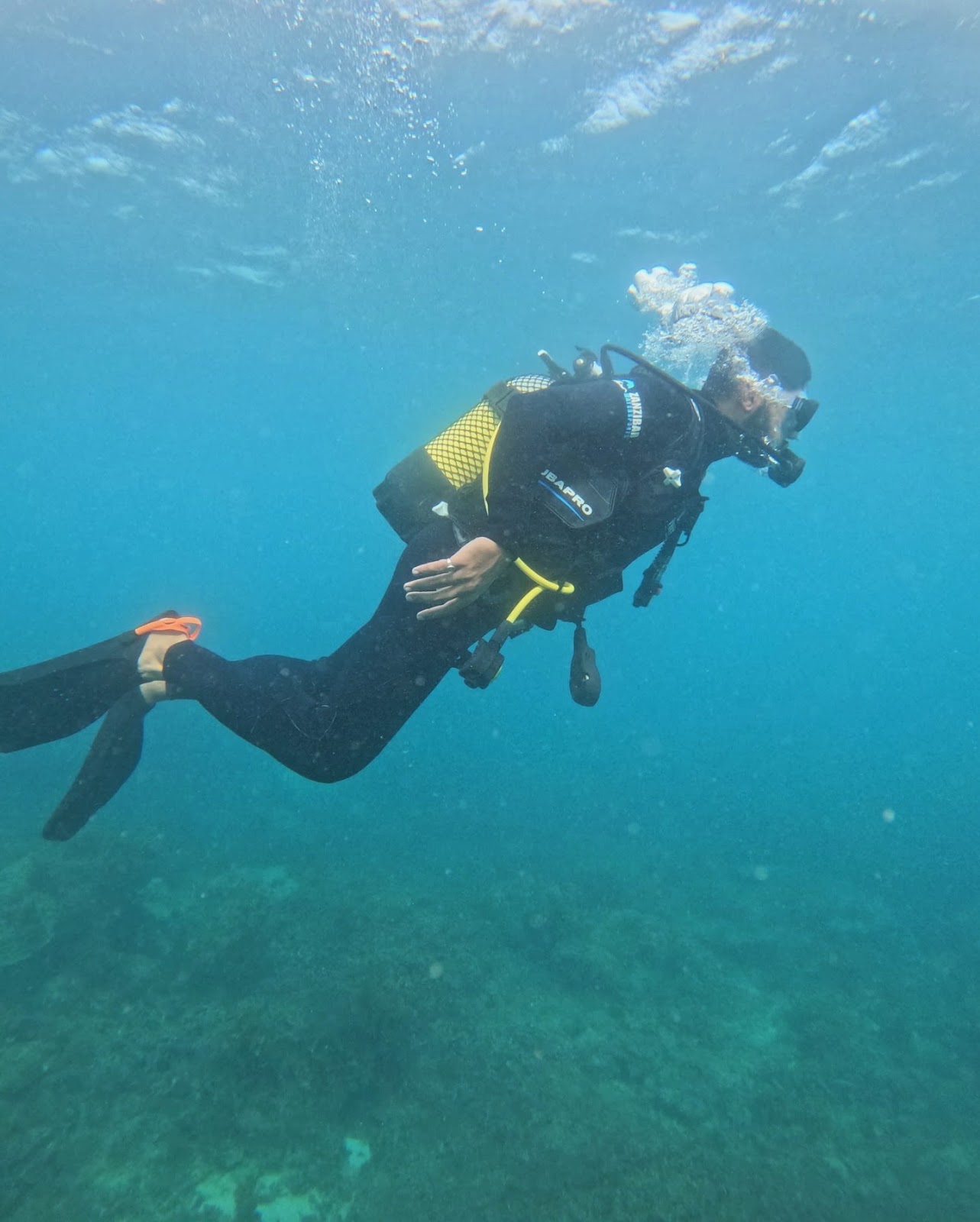
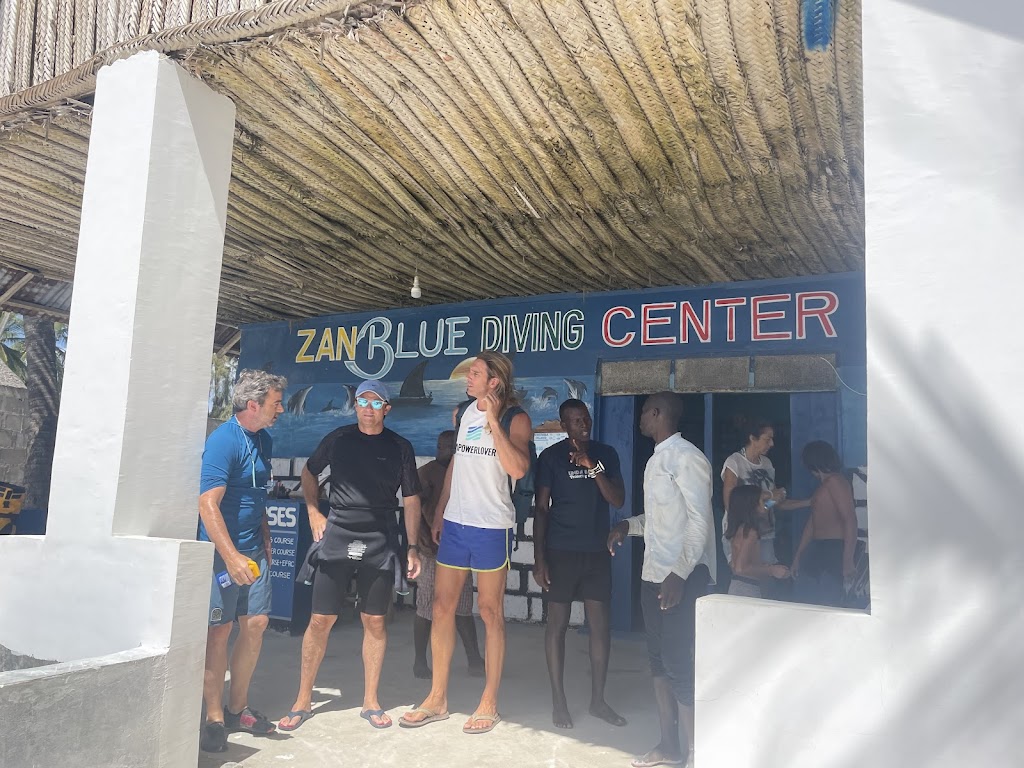
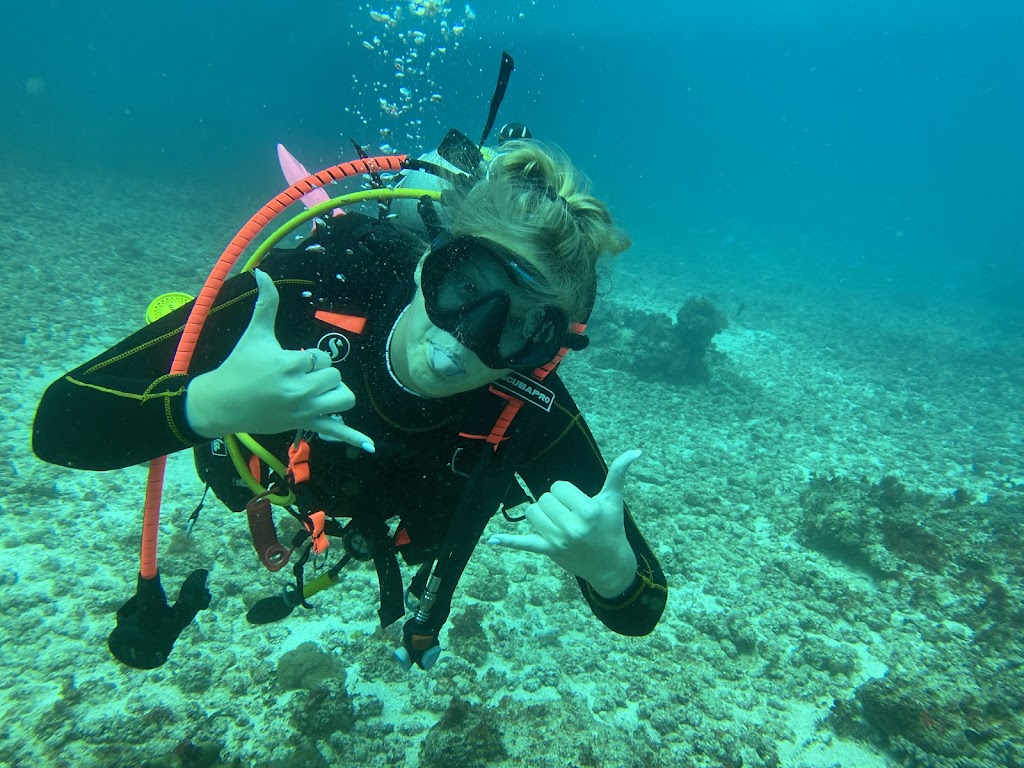
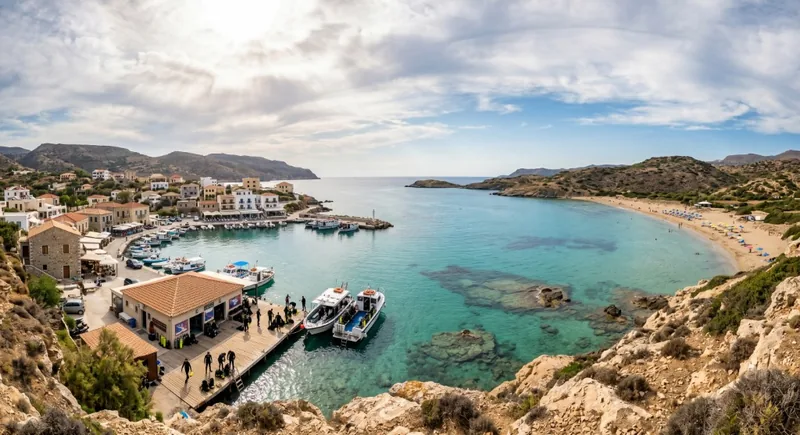
Dive Centers Near Two Stones

Today: 08:00 - 18:00



Nearest Airports
Nearest airports to help plan travel to this dive area.
Search Flights
Check available flights and routes on Expedia, using the nearby airports listed in this section.
Search Flights on ExpediaFrequently Asked Questions
What makes Two Stones suitable for beginner drift divers?
Two Stones is characterized by two underwater mountains that channel water in a predictable way. This natural formation creates currents that are generally manageable, offering an introduction to drift diving without the intensity found at more advanced sites.
What depth range can divers expect at Two Stones?
While exact depths vary, Two Stones typically falls within recreational dive limits. Divers can explore shallower coral slopes and transition into deeper areas, likely to a maximum depth of around 20-25 m (66-82 ft).
What is the typical water temperature for diving here?
Waters around Zanzibar, including Two Stones, are consistently warm throughout the year. Divers can anticipate comfortable temperatures generally ranging between 25-29°C (78-85°F).
Are there strong currents at Two Stones?
Currents are a defining feature of this drift dive site. However, they are generally considered appropriate for beginner drift divers, meaning they are present but usually predictable and manageable, rather than excessively strong.
What marine life might I see at Two Stones?
The site is home to a variety of reef dwellers. Common sightings include blue-spotted stingrays and bearded scorpionfish. Lucky divers might also encounter large schools of anchovies and jacks moving through the currents.
Is an Advanced Open Water certification required for this dive?
Two Stones is noted for being accessible to various dive abilities, including beginner drift divers. However, comfort with buoyancy control and experience in current conditions are beneficial, and an Advanced Open Water certification is always recommended for enhanced skills.
What is the best time of year for good visibility?
Visibility tends to be excellent during the drier months, particularly from February to March and again from November to December. These periods generally correlate with lower rainfall and calmer conditions, improving underwater clarity.
Planning to dive Two Stones?
Send one inquiry and receive offers directly from the best verified local dive operators.
Conditions are Good
Optimal conditions expected
Current conditions near Two Stones show 24° air, 27° sea temperature, 0.8 m waves, and 37 km/h wind. Forecast data is refreshed regularly to ensure accuracy.