
Diving at Pange Reef (Tanzania)
Navigating Pange Reef presents a blend of historical intrigue and vibrant marine life, where attention to your surroundings is key. Its waters hide two historic shipwrecks, now integral parts of the reef structure, demanding careful exploration. With a maximum depth reaching 22 m (72 ft), divers should be mindful of depth management, especially around these submerged artifacts. The site's diverse ecosystem, from gentle slopes to coral formations, promises an engaging dive.
Evening condition tracking at Pange Reef features an air temperature of 26.5°C. We have recorded wave heights measuring 0.8 m during this period. These figures outline the environmental parameters currently present.
Dive Site Location & Key Facts
Dive Site Overview
Pange Reef's underwater narrative is deeply intertwined with its historical shipwrecks, offering a compelling blend of past and present. The British-built 'The Great Northerner', which sank in 1897, rests here, alongside the Royal Navy Lighter, lost in 1914.
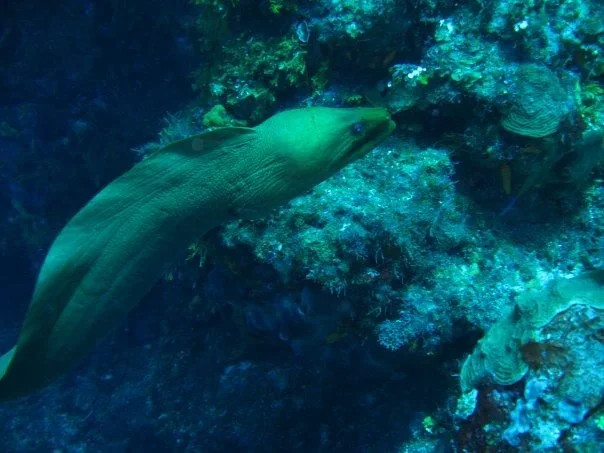
These small wrecks have transformed over decades into vibrant artificial reefs, now colonized by an array of corals and supporting diverse marine species like large groupers and moray eels. Beyond the wrecks, the reef features gently sloping fringing reefs, providing a sanctuary for a variety of reef dwellers. Divers exploring these formations will discover soft corals and large fans, creating an intricate habitat.
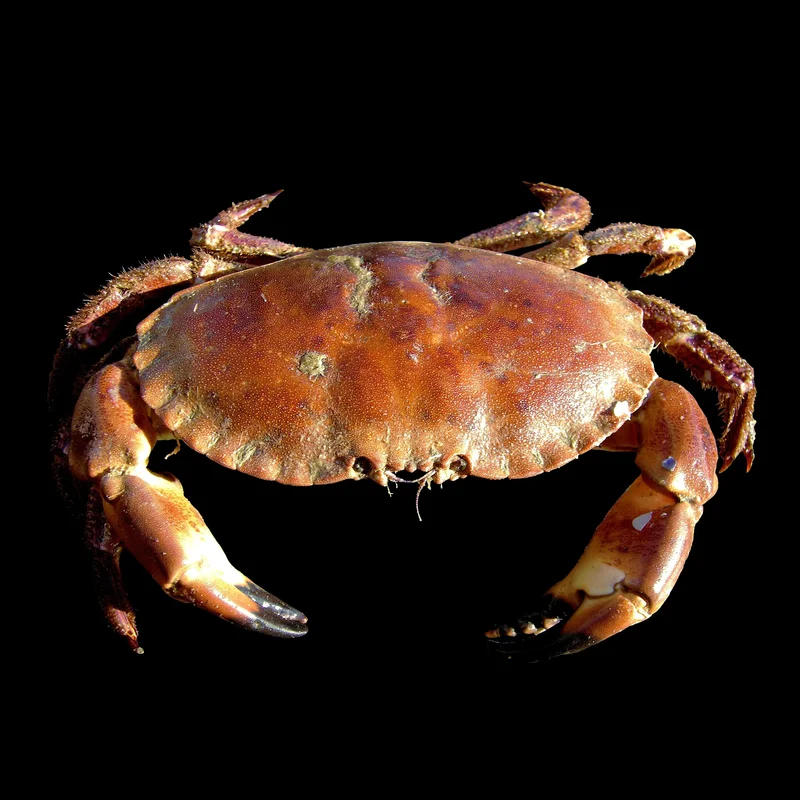
Pange Reef is considered an excellent location for both day and night dives, as its ecosystem noticeably changes after dusk. At night, corals come alive, and nocturnal critters such as shrimps, crabs, and eels emerge to hunt, with squids occasionally flashing brilliant colors.
Conditions are Moderate
Optimal conditions expected
Current conditions near Pange Reef show 26° air, 27° sea temperature, 0.9 m waves, and 38 km/h wind. Forecast data is refreshed regularly to ensure accuracy.
Best Time to Dive
Optimal diving conditions at Pange Reef are influenced by consistent warm waters and generally favorable weather throughout the year. Water temperatures typically range between 26°C and 30°C (79-86°F), making for comfortable dives. Visibility often exceeds 30 m (100 ft), enhancing the overall experience. While diving is possible year-round, conditions vary seasonally; excellent dive scores are common from February to March and again from November to December. During these periods, air temperatures average around 27-29°C (81-84°F) with minimal rainfall, often below 6 mm per month. July and August also offer good diving opportunities, despite slightly cooler air temperatures of approximately 25°C (77°F) and modestly higher wave heights. Wind speeds are generally lighter from November to March, contributing to calmer sea states.
PEAK SEASON SCORE
Scores combine air & water temps, waves, wind & rainfall for overall conditions.
BEST MONTHS TO DIVE
Monthly records compiled from satellite and marine observation nodes over the last 3 years. Data provided by Open-Meteo and MET Norway.
Dive Experience & Conditions
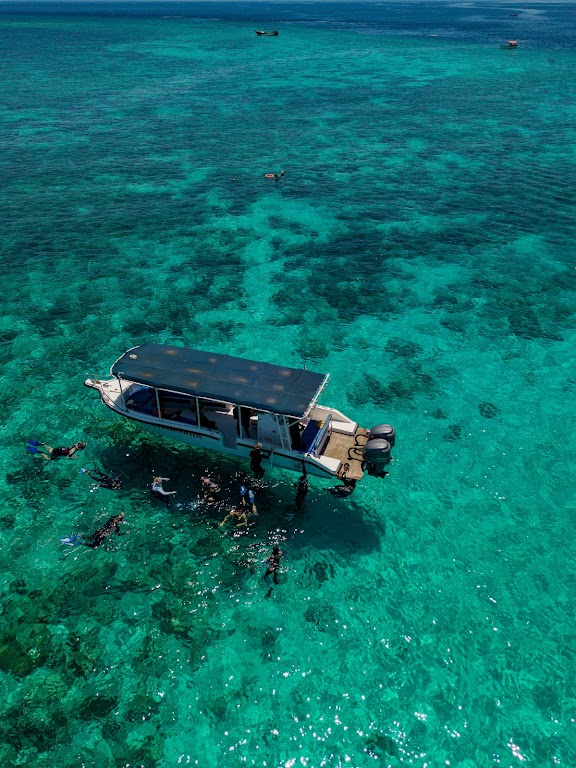
Accessing Pange Reef typically begins with a short boat ride, setting the stage for a relaxed underwater experience suitable for various skill levels. Upon entry, divers encounter gentle slopes of fringing reefs. These conditions, combined with often excellent visibility, allow for unhurried exploration of the reef's varied topography. The maximum depth encountered at this site is around 22 m (72 ft), keeping it comfortably within recreational dive limits. Divers often drift gently over coral formations, observing the intricate marine life without contending with strong currents. Calm waters make it an appealing destination for two consecutive dives in a day, allowing ample time to appreciate both the natural reef and its historical wreck sites. The overall experience is characterized by its tranquil environment and clear views.
Dive Difficulty & Safety Guidelines
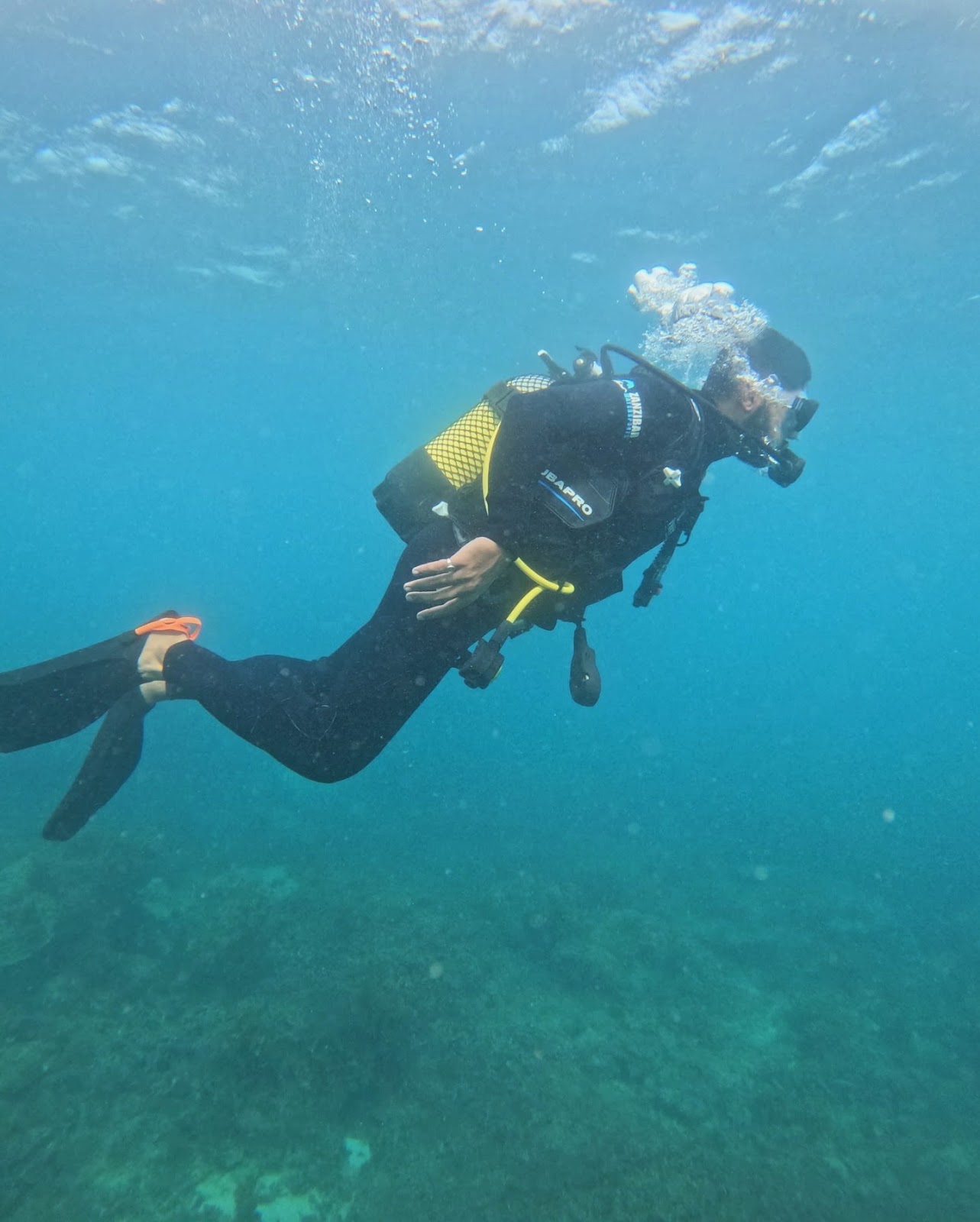
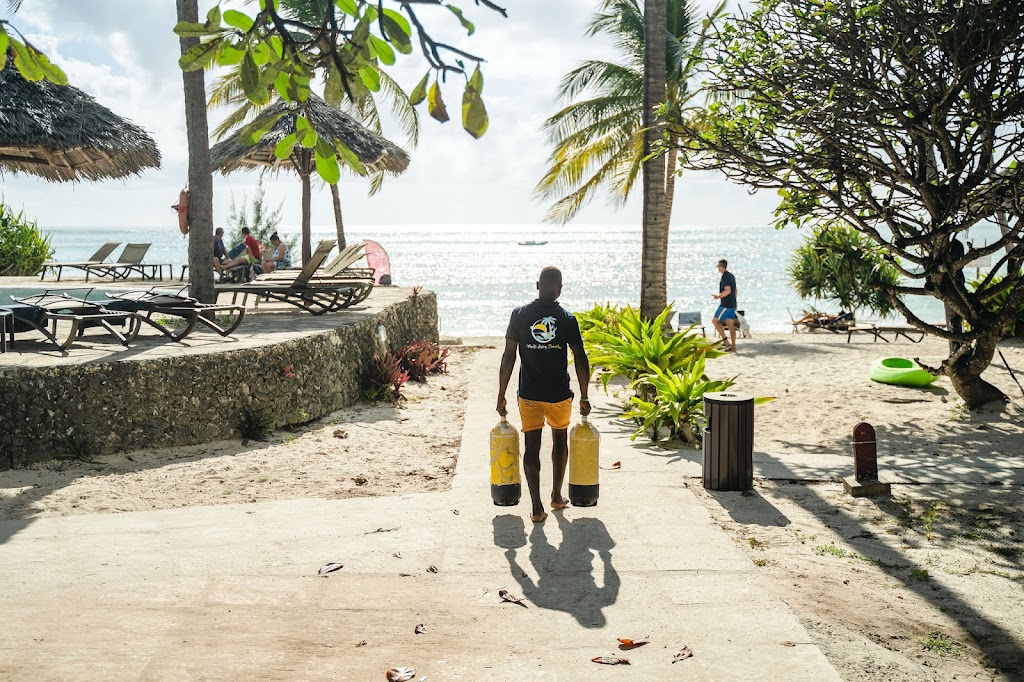
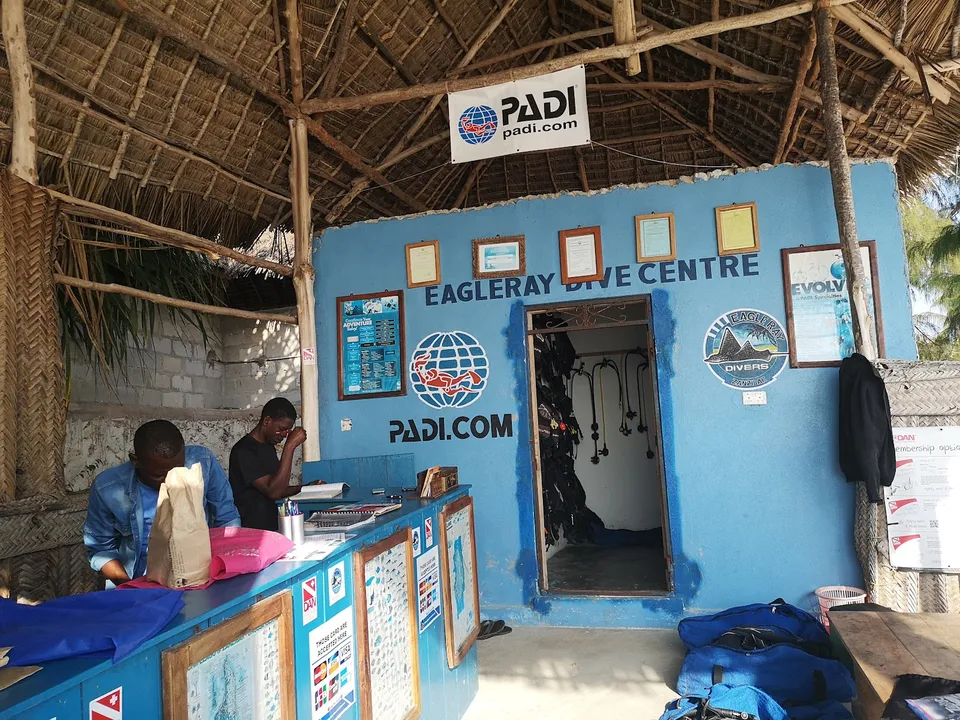
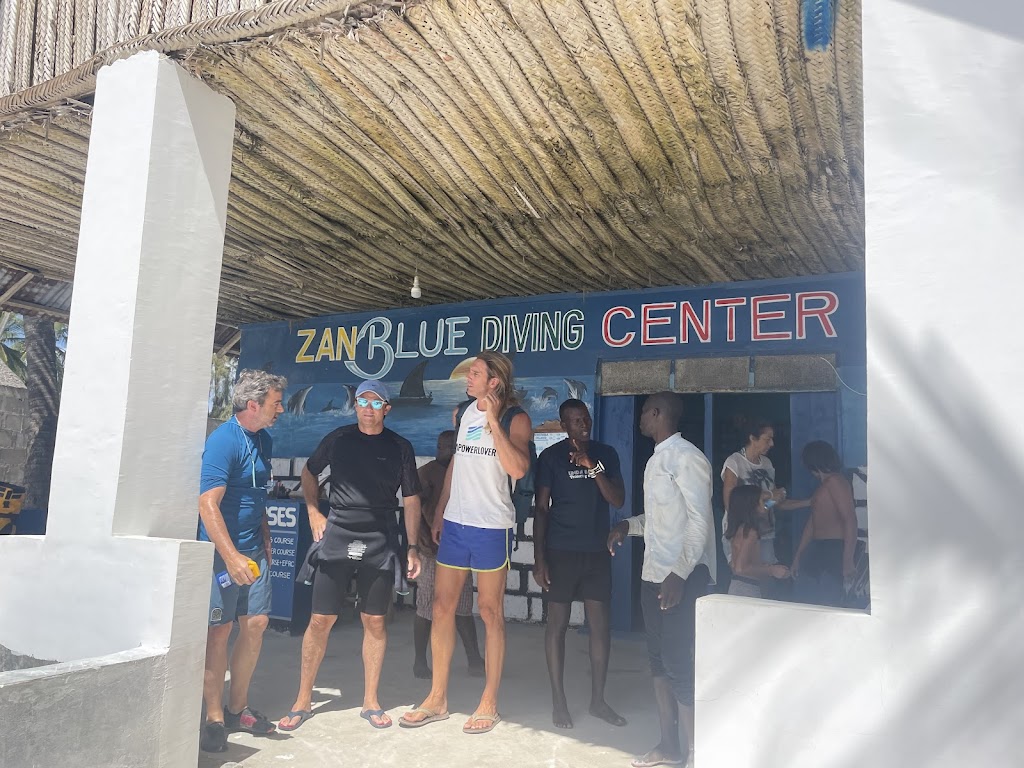
Considering a dive at Pange Reef, divers find comprehensive support regardless of their experience level. Reputable dive centers operate in the area, ensuring that all dives are led by certified dive masters. Dive packages commonly feature small groups, promoting personalized attention and enhanced safety.
For those seeking to advance their capabilities, opportunities for further dive education are readily available, ranging from open-water certifications to specialized technical diving courses. Local dive experts provide guidance, ensuring divers are well-prepared for the conditions and the specific characteristics of the site, including its wrecks.
Maintaining situational awareness and adhering to your dive master's instructions are essential for a safe and enjoyable exploration of Pange Reef's diverse underwater environment.
Recommended Equipment
- Dive Computer
- DSMB
This gear list is based on verified equipment signals for Pange Reef, Tanzania. Always confirm final gear choices with your dive operator, guide, or liveaboard.
Recommended Dive Suit
Environmental conditions are expected to remain consistent in the short-term outlook.
For typical recreational dives, 2-3mm shorty or light wetsuit generally provides comfortable insulation. Consider warmer surface protection (like a boat coat) due to brisk winds.
At Pange Reef, the water is currently sitting around 27°C (80°F). Surface air temperatures are resting at 26°C (79°F).
Due to technical issues with our weather providers, data hasn't been fetched for over 48 hours. The data above reflects the conditions at the time of the last successful fetch.
Emergency & Medical Support
Essential information to help you plan your dive trip to Pange Reef.

Hyperbaric chambers are a critical part of dive safety infrastructure. Availability varies significantly by region, and not all dive areas have immediate access.
Before diving, it's recommended to:
- confirm nearest medical facilities
- check emergency procedures with local dive operators
- ensure dive insurance covers evacuation if required
Divers Alert Network
Diving emergency assistance available through DAN Southern Africa.
+27828106010- 24/7 emergency hotline
- Diving medical assistance
- Evacuation coordination
Emergency contacts are provided for reference. Always verify local emergency services before diving.
Marine Life at Pange Reef
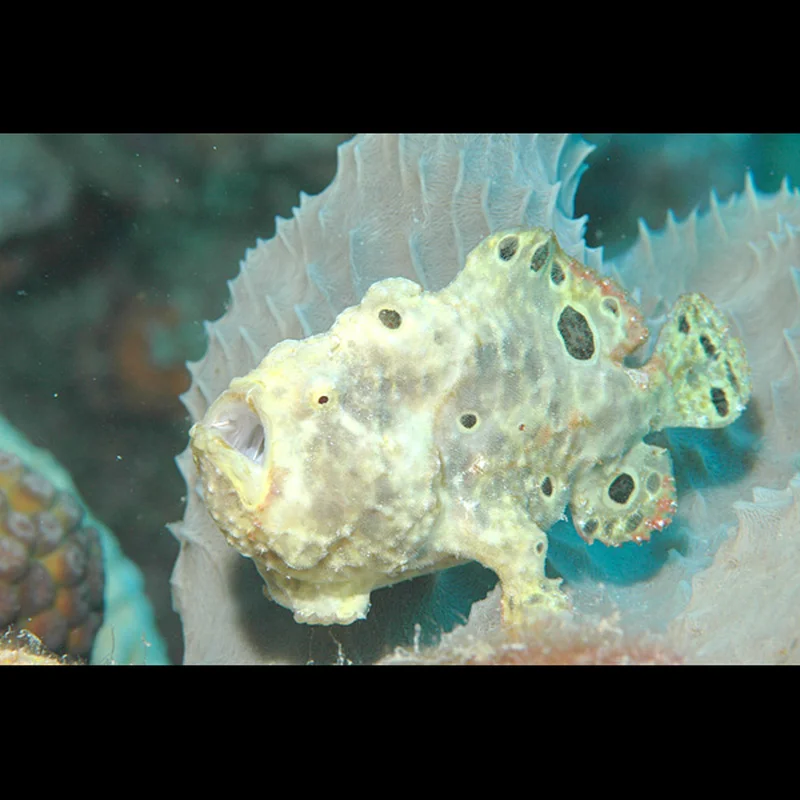
Upon descending into Pange Reef's waters, divers frequently first notice the intricate macro life inhabiting its fringing reefs. Keen eyes can spot ornate ghost pipefish and camouflaged frogfish nestled among the soft corals.
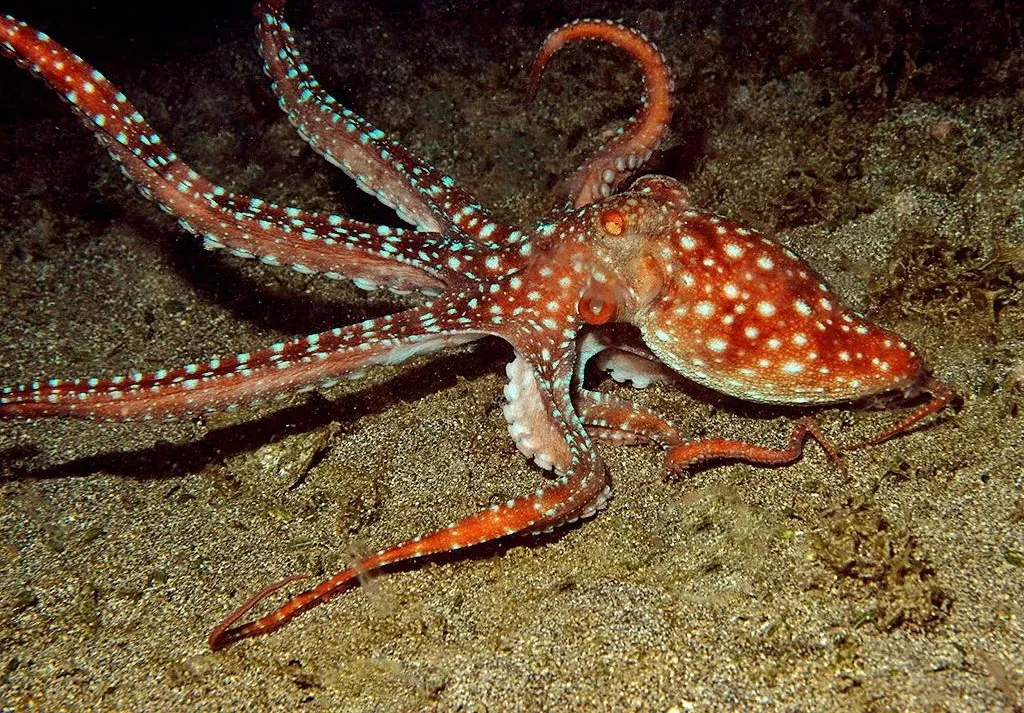
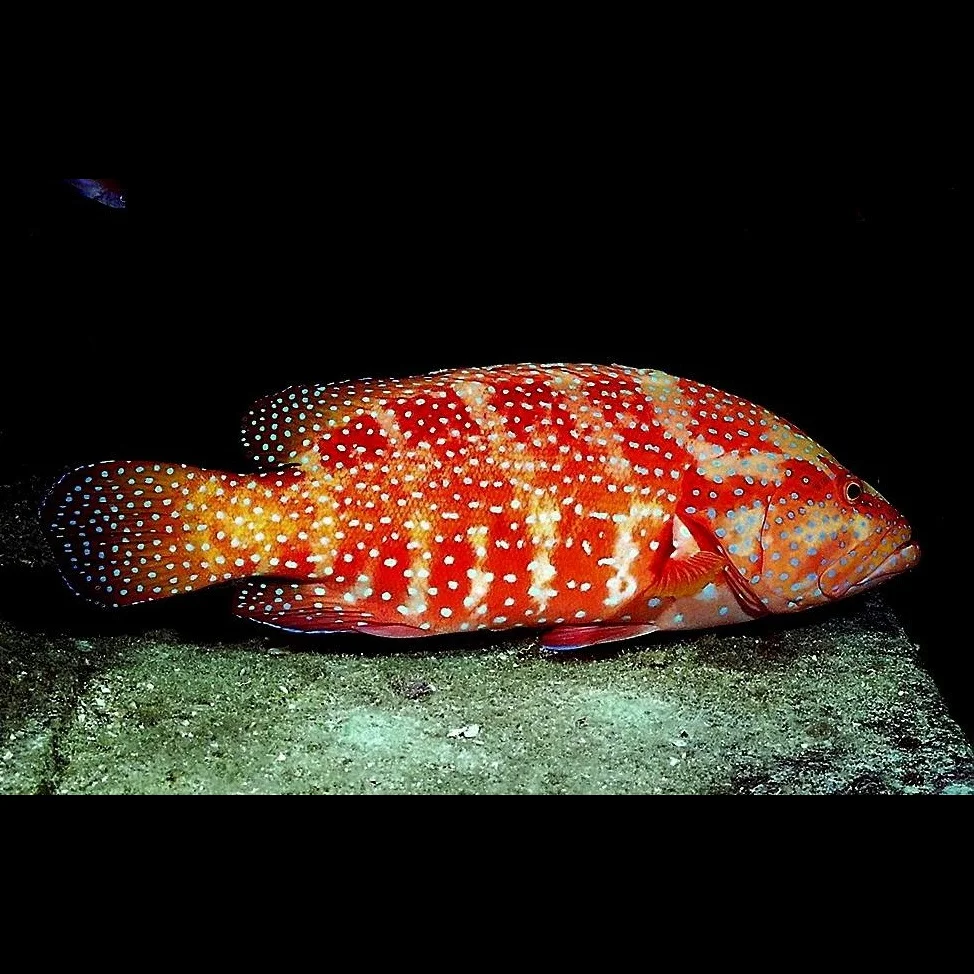
A dazzling array of nudibranchs, leaf fish, and occasional ribbon eels add to the vibrant tableau. Within the wreck sites, groupers, moray eels, octopuses, and stone fish are often observed.
Angel fish, crocodile fish, and lion fish are also common residents. Night dives offer a different spectacle, revealing hundreds of shrimps, crabs, and eels as they emerge, with squids flashing their brilliant colors in the dark.
Dive Sites Near Pange Reef
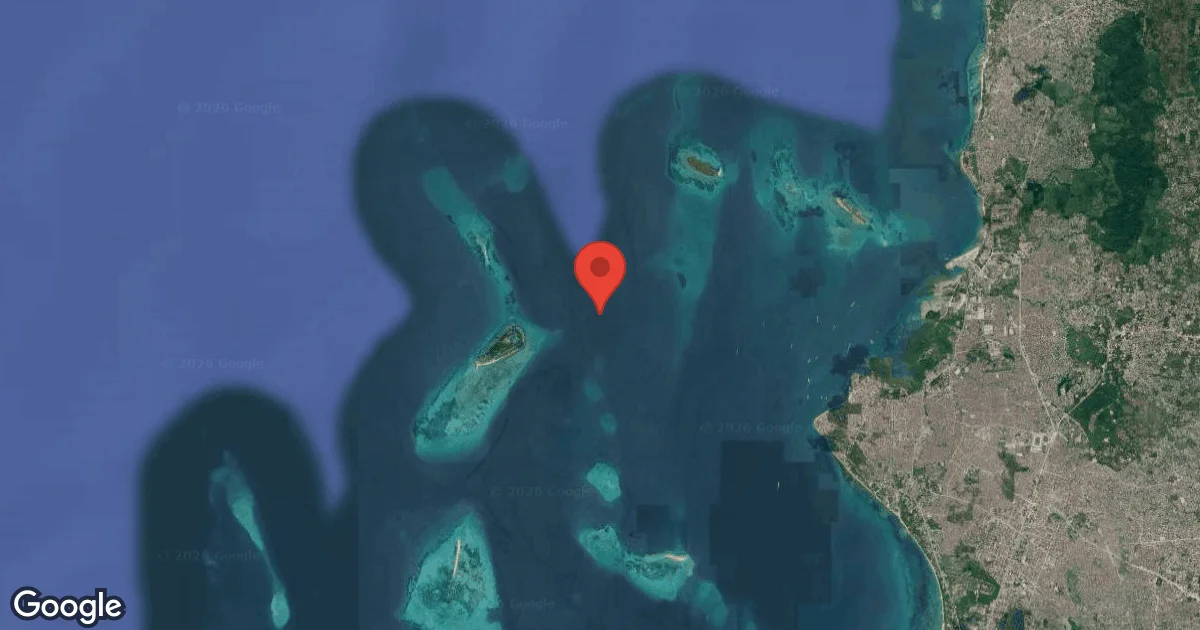
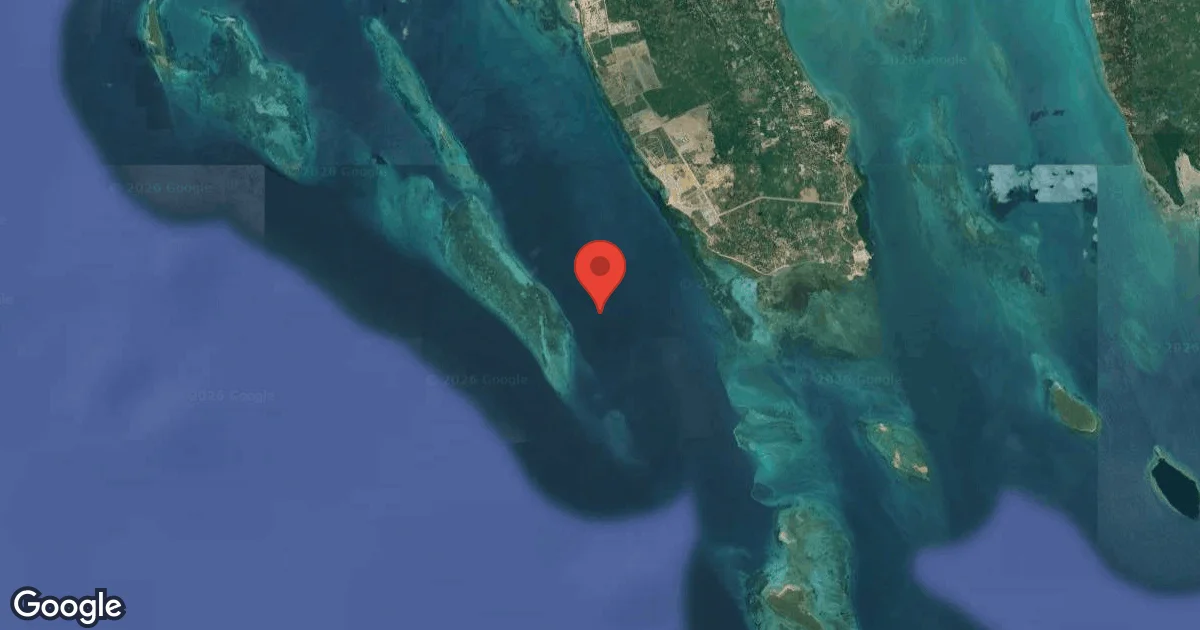
View all dive sites in TanzaniaDiscover more underwater gems in this area.
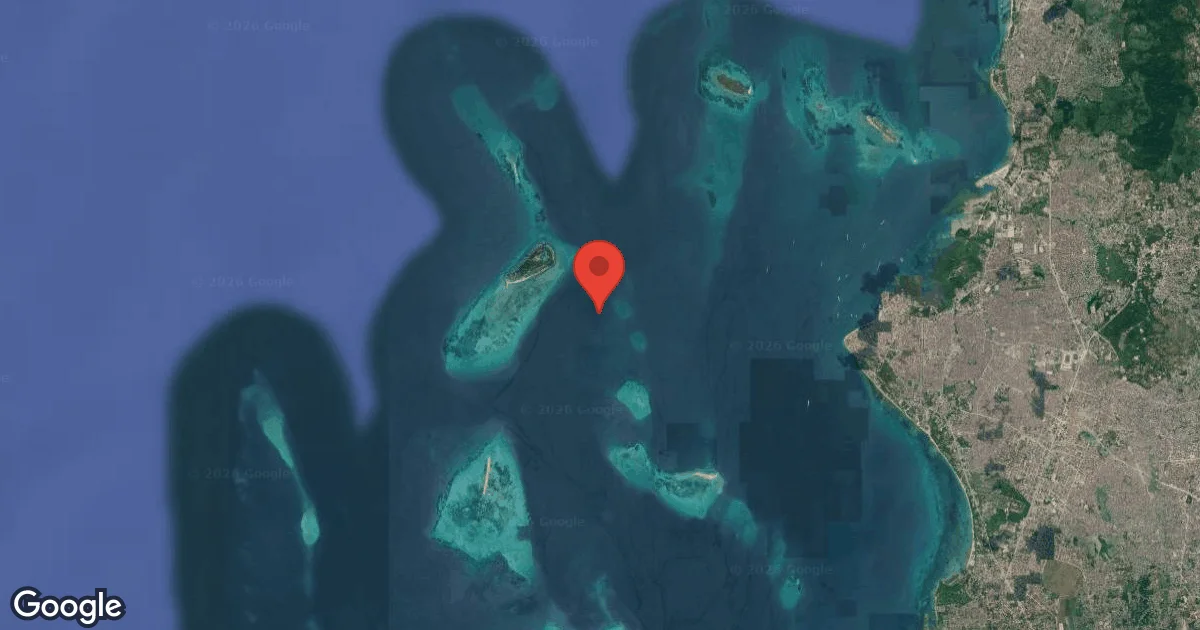
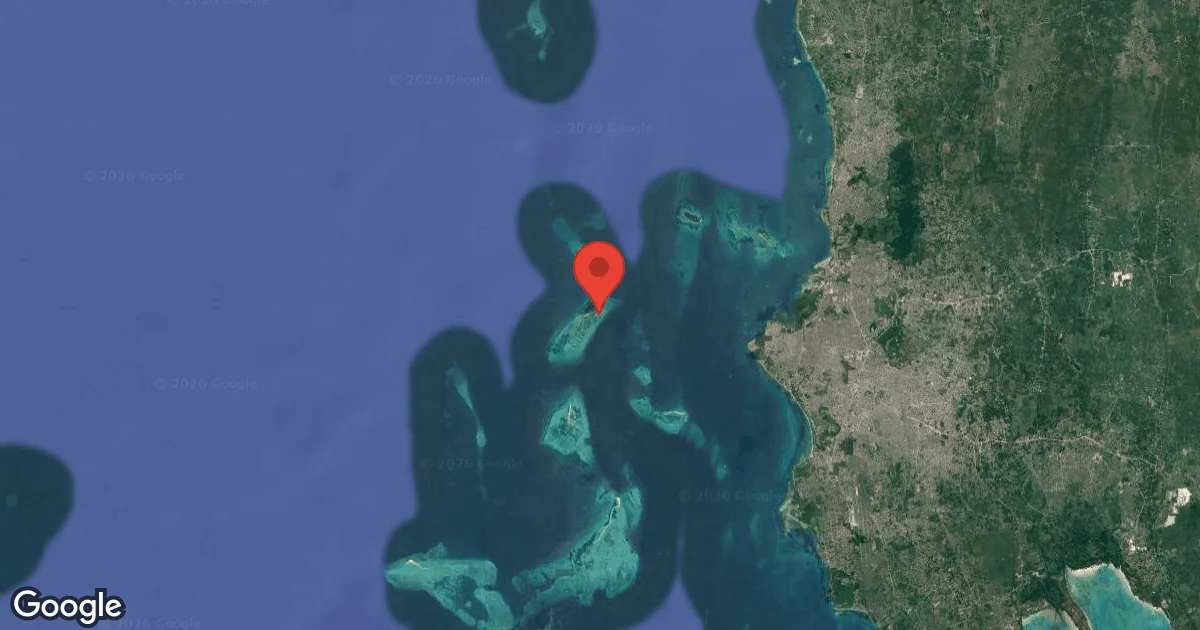
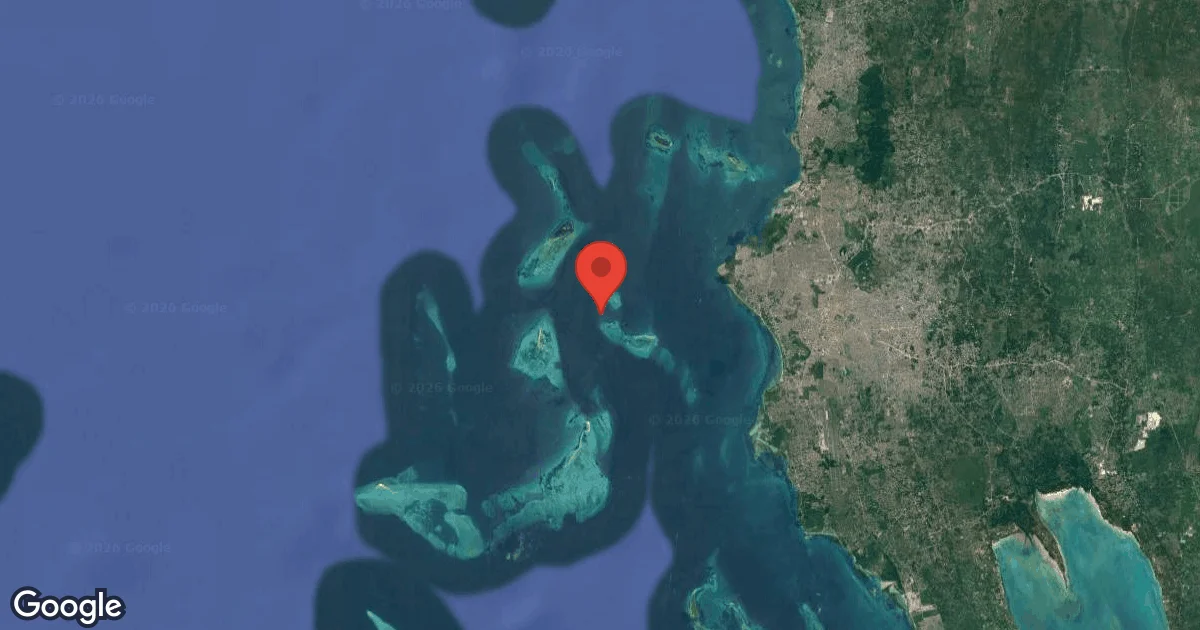
Dive Centers Near Pange Reef

Today: 08:00 - 18:00

Nearest Airports
Nearest airports to help plan travel to this dive area.
Search Flights
Check available flights and routes on Expedia, using the nearby airports listed in this section.
Search Flights on ExpediaFrequently Asked Questions
What is the maximum depth at Pange Reef?
Pange Reef has a maximum depth of approximately 22 meters (72 feet). This depth makes it accessible and suitable for divers of various experience levels, including those with open water certification.
What are the typical water temperatures?
Water temperatures at Pange Reef remain pleasantly warm year-round, typically ranging between 26°C and 30°C (79-86°F). This consistent warmth allows for comfortable diving experiences.
Are there any shipwrecks at Pange Reef?
Yes, Pange Reef is home to two historical shipwrecks: 'The Great Northerner' from 1897 and the 'Royal Navy Lighter' from 1914. These wrecks have transformed into artificial reefs, hosting a variety of marine life.
What kind of marine life can I expect to see?
Divers can expect to see a rich diversity of marine life, including ornate ghost pipefish, frogfish, nudibranchs, moray eels, octopuses, groupers, and various reef fish like angelfish and lion fish. Night dives reveal nocturnal creatures such as shrimps, crabs, and squids.
Is Pange Reef suitable for beginner divers?
Yes, Pange Reef is generally suitable for beginners due to its gentle slopes, often calm conditions, and excellent visibility. Dive centers provide certified dive masters and guidance for all skill levels.
Are night dives possible at Pange Reef?
Night dives are a popular activity at Pange Reef. The site's ecosystem undergoes a transformation after dark, with nocturnal marine life emerging, offering a unique and exciting diving experience.
When is the best time for spotting whale sharks near Zanzibar?
Whale sharks are occasional seasonal visitors to the waters around Zanzibar. The prime periods reported for spotting these ocean giants are from August to September and again from February to March.
Planning to dive Pange Reef?
Send one inquiry and receive offers directly from the best verified local dive operators.
Conditions are Moderate
Optimal conditions expected
Current conditions near Pange Reef show 26° air, 27° sea temperature, 0.9 m waves, and 38 km/h wind. Forecast data is refreshed regularly to ensure accuracy.