
Diving at The Royal Navy Lighter (Tanzania)
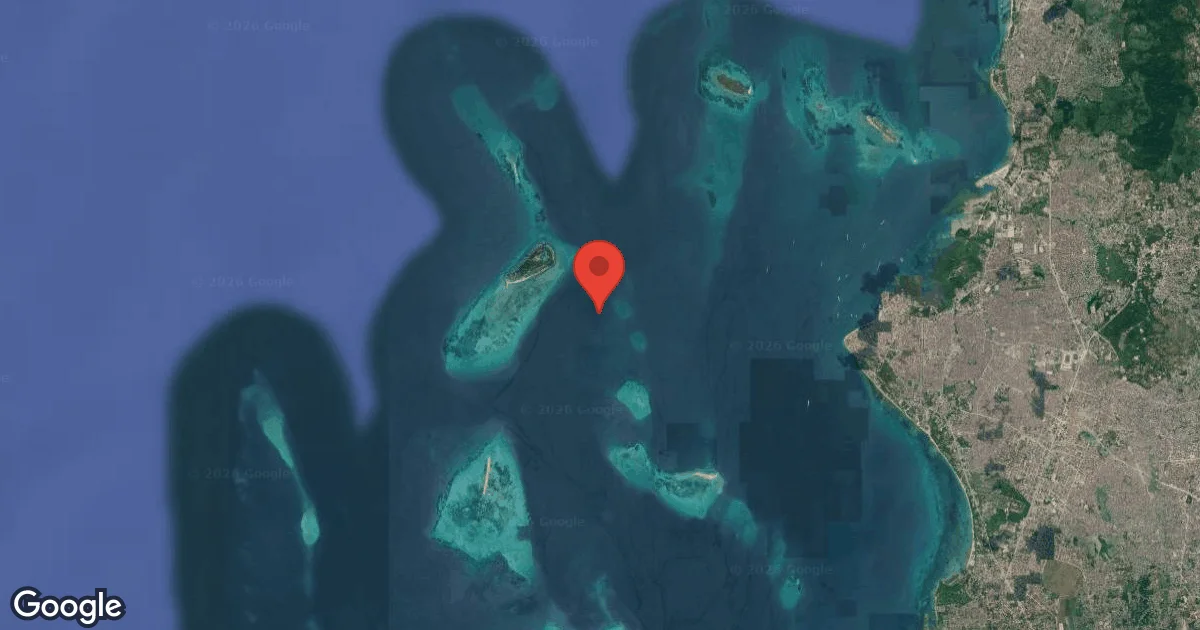
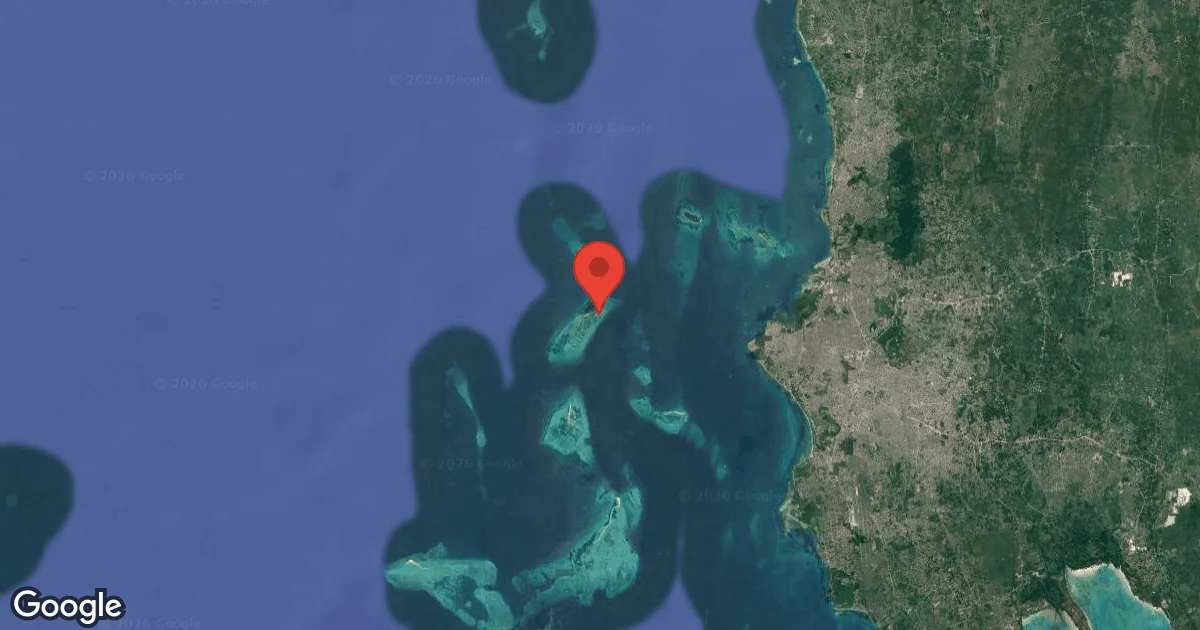
A compelling proposition for divers seeking purpose-sunk wreck exploration in Zanzibar awaits at the Royal Navy Lighter. Just off Bawe Island, this site is a deliberately created artificial reef, offering a distinct underwater structure for advanced divers. Designed as a diving attraction, it stands as a unique feature in the local dive landscape.
Evening condition tracking at The Royal Navy Lighter features an air temperature of 25°C. We have recorded wave heights measuring 0.6 m during this period. These figures outline the environmental parameters currently present.
Dive Site Location & Key Facts
Dive Site Overview
Purposefully scuttled, a Royal Navy Lighter provides an inviting wreck site, immediately offering historical context underwater. Resting on the seabed, it now serves as a vibrant habitat for diverse marine life, standing in contrast to wrecks that met their fate by accident.
Maximum depth reaches 30 m (98 ft), marking a significant dive for those with appropriate training. Exploring its structure challenges both experienced divers and Advanced Open Water students with its depth and the surrounding environment. Boat entry is standard for reaching this saltwater site, ensuring divers access the wreck efficiently.
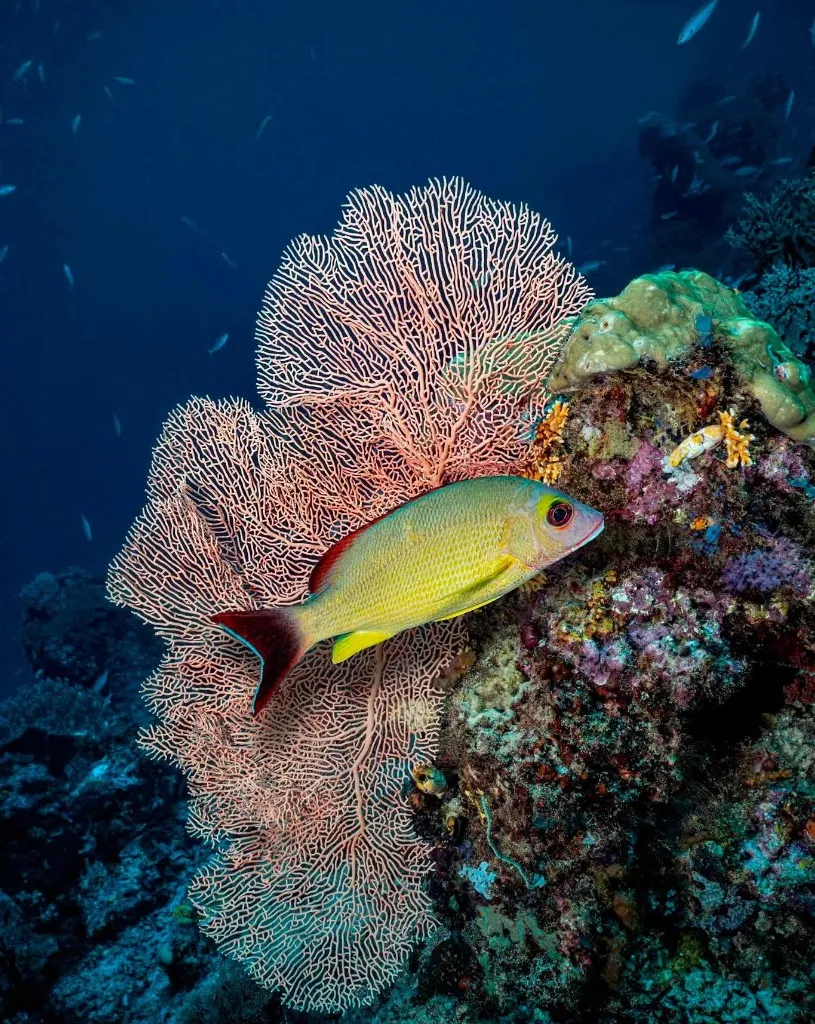
Wreck surfaces are notably adorned with whip corals, attracting substantial schools of snappers that move in unison around the submerged vessel. Many observations confirm a flourishing ecosystem has developed across its metal framework, with crevices providing shelter for smaller creatures.
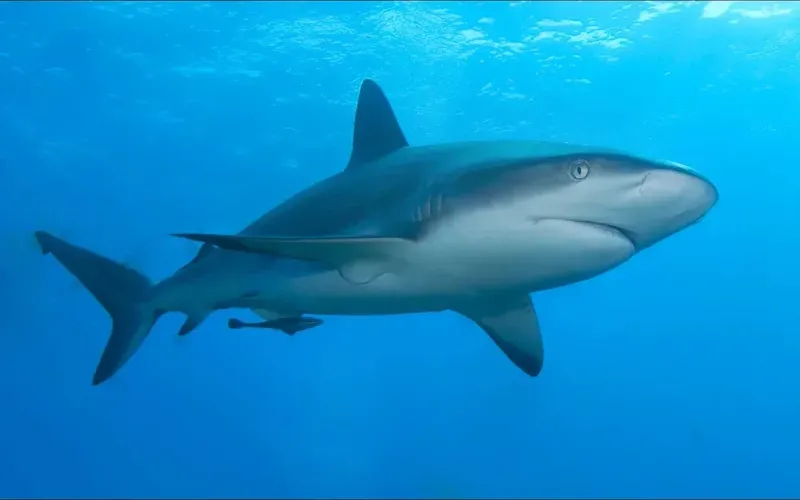
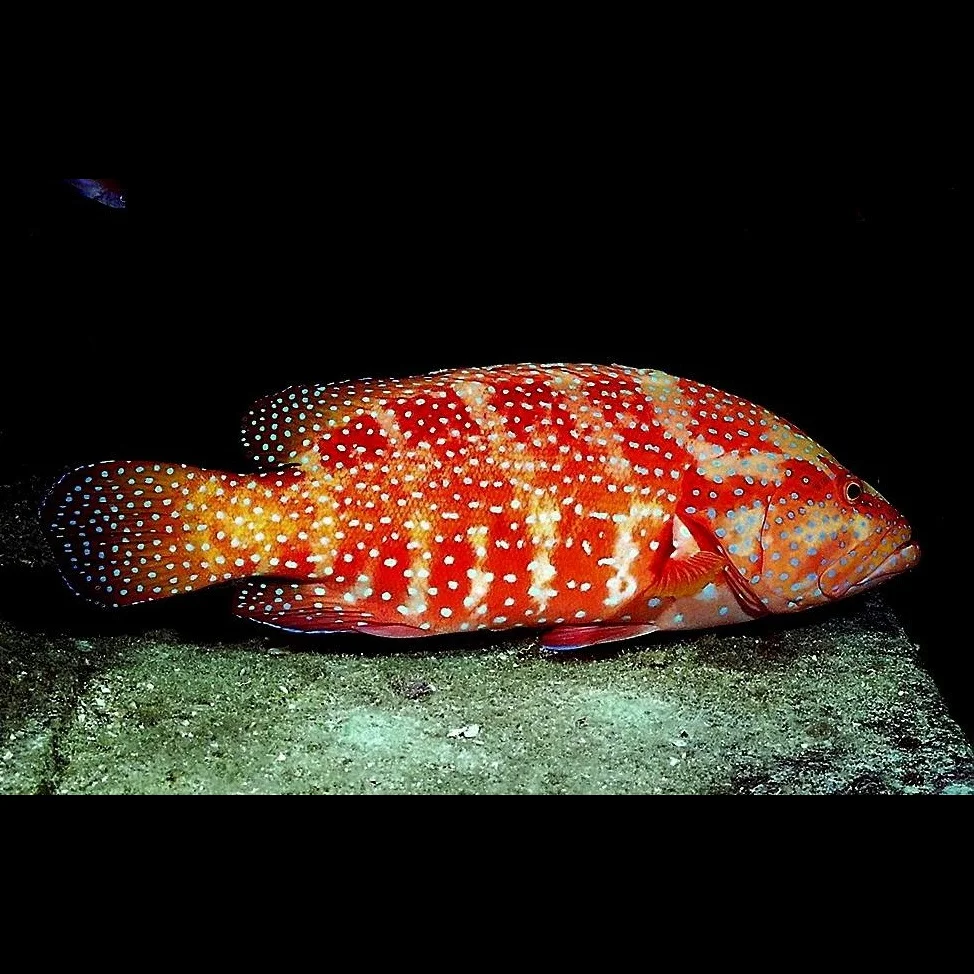
Encounters with larger reef dwellers like groupers, various eels, and occasional reef sharks contribute to its appeal, offering a dynamic glimpse into a man-made structure reclaimed by the ocean. Expect a visually engaging dive that balances historical interest with vibrant marine activity.
Conditions are Good
Optimal conditions expected
Current conditions near The Royal Navy Lighter show 25° air, 27° sea temperature, 0.9 m waves, and 37 km/h wind. Forecast data is refreshed regularly to ensure accuracy.
Best Time to Dive
Considering local climate patterns, excellent diving conditions at the Royal Navy Lighter typically emerge from February to March, and again from November to December. During these periods, wind speeds are generally lower, and rain activity is minimal, contributing to more stable water conditions. Air temperatures remain consistently warm, averaging around 29°C (84°F) in February and 28°C (82°F) in March, ensuring comfortable surface intervals. While water temperature data is not consistently reported, warm air temperatures suggest pleasant underwater conditions throughout the year. 'Good' dive scores recorded for remaining months still indicate viable diving opportunities, though conditions might feature slightly higher waves or moderate wind speeds, especially from June to August, when winds can average around 23-25 km/h (14-15 mph).
PEAK SEASON SCORE
Scores combine air & water temps, waves, wind & rainfall for overall conditions.
BEST MONTHS TO DIVE
Monthly records compiled from satellite and marine observation nodes over the last 3 years. Data provided by Open-Meteo and MET Norway.
Dive Experience & Conditions
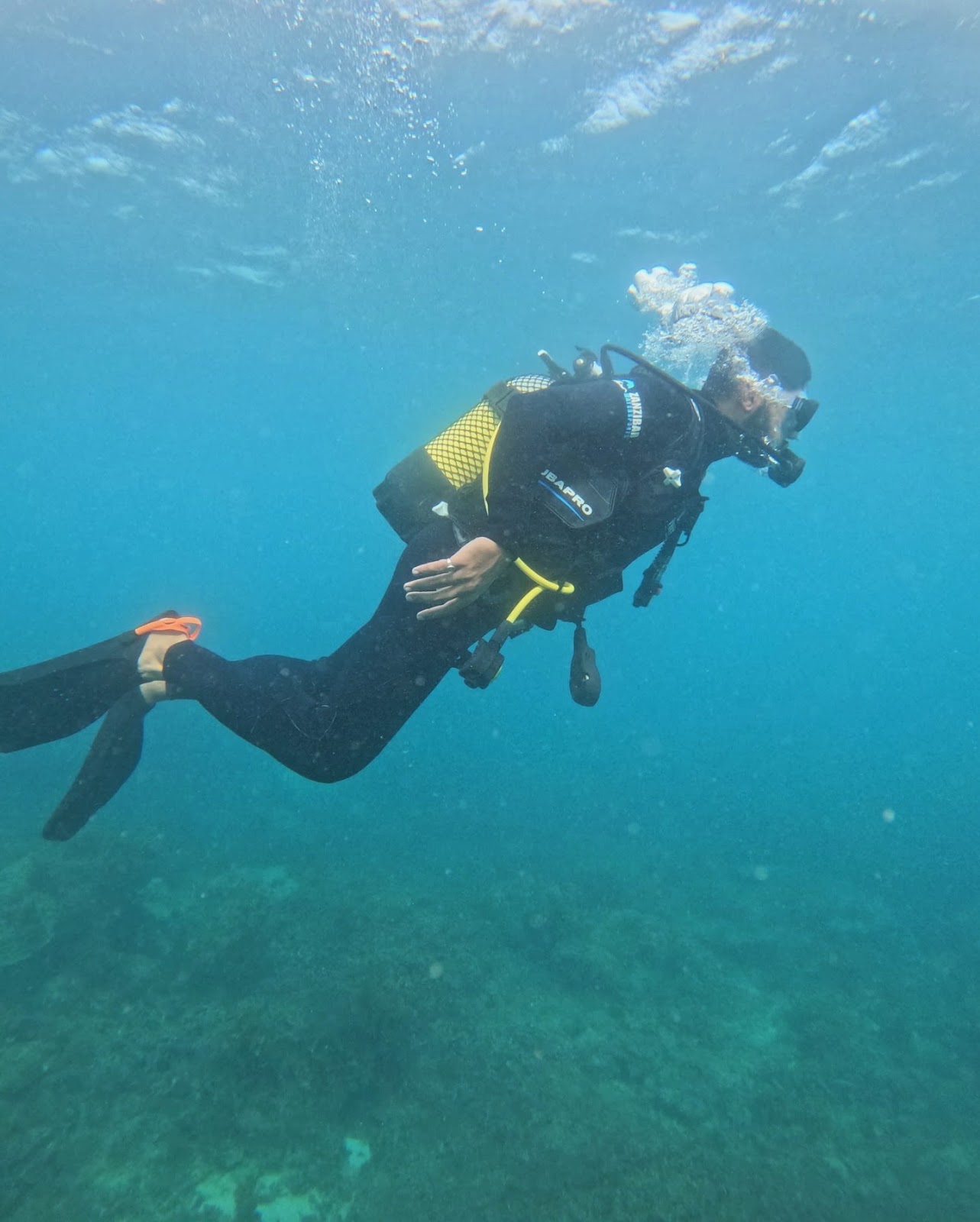
Boat entry places divers directly onto the Royal Navy Lighter site. A dynamic environment awaits, with local currents varying depending on prevailing weather patterns; specific current strengths are not consistently reported. Its maximum depth of 30 m (98 ft) requires proficient buoyancy control and adequate air management. Visibility in surrounding waters is generally good, allowing for clear views of wreck structures and inhabitants. Divers will observe how the artificial structure has transformed into a thriving ecosystem, populated by numerous whip corals. Substantial schools of snappers often create impressive displays of coordinated movement around the wreck, enhancing the visual experience. Deeper sections allow for more detailed exploration of features, catering to divers with greater experience.
Dive Difficulty & Safety Guidelines
Diving at the Royal Navy Lighter is best suited for experienced divers and those holding an Advanced Open Water certification, given its max depth. Proper training, such as the PADI Advanced Open Water Diver or PADI Wreck Diver courses, proves highly beneficial for safely exploring this site. Always dive with a reputable local operator who understands specific conditions and potential variables of the area.
Crucial steps include planning your dive within no-decompression limits and closely monitoring air consumption. As with all wreck dives, avoid penetrating the structure unless specifically trained and equipped for such activity, as internal conditions can be unpredictable. Maintain awareness of your surroundings and any local boat traffic upon ascent.
Recommended Equipment
Overhead / entanglement risk. Wreck penetration requires proper training.
- Dive Computer
- DSMB
- Primary & Backup Lights
- Wreck Reel
- Cutting Tool
This gear list is based on verified equipment signals for The Royal Navy Lighter, Tanzania. Always confirm final gear choices with your dive operator, guide, or liveaboard.
Recommended Dive Suit
The latest conditions reported around The Royal Navy Lighter place the water temperature close to 27°C (80°F). Surface air temperatures are resting at 25°C (77°F).
For the majority of recreational dives here, 2-3mm shorty or light wetsuit should provide suitable protection. A hood or vest is suggested for sensitive divers due to surface winds.
Weather models currently point toward consistent diving conditions over the next several days.
Due to technical issues with our weather providers, data hasn't been fetched for over 48 hours. The data above reflects the conditions at the time of the last successful fetch.
Emergency & Medical Support
Essential information to help you plan your dive trip to The Royal Navy Lighter.

Hyperbaric chambers are a critical part of dive safety infrastructure. Availability varies significantly by region, and not all dive areas have immediate access.
Before diving, it's recommended to:
- confirm nearest medical facilities
- check emergency procedures with local dive operators
- ensure dive insurance covers evacuation if required
Divers Alert Network
Diving emergency assistance available through DAN Southern Africa.
+27828106010- 24/7 emergency hotline
- Diving medical assistance
- Evacuation coordination
Emergency contacts are provided for reference. Always verify local emergency services before diving.
Marine Life at The Royal Navy Lighter
Having evolved into a significant marine habitat, the Royal Navy Lighter attracts various species to its structure. Whip corals densely cover the wreck, providing a complex substrate that supports numerous smaller organisms.
Large schools of snappers are a consistent presence, often observed swarming over and around the sunken vessel. Divers commonly encounter groupers and different species of eels utilizing the wreck for shelter.
Opportunities also exist to spot stonefish, known for their camouflage, and occasional reef sharks that patrol the perimeter of the wreck, adding an exciting element to the dive.

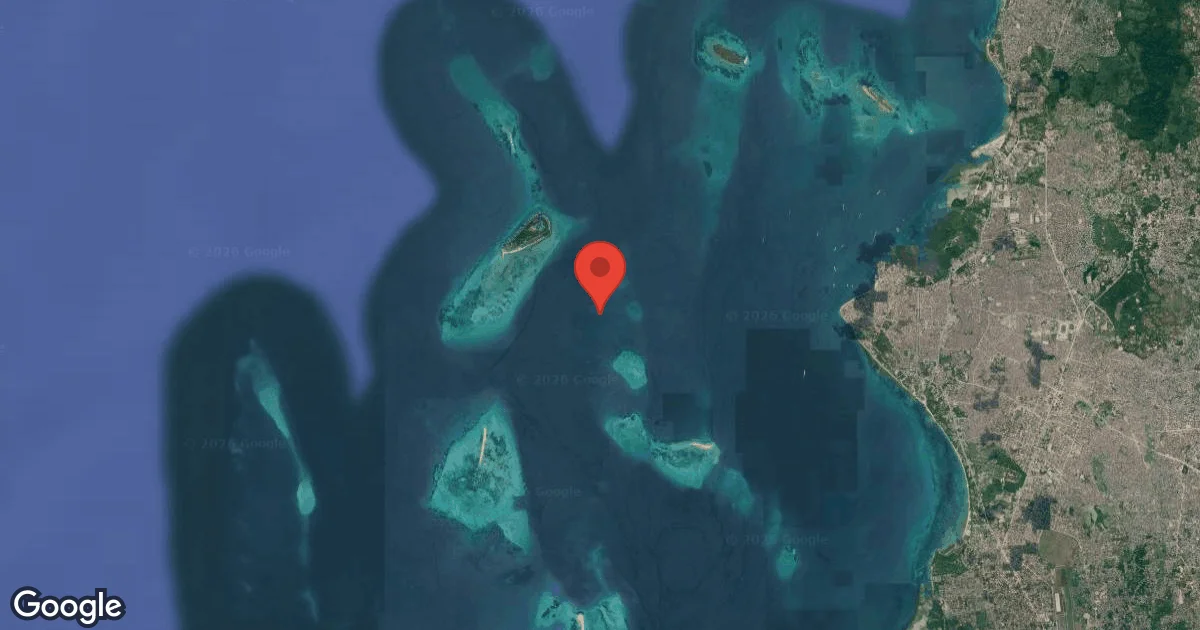
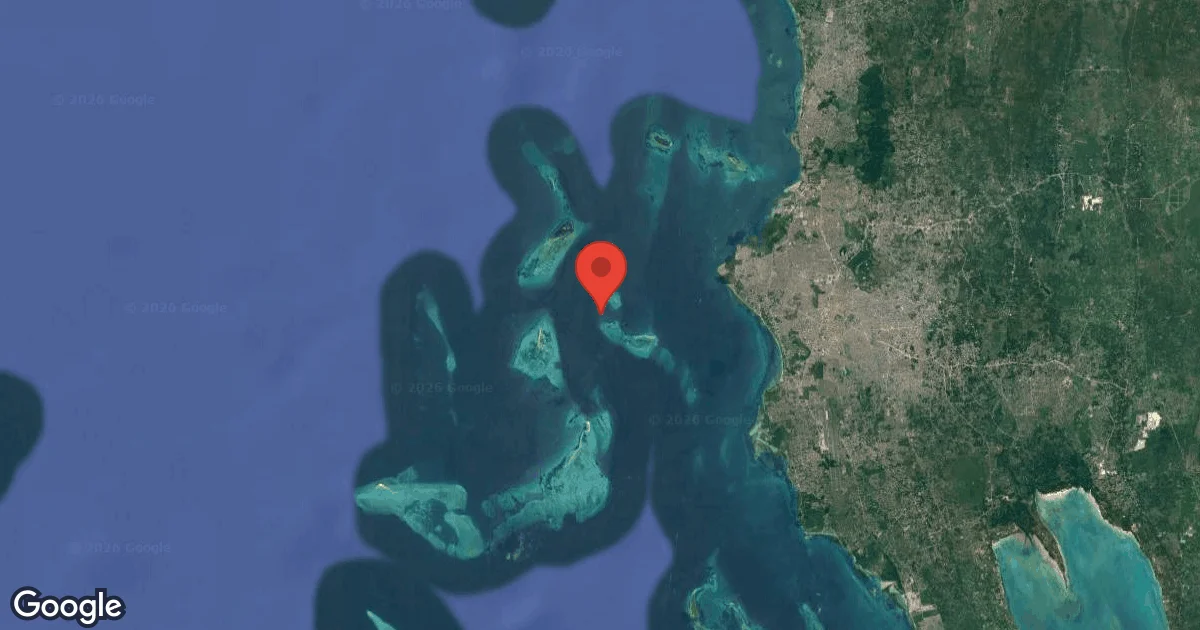
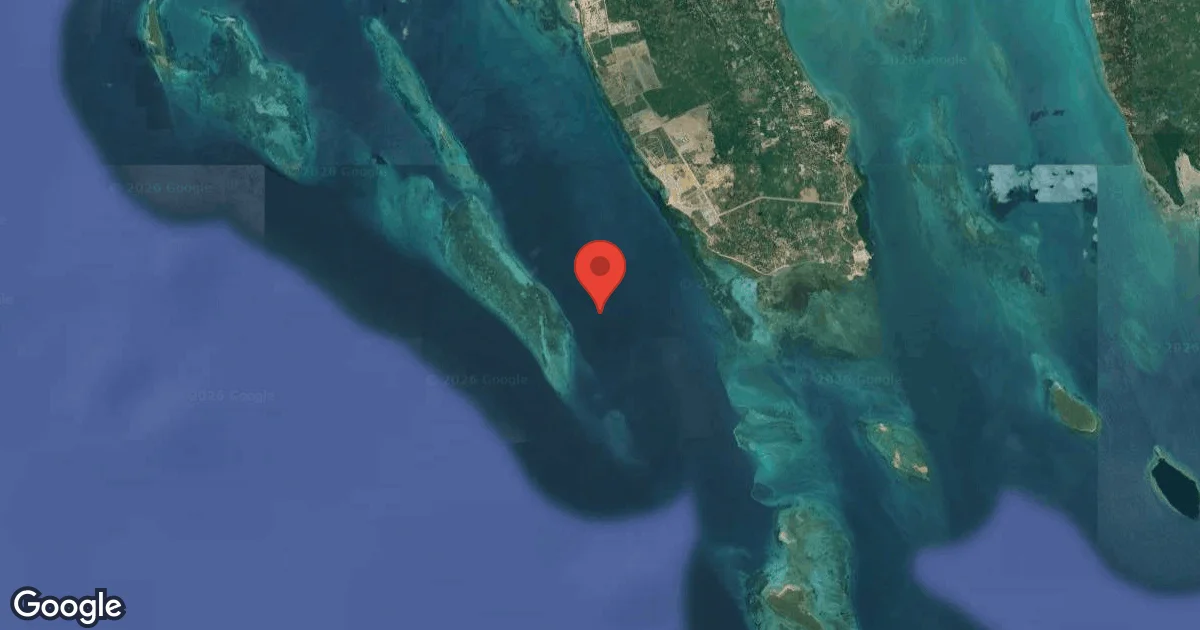
Dive Sites Near The Royal Navy Lighter
View all dive sites in TanzaniaDiscover more underwater gems in this area.
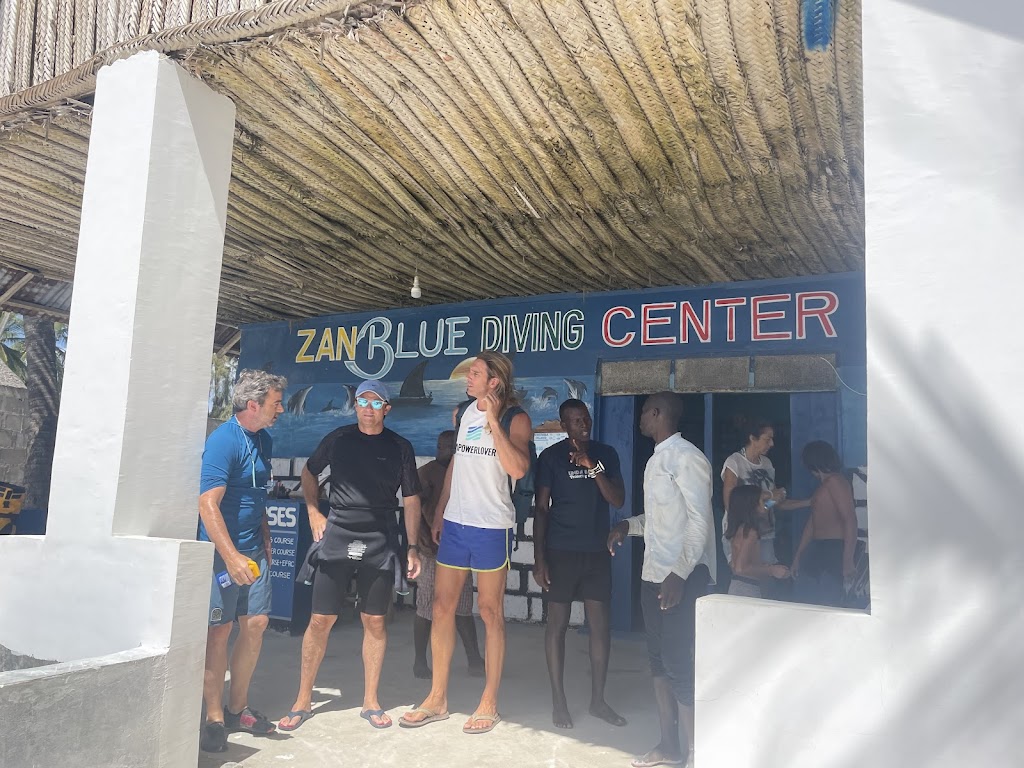
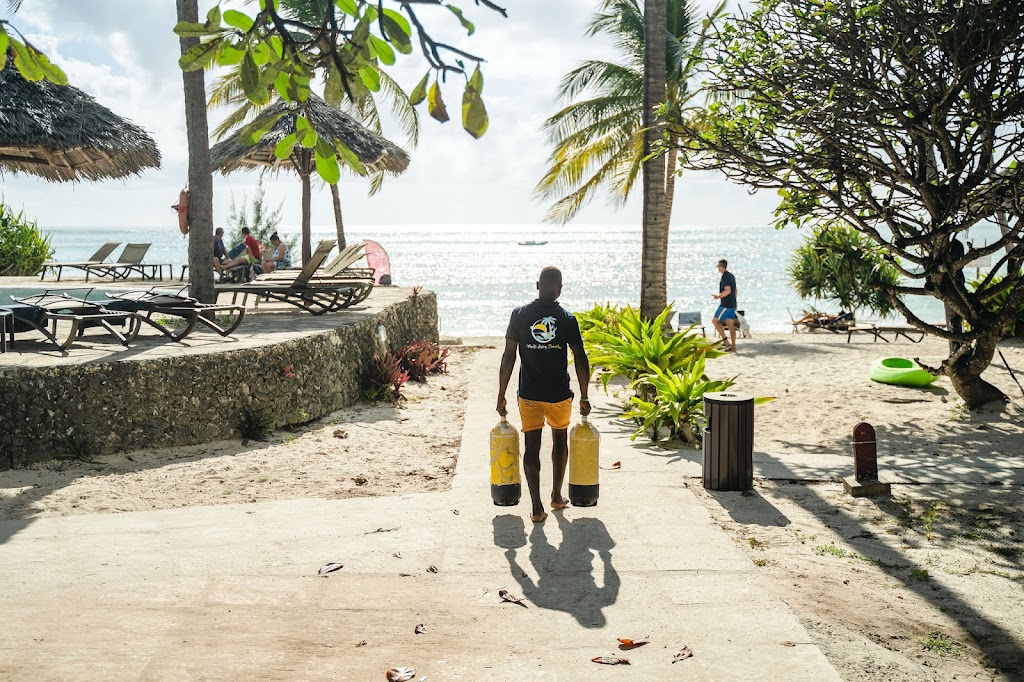
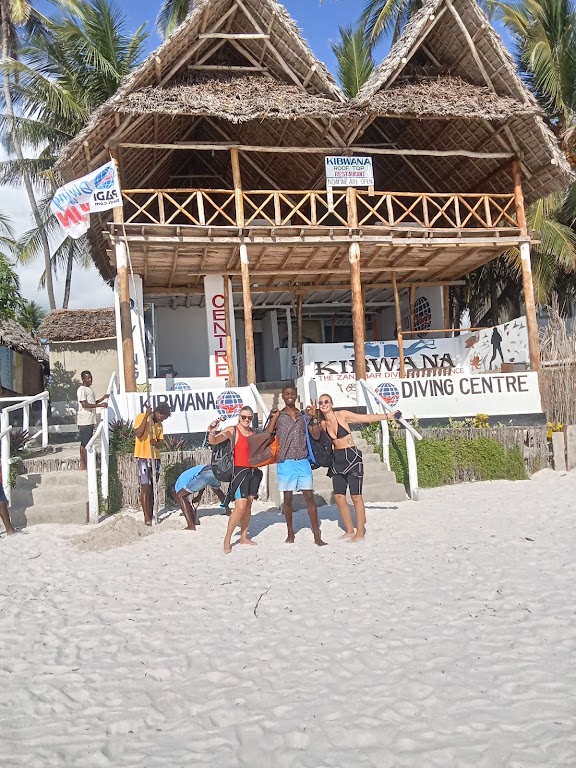
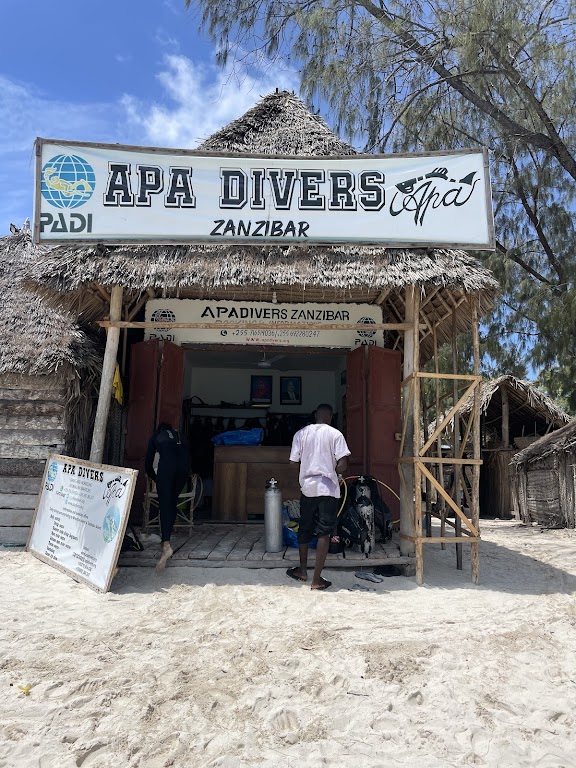
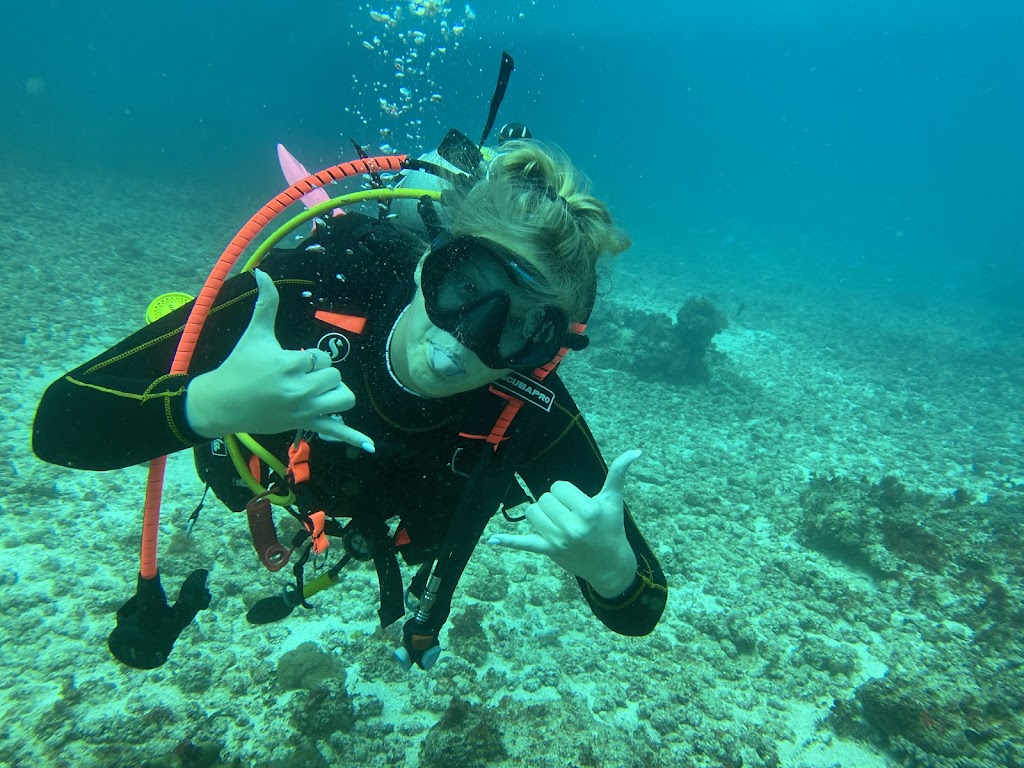
Dive Centers Near The Royal Navy Lighter

Today: 08:00 - 18:00
Nearest Airports
Nearest airports to help plan travel to this dive area.
Search Flights
Check available flights and routes on Expedia, using the nearby airports listed in this section.
Search Flights on ExpediaFrequently Asked Questions
What is the maximum depth of this wreck?
Maximum depth at this wreck site is 30 meters (98 feet). This depth is suitable for experienced divers and those with Advanced Open Water certification.
What type of dive is The Royal Navy Lighter?
It is a wreck dive, featuring a purposefully sunk ship that has been transformed into an artificial reef. This makes it ideal for divers interested in exploring submerged structures and the marine life they attract.
What marine life can be seen?
Divers frequently observe large schools of snappers, whip corals, groupers, various eels, and stonefish. Occasional sightings of reef sharks also occur around the wreck.
Is this dive site suitable for beginner divers?
No, due to its depth, the Royal Navy Lighter is recommended for experienced divers and Advanced Open Water students. Beginner divers should consider shallower sites.
How is the dive site accessed?
Access to the Royal Navy Lighter is via boat. Dive operators from Zanzibar will typically arrange boat trips to the site, which is located just off Bawe Island.
Are strong currents present?
Currents at the site can vary depending on conditions. While not consistently reported as strong, divers should always be prepared for potential currents and follow their dive guide's instructions.
Planning to dive The Royal Navy Lighter?
Send one inquiry and receive offers directly from the best verified local dive operators.
Conditions are Good
Optimal conditions expected
Current conditions near The Royal Navy Lighter show 25° air, 27° sea temperature, 0.9 m waves, and 37 km/h wind. Forecast data is refreshed regularly to ensure accuracy.