
Diving at Shark Island (Thailand)
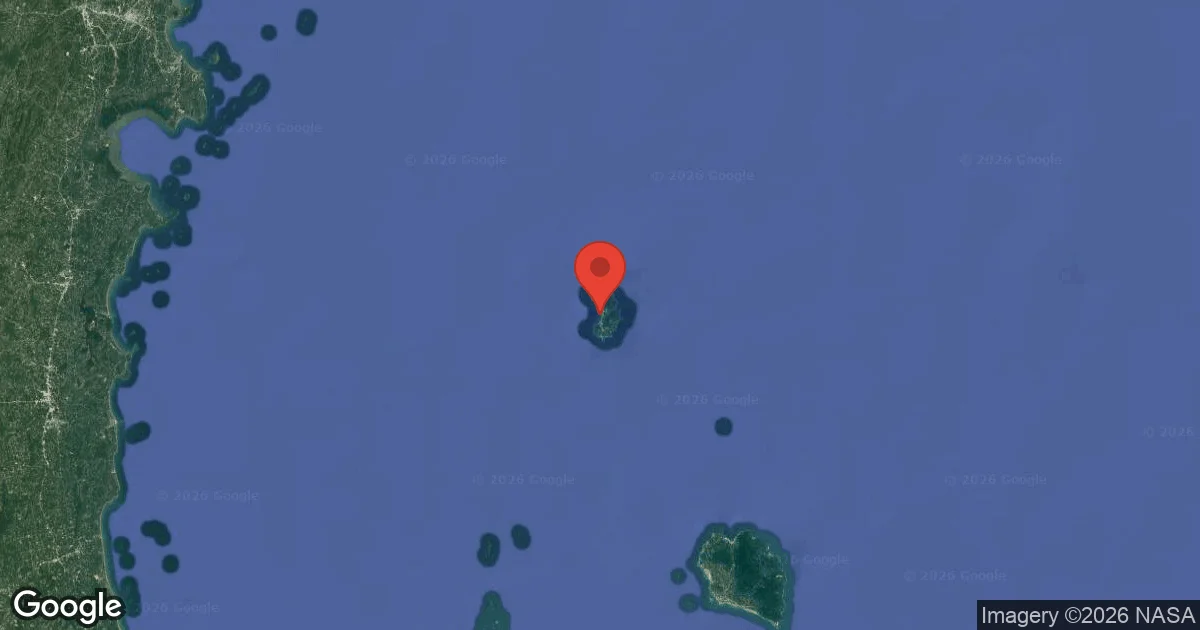
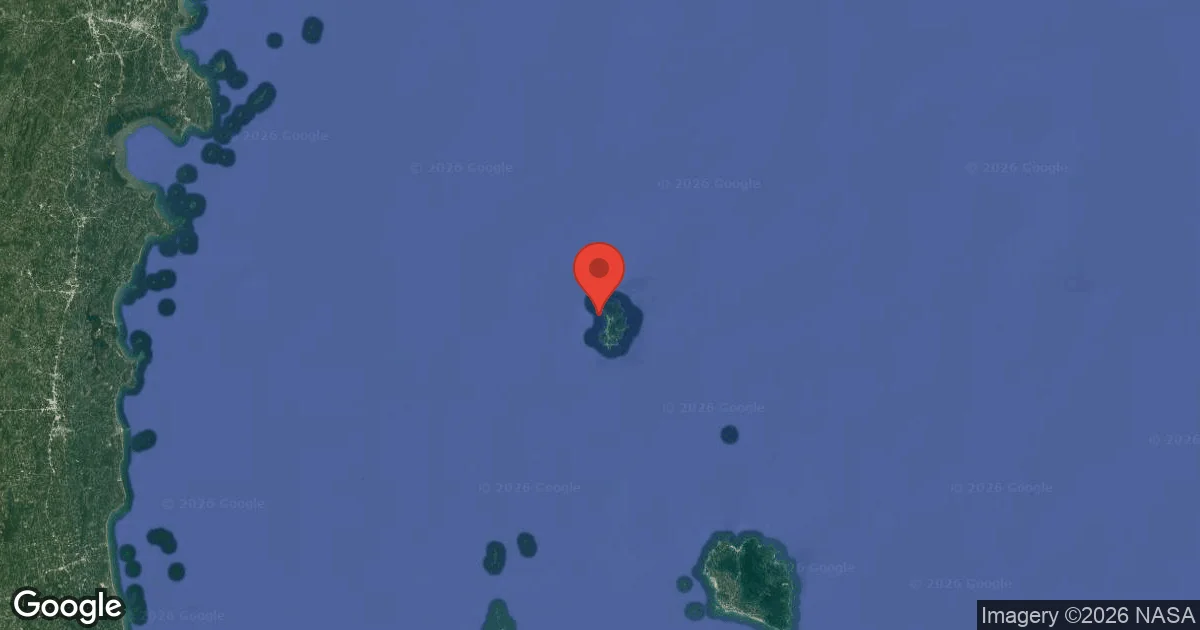
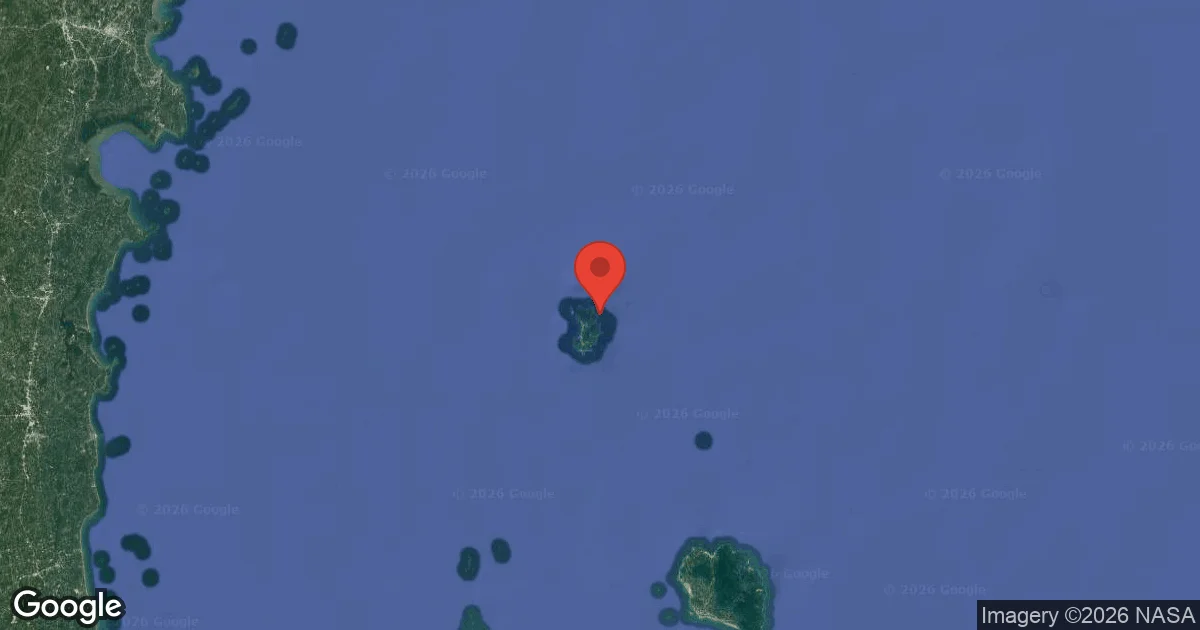
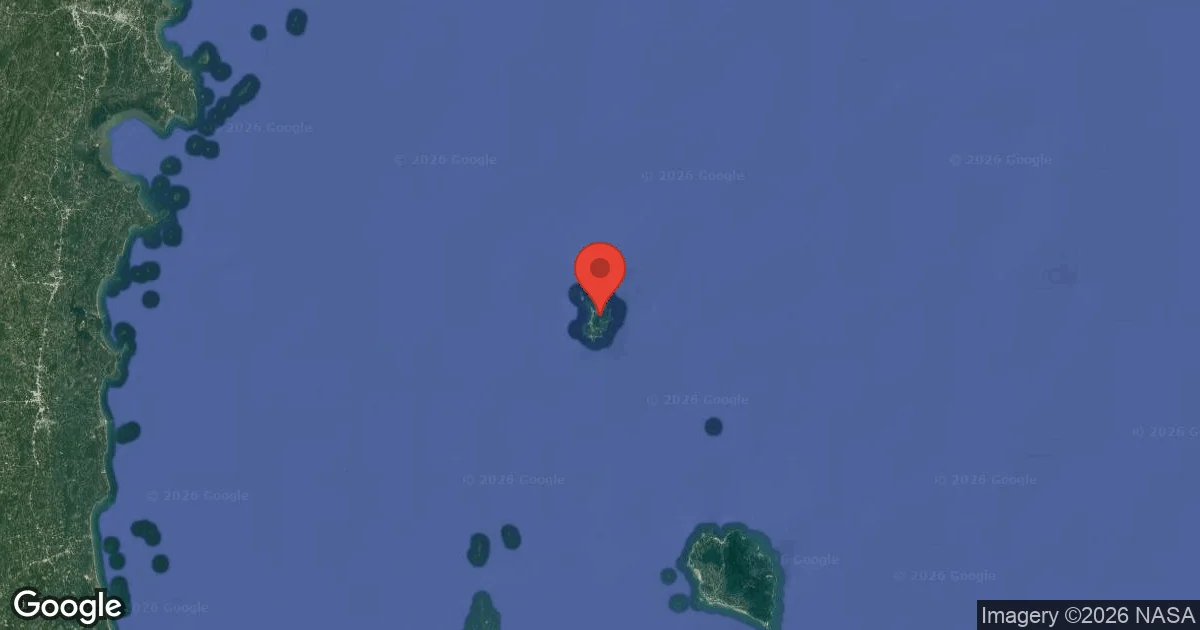
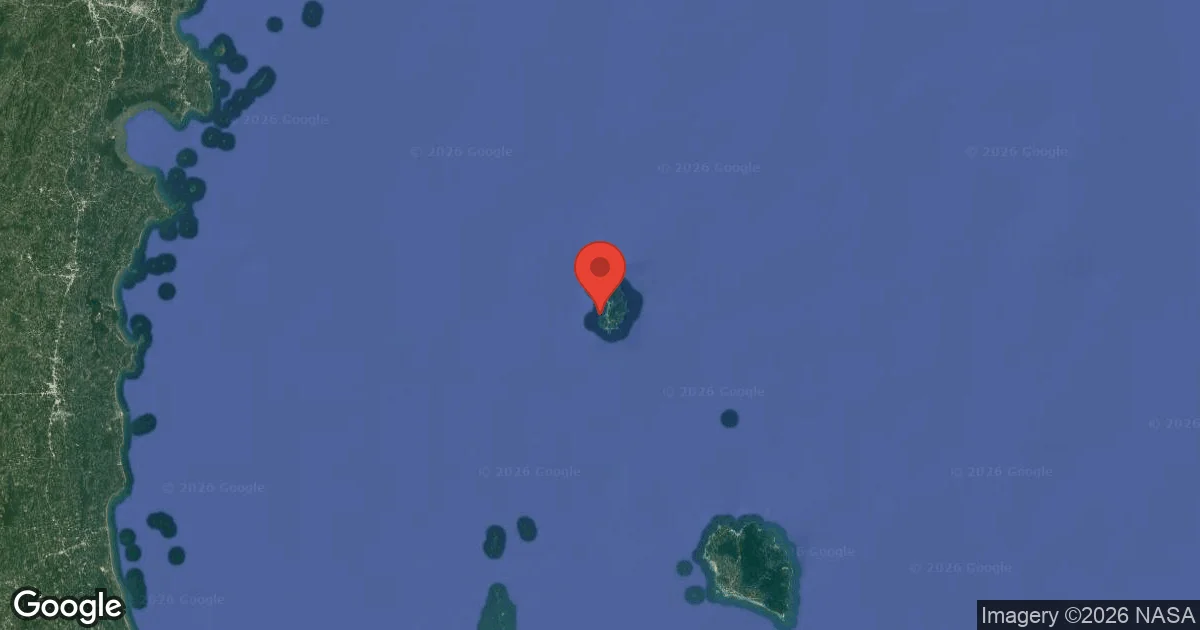
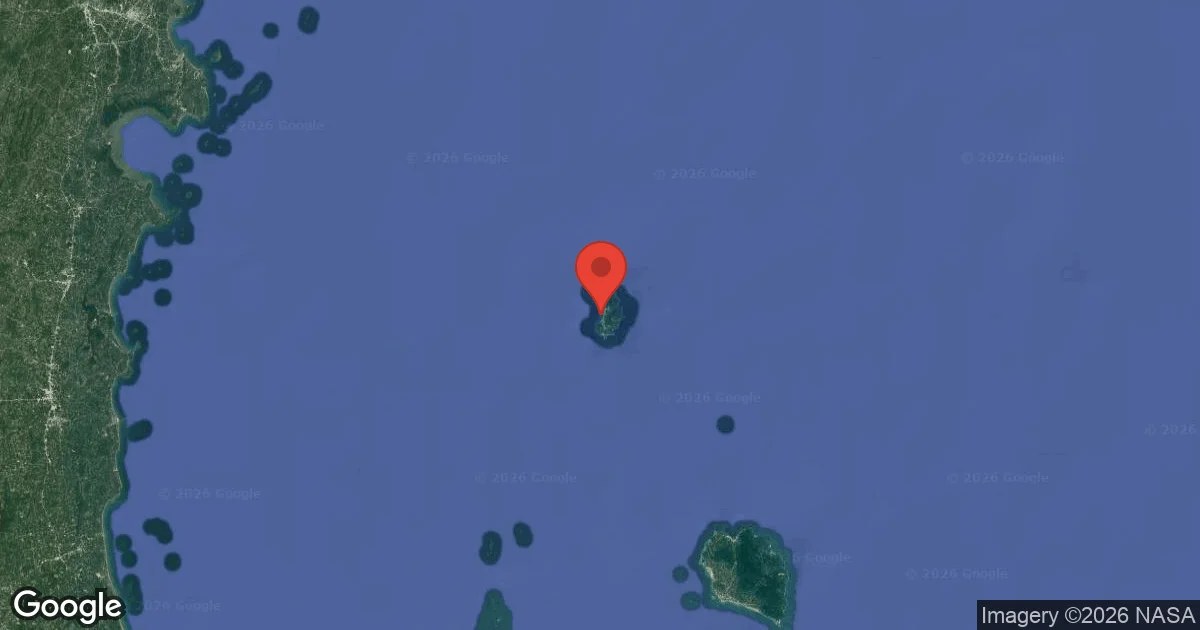
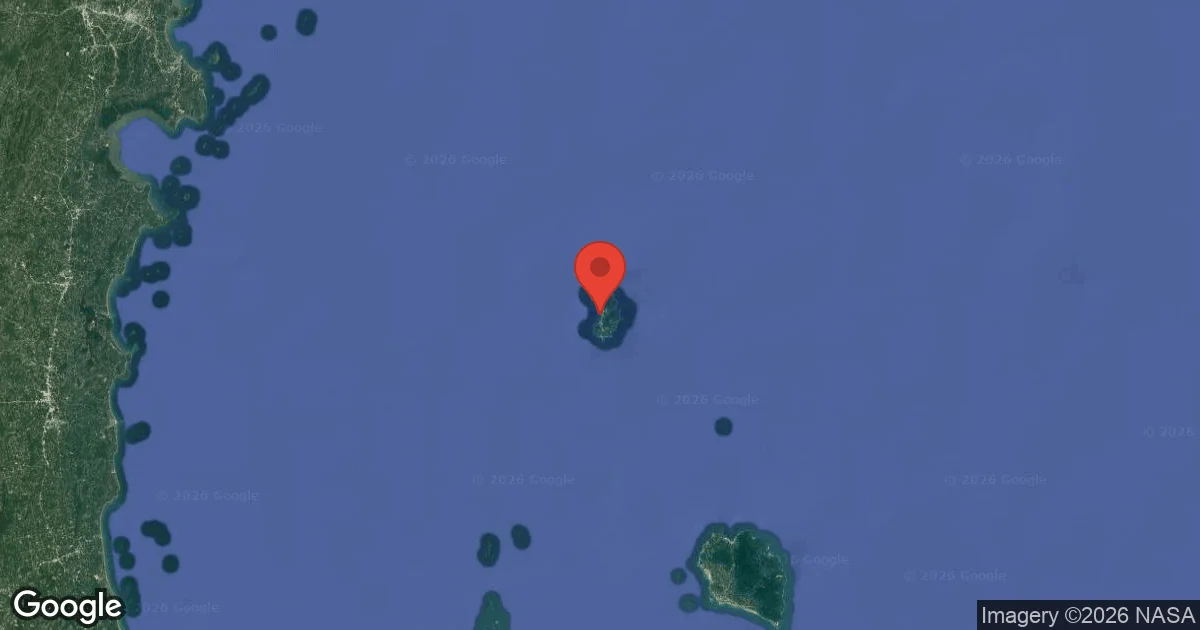
Approaching Shark Island, divers will first notice the small, uninhabited landmass breaking the surface, its distinct rock formation inspiring its name. This site, just a short boat ride from Koh Tao, presents itself as a captivating entry point into the Gulf of Thailand's underwater world. It invites exploration for those ready for its often dynamic conditions and vibrant marine displays.
Evening condition tracking at Shark Island features an air temperature of 27.5°C. We have recorded wave heights measuring 0.3 m during this period. These figures outline the environmental parameters currently present.
Dive Site Location & Key Facts
Dive Site Overview
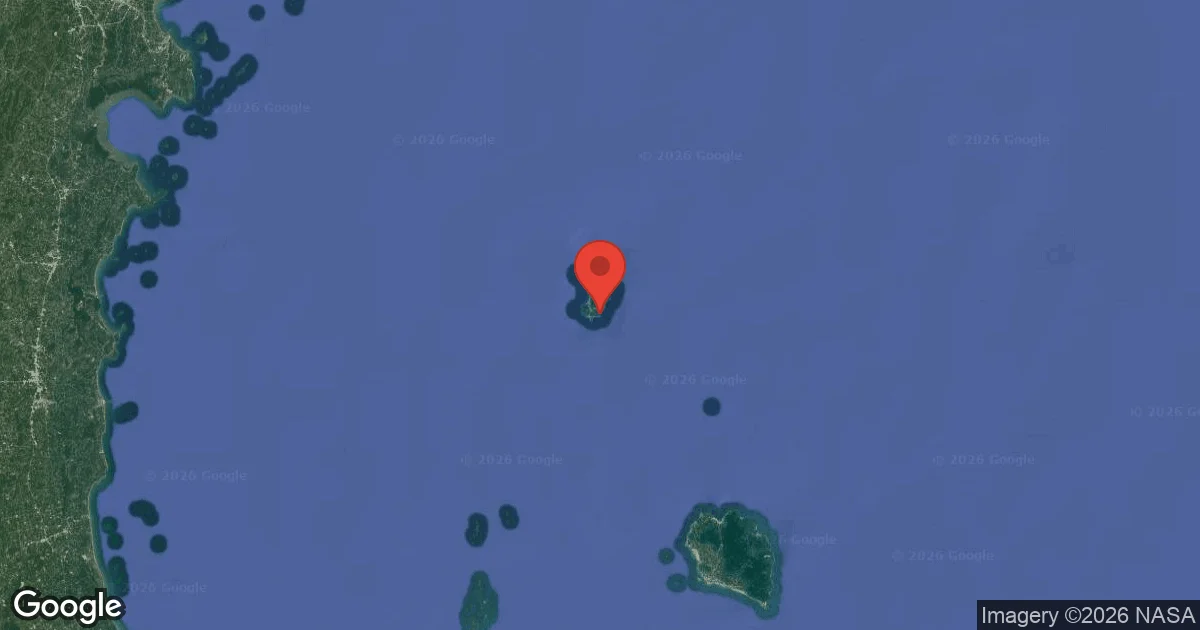
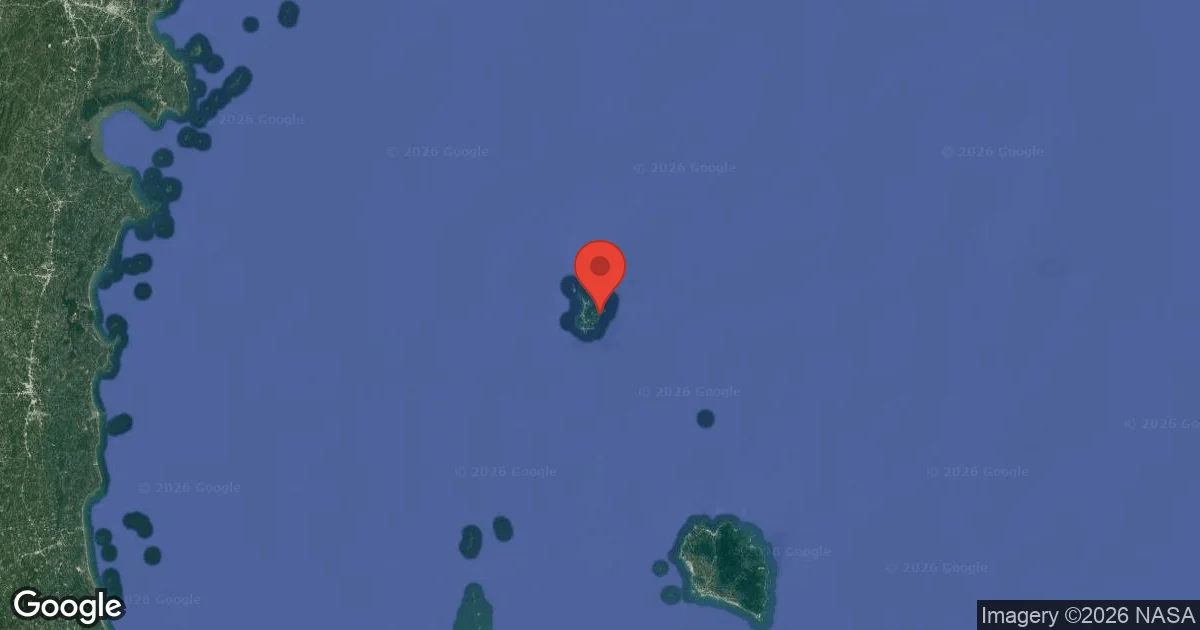
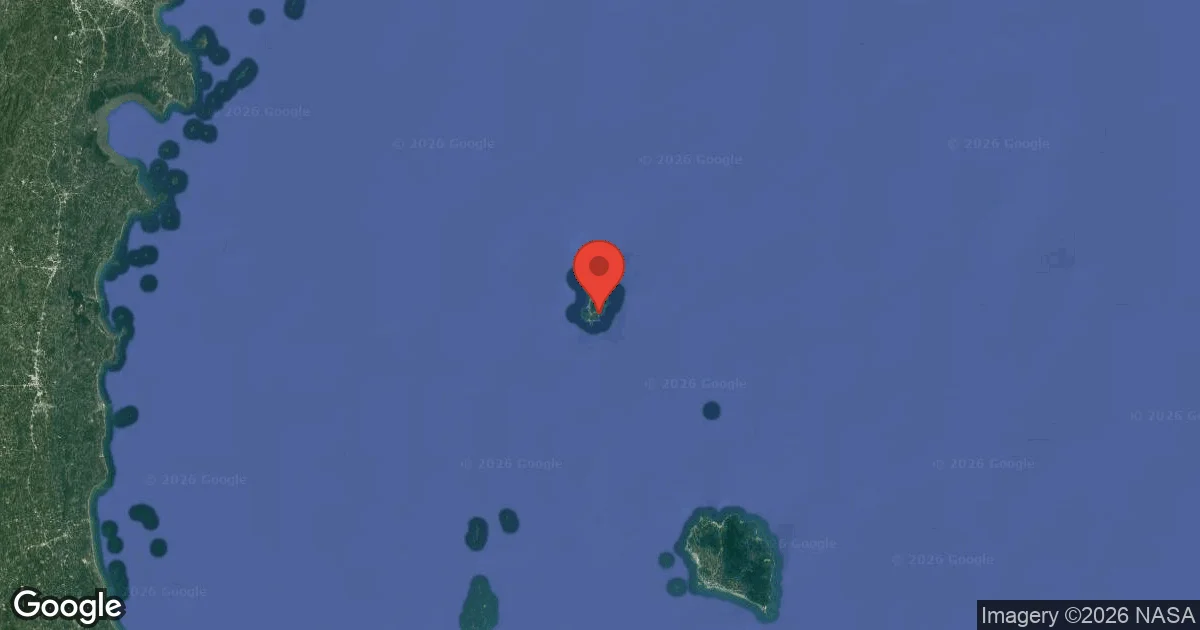
Shark Island, also known by its Thai name 'Gong Sai Deang', derives its identity from the natural rock structure resembling a shark's fin. This site, historically recognized for consistent water movement attracting schooling fish, stands as a prominent surface-breaking pinnacle off Koh Tao's southern tip.
Divers exploring this area encounter a varied underwater terrain; it slopes gently from the shallower sections, abundant with soft corals, down to a maximum of approximately 24 m (78 ft). The main island structure allows for dives where topography changes from vibrant reef patches to rockier outcrops, often involving circumnavigation if conditions permit. This offers differing perspectives on the site's rich biodiversity.
Beyond the primary reef system, a deeper expedition awaits those with Advanced Open Water certification or equivalent training. The MV Trident shipwreck rests at around 28-35 m (92-115 ft) off the south side, presenting a distinct additional dive dimension for technical-minded explorers.
The currents, which are a defining characteristic here, play a crucial role in shaping the dive. They often dictate the drift profile, ensuring a dynamic experience as nutrients are constantly brought through the area.
These varying water patterns contribute to the site's rich nutrient flow. Positioned conveniently near Chalok Bay, its accessibility makes it a frequent selection for local dive operators, allowing for efficient trip planning and multiple dive opportunities throughout the day. Conditions can change, meaning a flexible approach to dive planning often yields the most rewarding experience.
Conditions are Moderate
Optimal conditions expected
Current conditions near Shark Island show 27° air, 30° sea temperature, N/A waves, and 23 km/h wind. Forecast data is refreshed regularly to ensure accuracy.
Best Time to Dive
Optimal diving conditions typically occur from February through April, when the site registers excellent dive scores. During these months, rain levels are notably low, ranging from approximately 1.0-2.1 mm, contributing to more stable conditions. Air temperatures remain consistently warm, averaging between 27.5°C and 29.5°C (81.7-84.9°F), creating a comfortable environment both above and below the surface. While May also shows excellent dive scores, a slight increase in rainfall to about 5.5 mm suggests conditions might begin to transition. Throughout the year, dive scores generally remain good, though periods from June to November may experience higher average wind speeds and increased wave heights, potentially affecting surface conditions and dive comfort.
PEAK SEASON SCORE
Scores combine air & water temps, waves, wind & rainfall for overall conditions.
BEST MONTHS TO DIVE
Monthly records compiled from satellite and marine observation nodes over the last 3 years. Data provided by Open-Meteo and MET Norway.
Dive Experience & Conditions
The site’s topography begins with a gently sloping reef, transitioning into deeper sections where a surface-breaking pinnacle descends to around 24 m (78 ft). Divers can explore this main structure, which hosts extensive soft coral gardens. Conditions at Shark Island are often characterized by significant water movement and currents. These currents vary depending on the day, which means checking local reports before diving is a practical step. Such dynamic water patterns contribute to the site's rich nutrient flow, supporting its diverse marine life. While the average recreational depth typically ranges between 5-20 meters, deeper excursions down to 28-35 m (92-115 ft) are possible for appropriately certified divers to explore the MV Trident wreck.
Dive Difficulty & Safety Guidelines
When planning a dive here, experienced divers are recommended to account for the often-present currents and varying weather conditions. While Open Water certified divers are welcome, the dynamic nature of the site means having solid buoyancy control and an awareness of your surroundings is important. Prior to entering the water, a thorough check of local weather and current forecasts is always a sensible practice.
Divers should also be mindful of marine life such as titan triggerfish, which can exhibit territorial behavior during nesting periods. Though no specific hazards are consistently reported, general safe diving practices, including staying with your buddy and monitoring air consumption, apply here.
Recommended Equipment
- Dive Computer
This gear list is based on verified equipment signals for Shark Island, Thailand. Always confirm final gear choices with your dive operator, guide, or liveaboard.
Recommended Dive Suit
Experienced divers often bring flexible gear options.
Environmental readings suggest that the waters surrounding Shark Island are about 30°C (85°F) at the moment. Surface air temperatures are resting at 27°C (81°F). Divers who spend longer periods underwater often choose dive skin or rash guard. A hood or vest is suggested for sensitive divers due to surface winds.
The next few days appear likely to bring similar environmental conditions.
Emergency & Medical Support
Essential information to help you plan your dive trip to Shark Island.

Hyperbaric chambers are a critical part of dive safety infrastructure. Availability varies significantly by region, and not all dive areas have immediate access.
Before diving, it's recommended to:
- confirm nearest medical facilities
- check emergency procedures with local dive operators
- ensure dive insurance covers evacuation if required
Divers Alert Network
Diving emergency assistance available through DAN World.
+1-919-684-9111- 24/7 emergency hotline
- Diving medical assistance
- Evacuation coordination
Emergency contacts are provided for reference. Always verify local emergency services before diving.
Marine Life at Shark Island
The underwater landscape at Shark Island hosts a vibrant ecosystem, characterized by extensive soft coral growth across its sloping reefs and deeper areas. Exploring these diverse habitats, divers may observe an impressive array of schooling fish, which are frequently drawn to the site's water movement.
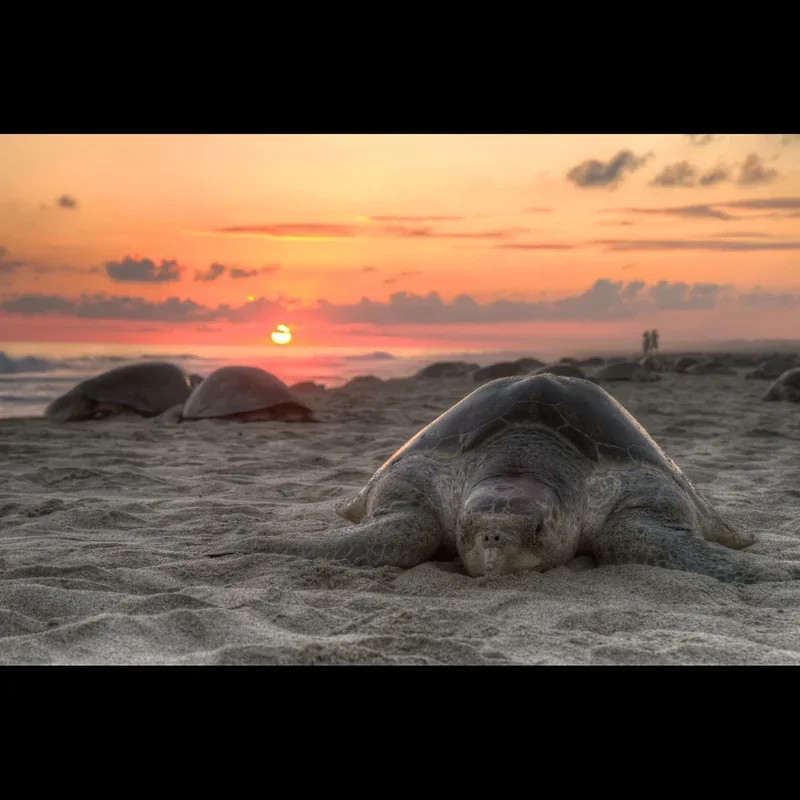
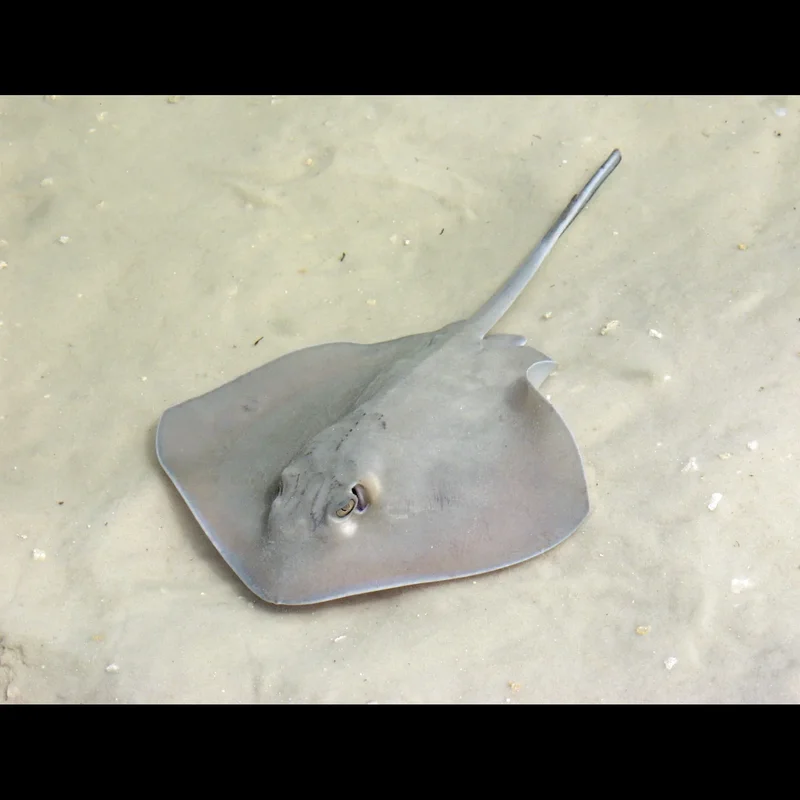
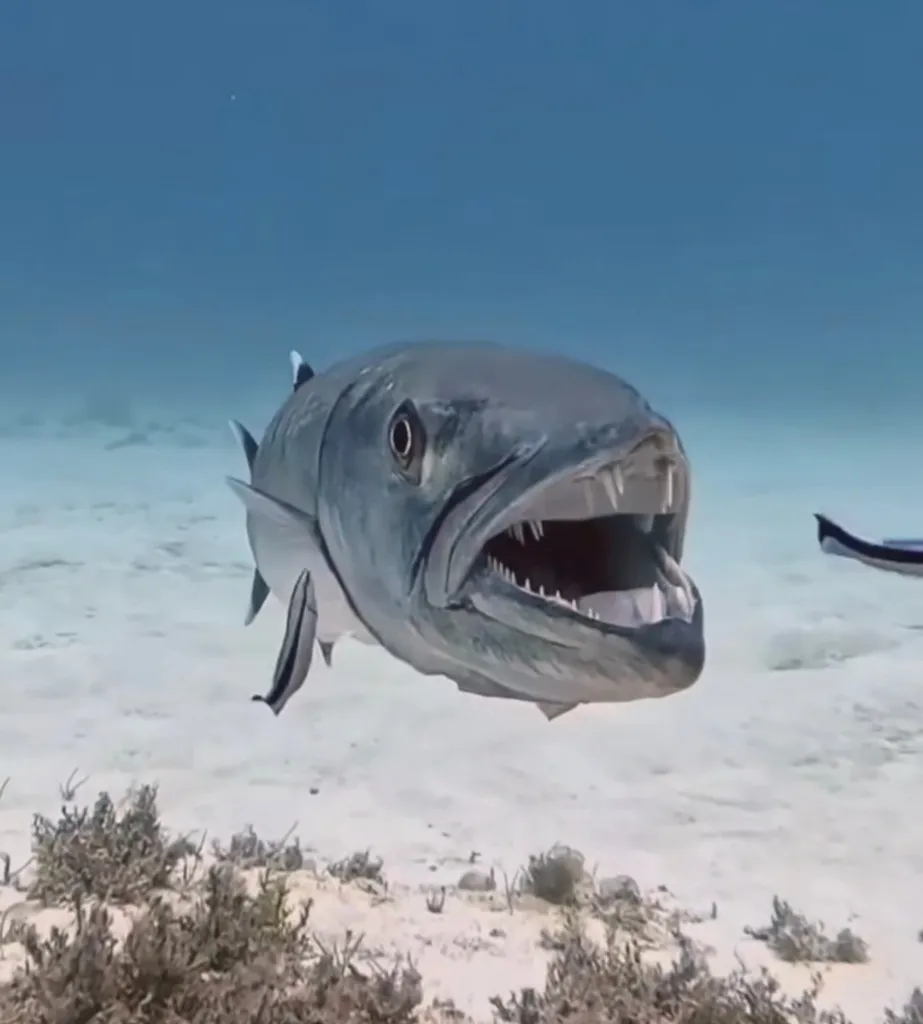
Smaller finds include nudibranchs, while larger encounters might feature sea snakes, stingrays, and various types of sea turtles. Barracuda, including great barracuda and large schools of them, often cruise the site.
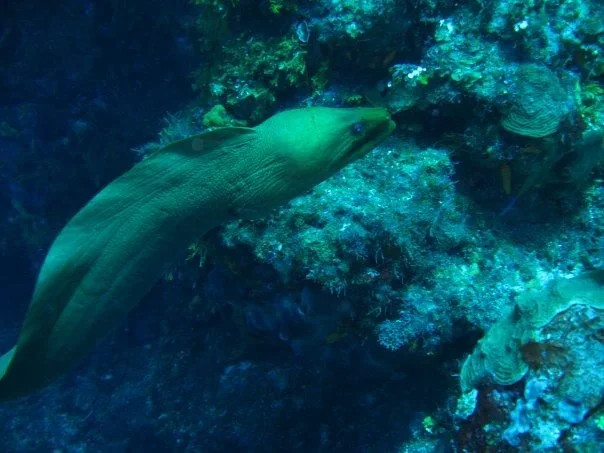
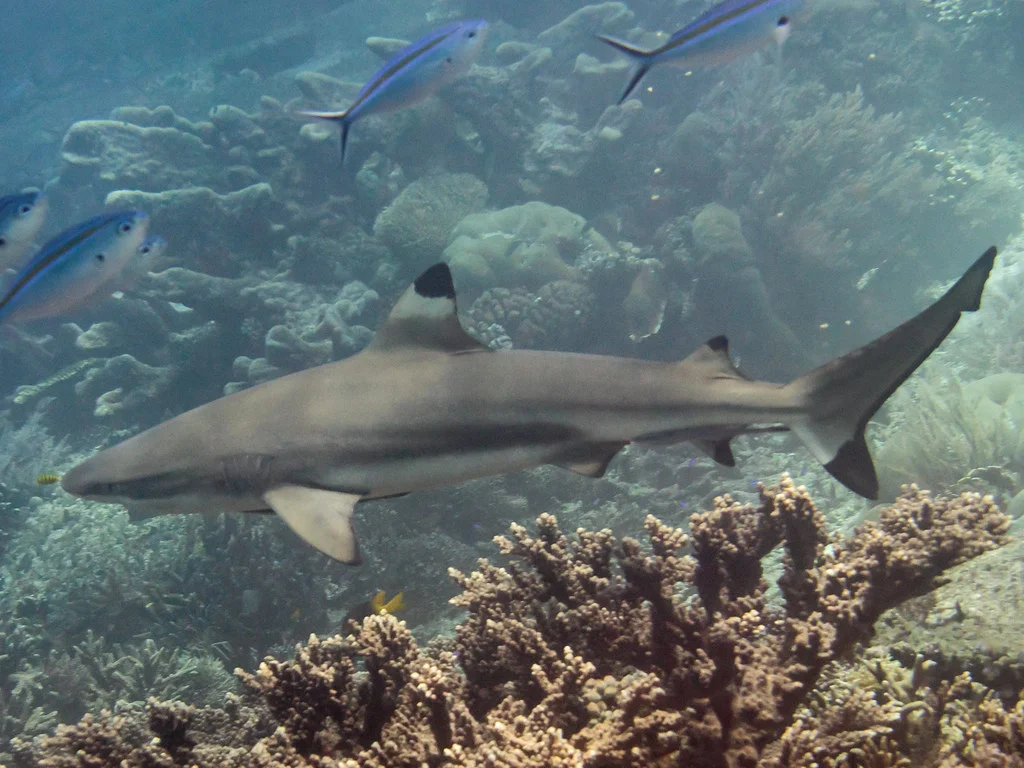
Blacktip reef sharks and leopard sharks are spotted with regularity, along with other pelagic species for the fortunate observer. White-eyed moray eels, blue-spotted fantail rays, porcupinefish, and pufferfish contribute to the rich reef fish diversity.
Dive Sites Near Shark Island
View all dive sites in ThailandDiscover more underwater gems in this area.
Dive Centers Near Shark Island
Today: 09:00 - 19:00

Nearest Airports
Nearest airports to help plan travel to this dive area.
Search Flights
Check available flights and routes on Expedia, using the nearby airports listed in this section.
Search Flights on ExpediaFrequently Asked Questions
What is the recommended diving experience level for Shark Island?
Experienced scuba divers are highly recommended due to often strong currents. However, Open Water certified divers or Standard Level 1 certified Freedivers can visit the site, with careful planning and monitoring of conditions.
What is the maximum depth at Shark Island?
The main pinnacle descends to approximately 24 m (78 ft). For those with specific training, the MV Trident shipwreck lies deeper, at around 28-35 m (92-115 ft).
Is Shark Island suitable for snorkeling?
Yes, on calmer days, Shark Island can be suitable for snorkeling. The shallow coral gardens offer good visibility and a variety of reef fish near the surface.
What kind of marine life can I expect to see?
The site is known for schooling fish, soft corals, nudibranchs, sea snakes, stingrays, sea turtles, and various sharks like blacktip reef sharks and leopard sharks. Large pelagics such as whale sharks are occasionally sighted.
How far is Shark Island from Koh Tao?
Shark Island is located just off the southeast coast of Koh Tao. It's typically a short boat ride, taking around 10-15 minutes from areas like Chalok Bay.
What are the common conditions at Shark Island?
Shark Island often experiences significant water movement and currents. These conditions vary but contribute to a nutrient-rich environment that attracts diverse marine life. Weather and currents should always be checked prior to diving.
Planning to dive Shark Island?
Send one inquiry and receive offers directly from the best verified local dive operators.
Conditions are Moderate
Optimal conditions expected
Current conditions near Shark Island show 27° air, 30° sea temperature, N/A waves, and 23 km/h wind. Forecast data is refreshed regularly to ensure accuracy.