
Diving at Antique Wreck (Turkey)
Diving the Antique Wreck requires a keen appreciation for historical preservation and underwater navigation. This site, a wooden wreck dating nearly from the 15th century, lies at a maximum depth of 30 m (98 ft) and holds a cargo of amphoras. Access to the wreck is exclusively by boat, making precise boat handling and diver briefing crucial for a successful and respectful exploration of this submerged historical relic.
Tonight's objective overview for Antique Wreck shows an air temperature of 24.5°C. The measured surface conditions include wave heights around 0.1 m. This environmental data is logged for the close of the day.
Dive Site Location & Key Facts
Dive Site Overview
Descending into the Aegean Sea off Turkey, divers encounter the Antique Wreck, a fascinating glimpse into maritime trade from centuries past. A wooden vessel, believed to date nearly from the 15th century, rests gracefully on the seabed at a maximum depth of 30 meters (98 feet).
Its most striking feature is the scattered cargo of amphoras, silent witnesses to its final voyage. These ancient storage jars offer a compelling narrative of Mediterranean commerce and naval history, inviting close observation of their forms and arrangements. The wreck isn't an intact ship but rather a collection of well-preserved structural elements and its valuable cargo, spread across a defined area.
Each piece contributes to understanding the ship's final moments and the goods it carried. Accessing the site involves a boat entry, typically requiring good surface conditions for a smooth descent into the salt water environment.
This provides the clear visibility often associated with the Aegean. Divers often find themselves captivated by the delicate balance between the natural marine world and these compelling historical remains, where every artifact tells a story.
Conditions are Excellent
07:00 - 14:00
Optimal conditions expected
Current conditions near Antique Wreck show 25° air, 22° sea temperature, 0.3 m waves, and 21 km/h wind. Forecast data is refreshed regularly to ensure accuracy.
Best Time to Dive
Optimal conditions for exploring the Antique Wreck generally span from March through October, when Turkey's Aegean coast experiences its most favorable weather. During these months, dive scores are consistently rated 'Excellent'. Air temperatures are pleasant, ranging from approximately 11°C (March) to a warm 29°C (July), before settling around 17.5°C by October. Rainfall remains minimal, often less than 2.5 mm per month, particularly dry during summer months like July and August, which see only 0.16-0.18 mm. Wave heights are also at their lowest, typically below 0.5 meters, ensuring calmer boat rides and easier entries. Conversely, the period from November to February still offers 'Good' dive scores, but conditions shift. November and January bring higher rainfall, peaking at 4.35 mm and 3.08 mm respectively, alongside increased wave heights that can reach over 0.8 meters. Winter air temperatures drop significantly, averaging 8.5-9.5°C, making surface intervals cooler. While diving is possible year-round, the warmer, drier months offer a more comfortable and predictable experience.
PEAK SEASON SCORE
Scores combine air & water temps, waves, wind & rainfall for overall conditions.
BEST MONTHS TO DIVE
Monthly records compiled from satellite and marine observation nodes over the last 3 years. Data provided by Open-Meteo and MET Norway.
Dive Experience & Conditions
Descending to the Antique Wreck, divers enter the cool, clear salt water of the Aegean. At its maximum depth of 30 m (98 ft), light diminishes gracefully, enhancing the historical atmosphere around the site. While currents are not consistently reported, conditions can vary; divers should always be prepared for moderate movement. Visibility tends to be good, especially during warmer months, allowing clear views of the wooden structure and its amphora cargo. Exploring this site offers a profound sense of discovery, tracing the outlines of a vessel lost centuries ago. The experience is primarily one of careful observation, navigating the scattered remains to appreciate the historical context. A direct connection with ancient maritime history is established here. This isn't a penetration dive, but rather an exploration of an exposed historical footprint.
Dive Difficulty & Safety Guidelines
Approaching the Antique Wreck site demands careful consideration of its depth and archaeological significance. Diving to 30 m (98 ft) requires an Advanced Open Water certification or equivalent, ensuring divers possess the necessary skills for deeper recreational dives. Given it's a historical site, responsible diving practices are paramount.
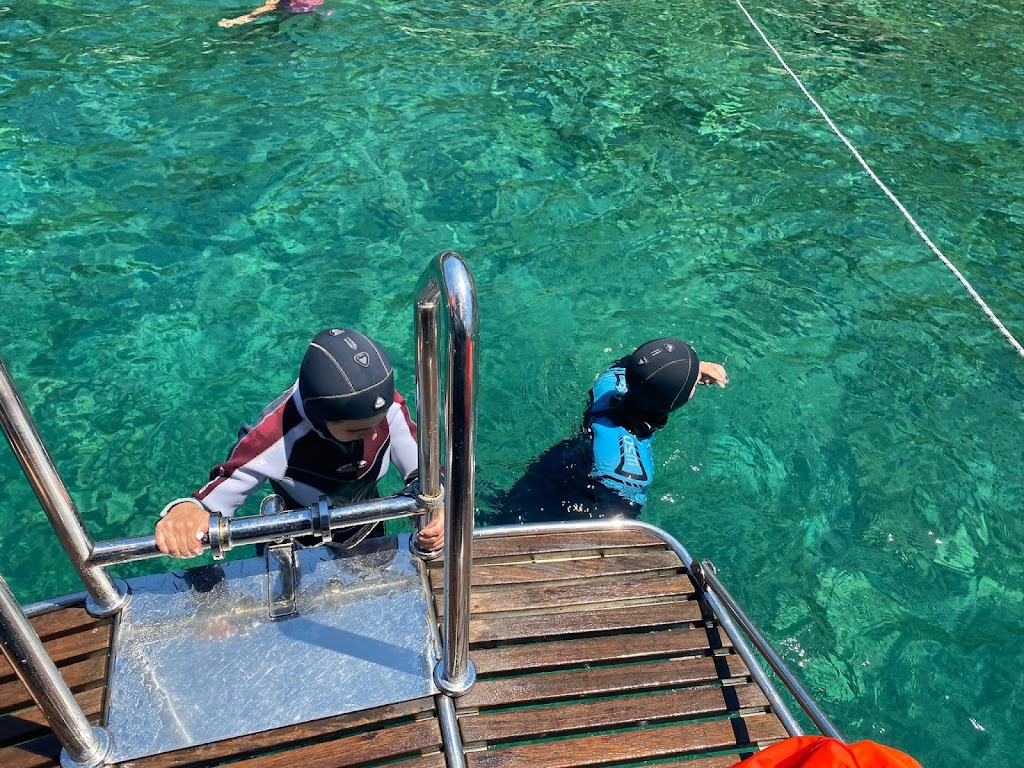
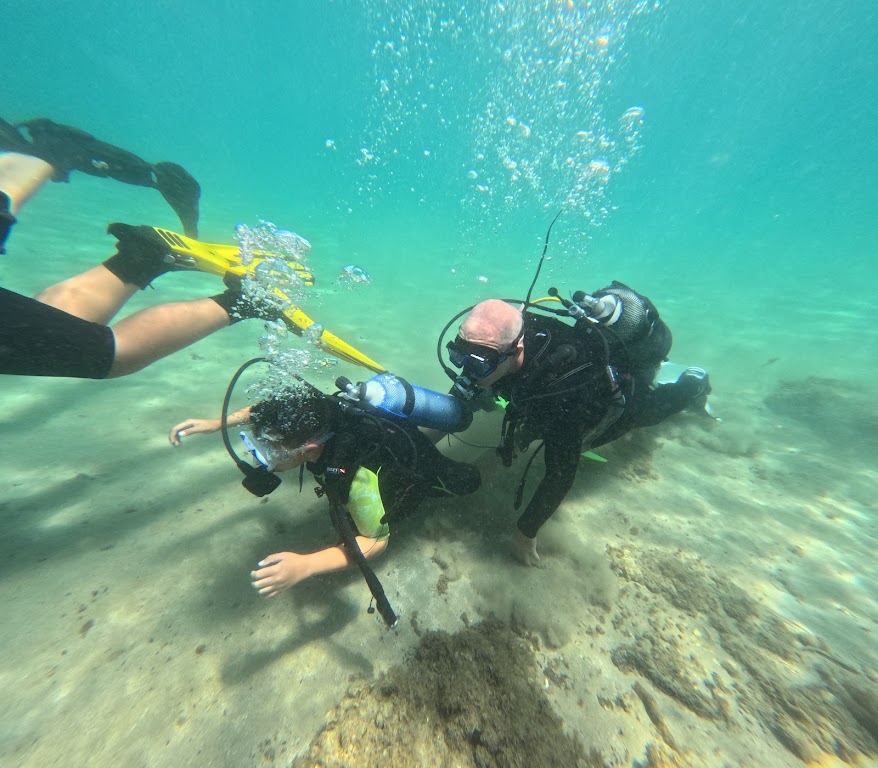
This means maintaining excellent buoyancy control to avoid disturbing the fragile wooden remains and the ancient amphoras. A boat entry is standard, so divers should be comfortable with boat procedures and current protocols specific to the local operators.
Always consult with local dive centers for current site conditions and any temporary restrictions. Planning dives with a knowledgeable guide familiar with the wreck's layout is strongly advised to maximize safety and understanding of this underwater heritage.
Recommended Equipment
Overhead / entanglement risk. Wreck penetration requires proper training.
- Dive Computer
- DSMB
- Primary & Backup Lights
- Wreck Reel
- Cutting Tool
This gear list is based on verified equipment signals for Antique Wreck, Turkey. Always confirm final gear choices with your dive operator, guide, or liveaboard.
Recommended Dive Suit
Water temperatures at Antique Wreck are currently estimated to be around 22°C (72°F), shaping the overall diving conditions for today. Surface air temperatures are resting at 25°C (76°F).
3-5mm wetsuit generally offers enough warmth for most dives under these conditions.
Surface conditions are expected to warm up slightly in the coming days. A warming trend is expected over the next few days.
Emergency & Medical Support
Essential information to help you plan your dive trip to ANTIQUE WRECK.

Hyperbaric chambers are a critical part of dive safety infrastructure. Availability varies significantly by region, and not all dive areas have immediate access.
Before diving, it's recommended to:
- confirm nearest medical facilities
- check emergency procedures with local dive operators
- ensure dive insurance covers evacuation if required
Divers Alert Network
Diving emergency assistance available through DAN Europe.
+39 0642115685- 24/7 emergency hotline
- Diving medical assistance
- Evacuation coordination
Emergency contacts are provided for reference. Always verify local emergency services before diving.
Closest Listed Hyperbaric Chambers
Showing listed hyperbaric chamber facilities within 200 km of this dive site.
Distances are approximate straight-line distances and may not reflect emergency travel time.
Atatürk Şehir Hastanesi, Sualtı ve Hiperbarik Tıp Kliniği
24/7 ListedICU CapableBALIKESİR, Turkey•Approx. 144 km straight-line
Atatürk Şehir Hastanesi, Sualtı ve Hiperbarik Tıp Kliniği
24/7 ListedICU CapableInformation is provided for reference and planning purposes only. Dive Navigator does not verify operational status, staffing, availability, or quality of care at listed facilities. In an emergency, contact local emergency services, DAN, your dive operator, or the chamber directly. Do not travel to a facility without calling ahead.
Marine Life at Antique Wreck
While the primary draw of the Antique Wreck is its historical cargo, marine life gracefully integrates with the ancient remains. Observing the wreck, divers might notice various smaller reef fish taking shelter within the wooden structures and among the amphoras.
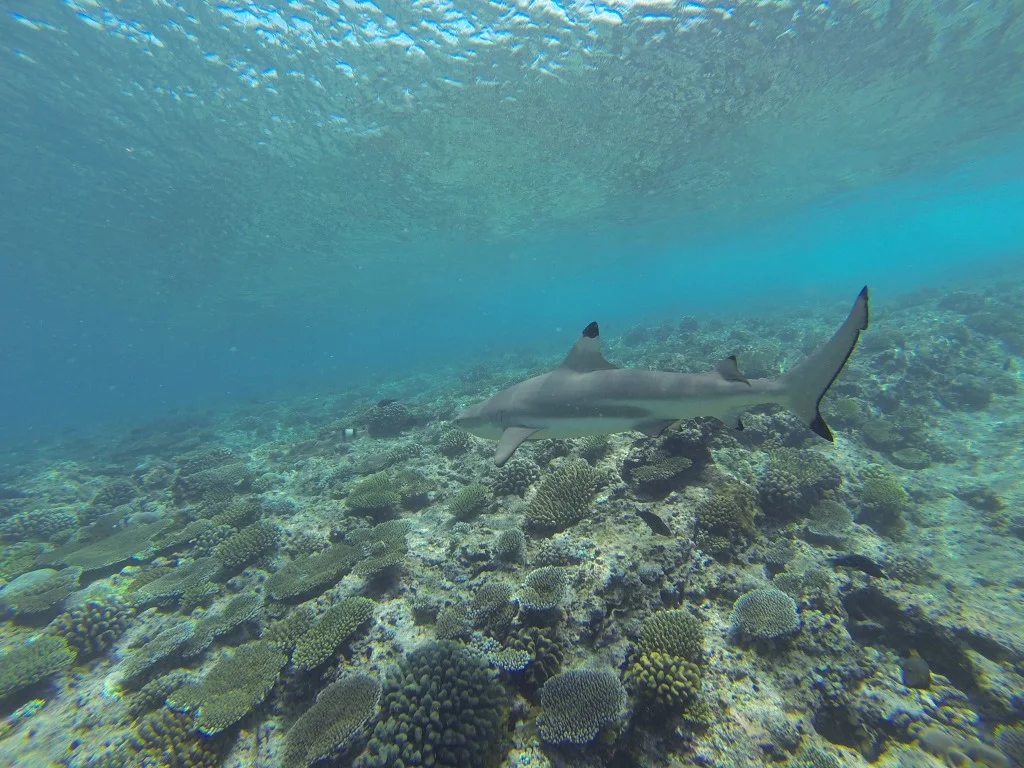
In the broader Aegean area surrounding the wreck, there are occasional reports of sightings including turtles. Though not consistently present directly on the wreck, larger pelagic species such as dolphins, and very rarely sharks or whales, could potentially be encountered in the open waters during transit to or from the site.
The interaction of biological diversity with submerged history creates a compelling visual experience.
Dive Sites Near Antique Wreck
View all dive sites in TurkeyDiscover more underwater gems in this area.
Dive Centers Near Antique Wreck
Today: 09:00 - 19:00
Nearest Airports
Nearest airports to help plan travel to this dive area.
Search Flights
Check available flights and routes on Expedia, using the nearby airports listed in this section.
Search Flights on ExpediaFrequently Asked Questions
What is the maximum depth of the Antique Wreck dive site?
The Antique Wreck’s maximum depth places it within recreational limits. Divers should be certified Advanced Open Water or have equivalent experience due to this depth.
What kind of wreck is it and what can be seen?
It is a wooden wreck believed to date nearly from the 15th century. Divers can observe its structural elements and a significant cargo of amphoras, which are ancient storage jars.
What marine life might I encounter at the Antique Wreck?
Smaller reef fish often inhabit the wreck's structure and amphoras. In the surrounding Aegean waters, there are occasional reports of turtles, and rarely, larger marine mammals like dolphins or sharks.
How is the Antique Wreck site accessed for diving?
Access to the Antique Wreck is exclusively by boat. Local dive operators typically arrange trips to this historical site, departing from nearby coastal towns.
What certifications are recommended for diving this wreck?
Given its depth, an Advanced Open Water Diver certification is recommended. This ensures divers have the training for deeper recreational dives and managing buoyancy around archaeological sites.
Are there any specific safety guidelines for diving the Antique Wreck?
Practicing excellent buoyancy control is crucial to protect the fragile wooden remains and amphoras. Always dive with a reputable local guide and adhere to their briefings and safety protocols.
When is the best time of year to dive the Antique Wreck?
The optimal diving season runs from March through October, offering 'Excellent' conditions. Expect warmer air temperatures, minimal rainfall, and calmer seas during this period.
Planning to dive Antique Wreck?
Send one inquiry and receive offers directly from the best verified local dive operators.
Conditions are Excellent
07:00 - 14:00
Optimal conditions expected
Current conditions near Antique Wreck show 25° air, 22° sea temperature, 0.3 m waves, and 21 km/h wind. Forecast data is refreshed regularly to ensure accuracy.