
Diving at Captain Franco Wreck (Turkey)
Descending onto Captain Franco Wreck reveals the substantial form of a 120-meter (394 ft) Greek-flagged cargo vessel. Sunk in 1968 after a collision, the wreck rests between 40-44 m (131-144 ft). It remains notably intact, with its towering poles, prominent prop, and rudder still visible. This deep site offers a glimpse into a maritime incident, requiring precise buoyancy and deep diving experience.
Tonight's objective overview for Captain Franco Wreck shows an air temperature of 17°C. The measured surface conditions include wave heights around 0.1 m. This environmental data is logged for the close of the day.
Dive Site Location & Key Facts
Dive Site Overview
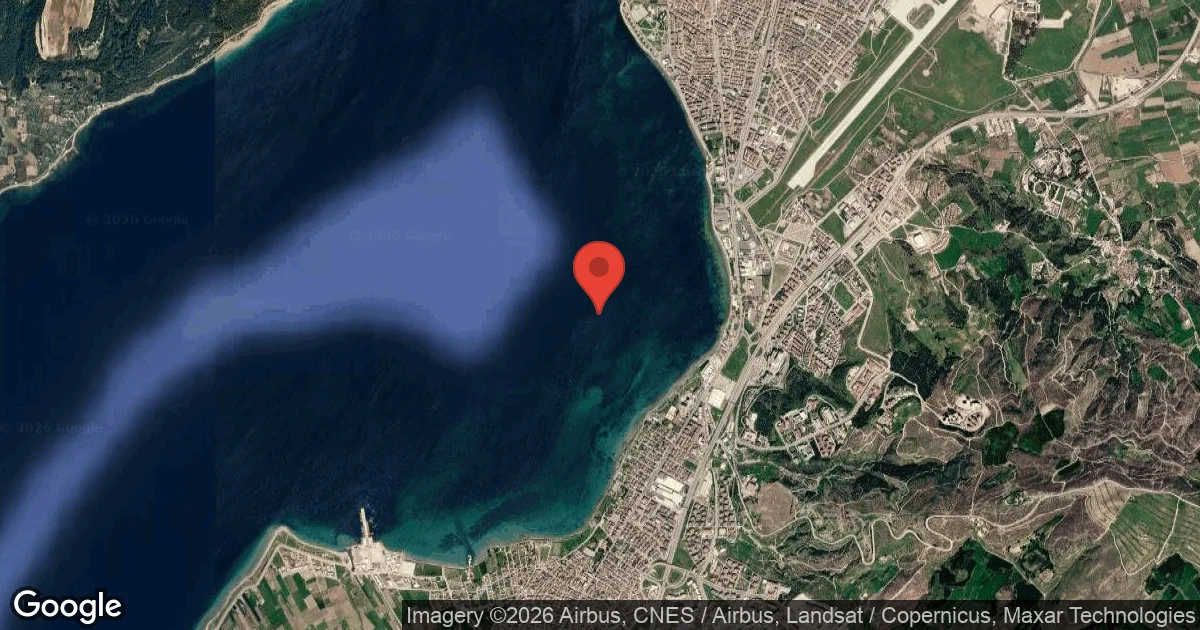
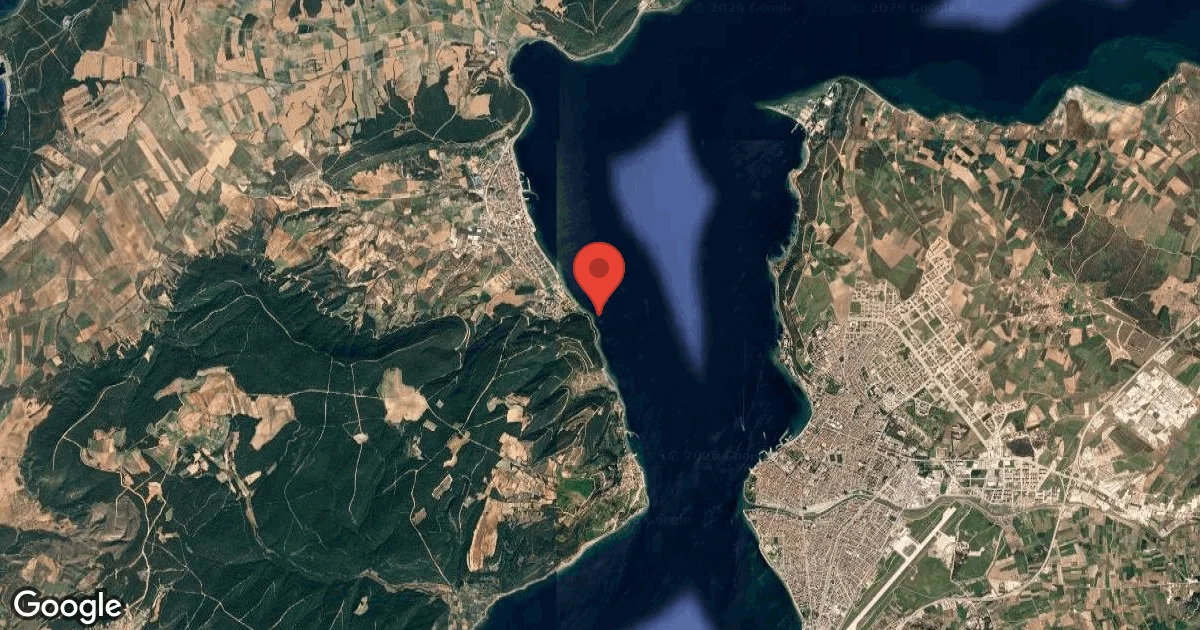
The Captain Franco Wreck presents a significant dive challenge within the Aegean Sea, near Sığacık. This substantial 120-meter (394 ft) cargo ship, originally carrying asphalt raw materials, met its fate in 1968 after a collision with a Romanian cargo vessel.
Today, the wreck is remarkably preserved; its poles, prop, and rudder remain intact, offering a comprehensive structure for exploration. Lying at depths ranging from 40 to 44 meters, the site mandates technical diving proficiency and robust planning. Navigating the wreck's impressive length can be challenging due to prevailing currents, which are known to influence its various sections.
In more secluded areas, colorful soft corals have established themselves, adding a vibrant biological element to the metallic structure. While part of the broader Gallipoli region known for WWI wrecks, Captain Franco is distinct, having been opened for technical diving tourism more recently.
Conditions are Excellent
07:00 - 14:00
Optimal conditions expected
Current conditions near Captain Franco Wreck show 17° air, 22° sea temperature, 0.2 m waves, and 22 km/h wind. Forecast data is refreshed regularly to ensure accuracy.
Best Time to Dive
Seasonality plays a significant role in planning a dive to the Captain Franco Wreck, with the optimal period generally extending from March through October. During these months, dive scores are consistently rated as 'Excellent,' reflecting more favorable conditions. Air temperatures rise comfortably, averaging 18.5°C (65°F) in May, peaking around 29°C (84°F) in July, and remaining mild through October at 18°C (64°F). Rainfall is minimal during the summer, particularly from June to September, averaging less than 1 mm, which contributes to generally calmer seas. In contrast, the cooler months from November to February show 'Good' dive scores. Air temperatures can drop to 8.5-14°C (47-57°F), accompanied by increased rainfall and potentially larger wave heights, making surface conditions less predictable.
PEAK SEASON SCORE
Scores combine air & water temps, waves, wind & rainfall for overall conditions.
BEST MONTHS TO DIVE
Monthly records compiled from satellite and marine observation nodes over the last 3 years. Data provided by Open-Meteo and MET Norway.
Dive Experience & Conditions
Approaching Captain Franco Wreck by boat marks the beginning of a deep and challenging dive. This saltwater site requires divers to be prepared for depths extending to 40-44 meters, often necessitating advanced or technical diving certifications. Currents are a notable factor here; they can make navigating the extensive 120-meter wreck not easily achievable across its entirety. Divers should anticipate variable visibility depending on local conditions, but typically it aligns with good regional averages. Water temperatures vary seasonably, aligning with regional patterns. Exploring the wreck's structure, including its intact poles, prop, and rudder, demands careful buoyancy control, especially when currents are present. The dive offers an opportunity to experience a well-preserved modern wreck.
Dive Difficulty & Safety Guidelines
Navigating the Captain Franco Wreck demands a high level of preparedness and adherence to safety protocols. Given its maximum depth of 44 meters, this site is reserved for advanced and technical divers, who possess the necessary training and experience for deep wreck penetration. Strong currents are a known hazard, potentially complicating navigation along the wreck's extensive 120-meter length.
Proper gas management and contingency planning are critical, considering the dive profile and the potential for extended bottom times required to explore the entire site. Divers should always dive with a qualified guide familiar with local conditions and ensure all equipment is meticulously checked before entering the water.
The site is managed under the Çanakkale Gallipoli Wars Historic Area Directorate, ensuring conservation efforts.
Recommended Equipment
Deep dive hazard. Increased narcosis and gas consumption risk.
Overhead / entanglement risk. Wreck penetration requires proper training.
- Dive Computer
- DSMB
- Primary & Backup Lights
- Wreck Reel
- Cutting Tool
This gear list is based on verified equipment signals for Captain Franco Wreck, Turkey. Always confirm final gear choices with your dive operator, guide, or liveaboard.
Recommended Dive Suit
According to recent observations, water temperatures near Captain Franco Wreck are approximately 22°C (71°F). Surface air temperatures are resting at 17°C (62°F).
Forecasts suggest rising temperatures later this week. A warming trend is expected over the next few days.
Most divers would typically feel comfortable using 3-5mm wetsuit in these conditions. A thermal robe or jacket is recommended between dives. Dive depth and duration can significantly affect perceived warmth. Surface intervals may feel noticeably cooler once you exit the water.
Emergency & Medical Support
Essential information to help you plan your dive trip to CAPTAIN FRANCO WRECK.

Hyperbaric chambers are a critical part of dive safety infrastructure. Availability varies significantly by region, and not all dive areas have immediate access.
Before diving, it's recommended to:
- confirm nearest medical facilities
- check emergency procedures with local dive operators
- ensure dive insurance covers evacuation if required
Divers Alert Network
Diving emergency assistance available through DAN Europe.
+39 0642115685- 24/7 emergency hotline
- Diving medical assistance
- Evacuation coordination
Emergency contacts are provided for reference. Always verify local emergency services before diving.
Closest Listed Hyperbaric Chambers
Showing listed hyperbaric chamber facilities within 200 km of this dive site.
Distances are approximate straight-line distances and may not reflect emergency travel time.
Atatürk Şehir Hastanesi, Sualtı ve Hiperbarik Tıp Kliniği
24/7 ListedICU CapableBALIKESİR, Turkey•Approx. 143 km straight-line
Atatürk Şehir Hastanesi, Sualtı ve Hiperbarik Tıp Kliniği
24/7 ListedICU CapableInformation is provided for reference and planning purposes only. Dive Navigator does not verify operational status, staffing, availability, or quality of care at listed facilities. In an emergency, contact local emergency services, DAN, your dive operator, or the chamber directly. Do not travel to a facility without calling ahead.
Marine Life at Captain Franco Wreck
The true vibrancy of Captain Franco Wreck emerges in its more sheltered areas. Colorful soft corals thrive in these secluded parts of the wreck, creating patches of biological interest on the otherwise metallic structure.
These corals attract a variety of smaller reef fish, which find refuge and feeding grounds within the wreck's intricate nooks and crannies. While the broader Aegean region hosts a diverse marine ecosystem, the specific highlights on this deep wreck center around these delicate soft coral formations and the smaller, hardier species that adapt to a deep-water wreck habitat.
Dive Sites Near Captain Franco Wreck
View all dive sites in TurkeyDiscover more underwater gems in this area.
Dive Centers Near Captain Franco Wreck
Today: 09:00 - 19:00
Nearest Airports
Nearest airports to help plan travel to this dive area.
Search Flights
Check available flights and routes on Expedia, using the nearby airports listed in this section.
Search Flights on ExpediaFrequently Asked Questions
What type of dive is Captain Franco Wreck?
Captain Franco Wreck is a deep wreck dive on a 120-meter (394 ft) Greek-flagged cargo ship. It involves exploring a well-preserved vessel that sank in 1968, distinct from the historical WWI wrecks in the region.
What is the maximum depth of the Captain Franco Wreck?
The wreck rests at a maximum depth of 44 meters. Its shallower sections begin around 40 meters, making it a site primarily for experienced and technical divers.
What certification level is required for this dive?
Due to its depth and potential currents, diving the Captain Franco Wreck requires at least an Advanced Open Water certification, with technical diving credentials highly recommended for comprehensive exploration.
Are there strong currents at the Captain Franco Wreck?
Yes, currents can be a significant factor at the Captain Franco Wreck. They can make navigating the wreck's considerable length challenging and require careful planning and strong finning techniques.
What kind of marine life can be observed on the wreck?
The primary marine life highlight on the Captain Franco Wreck is the presence of colorful soft corals, particularly in secluded sections. These corals attract various smaller reef fish, enriching the underwater scenery.
When was the Captain Franco Wreck sunk?
The Captain Franco Wreck was sunk in 1968 after a collision with another cargo ship. It carried asphalt raw materials at the time of its sinking.
Is the Captain Franco Wreck a World War I site?
No, Captain Franco Wreck is not a relic from the Gallipoli Campaign or World War I. It is a more modern wreck, but it is located in a region known for its historical WWI sites and has been opened for technical diving tourism.
Planning to dive Captain Franco Wreck?
Send one inquiry and receive offers directly from the best verified local dive operators.
Conditions are Excellent
07:00 - 14:00
Optimal conditions expected
Current conditions near Captain Franco Wreck show 17° air, 22° sea temperature, 0.2 m waves, and 22 km/h wind. Forecast data is refreshed regularly to ensure accuracy.