
Diving at Cold Water Cave (Turkey)
Cold Water Cave presents an intriguing dive for certified divers who appreciate a unique geological experience rather than extensive marine life. Classified as a beginner-level site, it introduces divers to a shallow cave environment featuring distinct thermoclines and haloclines. This site is particularly well-suited for those looking to expand their skills in a contained, overhead environment while experiencing unusual aquatic phenomena.
Evening condition tracking at Cold Water Cave features an air temperature of 28.5°C. We have recorded wave heights measuring 0.6 m during this period. These figures outline the environmental parameters currently present.
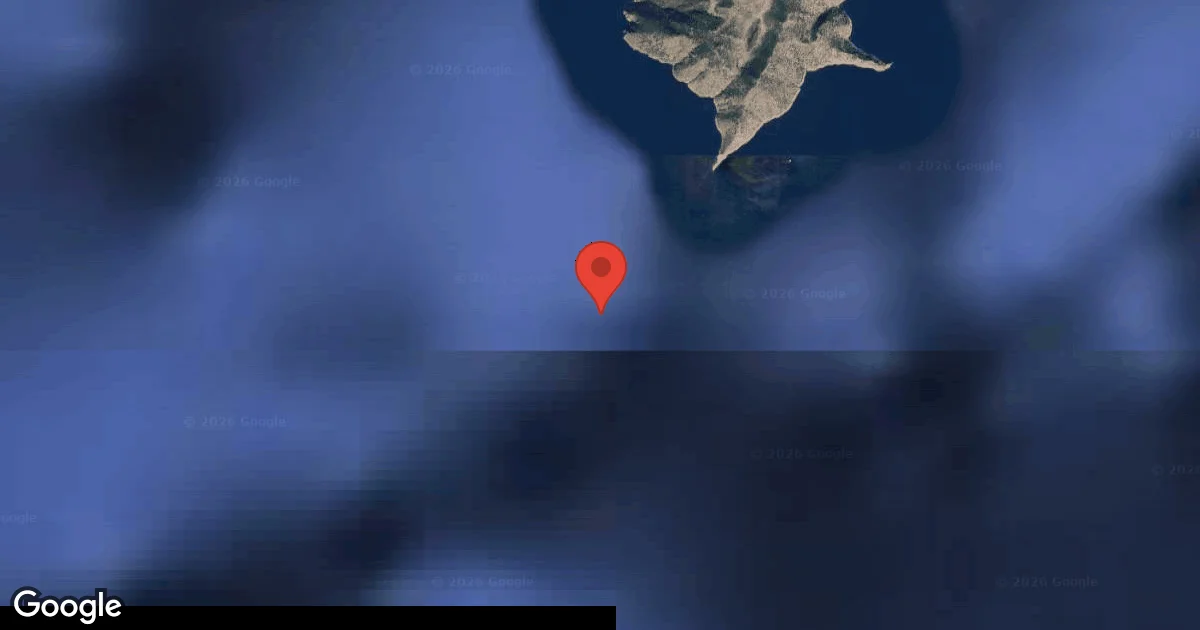
Dive Site Location & Key Facts
Dive Site Overview
A remarkable geological phenomenon shapes the dive experience at Cold Water Cave, distinguishing it significantly from typical coastal explorations. A cold freshwater spring emerges directly from the rock face, initiating a dramatic interplay of distinct water layers.
Divers encounter both a pronounced thermocline, where they feel a rapid temperature decrease, and a visible halocline. The halocline manifests as a blurry, shimmering curtain where the varying densities of fresh and salt water slowly mix, offering a disorienting yet captivating visual effect. It's a key sensory highlight.
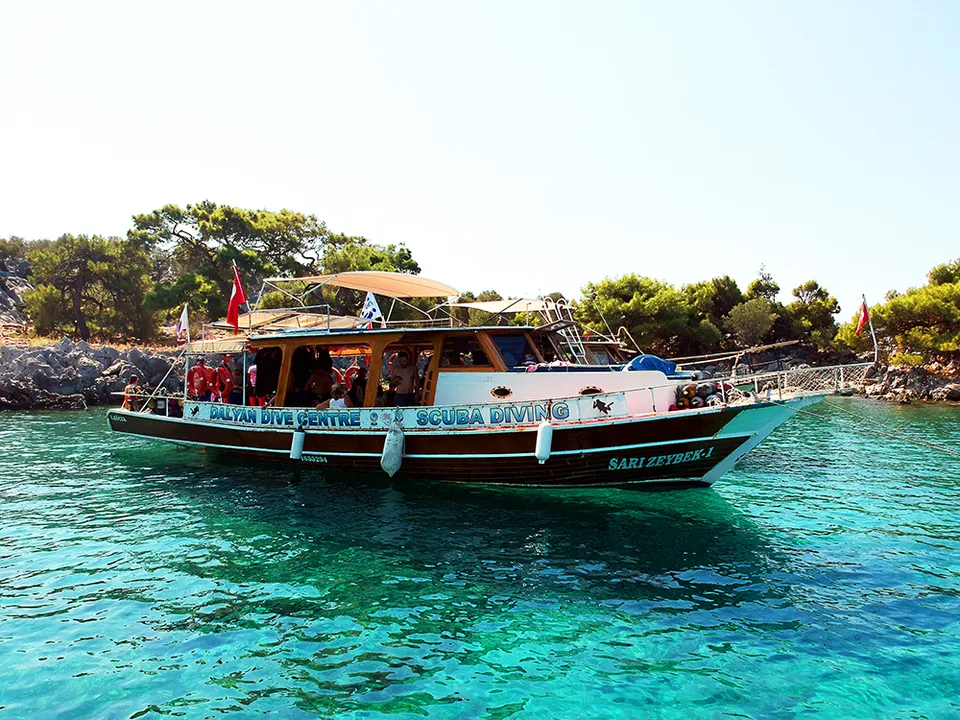
Access to this site involves a boat dive, carefully navigating a narrow entry point nestled within a small, secluded cove. Once submerged, the focus shifts to the cavern's interior, moving away from the open bay.
The cave system itself is relatively shallow, allowing for an accessible overhead environment exploration. Maximum depths within the main cavern reach approximately 6 m (19 ft), keeping the dive manageable for less experienced cave divers without venturing too deep.
Average visibility typically ranges from 8-15 m (26-50 ft) but can fluctuate. These ranges are influenced by seasonal factors and the dynamic mixing of the spring water with the ambient bay water, sometimes enhancing the visual effect of the halocline rather than diminishing clarity. This dive prioritizes the unusual sensory journey of transitioning through disparate water conditions over extensive marine encounters.
Cold Water Cave provides an exceptionally distinct underwater experience in Muğla, Turkey, centered on its unique hydrogeology rather than typical reef biodiversity.
Conditions are Good
07:00 - 14:00
Optimal conditions expected
Current conditions near Cold Water Cave show 28° air, 28° sea temperature, 0.5 m waves, and 30 km/h wind. Forecast data is refreshed regularly to ensure accuracy.
Best Time to Dive
Considering the local climate patterns, the period from May to October generally offers the most favorable conditions for diving Cold Water Cave. During these months, average air temperatures are considerably warmer, ranging from 20°C (68°F) in May to 28°C (82°F) in August, making surface intervals more comfortable. Rainfall is minimal, especially from June to August, often less than 1 mm, which contributes to more stable water clarity outside the immediate spring influence. While specific water temperature data for all months is not consistently reported, external sources suggest temperatures within the cave range from 15-26°C (59-79°F) during these warmer periods. Wave heights and wind speeds are also typically lower during the peak summer months, contributing to easier boat access and calmer entry points.
PEAK SEASON SCORE
Scores combine air & water temps, waves, wind & rainfall for overall conditions.
BEST MONTHS TO DIVE
Monthly records compiled from satellite and marine observation nodes over the last 3 years. Data provided by Open-Meteo and MET Norway.
Dive Experience & Conditions
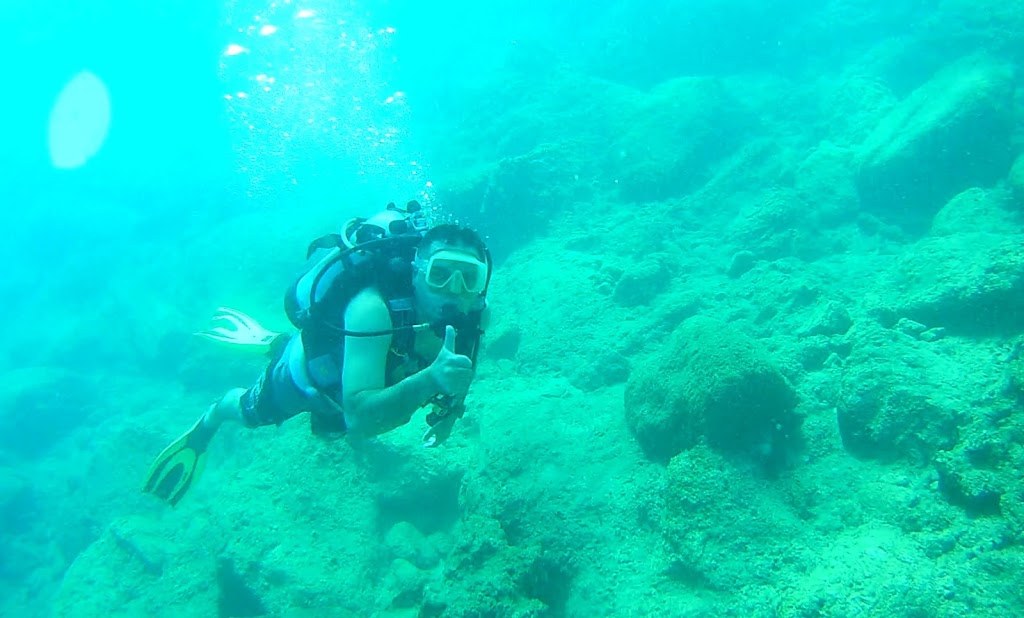
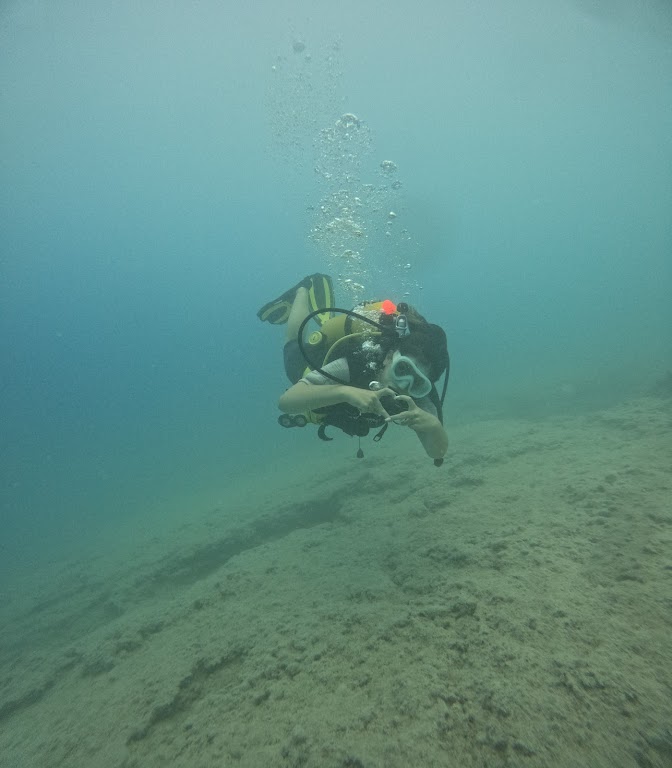
Beginning the dive, you'll enter via boat into a small, narrow cove. Immediately upon submerging, divers navigate through the saltwater portion of the bay before reaching the distinctive freshwater outflow. As you proceed further into the cave system, you'll visibly and tangibly encounter the halocline and thermocline. A noticeable temperature drop occurs as the cold freshwater spring mixes with the ambient saltwater, a sensation that is a hallmark of this dive. Moving deeper into the cavern, it's possible to ascend towards the surface under the roots of a tree, offering a distinct overhead environment. Retracing your route for the exit, divers have the option to explore a second, smaller, but navigable exit point by turning right and ascending over a rock formation.
Dive Difficulty & Safety Guidelines
Diving at Cold Water Cave, while generally considered beginner-friendly, still requires adherence to standard cave diving practices due to the overhead environment. It's crucial for divers to be comfortable and proficient with buoyancy control in confined spaces. The water inside the cave is consistently colder than the surrounding bay, necessitating appropriate thermal protection.
Given the unique conditions, including limited light penetration and the halocline's visual effects, carrying a torch is essential for navigation and observation. Always dive with a local dive professional who is intimately familiar with the site's specific layout and current conditions, and never exceed your certification limits. Prioritize following all PADI Standard Safe Diving Practices.
Recommended Equipment
Overhead environment. Do not enter beyond training and gas planning limits.
- Dive Computer
- DSMB
- Primary & Backup Lights
- Reel / Spool
- Cutting Tool
This gear list is based on verified equipment signals for Cold Water Cave, Turkey. Always confirm final gear choices with your dive operator, guide, or liveaboard.
Recommended Dive Suit
Recent conditions suggest the water at Cold Water Cave remains near 28°C (82°F), offering typical conditions for the area. Surface air temperatures are resting at 28°C (83°F).
The upcoming forecast points to generally steady conditions in the area.
Divers who prefer moderate insulation typically choose 2-3mm shorty or light wetsuit in similar environments. Consider warmer surface protection (like a boat coat) due to brisk winds. Many experienced divers adjust their exposure protection depending on the type of dive planned. Stronger winds may also make surface intervals feel cooler than usual.
Emergency & Medical Support
Essential information to help you plan your dive trip to Cold Water Cave.

Hyperbaric chambers are a critical part of dive safety infrastructure. Availability varies significantly by region, and not all dive areas have immediate access.
Before diving, it's recommended to:
- confirm nearest medical facilities
- check emergency procedures with local dive operators
- ensure dive insurance covers evacuation if required
Divers Alert Network
Diving emergency assistance available through DAN Europe.
+39 0642115685- 24/7 emergency hotline
- Diving medical assistance
- Evacuation coordination
Emergency contacts are provided for reference. Always verify local emergency services before diving.
Closest Listed Hyperbaric Chambers
Showing listed hyperbaric chamber facilities within 200 km of this dive site.
Distances are approximate straight-line distances and may not reflect emergency travel time.
DzKK Aksaz Deniz Üssü, Military base chamber
24/7 ListedMugla, Turkey•Approx. 26 km straight-line
DzKK Aksaz Deniz Üssü, Military base chamber
24/7 ListedInformation is provided for reference and planning purposes only. Dive Navigator does not verify operational status, staffing, availability, or quality of care at listed facilities. In an emergency, contact local emergency services, DAN, your dive operator, or the chamber directly. Do not travel to a facility without calling ahead.
Denizli Özel Sağlık Hastanesi
24/7 ListedICU CapableDenizli, Turkey•Approx. 122 km straight-line
Denizli Özel Sağlık Hastanesi
24/7 ListedICU CapableInformation is provided for reference and planning purposes only. Dive Navigator does not verify operational status, staffing, availability, or quality of care at listed facilities. In an emergency, contact local emergency services, DAN, your dive operator, or the chamber directly. Do not travel to a facility without calling ahead.
Sağlık Bilimleri Üniversitesi Antalya Eğitim ve Araştırma Hastanesi
24/7 ListedICU CapableAntalya, Turkey•Approx. 183 km straight-line
Sağlık Bilimleri Üniversitesi Antalya Eğitim ve Araştırma Hastanesi
24/7 ListedICU CapableInformation is provided for reference and planning purposes only. Dive Navigator does not verify operational status, staffing, availability, or quality of care at listed facilities. In an emergency, contact local emergency services, DAN, your dive operator, or the chamber directly. Do not travel to a facility without calling ahead.
Marine Life at Cold Water Cave
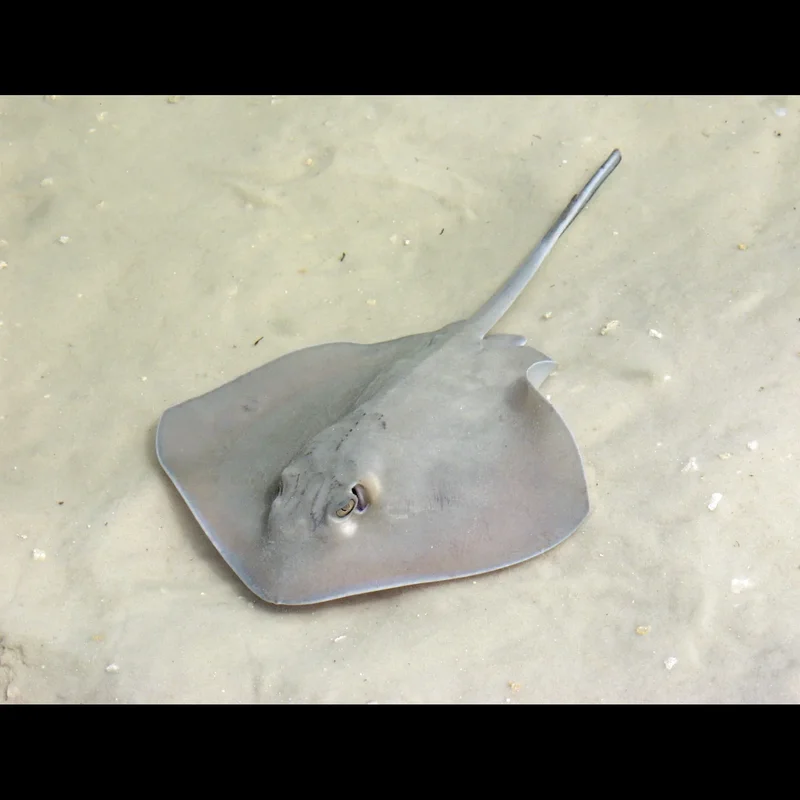
While the primary draw of Cold Water Cave is its geological features and the halocline phenomenon, observant divers may encounter marine life within the surrounding bay. Outside the immediate cave entrance, there's a consistent chance to observe stingrays in the open water. The mixing of freshwater and saltwater creates an environment that generally favors smaller, resilient species, though the specific biodiversity within the cave itself is not extensively documented.
Dive Sites Near Cold Water Cave
View all dive sites in TurkeyDiscover more underwater gems in this area.
Dive Centers Near Cold Water Cave

Today: 07:45 - 19:00
Nearest Airports
Nearest airports to help plan travel to this dive area.
Search Flights
Check available flights and routes on Expedia, using the nearby airports listed in this section.
Search Flights on ExpediaFrequently Asked Questions
What is the maximum depth inside Cold Water Cave?
The maximum depth typically reached within the confined cave system of Cold Water Cave is around 6 m (19 ft). The surrounding area outside the cave may reach slightly deeper, but the primary experience is in the shallow cavern.
What makes Cold Water Cave a unique dive?
Its uniqueness stems from a cold freshwater spring emerging from the rock, creating a dramatic halocline and thermocline where fresh and salt waters visibly mix. This provides an unusual sensory experience with blurry visuals and noticeable temperature changes.
Is this dive site suitable for beginner divers?
Yes, Cold Water Cave is generally classified as a beginner-level dive. However, it's an overhead environment, so basic comfort with buoyancy control and proper guidance from a local dive professional are important.
What is the typical water temperature?
Water temperatures within the dive site, particularly in the cave where the freshwater spring emerges, can vary significantly. Generally, temperatures range from 15-26°C (59-79°F), with colder pockets around the spring itself.
What kind of visibility can I expect?
Visibility at Cold Water Cave typically ranges between 8-15 m (26-50 ft). This can be affected by the mixing freshwater and saltwater, which creates a blurry, shimmering effect at the halocline layer.
What equipment is recommended for this dive?
Due to the colder water inside the cave and the thermocline, a wetsuit (or drysuit) and a hood are recommended. A dive torch is also essential for navigating the low-light environment within the cavern.
Are there any specific marine animals to look for?
While the site is celebrated more for its geology, divers occasionally spot stingrays in the bay area just outside the cave entrance. Marine life within the cave itself is limited due to the unique water conditions.
Planning to dive Cold Water Cave?
Send one inquiry and receive offers directly from the best verified local dive operators.
Conditions are Good
07:00 - 14:00
Optimal conditions expected
Current conditions near Cold Water Cave show 28° air, 28° sea temperature, 0.5 m waves, and 30 km/h wind. Forecast data is refreshed regularly to ensure accuracy.