
Diving atMarine Park (Turkey)
Turkey's growing network of marine parks presents a compelling dive destination, especially for those seeking to blend underwater exploration with profound historical narratives. Unlike many sites, it offers divers the rare chance to witness submerged relics from significant historical events. These parks are strategically designed to preserve both the intricate marine ecosystems and ancient archaeological treasures, providing an unparalleled diving experience.
Evening condition tracking at Marine Park features an air temperature of 23.5°C. We have recorded wave heights measuring 0.64m during this period. These figures outline the environmental parameters currently present.
Dive Site Coordinates
36.2875, 27.8270
Key Dive Site Facts
Dive Site Overview
Diving in Turkey’s marine parks, such as the recently opened Gallipoli Historical Underwater Park, reveals a remarkable tapestry of both natural and human history. This unique destination allows divers to explore a variety of underwater structures, from intricate reef formations to ancient artifacts and modern wrecks.
Visibility generally ranges from 9 to 30 meters (30 to 100 ft), often providing clear views of these historical sites. Divers can encounter vessels like HMS Majestic, sunk in 1915, offering a tangible connection to wartime events. Specific sites like Camel Reef, marked by distinctive humps at 14 meters (46 ft), often present strong currents but reward exploration with encounters with larger marine life.
Pigeon Island, a sheltered area, features an old wooden wreck and amphorae, ideal for training dives or observing diverse fish. Another scenic dive at Heybeliada explores two small islands, reaching a maximum depth of around 24 meters (79 ft).
The country's extensive coastline, coupled with its Mediterranean climate, supports diverse dive opportunities for all skill levels.
Best Time to Dive
Planning a dive trip to Turkey's marine parks is best approached by considering the seasonal conditions, though the dive score generally remains 'Good' year-round. For the most comfortable surface conditions, the period from May to October sees average air temperatures ranging from 21°C (70°F) to 29°C (84°F) and significantly less rainfall, typically below 1.5 mm per month. Water temperatures, while not consistently reported in our climate data, average around 21°C (70°F) according to external reports, though this can vary with the season and depth. Winds during these warmer months are also generally calmer, averaging 18-20 km/h, which contributes to more stable sea conditions and reduced wave heights, usually under 0.9 meters (3 ft). Early spring (March-April) and late autumn (November-December) still offer good diving, with air temperatures between 15°C (59°F) and 22°C (72°F), making these shoulder seasons appealing for avoiding peak crowds while enjoying favorable conditions.
Climate Historical Averages
Monthly records compiled from satellite and marine observation nodes over the last 3 years. Data provided by Open-Meteo and MET Norway.
Dive Experience & Conditions
Accessing Turkey's dive sites caters to all certification levels, from beginners undergoing training in sheltered bays to experienced divers exploring historical wrecks and deeper reefs. The water conditions vary, typically offering excellent visibility that ranges from 9 to 30 meters (30 to 100 ft). While many areas boast warm, calm waters, strong currents can occasionally sweep through specific sites like Camel Reef. This variation means divers should be prepared for differing challenges. Sites such as Pigeon Island are popular for training due to their sheltered nature, while other locations present opportunities for more advanced exploration of wrecks and deeper structures, some reaching depths of around 24 meters (79 ft) as seen at Heybeliada. The average water temperature is often around 21°C (70°F), making prolonged dives comfortable, especially during the warmer months.
Dive Difficulty & Safety Guidelines
Divers exploring Turkey's historical dive sites, particularly in areas like the Gallipoli peninsula, must adhere strictly to established safety protocols. These zones were historically inaccessible due to the presence of unexploded ordnance and other battle remnants. While marine parks now grant controlled access, divers should always follow the directives of local dive centers and guides. These professionals are well-versed in navigating sensitive areas and ensuring diver safety. Additionally, respecting designated 'Controlled Site' orders, which may apply to certain bell wrecks or archaeological findings, is paramount. Always prioritize pre-dive briefings and maintain awareness of your surroundings to mitigate any potential hazards in these historically rich environments.
Recommended Equipment
No verified equipment items yet.
Verified equipment recommendations for this dive site are being reviewed and may be added as additional source checks are completed.
Recommended Dive Suit
Weather models currently point toward consistent diving conditions over the next several days.
For typical recreational dives, 5mm wetsuit generally provides comfortable insulation.
At Marine Park, the water is currently sitting around 19°C (67°F). Surface air temperatures are resting at 24°C (74°F).
Conditions last reviewed: 18:00 using the latest environmental data.
Dive Logistics & Preparation
Hyperbaric Chamber
Check local Turkey medical facilities.
Entry Requirements
View Turkey Visa Hub
Currency
TRY
Nearest Airports
Nearest airports to help plan travel to this dive area.
Marine Life at Marine Park
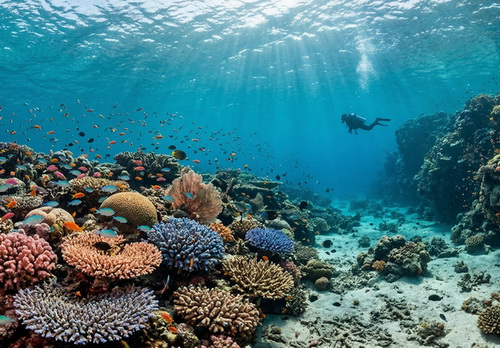
The underwater landscapes of Turkey's marine parks reveal a surprising diversity of life interacting with both natural formations and historical relics. Wrecks often become artificial reefs, providing habitat for substantial growth including large spiral tube worms. Small fish, like saddled bream, frequently patrol the interiors of submerged structures. At sites such as Camel Reef, the deeper sections often yield encounters with decent-sized and notably friendly grouper. Shallows, particularly around Pigeon Island, offer ample opportunities to observe various fish species and even a unique underwater-sculpted shark facsimile. Furthermore, sites like Heybeliada showcase vibrant seagrass beds and are known for occasional sightings of turtles, adding to the rich biodiversity.
Dive Centers Near Marine Park
No Dive Centers Local To Marine Park
Are you a dive center visiting this location? Get listed to reach divers.
Frequently Asked Questions
What skill level is required for diving in Turkey's marine parks?
Turkey's dive sites accommodate all levels, from beginners to advanced divers. Many sheltered locations are excellent for training, while more experienced divers can explore deeper wrecks, caverns, and historical artifacts.
What is the typical water visibility?
Visibility in Turkey's marine parks is generally good, ranging from 9 to 30 meters (30 to 100 ft). Conditions can vary based on weather and specific dive site characteristics.
Are there historical wrecks available for diving?
Yes, Turkey is notable for its historical wrecks. The Gallipoli Historical Underwater Park, for instance, offers access to WWI era ships like HMS Majestic, presenting unique historical dive experiences.
What are the water temperatures like?
The average water temperature is around 21°C (70°F), though this can fluctuate seasonally and with depth. Warmer months typically offer more comfortable diving conditions.
Are there strong currents at any dive sites?
While many areas are calm, some sites, such as Camel Reef, can experience strong currents. Dive operators typically provide briefings on specific site conditions and appropriate approaches.
Is it safe to dive around historical battle sites?
Diving in historical battle areas like Gallipoli is conducted under strict regulations due to past unexploded ordnance. Always dive with approved operators who ensure safe, guided access to these sensitive sites.
What kind of marine life can I expect to see?
Divers can expect to see various fish species, including saddled bream and grouper, often congregating around wrecks and reefs. There are also spiral tube worms, seagrass beds, and occasional turtle sightings.
Liveaboards Sailing to Marine Park
Explore highly rated liveaboards visiting this dive site and discover the best routes in Turkey.
Resorts & Accommodation
Find partner hotels and dive resorts directly accessing the reef.
Around This Area
Explore top-rated restaurants, activities, and attractions near Marine Park reviewed by travelers.
Planning to dive Marine Park?
Send one inquiry and receive offers directly from the best verified local dive operators.