
Diving at Three Islands (Turkey)
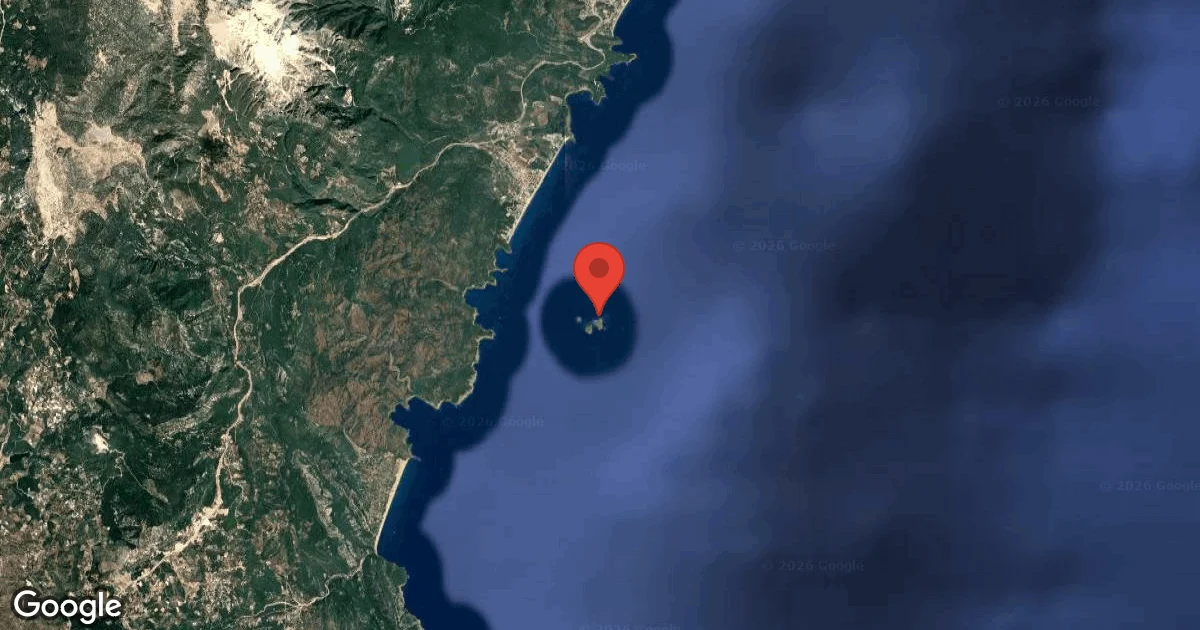
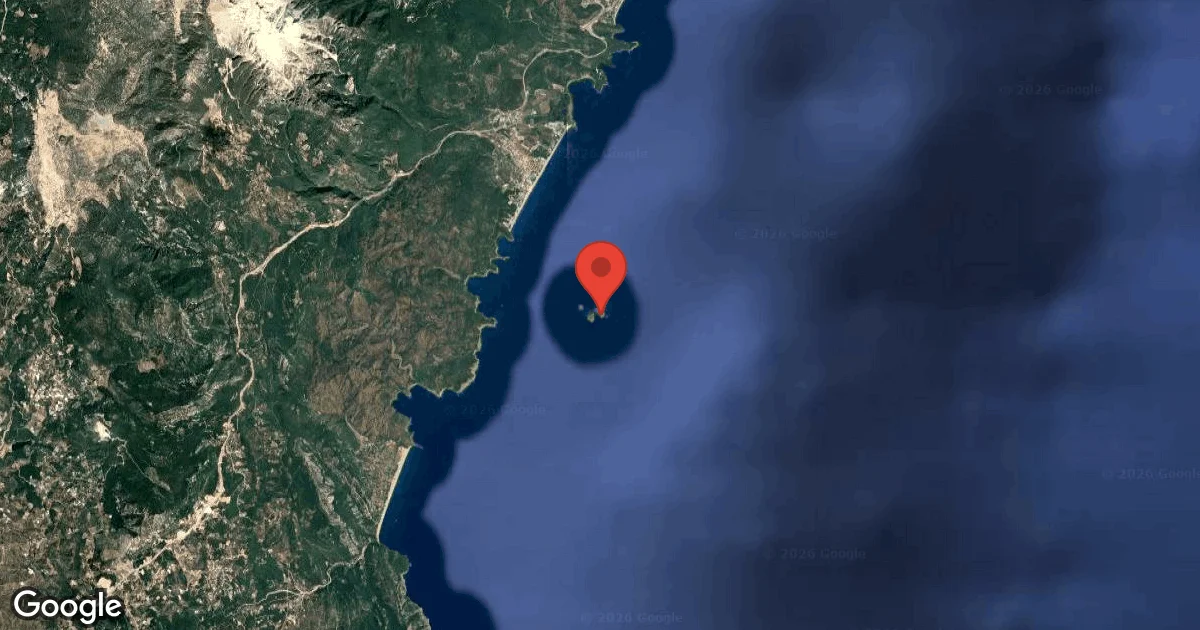
Three Islands, near Tekirova, Turkey, demands a strategic dive planning approach. Located just 1.5 km (0.9 miles) offshore, this cluster of small islands caters to a wide spectrum of divers, from beginners making their first bubbles to technical divers exploring deeper wrecks. Divers recognize its potential for varied diving: shallow reefs, dramatic walls, intriguing caves, and archaeological sites. Plan dives to maximize exposure to different underwater topographies; one trip can cover multiple distinct experiences. Pairing initial exploratory dives with more challenging technical explorations is recommended.
As evening covers Three Islands, the local air temperature is measured at 27.5°C. The current wave height at the surface is recorded at 0.3 m. These late-day readings characterize the surface conditions for the night.
Dive Site Location & Key Facts
Dive Site Overview
Three Islands near Tekirova presents a remarkably diverse underwater topography for exploration. Submerged landscapes here range from sun-drenched shallow reefs, ideal for novice divers, to the intriguing depths of caverns and historical wrecks that challenge more experienced practitioners.
Divers can tailor their experience significantly, moving between environments within a single dive trip. Exploration extends across a wide depth spectrum; some sites begin at a beginner-friendly 6 m (20 ft), while others descend to a maximum of 40 m (131 ft), requiring advanced certification. Caverns here reveal dramatic light play and unique formations, often harboring specific marine species.
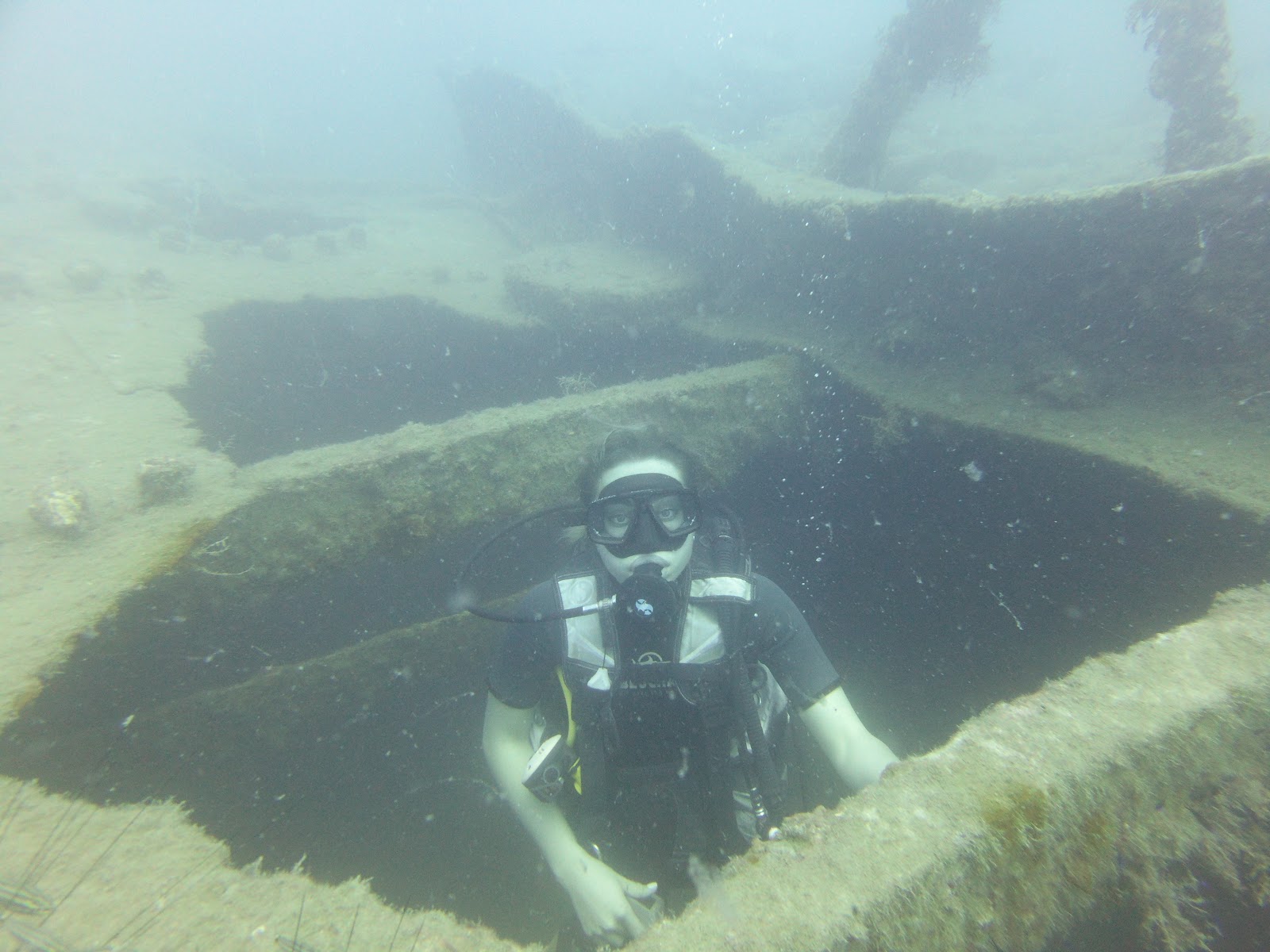
Ship and airplane wrecks offer compelling structural dives, inviting trained divers to explore their history. Shallow reefs, teeming with smaller fish, contrast sharply with deeper walls where larger pelagics might be encountered.
Understanding the varied profiles before diving maximizes the experience. Different sites around the islands cater to distinct skill levels, ensuring every diver finds a suitable and engaging challenge.
Conditions are Excellent
07:00 - 14:00
Optimal conditions expected
Current conditions near Three Islands show 28° air, 30° sea temperature, 0.5 m waves, and 26 km/h wind. Forecast data is refreshed regularly to ensure accuracy.
Best Time to Dive
Seasonal planning is key for diving Three Islands, with peak conditions from May through October. Visibility often extends to an impressive 30 meters (100 ft), especially during these months. Diving thrives when rainfall is lower and seas are calmer. May and October consistently achieve 'Excellent' dive scores, while summer months earn 'Good' ratings. Expect average air temperatures during warmer periods to range from 22°C (72°F) in May, climbing to around 32°C (90°F) in July, and settling at 22°C (72°F) by October. Minimal rainfall, typically under 2.5 mm (0.1 inches) from May to October, contributes significantly to stable underwater clarity. Cooler shoulder months like March and April, also rated 'Good' for diving, provide comfortable surface conditions with air temperatures between 14.5°C (58°F) and 18°C (64°F). Waves remain generally calmer from May to September, usually below 0.6 meters (2 ft), further enhancing visibility and overall dive comfort.
PEAK SEASON SCORE
Scores combine air & water temps, waves, wind & rainfall for overall conditions.
BEST MONTHS TO DIVE
Monthly records compiled from satellite and marine observation nodes over the last 3 years. Data provided by Open-Meteo and MET Norway.
Dive Experience & Conditions
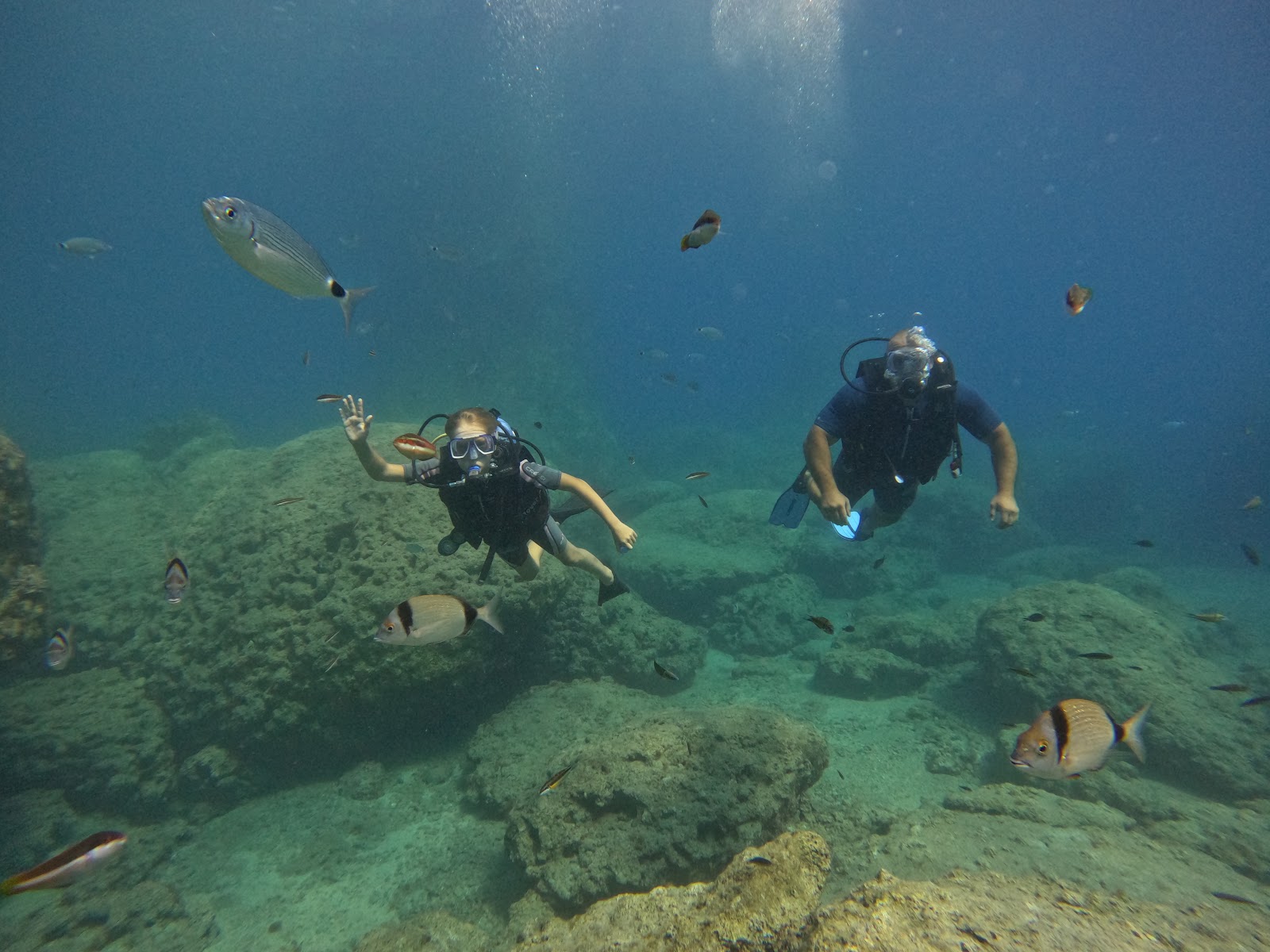
Diver experience at Three Islands is shaped by varied depth profiles, accommodating all certification levels. Beginners and fun divers can explore shallow areas, often around 6-18 meters (20-60 ft), encountering vibrant reefs and potential turtle sightings. Shallower zones are excellent for building confidence and observing smaller marine life. More experienced divers will find sites extending much deeper, reaching a maximum of 40 m (131 ft). Deeper sections reveal compelling attractions, including extensive wall dives and complex cave systems that demand careful buoyancy control. Wreck diving opportunities, featuring both ship and airplane remains, offer engaging challenges for those with specialized training. Archaeological remnants add intrigue, inviting exploration with respect for underwater heritage. Currents are generally manageable; drift diving is an option on specific routes, adding a dynamic element. Access to these diverse underwater landscapes is exclusively by boat, typically a short 20-minute trip from Tekirova.
Dive Difficulty & Safety Guidelines
Navigating the diverse challenges of Three Islands safely requires thorough preparation and adherence to established dive protocols. While no specific inherent hazards are consistently reported for the site, divers should always be mindful of local conditions which can vary. Planning with certified professional dive teams is paramount, especially when exploring deeper wrecks, intricate cave systems, or performing drift dives.
Ensure you're comfortable with your planned dive profile and have appropriate training, such as PADI Advanced Open Water for deeper dives or Wreck Diver certification for wreck penetration. Current awareness is important, particularly around the islands where water movement can influence dive plans.
Always dive within your training limits and with a buddy. Reputable local operators include insurance and guided tours, which help mitigate risks and provide essential local expertise.
Confirming your equipment is in good working order before each dive is a standard practice that should not be overlooked here.
Recommended Equipment
Deep dive hazard. Increased narcosis and gas consumption risk.
Overhead / entanglement risk. Wreck penetration requires proper training.
Overhead environment. Do not enter beyond training and gas planning limits.
Current and surface separation risk. Local briefing strongly recommended.
- Dive Computer
- DSMB
- Primary & Backup Lights
- Wreck Reel
- Reel / Spool
- Cutting Tool
This gear list is based on verified equipment signals for Three Islands, Turkey. Always confirm final gear choices with your dive operator, guide, or liveaboard.
Recommended Dive Suit
In these water temperatures, dive skin or rash guard is a common choice for recreational diving. Longer dive profiles can make thermal protection more important than short exploratory dives.
The waters surrounding Three Islands are currently maintaining temperatures close to 30°C (85°F). Surface air temperatures are resting at 28°C (82°F).
Forecast models indicate that diving conditions should remain largely unchanged.
Emergency & Medical Support
Essential information to help you plan your dive trip to Three Islands.

Hyperbaric chambers are a critical part of dive safety infrastructure. Availability varies significantly by region, and not all dive areas have immediate access.
Before diving, it's recommended to:
- confirm nearest medical facilities
- check emergency procedures with local dive operators
- ensure dive insurance covers evacuation if required
Divers Alert Network
Diving emergency assistance available through DAN Europe.
+39 0642115685- 24/7 emergency hotline
- Diving medical assistance
- Evacuation coordination
Emergency contacts are provided for reference. Always verify local emergency services before diving.
Closest Listed Hyperbaric Chambers
Showing listed hyperbaric chamber facilities within 200 km of this dive site.
Distances are approximate straight-line distances and may not reflect emergency travel time.
Özel Hiperox Hiperbarik Oksijen Tedavi Merkezi
Antalya, Turkey•Approx. 47 km straight-line
Özel Hiperox Hiperbarik Oksijen Tedavi Merkezi
Information is provided for reference and planning purposes only. Dive Navigator does not verify operational status, staffing, availability, or quality of care at listed facilities. In an emergency, contact local emergency services, DAN, your dive operator, or the chamber directly. Do not travel to a facility without calling ahead.
Sağlık Bilimleri Üniversitesi Antalya Eğitim ve Araştırma Hastanesi
24/7 ListedICU CapableAntalya, Turkey•Approx. 47 km straight-line
Sağlık Bilimleri Üniversitesi Antalya Eğitim ve Araştırma Hastanesi
24/7 ListedICU CapableInformation is provided for reference and planning purposes only. Dive Navigator does not verify operational status, staffing, availability, or quality of care at listed facilities. In an emergency, contact local emergency services, DAN, your dive operator, or the chamber directly. Do not travel to a facility without calling ahead.
Denizli Özel Sağlık Hastanesi
24/7 ListedICU CapableDenizli, Turkey•Approx. 195 km straight-line
Denizli Özel Sağlık Hastanesi
24/7 ListedICU CapableInformation is provided for reference and planning purposes only. Dive Navigator does not verify operational status, staffing, availability, or quality of care at listed facilities. In an emergency, contact local emergency services, DAN, your dive operator, or the chamber directly. Do not travel to a facility without calling ahead.
Marine Life at Three Islands
Three Islands' underwater environment supports a rich array of Mediterranean marine life across its varied landscapes. Vibrant reefs host colorful corals and sponges, serving as habitats for diverse fish species.
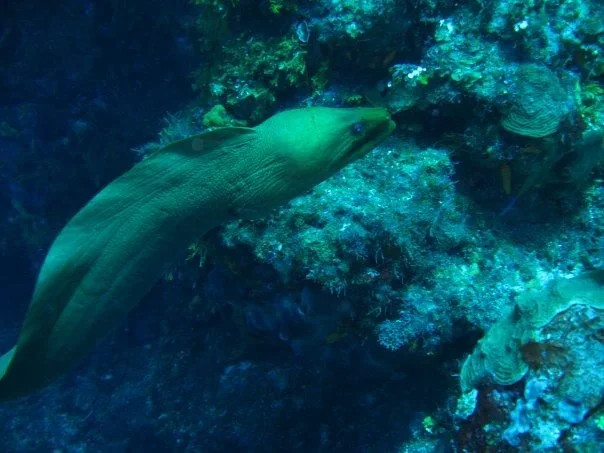
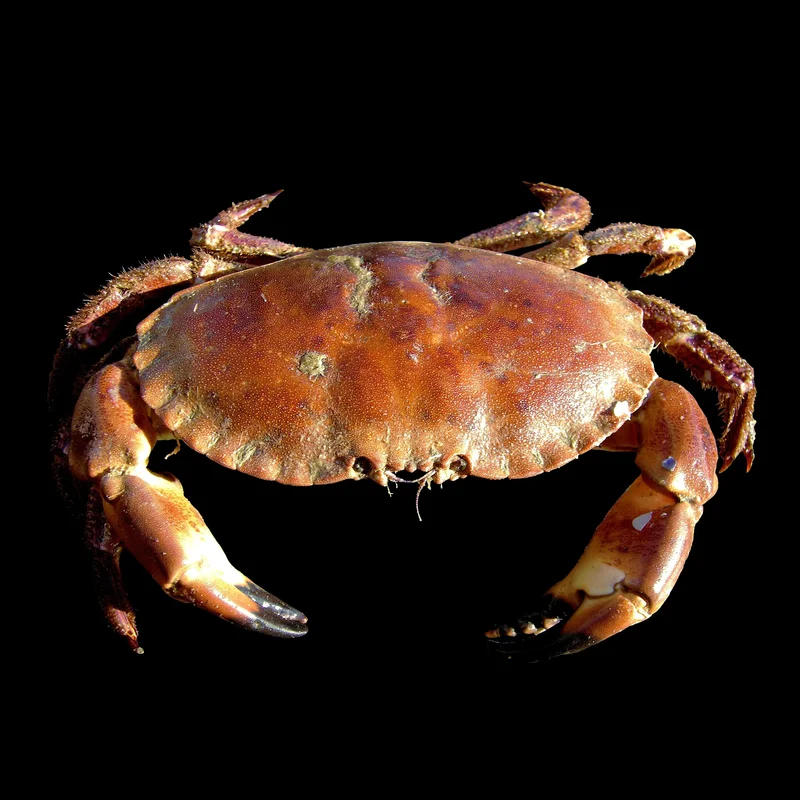
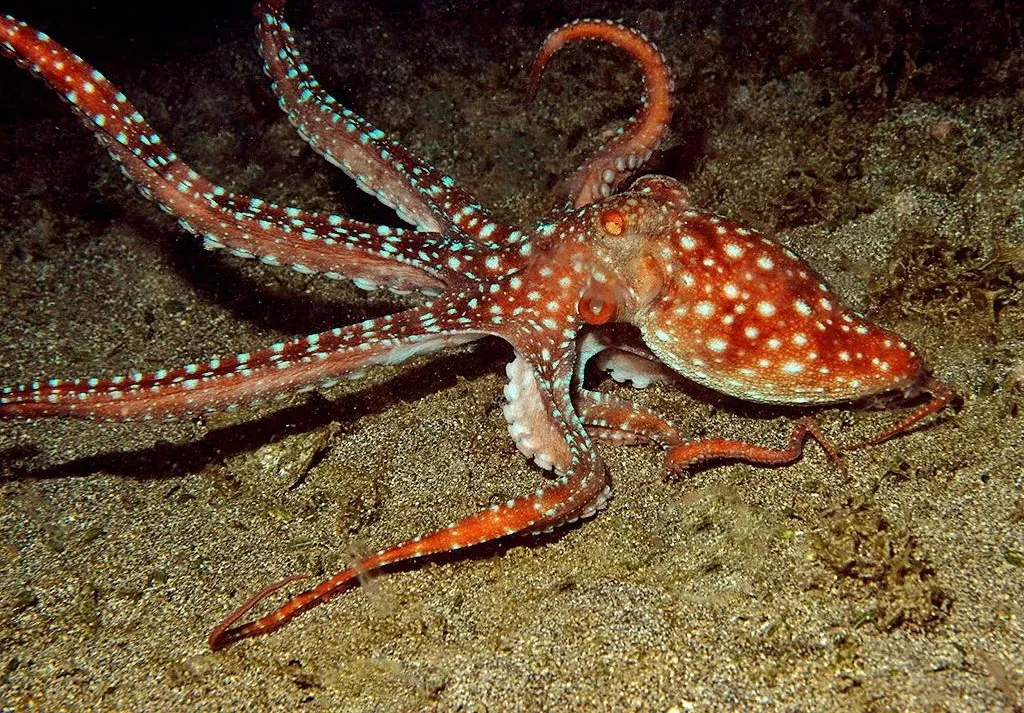
Moray eels often peer from rocky crevices. Crabs scuttle across sandy bottoms. Keep an eye out for octopuses camouflaged among rocks and starfish adorning the substrate.
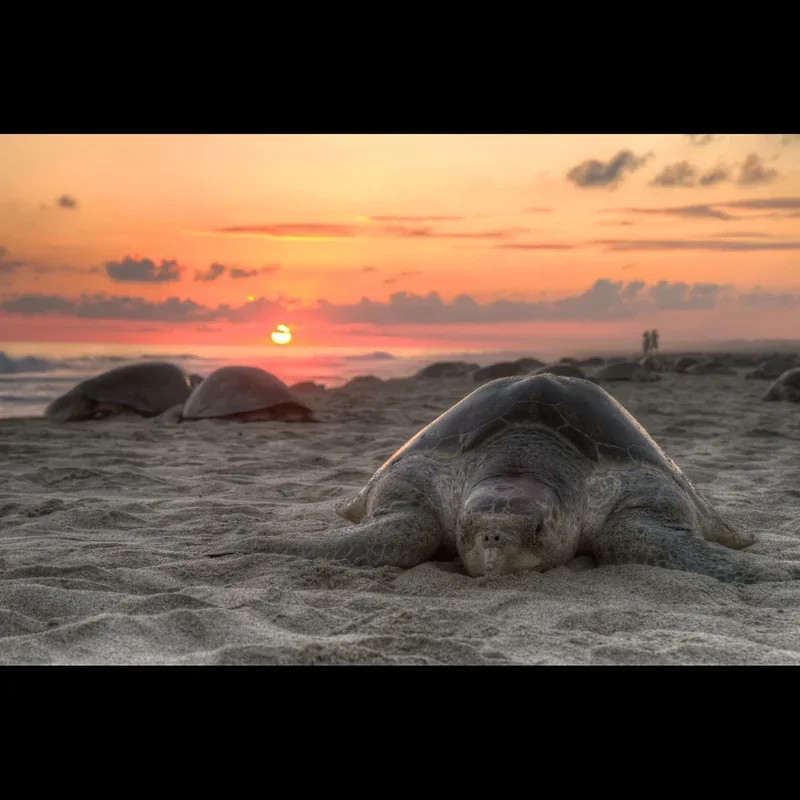
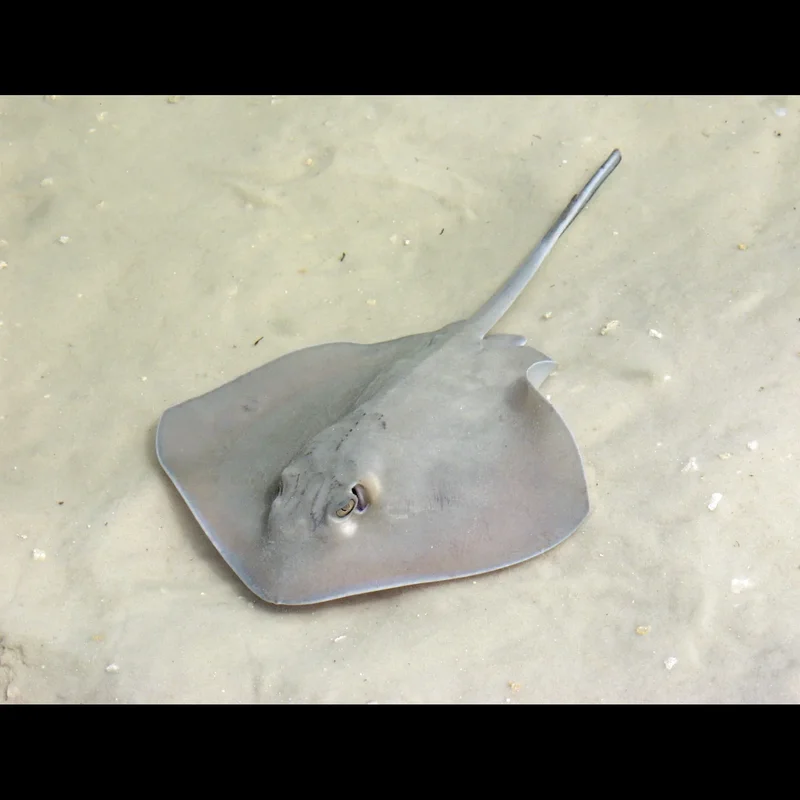
Deeper sections and wrecks sometimes reveal groupers, barracuda, and occasionally stingrays gliding by. While not a guaranteed sighting, sea turtles frequent these waters, and seals have also been reported. This active ecosystem makes each dive an opportunity for new observations.
Dive Sites Near Three Islands
View all dive sites in TurkeyDiscover more underwater gems in this area.
Dive Centers Near Three Islands
Today: 08:00 - 00:00
Nearest Airports
Nearest airports to help plan travel to this dive area.
Search Flights
Check available flights and routes on Expedia, using the nearby airports listed in this section.
Search Flights on ExpediaFrequently Asked Questions
How far are the Three Islands from the mainland?
Located approximately 1.5 kilometers (0.9 miles) offshore from Tekirova, Kemer. A boat ride typically takes 20 minutes to reach the dive sites.
What kind of dive sites can I expect at Three Islands?
Expect a diverse range of sites including reefs, walls, caves, caverns, sandy bottoms, and wrecks. Archaeological sites also add to the varied interests and skill levels catered for.
Is Three Islands suitable for beginner divers?
Yes, Three Islands accommodates all skill levels. Shallow areas, often around 6-18 meters (20-60 ft), are ideal for beginners and fun divers to explore reefs.
What is the maximum depth for diving at Three Islands?
Dive spots vary in depth, reaching a maximum of 40 meters (131 ft). Deeper dives require experienced and certified divers.
What marine life might I see during a dive?
Divers commonly spot colorful corals, sponges, octopuses, starfish, groupers, and various Mediterranean fish. Moray eels, crabs, barracuda, and occasionally sea turtles or stingrays are also present.
What is the typical water visibility at Three Islands?
Visibility is generally very good, often extending up to 30 meters (100 ft). Excellent viewing of diverse underwater environments is common.
What months are best for diving in Three Islands?
Generally, May through October offers the best diving, when air temperatures are warm and rainfall is minimal. May and October frequently receive "Excellent" dive scores due to optimal conditions.
Planning to dive Three Islands?
Send one inquiry and receive offers directly from the best verified local dive operators.
Conditions are Excellent
07:00 - 14:00
Optimal conditions expected
Current conditions near Three Islands show 28° air, 30° sea temperature, 0.5 m waves, and 26 km/h wind. Forecast data is refreshed regularly to ensure accuracy.