
Diving at Deep Cave (Turkey)
At Deep cave, the entrance at 30 m (100 ft) immediately pulls you into a world bathed in an extraordinary blue. Daylight streams through cracks in the rock, creating an ethereal glow within the cavern. Entering feels like stepping into a vast, submerged cathedral where the interplay of light and shadow defines the experience. A visual spectacle sets the tone for a memorable exploration.
As evening covers Deep Cave, the local air temperature is measured at 22.5°C. The current wave height at the surface is recorded at 0.4 m. These late-day readings characterize the surface conditions for the night.
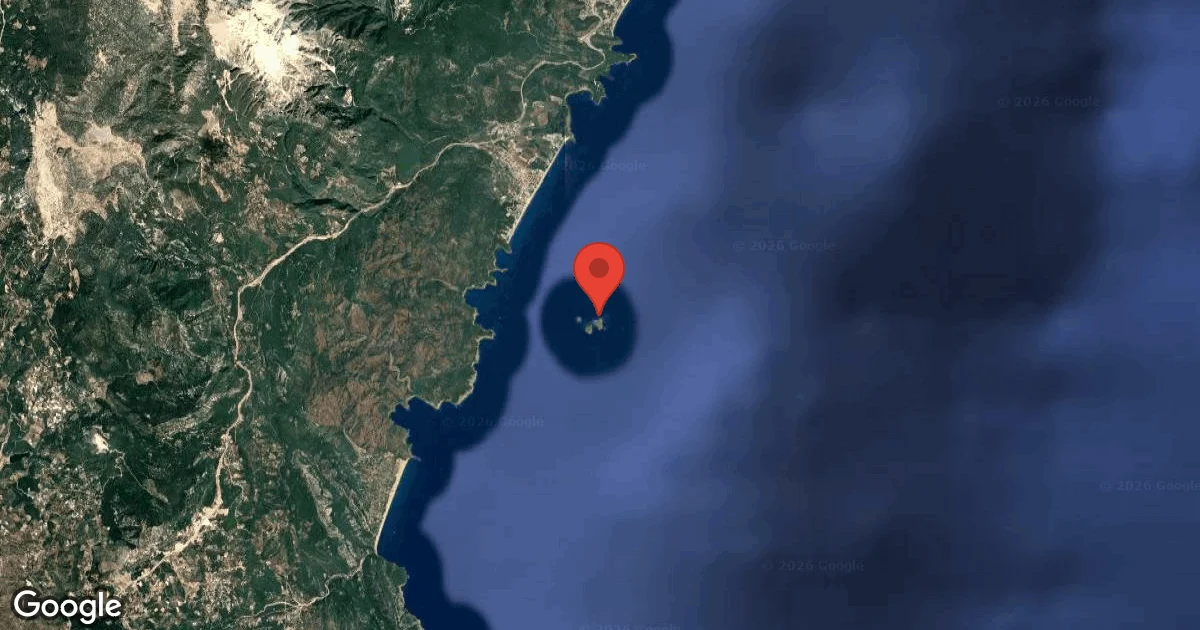
Dive Site Location & Key Facts
Dive Site Overview
Deep cave presents generally clear underwater conditions, making for a straightforward exploration. Water temperatures, while not consistently reported for this specific site, typically mirror the comfortable Mediterranean averages during peak diving seasons.
Visibility often remains quite good, enhancing the experience of sunlight filtering through overhead cracks. Precise historical context of Deep cave as a specific dive site at Three Islands isn't extensively detailed in available records. Its geological formation hints at a long natural history, with such underwater karst features being a significant part of Turkey's Mediterranean coast.
Recognized as one of the area's notable diving points, its distinct structure, including an entrance around 30 m (100 ft) deep and a unique 7-8 meter (23-26 ft) pipe extending upwards, suggests a natural evolution over millennia. Explorers of this region generally contributed to the broader understanding of Turkey's subaquatic geological wonders, even if individual site discovery dates aren't consistently documented for every location.
Region's appeal for underwater exploration has grown steadily, drawing divers to witness these natural formations firsthand. While extensive expedition logs for this particular site are limited, it stands as a testament to the ongoing discovery of Turkey's diverse underwater landscapes.
Its allure lies in an accessible cavern environment, contrasting with more challenging deep cave systems explored elsewhere in Turkey.
Conditions are Excellent
07:00 - 14:00
Optimal conditions expected
Current conditions near Deep Cave show 23° air, 29° sea temperature, 0.4 m waves, and 27 km/h wind. Forecast data is refreshed regularly to ensure accuracy.
Best Time to Dive
Planning your visit to Deep cave involves considering favorable surface and underwater conditions for a comfortable experience. October generally stands out as an excellent month for diving, with air temperatures averaging around 22°C (72°F) and minimal rainfall. Relatively calm waves, averaging 0.6 m (2.0 ft), contribute to smoother boat entries and exits. Beyond October, the diving season extends with consistently good conditions from March through November. During these months, expect pleasant air temperatures ranging from 14.5°C (58°F) in March to a warm 32°C (90°F) in July, paired with low average wave heights. Specific water temperature data isn't consistently reported, but the Mediterranean generally offers comfortable conditions during these periods. Even winter months like January and February offer good diving opportunities, though air temperatures drop to around 11.5-12°C (53°F) and wave heights are typically higher, often averaging over 1 m (3.3 ft).
PEAK SEASON SCORE
Scores combine air & water temps, waves, wind & rainfall for overall conditions.
BEST MONTHS TO DIVE
Monthly records compiled from satellite and marine observation nodes over the last 3 years. Data provided by Open-Meteo and MET Norway.
Dive Experience & Conditions
Your dive at Deep cave typically begins with a boat entry, leading directly to the submerged entrance. Descending through the clear, saltwater column, divers will approach the main opening located at approximately 30 m (98 ft). As you enter the cavern, sunlight filters through various cracks and openings, creating a dynamic light show that illuminates the interior. Interplay of light provides a magnificent visual, defining the experience within the overhead environment. A notable feature inside is a distinctive 7-8 meter (23-26 ft) pipe that extends upwards. Maximum depth at this site is around 30 m, keeping it within recreational diving limits. Visibility within the cave can vary but is generally good, allowing for appreciation of the rock formations and the unique light effects.
Dive Difficulty & Safety Guidelines
Approaching Deep cave requires a foundational understanding of cavern diving protocols to ensure a safe and enjoyable experience. While the site's maximum depth is within recreational limits, navigating an overhead environment necessitates specific training. Divers should hold certifications such as PADI Advanced Open Water Diver and ideally PADI Cavern Diver to properly manage the unique challenges.
Staying within the illuminated zone and maintaining a continuous guideline to the open water exit are paramount. Always dive with a reliable buddy and ensure adequate lighting.
Current conditions can vary, so assessing them pre-dive is crucial. Prioritize buoyancy control to protect the delicate rock formations and avoid stirring up silt.
Recommended Equipment
Overhead environment. Do not enter beyond training and gas planning limits.
- Dive Computer
- DSMB
- Primary & Backup Lights
- Reel / Spool
- Cutting Tool
This gear list is based on verified equipment signals for Deep Cave, Turkey. Always confirm final gear choices with your dive operator, guide, or liveaboard.
Recommended Dive Suit
A warming trend is expected over the next few days. A warming trend is expected over the next few days.
Two divers in the same water temperature may experience very different comfort levels.
Many divers find that dive skin or rash guard offers the right level of insulation for conditions like these. A hood or vest is suggested for sensitive divers due to surface winds. Surface intervals may feel cooler. The surrounding waters at Deep Cave are currently registering temperatures of roughly 29°C (85°F). Surface air temperatures are resting at 23°C (73°F).
Emergency & Medical Support
Essential information to help you plan your dive trip to Deep Cave.

Hyperbaric chambers are a critical part of dive safety infrastructure. Availability varies significantly by region, and not all dive areas have immediate access.
Before diving, it's recommended to:
- confirm nearest medical facilities
- check emergency procedures with local dive operators
- ensure dive insurance covers evacuation if required
Divers Alert Network
Diving emergency assistance available through DAN Europe.
+39 0642115685- 24/7 emergency hotline
- Diving medical assistance
- Evacuation coordination
Emergency contacts are provided for reference. Always verify local emergency services before diving.
Closest Listed Hyperbaric Chambers
Showing listed hyperbaric chamber facilities within 200 km of this dive site.
Distances are approximate straight-line distances and may not reflect emergency travel time.
Özel Hiperox Hiperbarik Oksijen Tedavi Merkezi
Antalya, Turkey•Approx. 49 km straight-line
Özel Hiperox Hiperbarik Oksijen Tedavi Merkezi
Information is provided for reference and planning purposes only. Dive Navigator does not verify operational status, staffing, availability, or quality of care at listed facilities. In an emergency, contact local emergency services, DAN, your dive operator, or the chamber directly. Do not travel to a facility without calling ahead.
Sağlık Bilimleri Üniversitesi Antalya Eğitim ve Araştırma Hastanesi
24/7 ListedICU CapableAntalya, Turkey•Approx. 50 km straight-line
Sağlık Bilimleri Üniversitesi Antalya Eğitim ve Araştırma Hastanesi
24/7 ListedICU CapableInformation is provided for reference and planning purposes only. Dive Navigator does not verify operational status, staffing, availability, or quality of care at listed facilities. In an emergency, contact local emergency services, DAN, your dive operator, or the chamber directly. Do not travel to a facility without calling ahead.
DzKK Aksaz Deniz Üssü, Military base chamber
24/7 ListedMugla, Turkey•Approx. 198 km straight-line
DzKK Aksaz Deniz Üssü, Military base chamber
24/7 ListedInformation is provided for reference and planning purposes only. Dive Navigator does not verify operational status, staffing, availability, or quality of care at listed facilities. In an emergency, contact local emergency services, DAN, your dive operator, or the chamber directly. Do not travel to a facility without calling ahead.
Marine Life at Deep Cave
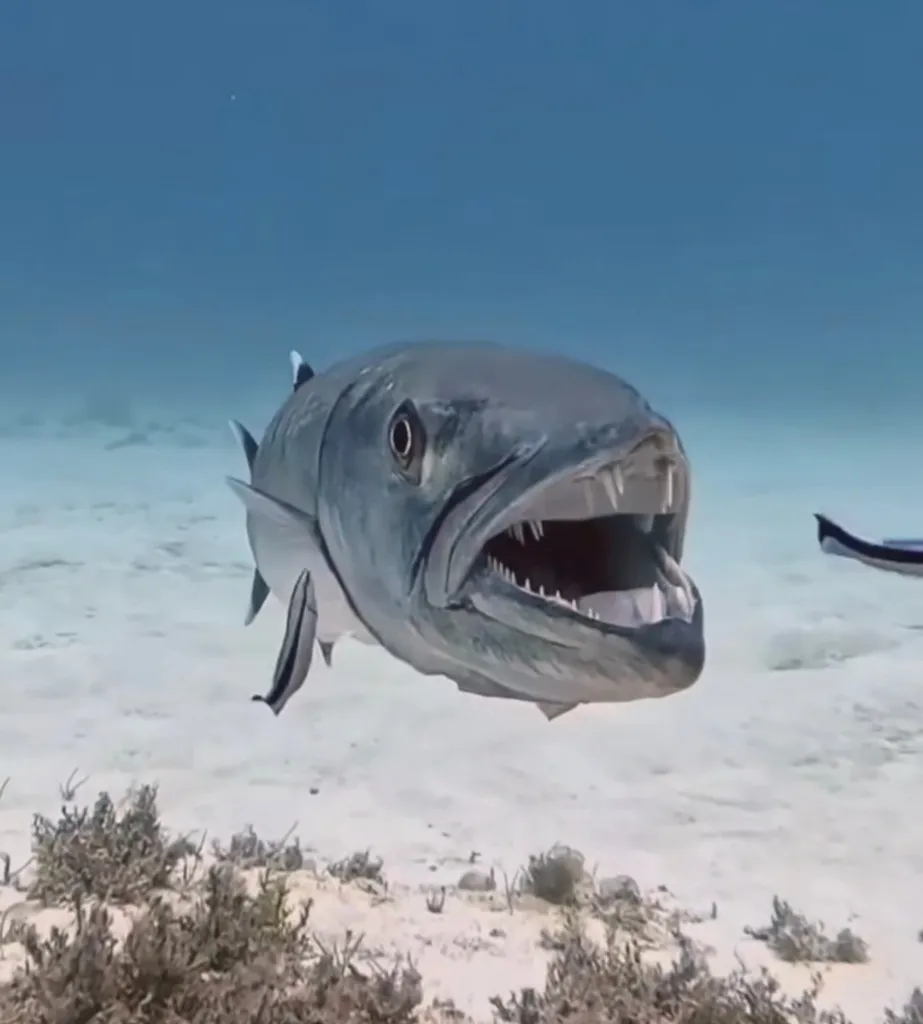
Upon entering Deep cave, divers often first notice the occasional barracuda patrolling the cavern's edges or the elusive octopus camouflaged against the rock. The interplay of light and shadow provides nooks and crannies where marine life might reside, offering visual interest beyond the geology.
While not a coral reef environment, the cave entrance acts as a sheltered gateway, attracting smaller schooling fish. Keep an eye out for diverse invertebrates clinging to the rock surfaces, adding subtle life to the cave's interior as you explore.
Dive Sites Near Deep Cave
View all dive sites in TurkeyDiscover more underwater gems in this area.
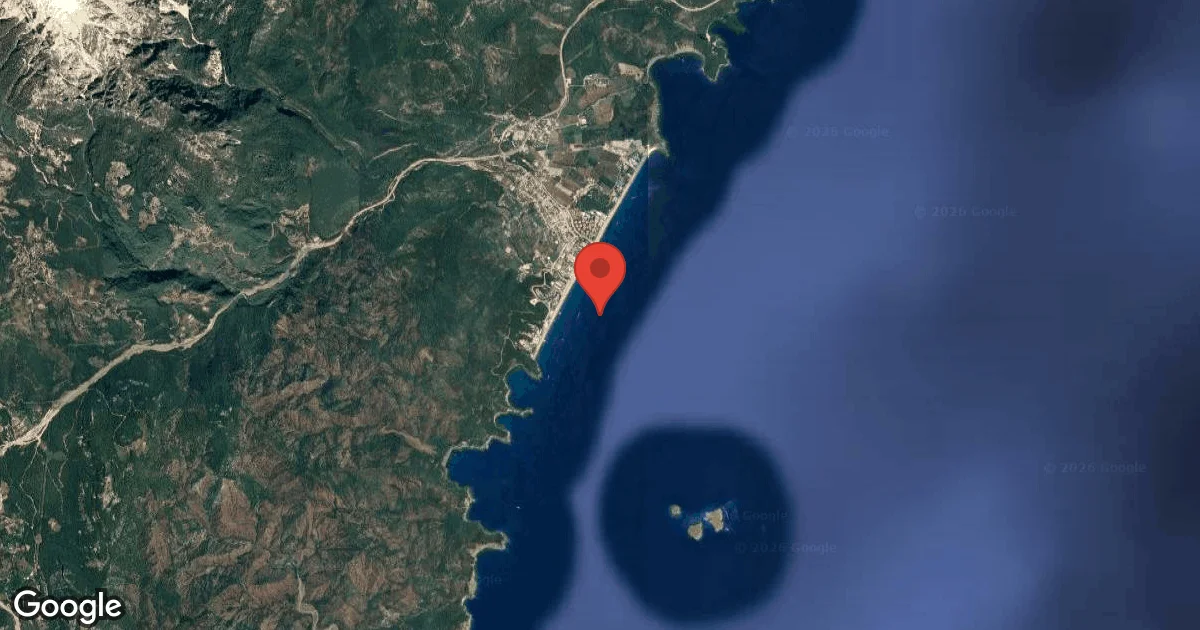
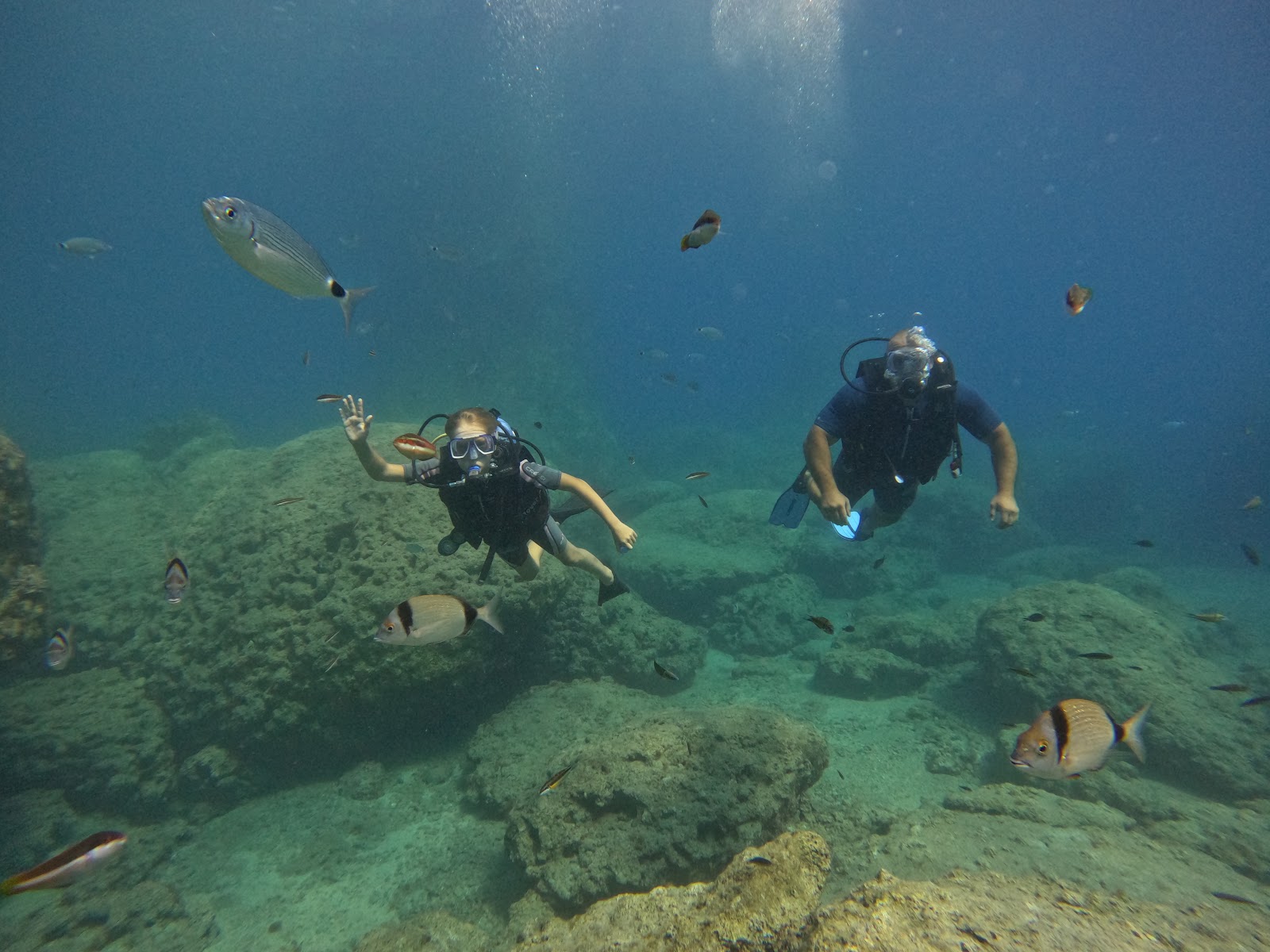
Dive Centers Near Deep Cave
Today: 08:00 - 00:00

Nearest Airports
Nearest airports to help plan travel to this dive area.
Search Flights
Check available flights and routes on Expedia, using the nearby airports listed in this section.
Search Flights on ExpediaFrequently Asked Questions
What is the maximum depth of Deep cave?
The maximum depth reported for Deep cave at Three Islands is 30 meters. The entrance itself is also located at this depth, allowing for a recreational dive profile.
What kind of training is recommended for this dive site?
It's recommended to have PADI Advanced Open Water Diver certification, and a PADI Cavern Diver specialization is highly beneficial due to the overhead environment.
Is it possible to enter the cave without a boat?
The dive site information indicates "Boat entry," suggesting access is primarily, if not exclusively, by boat to reach the submerged entrance.
What are the main attractions inside the cave?
The main attractions are the exceptional blue light created by sunlight filtering through cracks, and a distinctive 7-8 meter (23-26 ft) pipe extending upwards within the cave.
What marine life can be seen at Deep cave?
Common sightings include barracuda and octopus, which can often be spotted near the cave's entrance or along its walls.
When is the best time of year to dive Deep cave?
October is an excellent month with pleasant air temperatures and calm conditions. Generally, March through November offer good diving conditions, with varied air temperatures.
Planning to dive Deep Cave?
Send one inquiry and receive offers directly from the best verified local dive operators.
Conditions are Excellent
07:00 - 14:00
Optimal conditions expected
Current conditions near Deep Cave show 23° air, 29° sea temperature, 0.4 m waves, and 27 km/h wind. Forecast data is refreshed regularly to ensure accuracy.