
Diving at Aeolian Sky (United Kingdom)
The Aeolian Sky provides a versatile UK wreck diving experience, suitable for various certification levels. Less-experienced divers can explore shallower sections for worthwhile no-stop dives, engaging with the upper reaches of the structure. Meanwhile, more advanced divers find ample scope for extended decompression dives, navigating its extensive length and deeper, collapsed holds. Its substantial size and evolving state ensure repeat visits offer fresh discoveries for everyone.
Evening condition tracking at Aeolian Sky features an air temperature of 17.5°C. We have recorded wave heights measuring 1.7 m during this period. These figures outline the environmental parameters currently present.
Dive Site Location & Key Facts
Dive Site Overview
Sinking in 1979 after a collision with the German Coaster Anna Knuepell, the MV Aeolian Sky, a large modern freighter carrying general cargo, now rests on its port side. This 16,000-tonne vessel was attempting to reach safe harbor in Portland when it went down approximately 20 miles off Guernsey.
Over the decades, the wreck's structure has gradually collapsed, with holds flattening towards the seabed, reducing their original width.
However, the stern and superstructure remain reasonably intact, offering substantial exploration opportunities. Divers often begin just forward of the superstructure, which sits at around 18-20 m (59-66 ft), before tracing the upper starboard side.
Various cargo items, including sections of heavy steel pipe and Land Rover chassis, lie scattered within and around the collapsed holds, bearing testament to its final journey. The bow area, twisted forwards, shows the starboard anchor still in place, a considerable feature for a vessel of this size.
With the seabed at about 31 m (102 ft), this substantial wreck continues to reveal new features to attentive explorers.
Conditions are Poor
High Wind Advisory (47km/h). Unsafe surface.
Current conditions near Aeolian Sky show 18° air, 19° sea temperature, 2.0 m waves, and 47 km/h wind. Forecast data is refreshed regularly to ensure accuracy.
Best Time to Dive
Planning a dive to the Aeolian Sky is best accomplished during the late spring and summer months, typically from May through August. May boasts a 'Good' dive score, with average air temperatures around 12°C (54°F) and minimal rain at 1.23 mm. June, July, and August also offer 'Moderate' dive scores, benefiting from the highest air temperatures, peaking at 17.5°C (64°F) in August, and comparatively low rainfall. While these months generally provide more favorable surface conditions, visibility on the wreck is usually optimal at high water slack, which occurs three hours after high water Portland. This timing is crucial for maximizing the diving experience, regardless of the season's general conditions, to avoid strong currents. Winter months, from November to February, consistently show 'Poor' dive scores due to higher wave heights and stronger winds, making dive planning challenging.
PEAK SEASON SCORE
Scores combine air & water temps, waves, wind & rainfall for overall conditions.
BEST MONTHS TO DIVE
Monthly records compiled from satellite and marine observation nodes over the last 3 years. Data provided by Open-Meteo and MET Norway.
Dive Experience & Conditions
Beginning a dive at the Aeolian Sky often involves dropping onto the wreck just forward of the superstructure, an area typically found at a depth of 18-20 meters. Descending to the deck level allows for an immediate orientation along the upper starboard side towards the more intact superstructure. This section of the wreck can easily occupy a significant portion of a dive for those new to the site. Exploring towards the bow, divers will encounter various cargo remnants, including large steel pipes and recognizable Land Rover chassis, particularly around the forward holds. The seabed reaches a maximum depth of approximately 31 meters, with the bow featuring a noticeable bulge resting against it. Visibility around the Aeolian Sky is generally reported as good, however, strong currents frequently run through this area, making it imperative to dive during slack water. Low water slack is two hours before high water Portland, providing an alternative window.
Dive Difficulty & Safety Guidelines
Diving the Aeolian Sky requires careful consideration of the prevailing conditions, primarily the strong currents. It's essential to plan dives exclusively for slack water periods to ensure safety and an enjoyable experience. High water slack, occurring three hours after high water Portland, offers the best visibility conditions.
Navigating the collapsed sections of the holds can be a serious undertaking due to structural instability, so penetration should only be attempted by appropriately trained and experienced divers. Even though shallower sections are accessible for less-experienced divers, the overall size of the wreck allows for extended decompression dives, requiring advanced planning and gas management.
Always deploy a delayed SMB for a safe and visible ascent, especially in areas with potential boat traffic or varied current patterns.
Recommended Equipment
- Dive Computer
This gear list is based on verified equipment signals for Aeolian Sky, United Kingdom. Always confirm final gear choices with your dive operator, guide, or liveaboard.
Recommended Dive Suit
Experienced divers often bring flexible gear options.
Environmental readings suggest that the waters surrounding Aeolian Sky are about 19°C (67°F) at the moment. Surface air temperatures are resting at 18°C (64°F). Divers who spend longer periods underwater often choose 5mm wetsuit. Consider warmer surface protection (like a boat coat) due to brisk winds.
Current forecasts indicate relatively stable conditions for the coming days.
Due to technical issues with our weather providers, live updates are temporarily delayed. The data above reflects the conditions at the time of the last successful fetch.
Emergency & Medical Support
Essential information to help you plan your dive trip to Aeolian Sky.

Hyperbaric chambers are a critical part of dive safety infrastructure. Availability varies significantly by region, and not all dive areas have immediate access.
Before diving, it's recommended to:
- confirm nearest medical facilities
- check emergency procedures with local dive operators
- ensure dive insurance covers evacuation if required
Divers Alert Network
Diving emergency assistance available through DAN Europe.
+39 0642115685- 24/7 emergency hotline
- Diving medical assistance
- Evacuation coordination
Emergency contacts are provided for reference. Always verify local emergency services before diving.
Closest Listed Hyperbaric Chambers
Showing listed hyperbaric chamber facilities within 200 km of this dive site.
Distances are approximate straight-line distances and may not reflect emergency travel time.
Hyperbaric Medicine Unit, St Richard’s Hospital
24/7 ListedChichester, United Kingdom•Approx. 58 km straight-line
Hyperbaric Medicine Unit, St Richard’s Hospital
24/7 ListedInformation is provided for reference and planning purposes only. Dive Navigator does not verify operational status, staffing, availability, or quality of care at listed facilities. In an emergency, contact local emergency services, DAN, your dive operator, or the chamber directly. Do not travel to a facility without calling ahead.
London Hyperbaric Medicine
Leytonstone, London, United Kingdom•Approx. 119 km straight-line
London Hyperbaric Medicine
Information is provided for reference and planning purposes only. Dive Navigator does not verify operational status, staffing, availability, or quality of care at listed facilities. In an emergency, contact local emergency services, DAN, your dive operator, or the chamber directly. Do not travel to a facility without calling ahead.
Marine Life at Aeolian Sky
While specific marine life data is limited, the Aeolian Sky wreck has evolved into a vibrant artificial reef over the years. Observers note that bare patches of paintwork have become densely carpeted with hydroids, indicating a thriving sessile invertebrate community.
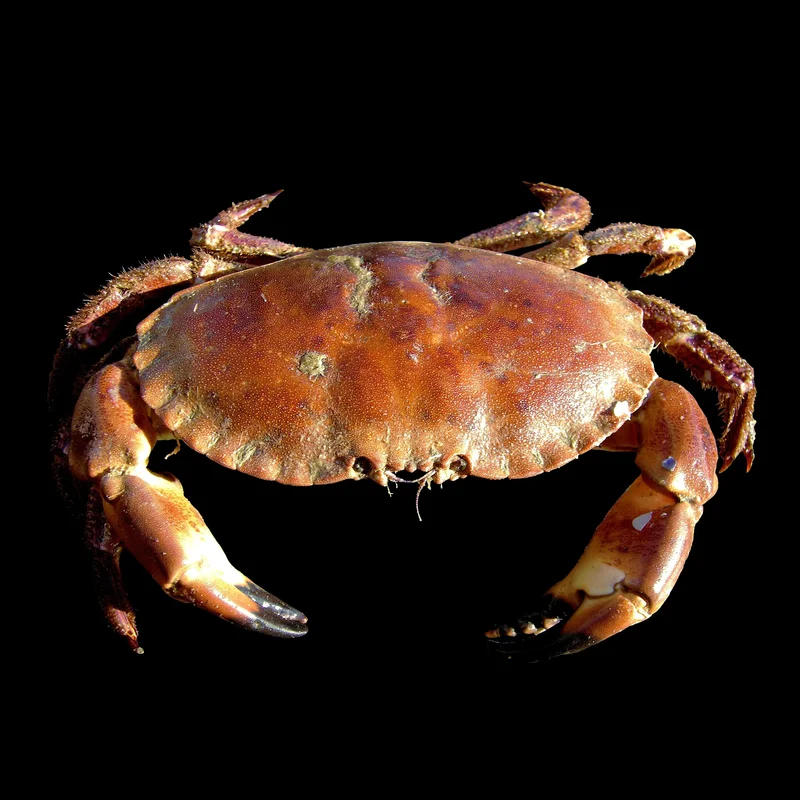
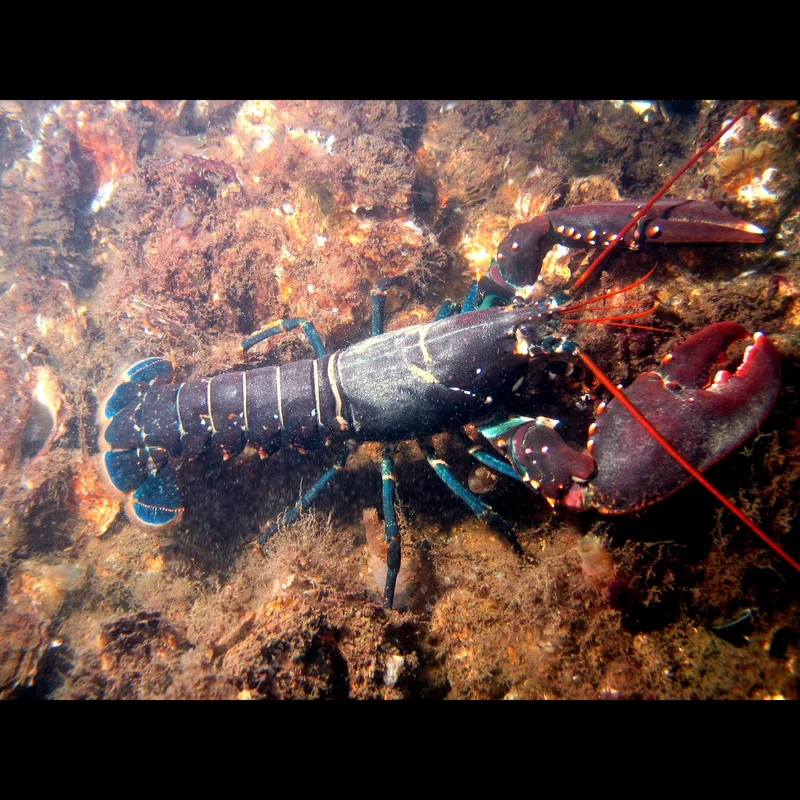
Exploring the wreck's many crevices and collapsed sections can reveal common UK reef inhabitants, such as various species of fish, crabs, and lobsters seeking shelter within the metal structure. The sheer scale of the wreck provides ample habitat, creating numerous opportunities to observe marine life adapted to these underwater environments. As an older wreck, it supports a diverse ecosystem that continues to develop.
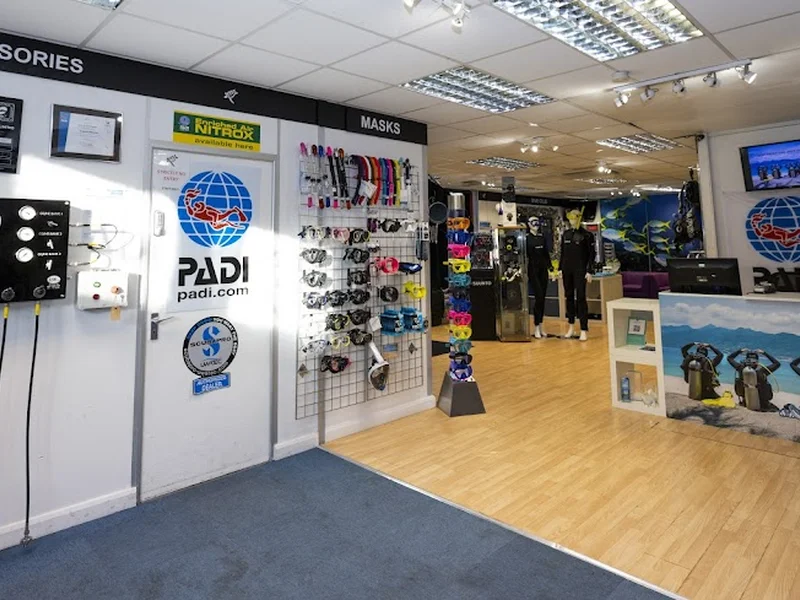
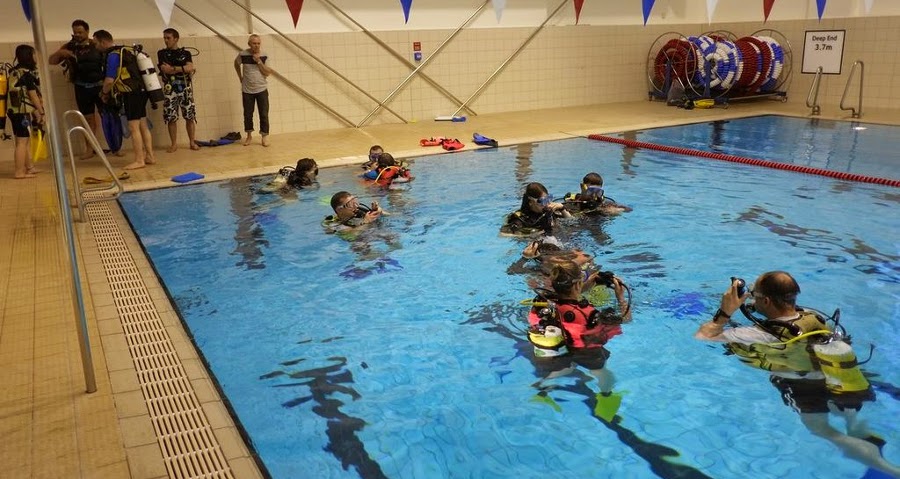
Dive Centers Near Aeolian Sky
Nearest Airports
Nearest airports to help plan travel to this dive area.
Search Flights
Check available flights and routes on Expedia, using the nearby airports listed in this section.
Search Flights on ExpediaFrequently Asked Questions
What is the typical depth range for diving the Aeolian Sky?
The wreck's deck level at the superstructure sits around 18-20 m (59-66 ft), while the seabed and deeper parts of the bow extend to approximately 31 m (102 ft).
Are there strong currents at the Aeolian Sky?
Yes, very strong currents are common in this area. Diving should only be undertaken during slack water, specifically three hours after high water Portland for optimal visibility, or two hours before low water Portland.
What kind of dive experience is required?
The Aeolian Sky is suitable for less-experienced divers looking for no-stop dives in shallower sections. However, its large size also provides opportunities for experienced divers to plan extended decompression dives, especially when exploring deeper or more complex areas.
Can I penetrate the wreck's holds?
The holds have significantly collapsed, making internal exploration a much more serious undertaking than when the wreck first sank. Such activities require specific advanced training and careful planning due to potential instability and overhead environments.
What cargo can still be seen on the wreck?
Divers frequently encounter sections of heavy steel pipe and several Land Rover chassis. Other vehicle parts, like a truck's double rear-axle assembly, are also visible, scattered around the holds and on the seabed.
How do I find the Aeolian Sky?
The wreck's GPS position is 50 30.572N 002 08.426W. Since there are no convenient transits, locating it requires a GPS and echo-sounder. It's a large wreck lying across the current, with its stern pointing towards the shore.
Where can I get air and nitrox fills?
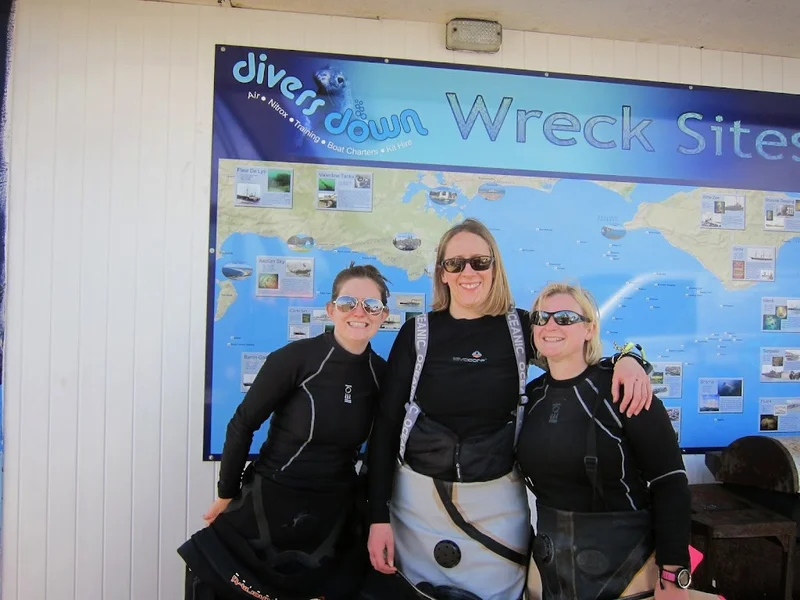
Air and nitrox fills are available on Swanage Pier from Divers Down, typically operating from March to November. Local charter boats also run out from Divers Down in Swanage.
Planning to dive Aeolian Sky?
Send one inquiry and receive offers directly from the best verified local dive operators.
Conditions are Poor
High Wind Advisory (47km/h). Unsafe surface.
Current conditions near Aeolian Sky show 18° air, 19° sea temperature, 2.0 m waves, and 47 km/h wind. Forecast data is refreshed regularly to ensure accuracy.