
Diving at Alastor (United Kingdom)
Divers eager to explore the diverse underwater landscape of the United Kingdom will find Alastor to be a site offering varied coastal experiences. This location combines the characteristics of a beach dive with open ocean elements and the allure of wreck exploration. It's a spot where accessibility and the potential for discovery intertwine, providing a tangible sense of adventure for those venturing into its waters.
As evening covers Alastor, the local air temperature is measured at 16.5°C. The current wave height at the surface is recorded at 0.4 m. These late-day readings characterize the surface conditions for the night.
Dive Site Location & Key Facts
Dive Site Overview
Alastor's underwater topography presents a compelling mix, rooted in its classification as a beach, ocean, and wreck dive. Entering from the shore, divers transition from shallower coastal areas into more exposed oceanic conditions, encountering a gradual deepening of the seabed.
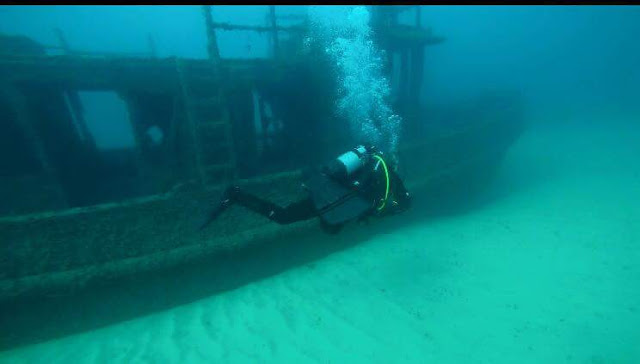
This environment reveals a typical UK coastline blend of rock formations and patches of sand, supporting diverse small marine life. A significant feature, consistent with its 'wreck' classification, is the presence of submerged historical structures or vessels. These wrecks typically rest within recreational depth ranges, though their specific maximum depths are not consistently reported across all sources.
They often provide complex structures for navigation, creating interesting swim-throughs and offering shelter for various marine life. Distinct focal points, these wrecks invite thorough exploration and often serve as navigational aids amidst the natural seabed.
Depths encountered during a dive can vary significantly, depending on the chosen entry point and the specific planned route to reach these underwater features, allowing for varied dive profiles. These combined features ensure a varied and engaging dive experience at Alastor.
Conditions are Good
Optimal conditions expected
Current conditions near Alastor show 17° air, 15° sea temperature, 0.5 m waves, and 28 km/h wind. Forecast data is refreshed regularly to ensure accuracy.
Best Time to Dive
While Alastor offers diving opportunities throughout the year, conditions are more favorable during late spring and early summer. May and June show an 'Excellent' dive score, with average air temperatures rising to 12.5°C (54°F) and 14.5°C (58°F) respectively, alongside lower average wave heights of around 0.4 meters (1.3 ft). In contrast, winter months like January experience colder air temperatures averaging 5°C (41°F) and higher wave heights of 0.7 meters (2.3 ft), leading to generally more challenging conditions. Rainfall tends to be moderate across all seasons, with July experiencing a slightly higher average of 4.56 mm (0.18 inches). Choosing calmer periods will enhance the overall dive experience, despite the lack of consistently reported water temperature data.
PEAK SEASON SCORE
Scores combine air & water temps, waves, wind & rainfall for overall conditions.
BEST MONTHS TO DIVE
Monthly records compiled from satellite and marine observation nodes over the last 3 years. Data provided by Open-Meteo and MET Norway.
Dive Experience & Conditions
Descending into Alastor’s waters, divers encounter conditions shaped by its open ocean exposure. Visibility here can vary, influenced by local currents, weather patterns, and recent rainfall, often ranging from moderate to good on calm days. Water temperature data is not consistently reported, but typically, UK waters require appropriate thermal protection. Surge might be present, particularly near shore or during periods of higher wave action, making entries and exits potentially more demanding. Currents can also be a factor, especially further offshore near any identified wrecks, requiring careful dive planning and good buoyancy control. Recreational depths are generally encountered, allowing for extended bottom times.
Dive Difficulty & Safety Guidelines
Navigating Alastor's dive environment requires careful consideration of several factors to ensure diver safety. Variable underwater conditions, such as currents and visibility fluctuations, are common in ocean-exposed sites. Divers should assess sea conditions before entry, paying close attention to tides and currents, particularly if planning a drift dive or exploring the wreck.
Given the absence of specific hazards in the database, divers should generally be prepared for colder water typical of the UK and potential limited visibility, maintaining close contact with their buddy. Planning dives to match certification levels and experience is crucial, especially when exploring wrecks where entanglement or silting could be concerns. Always carry appropriate safety signaling devices.
Recommended Equipment
Overhead / entanglement risk. Wreck penetration requires proper training.
- Dive Computer
- DSMB
- Primary & Backup Lights
- Wreck Reel
- Cutting Tool
- Hard-soled Dive Boots
This gear list is based on verified equipment signals for Alastor, United Kingdom. Always confirm final gear choices with your dive operator, guide, or liveaboard.
Recommended Dive Suit
Current diving conditions indicate water temperatures around 15°C (60°F) at Alastor. Surface air temperatures are resting at 17°C (62°F).
Forecast models indicate that diving conditions should remain largely unchanged.
In water temperatures like these, 5-7mm wetsuit typically offers sufficient warmth for most recreational dives. Consider warmer surface protection (like a boat coat) due to brisk winds. A thermal robe or jacket is recommended between dives. Some divers naturally tolerate cooler water better than others. Stronger winds may also make surface intervals feel cooler than usual. Surface intervals may feel noticeably cooler once you exit the water.
Due to technical issues with our weather providers, data hasn't been fetched for over 48 hours. The data above reflects the conditions at the time of the last successful fetch.
Emergency & Medical Support
Essential information to help you plan your dive trip to Alastor.

Hyperbaric chambers are a critical part of dive safety infrastructure. Availability varies significantly by region, and not all dive areas have immediate access.
Before diving, it's recommended to:
- confirm nearest medical facilities
- check emergency procedures with local dive operators
- ensure dive insurance covers evacuation if required
Divers Alert Network
Diving emergency assistance available through DAN Europe.
+39 0642115685- 24/7 emergency hotline
- Diving medical assistance
- Evacuation coordination
Emergency contacts are provided for reference. Always verify local emergency services before diving.
Marine Life at Alastor
Approaching Alastor's underwater habitats, divers might first notice the presence of common UK marine species that thrive in temperate coastal environments. Specific marine life highlights for this site are not consistently reported.
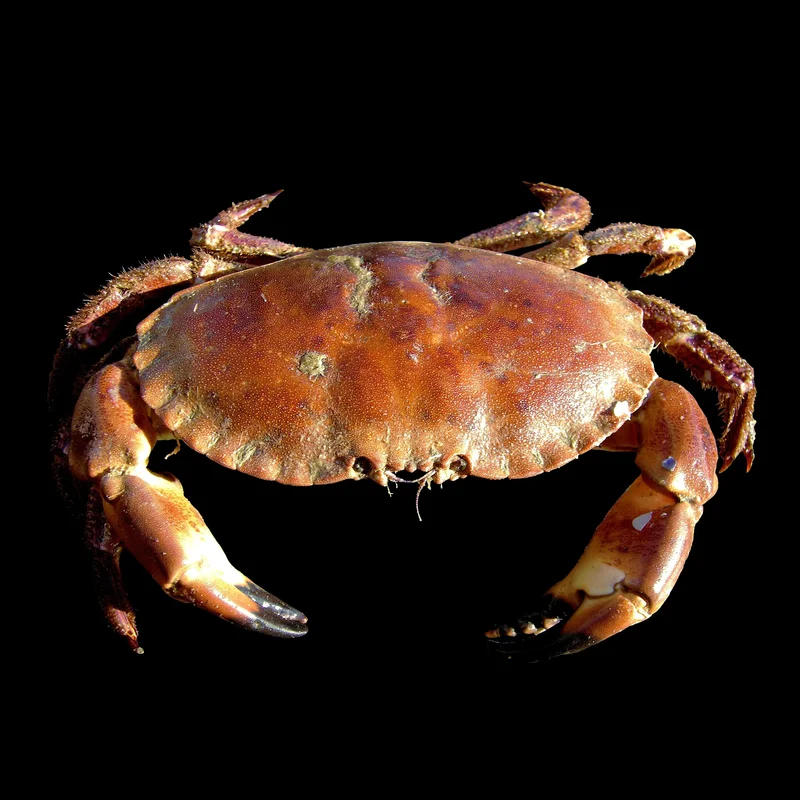
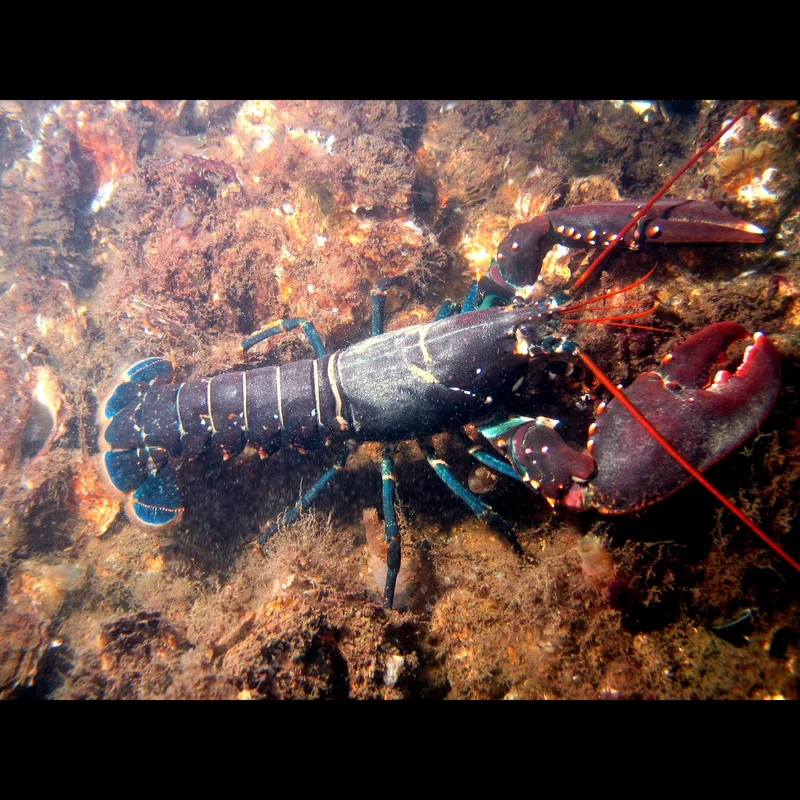
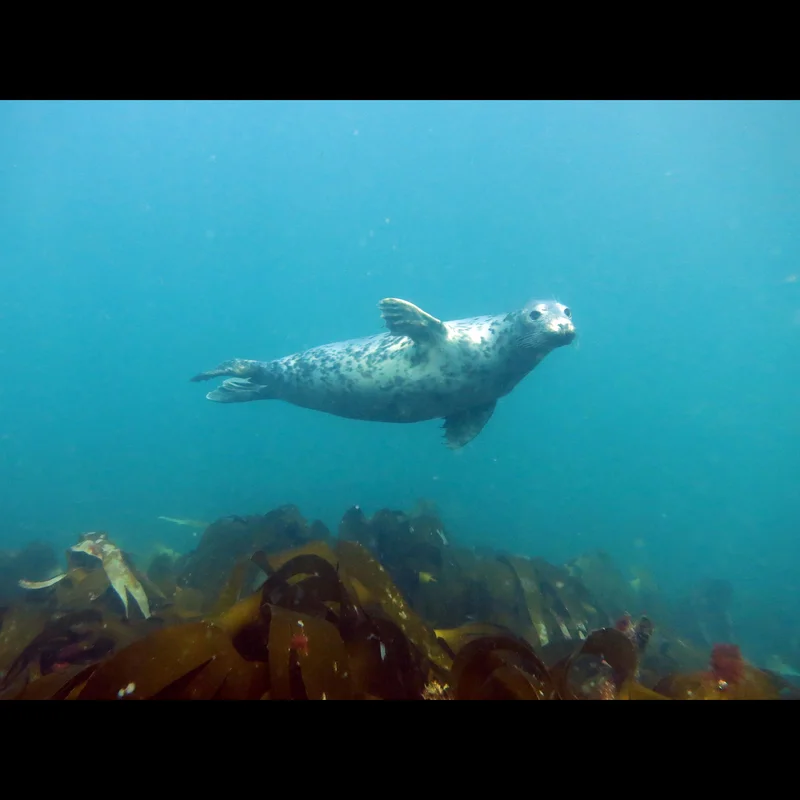
However, in similar UK waters, it's common to observe crustaceans such as crabs and lobsters inhabiting crevices and beneath rocky overhangs. Small schooling fish can be seen navigating the currents, and various species of anemones and soft corals may adorn the seabed and any wreck structures present. Occasional sightings of seals or larger fish are possible, adding an element of surprise.

Dive Centers Near Alastor

Nearest Airports
Nearest airports to help plan travel to this dive area.
Search Flights
Check available flights and routes on Expedia, using the nearby airports listed in this section.
Search Flights on ExpediaFrequently Asked Questions
What is the typical depth range at Alastor?
Dive depths at Alastor generally fall within recreational limits, accommodating a range of certification levels. Specific depths around the wrecks and along the seabed can vary, but most exploration occurs at accessible depths suitable for certified recreational divers.
Is Alastor suitable for beginner divers?
Alastor can present varying conditions due to its ocean exposure. While shallower areas near the beach may be suitable for beginners on very calm days, the presence of potential currents and deeper wreck components suggests that intermediate or advanced certification might offer a more comfortable and safer experience.
What is the visibility like at Alastor?
Visibility at Alastor is subject to change based on weather, currents, and recent rainfall. It can range from moderate to good, with clearer conditions typically occurring during calm periods. Divers should check local dive reports for up-to-date visibility assessments.
Are there strong currents at Alastor?
Being an ocean dive, currents can be present at Alastor, especially further from shore or around submerged structures. Divers should plan their dives carefully, accounting for potential currents, and consider carrying appropriate signaling devices for safety.
What kind of dive is Alastor classified as?
Alastor is classified as a beach, ocean, and wreck dive. This means divers can expect a shore entry, open water conditions, and the opportunity to explore submerged wrecks or structures.
What are the best months to dive at Alastor?
The most favorable months for diving at Alastor are typically May and June, which show an 'Excellent' dive score. These months offer milder air temperatures and generally calmer sea conditions, improving the overall diving experience.
Planning to dive Alastor?
Send one inquiry and receive offers directly from the best verified local dive operators.
Conditions are Good
Optimal conditions expected
Current conditions near Alastor show 17° air, 15° sea temperature, 0.5 m waves, and 28 km/h wind. Forecast data is refreshed regularly to ensure accuracy.