
Diving at Anchor Point (United Kingdom)
Anchor Point presents a compelling contrast: an accessible shore dive that quickly unfolds into an intricate underwater world. This site in Loch Fyne, West Scotland, proves an exceptional training ground, balancing easily navigable shallow areas with deeper reef exploration down to around 30 m / 100 ft. It's a place where diverse skill levels can find rewarding experiences, from honing fundamental techniques to uncovering varied marine habitats.
Evening condition tracking at Anchor Point features an air temperature of 11°C. We have recorded wave heights measuring 0.3 m during this period. These figures outline the environmental parameters currently present.
Dive Site Location & Key Facts
Dive Site Overview
The underwater structure at Anchor Point transitions from a user-friendly shore entry into a surprisingly complex environment. Divers access the water from a path leading to a beach, entering to the left of a distinct large rock.
The initial descent reveals gently sloping bottoms, which gradually give way to a dramatic landscape featuring pinnacles, walls, and scattered boulders. A common dive plan involves heading out westerly to make early visual contact with the main reef, then following its contours to a chosen depth, often to 20 m / 65 ft, before meandering back up.
This section is rich with small holes and cracks to explore. For those comfortable with deeper profiles, the main reef extends further down, reaching significant depths where plumose anemones often appear, particularly around the two distinct points.
An excellent alternative, well-suited for a second dive or training, includes a reef just a five-minute fin from the main entry. Heading roughly north from the shore, beyond the land-based promontory, divers cross a shallower reef top before exploring this second, less disorienting reef at mid-depths, offering further varied habitats.
Conditions are Good
Optimal conditions expected
Current conditions near Anchor Point show 11° air, 15° sea temperature, 0.5 m waves, and 32 km/h wind. Forecast data is refreshed regularly to ensure accuracy.
Best Time to Dive
Prioritizing good visibility, the most favorable conditions for diving Anchor Point tend to emerge in the spring and late autumn. May stands out with an "Excellent" dive score, experiencing minimal average wave heights of around 0.2 m / 0.7 ft and some of the lowest rainfall at 3.7 mm. Air temperatures during May are a comfortable 12-13°C / 54-55°F, creating pleasant surface conditions. November also garners an "Excellent" score, benefiting from low wave action (around 0.3 m / 1.0 ft) and moderate rainfall (4.6 mm). However, air temperatures drop significantly to 6-7°C / 43-45°F, requiring appropriate surface gear. While conditions can be dived at any state of the tide, calmer periods generally improve visibility, allowing the site's dramatic underwater features to be fully appreciated. Early spring, particularly April, also presents a good window, with lower average rainfall around 4.5 mm and moderate air temperatures of 8-9°C / 47-48°F.
PEAK SEASON SCORE
Scores combine air & water temps, waves, wind & rainfall for overall conditions.
BEST MONTHS TO DIVE
Monthly records compiled from satellite and marine observation nodes over the last 3 years. Data provided by Open-Meteo and MET Norway.
Dive Experience & Conditions
The depth profile at Anchor Point supports a range of experience levels, accommodating divers from beginners to those seeking deeper exploration depending on the tide. Shallower areas offer almost pool-like conditions, featuring gently sloping bottoms that are ideal for training dives or beginners. Moving deeper, divers encounter the complex rocky promontory, characterized by walls, pinnacles, and boulder slopes. Conditions generally allow diving at any state of the tide. While a small, manageable current sometimes occurs, it's generally not a significant concern for sport divers. Exploring the contours of the reefs and the diverse habitats they create rewards those who take the time to observe.
Dive Difficulty & Safety Guidelines
Navigating to Anchor Point involves driving carefully along a single-track road with passing places, requiring attentiveness on approach. Once at the site, parking space is limited, so careful positioning of vehicles is essential to allow others access. Underwater, the primary consideration is a small, sometimes present current; however, it's generally easily manageable for sport divers.
It's always prudent to monitor local tide tables, even though the site is often diveable at any state of the tide. Due to the varied topography, including deeper sections and numerous cracks, maintaining good buoyancy control is advisable.
Always dive within your certified limits and be prepared for typical UK cooler water conditions, which implies appropriate thermal protection.
Recommended Equipment
- Dive Computer
- DSMB
- Hard-soled Dive Boots
This gear list is based on verified equipment signals for Anchor Point, United Kingdom. Always confirm final gear choices with your dive operator, guide, or liveaboard.
Recommended Dive Suit
For divers planning standard recreational dives, 7mm wetsuit or semidry is usually a suitable option. A hood or vest is suggested for sensitive divers due to surface winds. Strong cold advisory: dress warmly immediately after exiting the water. Divers vary widely in how quickly they feel cold underwater.
At the moment, divers exploring Anchor Point will likely experience water temperatures near 15°C (58°F). Surface air temperatures are resting at 11°C (52°F).
Temperatures look set to gradually increase over the next several days. A warming trend is expected over the next few days.
Emergency & Medical Support
Essential information to help you plan your dive trip to Anchor Point.

Hyperbaric chambers are a critical part of dive safety infrastructure. Availability varies significantly by region, and not all dive areas have immediate access.
Before diving, it's recommended to:
- confirm nearest medical facilities
- check emergency procedures with local dive operators
- ensure dive insurance covers evacuation if required
Divers Alert Network
Diving emergency assistance available through DAN Europe.
+39 0642115685- 24/7 emergency hotline
- Diving medical assistance
- Evacuation coordination
Emergency contacts are provided for reference. Always verify local emergency services before diving.
Closest Listed Hyperbaric Chambers
Showing listed hyperbaric chamber facilities within 200 km of this dive site.
Distances are approximate straight-line distances and may not reflect emergency travel time.
West Scotland Centre for Diving and Hyperbaric Medicine
Oban, Argyll, United Kingdom•Approx. 44 km straight-line
West Scotland Centre for Diving and Hyperbaric Medicine
Information is provided for reference and planning purposes only. Dive Navigator does not verify operational status, staffing, availability, or quality of care at listed facilities. In an emergency, contact local emergency services, DAN, your dive operator, or the chamber directly. Do not travel to a facility without calling ahead.
Marine Life at Anchor Point
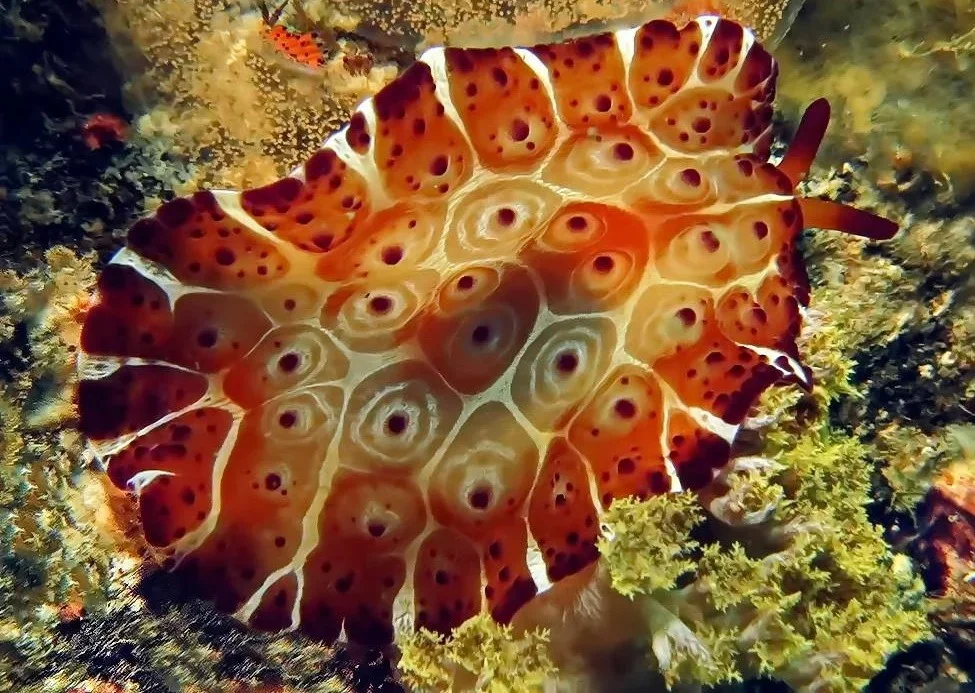
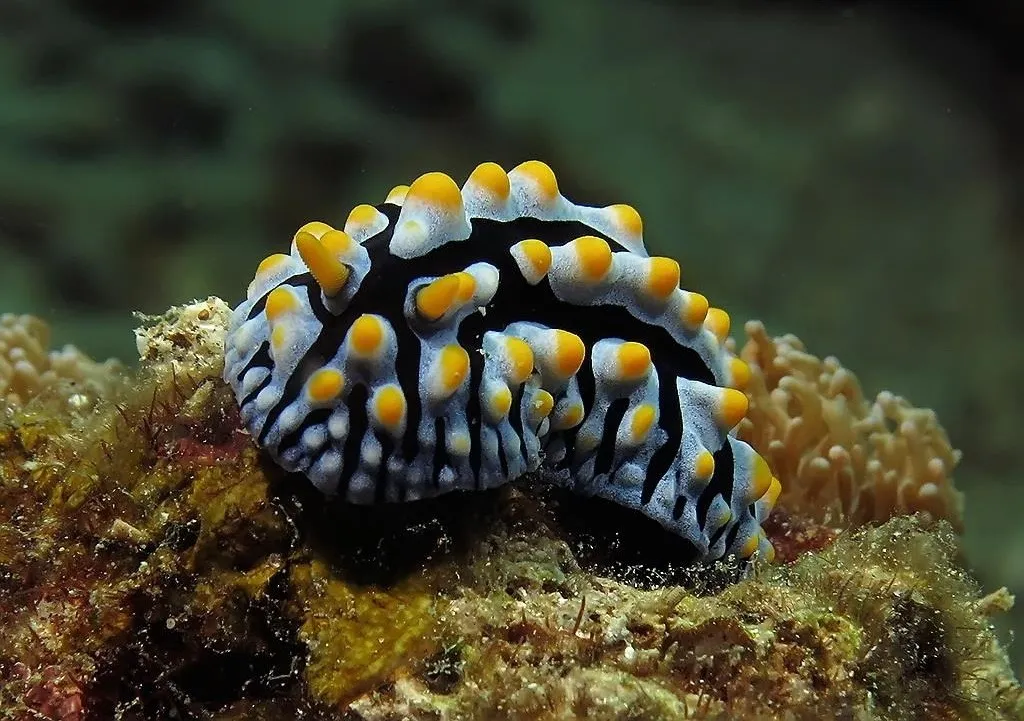
As you explore Anchor Point, the first creatures to capture attention often include the goldsinny and various wrasse species, frequently observed darting among the small holes and cracks of the reef. Deeper sections of the site reveal the delicate beauty of plumose anemones.
During certain times of the year, divers may encounter the striking lion's mane jellyfish, a memorable sight. The site is also noted for its nudibranch diversity, including the vibrant orange sea slug and, seasonally, Archidoris pseudoargus nudibranchs laying their distinctive egg masses. Keep an eye out for the corkwing wrasse too, often found in these rich, rocky habitats.

Dive Centers Near Anchor Point
Nearest Airports
Nearest airports to help plan travel to this dive area.
Search Flights
Check available flights and routes on Expedia, using the nearby airports listed in this section.
Search Flights on ExpediaFrequently Asked Questions
Is Anchor Point suitable for new divers?
Yes, Anchor Point is recognized as an excellent training location, offering easy entry and gently sloping bottoms, alongside access to deeper areas for skill progression.
What is the maximum depth at Anchor Point?
The maximum depth can vary with the tide. Divers often explore the site's deeper sections, which extend to around 30 meters, roughly 100 feet.
Are there strong currents at Anchor Point?
While a small current can sometimes be present, it's generally easily manageable for sport divers and does not usually pose a significant challenge.
What kind of marine life can I expect to see?
You can anticipate seeing a variety of wrasse species, goldsinny, plumose anemones, and seasonally, lion's mane jellyfish. The site is also known for its nudibranchs, including the orange sea slug.
Is parking readily available at the dive site?
Parking is limited at Anchor Point, so divers should park carefully to ensure space is maximized for other vehicles, especially given the single-track access road.
Can Anchor Point be dived at any tide state?
Yes, the site is generally diveable at any state of the tide, providing good flexibility for dive planning.
What is the best time of year to dive Anchor Point for good conditions?
May and November typically offer excellent dive scores with lower wave heights and winds. May generally provides more comfortable air temperatures for surface intervals.
Planning to dive Anchor Point?
Send one inquiry and receive offers directly from the best verified local dive operators.
Conditions are Good
Optimal conditions expected
Current conditions near Anchor Point show 11° air, 15° sea temperature, 0.5 m waves, and 32 km/h wind. Forecast data is refreshed regularly to ensure accuracy.