
Diving at Bognor Rocks (United Kingdom)
Bognor Rocks presents a distinct technical profile as a natural reef running parallel with the shore, offering a shore-entry dive experience. Its maximum reported depth varies, generally ranging from 3 to 10 m (10 to 30 ft), making it suitable for Open Water certified divers. This site is predominantly a reef dive, though sections involve sandy bottoms and can present drift conditions.
As evening covers Bognor Rocks, the local air temperature is measured at 17.5°C. The current wave height at the surface is recorded at 0.8 m. These late-day readings characterize the surface conditions for the night.
Dive Site Location & Key Facts
Dive Site Overview
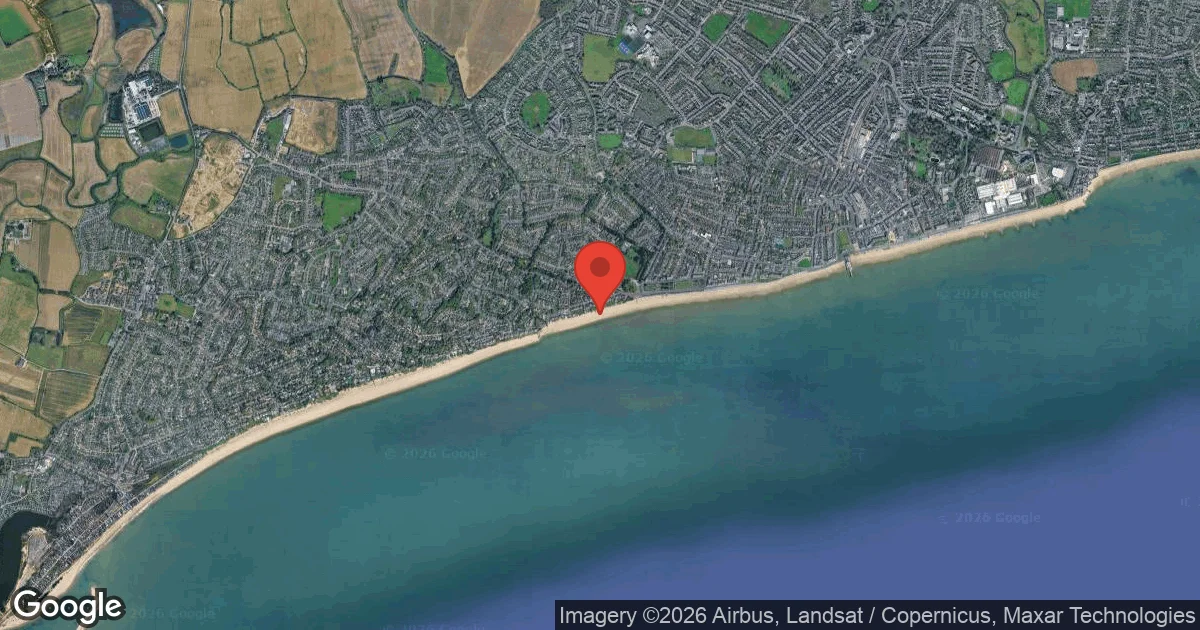
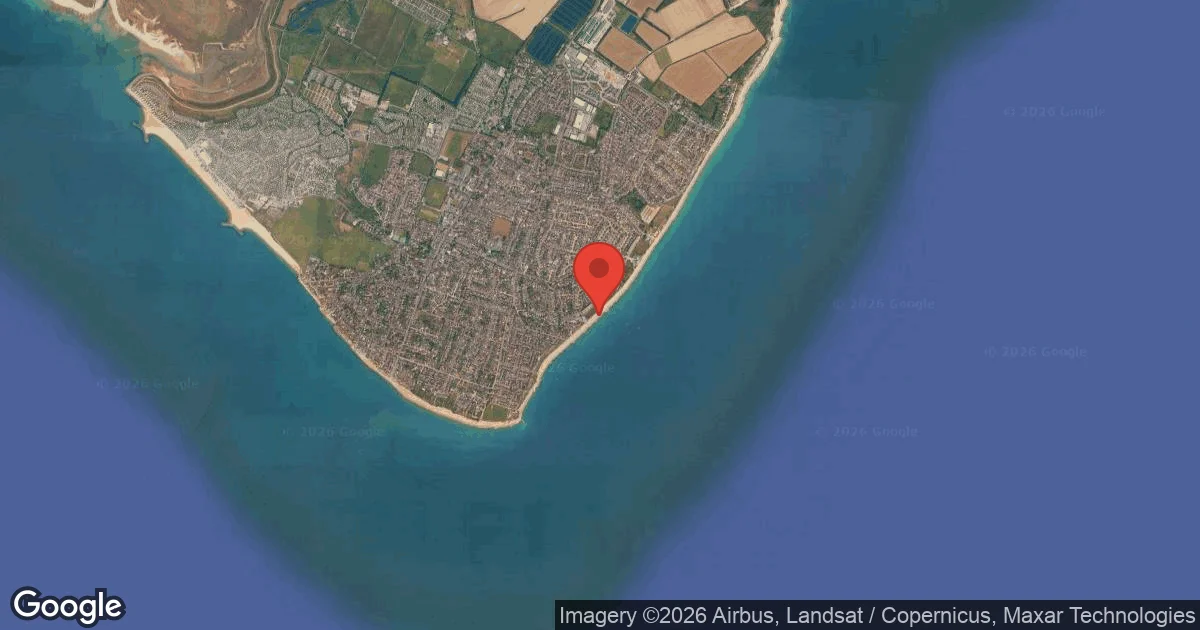
Bognor Rocks distinguishes itself among South Coast UK dives primarily through its accessible shore entry and an unexpectedly diverse, albeit shallow, reef ecosystem. Preparing for the dive often involves a walk from nearby beach huts, followed by a swim out across a sandy expanse.
This initial surface swim typically covers about 150 meters (490 ft) before the distinct reef structure becomes apparent below. The seabed then transitions from soft sand to an intricate matrix of rocks interspersed with sandy patches, forming varied habitats for local marine life. These rocky outcrops are frequently coated with dense kelp forests and other vibrant marine growth, creating numerous sheltered pockets and feeding grounds.
While general conditions, particularly visibility, can fluctuate significantly, Bognor Rocks is frequently cited as an excellent location for dive training or initial open water dives. Its relatively shallow profile, with a maximum reported depth generally ranging from 3 to 10 m (10 to 30 ft), provides a forgiving environment for newer divers to acclimate to a dynamic underwater setting.
The reef's distinct features and the availability of sheltered areas make it a reliable choice for local dive enthusiasts seeking a convenient yet engaging experience. Divers should be mindful of tidal influences which can introduce mild currents, adding another dynamic layer to the dive.
Conditions are Moderate
High Wind Advisory (46km/h). Unsafe surface.
Current conditions near Bognor Rocks show 17° air, 19° sea temperature, 1.4 m waves, and 46 km/h wind. Forecast data is refreshed regularly to ensure accuracy.
Best Time to Dive
Assessing the ideal window for diving at Bognor Rocks heavily relies on prevailing conditions and seasonal patterns. The months from March through September typically offer the most favorable overall dive scores, indicating better general conditions. During this period, air temperatures are milder, ranging from approximately 8.5°C (47°F) in March up to 18°C (64°F) in August, though water temperatures are not consistently reported for this site. Wave heights are generally lower in May and June, averaging around 0.6-0.7 m (2.0-2.3 ft), compared to winter months when they can exceed 1.2 m (3.9 ft). Rain is also less frequent from May to August. However, it’s important to note that specific day-to-day weather and tidal patterns, particularly diving at slack water, will dictate the actual dive experience more than monthly averages.
PEAK SEASON SCORE
Scores combine air & water temps, waves, wind & rainfall for overall conditions.
BEST MONTHS TO DIVE
Monthly records compiled from satellite and marine observation nodes over the last 3 years. Data provided by Open-Meteo and MET Norway.
Dive Experience & Conditions
Submerging at Bognor Rocks provides a tangible experience of the UK's coastal marine environment. The initial swim from shore takes divers over a sandy bottom, setting the stage before the rocky reef emerges. Once on the reef, you'll feel the sway of kelp and other seaweeds coating the rocks. Visibility here is often reported around 5 m (15 ft) but can fluctuate significantly with tides and recent weather, impacting the sense of immersion. Despite the cool water, typical of temperate regions, the relatively shallow maximum depth, usually not exceeding 10 m (30 ft), keeps the dive accessible. Navigating the reef requires good buoyancy control to avoid contact with the marine growth and observe the creatures nestled within its structure.
Dive Difficulty & Safety Guidelines
Successful diving at Bognor Rocks hinges on adherence to key safety practices, especially given its shore entry and potential for currents. Always plan your dive for slack water to mitigate drift, and deploy a Surface Marker Buoy (SMB) throughout the dive for surface visibility, particularly if currents are present. Divers should consult local water quality reports, as conditions can range from poor to dangerous and impact dive suitability.
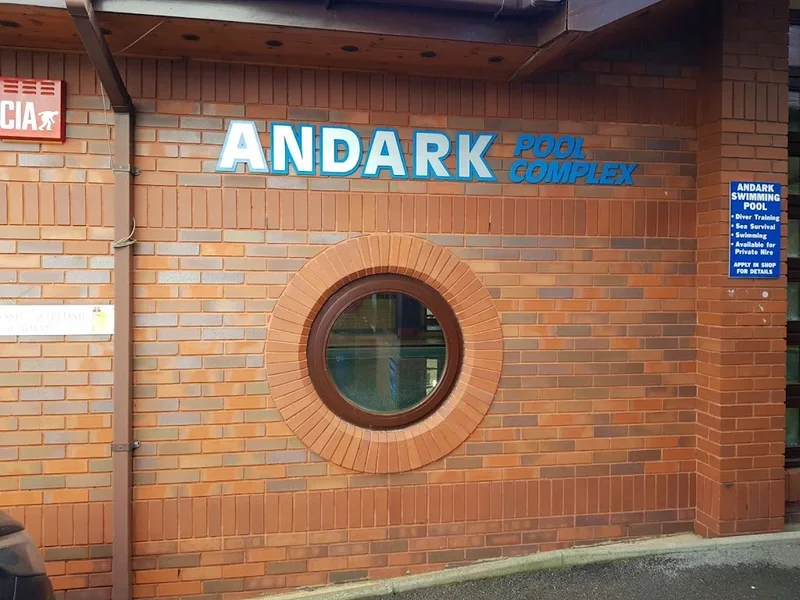
While generally considered suitable for PADI Open Water divers, having strong buoyancy control is beneficial for navigating the reef. It's recommended to contact local dive centers, such as Mulberry Divers, as they often organize trips and can provide up-to-date site-specific information and support.
Recommended Equipment
Current and surface separation risk. Local briefing strongly recommended.
- Dive Computer
- DSMB
- Reel / Spool
- Hard-soled Dive Boots
This gear list is based on verified equipment signals for Bognor Rocks, United Kingdom. Always confirm final gear choices with your dive operator, guide, or liveaboard.
Recommended Dive Suit
5mm wetsuit usually provides adequate warmth in water around this temperature. Consider warmer surface protection (like a boat coat) due to brisk winds. Those diving at Bognor Rocks today will likely encounter water temperatures in the region of 19°C (66°F). Surface air temperatures are resting at 17°C (63°F).
Weather models currently point toward consistent diving conditions over the next several days.
Conditions can vary slightly across different parts of the same dive site.
Emergency & Medical Support
Essential information to help you plan your dive trip to Bognor Rocks.

Hyperbaric chambers are a critical part of dive safety infrastructure. Availability varies significantly by region, and not all dive areas have immediate access.
Before diving, it's recommended to:
- confirm nearest medical facilities
- check emergency procedures with local dive operators
- ensure dive insurance covers evacuation if required
Divers Alert Network
Diving emergency assistance available through DAN Europe.
+39 0642115685- 24/7 emergency hotline
- Diving medical assistance
- Evacuation coordination
Emergency contacts are provided for reference. Always verify local emergency services before diving.
Closest Listed Hyperbaric Chambers
Showing listed hyperbaric chamber facilities within 200 km of this dive site.
Distances are approximate straight-line distances and may not reflect emergency travel time.
Hyperbaric Medicine Unit, St Richard’s Hospital
24/7 ListedChichester, United Kingdom•Approx. 9 km straight-line
Hyperbaric Medicine Unit, St Richard’s Hospital
24/7 ListedInformation is provided for reference and planning purposes only. Dive Navigator does not verify operational status, staffing, availability, or quality of care at listed facilities. In an emergency, contact local emergency services, DAN, your dive operator, or the chamber directly. Do not travel to a facility without calling ahead.
London Hyperbaric Medicine
Leytonstone, London, United Kingdom•Approx. 101 km straight-line
London Hyperbaric Medicine
Information is provided for reference and planning purposes only. Dive Navigator does not verify operational status, staffing, availability, or quality of care at listed facilities. In an emergency, contact local emergency services, DAN, your dive operator, or the chamber directly. Do not travel to a facility without calling ahead.
Midlands Diving Chamber
Rugby, United Kingdom•Approx. 181 km straight-line
Midlands Diving Chamber
Information is provided for reference and planning purposes only. Dive Navigator does not verify operational status, staffing, availability, or quality of care at listed facilities. In an emergency, contact local emergency services, DAN, your dive operator, or the chamber directly. Do not travel to a facility without calling ahead.
Marine Life at Bognor Rocks
The marine environment at Bognor Rocks thrives amidst the kelp-covered rocks and sandy patches. Divers frequently observe wrasse, which are often found darting amongst the seaweed, alongside dogfish patrolling the seabed.
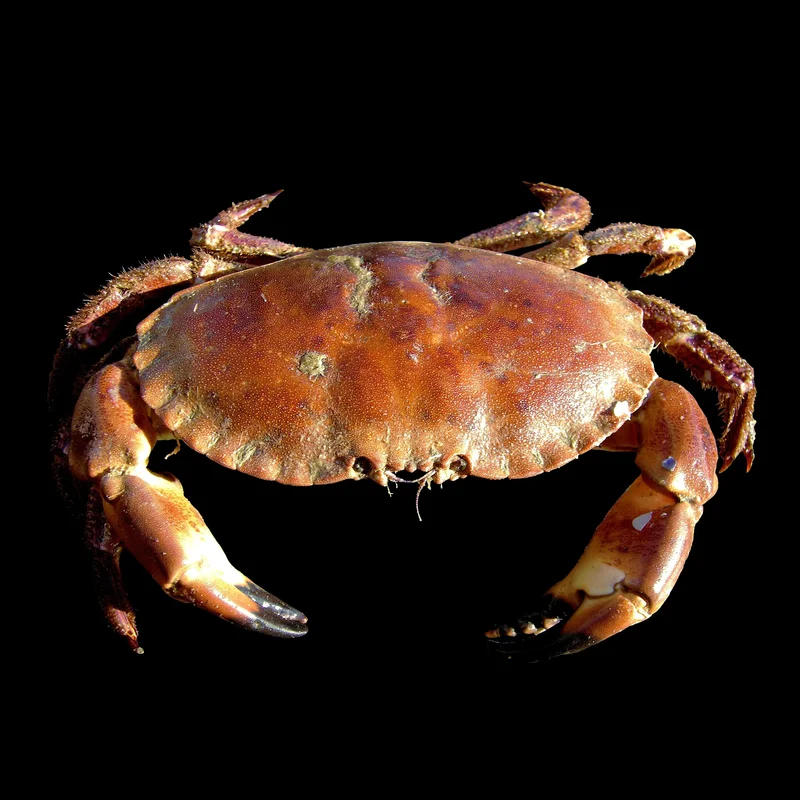
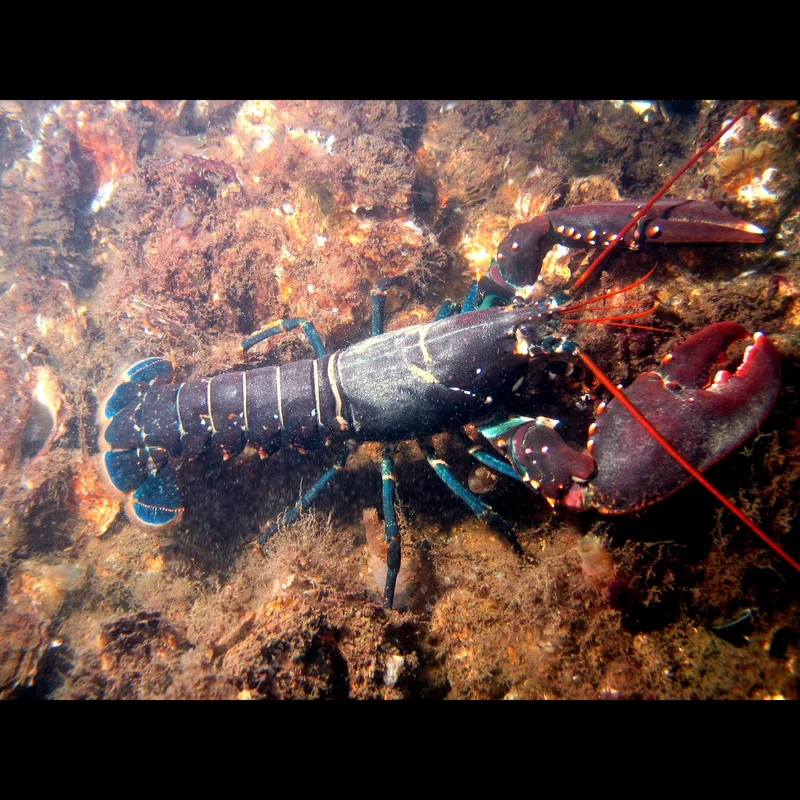
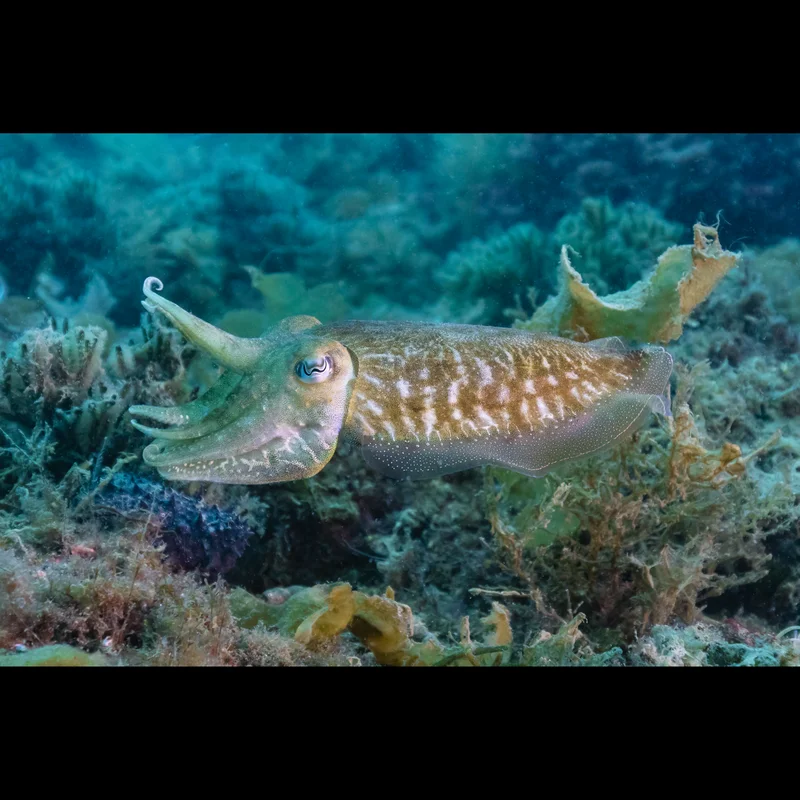
Look closely under ledges and within crevices to spot crabs and lobsters, often camouflaged against the rocks. Cuttlefish are also a common sighting, displaying their remarkable color-changing abilities.
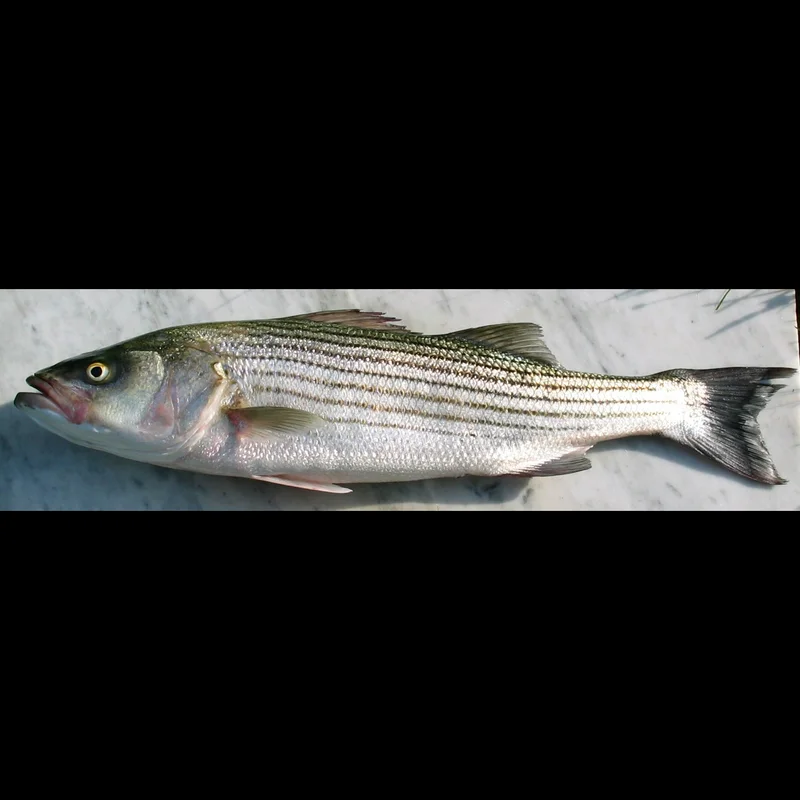
Starfish cling to the rocky surfaces, adding to the invertebrate diversity, while various species of bass can sometimes be seen moving through the water column.

Dive Sites Near Bognor Rocks
View all dive sites in United KingdomDiscover more underwater gems in this area.
Dive Centers Near Bognor Rocks

Nearest Airports
Nearest airports to help plan travel to this dive area.
Search Flights
Check available flights and routes on Expedia, using the nearby airports listed in this section.
Search Flights on ExpediaFrequently Asked Questions
What is the typical depth range at Bognor Rocks?
The maximum reported depth at Bognor Rocks generally ranges from 3 to 10 meters (10 to 30 ft). This shallow profile makes it well-suited for Open Water certified divers.
Is Bognor Rocks suitable for beginner divers?
Yes, Bognor Rocks is often recommended for training or initial open water dives due to its shallow depth and accessible shore entry. However, developing strong buoyancy control is beneficial for navigating the reef, and divers should be aware of potential currents.
What kind of marine life can I expect to see?
The reef is home to wrasse, dogfish, and various crabs and lobsters. Divers frequently spot cuttlefish displaying their camouflage, and starfish clinging to the rocky surfaces. Bass are also sometimes observed moving through the water column.
What are the typical visibility conditions at the site?
Visibility at Bognor Rocks is often reported around 5 meters (15 ft) but can vary significantly. Tidal patterns, recent weather, and sediment disturbance are primary factors influencing underwater clarity.
Are there strong currents at Bognor Rocks?
Currents can be present, particularly outside of slack water. It's crucial to plan your dive during slack tide to mitigate drift and ensure a more controlled experience. Always consider deploying a Surface Marker Buoy (SMB).
What essential equipment is recommended for diving here?
Given the temperate water, a drysuit or thick wetsuit is recommended for thermal protection. A dive computer for monitoring depth and time, and a Surface Marker Buoy (SMB) for surface signaling, are also essential.
How do divers access Bognor Rocks?
Access is via a shore entry from the beach. Divers typically walk from nearby beach huts and then undertake a surface swim of about 150 meters (490 ft) to reach the reef structure.
Planning to dive Bognor Rocks?
Send one inquiry and receive offers directly from the best verified local dive operators.
Conditions are Moderate
High Wind Advisory (46km/h). Unsafe surface.
Current conditions near Bognor Rocks show 17° air, 19° sea temperature, 1.4 m waves, and 46 km/h wind. Forecast data is refreshed regularly to ensure accuracy.