
Diving at Browns Bay (United Kingdom)
The twisted remnants of the SS Butetown lie scattered across Browns Bay, a poignant testament to maritime history beneath the Northumberland waves. More than just a wreck, it's an intricate part of a broader reef system. Divers will find various pieces, including two large boilers, integrated with the natural landscape. Extensive salvage efforts and fierce winter storms have shaped the wreck's present state, creating an engaging underwater exploration.
Tonight's objective overview for Browns Bay shows an air temperature of 12.5°C. The measured surface conditions include wave heights around 0.5 m. This environmental data is logged for the close of the day.
Dive Site Location & Key Facts
Dive Site Overview
Browns Bay delivers an accessible and surprisingly rich dive experience within its sheltered Northumberland waters, making it a popular destination for local clubs and novice divers alike. A captivating blend of reef architecture and historical wrecks defines the area, primarily the scattered remains of the SS Butetown, which lies amidst gullies and thick kelp.
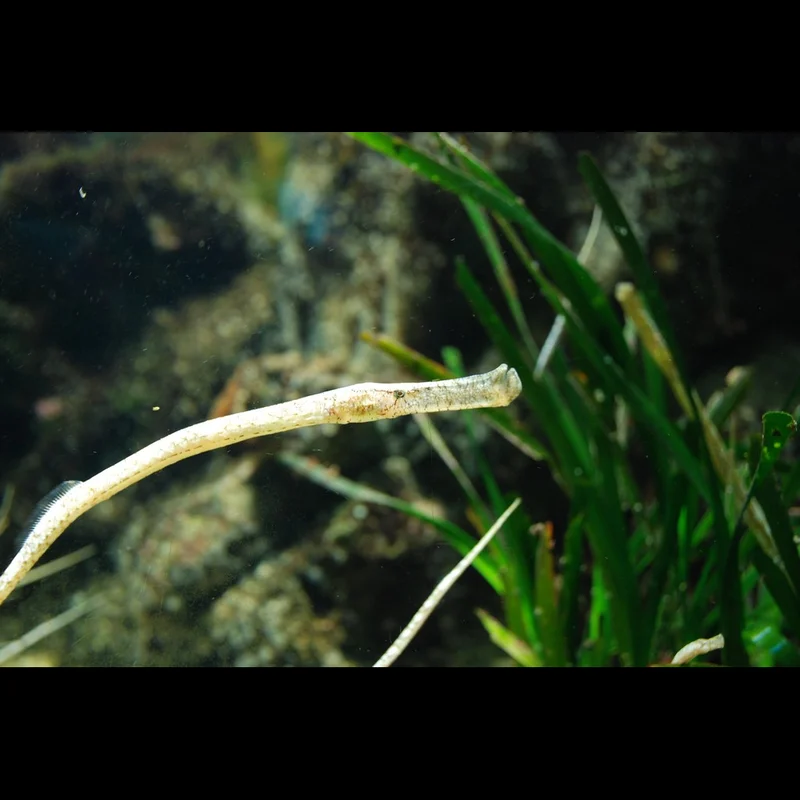
Additionally, the bay hosts the Zephyros in the mouth of the bay and the Astley near the shore. With a maximum depth of around 9 m (30 ft), divers can explore a sandy plateau at 4-6m (13-20 ft) alongside rocky reefs that extend seaward. The seabed here offers a vibrant display of marine flora, with Corallina densely populating areas and providing habitat for smaller creatures such as pipefish, hermit crabs, and shrimps.
Petalonia also grows amongst the wreck ribs, adding to the colorful scenery. Good visibility, often reaching 6 meters, can sometimes lend an almost tropical feel to the underwater scenery, enhancing the discovery of both natural and man-made structures.
Conditions are Good
Optimal conditions expected
Current conditions near Browns Bay show 13° air, 15° sea temperature, 0.6 m waves, and 39 km/h wind. Forecast data is refreshed regularly to ensure accuracy.
Best Time to Dive
Planning a comfortable dive at Browns Bay means considering seasonal air temperatures and sea states to optimize the experience. The warmest months, from June to August, typically present average air temperatures ranging from 15°C (59°F) to 16°C (61°F), making surface intervals more pleasant. Wave heights are also consistently lower during this period, averaging between 0.7 m (2.3 ft) and 0.8 m (2.6 ft), contributing to calmer conditions. March through May and September offer good diving opportunities with moderate air temperatures and reasonable wave activity, generally rated as 'Good' dive scores. Conversely, months like January and December, with colder air temperatures around 4°C (39°F) to 7°C (45°F) and higher wave heights, typically result in 'Moderate' dive scores, suggesting more challenging conditions. High slack water is consistently recommended as the optimal tidal state for exploration, ensuring minimal current.
PEAK SEASON SCORE
Scores combine air & water temps, waves, wind & rainfall for overall conditions.
BEST MONTHS TO DIVE
Monthly records compiled from satellite and marine observation nodes over the last 3 years. Data provided by Open-Meteo and MET Norway.
Dive Experience & Conditions
Understanding the prevailing currents is key to navigating Browns Bay effectively, particularly when the tide turns, as a surface current can develop. Site entry involves walking down steps from the road and across potentially slippery rocks near the old swimming pool, requiring caution. Once in the water, divers typically head eastward to find a sandy plateau before encountering the rocky reef to the south. Extending seaward in a southeasterly direction, the reef includes a small kelp forest at a gap, providing shelter and habitat. Depths remain within recreational limits throughout the bay. The SS Butetown wreck, for instance, is well set back within this reef system, making its scattered parts, including two large boilers situated on sand near a reef wall, a rewarding find for those who explore thoroughly.
Dive Difficulty & Safety Guidelines
Divers approaching Browns Bay should assess their comfort with rocky entries and varying surface conditions. Consisting of steps leading to rocks beside an old swimming pool, the entry point can be slippery and demands careful footing. Avoiding heavy swell is crucial to prevent being pushed against these rocks during entry or exit.
The site is also a popular fishing spot, so carrying a line cutter is a practical safety measure. While there aren't specific listed hazards beyond surface currents and rocky access, staying respectful of locals during shore access is advised. Most mobile networks operate effectively here, providing communication in case of emergencies.
Recommended Equipment
Overhead / entanglement risk. Wreck penetration requires proper training.
- Dive Computer
- Primary & Backup Lights
- Wreck Reel
- Cutting Tool
This gear list is based on verified equipment signals for Browns Bay, United Kingdom. Always confirm final gear choices with your dive operator, guide, or liveaboard.
Recommended Dive Suit
Temperatures look set to gradually increase over the next several days. A warming trend is expected over the next few days.
Many experienced divers would consider 5-7mm wetsuit an appropriate choice here. Consider warmer surface protection (like a boat coat) due to brisk winds. A thermal robe or jacket is recommended between dives.
Current dive conditions indicate that water temperatures around Browns Bay are sitting at roughly 15°C (59°F). Surface air temperatures are resting at 13°C (55°F).
Due to technical issues with our weather providers, live updates are temporarily delayed. The data above reflects the conditions at the time of the last successful fetch.
Emergency & Medical Support
Essential information to help you plan your dive trip to Browns Bay.

Hyperbaric chambers are a critical part of dive safety infrastructure. Availability varies significantly by region, and not all dive areas have immediate access.
Before diving, it's recommended to:
- confirm nearest medical facilities
- check emergency procedures with local dive operators
- ensure dive insurance covers evacuation if required
Divers Alert Network
Diving emergency assistance available through DAN Europe.
+39 0642115685- 24/7 emergency hotline
- Diving medical assistance
- Evacuation coordination
Emergency contacts are provided for reference. Always verify local emergency services before diving.
Closest Listed Hyperbaric Chambers
Showing listed hyperbaric chamber facilities within 200 km of this dive site.
Distances are approximate straight-line distances and may not reflect emergency travel time.
North of England Medical Hyperbaric Unit
Anlaby, Hull, United Kingdom•Approx. 159 km straight-line
North of England Medical Hyperbaric Unit
Information is provided for reference and planning purposes only. Dive Navigator does not verify operational status, staffing, availability, or quality of care at listed facilities. In an emergency, contact local emergency services, DAN, your dive operator, or the chamber directly. Do not travel to a facility without calling ahead.
Marine Life at Browns Bay
Upon descending into Browns Bay, divers often spot flatfish camouflaged against the sandy seabed. Resting dogfish can also be seen lying against the gentle current on the ocean floor.
The vibrant reef system supports a diverse array of smaller creatures, with hermit crabs and shrimps sheltering within the dense Corallina plants. Pipefish are frequently observed, sometimes alongside Lumpsuckers and octopus.
Petalonia algae add splashes of green to the wreck ribs, while Dalyell Anemones and sponges decorate the rocky surfaces, contributing to a surprisingly colorful underwater environment.



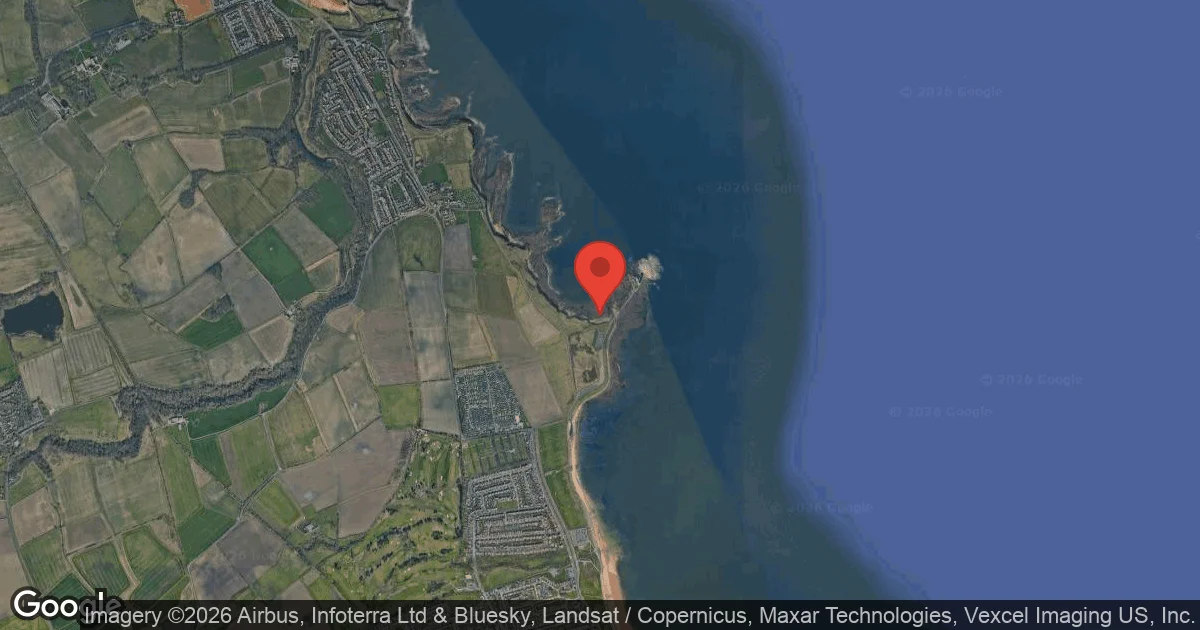
Dive Sites Near Browns Bay
View all dive sites in United KingdomDiscover more underwater gems in this area.
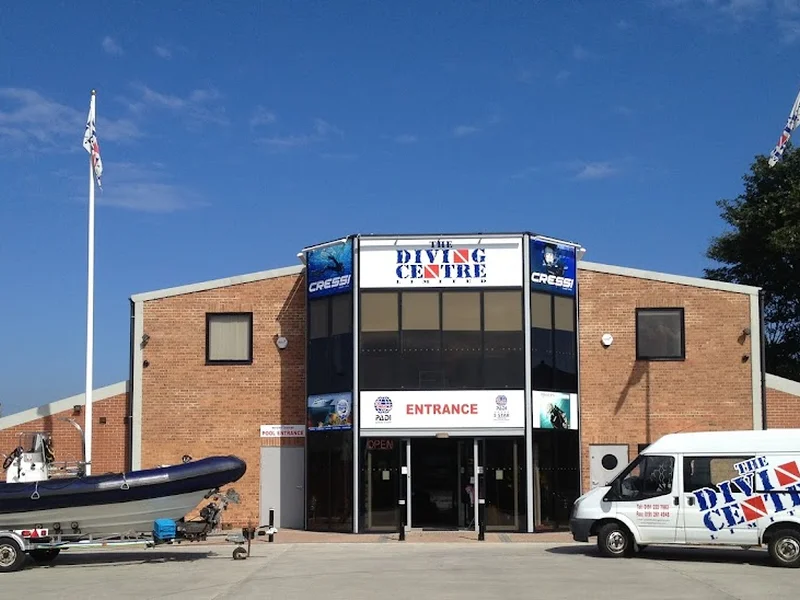
Dive Centers Near Browns Bay

Today: 11:00 - 23:00
Nearest Airports
Nearest airports to help plan travel to this dive area.
Search Flights
Check available flights and routes on Expedia, using the nearby airports listed in this section.
Search Flights on ExpediaFrequently Asked Questions
What is the typical depth at Browns Bay?
Maximum depth at Browns Bay is around 9 m (30 ft). Shallower sections, like the sandy plateau, are found at about 4-6m (13-20 ft).
What wrecks can be explored at Browns Bay?
Browns Bay hosts the scattered remains of the SS Butetown, which is well integrated into the reef system. There are also mentions of the Zephyros in the mouth of the bay and the Astley near the shore.
Are there specific entry and exit points for diving?
Divers typically walk down steps from the road, turn right beside the old swimming pool, and cross rocks to enter the water south of the pool. The rocky entry can be slippery, especially in swell.
What marine life might I encounter?
Divers frequently observe flatfish, resting dogfish, pipefish, Lumpsuckers, and octopus. The reef is also home to hermit crabs and shrimps, often found among Corallina plants.
What are the best conditions for diving Browns Bay?
High slack water is recommended to minimize surface currents. Calm weather with low swell is ideal, especially given the rocky entry. Warmer months from June to August generally offer more pleasant air temperatures and calmer seas.
Is Browns Bay suitable for novice divers?
Yes, Browns Bay is considered a great site for novice divers due to its relatively shallow depth and diverse features. However, caution is advised with the rocky entry and potential surface currents.
Planning to dive Browns Bay?
Send one inquiry and receive offers directly from the best verified local dive operators.
Conditions are Good
Optimal conditions expected
Current conditions near Browns Bay show 13° air, 15° sea temperature, 0.6 m waves, and 39 km/h wind. Forecast data is refreshed regularly to ensure accuracy.