
Diving at St Mary's Island - West Bay (United Kingdom)
Distinguished by its accessible shore entry, St Mary's Island - West Bay provides an inviting dive experience in the UK's northeast. This site caters primarily to beginners and those seeking extended shallow dives, a welcome contrast to more challenging local conditions. With its focus on easy access and a gentle depth profile, the area offers a relaxed introduction to temperate water diving. It stands out as a voluntary marine reserve, emphasizing conservation.
Tonight's objective overview for St Mary's Island - West Bay shows an air temperature of 13°C. The measured surface conditions include wave heights around 0.5 m. This environmental data is logged for the close of the day.
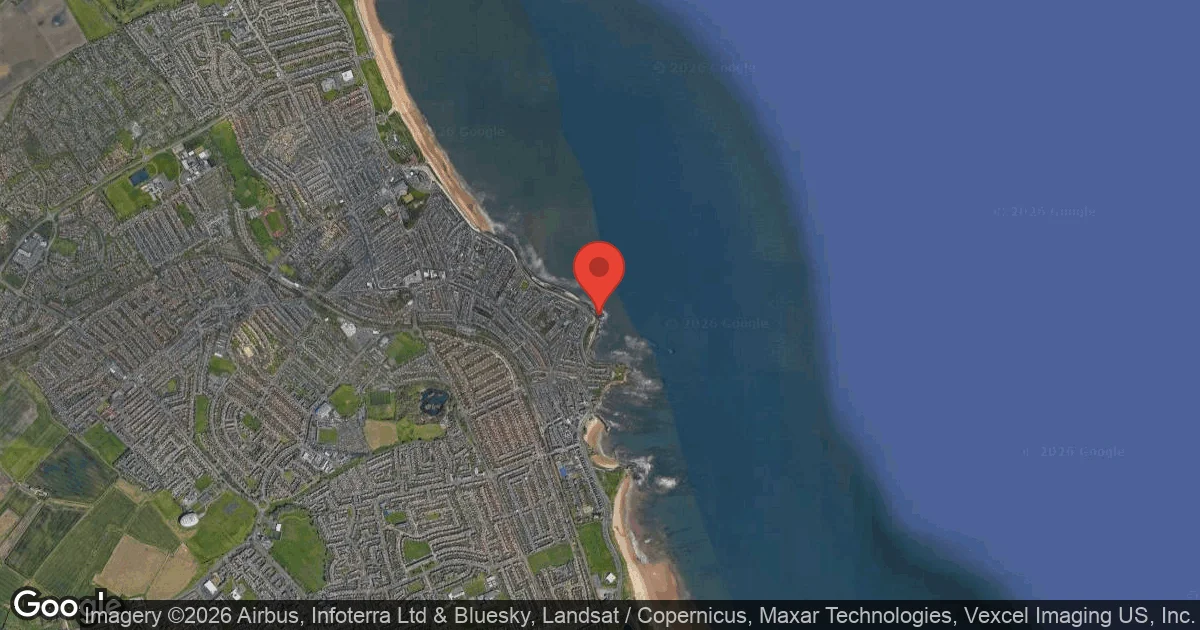
Dive Site Location & Key Facts
Dive Site Overview
The underwater landscape off St Mary's Island carries echoes of maritime history, though identifiable wreckage is largely fragmented. Several historical shipwrecks, including the Lovely Nelly and the Janet Clark, are recorded in the vicinity, with scattered bits of rusted metal from vessels like the Gothenburg City often encountered.
This particular section, West Bay, is primarily approached via a convenient beach entry, making it highly suitable for novice divers. Depths here slope gently to a maximum of about 6 m (20 ft), ensuring prolonged bottom times. Navigating the numerous gullies around the northern part of the island can be disorienting; awareness of surroundings is important.
Divers often find plenty to observe within these shallower sections, contributing to its appeal for extended explorations of the varied rocky reef and sandy bottom features.
Conditions are Good
Optimal conditions expected
Current conditions near St Mary's Island - West Bay show 13° air, 15° sea temperature, 0.6 m waves, and 39 km/h wind. Forecast data is refreshed regularly to ensure accuracy.
Best Time to Dive
Planning a dive at St Mary's Island requires attention to seasonal weather patterns, as conditions significantly influence underwater visibility and comfort. The period from June through September typically presents the most favorable diving scores, ranging from 'Good' to 'Moderate'. During these months, average air temperatures are at their highest, reaching 15°C (59°F) in June and 16°C (61°F) in August. Rainfall is generally moderate, with July seeing slightly higher averages at 3.52 mm. Calmer seas, often requiring about five days of low south-west winds, are crucial for optimal visibility. Wave heights are lowest in June at 0.7 m (2.3 ft), offering more comfortable entry and surface conditions. Conversely, winter months present cooler air temperatures, higher rain volumes, and more significant wave action.
PEAK SEASON SCORE
Scores combine air & water temps, waves, wind & rainfall for overall conditions.
BEST MONTHS TO DIVE
Monthly records compiled from satellite and marine observation nodes over the last 3 years. Data provided by Open-Meteo and MET Norway.
Dive Experience & Conditions
Divers seeking shallow experiences at St Mary's Island - West Bay find a distinctive environment suited to various skill levels, particularly those new to temperate diving. This entry point's maximum depth is around 6 m (20 ft), characterized by a gentle slope directly from the shoreline. Underwater, the topography includes varied rocks and numerous gullies, providing ample shelter and foraging grounds for smaller marine life. Scattered remnants of historical wreckage also dot the seabed, adding points of interest. Visibility can vary considerably; it's often reduced after periods of adverse weather or strong tides, demanding careful navigation. Water temperatures, while typical for UK waters, necessitate appropriate thermal protection such as a drysuit for comfort and safety during extended dives. Current activity remains generally mild in these sheltered areas, contributing to a relaxed dive environment that allows for thorough exploration.
Dive Difficulty & Safety Guidelines
Prioritizing safety at St Mary's Island involves understanding the unique local dynamics, especially regarding access. A significant hazard is the causeway to the island, which has been known to be dangerous at high tide, with incidents of people being swept off. Divers should always consult local tide tables and plan crossings carefully.
Underwater, low visibility can occur following bad weather, demanding enhanced situational awareness and navigation skills. As a voluntary marine reserve, divers must adhere to the 'take only photos' principle to protect the local ecosystem.
Always consider consulting with local dive professionals familiar with the site's present conditions before entering the water.
Recommended Equipment
- Dive Computer
This gear list is based on verified equipment signals for St Mary's Island - West Bay, United Kingdom. Always confirm final gear choices with your dive operator, guide, or liveaboard.
Recommended Dive Suit
With water temperatures around 15°C (59°F), many divers find a 5-7mm wetsuit provides comfortable protection.
Being prepared with flexible exposure options is a common approach among experienced divers.
Surface conditions are expected to warm up slightly in the coming days. A warming trend is expected over the next few days.
Emergency & Medical Support
Essential information to help you plan your dive trip to St Mary's Island - West Bay.

Hyperbaric chambers are a critical part of dive safety infrastructure. Availability varies significantly by region, and not all dive areas have immediate access.
Before diving, it's recommended to:
- confirm nearest medical facilities
- check emergency procedures with local dive operators
- ensure dive insurance covers evacuation if required
Divers Alert Network
Diving emergency assistance available through DAN Europe.
+39 0642115685- 24/7 emergency hotline
- Diving medical assistance
- Evacuation coordination
Emergency contacts are provided for reference. Always verify local emergency services before diving.
Closest Listed Hyperbaric Chambers
Showing listed hyperbaric chamber facilities within 200 km of this dive site.
Distances are approximate straight-line distances and may not reflect emergency travel time.
North of England Medical Hyperbaric Unit
Anlaby, Hull, United Kingdom•Approx. 162 km straight-line
North of England Medical Hyperbaric Unit
Information is provided for reference and planning purposes only. Dive Navigator does not verify operational status, staffing, availability, or quality of care at listed facilities. In an emergency, contact local emergency services, DAN, your dive operator, or the chamber directly. Do not travel to a facility without calling ahead.
Marine Life at St Mary's Island - West Bay
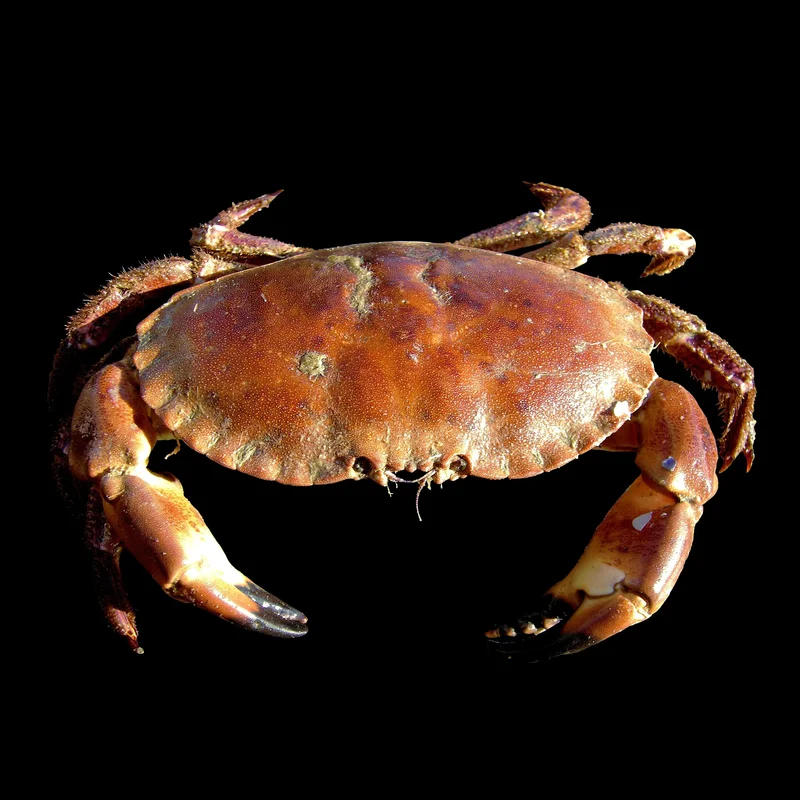
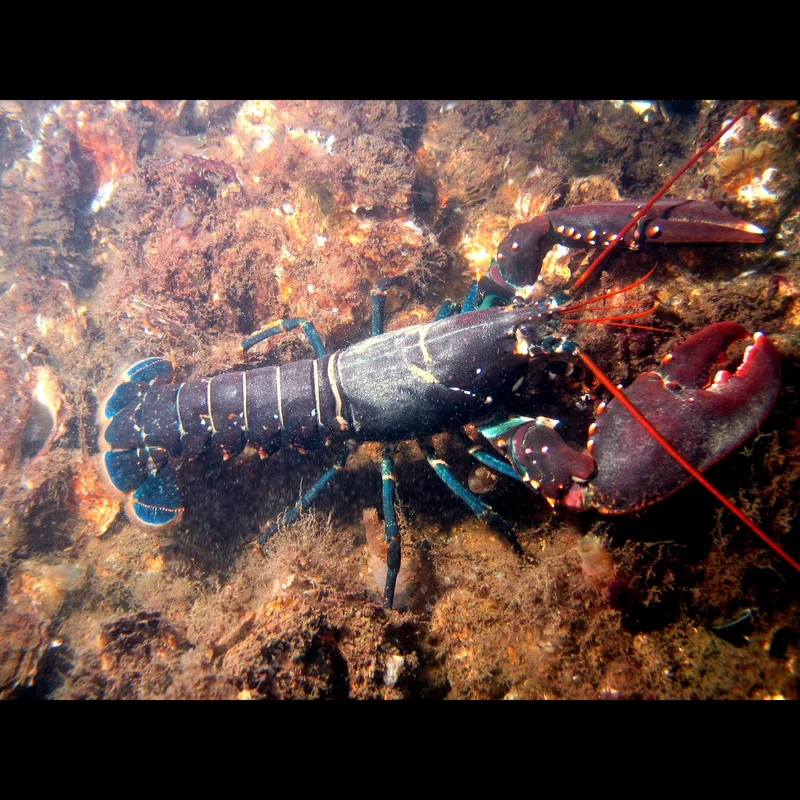
Upon descending into St Mary's Island's waters, divers often first encounter a bustling array of crustaceans. Lobsters and various crab species are commonly observed navigating the rocky crevices.
You'll likely spot juvenile fish sheltering among the sea life. Occasionally, patient divers might even encounter monkfish in the shallower sections.
If luck is on your side, a curious grey seal from the island might approach, adding a memorable interaction to your dive. Observing the local octopus population also provides a rewarding experience.

Dive Sites Near St Mary's Island - West Bay
View all dive sites in United KingdomDiscover more underwater gems in this area.
Dive Centers Near St Mary's Island - West Bay
Today: 11:00 - 23:00
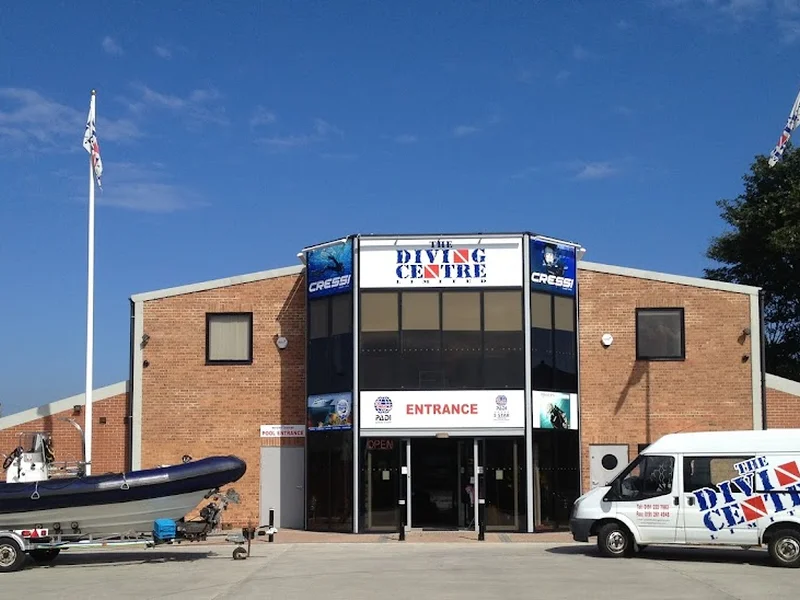
Nearest Airports
Nearest airports to help plan travel to this dive area.
Search Flights
Check available flights and routes on Expedia, using the nearby airports listed in this section.
Search Flights on ExpediaFrequently Asked Questions
What is the typical maximum depth at St Mary's Island - West Bay?
This specific dive site is quite shallow, sloping gently to a maximum depth of about 6 m (20 ft). Its accessibility and manageable depth make it suitable for beginners and those looking for longer, relaxed dives.
What kind of entry points are available at this site?
The primary and easiest entry point for St Mary's Island - West Bay is a convenient shore entry, characterized by its gradual slope. For other parts of the island, access might involve walking across a causeway and descending onto rocks or utilizing a boat slip.
When is the best time of year to dive here?
The most favorable conditions typically occur from June to September. During this period, air temperatures are warmer, and wave heights are generally lower, contributing to better visibility and a more comfortable diving experience.
Are there any shipwrecks to explore?
While several historical shipwrecks like the Janet Clark and Gothenburg City are in the area, they are largely fragmented. Divers primarily encounter scattered bits of rusted metal rather than intact wreck structures.
What marine life can I expect to see?
Common sightings include various crustaceans such as lobsters and crabs, as well as juvenile fish. Lucky divers might spot monkfish in the shallows or encounter a curious grey seal. Octopus are also present.
Is St Mary's Island a marine protected area?
Yes, St Mary's Island is designated as a voluntary marine reserve. This means divers should adhere strictly to 'take only photos, leave only bubbles' to help preserve the local ecosystem.
What should I know about crossing the causeway?
The causeway can be hazardous at high tide and has been associated with safety incidents. Always check local tide tables carefully and plan your crossing to ensure it's safe, or consider alternative access if possible.
Planning to dive St Mary's Island - West Bay?
Send one inquiry and receive offers directly from the best verified local dive operators.
Conditions are Good
Optimal conditions expected
Current conditions near St Mary's Island - West Bay show 13° air, 15° sea temperature, 0.6 m waves, and 39 km/h wind. Forecast data is refreshed regularly to ensure accuracy.