
Diving at Farne Islands (United Kingdom)
Beneath the waves of the North Sea, the Farne Islands present a varied underwater landscape for divers. Here, the seafloor transitions between expansive kelp forests, dramatic walls adorned with sponges, and soft sandy bottoms. This diversity creates complex habitats supporting a range of marine life, making each descent an exploration of distinct ecological zones. Navigating these varied structures is central to the dive experience.
As evening covers Farne Islands, the local air temperature is measured at 16°C. The current wave height at the surface is recorded at 0.5 m. These late-day readings characterize the surface conditions for the night.
Dive Site Location & Key Facts
Dive Site Overview
Diving the Farne Islands offers a compelling interaction with the UK's marine environment, particularly for those seeking encounters with resident seals. Expeditions often commence with a deep dive, around 15 m (50 ft), to assess seal activity over sandy patches before exploring shallower areas.
The islands are characterized by a mix of terrain, from dense kelp forests swaying with the currents to vibrant walls covered in colorful sponges. Conditions can be dynamic, with average air temperatures ranging from 4.5°C (40°F) in winter to 16°C (61°F) in late summer, influencing overall comfort on the surface. While specific water temperatures aren't consistently reported, the general climate suggests thermal protection is essential.
Dive scores indicate moderate to good conditions from March through September, improving in late spring and summer months as wave heights decrease from winter averages of 2.1 m (6.9 ft) to summer lows around 0.8 m (2.6 ft). Encounters with marine life, especially the playful seals, are a primary draw.
Conditions are Moderate
High Wind Advisory (43km/h). Unsafe surface.
Current conditions near Farne Islands show 16° air, 15° sea temperature, 0.7 m waves, and 43 km/h wind. Forecast data is refreshed regularly to ensure accuracy.
Best Time to Dive
For optimal visibility, planning a Farne Islands dive during the warmer, calmer months is advisable. June through September typically provides the most favorable conditions, evident in 'Good' dive scores. Surface intervals become more comfortable as average air temperatures peak in July and August, around 15.5-16°C (60-61°F). Moderate rainfall, generally 1.85-3.48 mm (0.07-0.14 inches) per day, characterizes the summer. Additionally, wind speeds are often lower in June, averaging 21.9 km/h (13.6 mph); this reduces surface chop and can enhance underwater visibility. Beyond this ideal window, especially during winter, expect increased wave heights, colder air, and stronger winds to present greater diving challenges. Settled days can still offer good visibility, but are less predictable.
PEAK SEASON SCORE
Scores combine air & water temps, waves, wind & rainfall for overall conditions.
BEST MONTHS TO DIVE
Monthly records compiled from satellite and marine observation nodes over the last 3 years. Data provided by Open-Meteo and MET Norway.
Dive Experience & Conditions
Divers approaching the Farne Islands waters discover a series of distinct underwater environments. An initial descent often brings you to a sandy bottom at around 15 m (50 ft), a common gathering point for seals. Exploration reveals topography shifting to vertical walls, rich with sponges and invertebrates. Extensive kelp forests characterize many shallower areas, creating dramatic light filtering effects and sheltering diverse marine species. Current conditions vary; some sites offer gentle drift, contributing to a dynamic dive. Visibility responds to local weather patterns and tidal flows, sometimes granting clear views of the varied underwater structures. While precise water temperatures are not consistently reported, the North Sea environment demands robust thermal exposure suits.
Dive Difficulty & Safety Guidelines
Approaching a dive at the Farne Islands requires an awareness of both environmental conditions and proper animal interaction etiquette. Divers should be prepared for varying currents, particularly at sites designated as 'drift' dives, and plan accordingly with their dive guides. For seal encounters, maintaining calm and deliberate movements is key; divers are advised not to move excessively, keeping arms close to the body, and simply observing with curiosity.
This approach encourages seals to interact on their terms. Always adhere to local dive operator briefings regarding site-specific hazards and guidelines for marine life interaction, ensuring minimal disturbance to the natural habitat.
Cold water diving principles, including appropriate thermal protection and redundant air sources, are fundamental here.
Recommended Equipment
Current and surface separation risk. Local briefing strongly recommended.
- Dive Computer
- DSMB
- Reel / Spool
This gear list is based on verified equipment signals for Farne Islands, United Kingdom. Always confirm final gear choices with your dive operator, guide, or liveaboard.
Recommended Dive Suit
With water temperatures around 15°C (58°F), many divers find a 7mm wetsuit or semidry provides comfortable protection.
Local dive briefings can provide the most accurate guidance.
Surface conditions are expected to warm up slightly in the coming days. A warming trend is expected over the next few days.
Emergency & Medical Support
Essential information to help you plan your dive trip to Farne Islands.

Hyperbaric chambers are a critical part of dive safety infrastructure. Availability varies significantly by region, and not all dive areas have immediate access.
Before diving, it's recommended to:
- confirm nearest medical facilities
- check emergency procedures with local dive operators
- ensure dive insurance covers evacuation if required
Divers Alert Network
Diving emergency assistance available through DAN Europe.
+39 0642115685- 24/7 emergency hotline
- Diving medical assistance
- Evacuation coordination
Emergency contacts are provided for reference. Always verify local emergency services before diving.
Closest Listed Hyperbaric Chambers
Showing listed hyperbaric chamber facilities within 200 km of this dive site.
Distances are approximate straight-line distances and may not reflect emergency travel time.
Aberdeen Royal Infirmary
Aberdeen, United Kingdom•Approx. 169 km straight-line
Aberdeen Royal Infirmary
Information is provided for reference and planning purposes only. Dive Navigator does not verify operational status, staffing, availability, or quality of care at listed facilities. In an emergency, contact local emergency services, DAN, your dive operator, or the chamber directly. Do not travel to a facility without calling ahead.
Marine Life at Farne Islands
Grey seals represent a significant draw, populating the Farne Islands in abundance and offering divers close-up interactions. These curious animals frequently approach divers, often engaging in playful passes and observational moments.
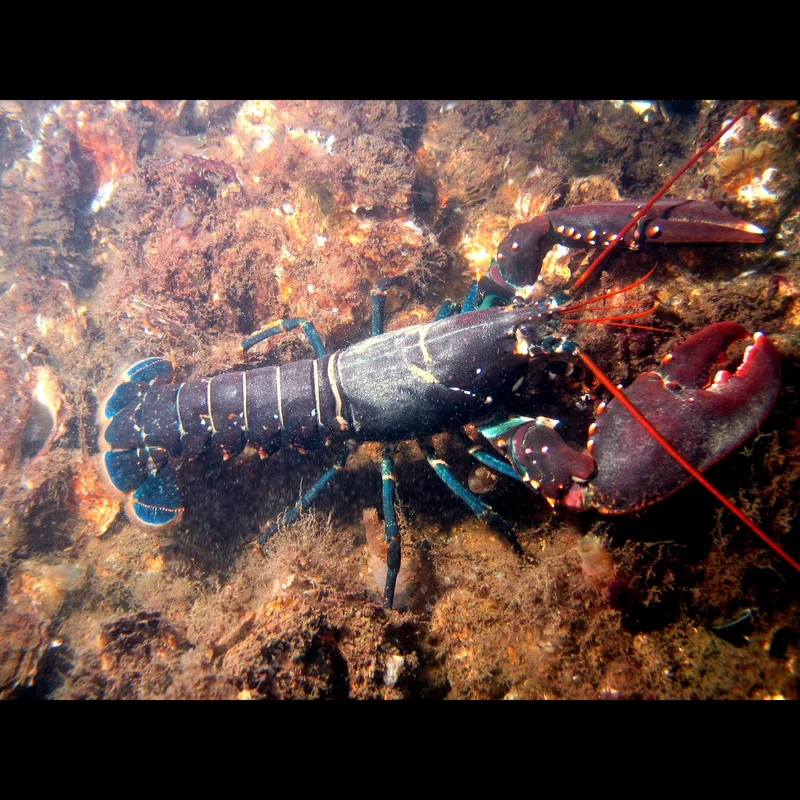
Beyond the seals, dive sites support a diverse array of marine life. Divers may spot impressive lobsters, some of considerable size, tucked within rocky crevices.
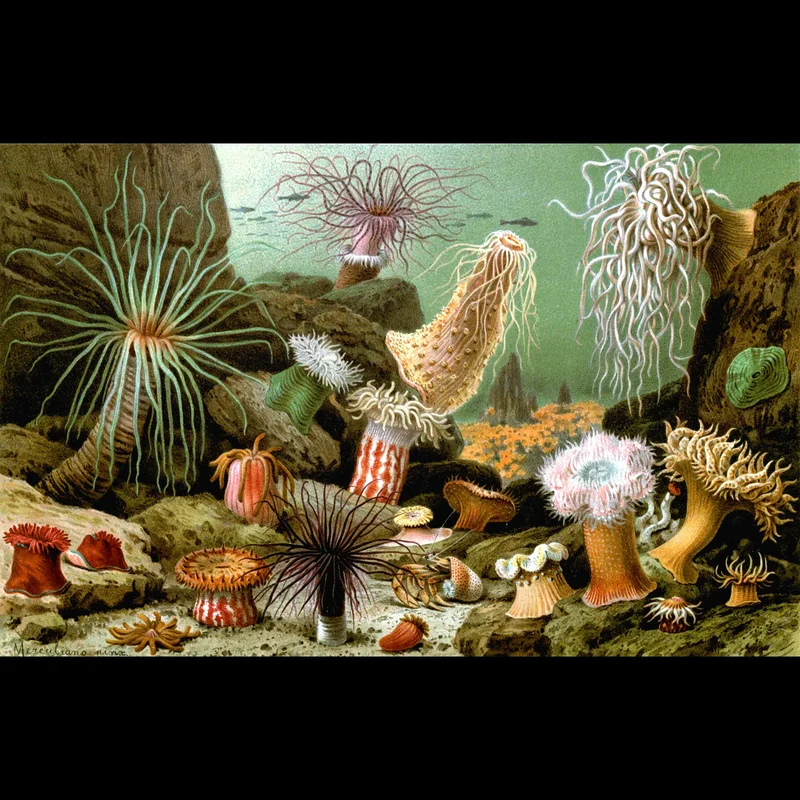
Walls and reefs host various anemones, starfish, and other invertebrates, adding vibrant color to underwater scenery. Exploring the kelp forests also reveals smaller fish and crustaceans, forming a lively ecosystem for observant divers.

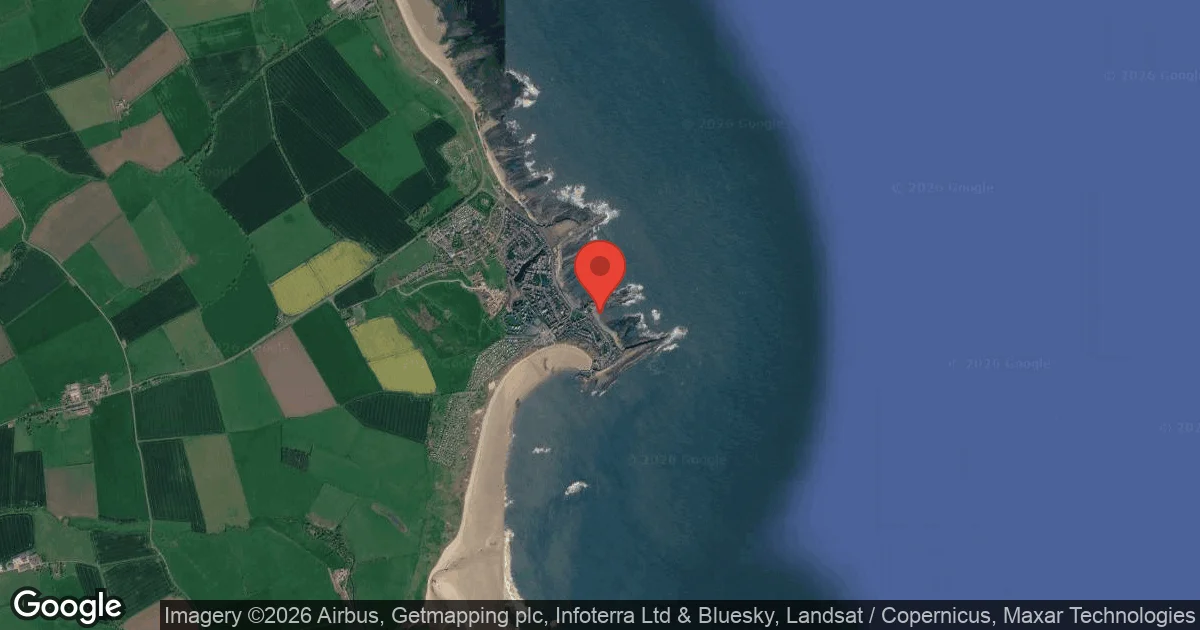
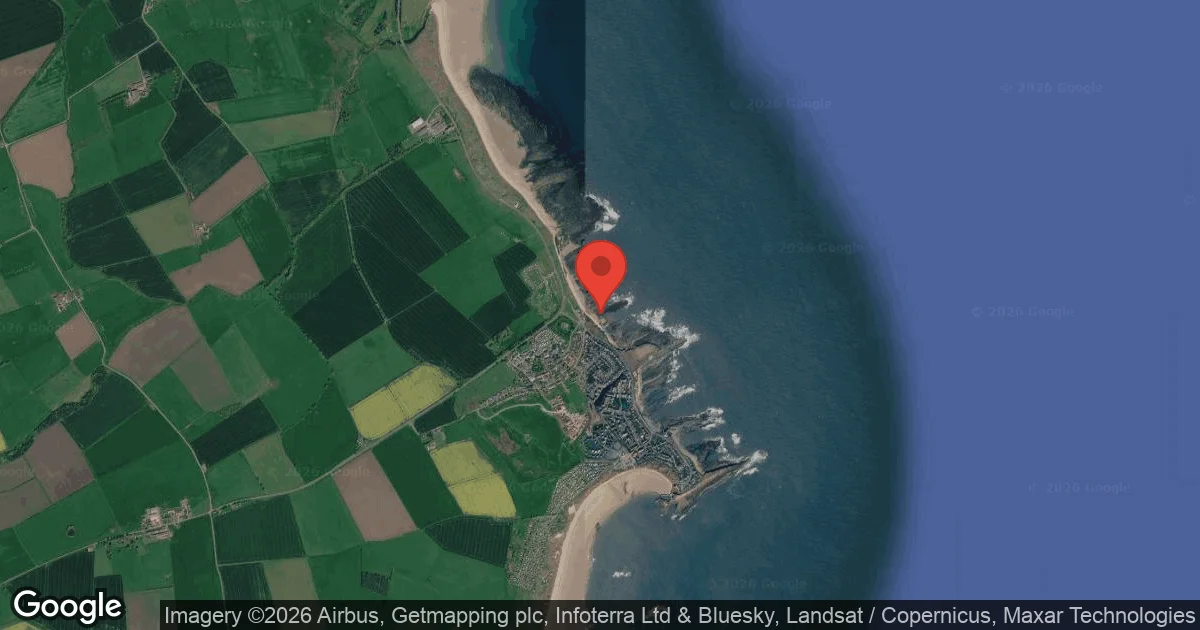
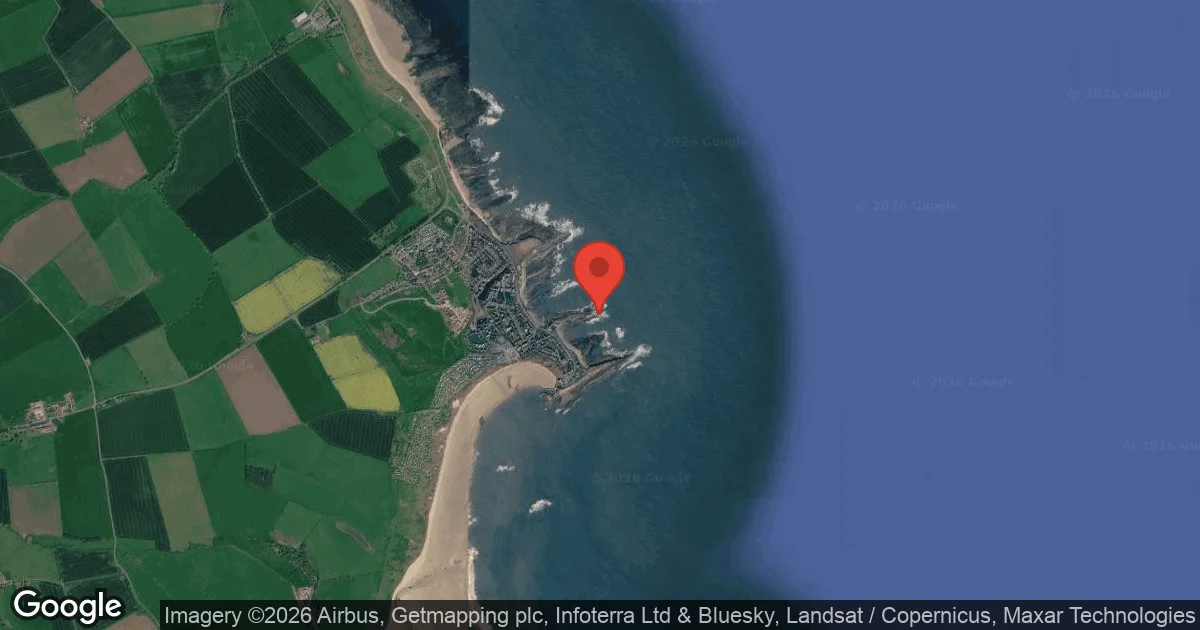
Dive Sites Near Farne Islands
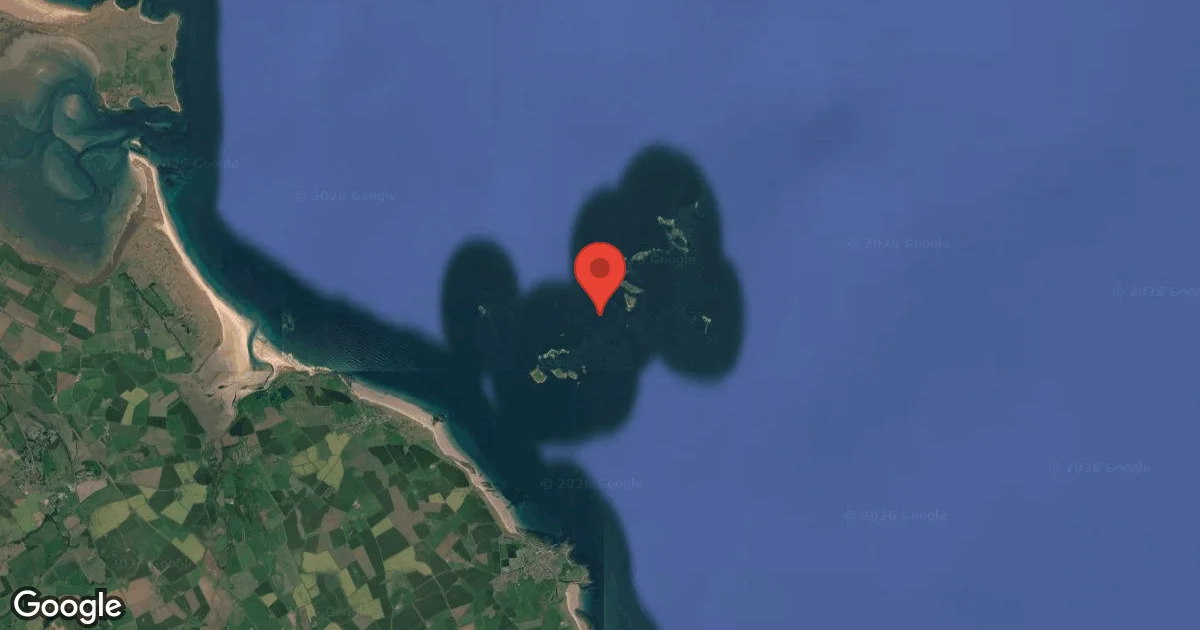
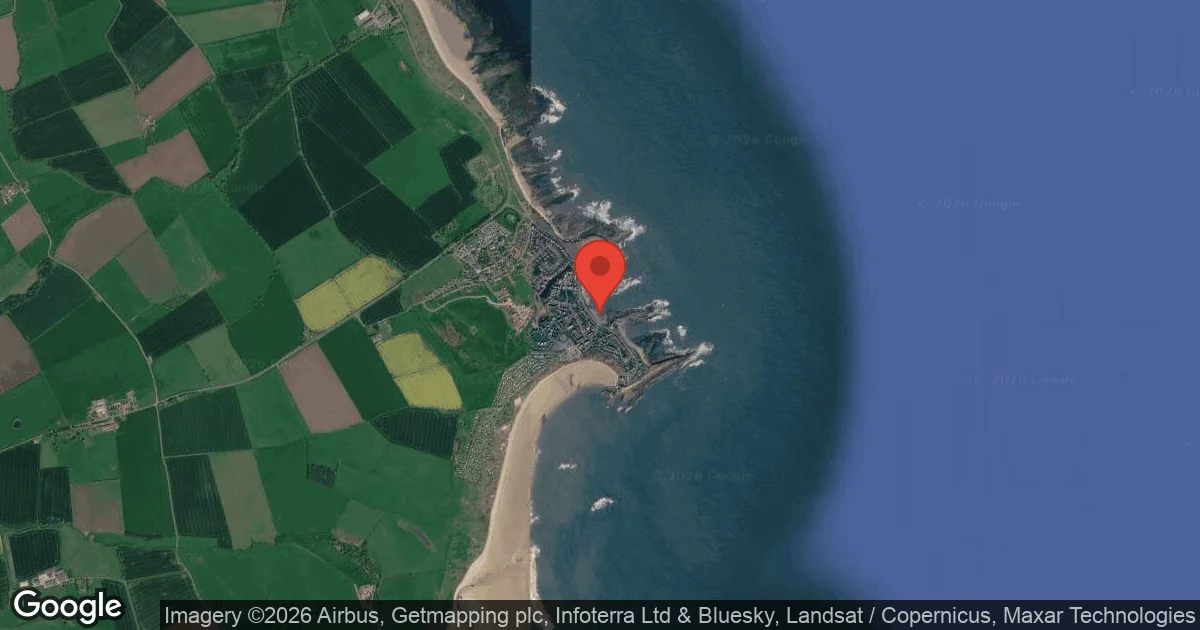
View all dive sites in United KingdomDiscover more underwater gems in this area.
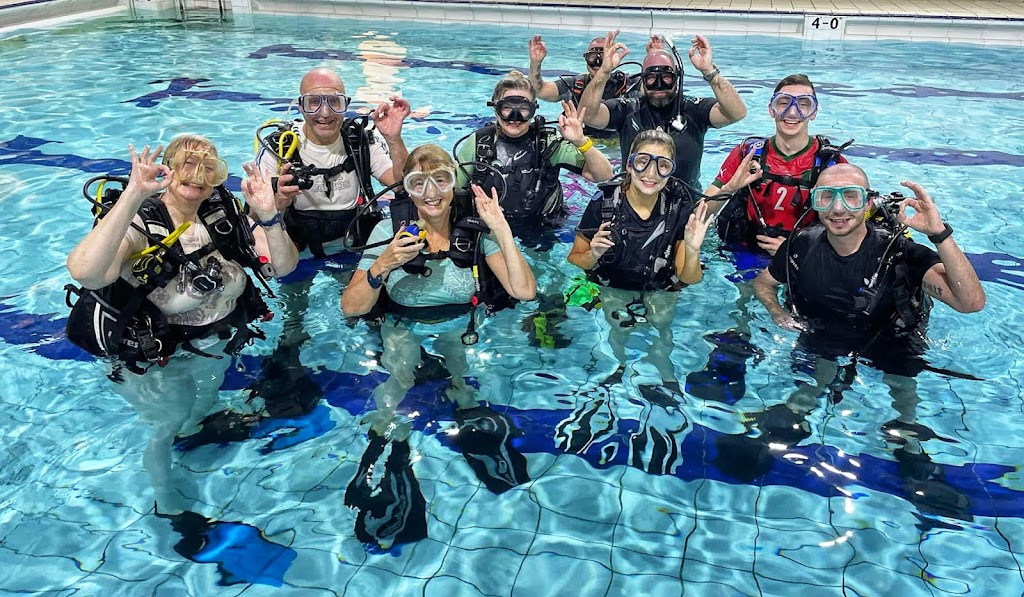
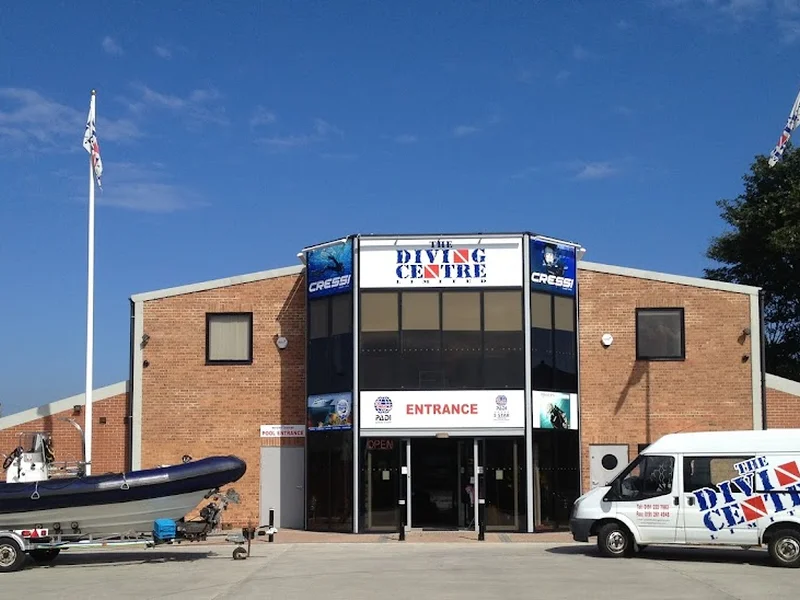
Dive Centers Near Farne Islands
Today: 11:00 - 23:00
Nearest Airports
Nearest airports to help plan travel to this dive area.
Search Flights
Check available flights and routes on Expedia, using the nearby airports listed in this section.
Search Flights on ExpediaFrequently Asked Questions
What is the typical depth range for diving in the Farne Islands?
Dives around the Farne Islands often include recreational depths, with specific sites explored at depths up to 15 m (50 ft). Some areas feature shallower kelp forests and sponge-covered walls, while others may descend further into deeper sandy channels.
What marine life can I expect to see in the Farne Islands?
The primary draw is the opportunity to dive with grey seals, which are known for their playful interactions. You can also expect to encounter a variety of diverse marine life, including significant lobsters, anemones, starfish, and various fish species inhabiting the kelp forests and rocky reefs.
When is the best time of year to dive the Farne Islands?
The most favorable diving conditions, including generally improved visibility and calmer seas, occur from June through September. During these months, average air temperatures are higher, ranging from 14.5-16°C (58-61°F), and wave heights are typically lower compared to winter.
Are there strong currents in the Farne Islands?
Currents can vary across different dive sites around the Farne Islands. Some locations are known for drift diving, indicating that currents are a factor divers should be prepared for. Always consult with your dive operator for site-specific conditions and current predictions.
What kind of underwater topography can be found?
The underwater environment offers a diverse mix of features. Divers will explore extensive kelp forests, impressive walls covered in sponges, and stretches of sandy bottom. This variety provides different habitats and exploration opportunities.
What are the guidelines for interacting with seals while diving?
To encourage seal interaction, divers are advised to remain calm and minimize sudden movements. Keeping your arms along your body and simply observing them with curiosity can entice seals to approach. Avoid actively pursuing or cornering the animals to ensure a respectful encounter.
Planning to dive Farne Islands?
Send one inquiry and receive offers directly from the best verified local dive operators.
Conditions are Moderate
High Wind Advisory (43km/h). Unsafe surface.
Current conditions near Farne Islands show 16° air, 15° sea temperature, 0.7 m waves, and 43 km/h wind. Forecast data is refreshed regularly to ensure accuracy.