
Diving at The Farne Islands (United Kingdom)
The Farne Islands, a cluster of islands off the Northumberland coast, presents a varied underwater topography for divers. This area features diverse dive sites, including dramatic walls, vibrant reefs, and several wreck opportunities. Currents around the islands can dictate the dive experience, adding an element of drift diving to the mix. It's a dynamic cold-water environment shaped by the North Sea.
As evening covers The Farne Islands, the local air temperature is measured at 17°C. The current wave height at the surface is recorded at 0.8 m. These late-day readings characterize the surface conditions for the night.
Dive Site Location & Key Facts
Dive Site Overview
Exploring the Farne Islands underwater often involves a dynamic progression through varied environments. Divers typically descend into a realm where close encounters with the resident grey seal population are common.
Initial dives might target sandy bottom areas at around 15 m (50 ft), allowing for observation of seals resting or playfully interacting. From there, the dive often transitions to shallower reef and dramatic wall structures, providing different visual perspectives of the underwater topography. These areas are characterized by extensive kelp forests, which sway with the currents and provide shelter, alongside rocky walls adorned with a diverse array of sponges.
Diving here can feature significant drift elements, demanding proficient buoyancy control and an understanding of local current patterns. While specific water temperatures are not consistently reported, divers should anticipate conditions typical of the North Sea, requiring robust thermal protection.
Seasonal shifts in climate directly influence dive conditions, with summer and early autumn generally offering more settled seas and potentially improved visibility, enhancing the overall experience.
Conditions are Good
High Wind Advisory (41km/h). Unsafe surface.
Current conditions near The Farne Islands show 17° air, 15° sea temperature, 0.7 m waves, and 41 km/h wind. Forecast data is refreshed regularly to ensure accuracy.
Best Time to Dive
Planning a dive trip to the Farne Islands often depends on prevailing weather conditions and marine activity. The period from March through September generally yields 'Good' dive scores, peaking in June and August. During these months, average wave heights are at their lowest, dropping to around 0.8 m (2.6 ft) in June, which generally makes for calmer boat rides and easier entries. Air temperatures also gradually climb, ranging from 7.5°C (46°F) in March to a comfortable 16°C (61°F) in August. Conversely, winter months, particularly December, see stronger winds averaging 31.75 km/h (19.7 mph) and higher waves, reducing the dive score to 'Moderate'. While specific water temperature data isn't consistently reported, divers should expect typical North Sea conditions, requiring appropriate thermal protection throughout the year.
PEAK SEASON SCORE
Scores combine air & water temps, waves, wind & rainfall for overall conditions.
BEST MONTHS TO DIVE
Monthly records compiled from satellite and marine observation nodes over the last 3 years. Data provided by Open-Meteo and MET Norway.
Dive Experience & Conditions
Entering the North Sea environment demands preparedness for cold water, which is a consistent factor when diving the Farne Islands. Visibility can vary, often influenced by recent weather and tidal movements, but clear periods reveal rich marine habitats. Divers will explore depths that comfortably fall within recreational limits, with some sites reaching deeper sections while others remain in shallower reef areas. The underwater landscape transitions between extensive kelp forests, providing shelter and foraging grounds for marine life, and rock walls covered in a colorful array of sponges. Sand bottoms are also present, often being the initial focus for seal encounters, where these curious animals might interact with divers. Adapting to potentially varying currents is part of the experience here.
Dive Difficulty & Safety Guidelines
Diving in this environment requires a solid understanding of cold-water diving protocols and equipment. Divers should ensure their thermal protection, such as a drysuit, is in excellent working order, and proper weighting is crucial for managing currents.
Always dive with a reputable local operator familiar with the Farne Islands' specific conditions and tidal patterns. It's advisable for divers to have experience with drift diving, as currents can be a factor around the islands.
Maintain situational awareness, especially during interactions with seals, remembering that they are wild animals. Follow any guidelines provided by dive guides regarding marine life encounters to ensure safety for both divers and animals.
Recommended Equipment
Deep dive hazard. Increased narcosis and gas consumption risk.
Overhead / entanglement risk. Wreck penetration requires proper training.
Current and surface separation risk. Local briefing strongly recommended.
- Dive Computer
- DSMB
- Primary & Backup Lights
- Wreck Reel
- Reel / Spool
- Cutting Tool
This gear list is based on verified equipment signals for The Farne Islands, United Kingdom. Always confirm final gear choices with your dive operator, guide, or liveaboard.
Recommended Dive Suit
Experienced divers often bring flexible gear options.
Divers exploring The Farne Islands today will likely encounter water temperatures close to 15°C (58°F). Surface air temperatures are resting at 17°C (62°F). Divers who spend longer periods underwater often choose 7mm wetsuit or semidry. Consider warmer surface protection (like a boat coat) due to brisk winds. A thermal robe or jacket is recommended between dives.
The next few days appear likely to bring similar environmental conditions.
Emergency & Medical Support
Essential information to help you plan your dive trip to The Farne Islands.

Hyperbaric chambers are a critical part of dive safety infrastructure. Availability varies significantly by region, and not all dive areas have immediate access.
Before diving, it's recommended to:
- confirm nearest medical facilities
- check emergency procedures with local dive operators
- ensure dive insurance covers evacuation if required
Divers Alert Network
Diving emergency assistance available through DAN Europe.
+39 0642115685- 24/7 emergency hotline
- Diving medical assistance
- Evacuation coordination
Emergency contacts are provided for reference. Always verify local emergency services before diving.
Closest Listed Hyperbaric Chambers
Showing listed hyperbaric chamber facilities within 200 km of this dive site.
Distances are approximate straight-line distances and may not reflect emergency travel time.
Aberdeen Royal Infirmary
Aberdeen, United Kingdom•Approx. 173 km straight-line
Aberdeen Royal Infirmary
Information is provided for reference and planning purposes only. Dive Navigator does not verify operational status, staffing, availability, or quality of care at listed facilities. In an emergency, contact local emergency services, DAN, your dive operator, or the chamber directly. Do not travel to a facility without calling ahead.
Marine Life at The Farne Islands
The most notable encounters for many divers here are the grey seals, who frequently approach and interact with curious divers. Observing their playful behavior on the sandy bottom or swimming past rocky outcrops is a main draw.
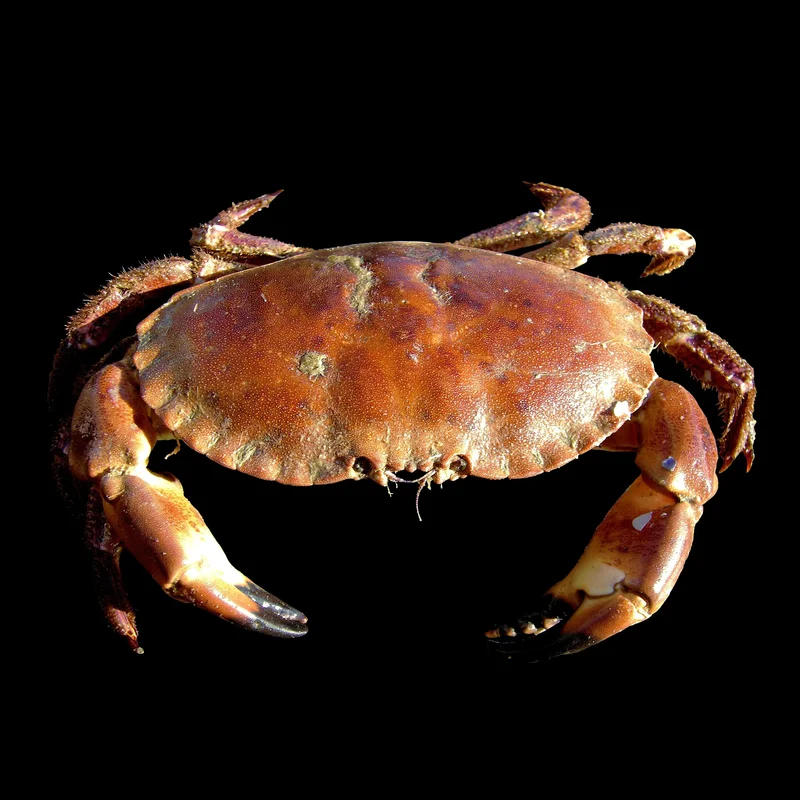
Beyond the charismatic seals, the vibrant kelp forests and sponge-covered walls harbor a variety of other creatures. Look for crabs hiding in crevices and around the varied reef structures.
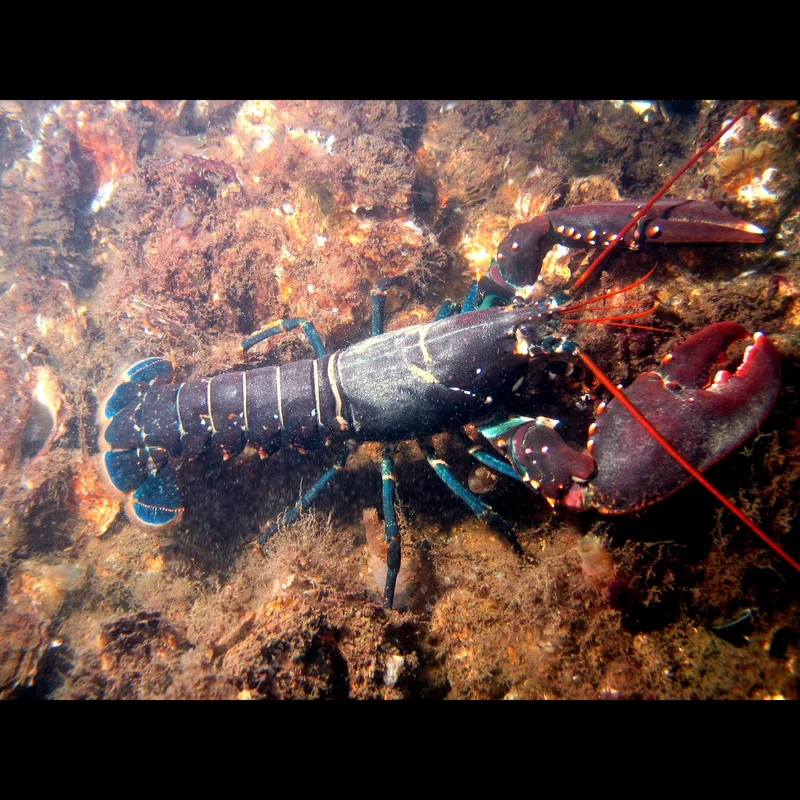
Large lobsters have also been noted, adding to the diversity of invertebrate life that thrives in these waters.

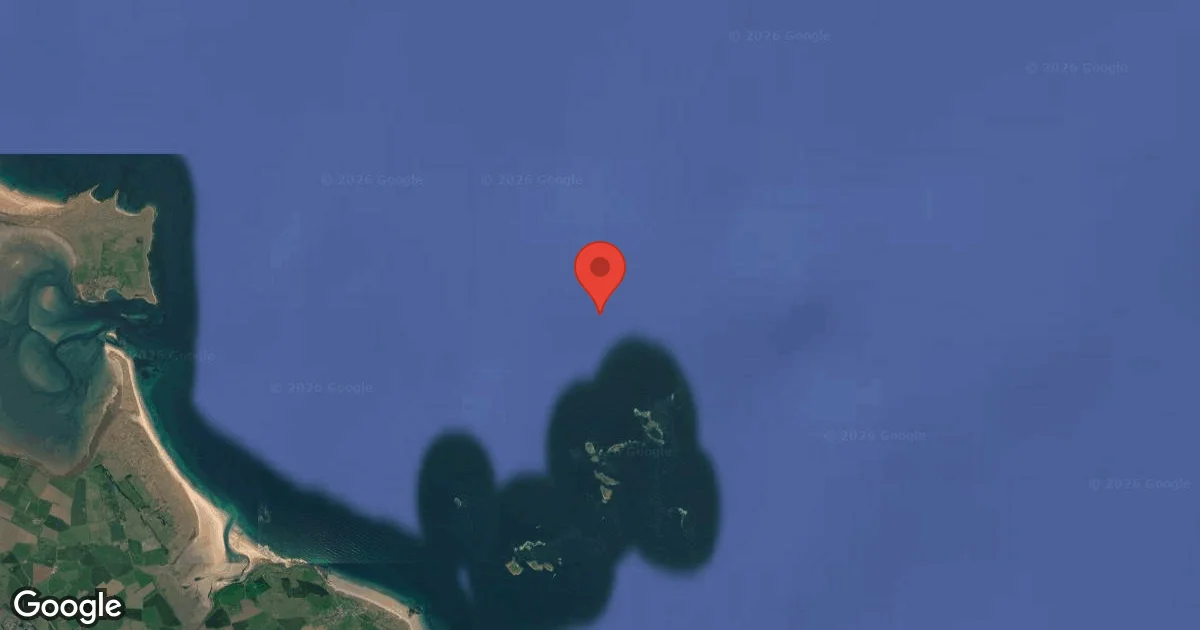
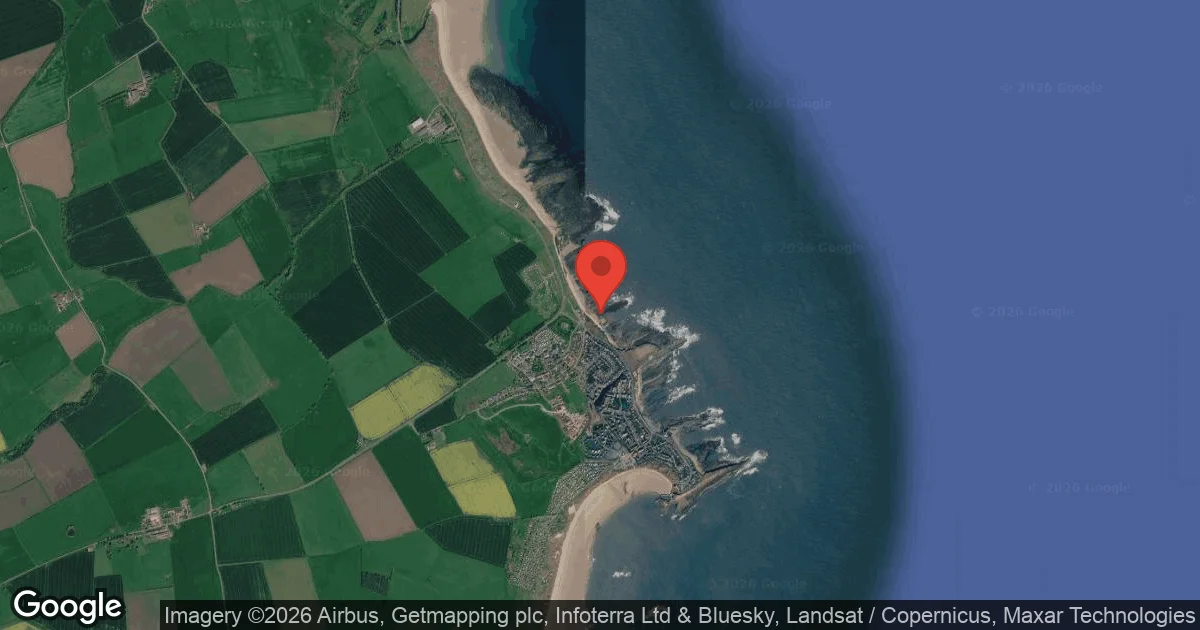
Dive Sites Near The Farne Islands
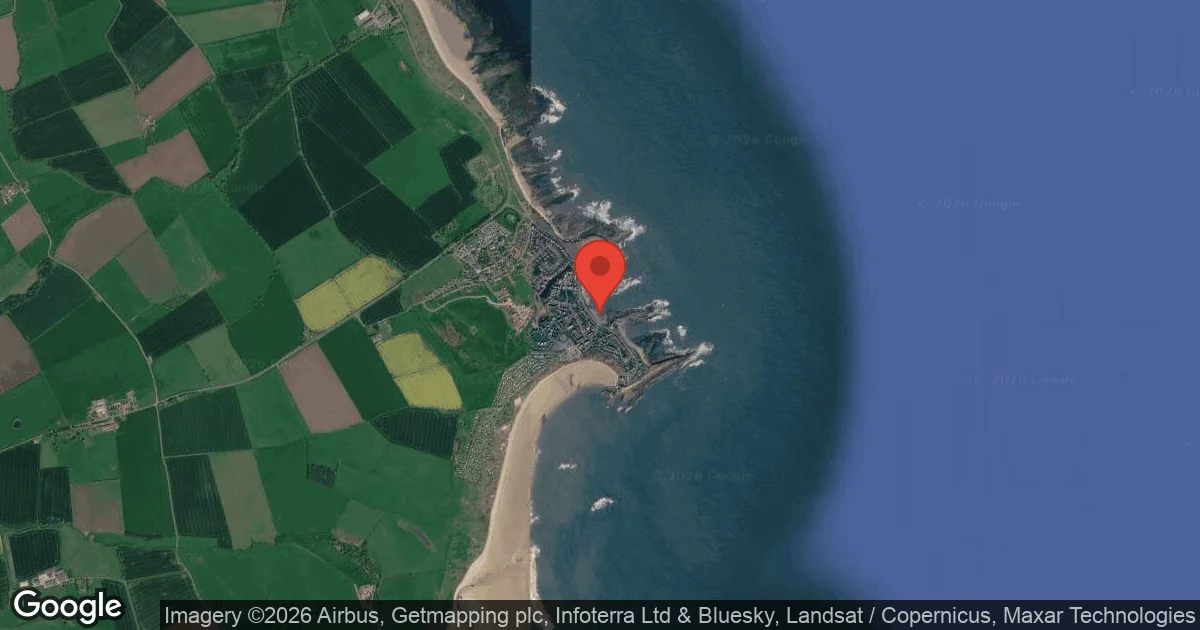
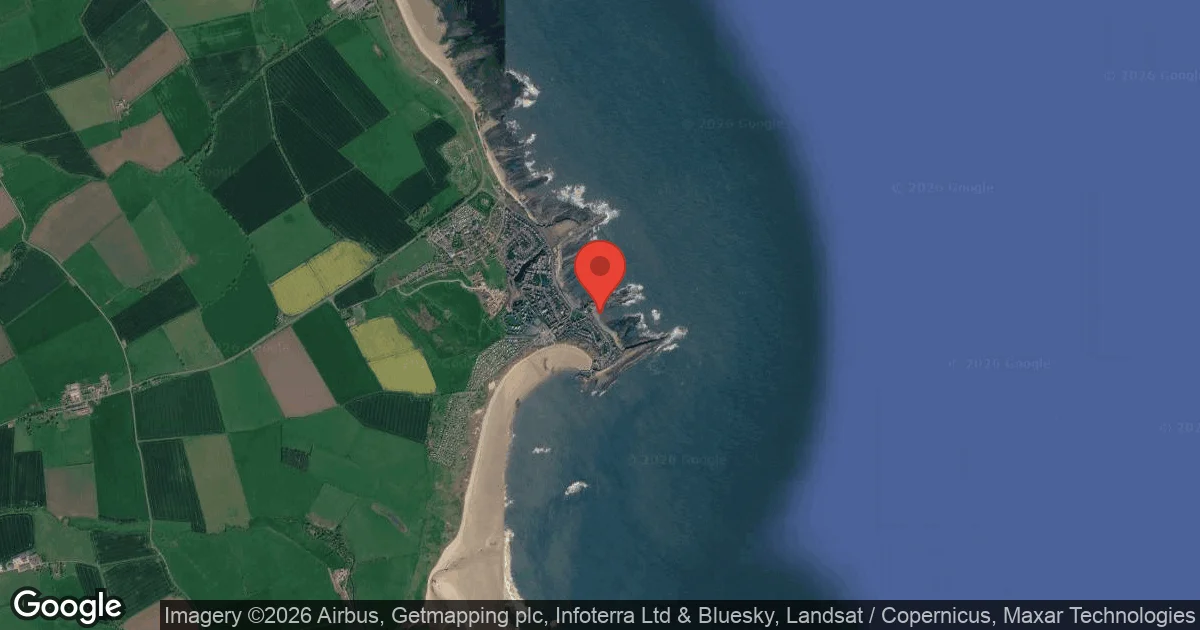
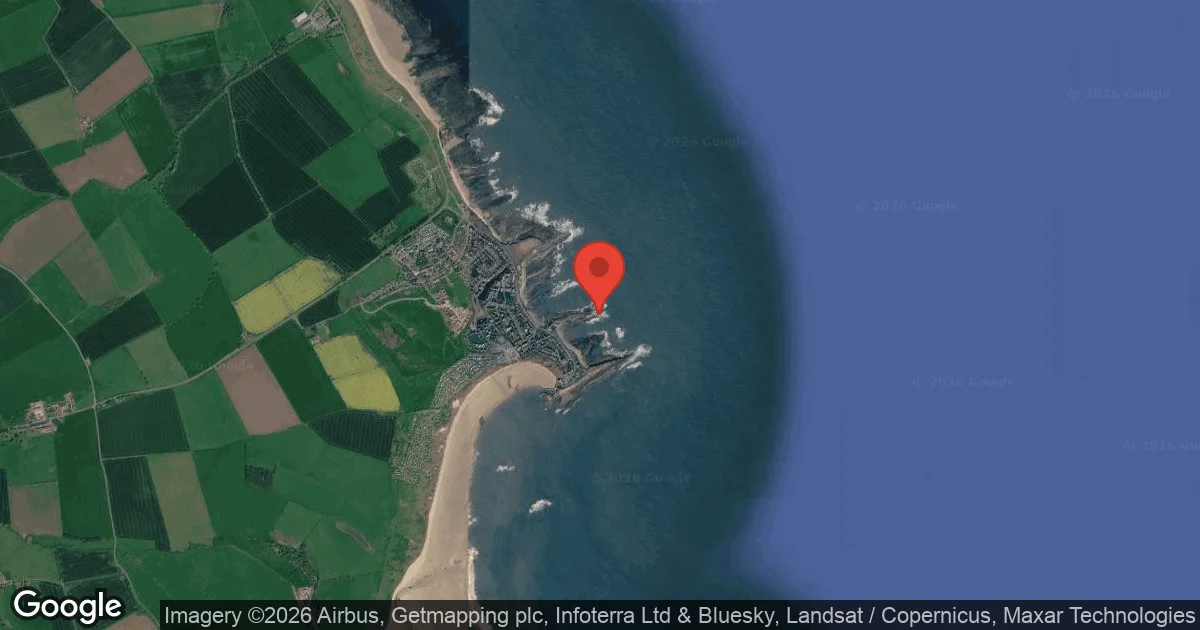
View all dive sites in United KingdomDiscover more underwater gems in this area.
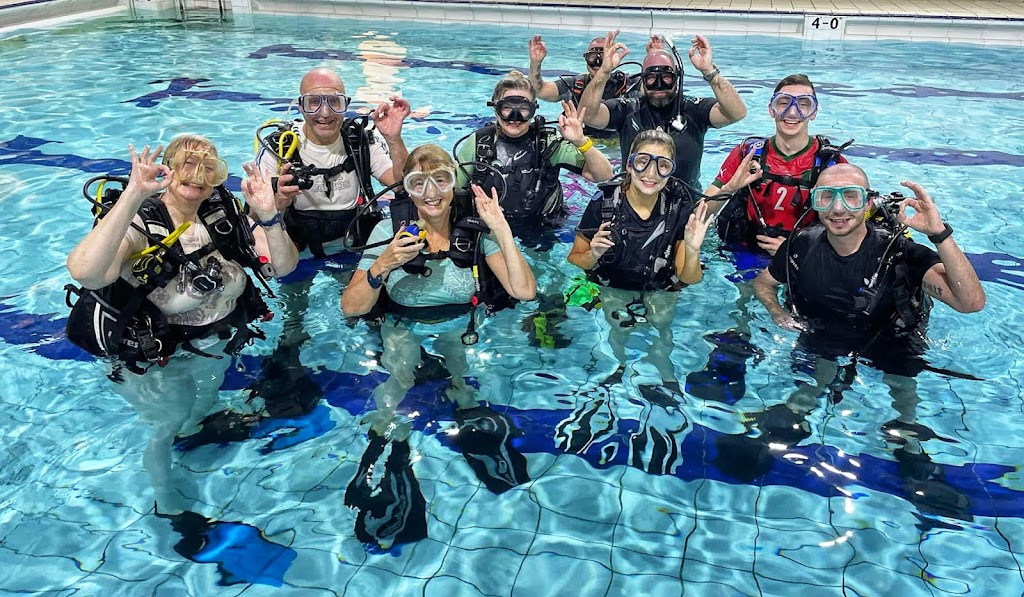
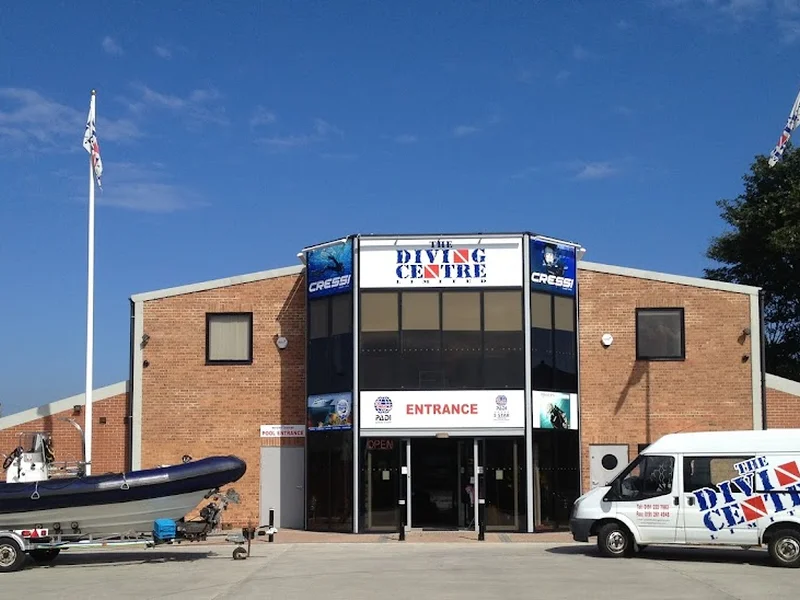
Dive Centers Near The Farne Islands
Today: 11:00 - 23:00
Nearest Airports
Nearest airports to help plan travel to this dive area.
Search Flights
Check available flights and routes on Expedia, using the nearby airports listed in this section.
Search Flights on ExpediaFrequently Asked Questions
What is the best time of year to dive the Farne Islands?
The period from March through September generally offers the best diving conditions. June and August often provide the calmest seas and lowest average wave heights, making for more comfortable boat trips and entries. This timeframe also sees gradually increasing air temperatures.
What kind of marine life can I expect to see?
The primary draw for many divers is the grey seal population, known for interacting curiously with divers. Beyond the seals, you'll encounter a variety of invertebrate life, including crabs and lobsters, within the vibrant kelp forests and sponge-covered rock walls.
What are the typical water temperatures at the Farne Islands?
Specific water temperature data is not consistently reported for the Farne Islands. Divers should anticipate typical North Sea cold water conditions year-round, making appropriate thermal protection essential for comfort and safety.
What is the maximum depth commonly encountered during dives?
Dive sites generally fall within recreational limits, with some sections reaching maximum depths around 30 m (100 ft). Many dives explore shallower reef and wall areas, offering diverse experiences across different depth ranges.
Is previous drift diving experience required?
Currents around the islands can be a significant factor, leading to drift diving conditions. Having prior experience with drift diving is advisable to comfortably manage the conditions and enhance the dive experience.
What equipment is recommended for diving here?
Given the consistent cold water and variable conditions, robust thermal protection, such as a drysuit, is highly recommended. Adequate weighting to manage currents and a reliable dive computer are also essential for safe diving.
Planning to dive The Farne Islands?
Send one inquiry and receive offers directly from the best verified local dive operators.
Conditions are Good
High Wind Advisory (41km/h). Unsafe surface.
Current conditions near The Farne Islands show 17° air, 15° sea temperature, 0.7 m waves, and 41 km/h wind. Forecast data is refreshed regularly to ensure accuracy.