
Diving at Lundy Island - Gannet's Bay (United Kingdom)
Diving Gannet's Bay at Lundy Island requires a careful approach due to potentially strong tidal currents. Its location in the Outer Bristol Channel means conditions can shift quickly, demanding a thorough understanding of local tidal streams. This site is not recommended for novice or inexperienced divers, emphasizing the need for advanced planning and skill. Utilizing experienced dive charter boat skippers is highly advisable, as their local knowledge is crucial for a safe and enjoyable experience navigating these challenging but rewarding waters.
Evening condition tracking at Lundy Island - Gannet's Bay features an air temperature of 16°C. We have recorded wave heights measuring 1.9 m during this period. These figures outline the environmental parameters currently present.
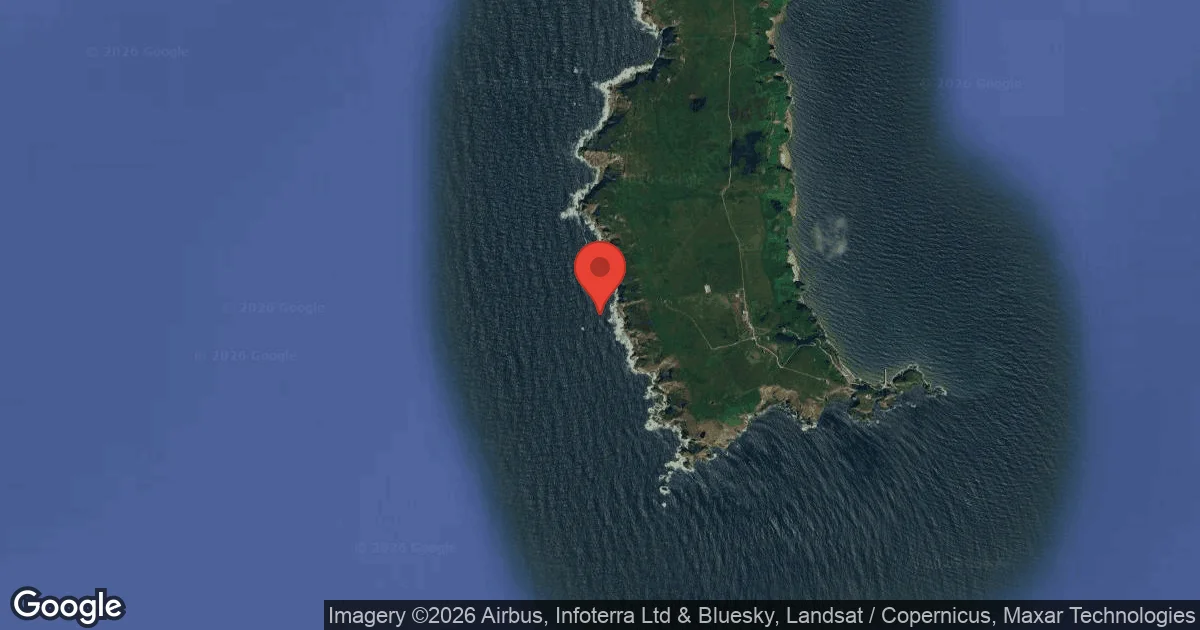
Dive Site Location & Key Facts
Dive Site Overview
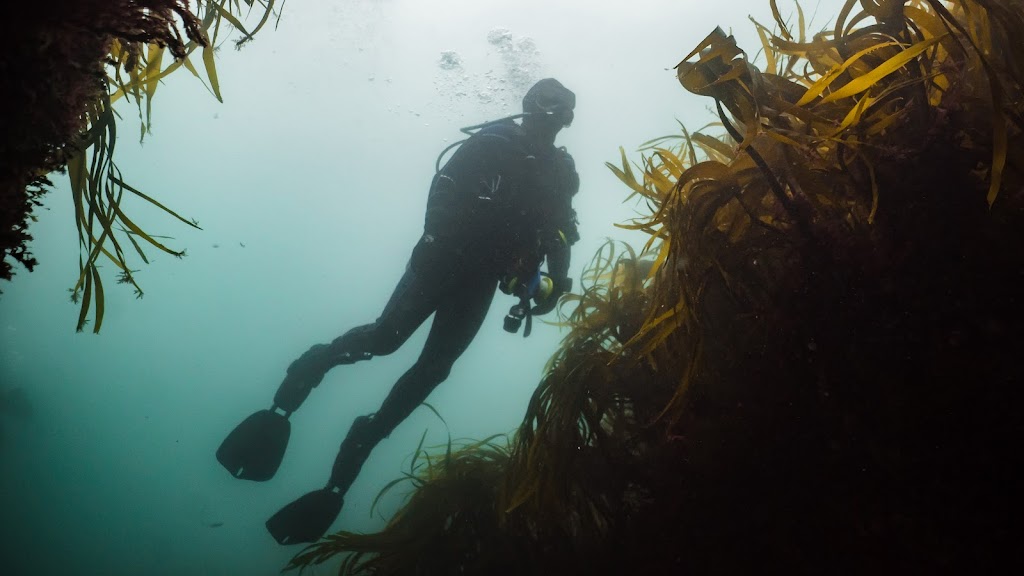
Gannet's Bay provides a distinctive dive experience, primarily known for its lively population of over 200 Atlantic grey seals. Dropping into this reef and ocean environment, divers often find these curious marine creatures eager to interact, adding a memorable dimension to the underwater exploration.
This site, part of Lundy Island’s Marine Protected Area, benefits from relatively unpolluted waters due to minimal land run-off and its Celtic Sea fringe location.
As a result, visibility can occasionally be excellent, sometimes exceeding 12 m (40 ft) after periods of calm weather, though plankton blooms can temporarily reduce this. The maximum depth generally explored here is around 12 meters (39 feet), making it accessible for various certification levels, provided divers are prepared for the prevailing conditions.
While the presence of inquisitive seals is a major draw, the reef structure itself offers intricate areas to explore. Planning boat entry with an experienced local charter is essential here, given the island's exposure to variable weather and potentially strong tidal currents, which characterize diving around Lundy in general.
The Lundy Warden oversees the MPA, and consultation before a visit can provide invaluable site-specific advice, ensuring both diver safety and marine conservation.
Conditions are Poor
High Swell Advisory. Not recommended.
Current conditions near Lundy Island - Gannet's Bay show 16° air, 18° sea temperature, 2.4 m waves, and 49 km/h wind. Forecast data is refreshed regularly to ensure accuracy.
Best Time to Dive
For favorable diving conditions at Gannet's Bay, the period from May to August typically presents the best opportunities. May generally shows a 'Good' dive score, improving significantly from earlier months, while June, July, and August maintain a 'Moderate' score, offering a solid window for exploration. During these peak months, average air temperatures are more comfortable, ranging from around 12°C (54°F) in May to 17°C (63°F) in August. Rainfall is also notably lower, with May averaging a minimal 1.27 mm and June around 1.40 mm, contributing to better overall conditions. While specific water temperature data is not consistently reported for Gannet's Bay, divers should anticipate cooler North Atlantic waters, likely requiring appropriate thermal protection. Conversely, the winter months, particularly December through March, often present 'Poor' or 'Unsafe' dive scores, marked by higher wave heights and stronger winds, making diving less practical and potentially hazardous. It's crucial to consult local forecasts and dive operators for real-time conditions, as Lundy's exposure in the Outer Bristol Channel can lead to significant day-to-day variability.
PEAK SEASON SCORE
Scores combine air & water temps, waves, wind & rainfall for overall conditions.
BEST MONTHS TO DIVE
Monthly records compiled from satellite and marine observation nodes over the last 3 years. Data provided by Open-Meteo and MET Norway.
Dive Experience & Conditions
Understanding the powerful current dynamics is paramount for any dive at Gannet's Bay. Its position in the Outer Bristol Channel exposes the site to very strong tidal currents, necessitating careful planning around slack tide. These conditions mean diving here should only be attempted by experienced divers, not novices. Visibility can be quite variable; while occasionally exceeding 12 m (40 ft) after periods of calm, it can be significantly reduced by plankton blooms or agitated seas. A boat entry is the standard and most advisable method for accessing Gannet's Bay, as shore diving options are extremely limited around Lundy Island. The reef structure itself provides an interesting seascape, with a maximum depth of approximately 12 meters (39 feet). Divers should expect a North Atlantic water environment, typically cooler, making appropriate exposure protection essential. Always coordinate with local dive charters, whose skippers possess invaluable site-specific knowledge regarding daily sea states and ideal dive windows, enhancing both safety and enjoyment.
Dive Difficulty & Safety Guidelines
Diver safety at Gannet's Bay relies heavily on sound planning and local expertise. Given the potentially hazardous conditions, particularly the strong tidal currents and variable sea states, this site is strictly unsuitable for novice or inexperienced divers. It's strongly recommended that groups of divers utilize experienced dive charter boats; their skippers have an intimate knowledge of the Lundy dive sites and can advise on the best locations and times to dive each day, ensuring a safer and more enjoyable experience.
Before diving, meticulously understand the tidal streams for Gannet's Bay. Lundy is a Marine Protected Area (MPA), including a No Take Zone; divers must respect all conservation guidelines, including avoiding disturbance to marine life and refraining from collecting any specimens.
Contacting the Lundy Warden before a visit can provide essential up-to-date information on site management and any specific advisories.
Recommended Equipment
- Dive Computer
This gear list is based on verified equipment signals for Lundy Island - Gannet's Bay, United Kingdom. Always confirm final gear choices with your dive operator, guide, or liveaboard.
Recommended Dive Suit
With water temperatures around 18°C (64°F), many divers find a 5-7mm wetsuit provides comfortable protection.
Divers performing multiple dives may appreciate slightly warmer protection later in the day.
Forecast models indicate that diving conditions should remain largely unchanged.
Emergency & Medical Support
Essential information to help you plan your dive trip to Lundy Island - Gannet's Bay.

Hyperbaric chambers are a critical part of dive safety infrastructure. Availability varies significantly by region, and not all dive areas have immediate access.
Before diving, it's recommended to:
- confirm nearest medical facilities
- check emergency procedures with local dive operators
- ensure dive insurance covers evacuation if required
Divers Alert Network
Diving emergency assistance available through DAN Europe.
+39 0642115685- 24/7 emergency hotline
- Diving medical assistance
- Evacuation coordination
Emergency contacts are provided for reference. Always verify local emergency services before diving.
Closest Listed Hyperbaric Chambers
Showing listed hyperbaric chamber facilities within 200 km of this dive site.
Distances are approximate straight-line distances and may not reflect emergency travel time.
DDRC Healthcare
24/7 ListedICU CapablePlymouth, United Kingdom•Approx. 95 km straight-line
DDRC Healthcare
24/7 ListedICU CapableInformation is provided for reference and planning purposes only. Dive Navigator does not verify operational status, staffing, availability, or quality of care at listed facilities. In an emergency, contact local emergency services, DAN, your dive operator, or the chamber directly. Do not travel to a facility without calling ahead.
Marine Life at Lundy Island - Gannet's Bay
Upon descending into Gannet's Bay, divers are often immediately greeted by the site's most charismatic inhabitants: Atlantic grey seals. With a population exceeding 200 around Lundy Island, these creatures are known for their inquisitive nature and frequently approach divers, often engaging in playful interactions.
This direct encounter provides a thrilling highlight. Beyond the seals, the unpolluted waters contribute to a diverse range of marine life thriving within the reef ecosystem, although specific common sightings are not consistently detailed.
The protected status of Lundy as a Marine Protected Area aids in safeguarding these vibrant underwater communities, allowing for a healthy and observable biodiversity across the rocky seabed.

Dive Sites Near Lundy Island - Gannet's Bay
View all dive sites in United KingdomDiscover more underwater gems in this area.
Dive Centers Near Lundy Island - Gannet's Bay
Nearest Airports
Nearest airports to help plan travel to this dive area.
Search Flights
Check available flights and routes on Expedia, using the nearby airports listed in this section.
Search Flights on ExpediaFrequently Asked Questions
What makes Gannet's Bay a notable dive site?
It's particularly known for its resident population of over 200 Atlantic grey seals, which are often curious and interact with divers. The relatively unpolluted waters also contribute to good visibility at times.
Is Gannet's Bay suitable for beginner divers?
No, due to the potential for very strong tidal currents and variable conditions, diving at Gannet's Bay is not recommended for novice or inexperienced divers. Advanced planning and skill are essential.
What kind of visibility can be expected?
Visibility can be excellent, sometimes over 12 m (40 ft), particularly after calm weather. However, it can fluctuate significantly due to plankton blooms or rough sea states.
How should divers access Gannet's Bay?
Boat entry is the primary and most advisable method for reaching Gannet's Bay. Shore diving options on Lundy Island are very limited and generally not practical for this site.
Are there any specific conservation rules to follow?
Yes, Lundy Island is a Marine Protected Area (MPA), including a No Take Zone. Divers must respect all conservation guidelines, which means no disturbing marine life or collecting specimens.
When is the best time of year to dive here?
The most favorable diving conditions typically occur from May to August, offering more comfortable air temperatures and lower rainfall. May often has a 'Good' dive score, with subsequent months rated 'Moderate'.
Should I use a dive charter for Lundy Island?
It is highly advisable to use an experienced dive charter boat. Their skippers possess crucial local knowledge of tidal streams and daily conditions, making the diving experience safer and more enjoyable.
Planning to dive Lundy Island - Gannet's Bay?
Send one inquiry and receive offers directly from the best verified local dive operators.
Conditions are Poor
High Swell Advisory. Not recommended.
Current conditions near Lundy Island - Gannet's Bay show 16° air, 18° sea temperature, 2.4 m waves, and 49 km/h wind. Forecast data is refreshed regularly to ensure accuracy.