
Diving at Lundy Island (United Kingdom)
Approaching Lundy Island requires mindful planning, especially concerning sea conditions for the 20-mile (32 km) crossing from the mainland. As a statutory marine nature reserve since 1986, Lundy offers diverse diving within its protected waters. Divers should anticipate variable visibility and prepare for cold water diving, even during peak summer months. Understanding tidal currents in the Bristol Channel is key to maximizing dive enjoyment and safety around its numerous wrecks and reefs.
Tonight's objective overview for Lundy Island shows an air temperature of 17.5°C. The measured surface conditions include wave heights around 2.5 m. This environmental data is logged for the close of the day.
Dive Site Location & Key Facts
Dive Site Overview
Imagine an island at the confluence of two distinct water masses, where the cool, clear oceanic flow from the Gulf Stream meets warmer, clearer waters, all within a designated marine protected area. Lundy Island, situated at the mouth of the Bristol Channel, presents a compelling diving narrative, inviting exploration of over 40 distinct dive sites.
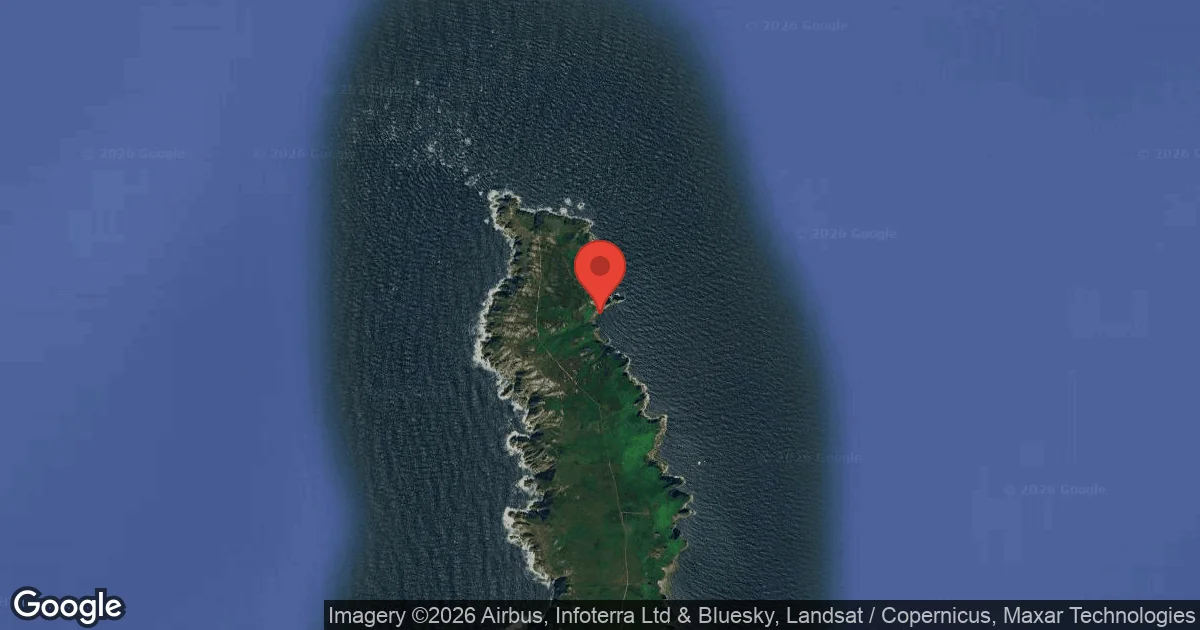
This remote granite and slate outcrop, just three miles long and half a mile wide, ensures a serene escape from the mainland's bustle. Accessing Lundy typically involves an hour-long boat passage covering approximately 20 miles (32 km), a crossing often graced by sightings of dolphins, porpoises, and the island's resident grey seals.
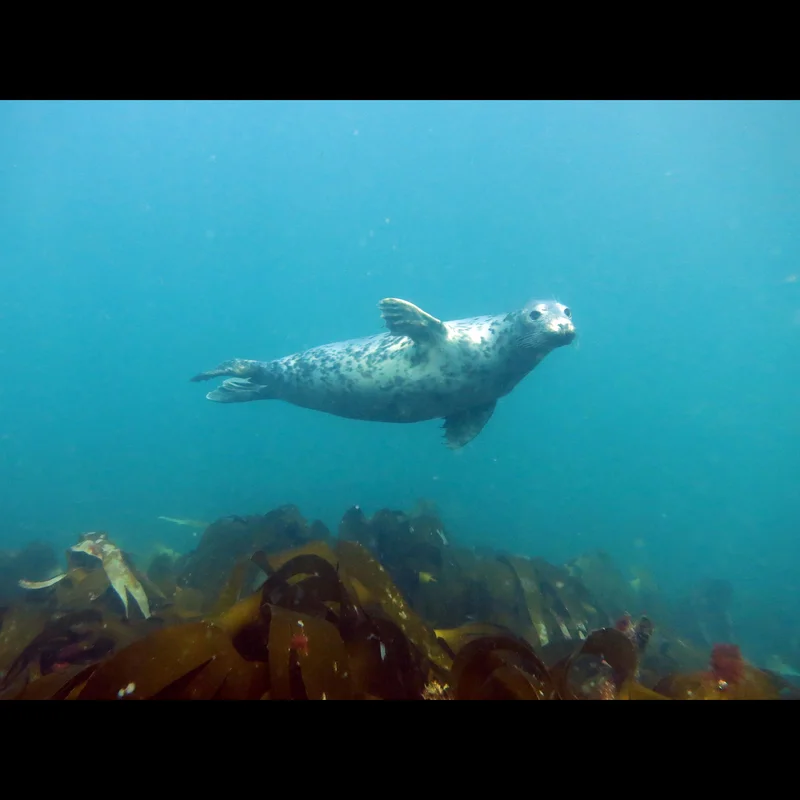
Beneath the surface, the marine environment spans fascinating wreck sites, vibrant reefs, dramatic drop-offs, and towering pinnacles, each offering different challenges and rewards. A significant draw for many divers is the interactive encounters with Lundy's population of Atlantic grey seals, numbering over 200 individuals and often described as playful and curious.
The island holds statutory marine nature reserve status since 1986, and is also designated as a Marine Protected Area, including a 4 square kilometer 'no-take zone', actively conserving its rich biodiversity. Such robust protection aims to bolster local fish stocks and ensure healthy, thriving marine habitats for future generations, offering divers an authentic glimpse into the UK's temperate underwater ecosystems. Conditions vary, making each dive a unique experience.
Conditions are Poor
High Swell Advisory. Not recommended.
Current conditions near Lundy Island show 18° air, 18° sea temperature, 2.6 m waves, and 48 km/h wind. Forecast data is refreshed regularly to ensure accuracy.
Best Time to Dive
Visibility at Lundy Island can be variable, a factor heavily influenced by weather patterns and tidal movements. Planning your trip between May and August typically offers the most favorable conditions for improved underwater clarity. May stands out with the highest average dive score of 7, experiencing the lowest average rainfall at 1.25 mm and minimal wave heights around 1.3 m, coupled with the lightest average wind speeds of 29.29 km/h. Average air temperatures during this period range from approximately 12.5°C (54°F) in May to a peak of 17°C (63°F) in August. While August presents the warmest air temperatures, it can also bring increased chances of choppy seas and stronger winds, potentially impacting visibility. For example, some reports indicate visibility struggling to exceed three to four meters during stormy August conditions. July and August maintain moderate dive scores of 5, with average air temperatures around 16.5°C (62°F) and 17°C (63°F) respectively. Divers should consult localized, real-time forecasts to ascertain specific day-to-day visibility predictions and sea states, as conditions can shift quickly in this exposed location.
PEAK SEASON SCORE
Scores combine air & water temps, waves, wind & rainfall for overall conditions.
BEST MONTHS TO DIVE
Monthly records compiled from satellite and marine observation nodes over the last 3 years. Data provided by Open-Meteo and MET Norway.
Dive Experience & Conditions
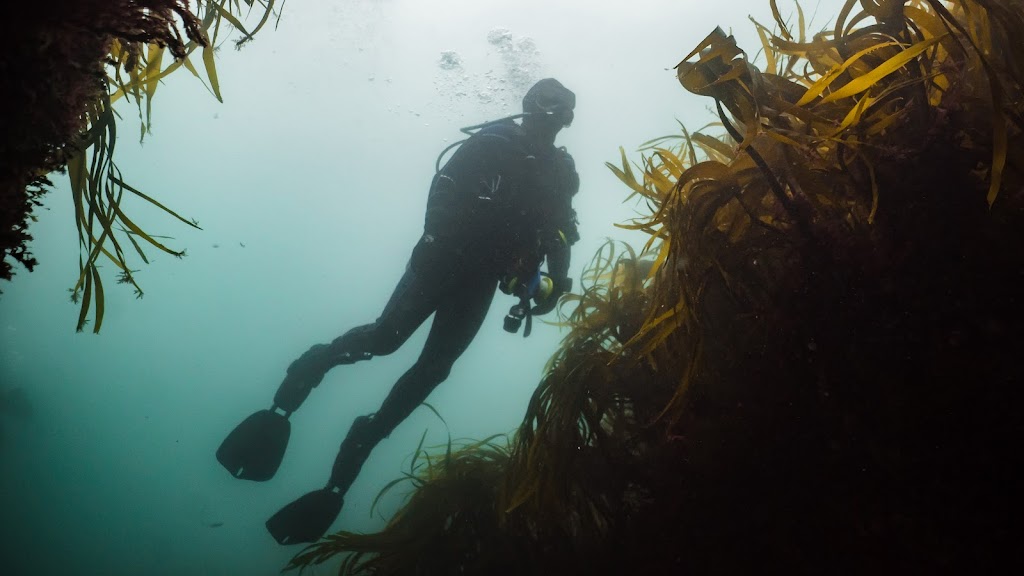
Divers approaching Lundy Island should be prepared for typical UK temperate water conditions. The mixing of oceanic and channel waters contributes to variable but often clear conditions, though strong winds and waves can reduce visibility significantly, as experienced during some August trips with visibility at times only three to four meters. Water temperatures are not consistently reported but are characteristic of cooler northern Atlantic environments, suggesting the necessity of appropriate thermal protection. Currents around the island can be notable, requiring divers to be proficient in drift diving techniques or to plan dives carefully around slack tide. Topography includes varied features such as reefs, dramatic drop-offs, and pinnacles, catering to a range of experience levels. Wreck dives are also present, some potentially deeper, while seal interactions often occur in shallower, more sheltered areas. These waters typically hold abundant life, providing a rich experience for divers comfortable with dynamic environments and colder temperatures.
Dive Difficulty & Safety Guidelines
Navigating the waters around Lundy Island presents specific challenges that require careful consideration from divers. Its exposed nature at the mouth of the Bristol Channel means conditions can change rapidly, with strong winds and considerable wave heights, particularly outside the calmer summer months. Average wave heights range from 1.3 m in May to over 3 m (10 ft) in winter, impacting boat transfers and dive site accessibility.
As a Marine Protected Area, adherence to conservation guidelines is paramount; this includes strict observance of the 'no-take zone' and responsible interaction with marine life, especially the grey seals. Given the lack of consistent reported hazards, divers should primarily focus on preparing for environmental factors such as variable currents and water temperatures.
Operating with experienced local dive operators, who are familiar with Lundy's specific conditions and dive site nuances, is highly recommended to ensure a safe and rewarding experience.
Recommended Equipment
- Dive Computer
This gear list is based on verified equipment signals for Lundy Island, United Kingdom. Always confirm final gear choices with your dive operator, guide, or liveaboard.
Recommended Dive Suit
Short-term weather patterns suggest stable conditions for divers visiting the area.
Thermal protection such as 5-7mm wetsuit is commonly used in similar temperatures. Strong winds are present; please take strong precautions against rapid cooling during surface intervals.
Current dive conditions indicate that water temperatures around Lundy Island are sitting at roughly 18°C (64°F). Surface air temperatures are resting at 18°C (64°F).
Emergency & Medical Support
Essential information to help you plan your dive trip to Lundy Island.

Hyperbaric chambers are a critical part of dive safety infrastructure. Availability varies significantly by region, and not all dive areas have immediate access.
Before diving, it's recommended to:
- confirm nearest medical facilities
- check emergency procedures with local dive operators
- ensure dive insurance covers evacuation if required
Divers Alert Network
Diving emergency assistance available through DAN Europe.
+39 0642115685- 24/7 emergency hotline
- Diving medical assistance
- Evacuation coordination
Emergency contacts are provided for reference. Always verify local emergency services before diving.
Closest Listed Hyperbaric Chambers
Showing listed hyperbaric chamber facilities within 200 km of this dive site.
Distances are approximate straight-line distances and may not reflect emergency travel time.
DDRC Healthcare
24/7 ListedICU CapablePlymouth, United Kingdom•Approx. 93 km straight-line
DDRC Healthcare
24/7 ListedICU CapableInformation is provided for reference and planning purposes only. Dive Navigator does not verify operational status, staffing, availability, or quality of care at listed facilities. In an emergency, contact local emergency services, DAN, your dive operator, or the chamber directly. Do not travel to a facility without calling ahead.
Marine Life at Lundy Island
Lundy Island's underwater landscape is a vibrant tableau, shaped by its unique location where diverse water masses converge. Reef structures, dramatic drop-offs, and imposing pinnacles provide varied habitats for a rich array of marine species.
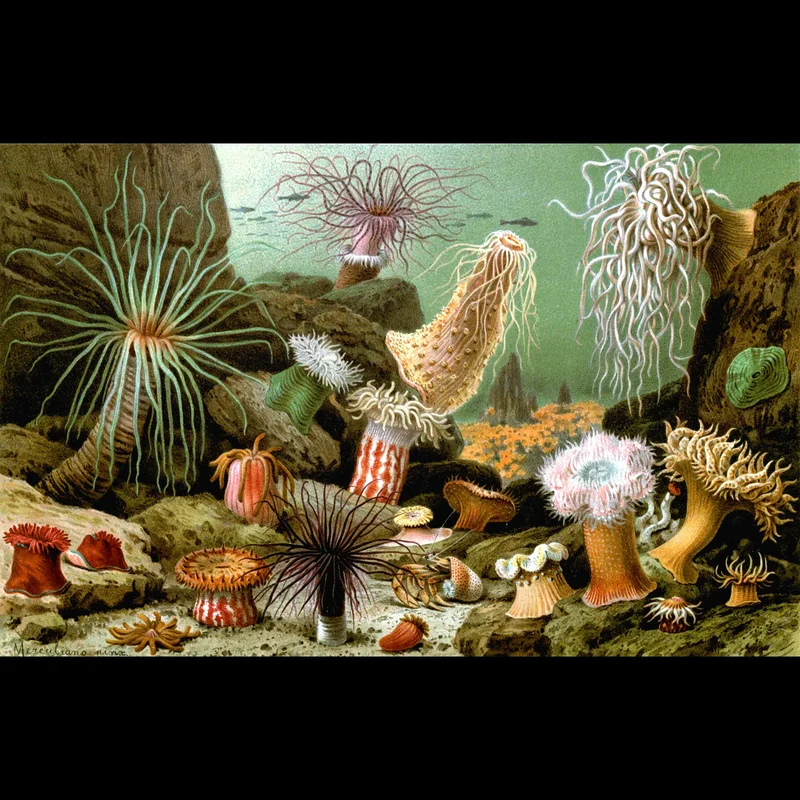
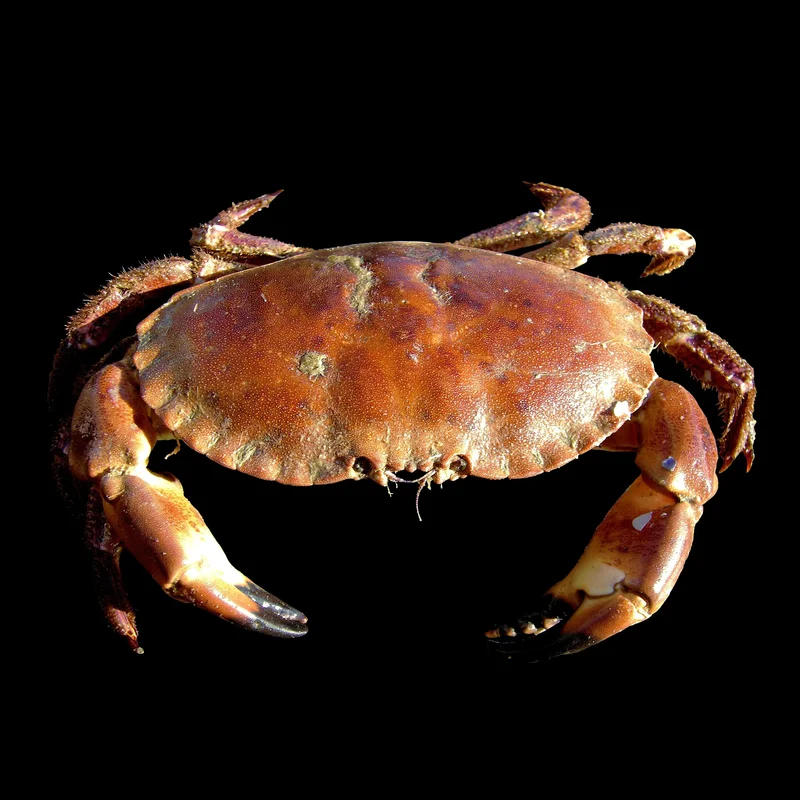
One of the most charismatic inhabitants is the Atlantic grey seal, with a resident population of over 200 animals often engaging playfully with divers. Beyond the seals, these protected waters support a healthy ecosystem, making encounters with various fish, crabs, and anemones common.
Conservation status helps maintain a thriving environment for both resident and migratory marine life within the granite and slate formations of the seabed.

Dive Sites Near Lundy Island
View all dive sites in United KingdomDiscover more underwater gems in this area.
Dive Centers Near Lundy Island
Nearest Airports
Nearest airports to help plan travel to this dive area.
Search Flights
Check available flights and routes on Expedia, using the nearby airports listed in this section.
Search Flights on ExpediaFrequently Asked Questions
What is Lundy Island's conservation status?
Lundy Island was designated a statutory marine nature reserve in 1986. It is also a Marine Protected Area, featuring a 4 square kilometer 'no-take zone' to protect marine wildlife and heritage.
Can I dive with seals at Lundy Island?
Yes, diving with the resident Atlantic grey seals is a major highlight. They are known for being very friendly and interactive, often approaching divers.
How long is the boat journey to Lundy Island?
The passage to Lundy Island from the mainland typically takes about one hour. This 20-mile (32 km) journey can offer sightings of dolphins and porpoises.
What types of dive sites are available around Lundy Island?
The island offers over 40 dive sites, encompassing a mix of wrecks, natural reefs, drop-offs, and pinnacles. This variety caters to different diving interests and skill levels.
What are typical water temperatures at Lundy Island?
Specific water temperatures are not consistently reported but are typical of cooler North Atlantic environments. Divers should expect temperate conditions and dress appropriately with good thermal protection.
How good is the visibility for diving at Lundy Island?
Visibility can be quite variable, influenced by weather and tides. While "great visibility" is sometimes reported, stormy conditions, especially outside peak summer, can reduce it significantly, sometimes to three to four meters.
Are there accommodation options on Lundy Island?
The excerpts mention accommodation in Ilfracombe, such as the Royal Brittania and Grand Harbour hotels, as common staging points for Lundy dive trips. On-island accommodation details were not provided.
Planning to dive Lundy Island?
Send one inquiry and receive offers directly from the best verified local dive operators.
Conditions are Poor
High Swell Advisory. Not recommended.
Current conditions near Lundy Island show 18° air, 18° sea temperature, 2.6 m waves, and 48 km/h wind. Forecast data is refreshed regularly to ensure accuracy.