
Diving at Scapa Flow (United Kingdom)
A striking impression at Scapa Flow comes from the sheer scale of the scuttled German High Seas Fleet. Divers encounter colossal warships, including four light cruisers over 100 meters long and three enormous battleships like the SMS Konig. Submerged giants from WW1 create an unparalleled historical landscape beneath the waves, inviting exploration of their vast structures.
Tonight's objective overview for Scapa Flow shows an air temperature of 11.5°C. The measured surface conditions include wave heights around 2.9 m. This environmental data is logged for the close of the day.
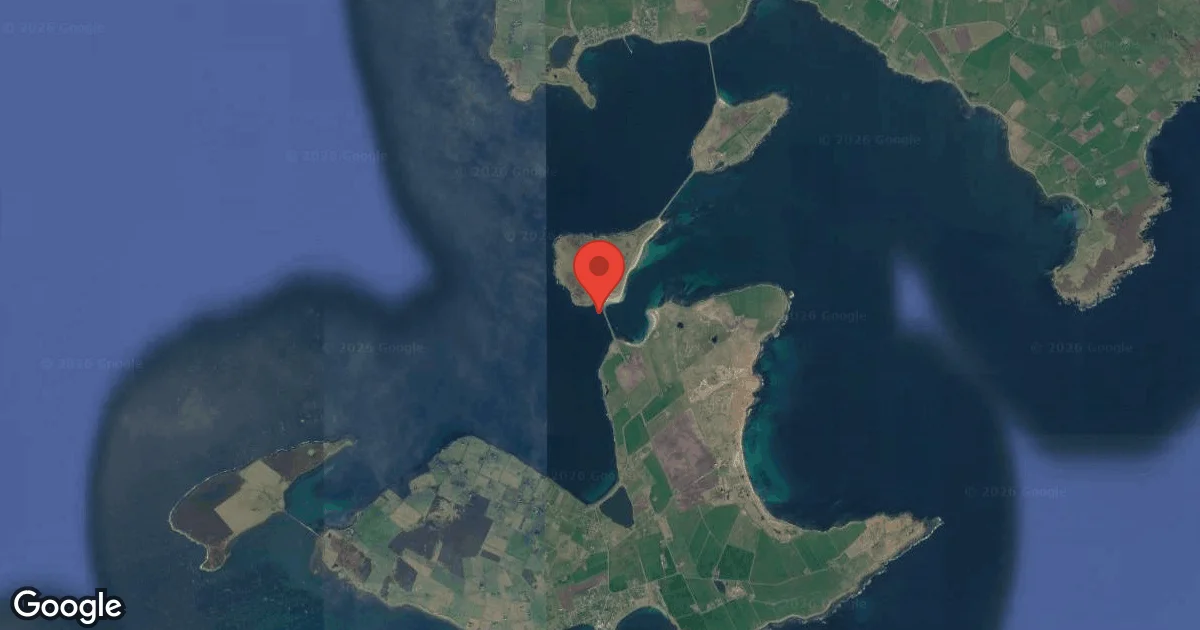
Dive Site Location & Key Facts
Dive Site Overview
The natural harbor of Scapa Flow, positioned within the Orkney Isles, serves as the final resting place for the scuttled German High Seas Fleet from WW1. This historic site holds seven major warships and four destroyers, providing a direct encounter with a pivotal moment in naval history.
Divers here explore a variety of vessel types; from agile light cruisers exceeding 100 meters (330 ft) in length to monumental battleships such as the SMS Konig and SMS Markgraf. Colossal vessels represent a significant underwater landscape. Wrecks typically rest at depths ranging from 24 meters (79 ft) to 45 meters (148 ft), making the site accessible to a broad spectrum of certified divers depending on specific wreck depths.
Massive structures reveal intricate details such as guns, steering wheels, boilers, and imposing anchor capstans, now adorned with thriving marine growth. Battleship size often makes already substantial cruisers appear comparatively small against the seafloor.
Here, archaeological exploration blends with vibrant marine observation, transforming the wrecks into a preserved underwater museum where history and nature converge. The profound historical context combined with the scale of these sunken giants truly defines the Scapa Flow diving experience.
Conditions are Unsafe
High Swell Advisory. Not recommended.
Current conditions near Scapa Flow show 12° air, 14° sea temperature, 2.4 m waves, and 55 km/h wind. Forecast data is refreshed regularly to ensure accuracy.
Best Time to Dive
Optimal diving at Scapa Flow generally occurs from spring through late autumn, offering most favorable surface conditions. Months like April, May, July, and November consistently show "Good" dive scores. During this period, average air temperatures are more comfortable, ranging from approximately 7.5°C (46°F) in April to 13.5°C (56°F) in August. Rainfall also tends to be lower in late spring; May reports the lowest average at 1.67 mm, improving visibility and surface comfort. While specific water temperature data is not consistently reported, cooler air temperatures indicate a need for appropriate thermal protection year-round. Divers should note wave heights and wind speeds are generally lower from April through September, contributing to more stable boat journeys and calmer entry/exit conditions, enhancing the overall dive experience.
PEAK SEASON SCORE
Scores combine air & water temps, waves, wind & rainfall for overall conditions.
BEST MONTHS TO DIVE
Monthly records compiled from satellite and marine observation nodes over the last 3 years. Data provided by Open-Meteo and MET Norway.
Dive Experience & Conditions
A descent onto a Scapa Flow wreck is often an immersive journey into a silent, artificial reef. While sheltered by surrounding Orkney Isles, creating generally calmer surface conditions than open ocean, divers should prepare for variable underwater visibility. It can range from excellent to moderate depending on recent weather and plankton blooms. Depths of these significant wrecks require careful buoyancy control, with structures extending down to 45 meters (148 ft). Expect cold water; even in warmer months, temperatures likely remain cool, necessitating dry suits or thick semi-dry suits. Sheer scale of ships, with their massive hulls and superstructures, creates a dramatic silhouette against ambient light. Marine growth now encrusts guns, boilers, and hulls, adding texture and life to steel remains.
Dive Difficulty & Safety Guidelines
Planning dives at Scapa Flow means prioritizing training and experience relevant to cold water wreck diving. Given significant depths of wrecks, reaching up to 45 meters, advanced certification is highly recommended for full exploration. Always dive within your training limits and with a buddy.
Currents within the Flow are typically manageable, but conditions can shift, so staying close to your dive professional's guidance is key. Local dive operators are well-versed in specific conditions and best practices for navigating these historic sites.
Ensure your equipment is properly maintained and suitable for the environment, especially regarding thermal protection. Always consult a local dive professional familiar with the site and current conditions before entering water.
Recommended Equipment
Overhead / entanglement risk. Wreck penetration requires proper training.
- Dive Computer
- Primary & Backup Lights
- Wreck Reel
- Cutting Tool
This gear list is based on verified equipment signals for Scapa Flow, United Kingdom. Always confirm final gear choices with your dive operator, guide, or liveaboard.
Recommended Dive Suit
Thermal protection such as 7mm wetsuit or semidry is commonly used for water temperatures in this range. Strong winds are present; please take strong precautions against rapid cooling during surface intervals. Strong cold advisory: dress warmly immediately after exiting the water.
Current readings at Scapa Flow show water temperatures near 14°C (56°F). Surface air temperatures are resting at 12°C (53°F).
Current forecasts indicate relatively stable conditions for the coming days.
Emergency & Medical Support
Essential information to help you plan your dive trip to Scapa Flow.

Hyperbaric chambers are a critical part of dive safety infrastructure. Availability varies significantly by region, and not all dive areas have immediate access.
Before diving, it's recommended to:
- confirm nearest medical facilities
- check emergency procedures with local dive operators
- ensure dive insurance covers evacuation if required
Divers Alert Network
Diving emergency assistance available through DAN Europe.
+39 0642115685- 24/7 emergency hotline
- Diving medical assistance
- Evacuation coordination
Emergency contacts are provided for reference. Always verify local emergency services before diving.
Closest Listed Hyperbaric Chambers
Showing listed hyperbaric chamber facilities within 200 km of this dive site.
Distances are approximate straight-line distances and may not reflect emergency travel time.
Orkney Hyperbaric Unit
Orkney, United Kingdom•Approx. 13 km straight-line
Orkney Hyperbaric Unit
Information is provided for reference and planning purposes only. Dive Navigator does not verify operational status, staffing, availability, or quality of care at listed facilities. In an emergency, contact local emergency services, DAN, your dive operator, or the chamber directly. Do not travel to a facility without calling ahead.
Marine Life at Scapa Flow
Historical structures of Scapa Flow have transformed into thriving artificial reefs over decades. Sunken vessels are extensively colonized by various forms of marine life, presenting a vibrant contrast to their steel forms.
Divers will encounter a rich tapestry of soft corals, anemones, sponges clinging to hulls, guns, and intricate machinery. Shoals of fish often inhabit shadowy interiors and lie along decks, providing dynamic photographic opportunities.
While large pelagic sightings like whales or dolphins might occur in the broader Flow, the immediate wreck environment is characterized by robust growth of sessile invertebrates and a variety of smaller fish species.

Dive Sites Near Scapa Flow
View all dive sites in United KingdomDiscover more underwater gems in this area.
Dive Centers Near Scapa Flow
No Dive Centers Local To Scapa Flow
Are you a dive center visiting this location? Get listed to reach divers.
Nearest Airports
Nearest airports to help plan travel to this dive area.
Search Flights
Check available flights and routes on Expedia, using the nearby airports listed in this section.
Search Flights on ExpediaFrequently Asked Questions
What diving certification is recommended for Scapa Flow?
While some shallower parts of the Flow might be accessible for less experienced divers, exploring the primary German High Seas Fleet wrecks often requires advanced certifications due to their depths, which range down to 45 meters (148 ft). Many local dive operators cater to various certification levels, from PADI beginner to technical divers.
What types of wrecks are found in Scapa Flow?
Scapa Flow is the resting place for seven major warships and four destroyers of the scuttled German High Seas Fleet from WW1. These include four massive light cruisers, each over 100 meters long, and three enormous battleships such as the SMS Konig and Markgraf.
What are the typical water temperatures for diving here?
Water temperatures in Scapa Flow are generally cool to cold year-round, aligning with the northern location and average air temperatures. While specific water temperature data is not consistently reported, divers should expect conditions that require dry suits or robust semi-dry suits for comfort.
How is the underwater visibility at Scapa Flow?
Visibility at Scapa Flow can vary, often ranging from excellent to moderate depending on recent weather patterns, tidal movements, and seasonal plankton blooms. It's advisable to check with local dive centers for current conditions before your trip.
Are there strong currents that divers need to be aware of?
As a natural harbor, Scapa Flow offers considerable shelter, and currents within the main wreck areas are typically manageable. However, conditions can shift, and tidal flows can be present, so divers should always follow the guidance of their experienced dive professional.
What kind of marine life can be observed on the wrecks?
The wrecks have become vibrant artificial reefs, extensively covered in diverse marine growth. Expect to see soft corals, anemones, sponges, and various smaller fish species inhabiting the structures and providing excellent photographic subjects.
Planning to dive Scapa Flow?
Send one inquiry and receive offers directly from the best verified local dive operators.
Conditions are Unsafe
High Swell Advisory. Not recommended.
Current conditions near Scapa Flow show 12° air, 14° sea temperature, 2.4 m waves, and 55 km/h wind. Forecast data is refreshed regularly to ensure accuracy.