
Diving at Churchill Barrier 3 (United Kingdom)
Exploring Churchill Barrier 3 offers an opportunity for divers to enter directly from shore onto multiple historic shipwrecks. Situated in Scapa Flow, the site presents several distinct routes around blockships from both World War I and World War II. Divers can navigate the remains of vessels such as the SS Reginald, SS Empire Seaman, SS Martis, and SS Gartshore, providing diverse underwater exploration possibilities.
Evening condition tracking at Churchill Barrier 3 features an air temperature of 13°C. We have recorded wave heights measuring 0.9 m during this period. These figures outline the environmental parameters currently present.
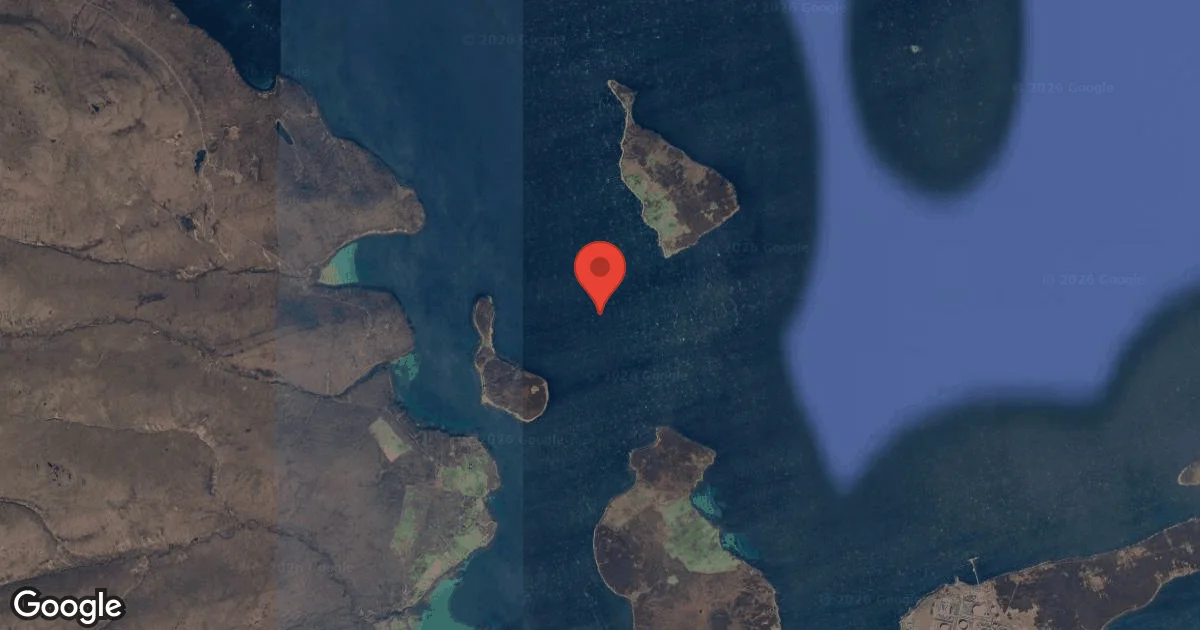
Dive Site Location & Key Facts
Dive Site Overview
Churchill Barrier 3 is a historical site where wartime blockships were scuttled to defend Scapa Flow during both World War I and World War II. These intentionally sunken vessels now form artificial reefs and accessible dive attractions.
Divers can explore the SS Reginald, often visible from the barrier itself, which lies broken in two. SS Empire Seaman, a single screw steel steamer, offers numerous swim-throughs and points of interest, remaining relatively intact.
Nearby, SS Martis is in similar condition, supporting a range of sea life, while SS Gartshore, a WWI blockship, is more broken up, though its propeller, rudder, and prop shaft are still distinguishable. Another wreck, Lapland, is totally collapsed and sits directly beneath the concrete causeway.
Reaching a maximum depth of 12 m (40 ft) at high tide, it's a shallow site suitable for a broad range of certified divers.
Conditions are Poor
High Wind Advisory (57km/h). Unsafe surface.
Current conditions near Churchill Barrier 3 show 13° air, 13° sea temperature, 1.6 m waves, and 57 km/h wind. Forecast data is refreshed regularly to ensure accuracy.
Best Time to Dive
Maximizing your dive experience at Churchill Barrier 3 typically aligns with the warmer, calmer months. May, July, and August generally offer 'Good' dive scores, influenced by more stable conditions. During these periods, average air temperatures range from 10°C (50°F) in May to 14°C (57°F) in August, creating a more comfortable surface environment. Rainfall is also comparatively lower, with July averaging 2.67 mm and May 1.77 mm, reducing potential run-off and improving clarity. While the barriers provide shelter, lower wave heights, particularly from May through August (ranging from 0.8 m to 1.0 m), contribute to easier entry and better underwater visibility, making planning during these months advisable.
PEAK SEASON SCORE
Scores combine air & water temps, waves, wind & rainfall for overall conditions.
BEST MONTHS TO DIVE
Monthly records compiled from satellite and marine observation nodes over the last 3 years. Data provided by Open-Meteo and MET Norway.
Dive Experience & Conditions
Accessing Churchill Barrier 3 for shore diving is straightforward from either the north or south shore. For SS Reginald, entry is typically easy from the south shore; divers simply walk into the water and head north. Divers targeting SS Empire Seaman, SS Martis, and SS Gartshore can enter from the north shore using a similar walk-in method. Almost immediately upon entry on the north side, the propeller, rudder, and prop shaft of SS Gartshore become visible. Seabed drops off suddenly after entry, reaching a maximum depth of 15 m (50 ft) in certain areas. Churchill Barriers themselves provide considerable shelter from wind and swell, contributing to manageable conditions even when weather is less favorable elsewhere. This makes the site a pragmatic choice for many weather scenarios.
Dive Difficulty & Safety Guidelines
Understanding the specific requirements and potential hazards at Churchill Barrier 3 is crucial for a safe dive. Diving here is suggested for novice divers when accompanied by an instructor, highlighting the importance of guided experiences for those new to wreck diving or cold water environments. A key hazard to be aware of are weever fish, which can sting if accidentally stood upon without appropriate foot protection like boots or fins.
Divers should not attempt to enter or climb onto the wrecks or the Churchill Barriers themselves. Near the north end of Barrier 3, specifically on the east side, a steep drop exists at the carpark, with an abrupt drop-off of the seabed shortly after entering the water; divers should be mindful during entry and exit.
Recommended Equipment
Overhead / entanglement risk. Wreck penetration requires proper training.
- Dive Computer
- Primary & Backup Lights
- Wreck Reel
- Cutting Tool
This gear list is based on verified equipment signals for Churchill Barrier 3, United Kingdom. Always confirm final gear choices with your dive operator, guide, or liveaboard.
Recommended Dive Suit
7mm wetsuit or semidry is widely used for recreational dives in waters of this temperature. Consider warmer surface protection (like a boat coat) due to brisk winds. A thermal robe or jacket is recommended between dives. For divers entering the water at Churchill Barrier 3, temperatures are currently hovering around 13°C (56°F). Surface air temperatures are resting at 13°C (55°F).
Short-term weather patterns suggest stable conditions for divers visiting the area.
Water temperatures can occasionally shift throughout the day depending on currents and depth layers.
Emergency & Medical Support
Essential information to help you plan your dive trip to Churchill Barrier 3.

Hyperbaric chambers are a critical part of dive safety infrastructure. Availability varies significantly by region, and not all dive areas have immediate access.
Before diving, it's recommended to:
- confirm nearest medical facilities
- check emergency procedures with local dive operators
- ensure dive insurance covers evacuation if required
Divers Alert Network
Diving emergency assistance available through DAN Europe.
+39 0642115685- 24/7 emergency hotline
- Diving medical assistance
- Evacuation coordination
Emergency contacts are provided for reference. Always verify local emergency services before diving.
Closest Listed Hyperbaric Chambers
Showing listed hyperbaric chamber facilities within 200 km of this dive site.
Distances are approximate straight-line distances and may not reflect emergency travel time.
Orkney Hyperbaric Unit
Orkney, United Kingdom•Approx. 24 km straight-line
Orkney Hyperbaric Unit
Information is provided for reference and planning purposes only. Dive Navigator does not verify operational status, staffing, availability, or quality of care at listed facilities. In an emergency, contact local emergency services, DAN, your dive operator, or the chamber directly. Do not travel to a facility without calling ahead.
Aberdeen Royal Infirmary
Aberdeen, United Kingdom•Approx. 197 km straight-line
Aberdeen Royal Infirmary
Information is provided for reference and planning purposes only. Dive Navigator does not verify operational status, staffing, availability, or quality of care at listed facilities. In an emergency, contact local emergency services, DAN, your dive operator, or the chamber directly. Do not travel to a facility without calling ahead.
Marine Life at Churchill Barrier 3
Below the surface at Churchill Barrier 3, the intentionally scuttled blockships and their surrounding concrete barriers have transformed into vibrant artificial reefs. These structures provide essential shelter and substrate, attracting diverse marine life.
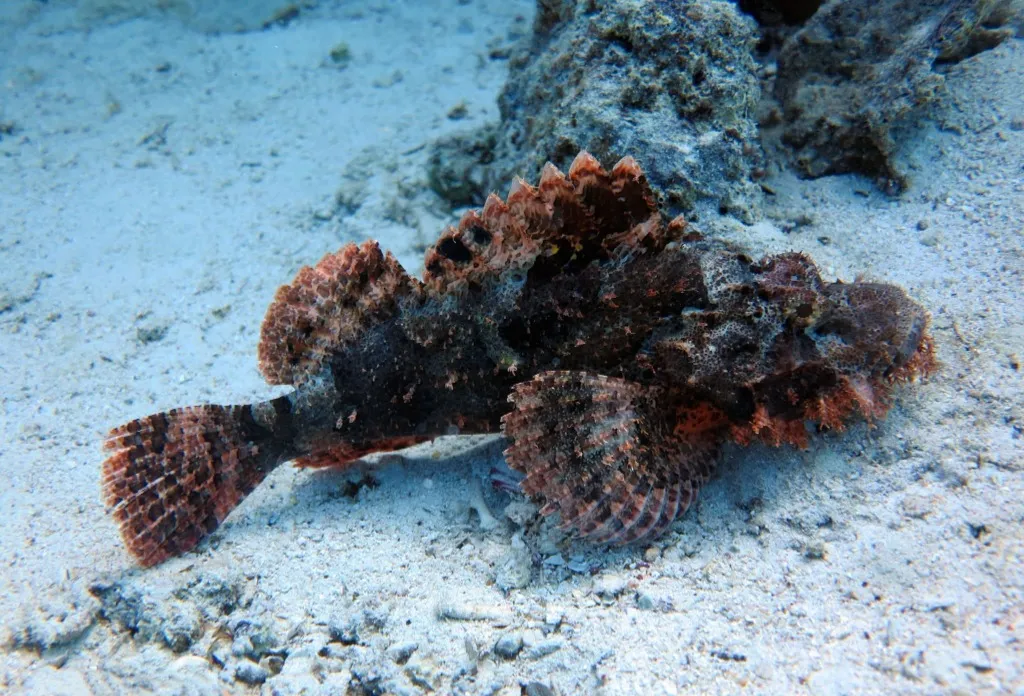
Divers frequently observe colonies of deadman's fingers (Alcyonium digitatum) clinging to the wreck surfaces, alongside numerous sticklebacks navigating the metalwork. Scorpionfish often lie camouflaged among the debris and crevices, waiting for prey.
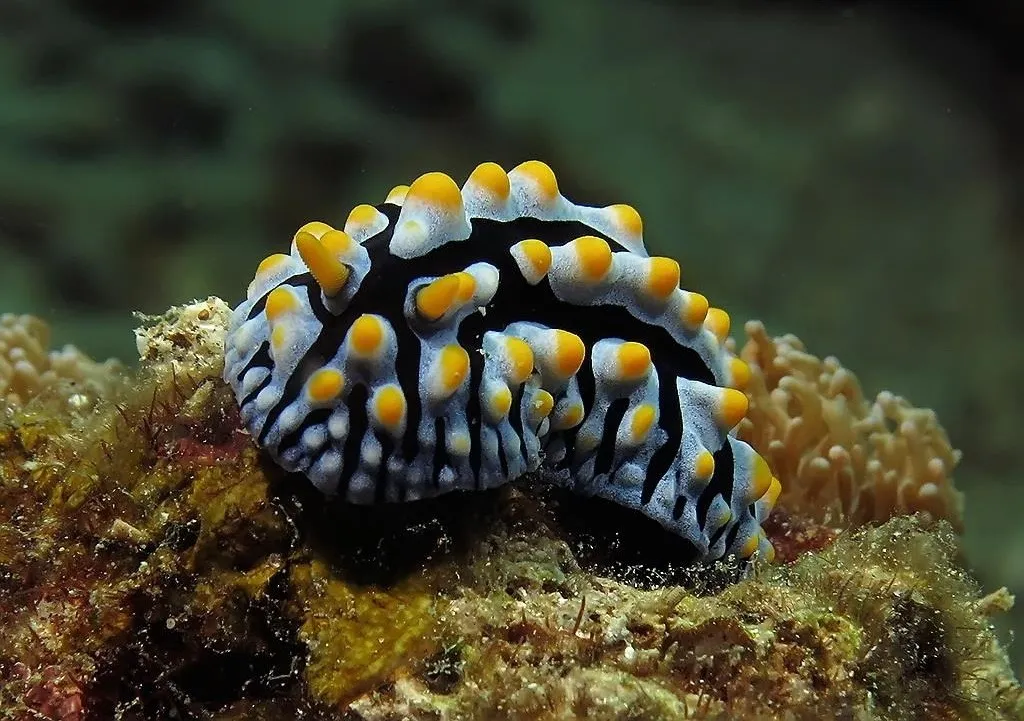
Patches of colorful nudibranchs are also present, adding unexpected splashes of vibrancy to the otherwise industrial underwater environment. This varied ecosystem offers opportunities to spot numerous species, from small crustaceans to larger fish, expertly camouflaged within the intricate wreck architecture and barrier foundations. The unique habitat fosters a rich biodiversity, making each dive an exploration of a living historical site.
Dive Sites Near Churchill Barrier 3
View all dive sites in United KingdomDiscover more underwater gems in this area.
Dive Centers Near Churchill Barrier 3
No Dive Centers Local To Churchill Barrier 3
Are you a dive center visiting this location? Get listed to reach divers.
Nearest Airports
Nearest airports to help plan travel to this dive area.
Search Flights
Check available flights and routes on Expedia, using the nearby airports listed in this section.
Search Flights on ExpediaFrequently Asked Questions
What kind of wrecks can be dived at Churchill Barrier 3?
Churchill Barrier 3 hosts several WWI and WWII blockship wrecks, including the SS Reginald, SS Empire Seaman, SS Martis, and SS Gartshore. These vessels were intentionally scuttled to protect Scapa Flow.
Is Churchill Barrier 3 suitable for new divers?
Yes, it is considered a shallow site with a maximum depth of 12-15 m (40-50 ft). It is suggested for novice divers, especially when accompanied by an instructor, making it a good location for learning or checking dive gear.
What are the common entry and exit points for diving?
Entry and exit for SS Reginald are typically easy from the south shore. For SS Empire Seaman, SS Martis, and SS Gartshore, divers usually enter from the north shore, often walking directly into the water.
Are there any specific hazards to be aware of?
Divers should be cautious of weever fish, which can deliver a sting if stepped on. It's also important to avoid attempting to enter or climb on the wrecks or the concrete barriers. Near the north end of Barrier 3, the seabed drops off suddenly in some areas, particularly on the east side; divers should be mindful during entry and exit.
Does the barrier offer shelter from weather conditions?
Yes, Churchill Barriers provide significant shelter from wind and swell. Diving conditions here can be more favorable than other exposed sites, even during less ideal weather.
What marine life might I see?
Wrecks act as artificial reefs, attracting species like deadman's fingers, sticklebacks, scorpionfish, and various colorful nudibranchs. These sites support a diverse range of marine organisms.
Planning to dive Churchill Barrier 3?
Send one inquiry and receive offers directly from the best verified local dive operators.
Conditions are Poor
High Wind Advisory (57km/h). Unsafe surface.
Current conditions near Churchill Barrier 3 show 13° air, 13° sea temperature, 1.6 m waves, and 57 km/h wind. Forecast data is refreshed regularly to ensure accuracy.