
Diving at West Wales - Skomer Island (United Kingdom)
For divers seeking the raw beauty of Atlantic waters and a vibrant ecosystem, Skomer Island in West Wales presents an exhilarating destination. This protected Marine Conservation Zone offers an impressive array of underwater topography, from dramatic walls and intricate reefs to mysterious wrecks. Prepare for a dive experience shaped by Pembrokeshire's dynamic coastal environment, revealing abundant marine life and challenging currents.
Evening condition tracking at West Wales - Skomer Island features an air temperature of 15°C. We have recorded wave heights measuring 1.9 m during this period. These figures outline the environmental parameters currently present.
Dive Site Location & Key Facts
Dive Site Overview
The underwater landscape around Skomer Island, part of a designated Marine Conservation Zone, unfolds with a diversity of dive opportunities. From sheer cliff faces that drop to significant depths to sheltered gullies and boulder fields, the topography supports a rich variety of life.
Divers can explore extensive reef systems, encounter several wrecks, and experience thrilling drift dives, depending on the site and tidal conditions. Notable spots include the North Wall, where depths can reach 45 m (148 ft) near North Haven, gradually shallowing eastward to 10-25 m (33-82 ft). Another compelling dive is the wreck of the Lucy, a 52-meter (168-foot) coaster, often found with its stern at 42 m (138 ft) on spring tides, with the bow mast visible shallower at 12-15 m (39-49 ft) on Rye Rocks.
Exploring these varied underwater structures reveals both the geological history and the flourishing biodiversity of the region.
Conditions are Poor
High Swell Advisory. Not recommended.
Current conditions near West Wales - Skomer Island show 15° air, 17° sea temperature, 2.4 m waves, and 41 km/h wind. Forecast data is refreshed regularly to ensure accuracy.
Best Time to Dive
Planning a dive around Skomer Island means understanding the distinct seasonal shifts in conditions. The most favorable months, typically May and June, show 'Good' dive scores, benefiting from milder air temperatures, averaging around 13-16°C (55-61°F), and generally lower wave heights, around 1.2-1.3 meters. Moderate conditions extend through April, July, August, and September, where air temperatures climb to 10-17°C (50-63°F) but wave heights can become more variable, ranging from 1.5-2 meters. The 'Poor' dive scores from October to March are characterized by much colder air temperatures, 6-13°C (43-55°F), significantly higher wave heights often exceeding 2.5 meters, and increased rainfall. While specific water temperature data isn't consistently reported, North Atlantic waters generally remain cool, necessitating appropriate thermal protection. Diving is heavily weather-dependent here; calm windows after periods of settled weather usually offer the best visibility and access.
PEAK SEASON SCORE
Scores combine air & water temps, waves, wind & rainfall for overall conditions.
BEST MONTHS TO DIVE
Monthly records compiled from satellite and marine observation nodes over the last 3 years. Data provided by Open-Meteo and MET Norway.
Dive Experience & Conditions
Accessing Skomer Island's dive sites welcomes a range of experience levels, from beginners on neap tides to advanced divers seeking challenging drifts. Currents are a defining feature, especially during spring tides, necessitating careful planning around slack water, which often occurs two and a half hours after high or low water at Milford Haven. Experienced divers often embrace the drift potential, particularly along the North Wall. For those preferring less dynamic conditions, sheltered spots like gullies along the wall or the leeward side of wrecks can provide respite. Visibility can vary significantly, impacted by tidal flow and recent weather, so divers should be prepared for changing light penetration. Water temperatures are characteristic of UK diving; while not consistently reported, they remain cool, demanding suitable drysuit or thick wetsuit protection.
Dive Difficulty & Safety Guidelines
Navigating the waters around Skomer Island requires a strong emphasis on current awareness. Divers must consult with local dive shops for up-to-date tidal information and slack water periods, as currents can be unpredictable and split differently around the island than charted. Carrying a delayed surface marker buoy (SMB) is essential due to potential surface drift during safety stops and varying boat traffic in the area.
Always dive with a reliable buddy and maintain situational awareness, particularly on deeper wreck dives like the Lucy, where holding onto the line during descent is recommended to manage current. While no specific hazards are consistently reported in the database, the dynamic nature of cold-water, tidal diving in the UK demands diligent adherence to safe diving practices and conservative dive planning.
Recommended Equipment
Overhead / entanglement risk. Wreck penetration requires proper training.
Current and surface separation risk. Local briefing strongly recommended.
- Dive Computer
- DSMB
- Primary & Backup Lights
- Wreck Reel
- Reel / Spool
- Cutting Tool
This gear list is based on verified equipment signals for West Wales - Skomer Island, United Kingdom. Always confirm final gear choices with your dive operator, guide, or liveaboard.
Recommended Dive Suit
The latest conditions reported around West Wales - Skomer Island place the water temperature close to 17°C (62°F). Surface air temperatures are resting at 15°C (59°F).
Many divers choose 5-7mm wetsuit when diving in similar conditions. Consider warmer surface protection (like a boat coat) due to brisk winds. A thermal robe or jacket is recommended between dives.
Short-term weather patterns suggest stable conditions for divers visiting the area.
Due to technical issues with our weather providers, live updates are temporarily delayed. The data above reflects the conditions at the time of the last successful fetch.
Emergency & Medical Support
Essential information to help you plan your dive trip to West Wales - Skomer Island.

Hyperbaric chambers are a critical part of dive safety infrastructure. Availability varies significantly by region, and not all dive areas have immediate access.
Before diving, it's recommended to:
- confirm nearest medical facilities
- check emergency procedures with local dive operators
- ensure dive insurance covers evacuation if required
Divers Alert Network
Diving emergency assistance available through DAN Europe.
+39 0642115685- 24/7 emergency hotline
- Diving medical assistance
- Evacuation coordination
Emergency contacts are provided for reference. Always verify local emergency services before diving.
Closest Listed Hyperbaric Chambers
Showing listed hyperbaric chamber facilities within 200 km of this dive site.
Distances are approximate straight-line distances and may not reflect emergency travel time.
DDRC Healthcare
24/7 ListedICU CapablePlymouth, United Kingdom•Approx. 168 km straight-line
DDRC Healthcare
24/7 ListedICU CapableInformation is provided for reference and planning purposes only. Dive Navigator does not verify operational status, staffing, availability, or quality of care at listed facilities. In an emergency, contact local emergency services, DAN, your dive operator, or the chamber directly. Do not travel to a facility without calling ahead.
Marine Life at West Wales - Skomer Island
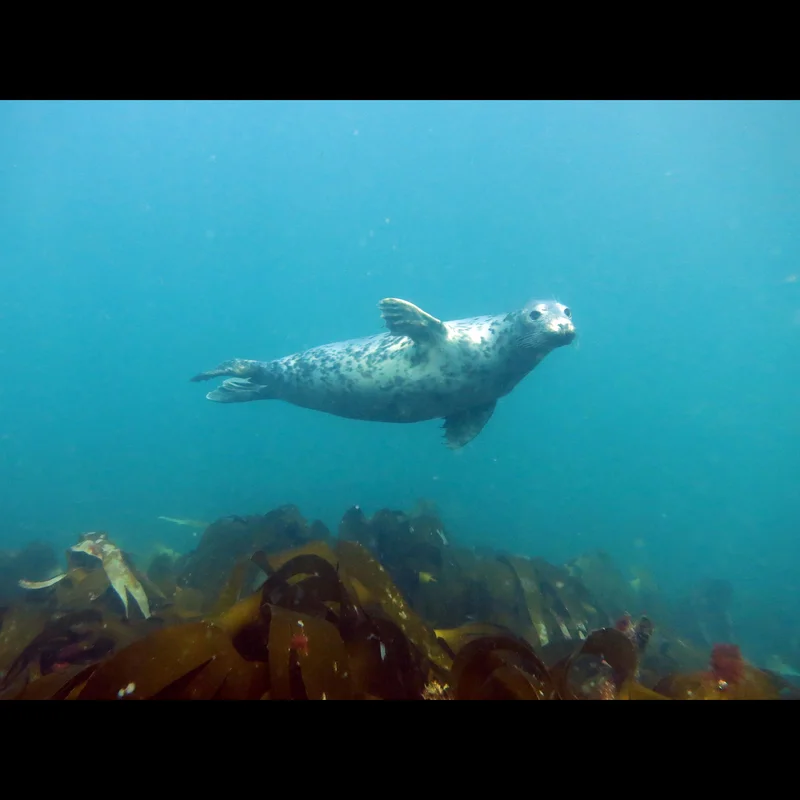
The waters around Skomer Island are a haven for a diverse array of marine life, thriving within its protected status. Divers frequently encounter playful grey seals, especially around shallower walls and broken rocky areas like Rye Rocks, where they often interact with divers.
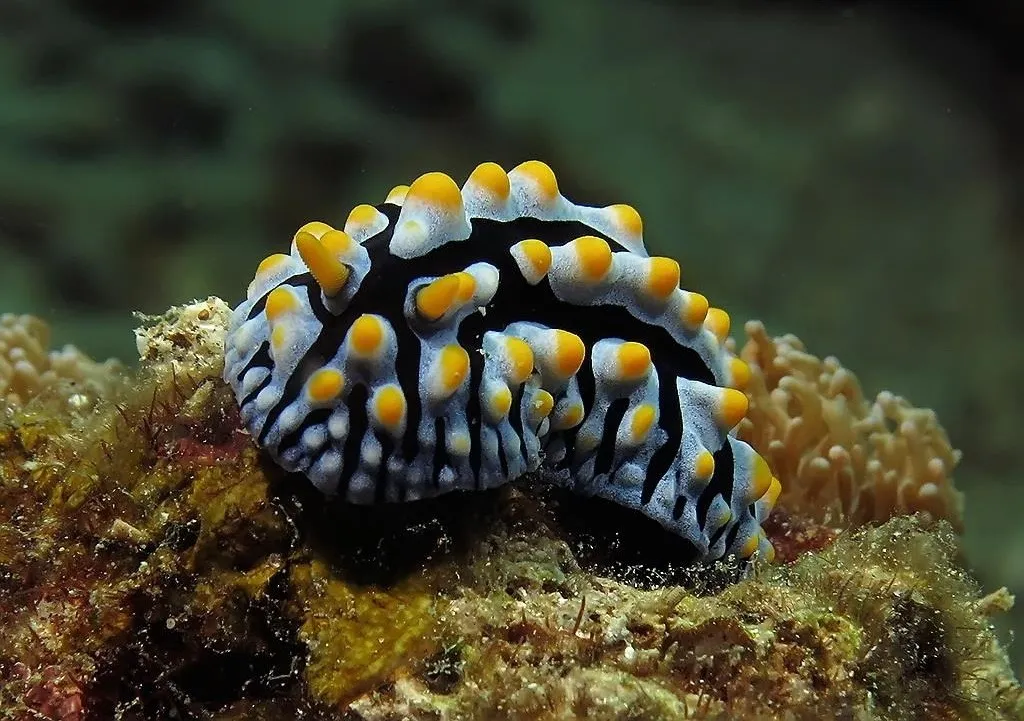
The vibrant reefs and wrecks are adorned with plumose anemones, dead man's fingers, and gorgonians, creating rich habitats. Keep an eye out for congers, various nudibranchs, and an abundance of fish species dwelling amongst the boulders and gullies.
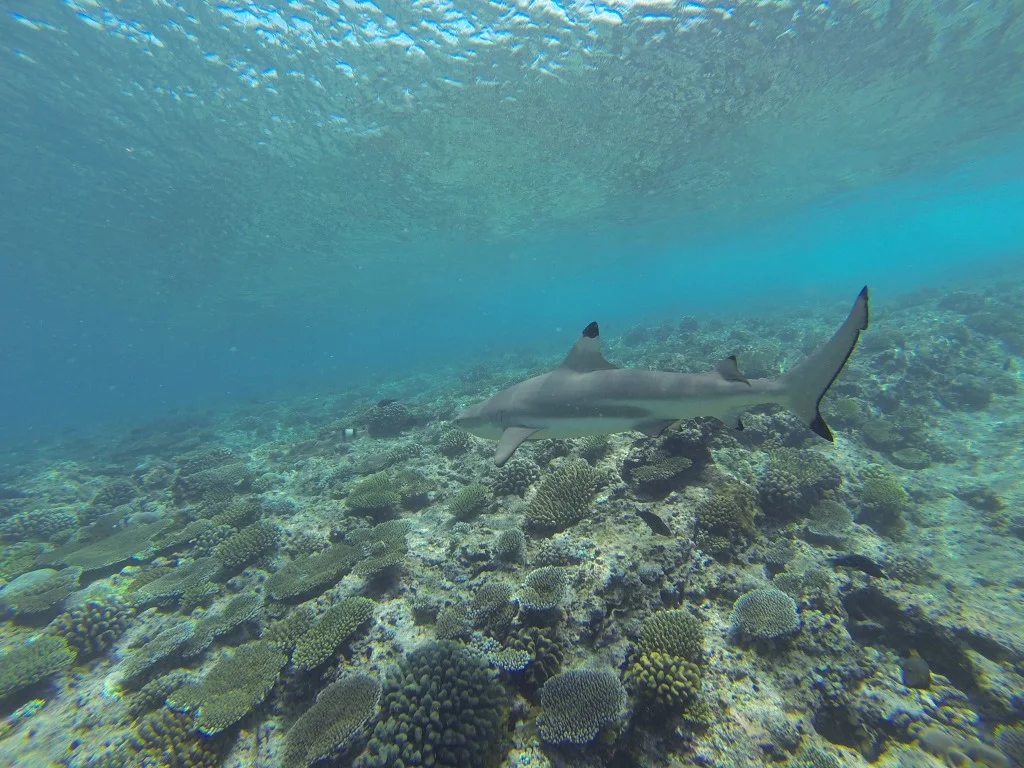
Occasionally, lucky divers might spot trigger fish in the gullies or even larger pelagics such as sharks, whales, or dolphins, though these sightings are less common inside the immediate dive sites.

Dive Centers Near West Wales - Skomer Island
Nearest Airports
Nearest airports to help plan travel to this dive area.
Search Flights
Check available flights and routes on Expedia, using the nearby airports listed in this section.
Search Flights on ExpediaFrequently Asked Questions
Is Skomer Island suitable for all diver levels?
Skomer Island offers dives for a range of experience levels, from beginners to experts. Neap tides typically provide calmer conditions suitable for less experienced divers, while experienced individuals can tackle more challenging drift dives and deeper wrecks. Always consult a local dive shop for current conditions and site suitability.
What are the typical water conditions like around Skomer Island?
Water conditions are characterized by cool North Atlantic temperatures, which are not consistently reported but require appropriate thermal protection like drysuits. Visibility can vary based on tides and weather, and strong currents are a common factor, especially during spring tides. Planning dives around slack water is crucial for managing these conditions.
What kind of marine life can I expect to see?
Divers often encounter playful grey seals, especially in shallow wall areas. The reefs and wrecks host a variety of invertebrates such as plumose anemones, dead man's fingers, and gorgonians. Conger eels, various nudibranchs, and numerous fish species also inhabit the diverse underwater habitats.
Are there any wrecks to explore at Skomer Island?
Yes, Skomer Island's vicinity features several wrecks, most notably the Lucy, a 52-meter (168-foot) coaster. Its stern can be found at approximately 42 m (138 ft) on spring tides, with parts like the bow mast shallower at 12-15 m (39-49 ft) on Rye Rocks, offering exploration opportunities for appropriately trained divers.
How important are tides for diving here?
Tides are extremely important for diving around Skomer Island due to the presence of strong currents. Dives are typically planned around slack water, which is generally two and a half hours after high or low water at Milford Haven. Always verify local tidal information with a dive operator.
What are some recommended dive sites around Skomer Island?
Popular sites include the North Wall, known for its dramatic drop-offs and potential for drift diving, and the wreck of the Lucy. Other recommended spots mentioned are 'Stack Rocks,' 'Hens and Chicks,' and 'Rye Rocks,' which are noted for scenic diving and specific marine encounters like trigger fish and seals.
Is Skomer Island a protected marine area?
Yes, Skomer Island and its surrounding waters are part of the Skomer Marine Nature Reserve, which holds Marine Conservation Zone Protected Status. This designation helps preserve the area's magnificent biodiversity and sensitive marine environment.
Planning to dive West Wales - Skomer Island?
Send one inquiry and receive offers directly from the best verified local dive operators.
Conditions are Poor
High Swell Advisory. Not recommended.
Current conditions near West Wales - Skomer Island show 15° air, 17° sea temperature, 2.4 m waves, and 41 km/h wind. Forecast data is refreshed regularly to ensure accuracy.