
Diving at 3 Mile South Reef, Site D (United States)
Visibility at 3 Mile South Reef, Site D, often benefits from clear, warm waters from the Gulf Stream current, which regularly bathes the Southeast Florida Reef Tract. Good sightlines for divers exploring the area are a consistent outcome of this phenomenon. Conditions typically allow for clear observation of reef formations and diverse marine activity, making it a compelling spot for underwater exploration in the region.
Evening condition tracking at 3 Mile South Reef, Site D features an air temperature of 26°C. We have recorded wave heights measuring 0.4 m during this period. These figures outline the environmental parameters currently present.
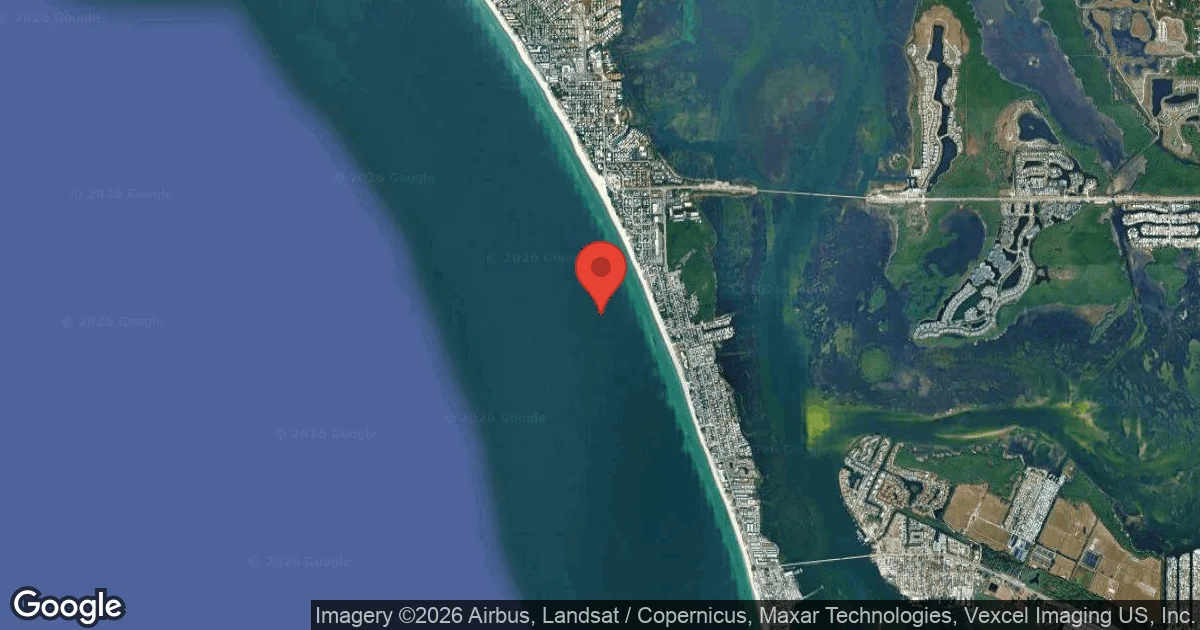
Dive Site Location & Key Facts
Dive Site Overview
Exploring the Southeast Florida Reef Tract, including sites like 3 Mile South Reef, Site D, reveals a rich geological history. Linear reefs in this zone consistently parallel the shoreline, a distinctive feature formed upon ancient lithified sand dunes and fossil corals.
Foundational geology contributed to creating one of the longest continuous reef structures in the western Atlantic. Proximity to shore is a significant advantage, often translating to short boat rides for accessing dive sites, enhancing convenience for many divers. Reefs throughout this extensive region accommodate a wide depth range, from shallower sections suitable at 4.5-12 m (15-40 ft) to deeper areas extending beyond 42 m (140 ft).
This depth variability allows for exploration by divers holding various certifications, from entry-level to advanced. A prevalent diving method here is drift diving, commonly embraced due to consistent prevailing currents running parallel to the coast.
The technique enables divers to cover substantial reef area, providing extended views of the diverse underwater topography and its resident marine life, an experience often preferred over static dives.
Conditions are Good
Optimal conditions expected
Current conditions near 3 Mile South Reef, Site D show 26° air, 31° sea temperature, 0.2 m waves, and 28 km/h wind. Forecast data is refreshed regularly to ensure accuracy.
Best Time to Dive
Optimal diving conditions for 3 Mile South Reef, Site D, are frequently observed between May and September, aligning with higher system-generated dive scores. Surface conditions during these months typically feature air temperatures ranging from 25.5°C (78°F) in May to 29°C (84°F) in August, providing comfortable surface conditions for divers. Wave heights are generally lower, averaging around 0.3-0.5 m (1.0-1.6 ft), and wind speeds tend to be calmer, between 21.8-26.3 km/h (13.5-16.3 mph). These factors collectively contribute to smoother boat rides and enhanced underwater visibility. Water temperatures often mirror the warm air, making longer dives more comfortable without excessive thermal protection. While rainfall is generally moderate during this period, August sees a higher average of 9.4 mm, which might temporarily affect visibility near the surface. Despite potential brief rain, the overall conditions for diving remain favorable, supporting consistent reef exploration and marine life observation.
PEAK SEASON SCORE
Scores combine air & water temps, waves, wind & rainfall for overall conditions.
BEST MONTHS TO DIVE
Monthly records compiled from satellite and marine observation nodes over the last 3 years. Data provided by Open-Meteo and MET Norway.
Dive Experience & Conditions
A distinct aspect of diving at 3 Mile South Reef, Site D, involves navigating its currents, as the Gulf Stream frequently flows close to shore. A consistent current runs parallel to the coastline, creating an ideal environment for drift diving. Divers often report a leisurely glide over the reef, a method allowing for covering significantly more ground than a stationary dive. While specific water temperatures for this exact site aren't consistently reported, warm waters carried by the Gulf Stream generally maintain inviting ocean conditions throughout the year. Experienced divers emphasize observing current flow prior to descent. Pre-dive assessment helps anticipate the drift path and allows for precise dive planning, maximizing exploration efficiency. It's an effective way to immerse oneself in the extensive reef structures and observe the habitat without expending excessive effort against the current.
Dive Difficulty & Safety Guidelines
Approaching 3 Mile South Reef, Site D, requires understanding its current patterns. Since drift diving is a common method here, proper planning with your dive operator is essential to ensure safe entry and exit points. Divers should maintain strong buoyancy control throughout the dive and remain aware of their position relative to the surface support vessel at all times.
Effective communication with surface support is crucial for efficient and safe pickups at the end of a drift. Utilizing a surface marker buoy (SMB) is highly recommended to enhance visibility to the boat crew.
Monitoring prevailing weather and sea conditions before and during the dive contributes significantly to a safe experience, ensuring predictable diving conditions. No site-specific hazards are consistently reported for this particular reef, but general dive safety practices always apply.
Recommended Equipment
- Dive Computer
This gear list is based on verified equipment signals for 3 Mile South Reef, Site D, United States. Always confirm final gear choices with your dive operator, guide, or liveaboard.
Recommended Dive Suit
Exposure protection is partly a personal preference.
Dive skin or rash guard typically provides a reliable level of thermal protection for dives here. Consider warmer surface protection (like a boat coat) due to brisk winds. Environmental conditions are expected to remain consistent in the short-term outlook.
Water temperatures across the dive area at 3 Mile South Reef, Site D are presently estimated to be around 31°C (87°F). Surface air temperatures are resting at 26°C (79°F).
Emergency & Medical Support
Essential information to help you plan your dive trip to 3 Mile South Reef, Site D.

Hyperbaric chambers are a critical part of dive safety infrastructure. Availability varies significantly by region, and not all dive areas have immediate access.
Before diving, it's recommended to:
- confirm nearest medical facilities
- check emergency procedures with local dive operators
- ensure dive insurance covers evacuation if required
Divers Alert Network
Diving emergency assistance available through DAN World.
+1-919-684-9111- 24/7 emergency hotline
- Diving medical assistance
- Evacuation coordination
Emergency contacts are provided for reference. Always verify local emergency services before diving.
Marine Life at 3 Mile South Reef, Site D
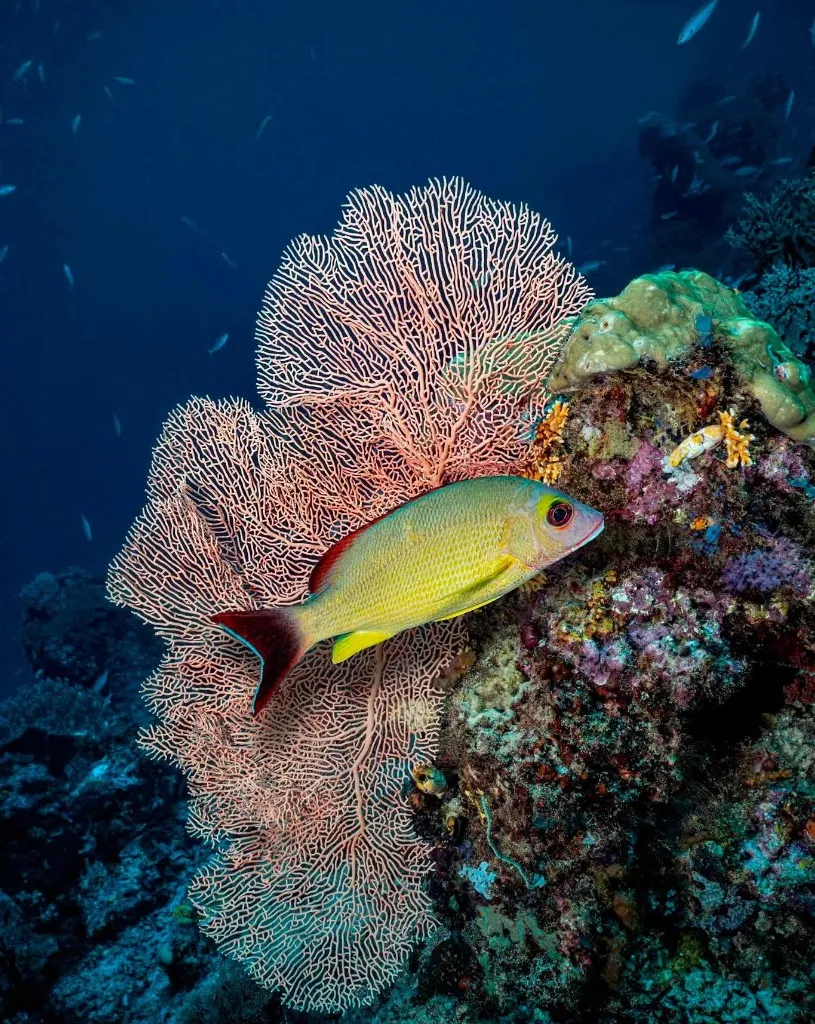
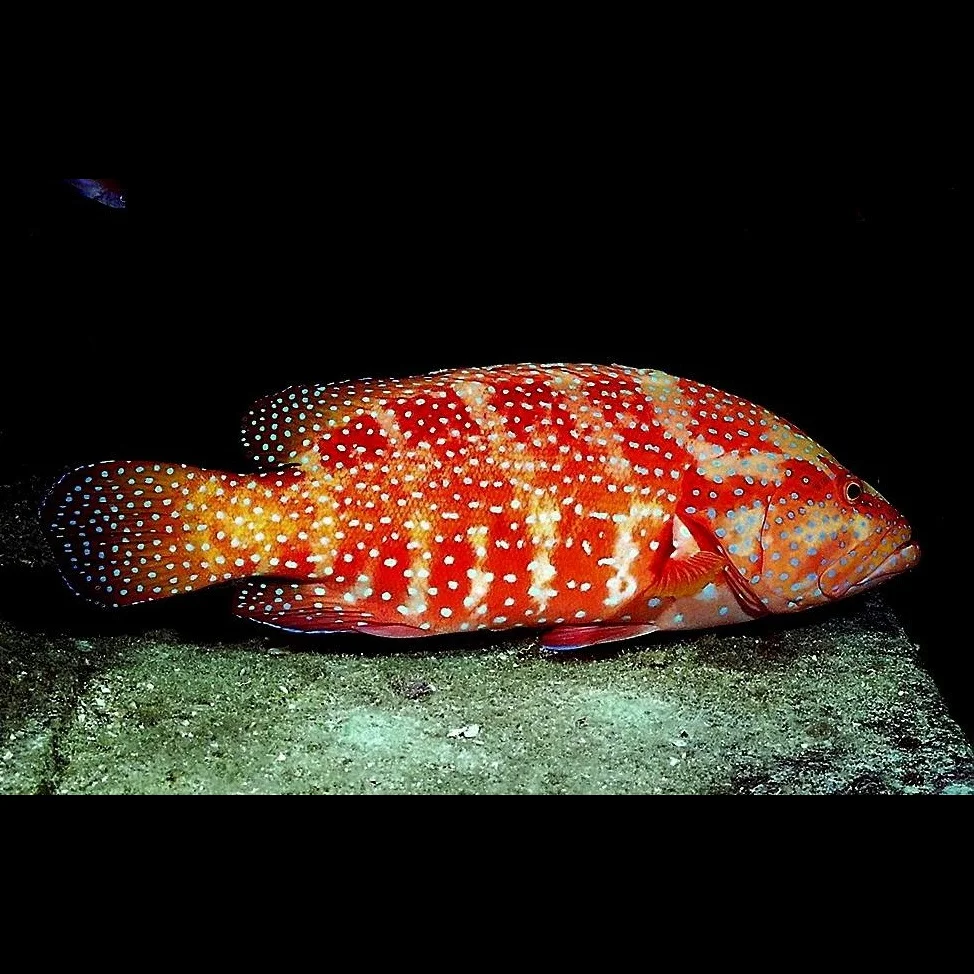
Upon entering the water at 3 Mile South Reef, Site D, divers will often first notice the extensive fish populations thriving along this section of the reef tract. Hundreds of species of fish flourish here, utilizing the complex reef structures for shelter and foraging, including various snapper, grouper, and schooling grunts.
Coral growth has reformed on top of ancient structures, creating vibrant communities of hard and soft corals that provide critical habitat. Observing the varied marine life, from smaller reef dwellers to occasional larger pelagic species passing by in the current, is a common highlight of dives in this area.
The dynamic marine ecosystem supports a rich biodiversity, making each dive an opportunity for new observations.

Dive Sites Near 3 Mile South Reef, Site D
View all dive sites in United StatesDiscover more underwater gems in this area.
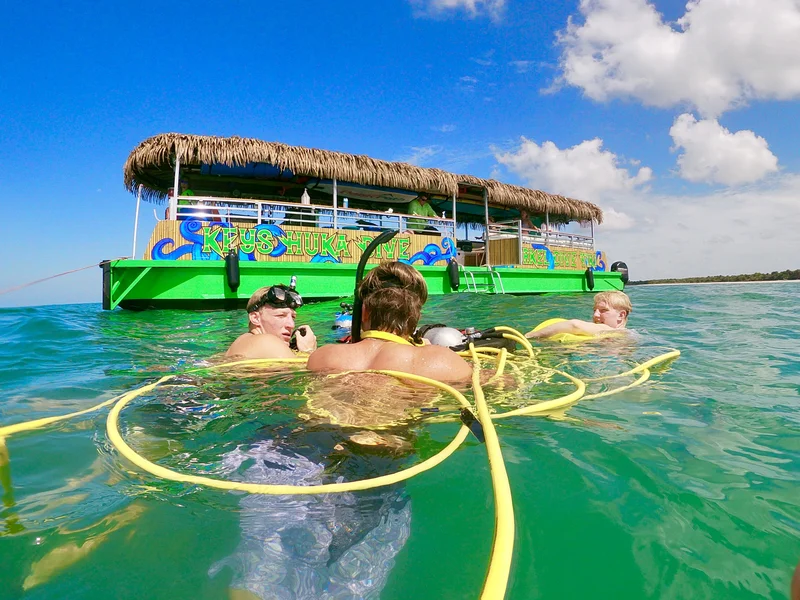
Dive Centers Near 3 Mile South Reef, Site D
Today: 09:00 - 18:00
Nearest Airports
Nearest airports to help plan travel to this dive area.
Search Flights
Check available flights and routes on Expedia, using the nearby airports listed in this section.
Search Flights on Expedia
Plan Your Stay
Looking for a place to stay for your dive trip? Explore hotels, stays, and vacation rentals for dive groups near Bradenton Beach.
Dive Navigator may earn a commission from these links at no extra cost to you.
Frequently Asked Questions
What type of reef is 3 Mile South Reef, Site D?
3 Mile South Reef, Site D, is part of the Southeast Florida Reef Tract, characterized by linear reefs that run parallel to the shoreline. These structures are built upon ancient lithified sand dunes and fossil corals, providing a foundation for current coral growth and marine habitats.
Is drift diving common at this site?
Yes, drift diving is a common and recommended approach for exploring this reef. The prevailing currents in the area often run parallel to the shoreline, allowing divers to cover more reef area as they are carried along by the flow.
What is the general depth range for diving here?
Depths in this region's reef tract vary widely, suitable for various certification levels. Divers can explore shallower sections around 4.5-12 m (15-40 ft) or venture into deeper areas that extend beyond 42 m (140 ft).
When is the best time to dive 3 Mile South Reef, Site D?
The optimal period for diving typically falls between May and September. During these months, air temperatures are warm, wave heights are lower, and wind speeds are calmer, contributing to better surface and underwater conditions.
What kind of marine life can be expected?
A thriving ecosystem exists on these reefs, with hundreds of species of fish flourishing along the coast. Divers can expect to observe a variety of reef fish and the coral formations that have reformed on the underlying ancient structures.
Is the site easily accessible from shore?
The Southeast Florida Reef Tract, including sites like 3 Mile South Reef, Site D, is notably close to shore. This proximity means relatively short boat rides to access the dive sites, with some reefs even accessible from the beach.
Planning to dive 3 Mile South Reef, Site D?
Send one inquiry and receive offers directly from the best verified local dive operators.
Conditions are Good
Optimal conditions expected
Current conditions near 3 Mile South Reef, Site D show 26° air, 31° sea temperature, 0.2 m waves, and 28 km/h wind. Forecast data is refreshed regularly to ensure accuracy.