
Diving at Bahia Honda Reef (United States)
Diving near Bahia Honda Reef often places divers within the strict environmental guidelines of the Florida Keys National Marine Sanctuary, particularly at sites like Looe Key. Adhering to the 'no touch, no take, no fishing' regulations is paramount here, ensuring the ecosystem's delicate balance remains undisturbed. Divers must be mindful of boat traffic, especially during peak seasons, and always maintain proper buoyancy control to prevent accidental coral contact. These measures are critical for preserving the pristine conditions of this protected area.
As evening covers Bahia Honda Reef, the local air temperature is measured at 28.5°C. The current wave height at the surface is recorded at 0.5 m. These late-day readings characterize the surface conditions for the night.
Dive Site Location & Key Facts
Dive Site Overview
Bahia Honda State Park, marked by its distinctive non-functioning railway bridge, serves as more than just a scenic overlook; it's a direct gateway to significant underwater environments. Understanding the historical development of this region, from its pioneering railway days to its establishment as a state park, helps divers appreciate the evolution of conservation efforts now protecting its surrounding waters.
Nearby, Looe Key Reef stands as a sanctuary within the Florida Keys National Marine Sanctuary, designated in the 1980s. This double-sanctuary status underscores its ecological importance and commitment to preservation. Offshore, the Adolphus Busch Sr., a 64 m (210 ft) cargo freighter, was purpose-sunk in 1998, creating a substantial artificial reef that remains fully intact.
Divers exploring these sites experience a rich blend of natural and man-made structures, each contributing to the diverse underwater landscape of the Lower Florida Keys. The park also provides accessible near-shore snorkeling above grassy flats, serving as an introduction to the local marine environment.
Conditions are Good
Optimal conditions expected
Current conditions near Bahia Honda Reef show 28° air, 31° sea temperature, 0.5 m waves, and 29 km/h wind. Forecast data is refreshed regularly to ensure accuracy.
Best Time to Dive
Planning an optimal dive experience at Bahia Honda hinges on understanding its seasonal rhythms. Divers generally find the best conditions from February through July, and again from September to October, when dive scores are consistently rated 'Good'. February provides pleasant air temperatures averaging 22°C (72°F) with minimal rainfall, presenting calm surface conditions. As the months progress into summer, specifically May through July, average air temperatures rise to 29°C (84°F), coinciding with generally calmer seas, making boat excursions particularly comfortable. While rainfall can be higher in June (5.86 mm) and September (5.46 mm), these periods often feature reduced wave heights, averaging around 0.6-0.8 meters (2.0-2.6 ft), which can still provide good underwater visibility. Conversely, months like November and December experience higher wind speeds and increased wave heights, potentially leading to more moderate dive conditions.
PEAK SEASON SCORE
Scores combine air & water temps, waves, wind & rainfall for overall conditions.
BEST MONTHS TO DIVE
Monthly records compiled from satellite and marine observation nodes over the last 3 years. Data provided by Open-Meteo and MET Norway.
Dive Experience & Conditions
The dive sites around Bahia Honda provide a diverse depth profile, catering to both snorkelers and advanced divers. Shallower, near-shore seagrass flats extend directly from the beach, offering depths suitable for exploring starfish and queen conch within a purely visual experience. For more extensive exploration, a boat trip to Looe Key Reef reveals a dynamic environment ranging from 1.5 m (5 ft) to approximately 21 m (70 ft), accommodating all levels of snorkelers and divers. Water temperatures in these tropical waters remain comfortable, encouraging longer bottom times. Deeper dives are found at the Adolphus Busch Sr. wreck, which rests at about 33.5 m (110 ft). This intact cargo freighter offers opportunities for experienced divers to explore its cargo holds, where moray eels often lurk. Visibility varies depending on conditions but is generally good, allowing for clear views of the abundant reef and wreck life.
Dive Difficulty & Safety Guidelines
An expert approach to diving Bahia Honda's associated reefs involves a strong commitment to marine sanctuary rules. Always use designated mooring balls at Looe Key to protect the coral structures from anchor damage; these are crucial for site preservation. Proper buoyancy control is essential to avoid disturbing the fragile reef ecosystems, particularly within the no touch/no take zones.
Divers should maintain a safe, respectful distance from all marine life, including any blacktip sharks or goliath grouper encountered; their presence indicates a healthy ecosystem. Always verify weather conditions before planning any dive, as trips are weather-dependent, and strong winds can significantly impact surface conditions and visibility. Familiarize yourself with emergency procedures and local guidelines before entering the water.
Recommended Equipment
- Dive Computer
This gear list is based on verified equipment signals for Bahia Honda Reef, United States. Always confirm final gear choices with your dive operator, guide, or liveaboard.
Recommended Dive Suit
Divers visiting Bahia Honda Reef today can expect water conditions around 31°C (88°F). Surface air temperatures are resting at 28°C (83°F).
Many divers choose dive skin or rash guard when diving in similar conditions. A hood or vest is suggested for sensitive divers due to surface winds.
Forecast models show minimal temperature variation in the coming days.
Emergency & Medical Support
Essential information to help you plan your dive trip to Bahia Honda Reef.

Hyperbaric chambers are a critical part of dive safety infrastructure. Availability varies significantly by region, and not all dive areas have immediate access.
Before diving, it's recommended to:
- confirm nearest medical facilities
- check emergency procedures with local dive operators
- ensure dive insurance covers evacuation if required
Divers Alert Network
Diving emergency assistance available through DAN World.
+1-919-684-9111- 24/7 emergency hotline
- Diving medical assistance
- Evacuation coordination
Emergency contacts are provided for reference. Always verify local emergency services before diving.
Marine Life at Bahia Honda Reef
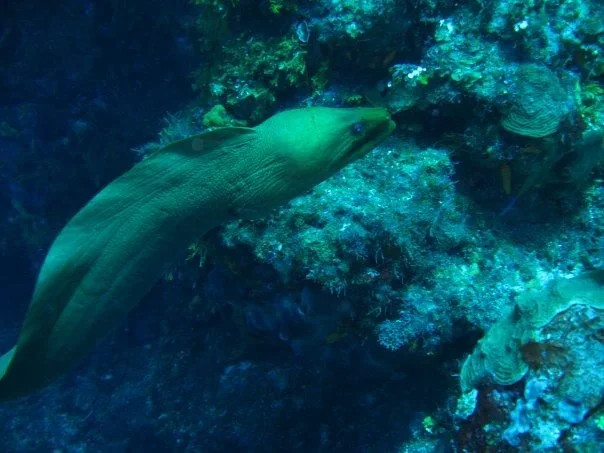
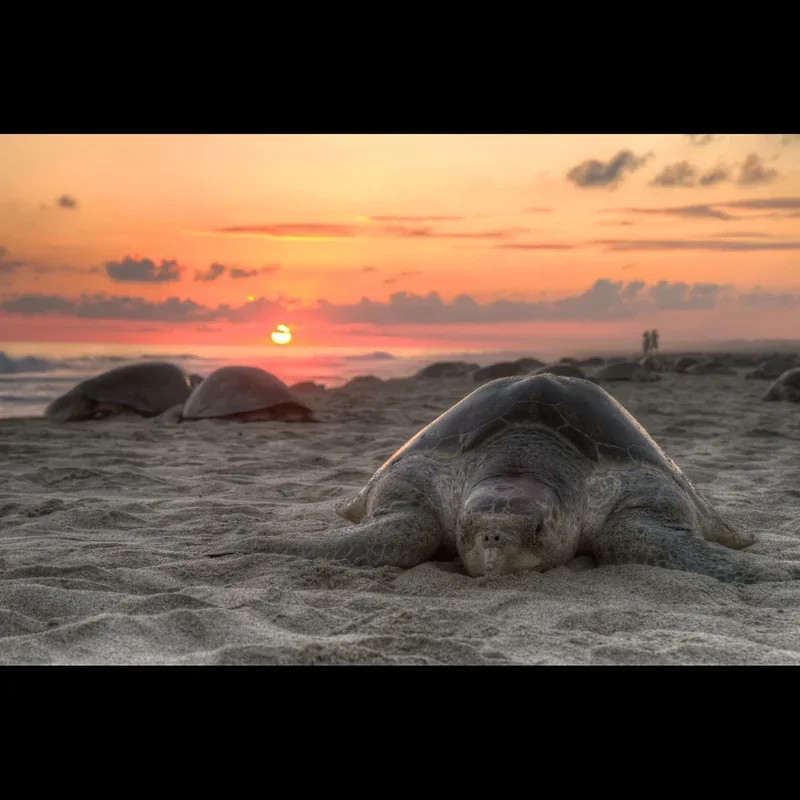
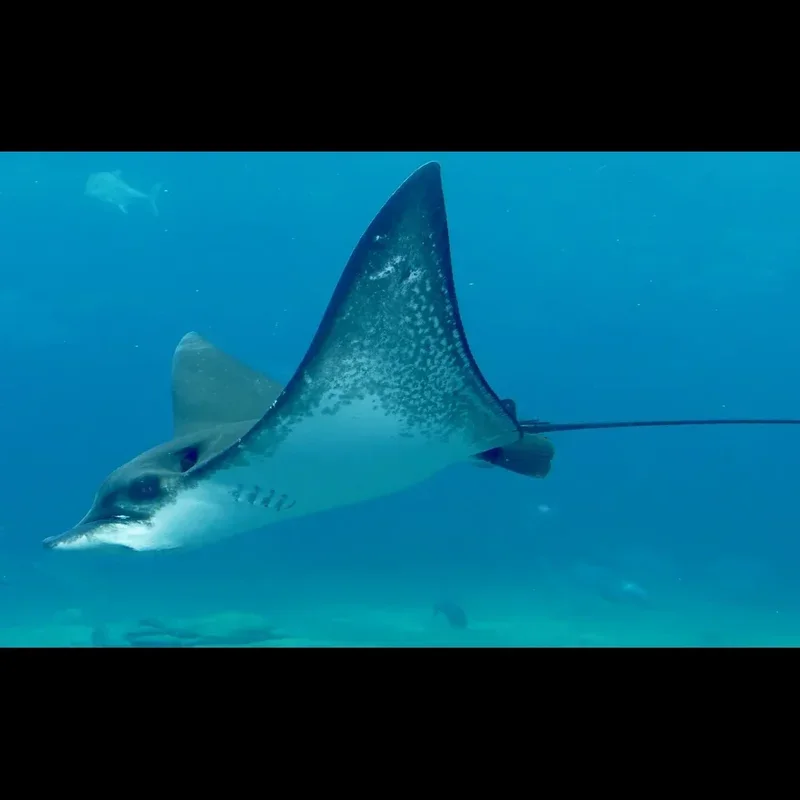
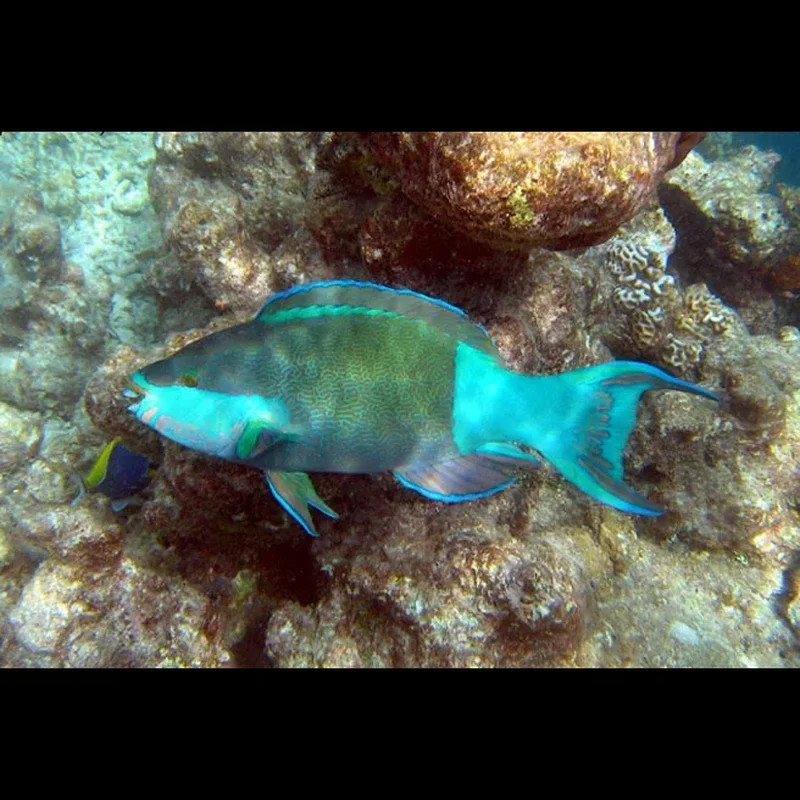
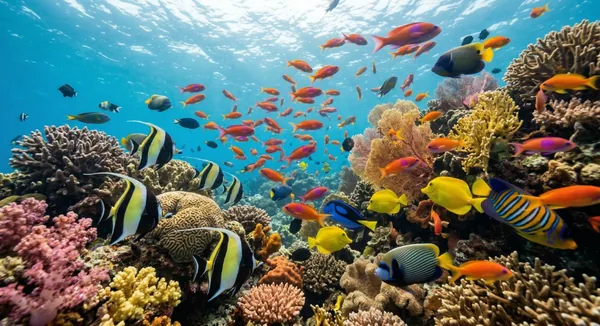
The vibrant coral formations and extensive reef structures around Bahia Honda provide crucial habitats for a wide array of marine species. Divers routinely encounter massive parrotfish navigating the reef, alongside various schooling reef fish that populate the shallows and deeper sections.
Pufferfish often blend into the seascape, while larger pelagics like eagle rays and sea turtles glide through the water column. Lucky divers might even spot blacktip sharks, a sign of a thriving environment.
On the Adolphus Busch Sr. wreck, resident moray eels can be found lurking within the wheelhouse, and during summer months, silversides school, attracting massive goliath grouper gathering in the depths to mate.
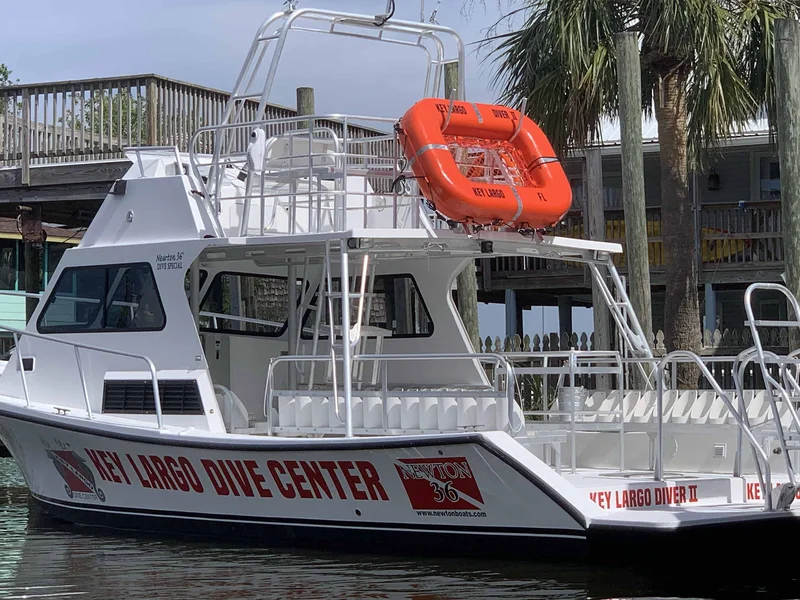
Dive Centers Near Bahia Honda Reef
Today: 08:00 - 18:00
Nearest Airports
Nearest airports to help plan travel to this dive area.
Search Flights
Check available flights and routes on Expedia, using the nearby airports listed in this section.
Search Flights on Expedia
Plan Your Stay
Looking for a place to stay for your dive trip? Explore hotels, stays, and vacation rentals for dive groups near Big Pine Key.
Dive Navigator may earn a commission from these links at no extra cost to you.
Frequently Asked Questions
Can I snorkel directly from Bahia Honda State Park beach?
Yes, near-shore snorkeling is available right off the beach. You can explore seagrass beds and rocky, hard bottom areas. Here, you might spot spiny lobsters, starfish, or queen conch.
What is Looe Key Reef and why is it special?
Looe Key Reef is part of the Florida Keys National Marine Sanctuary and is also designated as a sanctuary preservation area within it. This double protected status makes it especially important for conservation. Divers and snorkelers visit to explore its vibrant marine life.
What depths can I expect at Looe Key Reef?
Depths at Looe Key Reef vary considerably, accommodating both snorkelers and divers. Ranging from approximately 1.5 m (5 ft) in shallower sections to about 21 m (70 ft) in deeper areas, the site allows for diverse underwater experiences.
Is there a wreck dive near Bahia Honda?
Yes, the Adolphus Busch Sr. wreck is a prominent dive site nearby. A 64 m (210 ft) cargo freighter, it was intentionally sunk as an artificial reef in 1998, resting at a maximum depth of approximately 33.5 m (110 ft). It's a popular spot for advanced divers.
What marine life might I encounter on the Adolphus Busch Sr. wreck?
The Adolphus Busch Sr. wreck attracts a variety of marine life. You might see resident moray eels within the wheelhouse. During summer months, silversides often school on the wreck, drawing in massive goliath grouper.
Are there any specific regulations for diving in the area?
Diving in the Florida Keys National Marine Sanctuary, especially at Looe Key, requires adherence to strict 'no touch, no take, no fishing' rules. Divers must use designated mooring balls to protect coral and maintain excellent buoyancy control. These guidelines are crucial for preserving the delicate ecosystem.
Planning to dive Bahia Honda Reef?
Send one inquiry and receive offers directly from the best verified local dive operators.
Conditions are Good
Optimal conditions expected
Current conditions near Bahia Honda Reef show 28° air, 31° sea temperature, 0.5 m waves, and 29 km/h wind. Forecast data is refreshed regularly to ensure accuracy.