
Diving at Bayou Bash (United States)
Exploring the dive landscape around Bayou Bash, divers gain access to a significant array of artificial reef sites across the United States' Gulf Coast. This region, a known destination for wreck enthusiasts, offers diverse underwater structures ranging from barges to aircraft carriers. Local dive operations facilitate trips to these sites, providing comprehensive support for certified divers. Planning a trip here often means preparing for some rewarding wreck diving.
Starting the day at Bayou Bash, the ambient air temperature is recorded at 29°C. Ongoing monitoring shows wave heights measuring 0.3 m. This data represents the current surface conditions for early activities.
Dive Site Location & Key Facts
Dive Site Overview
The underwater narrative in the region is largely defined by its extensive artificial reef program, transforming decommissioned vessels and purpose-built structures into vibrant marine habitats. Wreck diving dominates the scene, with notable sites like the USS Oriskany, a formidable aircraft carrier that rests at depths beginning around 24 m (81 ft) and plunging to 64 m (212 ft).
Its extensive flight deck, at 44 m (146 ft), remains largely below typical recreational depth limits. Shallower sites, such as the Pete Tide II barge, provide wending passages through its open holds and wheelhouse. Other significant structures include the Avocet, a clamshell dredge at 35 m (115 ft), and the more recently sunk RMS Atlantis at 38 m (125 ft).
These sites, managed by local initiatives, actively support marine biodiversity, demonstrating a successful blend of conservation and adventurous diving. Bayou Divers, a PADI Five-Star facility, supports divers in this broad area, often organizing dive travel to explore these impressive underwater historical remnants.
Conditions are Excellent
07:00 - 14:00
Optimal conditions expected
Current conditions near Bayou Bash show 29° air, 30° sea temperature, 0.3 m waves, and 23 km/h wind. Forecast data is refreshed regularly to ensure accuracy.
Best Time to Dive
Optimizing a dive experience near Bayou Bash generally involves considering the regional climate patterns. Air temperatures typically range from a cooler 11°C (52°F) in January to a warm 28°C (82°F) in August, making summer and early fall comfortable for surface activities. While specific water temperature data for the wider region is not consistently reported, observations from the Florida Panhandle in May noted temperatures dropping from 25.5°C (78°F) to 20°C (68°F) at 5 m (15 ft) depth, suggesting a 5mm wetsuit is advisable even in warmer months. Rainfall varies throughout the year, with average monthly totals ranging from a low of 1.3 mm (0.05 inches) in October to a high of 6.3 mm (0.25 inches) in December and September, impacting surface visibility less than local currents or algal blooms. Wave heights are generally manageable, averaging below 1 meter (3 feet), though wind speeds can reach up to 20 km/h (12 mph) in spring.
PEAK SEASON SCORE
Scores combine air & water temps, waves, wind & rainfall for overall conditions.
BEST MONTHS TO DIVE
Monthly records compiled from satellite and marine observation nodes over the last 3 years. Data provided by Open-Meteo and MET Norway.
Dive Experience & Conditions
Entering the water reveals dive profiles spanning a wide range, catering to both advanced and technically trained divers. While some shallower sections of artificial reefs might be accessible, many of the significant wreck sites require experience with deeper diving. For instance, the USS Oriskany presents a complex dive, with its deepest points far exceeding recreational limits. Visibility can fluctuate, often described as a pea-green murk, particularly during certain seasons or after weather events. This lower visibility adds to the dramatic emergence of the wrecks as divers descend. Water temperatures, as observed in the Florida Panhandle during May, can vary significantly with depth, potentially requiring thicker exposure protection. Divers should anticipate a range from roughly 20-25.5°C (68-78°F) depending on the month and specific depth. Strong currents are not consistently reported but can occur, influencing drift considerations.
Dive Difficulty & Safety Guidelines
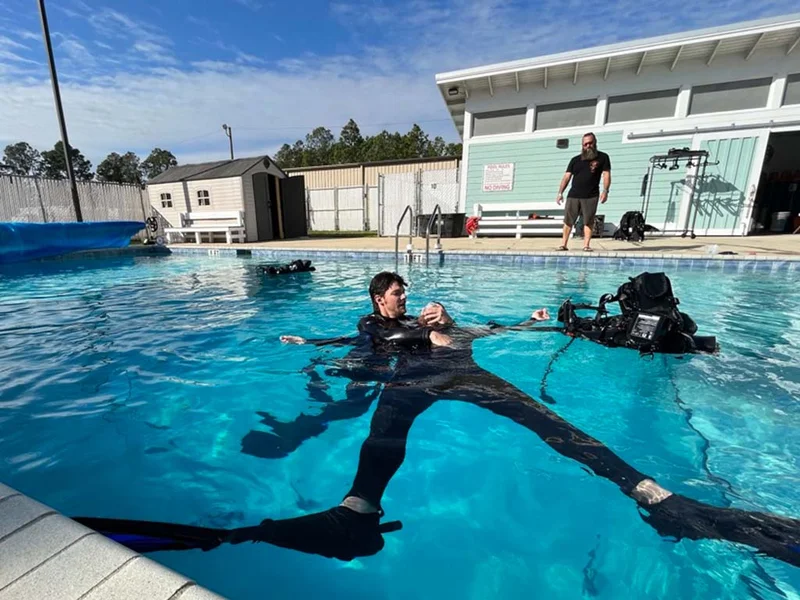
For a secure dive outing in this wreck-rich environment, thorough preparation is crucial. Local dive operators, such as Bayou Divers, Dive Pros, Niuhi Dive Charters, and ScubaTech, are instrumental resources for safe site access and guidance.
They emphasize proper certification for the intended dive depth and complexity; an Open Water certification is a starting point, but Advanced Open Water and wreck specialties are highly recommended for deeper wreck exploration. Always dive within your training limits, especially when considering wreck penetration, which demands specialized skills and equipment.
Reviewing dive plans with local experts helps account for variable visibility and potential currents. Proper exposure protection, like a 5mm wetsuit, should be part of the standard gear, given the reported water temperatures.
Recommended Equipment
- Dive Computer
This gear list is based on verified equipment signals for Bayou Bash, United States. Always confirm final gear choices with your dive operator, guide, or liveaboard.
Recommended Dive Suit
Thermal protection such as dive skin or rash guard is commonly used for water temperatures in this range.
Current readings at Bayou Bash show water temperatures near 30°C (86°F). Surface air temperatures are resting at 29°C (84°F).
A modest cooling trend is expected in the upcoming forecast. Cooler days are ahead; you might want a warmer option for later in the week. Having a second exposure option available is often a good precaution.
Emergency & Medical Support
Essential information to help you plan your dive trip to Bayou Bash.

Hyperbaric chambers are a critical part of dive safety infrastructure. Availability varies significantly by region, and not all dive areas have immediate access.
Before diving, it's recommended to:
- confirm nearest medical facilities
- check emergency procedures with local dive operators
- ensure dive insurance covers evacuation if required
Divers Alert Network
Diving emergency assistance available through DAN World.
+1-919-684-9111- 24/7 emergency hotline
- Diving medical assistance
- Evacuation coordination
Emergency contacts are provided for reference. Always verify local emergency services before diving.
Marine Life at Bayou Bash
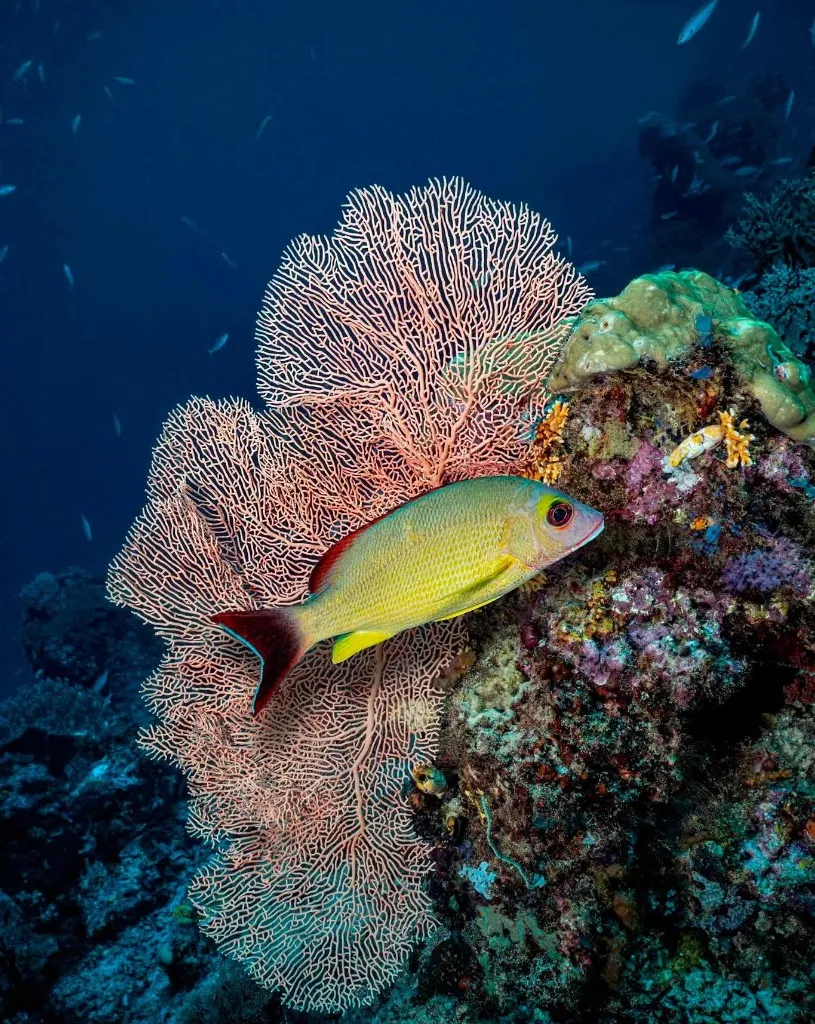
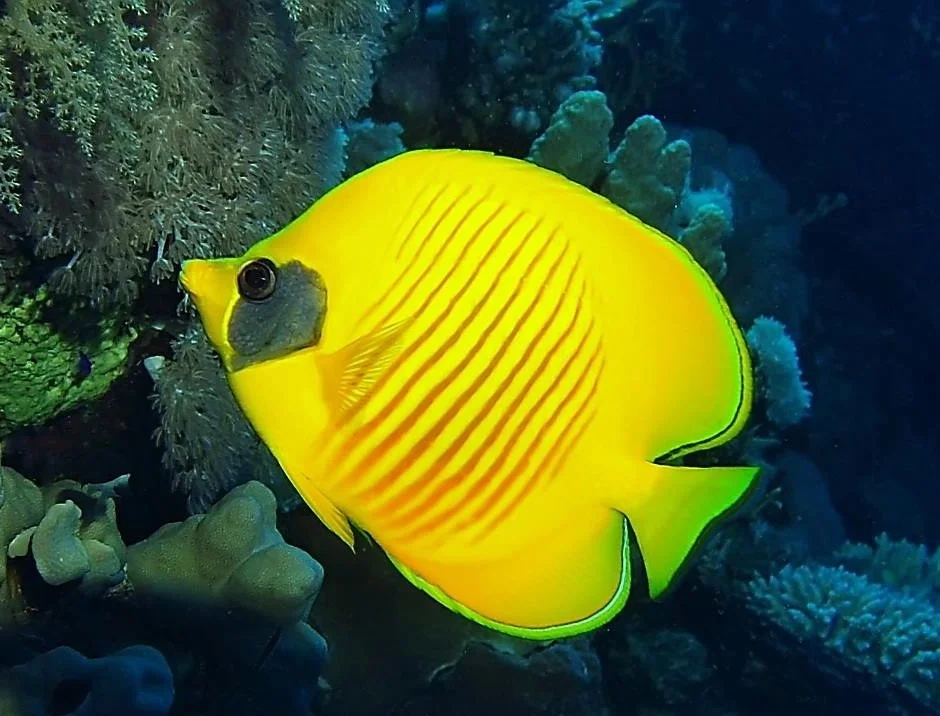
The artificial reef structures here create dynamic ecosystems, acting as critical habitats for a variety of marine species. Divers routinely encounter snapper, butterflyfish, and triggerfish navigating the intricate contours of the wrecks.
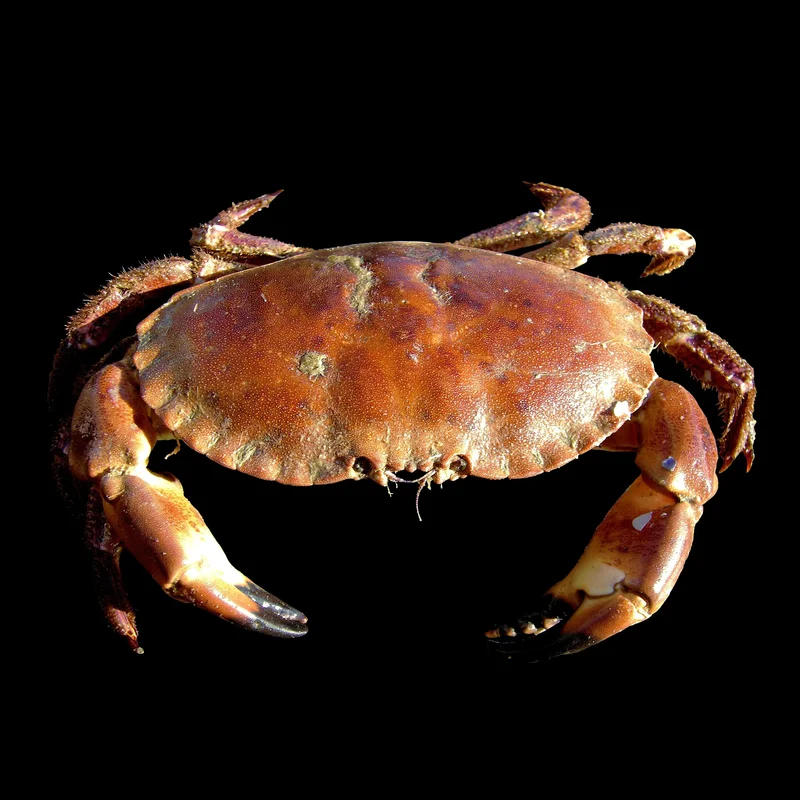
Larger residents, such as goliath grouper, often hover unperturbed near the structures. Closer inspection reveals smaller, fascinating creatures like arrow crabs, which pose calmly amidst the growth.
The wrecks themselves are covered in a tapestry of marine life, including giant barnacles, various algae, and urchins. On the USS Oriskany, vibrant yellow coral has colonized sections of the tower, adding striking color to the historical steel.

Dive Centers Near Bayou Bash
Today: 09:00 - 16:00
Nearest Airports
Nearest airports to help plan travel to this dive area.
Search Flights
Check available flights and routes on Expedia, using the nearby airports listed in this section.
Search Flights on Expedia
Plan Your Stay
Looking for a place to stay for your dive trip? Explore hotels, stays, and vacation rentals for dive groups near Mexico Beach.
Dive Navigator may earn a commission from these links at no extra cost to you.
Frequently Asked Questions
What type of diving is most prominent in the Bayou Bash region?
Wreck diving is the predominant type of diving in this region of the United States Gulf Coast. Numerous artificial reefs, formed from decommissioned ships and structures, create diverse underwater environments for exploration.
Are there dive opportunities for beginners?
While many significant wreck sites require advanced training due to depth, local dive shops like Bayou Divers offer PADI Open Water Diver certification. Some shallower sections of artificial reefs may be suitable for less experienced divers, but specific site access often depends on skill level and local conditions.
What are the typical water temperatures?
Specific region-wide water temperature data is not consistently reported. However, observations from the Florida Panhandle in May indicated water temperatures dropping from 25.5°C (78°F) at the surface to 20°C (68°F) at 5 m (15 ft) depth. Divers should anticipate variation based on season and depth.
What kind of marine life can be observed on the wrecks?
The artificial reefs host a variety of marine life, including snapper, butterflyfish, and triggerfish. Divers might also spot goliath grouper, arrow crabs, barnacles, algae, and urchins, with vibrant yellow coral noted on sections of the USS Oriskany.
What is the visibility like?
Visibility in the region can be variable, sometimes described as murky or pea-green. This can depend on seasonal factors, weather, and currents, often creating a dramatic effect as the wrecks emerge from the depths.
Which dive shops operate in this area?
Several dive shops serve the broader Gulf Coast region, including Bayou Divers (a PADI Five-Star facility serving North Louisiana, South Arkansas, and Western Mississippi), Dive Pros in Pensacola, and ScubaTech in Destin-Fort Walton Beach. These operators can assist with gear, training, and dive trips.
Planning to dive Bayou Bash?
Send one inquiry and receive offers directly from the best verified local dive operators.
Conditions are Excellent
07:00 - 14:00
Optimal conditions expected
Current conditions near Bayou Bash show 29° air, 30° sea temperature, 0.3 m waves, and 23 km/h wind. Forecast data is refreshed regularly to ensure accuracy.