
Diving at Beasley Park Snorkel Reef (United States)
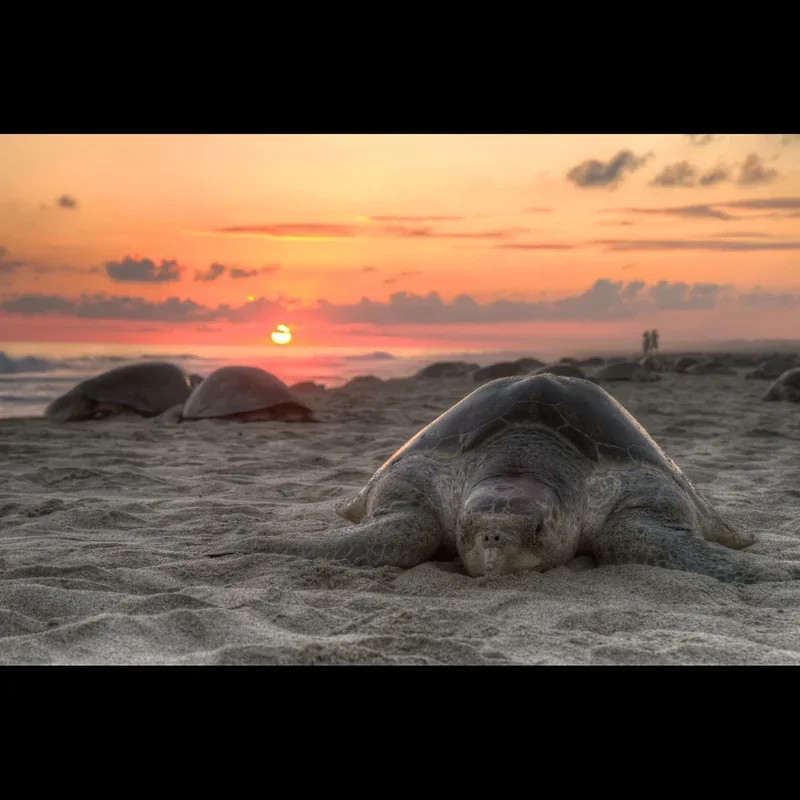
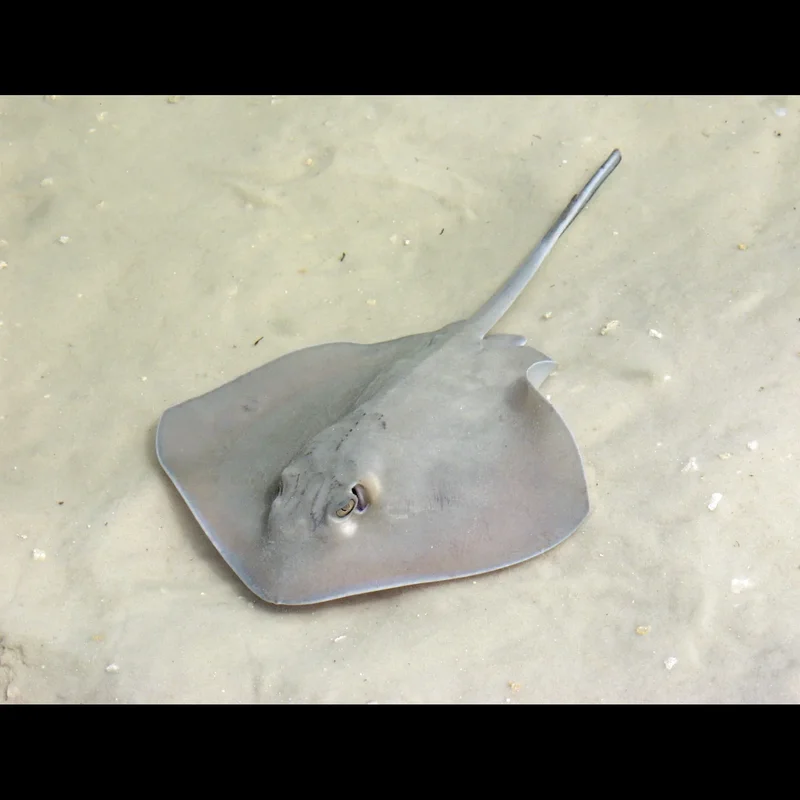
Beasley Park Snorkel Reef serves as a dynamic artificial habitat, purposefully designed to foster a thriving underwater ecosystem. These structures attract a variety of marine life, including frequent visits from sea turtles, schools of bait fish, and sightings of cobia, flounder, and stingrays. It's a localized point of interest for observing various species.
Tonight's objective overview for Beasley Park Snorkel Reef shows an air temperature of 29.5°C. The measured surface conditions include wave heights around 0.4 m. This environmental data is logged for the close of the day.
Dive Site Location & Key Facts
Dive Site Overview
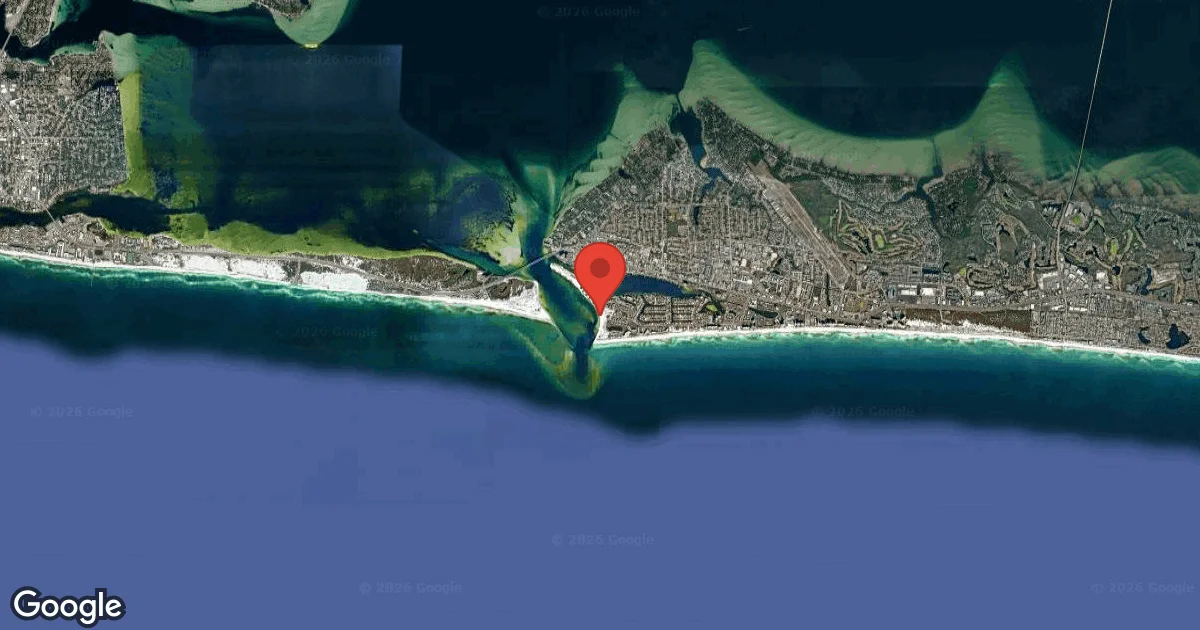
Embarking on a dive at Beasley Park Snorkel Reef offers an accessible entry into Florida's Gulf waters, with its artificial reef systems situated just 183 to 366 meters (600 to 1,200 ft) from shore. These man-made structures, composed of concrete, steel, and limestone, were intentionally deployed to create a sustainable food source and provide crucial shelter for marine species.
Divers and snorkelers can explore depths ranging from 3.7 to 7.6 meters (12-25 ft), making this an ideal location for entry-level certified divers or those seeking shallow, relaxed conditions. Part of a broader network installed since 2015, these reefs are designed to be reachable directly from the beach, although a paddleboard or kayak can significantly ease access to the further sections. A primary goal of these structures is ecological restoration, providing habitat in areas previously lacking natural formations.
Visibility varies, but clear, warm summer waters generally offer good viewing opportunities, as confirmed by local reports highlighting increased marine activity during these months. Preparing for a 'green flag day' ensures the easiest conditions for a successful outing, minimizing effort required to reach the sites.
Such a setup creates a straightforward site for observing local aquatic residents, fostering a calm and engaging underwater exploration without significant logistical demands. Signs explaining reef systems and how to locate them are commonly available at the parks.
Conditions are Excellent
07:00 - 14:00
Optimal conditions expected
Current conditions near Beasley Park Snorkel Reef show 30° air, 30° sea temperature, 0.3 m waves, and 19 km/h wind. Forecast data is refreshed regularly to ensure accuracy.
Best Time to Dive
Optimal visibility and comfortable conditions often coincide during the warmer months at Beasley Park Snorkel Reef. Local experts indicate summer is the best time, correlating with generally warmer water temperatures and more marine activity. Air temperatures during July and August average around 28-28.5°C (82-83°F), contributing to pleasant surface conditions. Rainfall during these peak summer months, such as July and August, typically averages around 4.6-6.1 mm, which is moderate and less likely to drastically impact nearshore visibility compared to heavier rain events. While water temperature isn't consistently reported, warmer air suggests comfortable snorkeling without extensive thermal protection during this period. Conversely, winter months see average air temperatures drop significantly, ranging from 10°C (50°F) in January to 14°C (57°F) in February, which may necessitate thicker wetsuits. Wave heights are generally lower in summer, around 0.5-0.6 meters (1.6-2.0 ft), contributing to clearer water and easier access from shore. It’s always prudent to consult the local beach flag system on the day of your visit to confirm safe and clear water conditions, specifically seeking 'green flag' days for optimal entry and underwater clarity.
PEAK SEASON SCORE
Scores combine air & water temps, waves, wind & rainfall for overall conditions.
BEST MONTHS TO DIVE
Monthly records compiled from satellite and marine observation nodes over the last 3 years. Data provided by Open-Meteo and MET Norway.
Dive Experience & Conditions
Physical access to Beasley Park's underwater structures involves a direct entry from the beach for divers and snorkelers. A manageable path leads to the reef structures, though utilizing a paddleboard or kayak is a practical consideration for the roughly 183-366 meter (600-1,200 ft) swim, particularly with gear. Once overhead, the reef's artificial structures become visible in the shallow maximum depth of 7.6 meters (25 ft). Cylindrical cement and limestone formations provide immediate points of interest, forming small, diverse habitats. Encircling these structures, you'll observe how marine life has begun to colonize them, offering a close-up view of a developing ecosystem. Relatively shallow depth and calm conditions typically permit extended bottom times, allowing ample opportunity for observation. Paying attention to local tides ensures an easier surface swim back to shore.
Dive Difficulty & Safety Guidelines
Navigating the Beasley Park Snorkel Reef requires mindful adherence to established safety practices. A primary challenge involves the surface swim from shore to the reef; distances of up to 366 meters (1,200 ft) necessitate good physical conditioning. Local authorities advise consulting the beach flag system daily, as 'green flag' conditions indicate calmer waters and safer access.
Divers are legally required to display a diver-down flag or buoy to alert boat traffic to their presence. Given the distance, a flotation device such as a boogie board or kayak is highly recommended for surface support, allowing divers to rest if needed.
While strong currents aren't consistently reported as a major hazard, local conditions can change rapidly. Always remember that accessing these reefs is at your own risk, so a buddy system is essential for safety and support.
Recommended Equipment
- Dive Computer
This gear list is based on verified equipment signals for Beasley Park Snorkel Reef, United States. Always confirm final gear choices with your dive operator, guide, or liveaboard.
Recommended Dive Suit
Individual comfort in the water can vary significantly from diver to diver, even under the same conditions.
For most recreational dives, dive skin or rash guard should provide comfortable protection. The coming days appear slightly cooler according to the latest forecast. A significant temperature drop is forecast; strongly suggest bringing a backup warmer suit option. Carrying a secondary suit is common practice among experienced divers.
Current temperature readings suggest that the water at Beasley Park Snorkel Reef is around 30°C (87°F). Surface air temperatures are resting at 30°C (85°F).
Emergency & Medical Support
Essential information to help you plan your dive trip to Beasley Park Snorkel Reef.

Hyperbaric chambers are a critical part of dive safety infrastructure. Availability varies significantly by region, and not all dive areas have immediate access.
Before diving, it's recommended to:
- confirm nearest medical facilities
- check emergency procedures with local dive operators
- ensure dive insurance covers evacuation if required
Divers Alert Network
Diving emergency assistance available through DAN World.
+1-919-684-9111- 24/7 emergency hotline
- Diving medical assistance
- Evacuation coordination
Emergency contacts are provided for reference. Always verify local emergency services before diving.
Marine Life at Beasley Park Snorkel Reef
Beasley Park Snorkel Reef's underwater landscape is defined by its purposeful artificial structures, which have quickly become foundations for local marine inhabitants. Concrete and limestone elements create a series of sheltered nooks and surfaces, attracting numerous bait fish schools that swirl around the formations.
Divers frequently encounter sea turtles gracefully navigating the reef. Keep an eye out for bottom dwellers like flounder and various stingrays resting on the sandy patches surrounding the structures.
Occasional sightings of cobia also add to the diversity, demonstrating the success of these newly established habitats in attracting a range of species.

Dive Sites Near Beasley Park Snorkel Reef
View all dive sites in United StatesDiscover more underwater gems in this area.
Dive Centers Near Beasley Park Snorkel Reef
Today: 08:00 - 17:00
Nearest Airports
Nearest airports to help plan travel to this dive area.
Search Flights
Check available flights and routes on Expedia, using the nearby airports listed in this section.
Search Flights on Expedia
Plan Your Stay
Looking for a place to stay for your dive trip? Explore hotels, stays, and vacation rentals for dive groups near Fort Walton Beach.
Dive Navigator may earn a commission from these links at no extra cost to you.
Frequently Asked Questions
What are the typical depths at Beasley Park Snorkel Reef?
Generally, reefs here are shallow, with depths ranging between 3.7 to 7.6 meters (12-25 ft). Such depths make them well-suited for snorkelers and divers seeking recreational ranges.
How far are the reefs from the shore?
Reef structures are situated approximately 183 to 366 meters (600 to 1,200 ft) from the shoreline. Divers typically cover this distance with a surface swim from the beach access.
What marine life can I expect to see here?
Artificial reefs here attract a variety of species. Divers commonly observe sea turtles, schools of bait fish, flounder, and stingrays. Occasional sightings of cobia also occur.
What is the best way to access the reefs?
While it's possible to swim directly from the beach, a paddleboard or kayak is recommended. These flotation devices can significantly assist with the surface transit to and from the reef, especially when carrying gear.
Are there any specific safety guidelines to follow?
Yes, always check the local beach flag system for current conditions, aiming for 'green flag' days. A diver-down flag or buoy is legally required while diving. Using a buddy system is also highly advisable.
What materials are the artificial reefs constructed from?
Artificial reefs at Beasley Park are constructed from durable materials such as concrete, steel, and limestone. These elements are designed to provide a stable and sustainable foundation for marine growth.
When were these artificial reefs installed?
Reefs at Beasley Park are part of a network of artificial reefs that began deployment in 2015, with some specific installations occurring as recently as 2019. They are relatively new habitats.
Planning to dive Beasley Park Snorkel Reef?
Send one inquiry and receive offers directly from the best verified local dive operators.
Conditions are Excellent
07:00 - 14:00
Optimal conditions expected
Current conditions near Beasley Park Snorkel Reef show 30° air, 30° sea temperature, 0.3 m waves, and 19 km/h wind. Forecast data is refreshed regularly to ensure accuracy.