
Diving at Captain Mike Neal's Reef #2 (United States)
Approaching many reef sites in the Florida Keys, divers should remain vigilant for varying currents and boat traffic, which can present navigational challenges. While specific hazards for Captain Mike Neal's Reef #2 aren't consistently reported, local conditions often demand careful planning. Maintaining situational awareness is key on any recreational dive here.
Tonight's objective overview for Captain Mike Neal's Reef #2 shows an air temperature of 28.5°C. The measured surface conditions include wave heights around 0.4 m. This environmental data is logged for the close of the day.
Dive Site Location & Key Facts
Dive Site Overview
The waters of the Florida Keys are home to numerous dive sites, ranging from natural coral formations to purposely deployed artificial reefs. Captain Mike Neal's Reef #2 likely fits within this diverse underwater landscape, contributing to the region's vast network of dive opportunities.
Information specific to this exact numbered reef is limited in available public records. However, such sites typically offer divers a chance to explore a structure or natural formation that serves as a habitat for marine life, often within recreational diving limits. Depths on similar artificial reefs and natural patches in the Keys commonly range from 10-30 m (30-100 ft), suitable for certified open water divers.
These sites, whether natural or artificial, are designed to enhance the marine ecosystem, providing shelter and feeding grounds.
Conditions are Good
07:00 - 14:00
Optimal conditions expected
Current conditions near Captain Mike Neal's Reef #2 show 29° air, 30° sea temperature, 0.3 m waves, and 13 km/h wind. Forecast data is refreshed regularly to ensure accuracy.
Best Time to Dive
For an optimal dive experience in the Florida Keys, planning your visit outside the peak hurricane season often proves beneficial, although excellent conditions prevail for much of the year. Historically, monthly dive scores consistently register as 'Good,' often scoring 7 or 8 out of 10. Air temperatures show a wide range, from around 11°C (52°F) in January to 28°C (82°F) in August, suggesting generally pleasant surface conditions for most seasons. Wave heights tend to be lower during summer months, averaging around 0.6 m (2 ft) from July through September, which can contribute to calmer seas and better visibility. Wind speeds are also generally lower during these months, averaging 14-15 km/h (9-9.3 mph), making for a more comfortable boat ride to the site. Rainfall varies, with higher averages in summer and early fall, but typically consists of short, localized showers that don't always impact diving significantly.
PEAK SEASON SCORE
Scores combine air & water temps, waves, wind & rainfall for overall conditions.
BEST MONTHS TO DIVE
Monthly records compiled from satellite and marine observation nodes over the last 3 years. Data provided by Open-Meteo and MET Norway.
Dive Experience & Conditions
Descending into the inviting waters of the Florida Keys, divers encounter a submerged world characterized by its vibrant, yet sometimes subtle, beauty. Specific water temperatures for Captain Mike Neal's Reef #2 are not consistently reported, but general regional trends indicate comfortable conditions for much of the year, especially from late spring through early autumn. Visibility can vary significantly, ranging from 15-30 m (50-100 ft) on exceptional days, to lower ranges during periods of strong currents or after heavy rainfall. Divers often experience mild to moderate currents here, influencing dive planning and requiring good buoyancy control. The reef structure itself, likely a blend of natural hardbottom or an artificial deployment, provides varying nooks and crannies to explore.
Dive Difficulty & Safety Guidelines
Diving in the Florida Keys, including sites like Captain Mike Neal's Reef #2, generally accommodates a range of certified divers, from open water to more advanced skill levels depending on prevailing conditions. It's crucial for divers to be aware of and respect local environmental regulations, particularly those established by the Florida Keys National Marine Sanctuary. Always dive within your certification limits and plan your dive thoroughly.
Stronger currents can sometimes develop, so a surface marker buoy (SMB) is a smart safety accessory. Given the typical depths found in the Keys, divers should monitor their bottom time and ascent rates to prevent decompression sickness. Staying with your buddy and maintaining good communication are fundamental practices.
Recommended Equipment
- Dive Computer
This gear list is based on verified equipment signals for Captain Mike Neal's Reef #2, United States. Always confirm final gear choices with your dive operator, guide, or liveaboard.
Recommended Dive Suit
Divers who spend more time observing marine life often prefer slightly warmer gear.
The water around Captain Mike Neal's Reef #2 is currently holding at approximately 30°C (87°F), setting the tone for today's dives. Surface air temperatures are resting at 29°C (83°F). Water temperatures in this range are often well suited to diving with dive skin or rash guard. Consider warmer surface protection (like a boat coat) due to brisk winds.
A modest cooling trend is expected in the upcoming forecast. Cooler days are ahead; you might want a warmer option for later in the week. A thicker wetsuit may be worth considering for extended dives.
Due to technical issues with our weather providers, data hasn't been fetched for over 48 hours. The data above reflects the conditions at the time of the last successful fetch.
Emergency & Medical Support
Essential information to help you plan your dive trip to Captain Mike Neal's Reef #2.

Hyperbaric chambers are a critical part of dive safety infrastructure. Availability varies significantly by region, and not all dive areas have immediate access.
Before diving, it's recommended to:
- confirm nearest medical facilities
- check emergency procedures with local dive operators
- ensure dive insurance covers evacuation if required
Divers Alert Network
Diving emergency assistance available through DAN World.
+1-919-684-9111- 24/7 emergency hotline
- Diving medical assistance
- Evacuation coordination
Emergency contacts are provided for reference. Always verify local emergency services before diving.
Marine Life at Captain Mike Neal's Reef #2
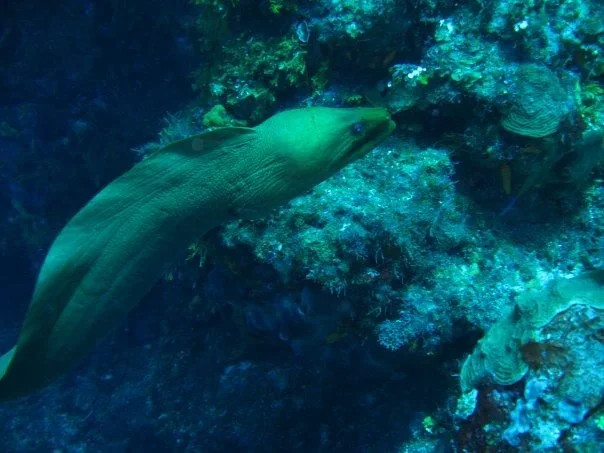
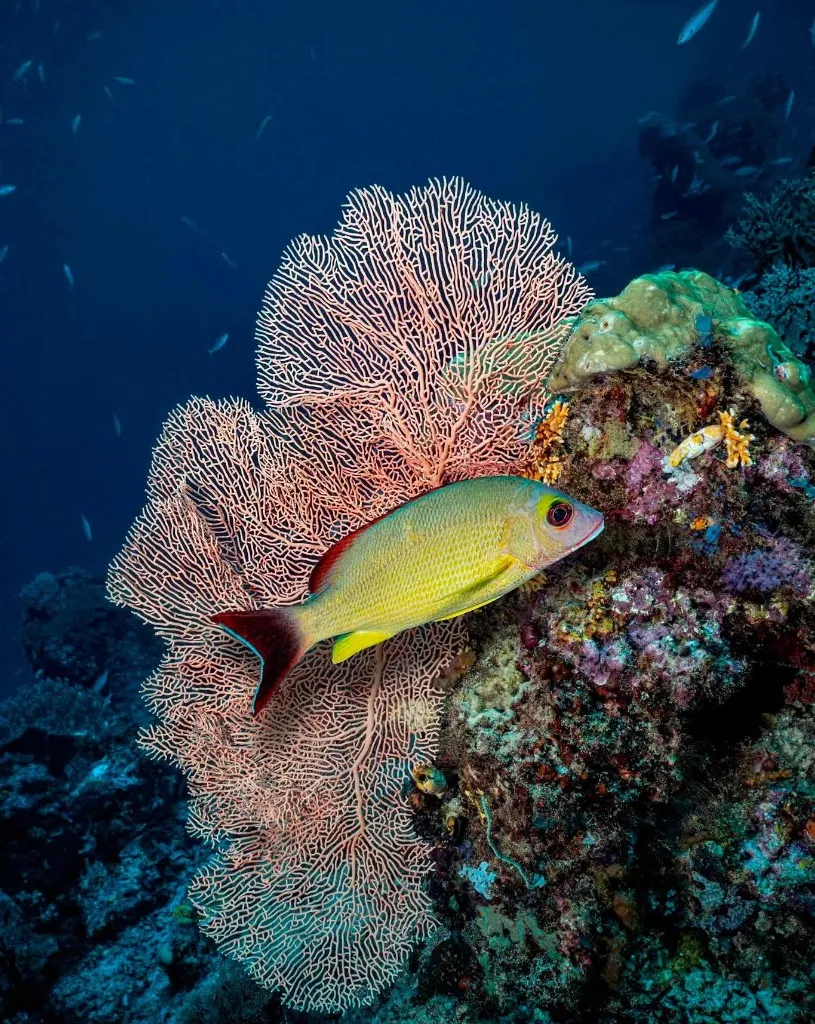
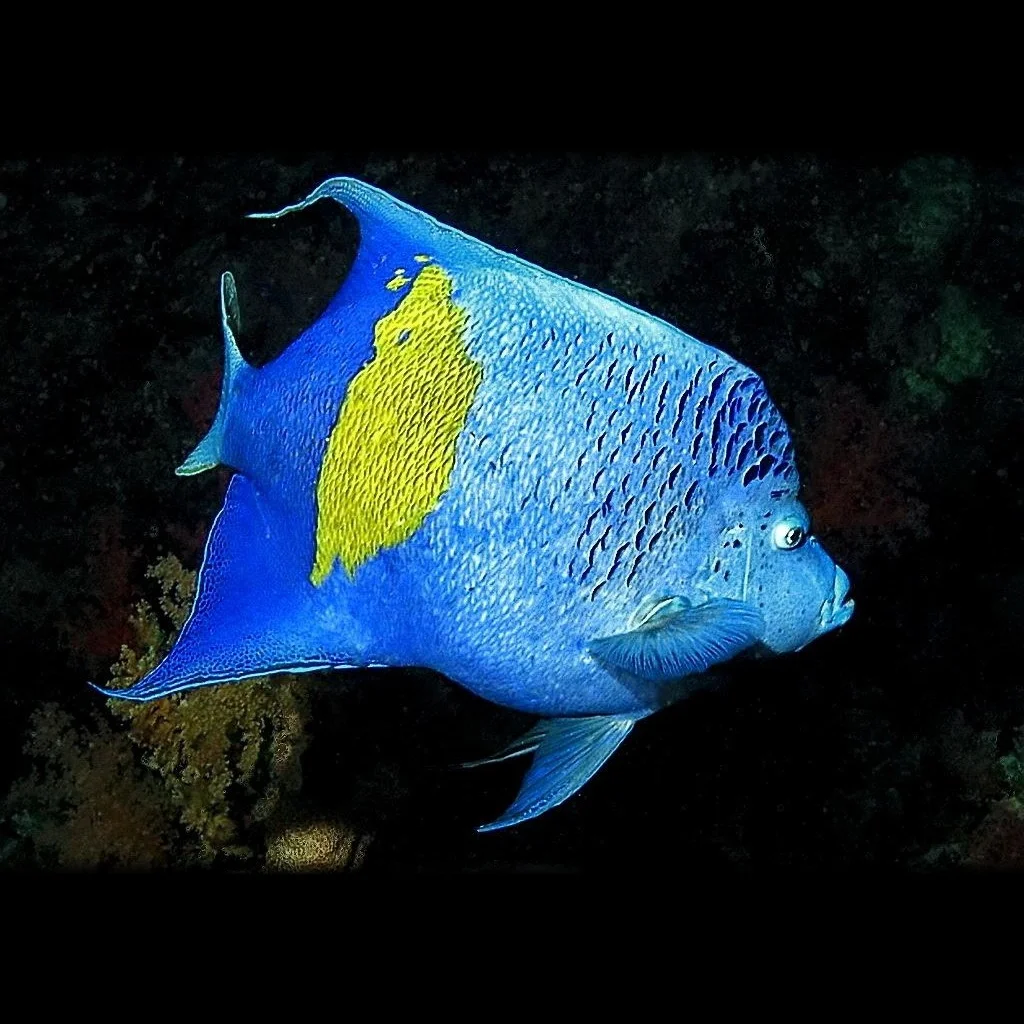
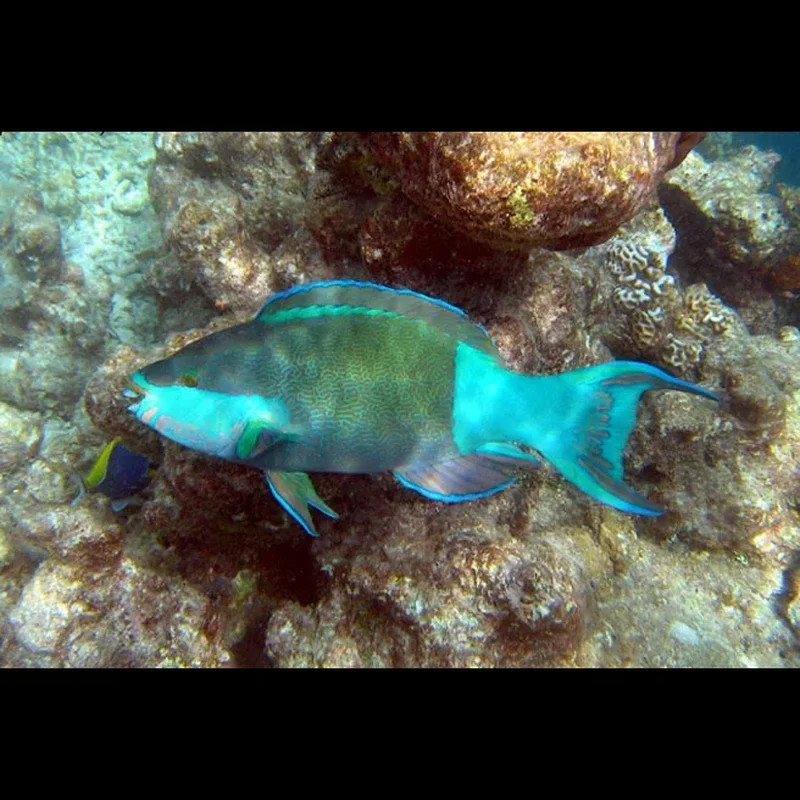
Beneath the surface, the underwater landscape of many Florida Keys reefs, including those similar to Captain Mike Neal's Reef #2, often reveals a foundation of hard and soft corals. Expect to observe various tropical fish species common to the region, such as angelfish, parrotfish, and snapper, navigating the reef's crevices.
Encounters with larger pelagic species, though less common, are possible in deeper sections or during certain seasons. Keep an eye out for moray eels tucked into rocky overhangs.
The general ecosystem supports diverse invertebrate life, adding further intricate details to the reef structure.
Dive Centers Near Captain Mike Neal's Reef #2
Today: 09:00 - 16:00
Nearest Airports
Nearest airports to help plan travel to this dive area.
Search Flights
Check available flights and routes on Expedia, using the nearby airports listed in this section.
Search Flights on Expedia
Plan Your Stay
Looking for a place to stay for your dive trip? Explore hotels, stays, and vacation rentals for dive groups near Mexico Beach.
Dive Navigator may earn a commission from these links at no extra cost to you.
Frequently Asked Questions
What is the typical depth range for Captain Mike Neal's Reef #2?
While precise depths for Captain Mike Neal's Reef #2 are not detailed, similar reefs and artificial structures in the Florida Keys generally range from 10 to 30 meters (30 to 100 feet). This depth range makes it accessible to most recreational certified divers.
What kind of marine life can I expect to see?
Diving in the Florida Keys often reveals a variety of tropical fish, including snapper, parrotfish, and angelfish. You might also spot moray eels, various crustaceans, and different types of hard and soft corals that form the reef's habitat. Specific highlights for this particular reef are not consistently reported.
Are there strong currents at Captain Mike Neal's Reef #2?
Currents in the Florida Keys can vary from mild to moderate, depending on tides and weather conditions. It's always advisable to check local dive reports before your excursion. Divers should be prepared for potential currents and have good buoyancy control.
What is the best time of year to dive this reef?
The Florida Keys offer good diving conditions year-round, with monthly dive scores consistently rated 'Good'. Late spring through early fall typically sees warmer air temperatures and calmer seas. However, this also coincides with higher rainfall averages and hurricane season.
Is this a natural or artificial reef?
Given the 'Reef #2' designation and the prevalence of artificial reef programs in the Florida Keys, it is likely an artificial structure or a specifically named section of a natural reef. Many such sites are intentionally deployed to create new marine habitats.
What certification level is recommended for Captain Mike Neal's Reef #2?
The general depths of reefs in this region typically make them suitable for Open Water certified divers. However, if deeper sections exist or currents are strong, Advanced Open Water certification might be beneficial for a more comfortable and safer experience.
Planning to dive Captain Mike Neal's Reef #2?
Send one inquiry and receive offers directly from the best verified local dive operators.
Conditions are Good
07:00 - 14:00
Optimal conditions expected
Current conditions near Captain Mike Neal's Reef #2 show 29° air, 30° sea temperature, 0.3 m waves, and 13 km/h wind. Forecast data is refreshed regularly to ensure accuracy.