
Diving at Causeway Reef #28 (United States)
Beneath the Gulf's surface, Causeway Reef #28 emerges as a vibrant testament to deliberate conservation efforts, offering divers a captivating underwater landscape. This site is part of a larger artificial reef program initiated to bolster marine habitat and enhance diving experiences off Florida's coast. It provides a rich tapestry of history and marine activity for certified divers exploring its depths. Expect an engaging encounter with constructed ecosystems.
Evening condition tracking at Causeway Reef #28 features an air temperature of 27°C. We have recorded wave heights measuring 0.3 m during this period. These figures outline the environmental parameters currently present.
Dive Site Location & Key Facts
Dive Site Overview
Causeway Reef #28, like much of the broader Indian Shores Reef system, comprises a varied collection of artificial structures designed to foster marine growth. Early deployments in Pinellas County starting in 1965 included items such as concrete pillboxes, metal pipes, and later, concrete slabs, culvert sections, and handrails.
Divers exploring this area can encounter several notable wrecks; among them are the main structures of two World War II Landing Ships, LSM 1 and LSM 2, located at depths reaching approximately 30 m (98 ft), requiring an Advanced Open Water certification. Further highlights include an 80 ft (24 m) steel-hulled tugboat, the Orange, sunk in 2004, and a 240 ft (73 m) upside-down salt hopper barge resting between 10-21 m (32-68 ft).
These submerged features create intricate environments, supporting diverse fish populations and providing ample opportunities for exploration. The site's topography varies from open reef sections to more enclosed wreck environments, catering to different dive preferences.
Conditions are Moderate
Optimal conditions expected
Current conditions near Causeway Reef #28 show 27° air, 31° sea temperature, 0.4 m waves, and 39 km/h wind. Forecast data is refreshed regularly to ensure accuracy.
Best Time to Dive
Planning a dive at Causeway Reef #28, considering visibility and comfort, is often best from May through September. May particularly stands out with an 'Excellent' dive score, minimal average rainfall around 1.39 mm, and favorable wave heights averaging 0.5 m (1.6 ft). Water temperatures during the summer months can be quite inviting, reported around 27°C (81°F) in similar Florida reef areas. July typically records the lowest average wave height at 0.3 m (1.0 ft) and the lowest wind speeds at 20.3 km/h (12.6 mph), potentially offering the calmest surface conditions. Air temperatures during this period generally range from 26°C (79°F) in May to 28.5°C (83°F) in August, making topside comfort high. For those interested in specific marine encounters, August and September are known for goliath grouper aggregations on local reefs.
PEAK SEASON SCORE
Scores combine air & water temps, waves, wind & rainfall for overall conditions.
BEST MONTHS TO DIVE
Monthly records compiled from satellite and marine observation nodes over the last 3 years. Data provided by Open-Meteo and MET Norway.
Dive Experience & Conditions
Visibility around Causeway Reef #28 generally presents good conditions, often reaching 14 m (45 ft) when local currents and weather align favorably. Occasionally, a slight current can be present, creating opportunities for gentle drift dives along certain reef sections. Divers will find various structures, ranging from concrete modules to significant shipwrecks, which accommodate diverse dive profiles. For Open Water certified divers, exploring shallower artificial reef areas is readily accessible. Meanwhile, Advanced Open Water divers can descend to deeper wreck sites, including the main Landing Ship structures, which demand a higher skill level. Expect a blend of open reef areas and more intricate, confined structures as you navigate this artificial environment. This varied topography allows for both relaxed observation of established marine life and more engaged wreck exploration, depending on your chosen dive within the broader reef system and your specific certification level. Approaching these sites requires attention to buoyancy, particularly near the many crevices and ledges that serve as habitat.
Dive Difficulty & Safety Guidelines
While Causeway Reef #28 offers rewarding diving, understanding potential hazards is essential for a safe experience. Strong currents can be present, particularly around the Upside-down Barge Wreck, where they are reported to potentially seal off entrance points within minutes. Penetrating any wreck, especially the barge, is explicitly considered dangerous due to these unpredictable currents and the inherent risks of overhead environments.
Divers should ensure they possess the appropriate certification level for planned depths and wreck exploration, with Advanced Open Water recommended for the deeper Landing Ship wrecks. Always dive within your training limits and consider local dive operator briefings for up-to-date conditions.
Maintaining good buoyancy control is crucial, especially when navigating around the artificial structures and fragile marine growth.
Recommended Equipment
- Dive Computer
This gear list is based on verified equipment signals for Causeway Reef #28, United States. Always confirm final gear choices with your dive operator, guide, or liveaboard.
Recommended Dive Suit
Conditions in the coming days are expected to stay within a similar temperature range.
Factors such as dive duration, depth, and activity level can influence how warm a diver feels underwater.
Dive skin or rash guard typically balances flexibility and thermal protection in these temperatures. A hood or vest is suggested for sensitive divers due to surface winds. The latest environmental readings for Causeway Reef #28 suggest water temperatures around 31°C (87°F). Surface air temperatures are resting at 27°C (81°F).
Emergency & Medical Support
Essential information to help you plan your dive trip to Causeway Reef #28.

Hyperbaric chambers are a critical part of dive safety infrastructure. Availability varies significantly by region, and not all dive areas have immediate access.
Before diving, it's recommended to:
- confirm nearest medical facilities
- check emergency procedures with local dive operators
- ensure dive insurance covers evacuation if required
Divers Alert Network
Diving emergency assistance available through DAN World.
+1-919-684-9111- 24/7 emergency hotline
- Diving medical assistance
- Evacuation coordination
Emergency contacts are provided for reference. Always verify local emergency services before diving.
Marine Life at Causeway Reef #28
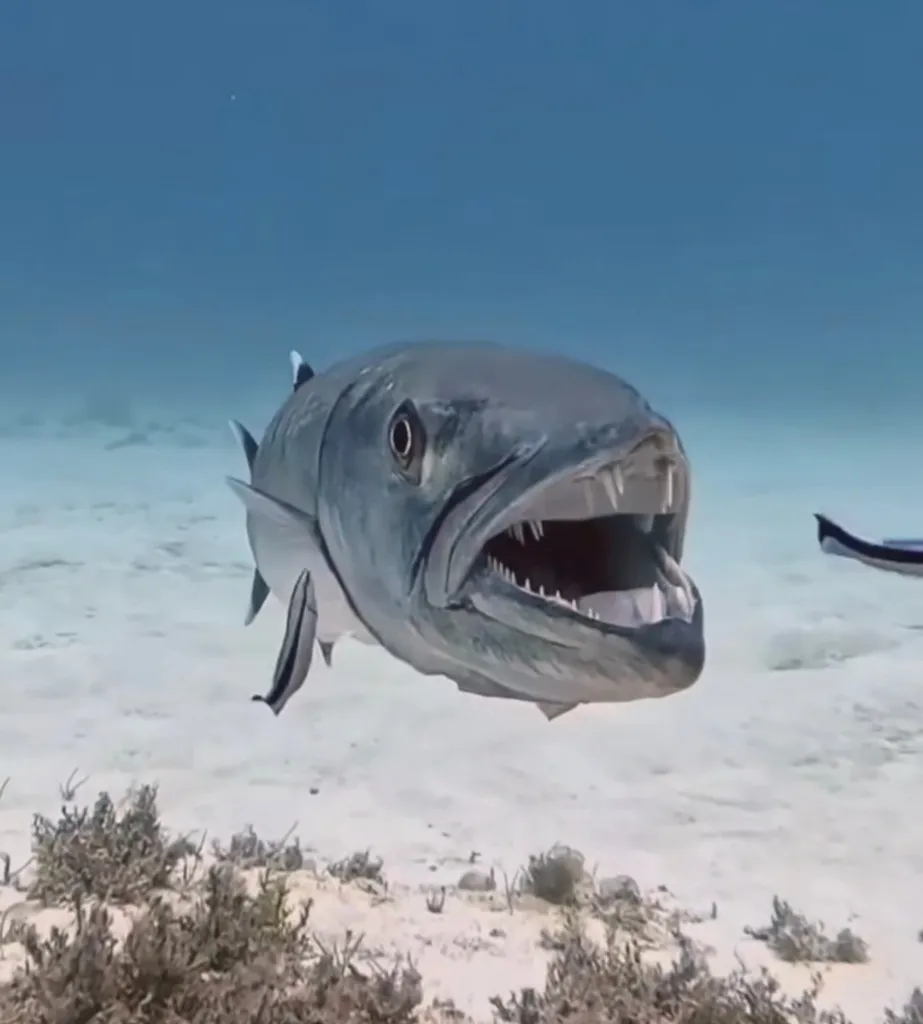
The artificial reef structures at Causeway Reef #28 attract a notable variety of marine life. Divers frequently observe goliath groupers, often in aggregations during late summer months, alongside blacktip sharks and barracuda.
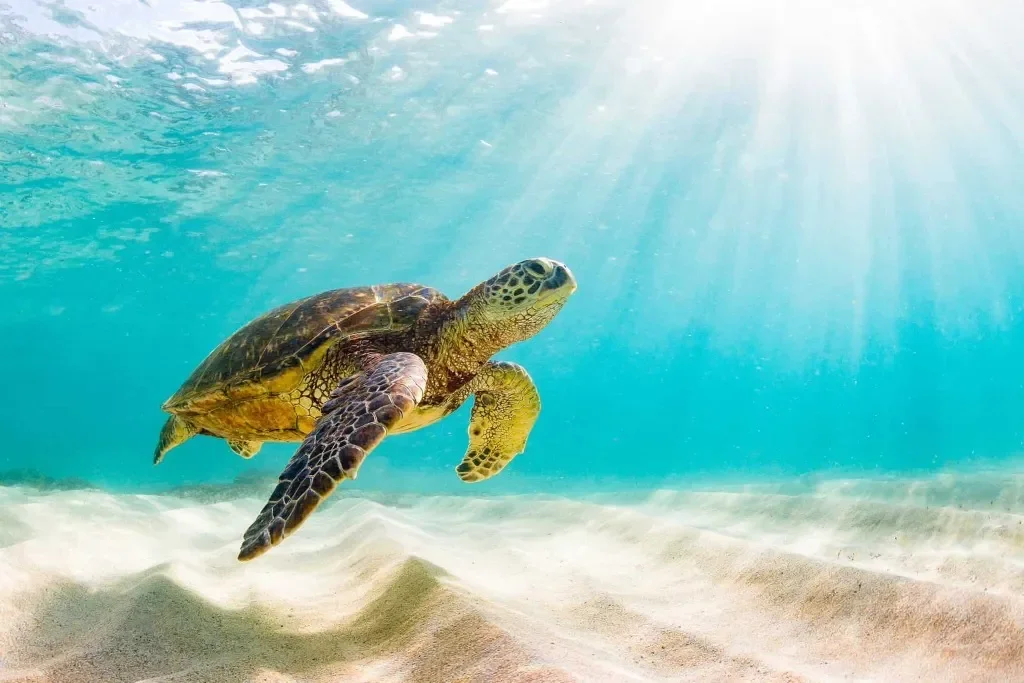
The reefs and wrecks serve as havens for schools of tropical fish, and eels are commonly found tucked within the crevices of concrete and metal. Keep an eye out for sea turtles, particularly green sea turtles during their nesting season.
Rarer sightings can include the black brotula fish, sometimes found hidden in reef recesses. Pelagic species like crevalle jack and amber jacks are also known to frequent the area, particularly around the wrecks and more open reef sections.

Dive Centers Near Causeway Reef #28
Today: 11:00 - 17:00
Nearest Airports
Nearest airports to help plan travel to this dive area.
Search Flights
Check available flights and routes on Expedia, using the nearby airports listed in this section.
Search Flights on Expedia
Plan Your Stay
Looking for a place to stay for your dive trip? Explore hotels, stays, and vacation rentals for dive groups near Sanibel.
Dive Navigator may earn a commission from these links at no extra cost to you.
Frequently Asked Questions
What types of structures make up Causeway Reef #28?
Causeway Reef #28 is part of an artificial reef system built from various materials including concrete slabs, culvert, handrails, metal pipes, and older military pillboxes. It also features several shipwrecks, notably two WWII Landing Ships and an upside-down salt hopper barge.
What are the typical depths for diving here?
Depths at Causeway Reef #28 vary. Shallower sections of the artificial reef can be explored by Open Water divers, while the main Landing Ships Wrecks extend to about 30 m (98 ft), suitable for Advanced Open Water divers. Other wrecks, like the Upside-down Barge, are found between 10-21 m (32-68 ft).
What kind of marine life can I expect to see?
Divers can anticipate encountering goliath groupers, blacktip sharks, and barracuda. The reef is also home to tropical fish, eels, and sea turtles. Seasonal sightings of large goliath grouper aggregations are common in late summer.
When is the best time to dive Causeway Reef #28?
The period from May through September generally offers the best diving conditions, with May often rated 'Excellent' for its low rainfall and calm waters. Water temperatures are warmer, and visibility tends to be good. August and September are ideal for observing goliath grouper aggregations.
Are there any specific hazards to be aware of?
Yes, strong currents can occur, especially around the Upside-down Barge Wreck, which can make wreck entry dangerous. Penetration of any wreck should only be attempted by appropriately trained and experienced divers. Always monitor local conditions.
What certification level is recommended for Causeway Reef #28?
Open Water certification is suitable for exploring many of the shallower artificial reef sections. However, to dive the deeper Landing Ships Wrecks and safely navigate more complex structures, Advanced Open Water certification is recommended.
Planning to dive Causeway Reef #28?
Send one inquiry and receive offers directly from the best verified local dive operators.
Conditions are Moderate
Optimal conditions expected
Current conditions near Causeway Reef #28 show 27° air, 31° sea temperature, 0.4 m waves, and 39 km/h wind. Forecast data is refreshed regularly to ensure accuracy.