
Diving at Causeway Reef #9 (United States)
Situated off the coast of the United States, Causeway Reef #9 is an example of the extensive artificial reef initiatives in Florida. This particular site contributes to a region known for its proactive approach to creating underwater habitats, leveraging various structures to enhance marine biodiversity. Numerous artificial reef deployments in the area include repurposed ships, concrete modules, and bridge materials, all designed to foster thriving ecosystems beneath the waves. The site is a part of a wider network that divers regularly explore.
As evening covers Causeway Reef #9, the local air temperature is measured at 27°C. The current wave height at the surface is recorded at 0.3 m. These late-day readings characterize the surface conditions for the night.
Dive Site Location & Key Facts
Dive Site Overview
For divers seeking structured exploration, Causeway Reef #9 provides an engaging experience typical of Florida's artificial reef program. While specific details about this numbered reef are not consistently reported, such sites often consist of concrete structures or smaller vessels.
The broader region has actively deployed 14 large ships and hundreds of thousands of pounds of concrete and reef modules, transforming otherwise barren seafloors into vibrant underwater cities. These artificial environments attract diverse marine life, creating substantial opportunities for both observation and photography. Diving depths vary widely across the region's artificial reefs, generally ranging from around 12 m (40 ft) in shallower sections to over 35 m (115 ft) for deeper structures.
Planning a dive here involves considering the local current conditions, which can influence drift opportunities and interaction with multiple nearby structures. Many artificial reefs locally are purpose-sunk to divert diving pressure from natural reefs and bolster the marine ecosystem, making them critical habitats for a variety of species.
Conditions are Good
Optimal conditions expected
Current conditions near Causeway Reef #9 show 27° air, 31° sea temperature, 0.3 m waves, and 27 km/h wind. Forecast data is refreshed regularly to ensure accuracy.
Best Time to Dive
Optimal visibility and comfortable diving conditions in this region are often observed during the months of May, July, and September, aligning with higher dive scores from system data. Air temperatures during these periods generally range from 26°C (79°F) to 28°C (82°F). While water temperatures aren't consistently reported, coastal Florida waters are typically warm for diving, peaking in summer months. Rainfall is relatively low for most of the year, although June through September can see increased precipitation, with averages from 5.44 mm (0.21 in) to 8.20 mm (0.32 in). These wetter periods might temporarily affect water clarity. Wave heights tend to be lower from May through September, averaging around 0.3 m (1.0 ft) to 0.5 m (1.6 ft), which contributes to calmer sea states and better overall diving conditions for easier access and improved underwater visibility.
PEAK SEASON SCORE
Scores combine air & water temps, waves, wind & rainfall for overall conditions.
BEST MONTHS TO DIVE
Monthly records compiled from satellite and marine observation nodes over the last 3 years. Data provided by Open-Meteo and MET Norway.
Dive Experience & Conditions
Descending upon Causeway Reef #9, divers can expect to encounter a structured underwater landscape designed to attract and support marine life. As with other artificial reefs in the vicinity, the site likely features concrete elements or former vessel components, providing numerous nooks and crannies for exploration. Divers often find these structures encrusted with organisms, creating an intricate living surface. Currents in the area can vary, sometimes providing drift opportunities where divers move along the reef, encountering various features along the way. Depths for artificial reefs in the area frequently fall within recreational limits, with some extending deeper. While specific water temperatures are not consistently reported for this site, the surrounding coastal waters generally maintain warm temperatures suitable for diving throughout much of the year, typically above 22°C (72°F). Prevailing conditions mean that some dives may experience moderate surge, particularly in shallower areas or during stronger wave action.
Dive Difficulty & Safety Guidelines
Navigating artificial reef sites like Causeway Reef #9 demands careful adherence to safety guidelines, particularly concerning entanglement hazards. Structures such as concrete modules, rebar, or vessel remnants can present potential snag points for gear. Divers should maintain good buoyancy control and be mindful of their proximity to the structure.
Some artificial reefs in the region, particularly wrecks, may offer opportunities for limited penetration; however, this should only be attempted by divers with appropriate training, experience, and equipment for overhead environments. Always dive with a buddy and carry essential safety gear such as a cutting tool.
Consulting with local dive operators for current conditions, site-specific hazards, and recommended entry/exit points is always advisable to ensure a safe and enjoyable dive experience.
Recommended Equipment
- Dive Computer
This gear list is based on verified equipment signals for Causeway Reef #9, United States. Always confirm final gear choices with your dive operator, guide, or liveaboard.
Recommended Dive Suit
Divers visiting Causeway Reef #9 today can expect water conditions around 31°C (87°F). Surface air temperatures are resting at 27°C (81°F).
For the majority of recreational dives here, dive skin or rash guard should provide suitable protection. A hood or vest is suggested for sensitive divers due to surface winds.
Environmental conditions are expected to remain consistent in the short-term outlook.
Emergency & Medical Support
Essential information to help you plan your dive trip to Causeway Reef #9.

Hyperbaric chambers are a critical part of dive safety infrastructure. Availability varies significantly by region, and not all dive areas have immediate access.
Before diving, it's recommended to:
- confirm nearest medical facilities
- check emergency procedures with local dive operators
- ensure dive insurance covers evacuation if required
Divers Alert Network
Diving emergency assistance available through DAN World.
+1-919-684-9111- 24/7 emergency hotline
- Diving medical assistance
- Evacuation coordination
Emergency contacts are provided for reference. Always verify local emergency services before diving.
Marine Life at Causeway Reef #9
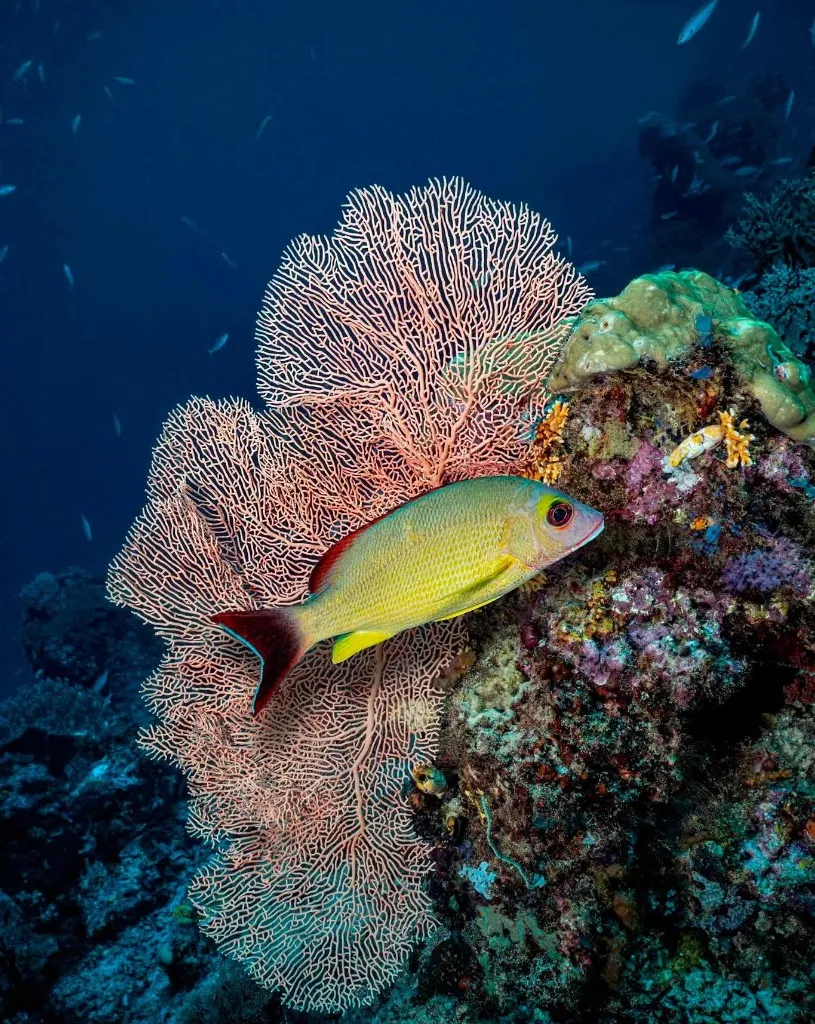
An intricate underwater landscape characterizes Causeway Reef #9, providing a vital home for a range of marine species. Artificial structures, whether concrete or repurposed vessels, quickly become colonized by corals and sponges, forming a complex habitat.
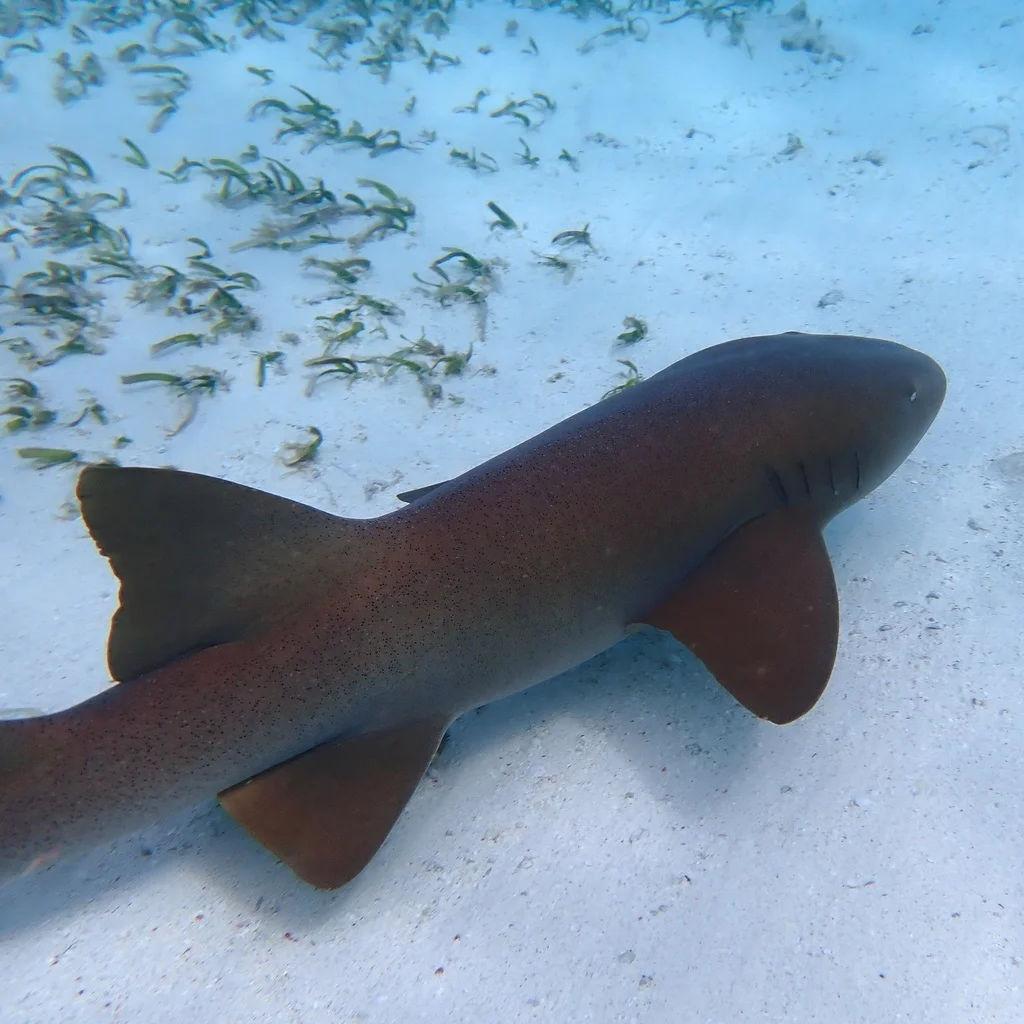
Divers frequently observe schools of reef fish, including snapper, spotted goatfish, and grunts, congregating around the shelter these structures offer. Larger inhabitants like nurse sharks and the occasional goliath grouper are also known to frequent such sites.
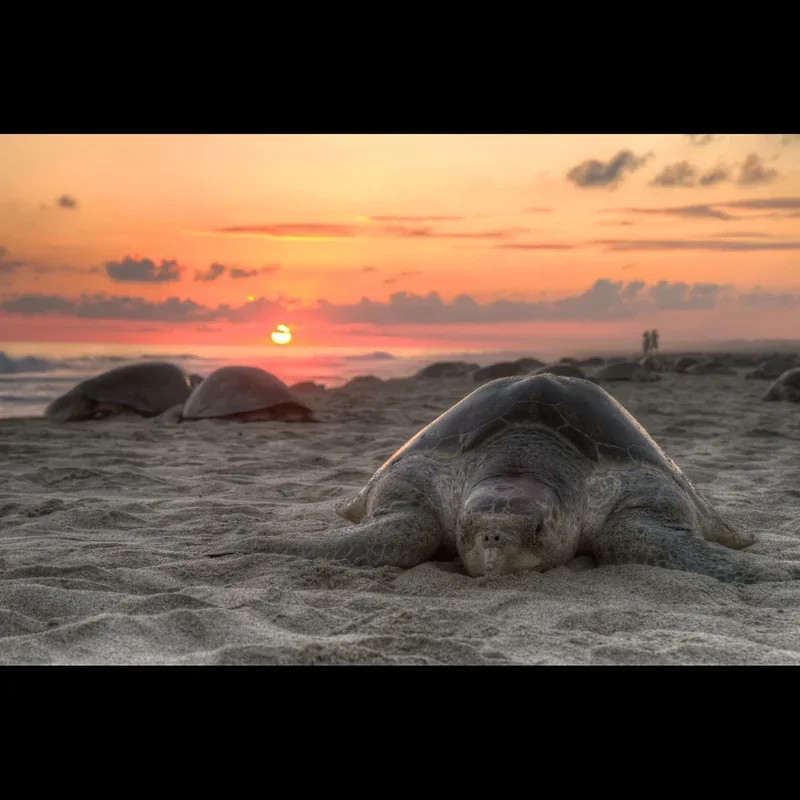
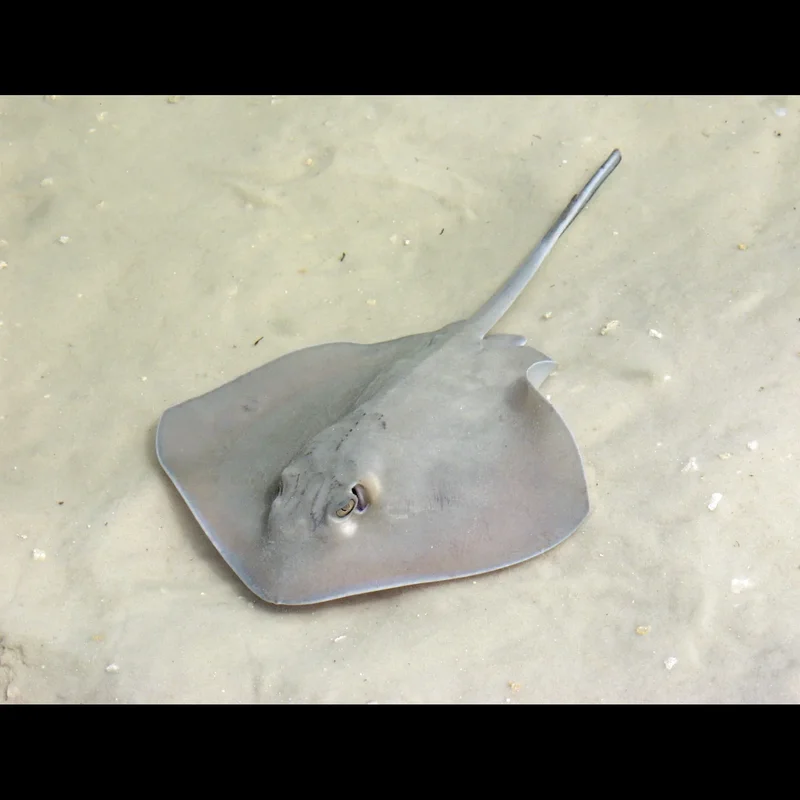
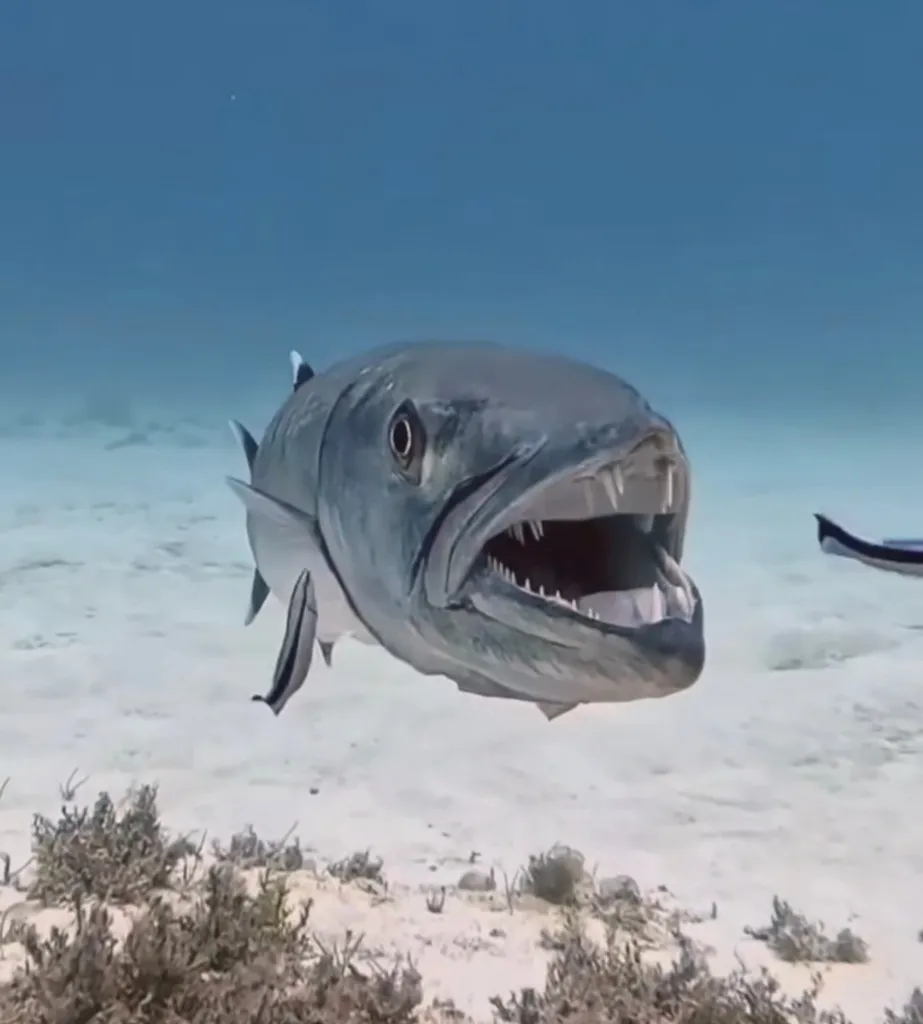
During encounters on similar artificial reefs nearby, marine life like barracuda, various shark species, sea turtles, and sting rays are commonly encountered, demonstrating the success of these human-made habitats in bolstering local biodiversity.
Dive Centers Near Causeway Reef #9
Today: 11:00 - 15:00
Nearest Airports
Nearest airports to help plan travel to this dive area.
Search Flights
Check available flights and routes on Expedia, using the nearby airports listed in this section.
Search Flights on Expedia
Plan Your Stay
Looking for a place to stay for your dive trip? Explore hotels, stays, and vacation rentals for dive groups near Sanibel.
Dive Navigator may earn a commission from these links at no extra cost to you.
Frequently Asked Questions
What kind of structures comprise Causeway Reef #9?
Causeway Reef #9 is part of Florida's artificial reef program. While specific details for this numbered site are limited, similar artificial reefs in the region often consist of concrete modules, bridge material, or smaller repurposed vessels designed to create marine habitats.
What is the typical depth range for diving at Causeway Reef #9?
Depths for artificial reefs in this region vary considerably. Divers can expect to find structures ranging from approximately 12 m (40 ft) in shallower areas to over 35 m (115 ft) for some of the deeper deployments, accommodating various certification levels.
Are strong currents common at this dive site?
Current conditions can vary at artificial reef sites like Causeway Reef #9. Some dives may experience moderate currents, which can be utilized for drift diving, while other days might present calmer conditions. Checking local reports is always recommended.
What marine life can divers expect to see?
The artificial structures at Causeway Reef #9 attract diverse marine life. Divers frequently encounter reef fish such as snapper and grunts, as well as larger species like nurse sharks, goliath groupers, barracuda, and occasionally sea turtles or sting rays.
When is the best time of year to dive Causeway Reef #9?
The months of May, July, and September generally offer optimal diving conditions with good visibility and comfortable air temperatures. These periods also tend to have lower wave heights, contributing to calmer seas and better access to the site.
Is wreck penetration permitted at Causeway Reef #9?
The specific structure of Causeway Reef #9 is not detailed. If it involves a wreck with penetrable sections, entry should only be attempted by divers with appropriate training, experience, and equipment for overhead environments. Always prioritize safety and local guidelines.
Planning to dive Causeway Reef #9?
Send one inquiry and receive offers directly from the best verified local dive operators.
Conditions are Good
Optimal conditions expected
Current conditions near Causeway Reef #9 show 27° air, 31° sea temperature, 0.3 m waves, and 27 km/h wind. Forecast data is refreshed regularly to ensure accuracy.