
Diving at CH Site - South Tug (United States)
Descending upon the South Tug reveals a historical glimpse into the maritime past of the United States. This site, part of the broader Carolina dive landscape, invites exploration beneath the waves. While specific details about the South Tug itself are limited, it represents a typical wreck dive in a region known for artificial reefs and submerged history. Divers here encounter structures that have long since become integrated into the marine ecosystem.
Evening condition tracking at CH Site - South Tug features an air temperature of 28.5°C. We have recorded wave heights measuring 1.3 m during this period. These figures outline the environmental parameters currently present.
Dive Site Location & Key Facts
Dive Site Overview
The structure of a typical Carolina wreck, much like the South Tug, usually presents with various levels of integrity, from scattered hull sections to more intact superstructures, providing diverse points of interest. These sites often rest within recreational diving depths, though the specific maximum depth of the South Tug is not consistently reported.
Other local wrecks in the area offer dives that can extend to around 30 m (100 ft), or even deeper to 40 m (132 ft) for experienced divers, suggesting a similar range may apply. Over time, marine growth has transformed these wrecks into artificial reefs, enhancing their appeal. Water temperature data is not consistently reported for this specific site, but conditions generally reflect seasonal patterns of the Atlantic coast.
Visibility here varies depending on local currents and weather patterns, offering a dynamic dive experience.
Conditions are Excellent
07:00 - 14:00
Optimal conditions expected
Current conditions near CH Site - South Tug show 29° air, 29° sea temperature, 0.8 m waves, and 22 km/h wind. Forecast data is refreshed regularly to ensure accuracy.
Best Time to Dive
Planning a dive to the South Tug benefits from understanding the seasonal climate patterns, which show a notable contrast throughout the year. The prime diving window typically spans from May through July, and also includes November, where 'Good' dive scores are generally recorded. During these months, air temperatures are pleasant, averaging 24-28°C (75-82°F) in the summer and 20.5°C (69°F) in November. Wave heights are often lower, particularly in July, averaging about 0.7 m (2.3 ft), contributing to calmer surface conditions. Conversely, October typically sees the lowest dive scores due to higher average wave heights of 1.6 m (5.2 ft) and increased wind speeds, even though air temperatures remain warm, around 24°C (75°F). Rainfall is generally low across all months, usually less than 6.2mm (0.24 inches) on average.
PEAK SEASON SCORE
Scores combine air & water temps, waves, wind & rainfall for overall conditions.
BEST MONTHS TO DIVE
Monthly records compiled from satellite and marine observation nodes over the last 3 years. Data provided by Open-Meteo and MET Norway.
Dive Experience & Conditions
Beginning a descent at a wreck site like the South Tug requires divers to be prepared for conditions that can range from moderate to challenging. For many wreck dives in this region, an Advanced Open Water certification is recommended, often along with specific Deep or Wreck specialty certifications. Divers may encounter depths reaching 30 m (100 ft), and for those venturing to deeper sections, certifications like Deep or even Tec 40/45/50 may be necessary, often with a requirement for Nitrox and an alternate air source. The general conditions include variable currents, which can influence both the dive profile and the effort required. While specific water temperatures are not consistently reported for this location, seasonal air temperatures range from approximately 14°C (57°F) in winter to 28°C (82°F) in summer, providing a general indication of the surrounding environment.
Dive Difficulty & Safety Guidelines
Approaching any wreck, including the South Tug, demands adherence to established safety protocols to mitigate inherent risks. Divers should always be aware of potential entanglement hazards from fishing lines or debris, especially when navigating around the structure. Proper buoyancy control is crucial to prevent disturbing the wreck or stirring up sediment, which can quickly reduce visibility.
Given that many local wreck dives can be deep, requiring depths up to 40 m (132 ft) for experienced divers, the use of Nitrox and carrying an alternate air source are often mandatory. Never dive beyond your certified training and always plan your dive with a buddy, ensuring both are familiar with emergency procedures specific to wreck environments.
Penetration diving should only be attempted by those with appropriate advanced wreck training and equipment.
Recommended Equipment
- Dive Computer
This gear list is based on verified equipment signals for CH Site - South Tug, United States. Always confirm final gear choices with your dive operator, guide, or liveaboard.
Recommended Dive Suit
Divers who spend more time observing marine life often prefer slightly warmer gear.
Environmental readings suggest that the waters surrounding CH Site - South Tug are about 29°C (83°F) at the moment. Surface air temperatures are resting at 29°C (83°F). Water temperatures in this range are often well suited to diving with 2-3mm shorty or light wetsuit. Consider warmer surface protection (like a boat coat) due to brisk winds.
Weather models indicate a small drop in surface temperatures later this week. Cooler days are ahead; you might want a warmer option for later in the week. A thicker wetsuit may be worth considering for extended dives.
Emergency & Medical Support
Essential information to help you plan your dive trip to CH Site - South Tug.

Hyperbaric chambers are a critical part of dive safety infrastructure. Availability varies significantly by region, and not all dive areas have immediate access.
Before diving, it's recommended to:
- confirm nearest medical facilities
- check emergency procedures with local dive operators
- ensure dive insurance covers evacuation if required
Divers Alert Network
Diving emergency assistance available through DAN World.
+1-919-684-9111- 24/7 emergency hotline
- Diving medical assistance
- Evacuation coordination
Emergency contacts are provided for reference. Always verify local emergency services before diving.
Marine Life at CH Site - South Tug
What you first notice at a wreck site like the South Tug is often the vibrant transformation from a sunken vessel into a living habitat. Schooling fish frequently congregate around the wreck’s superstructure, providing a dynamic display.
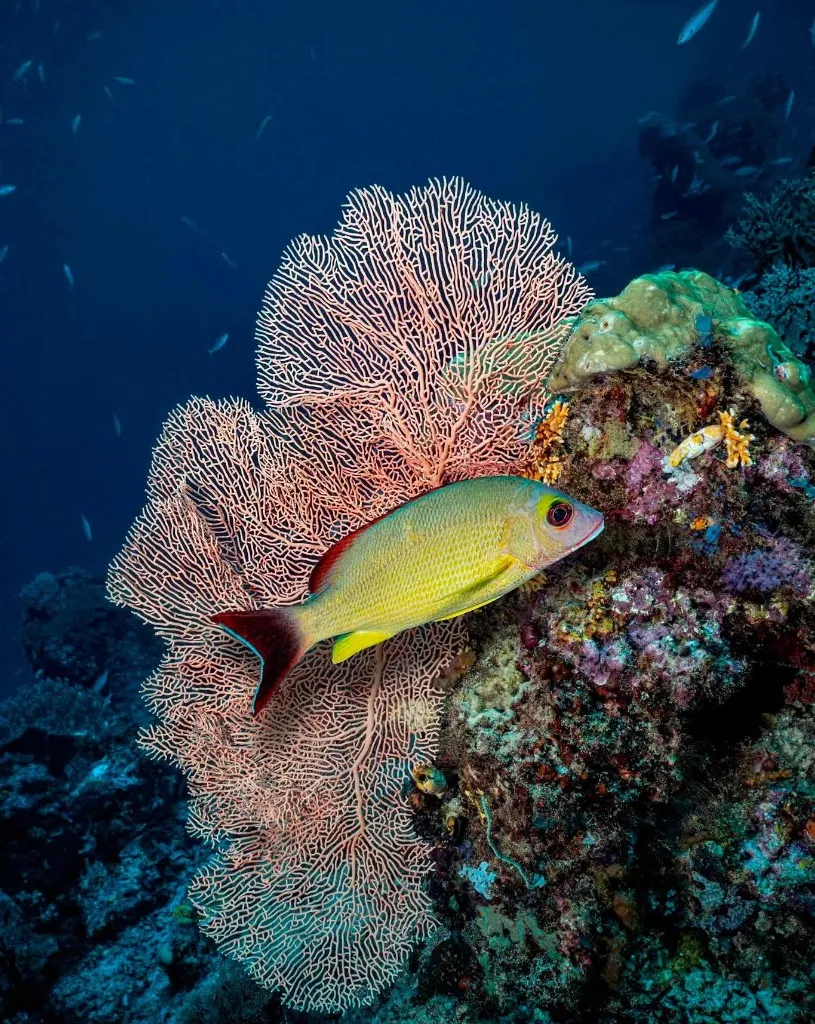
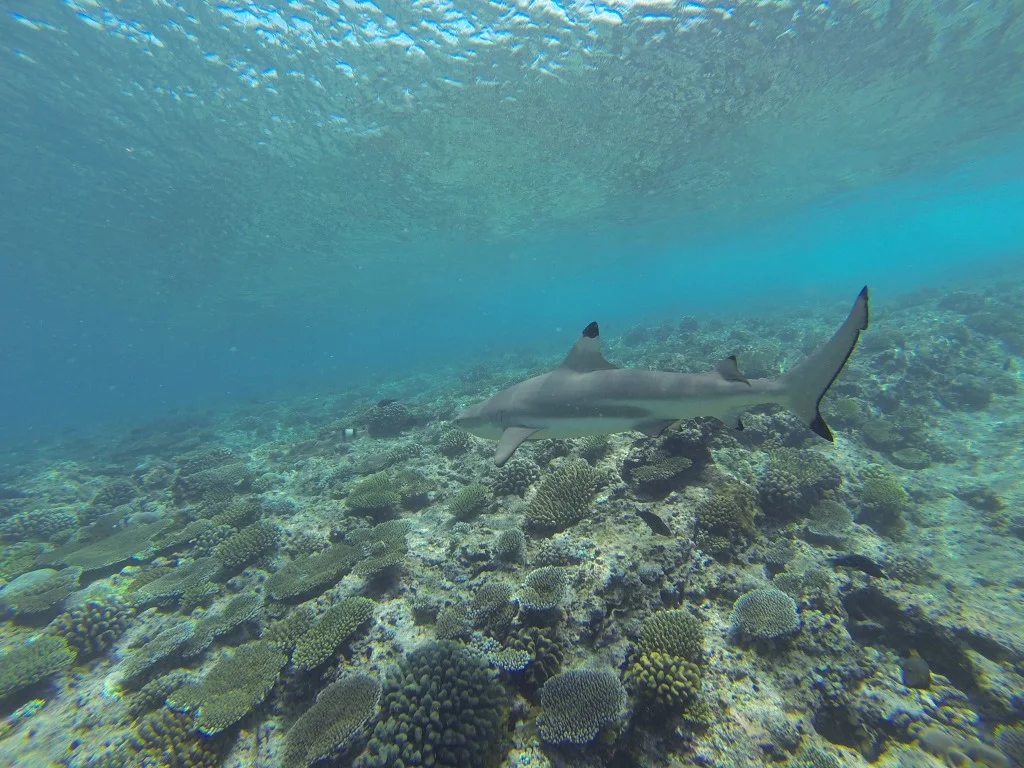
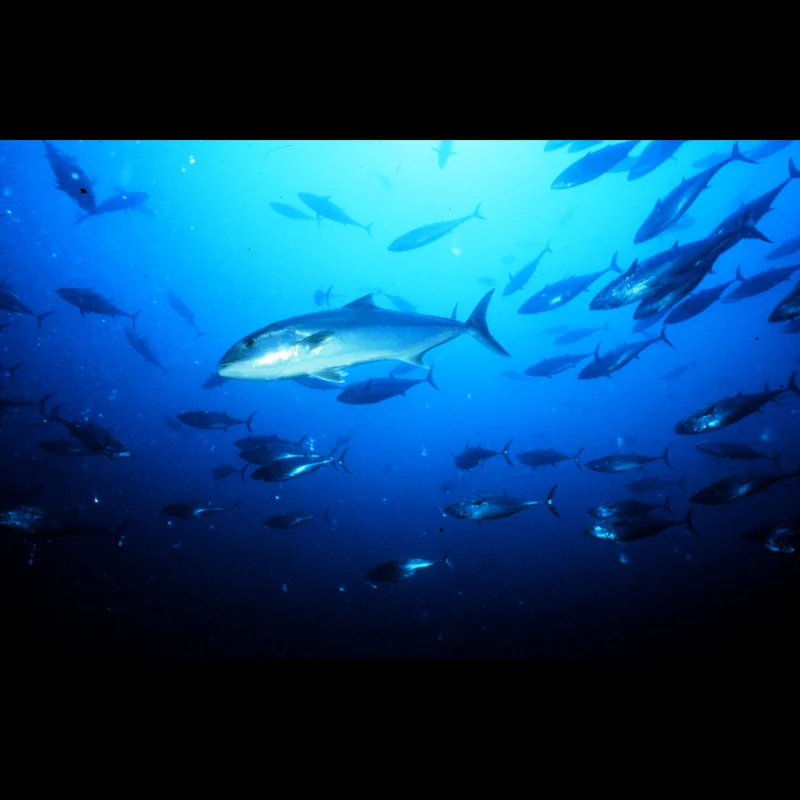
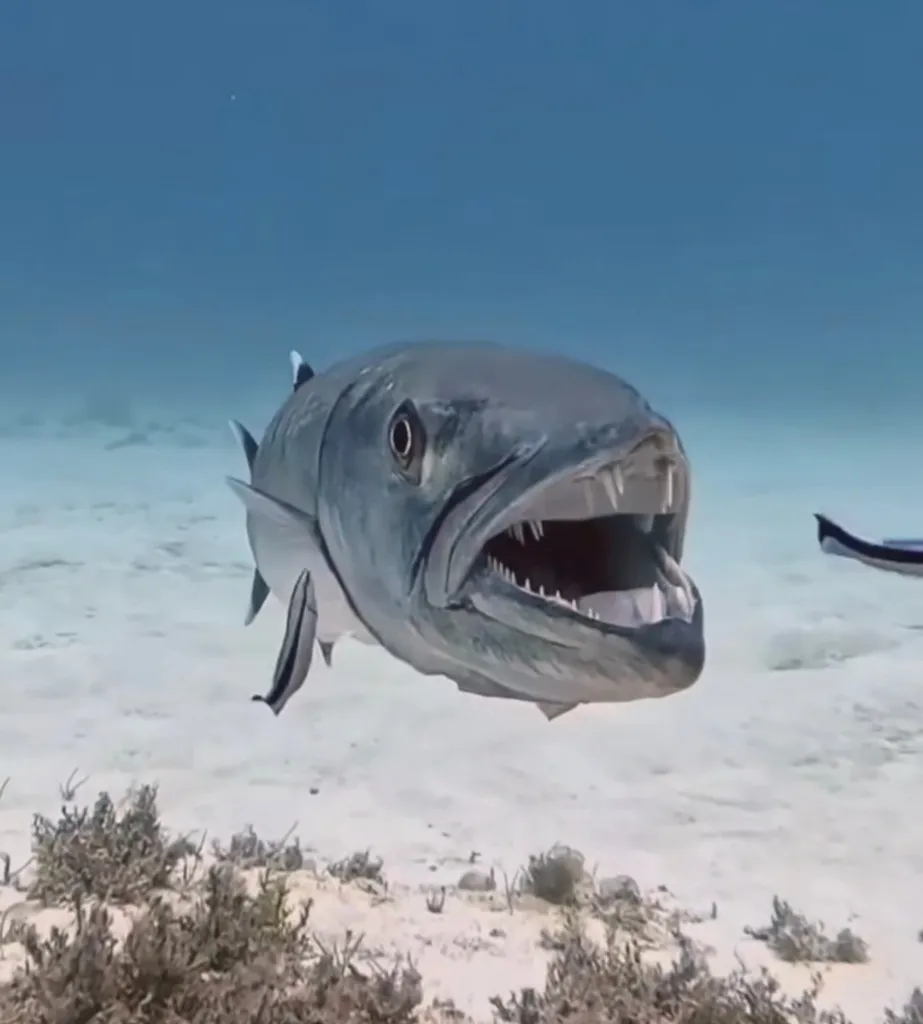
Common sightings for divers in similar regional wrecks include various species of sharks, barracuda patrolling the perimeter, and large amberjack. Keep an eye out for grouper and snapper taking shelter within the crevices of the hull.
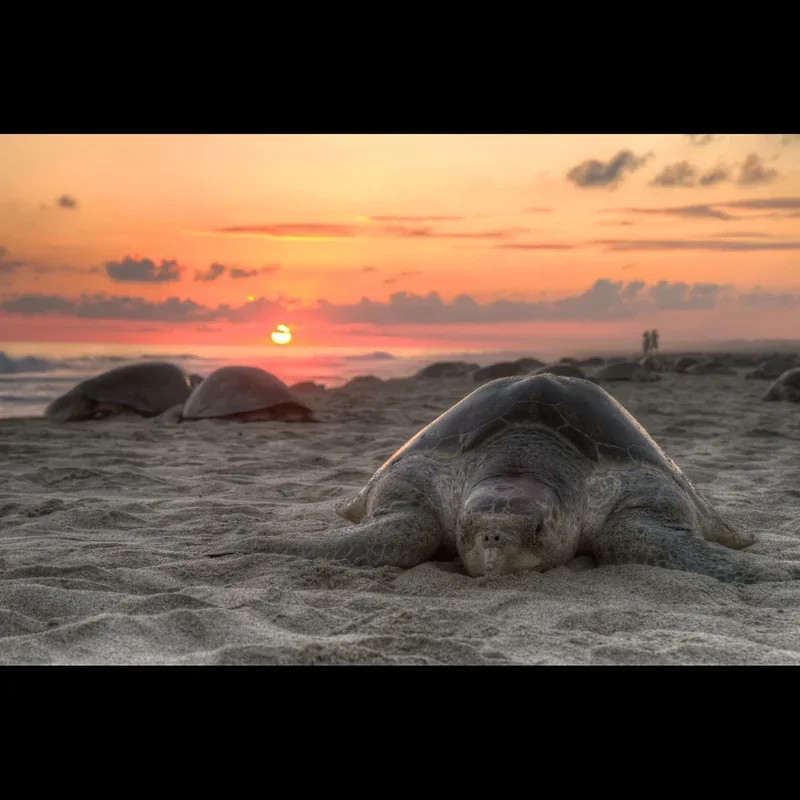
Rays can also be observed gliding over the sandy bottom near the wreck, while occasional sightings of sea turtles add to the allure.
Dive Centers Near CH Site - South Tug
Today: 10:00 - 18:30
Nearest Airports
Nearest airports to help plan travel to this dive area.
Search Flights
Check available flights and routes on Expedia, using the nearby airports listed in this section.
Search Flights on ExpediaFrequently Asked Questions
What is the typical depth range for diving the South Tug?
While the exact depth for the South Tug is not specified, similar wreck dives in the region often fall within the recreational depth range of 15 to 30 m (50 to 100 ft). Deeper sections on some wrecks can extend to 40 m (132 ft), requiring advanced certifications.
What experience level is recommended for the South Tug?
Given it's a wreck site in the Carolinas, an Advanced Open Water certification is generally recommended. Dives to deeper wrecks in this area often require Deep and Wreck specialty certifications, along with sufficient logged offshore dives.
When is the best time of year to dive the South Tug?
The best time to dive is typically from May through July, and again in November, when climate data indicates 'Good' dive scores. These months offer more favorable conditions, including calmer waves and pleasant air temperatures.
Are there specific equipment requirements for this dive?
For many deeper wreck dives in this region, divers are required to use Nitrox. Additionally, carrying an alternate air source is often mandatory for experienced divers descending to greater depths.
What kind of marine life can I expect to see?
Wrecks in this area serve as thriving artificial reefs, attracting a variety of marine life. Divers commonly encounter sharks, barracuda, amberjack, grouper, snapper, rays, and occasionally sea turtles.
What are the common conditions at the dive site?
Conditions can include variable currents and visibility that changes with local weather and water movement. Specific water temperature data is not consistently available, but generally follows seasonal air temperature fluctuations.
Planning to dive CH Site - South Tug?
Send one inquiry and receive offers directly from the best verified local dive operators.
Conditions are Excellent
07:00 - 14:00
Optimal conditions expected
Current conditions near CH Site - South Tug show 29° air, 29° sea temperature, 0.8 m waves, and 22 km/h wind. Forecast data is refreshed regularly to ensure accuracy.