
Diving at Chepanoc - Starfish Reef (United States)
While many reefs boast vibrant corals, Chepanoc invites divers into a different kind of underwater world. A wreck dive, a 129-foot (39 m) steel-hulled tugboat, provides substantial relief from the seafloor. It forms a key component of the broader Starfish Reef Complex. Divers can explore its depths, contrasting its manufactured structure with the natural reef environment.
As evening covers Chepanoc - Starfish Reef, the local air temperature is measured at 30.5°C. The current wave height at the surface is recorded at 0.9 m. These late-day readings characterize the surface conditions for the night.
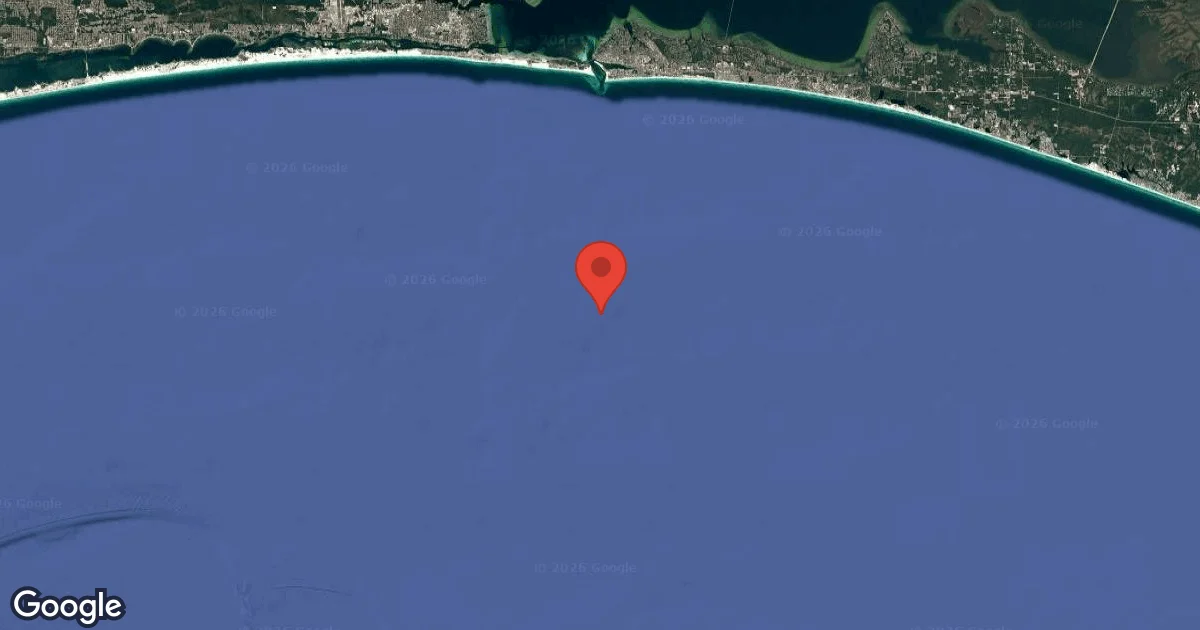
Dive Site Location & Key Facts
Dive Site Overview
Chepanoc, a 129-foot (39 m) steel-hulled tugboat, serves as the central feature of the Starfish Reef Complex, an artificial reef deployed by Okaloosa County. Intentional sinking occurred on December 1, 2005, establishing the vessel upright on the seafloor.
Maximum depth reaches 32.6 m (107 ft). Approximately 9 m (30 ft) of vertical relief rises from the seabed, presenting divers with significant structure for exploration. Its bow maintains a fixed orientation, specifically towards 240°, a helpful navigational detail.
Specific areas, notably the pilothouse, permit penetrations, allowing observation of how marine life integrates with human-made structures. As an integral part of a larger complex, Chepanoc functions as an anchor site, complementing various other nearby features within the Starfish Reef.
Divers frequently combine exploration of this wreck with other elements of the complex for a more comprehensive underwater experience. Visibility around the wreck often varies depending on local weather and current patterns, influencing overall dive conditions.
Planning a visit involves accounting for potential changes in water clarity and flow. The wreck's unique profile against the flat seabed consistently draws a diverse array of fish species, establishing a vibrant, albeit artificial, ecosystem.
Conditions are Good
07:00 - 14:00
Optimal conditions expected
Current conditions near Chepanoc - Starfish Reef show 30° air, 30° sea temperature, 0.9 m waves, and 27 km/h wind. Forecast data is refreshed regularly to ensure accuracy.
Best Time to Dive
Choosing the optimal time to dive Chepanoc involves balancing comfort and sea conditions. The period from May through September generally offers the most favorable conditions, characterized by 'Good' dive scores. During these months, average air temperatures range from approximately 24.5°C (76°F) in May to highs of 29°C (84°F) in August, ensuring comfortable surface intervals. Rainfall during this peak season tends to be consistently low, typically between 3 to 6 millimeters. Outside of these months, conditions remain 'Moderate' for diving, with air temperatures in the cooler months, like January and February, averaging 14-16°C (57-61°F). However, wave heights and wind speeds are also lower during the summer, contributing to calmer seas and potentially improved dive comfort.
PEAK SEASON SCORE
Scores combine air & water temps, waves, wind & rainfall for overall conditions.
BEST MONTHS TO DIVE
Monthly records compiled from satellite and marine observation nodes over the last 3 years. Data provided by Open-Meteo and MET Norway.
Dive Experience & Conditions
Currents around wreck sites like Chepanoc can fluctuate, influencing dive planning and execution. Divers should anticipate varying water movement and plan their ascent and descent accordingly, especially when navigating around the structure's relief. Tugboat rests at a maximum depth of 32.6 m (107 ft), making it suitable for advanced recreational divers with appropriate training. Exploring the pilothouse requires careful buoyancy control and awareness of overhead environments. Specific water temperature data for this site is not consistently reported, but generally reflects regional averages and seasonal trends. Visibility often depends on local weather patterns and tidal influences, which can impact the overall experience of observing the wreck and its resident life.
Dive Difficulty & Safety Guidelines
Diving Chepanoc, a submerged tugboat, requires adherence to specific safety protocols common for wreck diving. Given the maximum depth of 32.6 m (107 ft) and the potential for penetration into the pilothouse, divers should possess advanced open water certification and specialized wreck diving training. Proper gas management, including conservative bottom times and sufficient air reserves for decompression, is paramount.
Always dive with a buddy and maintain a clear communication plan throughout the dive. Prior to entry, conduct a thorough gear check and review emergency procedures. Respect the wreck; avoid disturbing its structural integrity or removing artifacts.
Recommended Equipment
- Dive Computer
This gear list is based on verified equipment signals for Chepanoc - Starfish Reef, United States. Always confirm final gear choices with your dive operator, guide, or liveaboard.
Recommended Dive Suit
For many recreational divers, dive skin or rash guard provides a practical level of insulation in these conditions. Consider warmer surface protection (like a boat coat) due to brisk winds. Divers who tend to get cold easily may prefer slightly thicker exposure protection.
The waters surrounding Chepanoc - Starfish Reef are currently maintaining temperatures close to 30°C (86°F). Surface air temperatures are resting at 30°C (87°F).
Environmental conditions may feel slightly cooler as the week progresses. Cooler days are ahead; you might want a warmer option for later in the week. Bringing an additional thermal layer can be helpful if conditions change.
Emergency & Medical Support
Essential information to help you plan your dive trip to Chepanoc - Starfish Reef.

Hyperbaric chambers are a critical part of dive safety infrastructure. Availability varies significantly by region, and not all dive areas have immediate access.
Before diving, it's recommended to:
- confirm nearest medical facilities
- check emergency procedures with local dive operators
- ensure dive insurance covers evacuation if required
Divers Alert Network
Diving emergency assistance available through DAN World.
+1-919-684-9111- 24/7 emergency hotline
- Diving medical assistance
- Evacuation coordination
Emergency contacts are provided for reference. Always verify local emergency services before diving.
Marine Life at Chepanoc - Starfish Reef
Below the surface, Chepanoc's structure provides a robust habitat for various marine species, making it a focal point for underwater observation. French angelfish are commonly seen gracefully navigating the wreck's exterior.
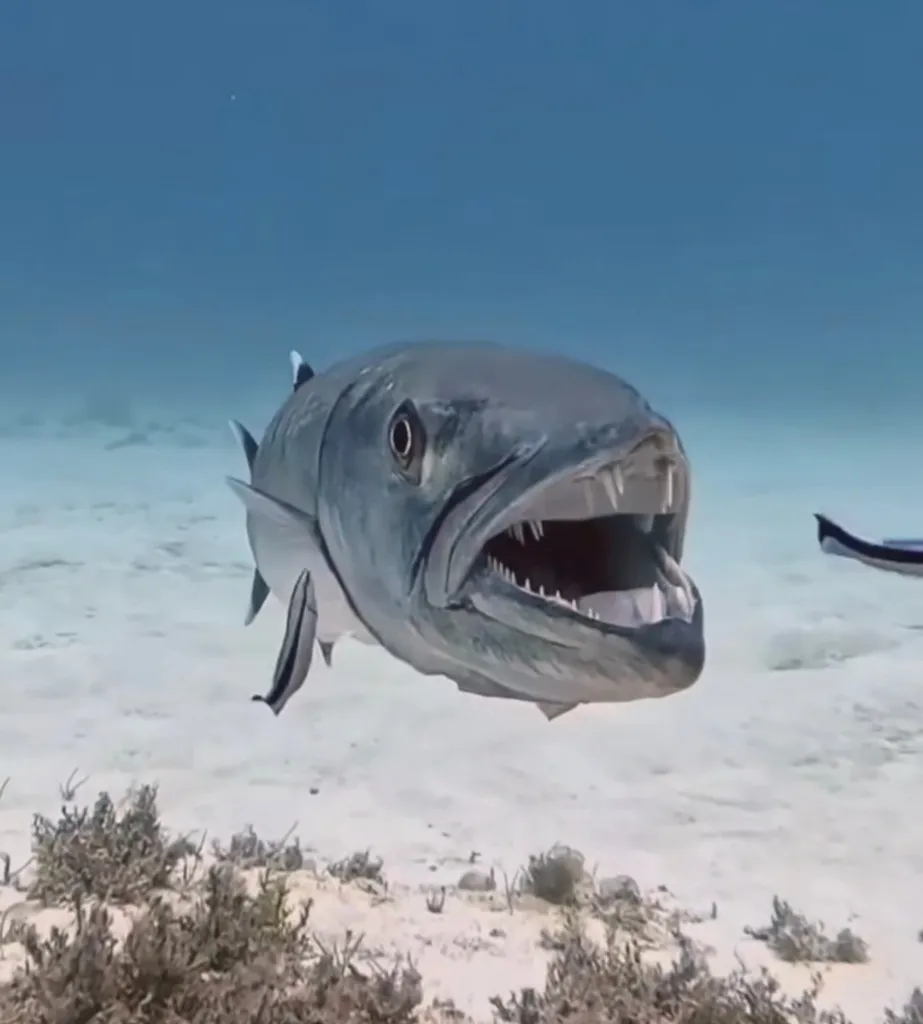
Barracuda often patrol the perimeter, providing a sense of scale to the environment. Divers can also expect to encounter a variety of other reef fish that have colonized the tugboat.
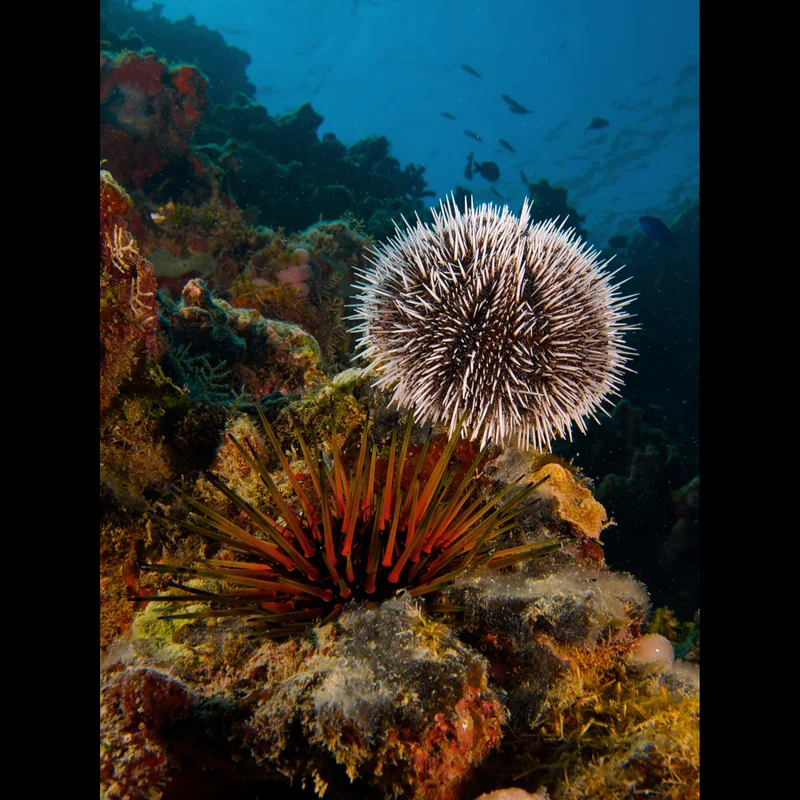
The wreck is also home to numerous resident sea urchins, found clinging to its surfaces, showcasing the site's role as a diverse artificial reef.

Dive Sites Near Chepanoc - Starfish Reef
View all dive sites in United StatesDiscover more underwater gems in this area.
Dive Centers Near Chepanoc - Starfish Reef
Today: 08:00 - 17:00
Nearest Airports
Nearest airports to help plan travel to this dive area.
Search Flights
Check available flights and routes on Expedia, using the nearby airports listed in this section.
Search Flights on ExpediaFrequently Asked Questions
What is Chepanoc?
Chepanoc is a 129-foot (39 m) steel-hulled tugboat that was intentionally sunk as an artificial reef. It is a key part of the larger Starfish Reef Complex deployed by Okaloosa County.
How deep is the Chepanoc wreck?
The Chepanoc wreck rests upright at a maximum depth of 32.6 m (107 ft). It provides approximately 9 m (30 ft) of vertical relief from the seafloor.
When was the Chepanoc sunk?
The Chepanoc tugboat was sunk on December 1, 2005, specifically for the purpose of creating an artificial reef structure and enhancing marine habitats.
What kind of marine life can be seen at Chepanoc?
Divers exploring Chepanoc often observe French angelfish, barracuda, and various other reef fish. The wreck is also home to numerous resident sea urchins.
Is penetration possible into the wreck?
Yes, divers can swim through the pilothouse of the Chepanoc. However, any wreck penetration requires appropriate training and experience for safety.
What is the best time of year to dive Chepanoc?
The most favorable diving conditions typically occur from May through September. This period generally has higher air temperatures and lower wave activity, leading to 'Good' dive scores.
Planning to dive Chepanoc - Starfish Reef?
Send one inquiry and receive offers directly from the best verified local dive operators.
Conditions are Good
07:00 - 14:00
Optimal conditions expected
Current conditions near Chepanoc - Starfish Reef show 30° air, 30° sea temperature, 0.9 m waves, and 27 km/h wind. Forecast data is refreshed regularly to ensure accuracy.